Reviewed · OSAKA TOURS
Osaka: Visit the must-see places.
Osaka packs a lot into one day. This Spanish-language walking and subway tour links the city’s big sights with its food streets, temples, and neon districts, giving you a useful first look at Osaka without leaving the planning to chance. I especially like the mix of Osaka Castle and two important temples, followed by the food-focused stops at Kuromon Market and Dotombori. I also like that guide Manuel Pérez is praised for careful explanations, useful restaurant advice, and close attention to families.
The main consideration is the pace. You cover a long list of places, use the subway, and spend plenty of time on foot. You must also pay your own transportation costs, meals, and drinks, and the route is not suitable for wheelchair users or baby carriages.
In This Review
- Key points to know before booking
- Why this Osaka route works
- Starting at Osaka Castle and Toyotomi Hideyoshi
- Shitennoji Temple and Japan’s early Buddhism
- Isshin-ji and a striking funeral tradition
- Shinsekai, kushikatsu, and the Tsutenkaku Tower
- Kuromon Market and Osaka’s food culture
- Namba and Dotombori after dark energy
- What the $73 price really covers
- Who should book this experience
- Practical advice for a smoother day
- Should you book this Osaka tour?
- FAQ
- What language is the tour conducted in?
- How much does the experience cost?
- Where does the tour begin?
- Where does the tour end?
- Is transportation included?
- Do I need cash or a transportation card?
- Are meals and drinks included?
- Which major places does the tour visit?
- Is the experience suitable for wheelchair users or baby carriages?
- Can I cancel for a full refund?
Key points to know before booking
- A full cross-section of Osaka: The route moves from Osaka Castle and ancient Buddhist temples to Shinsekai, Kuromon Market, Namba, and Dotombori.
- Spanish-speaking guidance: Manuel Pérez leads the experience in Spanish and explains Japanese history and culture in clear detail.
- Food is part of the plan: Kuromon Market offers sushi, seafood, wagyu beef, and other local specialties, while Shinsekai is known for kushikatsu.
- Subway travel keeps the route practical: The guide provides transportation by leading the group, but you need cash or an ICOCA, SUICA, or PASMO card for your own fares.
- The tour ends where it begins: Meet at Exit 3B of Morinomiya subway station, and return there at the end.
- Good value for a guided overview: At $73 per person, the price is reasonable if you want history, food districts, and city orientation in one outing.
Why this Osaka route works
Osaka can feel scattered on a first visit. The castle sits in one part of the city, Shitennoji and Isshin-ji are elsewhere, and the best-known entertainment districts spread south toward Namba. This route joins those pieces in a logical sightseeing day, so you do not have to work out every subway connection yourself.
I like the range. You get a major landmark, sacred sites, an old-fashioned neighborhood, a market, and the famous canal district. This is not a tour focused only on food or only on architecture. Instead, it gives you several ways to understand Osaka.
The experience is conducted in Spanish, which is the key reason to choose it over a standard English-language city tour. Manuel Pérez has a reputation for explaining Japanese and Osaka history in detail, while also answering practical questions about places to eat. He has also been praised for adjusting his attention to families, including a couple traveling with a seven-year-old child.
The route has one clear weakness: it is ambitious. Since you use the subway and walk through several districts, comfortable shoes and light clothing matter. Osaka can be hot, and the guide has been especially attentive to people’s needs in warm conditions, but you should still expect a physically active day.
A few more options to weigh up in Japan
- Universal Studios Japan Studio Pass
★ 4.8 · 89,883 reviews - Universal Studios Japan Express Pass
★ 4.7 · 53,138 reviews - Osaka Amazing Pass
★ 4.7 · 21,697 reviews
Starting at Osaka Castle and Toyotomi Hideyoshi
The tour begins at Exit 3B of Morinomiya subway station, placing you near Osaka Castle Park. This is a practical meeting point because the castle area is one of the city’s essential sights, and you begin with a strong sense of place rather than a generic shopping street.
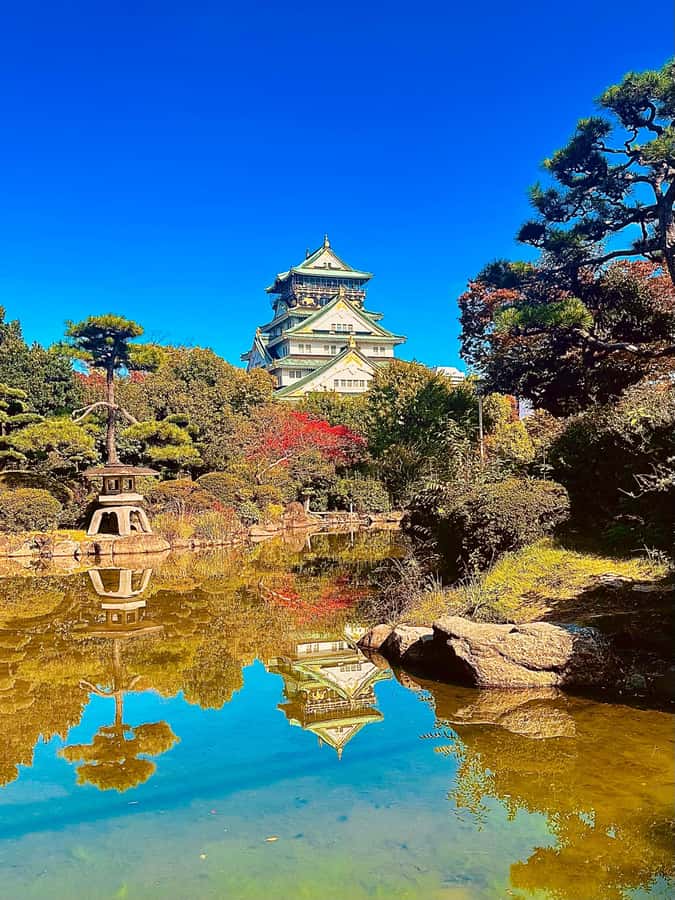
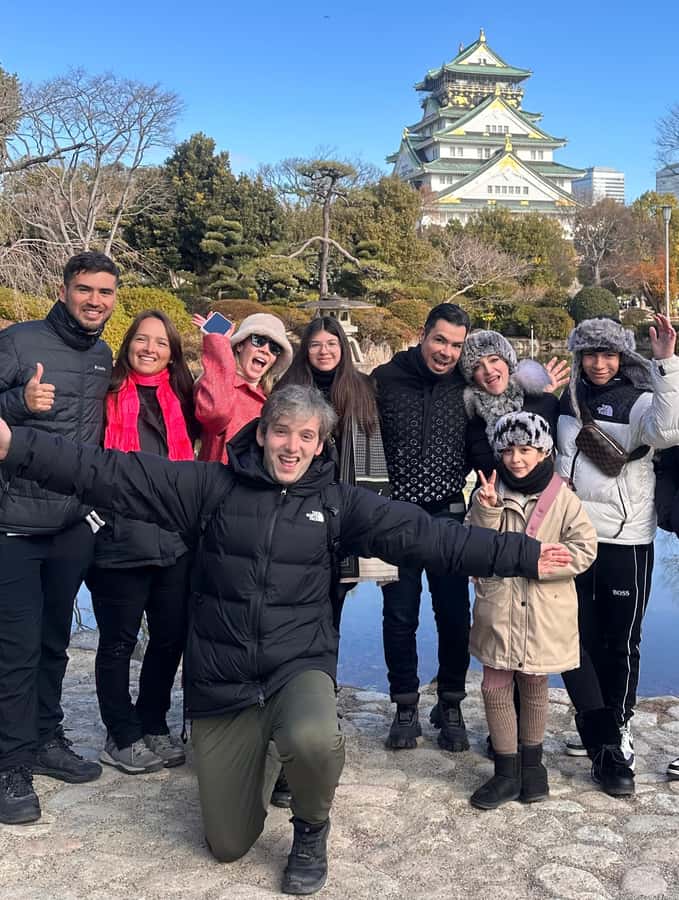
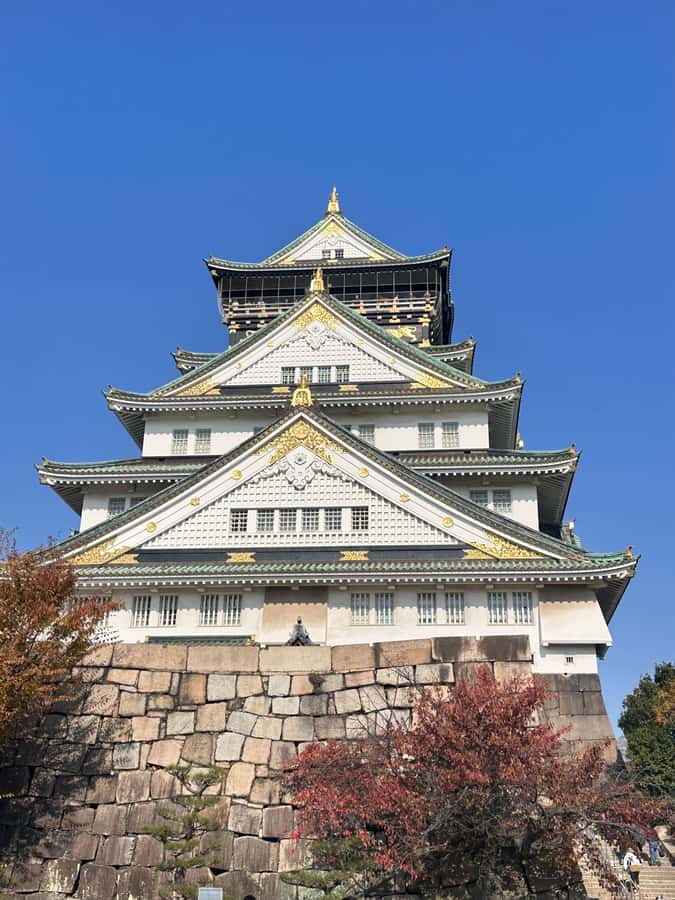
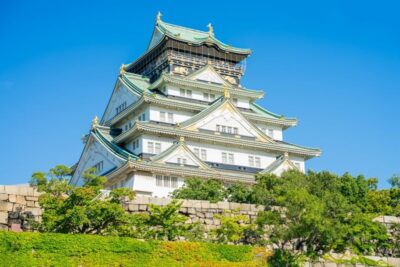
Osaka Castle is tied to Toyotomi Hideyoshi, the powerful leader who built it in the 16th century. The castle also connects directly with the Sengoku period, the era of conflict and political change that shaped Japan before the country was unified.
You explore the castle surroundings and extensive park while the guide explains its role. That setting matters. The park gives you space to understand the scale of the site, while the historical explanation helps turn a famous photo stop into something more meaningful.
The castle itself is one of Osaka’s most recognizable structures, but the value here is not simply taking a picture in front of it. You get context about why Hideyoshi built it and why Osaka became such an important center of power.
The practical catch is that the schedule includes many more places after the castle. Do not linger indefinitely if you want enough time for the temples, market, and southern districts. The tour is best for someone who wants a broad overview rather than a slow, detailed study of Osaka Castle alone.
Shitennoji Temple and Japan’s early Buddhism
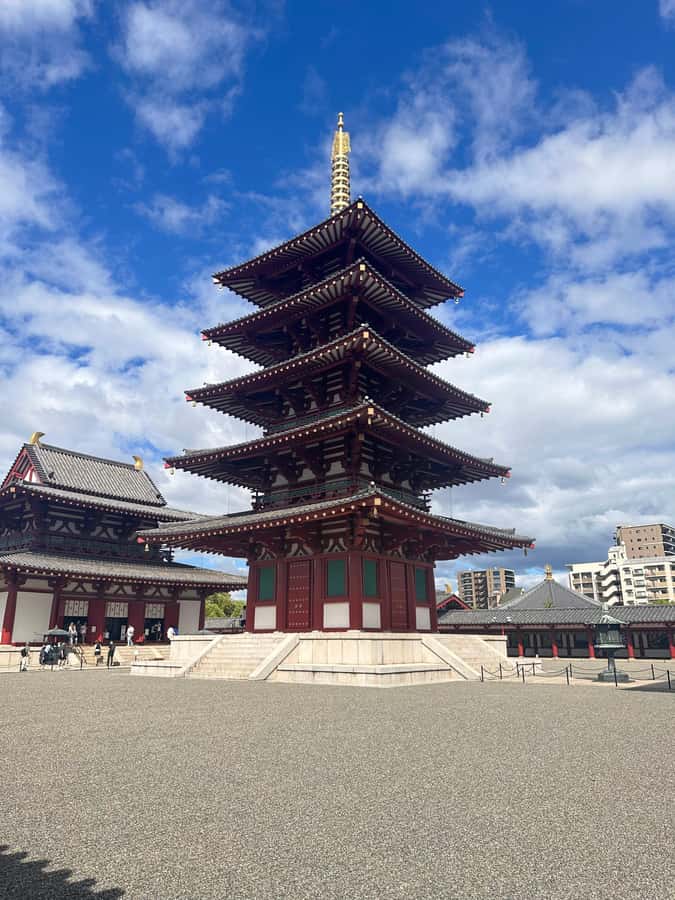
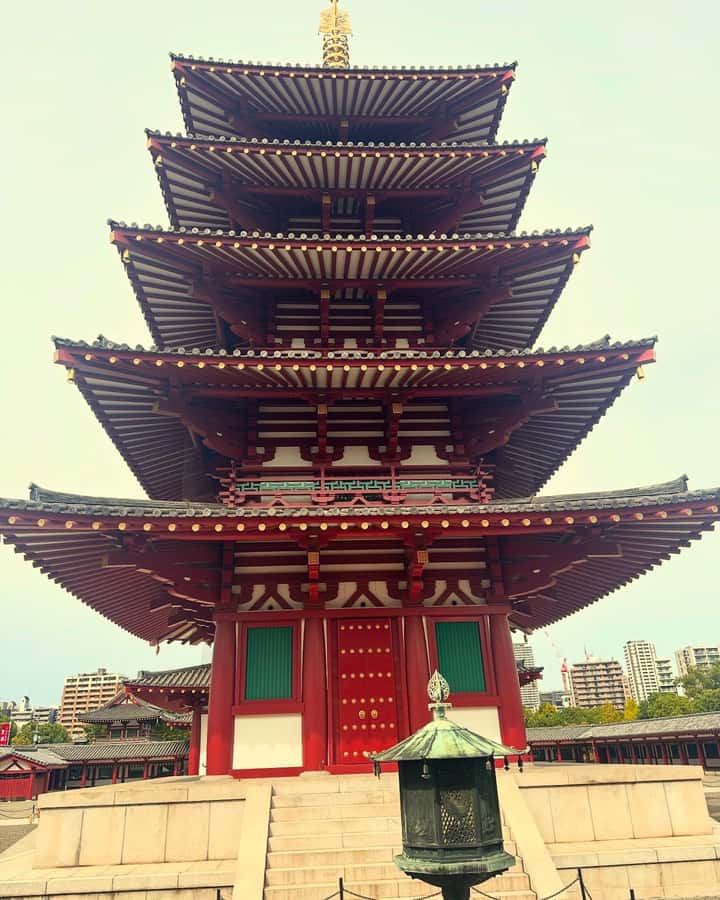
From Osaka Castle, the route continues to Shitennoji Temple, founded in 593. It is described as Japan’s oldest Buddhist temple, making it one of the most important cultural stops on the tour.
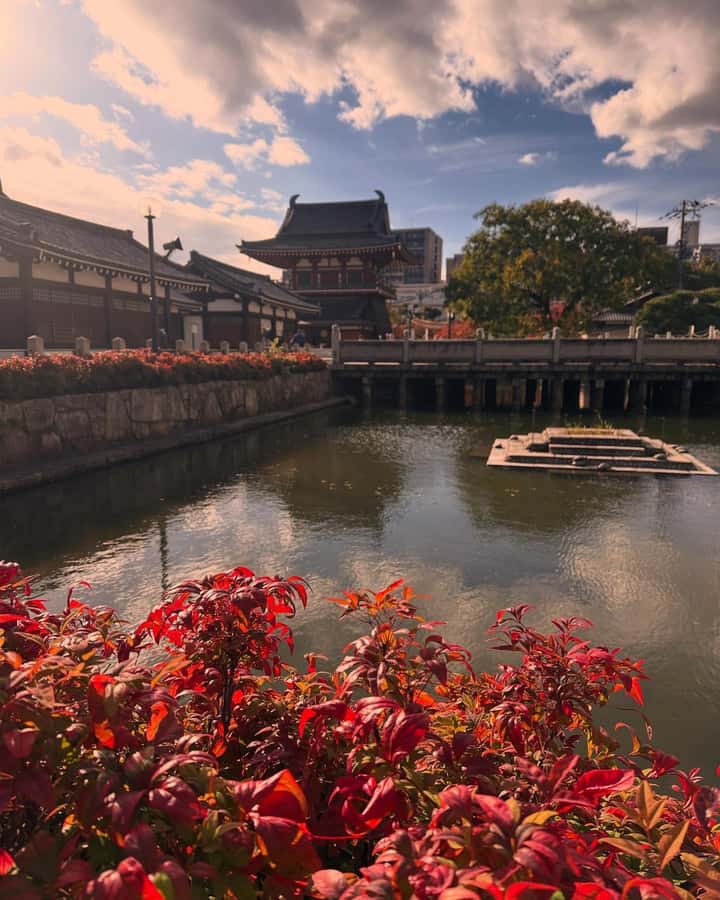
The site gives you a chance to see a quieter side of Osaka. You walk through the temple grounds and garden and view the five-story pagoda. After the scale and political drama of Osaka Castle, Shitennoji offers a different kind of experience, one tied to religion, ceremony, and the arrival of Buddhism in Japan.
This contrast is one of the strongest parts of the route. Osaka is often reduced to food and bright signs, but Shitennoji shows that the city also has a long spiritual tradition. A Spanish explanation is especially useful here because the significance of the temple may not be obvious from its buildings alone.
You should expect a sightseeing visit rather than a private religious experience. The tour introduces the site and its cultural importance, but the itinerary continues to another temple and then into the city’s entertainment districts.
Isshin-ji and a striking funeral tradition
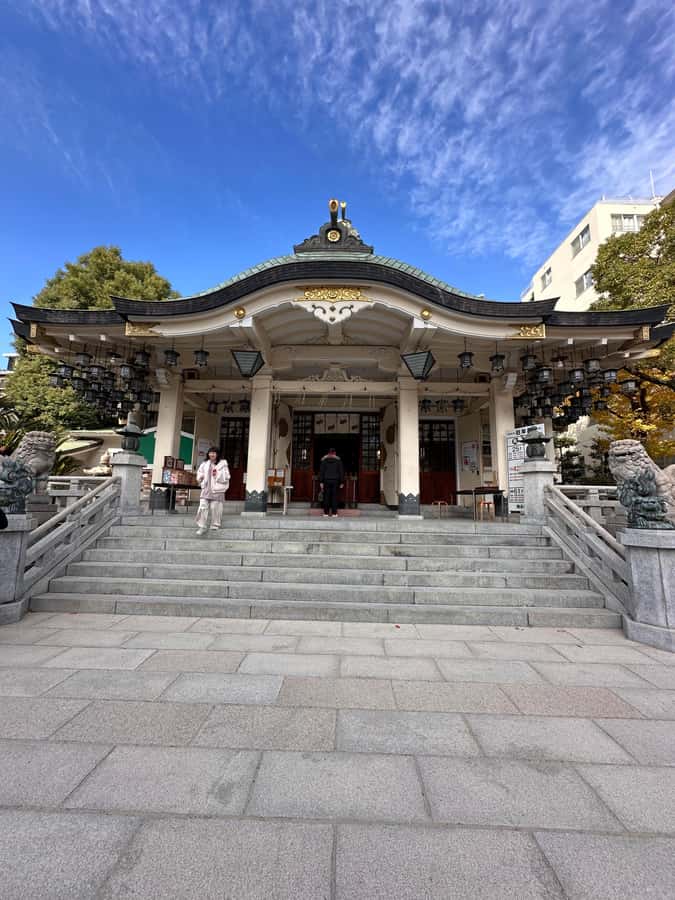
Isshin-ji Temple brings the tour to a more unusual subject. The temple is known for Buddhist statues made from human ashes, created as part of a tradition honoring the deceased.
This can be a memorable stop because it reveals a side of Japanese religious culture that many first-time visitors do not encounter. It also gives the guide a chance to explain how Buddhism and funeral customs connect in Japan.
For some people, the subject may feel intense or unfamiliar. That is not a reason to skip it, but you should know that this is not simply another pretty temple. The appeal lies in its spiritual meaning and distinctive tradition.
The visit also adds balance to the day. Shitennoji introduces early Buddhism and formal temple grounds, while Isshin-ji presents a more personal connection between religious practice and remembrance.
A completely different kind of day out:
- Tokyo Disney Resort – Tokyo Disneyland & Tokyo DisneySea Park Tickets
★ 4.8 · 99,488 reviews - SHIBUYA SKY Ticket
★ 4.7 · 46,509 reviews - Mt. Fuji Instagram-Worthy Spots Day Tour: Ladder Town, Oshino Hakkai, Lake Kawaguchi, Lawson Convenience Store (Departing from Tokyo Station or Shinjuku Station)
★ 4.8 · 35,467 reviews - JR Whole Japan Rail Pass
★ 4.8 · 29,150 reviews
Shinsekai, kushikatsu, and the Tsutenkaku Tower
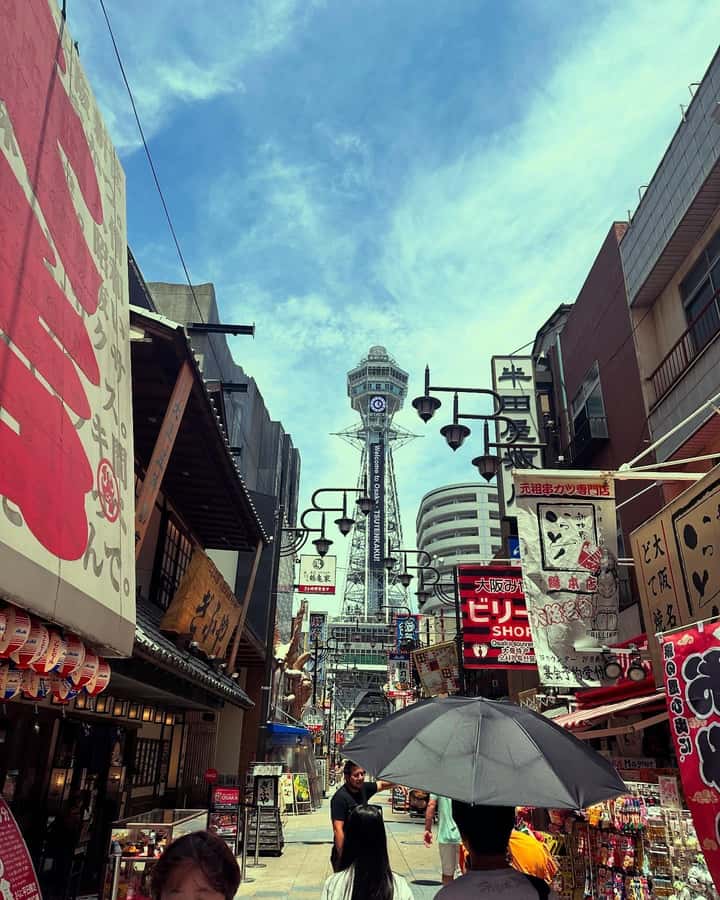
The next major neighborhood is Shinsekai, one of Osaka’s most recognizable old-style entertainment areas. Its neon lights, traditional restaurants, and retro mood make it feel different from the polished image of a modern Japanese city.
This is the natural point to think about lunch or a snack. Shinsekai is associated with kushikatsu, fried skewers of meat and vegetables. Meals are not included, so you should budget separately if you want to try it.
I like this part of the tour because food is not treated as an afterthought. Kushikatsu is linked to the character of the neighborhood, and tasting it helps you understand why Shinsekai remains such a popular stop. The guide can also offer suggestions, and Manuel has been praised for practical dining recommendations.
Tsutenkaku Tower is the area’s best-known landmark. You can admire it as you walk through the district and take in the signs and restaurant fronts. The route does not state that tower admission is included, so you should not assume an interior visit is part of the experience.
Shinsekai is also where the pace may feel most relaxed, since the neighborhood is mainly about atmosphere, food, and street scenes. Still, keep your cash ready. The tour specifically advises bringing cash, and you will need it for your own meals, drinks, and subway fares.
Kuromon Market and Osaka’s food culture
Kuromon Market is the tour’s main food stop. It is known for fresh produce and local specialties, including sushi, seafood, and wagyu beef.
This is a useful place to visit with a guide because a market can otherwise become a blur of displays and tempting smells. Manuel’s food recommendations can help you decide what is worth trying, especially if you have limited time in Osaka.
The market is not included as a meal experience. You pay for anything you eat, so think of the $73 price as covering the guiding and sightseeing structure, not lunch or tastings.
I would set aside extra money if food is one of your main reasons for booking. A market visit is more enjoyable when you can sample something instead of simply looking. At the same time, you are not forced into a fixed meal, which is useful if you have dietary preferences or want to control your spending.
Kuromon also works well late in the route because it brings Osaka’s food identity into focus before you finish in Namba and Dotombori. You see the ingredients and specialties here, then move into the districts famous for eating, shopping, and nightlife.
Namba and Dotombori after dark energy
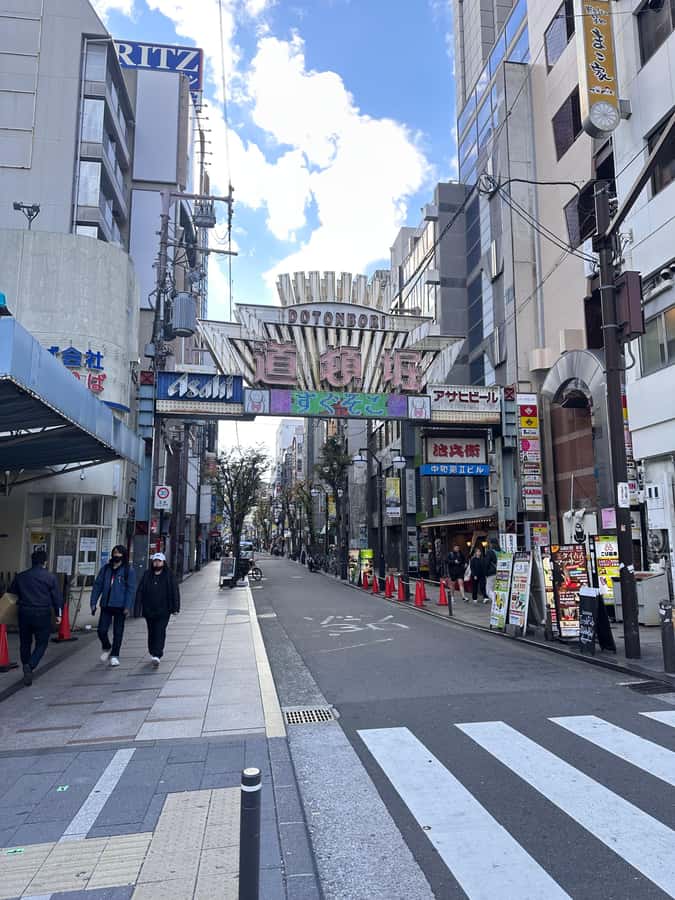
The final section takes you to Namba and Dotombori, the city’s best-known entertainment center. This is the Osaka many people picture first: bright signs, crowded streets, restaurants, and canal-side views.
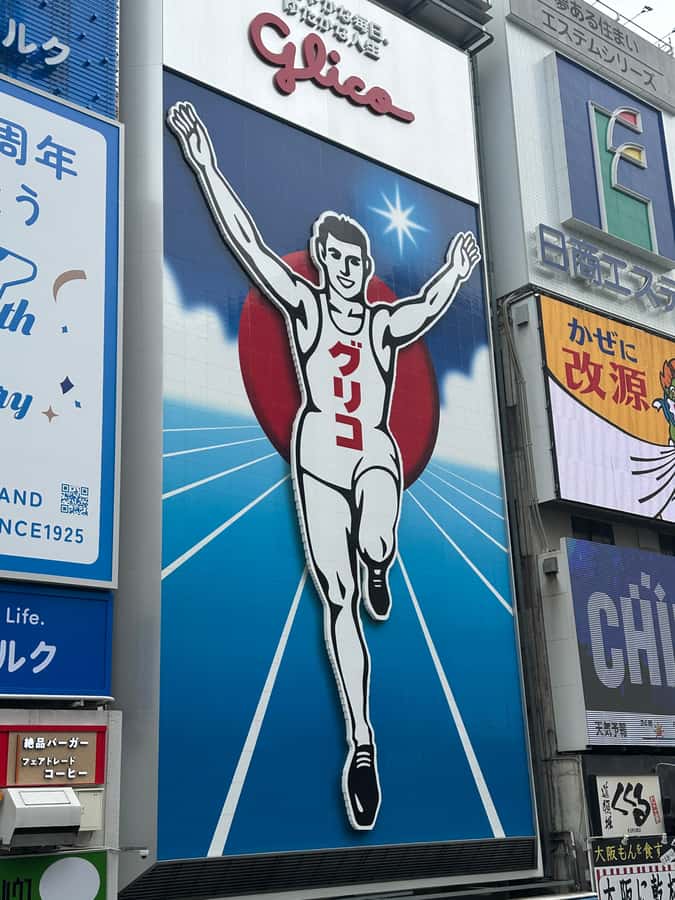
The tour stops at the Glico Man sign and the animated crab sign of Kani Doraku. These are classic Osaka photo points, and seeing them with a guide gives you a clear finish to the day.
Dotombori is not a quiet place for reflection. It is loud, colorful, and packed with visual distractions. That makes it a fun ending after the temples, but it can also feel busy if you prefer calm sightseeing.
Namba adds another layer to the final stop. Together, Namba and Dotombori show Osaka’s modern personality, where food, advertising, shopping, and evening entertainment all meet. You finish with a sense of how different the southern city center feels from Osaka Castle Park and the temple grounds.
The activity ends back at the original meeting point. That is helpful if you need to retrieve luggage or continue from a familiar subway station, though the route does not specify the exact return time.
What the $73 price really covers
At $73 per person, this tour offers good value if you would otherwise pay for a private Spanish-speaking guide or spend hours planning the route yourself. You receive guide transportation support and a connected itinerary covering several major districts.
The price is less attractive if you only want a short introduction to Osaka or plan to visit the same places independently. The tour does not include your subway fares, meals, drinks, or personal expenses. You should arrive with cash or an ICOCA, SUICA, or PASMO card.
The strongest value comes from the explanations. Manuel Pérez is praised for detailed history, clear communication, punctuality, and helpful recommendations. A guided day can also save you the mental work of moving between distant sights.
There is no group size given, so I would not book this expecting a private tour. The description does show a personal approach, including careful attention to a family with a child, but the exact group arrangement is not specified.
Who should book this experience
I would recommend this tour most strongly to Spanish-speaking visitors who want to understand Osaka quickly and see its main sights in one organized outing.
It is especially suitable for:
- First-time visitors with limited time in Osaka
- People who want history and food in the same tour
- Families who value a guide attentive to children
- Visitors who want restaurant suggestions in Spanish
- Anyone who finds Japanese subway routes stressful
- Visitors who prefer a broad city introduction over a single-site tour
You should think twice if you have limited walking ability, use a wheelchair, or need a baby carriage. The activity is not suitable for wheelchair users or baby carriages, and the route includes subway travel and multiple sightseeing areas.
You should also avoid booking if you want every cost included. Meals, drinks, subway fares, and personal purchases are extra. The tour is a better deal for someone who values the guide’s explanations and route planning than for someone seeking a low-cost transfer between landmarks.
Practical advice for a smoother day
Wear comfortable shoes and comfortable clothes. The combination of walking, temple grounds, city streets, and subway stations makes practical clothing more important than dressing for photographs.
Bring cash even if you normally rely on cards. You need cash or a transportation card such as ICOCA, SUICA, or PASMO for subway travel, and cash is also useful for food and small purchases.
Do not arrive expecting a food tasting package. Kuromon Market and Shinsekai give you excellent chances to eat, but you pay for those choices yourself.
Finally, leave your schedule flexible after the tour. Since the day covers many districts, the exact pace can depend on walking speed, subway movement, and how much time the group spends at each stop. The activity can be canceled up to 24 hours in advance for a full refund, and you can reserve now while paying later.
Should you book this Osaka tour?
Book it if you want a Spanish-language introduction that connects Osaka’s major sights rather than treating them as isolated stops. The mix of Toyotomi Hideyoshi’s castle, two important temples, Shinsekai food, Kuromon Market, Namba, and Dotombori gives you a solid first picture of the city.
Manuel Pérez is the main reason I would choose this experience over a basic sightseeing route. His detailed explanations, restaurant advice, punctuality, and care with families add practical value to an already ambitious itinerary.
Skip it if you need wheelchair access, want a slow-paced temple tour, or prefer an experience with meals and transportation fully included. For active visitors who speak Spanish and want to see a lot of Osaka in one day, the $73 cost is fair and the route is well chosen.
FAQ
What language is the tour conducted in?
The tour is conducted in Spanish.
How much does the experience cost?
The listed price is $73 per person.
Where does the tour begin?
The meeting point is Exit 3B of Morinomiya subway station.
Where does the tour end?
The activity ends back at the meeting point.
Is transportation included?
Transportation by the tour guide is included, but you must pay your own transportation costs.
Do I need cash or a transportation card?
Yes. You must bring cash or a transportation card such as ICOCA, SUICA, or PASMO because the tour uses the subway.
Are meals and drinks included?
No. Meals, drinks, and personal expenses are not included.
Which major places does the tour visit?
The route includes Osaka Castle, Shitennoji Temple, Isshin-ji Temple, Shinsekai, Kuromon Market, Namba, and Dotombori.
Is the experience suitable for wheelchair users or baby carriages?
No. The activity is not suitable for wheelchair users, and baby carriages are not allowed.
Can I cancel for a full refund?
Yes. You can cancel up to 24 hours in advance for a full refund.
Just added in Japan
- Manga Lesson with a Professional Japanese Manga Artist in Nakano★ 5.0 · 77 reviews
- Making a bento box with cute character look in Japan★ 5.0 · 15 reviews
- Tokyo/Ikebukuro Manga drawing workshop by pro-Manga artists★ 5.0 · 65 reviews
- Luxury Tokyo Sake, Cocktail, Whisky and Pairing Tour★ 5.0 · 18 reviews
- Tokyo Ueno Food & Nature & Localtown Tour: 10Dishes+ Drinks★ 5.0 · 34 reviews
- Make Your Own Bonsai with a Professional Bonsai Artist in Tokyo★ 4.5 · 18 reviews
- Make Traditional Nerikiri Sweets & Matcha experience in Shibuya★ 5.0 · 130 reviews
- Daikoku Parking Tokyo Drift & APIT Car Meet JDM Culture Tour★ 5.0 · 79 reviews
Osaka Tours, compared.



Umeda Sky Building & Kuchu Teien Observatory Ticket in Osaka
Read our review →