
Reviewed · SAPPORO TOURS
Sapporo: Private Customized Guided Tour
Sapporo rewards a well-planned day. This private tour gives you your own licensed guide and the freedom to shape the route, which I like for two reasons: you can focus on the places that matter most to you, and you get useful context about Hokkaido rather than simply moving from sight to sight. I also like the option of a four or six-hour tour, since a short visit and a full day in the city call for different plans.
The main consideration is cost control. The $119 price covers the private guide and walking pickup when your accommodation is close enough, but you still pay for food, admission tickets, and public transportation or taxis. For the best value, I would choose the six-hour option if you want to combine outlying sights such as Okurayama and the Historical Village of Hokkaido.
With a 4.9 rating from 30 reviews, this experience has earned especially strong praise for flexible planning and careful guiding. Guides named Nozomi and Tom received specific compliments for adjusting routes, arranging two taxis for a group of four, and helping with lunch choices. That kind of practical help can save time in a city spread across a wide area.
In This Review
- Key points to know before booking
- Why a private guide helps in Sapporo
- Starting with Okurayama at 307 meters
- Hokkaido Village and the story of a new frontier
- Lunch at Nijo Ichiba Market
- Sapporo Beer Museum and a taste of the past
- Four hours or six hours?
- Getting around and managing the extra costs
- What the guide quality can mean for your day
- Who will get the most from this tour?
- Should you book this Sapporo tour?
- FAQ
- How long is the Sapporo private tour?
- What languages are available?
- Is the tour private?
- Where does pickup take place?
- When should I meet the guide?
- Is transportation included?
- Are food and drinks included?
- Are entrance fees included?
- Can I customize the itinerary?
- Is the tour wheelchair accessible?
- Does booking confirm the tour immediately?
- What happens if the weather is poor?
- Can I cancel for a full refund?
Key points to know before booking
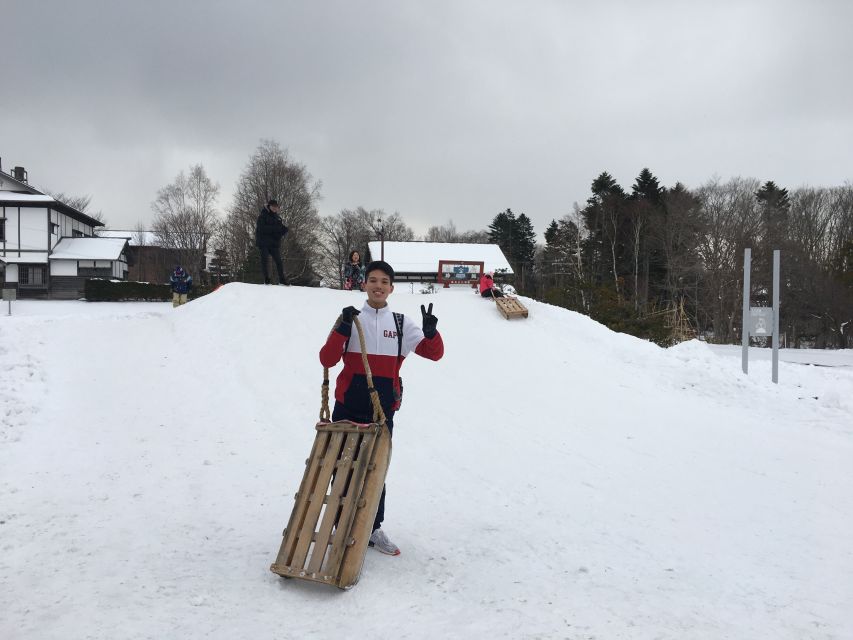
- Your itinerary is genuinely adjustable: Tell the guide what you want to see, or ask for a plan based on your interests and available time.
- The six-hour option fits the full suggested route: Okurayama, Hokkaido Village, Nijo Ichiba Market, and the Sapporo Beer Museum make a long but rewarding day.
- The guide is nationally licensed: English and Japanese guides hold Japan’s Tour Guide-Interpreter certification, which requires training in Japanese culture and history.
- Transportation costs come separately: You will walk from your pickup point, then use public transit or taxis as needed.
- Lunch is flexible, not included: Nijo Ichiba is suggested for fresh seafood and kaisen-don, but your guide can help find another meal option.
- Pickup is simple: Your guide meets you in your hotel lobby or at a requested train station 10 minutes before the agreed time.
Why a private guide helps in Sapporo
Sapporo is easy enough to visit independently, but its major sights do not all sit within one compact old town. A private guide helps you connect places that serve different purposes: city history, Hokkaido’s development, mountain views, food, and local beer.
I especially like the ability to name your priorities before the day begins. You might want an introduction to Sapporo, a food-focused outing, a visit to historic sites, or a route suited to a return visit. The guide can then adjust the day instead of leading you through a fixed schedule that may not fit.
The private format also matters for pace. You can ask questions, pause for photos, shorten a stop, or spend more time where your interest is strongest. A group tour often has to keep moving. Here, the guide can respond to your energy, weather, and transport conditions.
The guides hold Japan’s nationally licensed Tour Guide-Interpreter certification. That does not guarantee that every guide will have the same personality or specialty, but it does give you a useful baseline of training in Japanese culture and history. The available languages are English and Japanese.
A few more options to weigh up in Sapporo
- Sapporo Bar Hopping Food Tour
★ 5.0 · 232 reviews - Hokkaido Seasonal: Lake Toya & Noboribetsu Jigokudani Valley
★ 4.7 · 173 reviews - Sapporo Private Tour with a Local – Highlights & Hidden Gems
★ 5.0 · 91 reviews
Starting with Okurayama at 307 meters
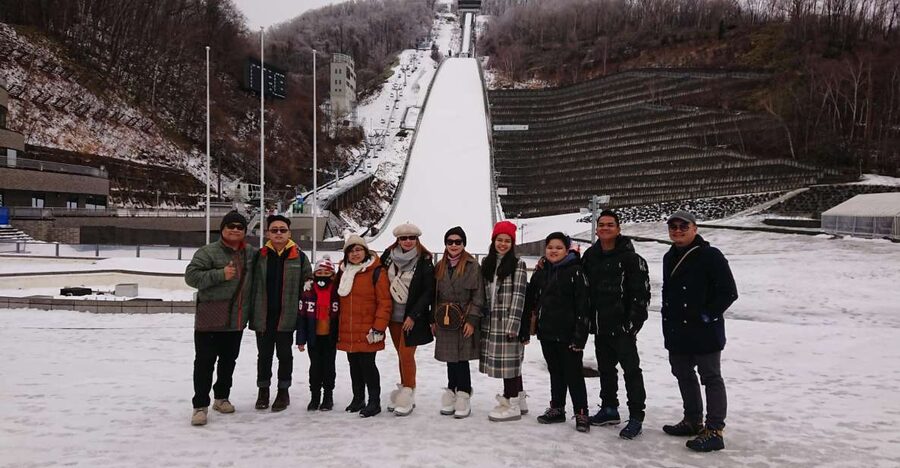
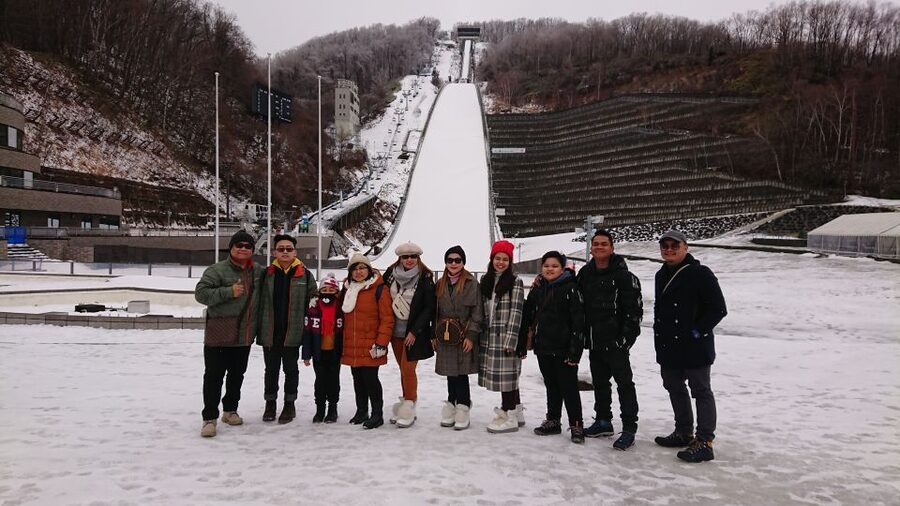
The suggested route begins at Okurayama Viewing Point, a good first stop if you want a clear sense of Sapporo’s setting. From about 307 meters above sea level, you can look across the city and see the steep ski-jump slope rising below the viewing area.
This is more than a quick photo stop. Okurayama connects Sapporo with Hokkaido’s winter identity and with the city’s role as a host of major sporting events. The ski jump itself gives you a physical sense of the slope that photographs rarely capture. It is a sharp, dramatic angle, not a gentle hillside.
The practical issue is travel time. Okurayama is not simply another downtown block, so reaching it may require public transportation or a taxi. Those costs are not part of the tour price. If you choose only four hours, tell your guide early that this stop matters to you, since travel between distant sights can reduce time at each one.
Weather also affects the experience. The tour operates in rain or shine, and the view will naturally be less clear on a wet or cloudy day. You can still see the ski jump and enjoy the setting, but do not treat the panorama as guaranteed.
Hokkaido Village and the story of a new frontier
The Historical Village of Hokkaido offers a different view of the region. Rather than presenting only a few preserved buildings, it contains about 60 structures from across Hokkaido, dating from the Meiji and Taisho periods, from 1868 to 1926.
This was the period when Hokkaido developed quickly under Japan’s modernizing government. Buildings from that era help explain how communities worked, how industries grew, and how the northern island changed from a distant frontier into a major part of modern Japan.
I would give this stop enough time to walk beyond the entrance area. The value is in the collection as a whole, since the buildings represent different parts of Hokkaido and different uses. A guide can point out details you might otherwise pass without context.
There is a tradeoff here as well. The village is a broad site, and combining it with Okurayama, Nijo Ichiba, and the beer museum may feel rushed during a four-hour tour. If architecture, local history, or old Hokkaido is your main interest, consider giving the guide permission to make this the heart of your route.
Admission is not included, so you should budget separately for the entrance fee. The supplied details do not state the current admission price, so check it before you go.
Lunch at Nijo Ichiba Market
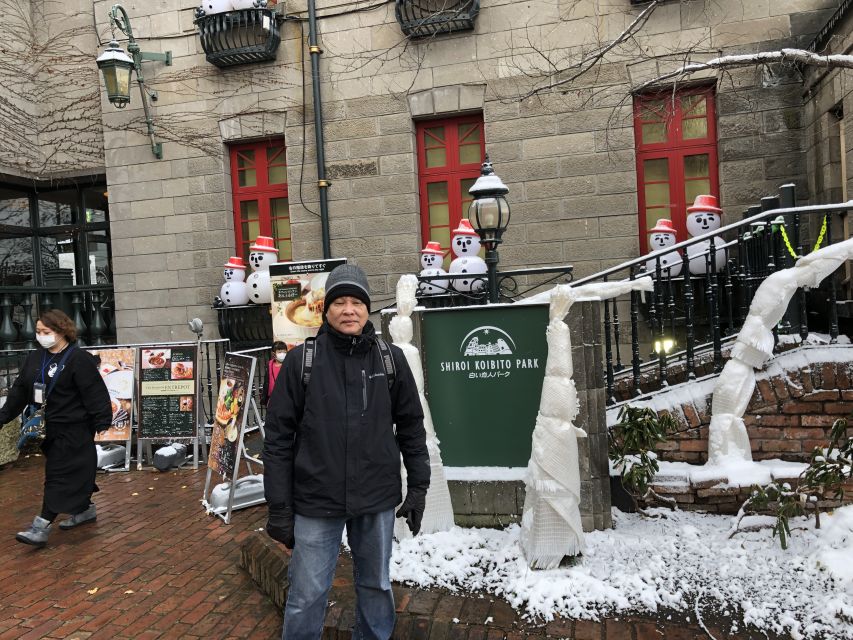
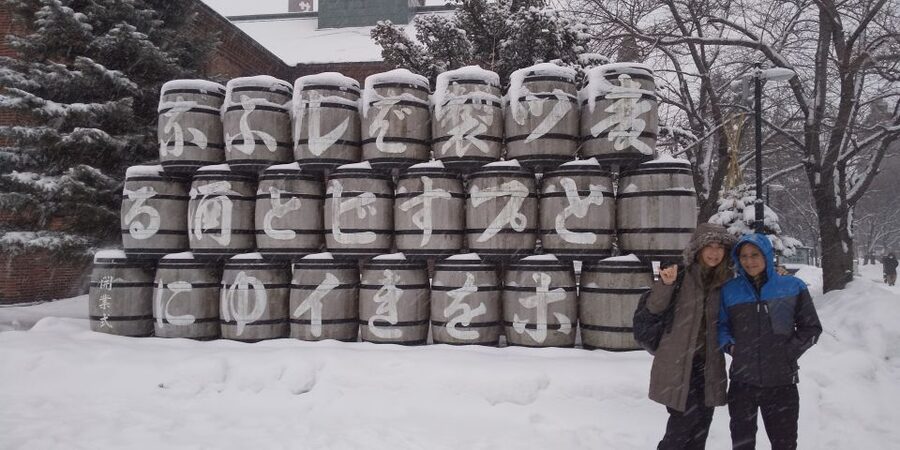
Nijo Ichiba Market is the food stop in the suggested plan, and it brings the tour back to central Sapporo. The recommended specialty is kaisen-don, a bowl of rice topped with fresh seafood.
That meal fits Hokkaido well. Seafood is one of the region’s best-known draws, and a market lunch gives you a chance to eat something tied to local supply rather than settling for a familiar chain restaurant. Your guide can help explain the choices and direct you toward a suitable place.
Food and drinks are not included in the $119 price. You pay for lunch yourself, which keeps the tour flexible but means the final cost depends on your order. If you have dietary needs or a particular type of meal in mind, tell the guide in advance.
Tom’s handling of lunch offers a useful example of why customization matters. When a group wanted help deciding what to eat, he considered malls and other options rather than forcing them into one fixed restaurant plan. That is a practical strength for families, groups, and repeat visitors who have already sampled the obvious market fare.
Nijo Ichiba can also be a sensible place to end the tour if food is your main goal. On a four-hour schedule, however, pairing it with both Okurayama and Hokkaido Village may leave little room for a relaxed meal.
A completely different kind of day out:
- Sapporo: Sumo Show Experience with Japanese food & Photo
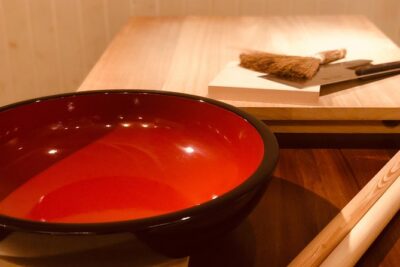
★ 4.9 · 81 reviews - Popular in SapporoExperience authentic hand-made soba at a real soba shop!
★ 5.0 · 77 reviews - Mondo’s most popular plan! Experience making soba noodles and the king of Japanese cuisine, tempura, in Sapporo!
★ 5.0 · 71 reviews - 【Private Car】Asahiyama Zoo, Blue Pond, Shirahige Falls, Ningle Terrace (from Sapporo)
★ 5.0 · 60 reviews
Sapporo Beer Museum and a taste of the past
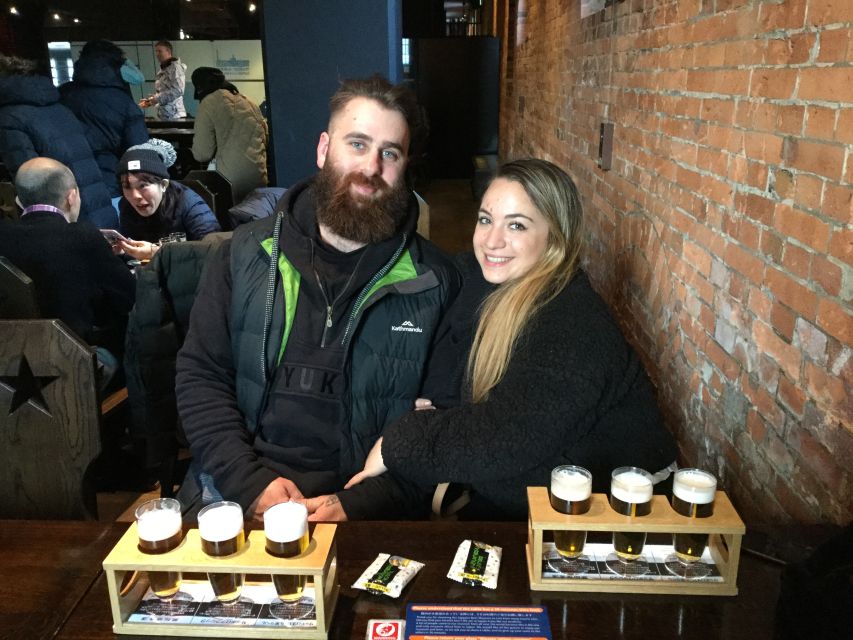
The Sapporo Beer Museum adds an industrial and cultural layer to the day. Sapporo Beer is one of Japan’s major premium beer brands, and the museum traces the company’s place in the city’s development.
The most distinctive feature described for the visit is a tasting of a reissued beer based on a version produced about 130 years ago. That gives you something more engaging than a standard display of bottles and old machinery. You can connect the city’s past with a product still associated with Sapporo today.
The museum may suit you especially well if you enjoy food and drink with a sense of place. It also balances the outdoor view at Okurayama and the open-air buildings at Hokkaido Village with an indoor stop.
Admission and drinks are extra. If you do not drink alcohol, confirm what parts of the visit will still be available to you when you plan the route. The tour information does not promise a specific tasting arrangement for every guest.
Four hours or six hours?
The duration choice is one of the most important decisions. Four hours can work well for a focused route in central Sapporo, or for a few carefully selected sights. It is less comfortable for the entire suggested itinerary because Okurayama and Hokkaido Village require travel time, while Nijo Ichiba and the beer museum each deserve more than a rushed glance.
Six hours gives you room to combine major stops and still ask questions along the way. It is the better choice for a first visit if you want a broad introduction to Sapporo. I would also choose it for a group with mixed interests, since the guide has more time to balance views, history, lunch, and beer.
A shorter tour may be better for visitors with limited stamina, a tight train schedule, or only a half-day available. You can request a route that stays closer to your hotel or station, but the final plan depends on what you and the guide agree to before the tour.
The tour begins with a morning pickup. Your guide waits in your hotel lobby or at a requested train station 10 minutes before pickup, and you set off on foot from there. Pickup is included when your accommodation is within a reasonable walking distance. If it is not, the meeting point will matter, so confirm it carefully.
Getting around and managing the extra costs
This is a private guided outing, not a private vehicle tour. You use public transportation or private taxis during the day, and those fares are separate from the tour price.
That arrangement can be a benefit. Public transit and taxis let you build a route around your priorities rather than follow a bus loop. It can also make a private tour more affordable than one that includes a dedicated vehicle and driver.
The cost can rise for larger groups or for routes that require several taxi rides. Tom’s solution for a group of four was to arrange two taxis so everyone could travel at the same time. That saved valuable time, but the taxi fares still belonged to the group.
For a smooth day, tell your guide how many people are in your party and which stops matter most. Ask for an estimate of likely transportation needs before departure. You will then have a better sense of the total cost beyond the advertised tour rate.
At $119 per person, the tour is not the cheapest way to see Sapporo. The value comes from privacy, route planning, language support, and the chance to ask about local history and culture throughout the day. For one or two people, the per-person price may feel high. For a family or small group sharing the planning benefit, it can make better financial sense.
What the guide quality can mean for your day

The strongest pattern in the feedback is not one particular attraction. It is the guides’ care with planning and communication.
Nozomi was praised for being thoughtful and leading a group carefully through its chosen locations. Tom was praised for adjusting the itinerary, suggesting alternatives for people who had already visited Sapporo, arranging taxis, and helping with lunch planning. Tracy received praise for clear communication and strong knowledge of the city, while another guest described the guide as helpful and informative.
Those details point to the tour’s real selling point: a good guide can reduce the small hassles that eat up a half-day. Finding the right train, deciding when to take a taxi, fitting lunch into the schedule, and choosing alternatives for a repeat visit all become easier.
The guide assigned to you may differ, so do not assume you will receive one of these named guides. Still, the experience is designed around a licensed local guide rather than an audio app or a fixed script. Contact with the local partner before the tour helps confirm the logistics and your requests.
One important booking detail is that the tour is not fully confirmed until a guide accepts it and contacts you. Most guides make contact within seven days, but the search may continue until 24 hours before the tour if availability is difficult. Keep an eye on your messages, especially if your plans are tight.
Who will get the most from this tour?
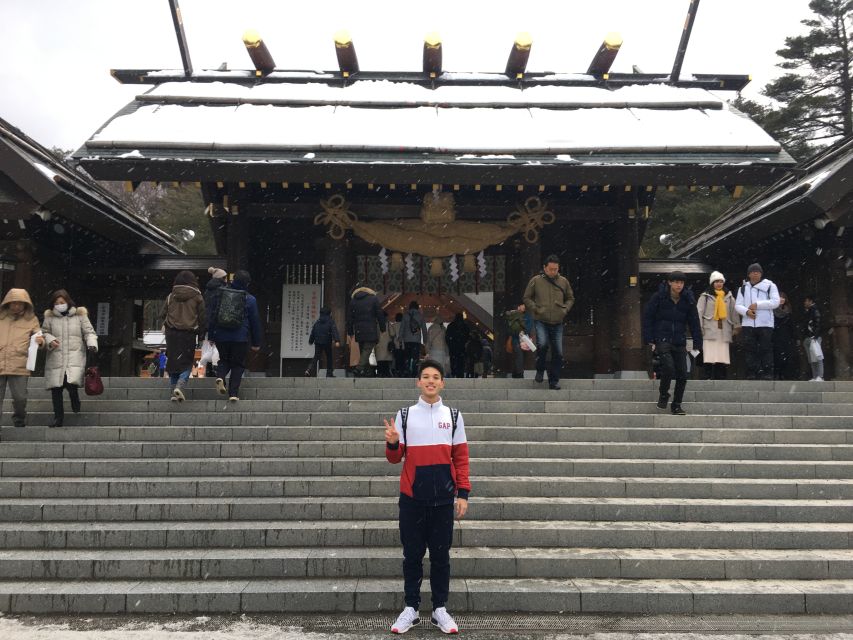
I would recommend it most strongly to first-time visitors who want a broad introduction without spending hours researching routes. It also suits families, small groups, older visitors who prefer a flexible pace, and anyone who wants help in English.
Repeat visitors can get good value by requesting a less obvious plan. The guide can suggest alternatives instead of repeating the city center sights you have already seen. Tom’s work with a returning group shows how this approach can work in practice.
Food-focused visitors should ask about Nijo Ichiba and lunch choices. People interested in modern Japanese development and regional history should prioritize Hokkaido Village. Fans of sport and city views should start with Okurayama, while beer enthusiasts will want time for the museum and tasting.
This may not be right for you if you prefer complete independence, dislike paying transportation costs separately, or want a fast list of sights with no guided explanation. It is also not ideal to force the full suggested route into four hours.
Should you book this Sapporo tour?
Book it if you want flexible sightseeing with a real local guide, especially on a first visit or when your group has different interests. Choose six hours for the Okurayama, Hokkaido Village, Nijo Ichiba, and beer museum combination. Choose four hours for a focused plan.
Before booking, decide your top two priorities and tell the guide as soon as possible. Ask about the meeting point, likely transit or taxi needs, entrance fees, and lunch preferences. With those details settled, the $119 price can be fair for the time saved and the personal help provided.
The tour’s high rating fits its strengths: careful guides, clear communication, and the freedom to change the day. Just remember that the advertised price is the guide fee, not an all-inclusive day out.
FAQ
How long is the Sapporo private tour?
You can choose a four-hour or six-hour private tour. Starting times depend on availability.
What languages are available?
The tour is available with a live guide who speaks English or Japanese.
Is the tour private?
Yes. It is organized for a private group rather than a shared group.
Where does pickup take place?
Your guide meets you in your hotel lobby or at a train station you request. If your accommodation is within a reasonable walking distance, pickup is on foot.
When should I meet the guide?
Your guide waits at the agreed pickup point 10 minutes before the scheduled pickup time.
Is transportation included?
No. You walk from the pickup point, then use public transportation or private taxis during the tour. Those transportation costs are paid separately.
Are food and drinks included?
No. Food and drinks are not included. The suggested lunch is kaisen-don at Nijo Ichiba Market.
Are entrance fees included?
No. Entrance fees are paid separately.
Can I customize the itinerary?
Yes. You can request specific places and preferences, or allow the guide to plan a route for you.
Is the tour wheelchair accessible?
Yes. The activity is listed as wheelchair accessible, but you should confirm your specific route and transportation needs with the local partner before the tour.
Does booking confirm the tour immediately?
Not always. The tour is confirmed after a guide accepts it and contacts you. Most guides make contact within seven days, but a guide search can continue until 24 hours before the tour.
What happens if the weather is poor?
The tour operates rain or shine. Plan clothing and footwear for the conditions on your scheduled day.
Can I cancel for a full refund?
Yes. You can cancel up to 24 hours before the start time for a full refund.
Just added in Sapporo
- Hokkaido 7 Days Noboribetsu, Asahikawa, Biei by Delightful Travel★ 5.0 · 1 review
- 6 Days Hokkaido’s Floral Symphony Tour by UME Travel★ 5.0 · 2 reviews
- Full Day Private Skiing / Snowboarding Tour in Sapporo★ 5.0 · 30 reviews
- Wagashi traditional japanese sweets class★ 5.0 · 49 reviews
- Snowshoeing and Onsen Adventures in a Winter Wonderland -Sapporo.★ 5.0 · 30 reviews
- Snowshoe Hike Tour from Sapporo include hotel p/up & drop off★ 5.0 · 16 reviews
- Authentic Sapporo: Nijo Market Seafood Lunch & Local History Tour★ 5.0 · 13 reviews
- Sapporo Sumo Show Experience with Japanese Food and Photo★ 4.5 · 38 reviews
Sapporo Tours, compared.
Hokkaido Seasonal: Lake Toya & Noboribetsu Jigokudani Valley
Read our review →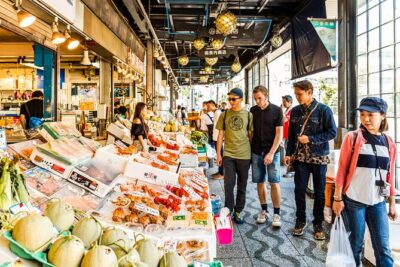
Sapporo Private Tour with a Local – Highlights & Hidden Gems
Read our review →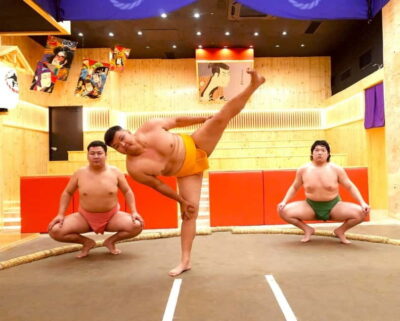
Popular in SapporoExperience authentic hand-made soba at a real soba shop!
Read our review →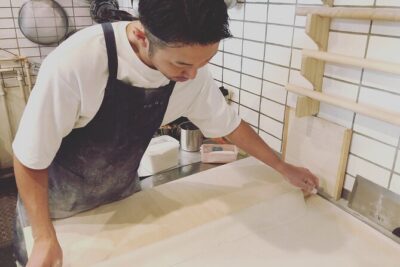
Mondo’s most popular plan! Experience making soba noodles and the king of Japanese cuisine, tempura, in Sapporo!
Read our review →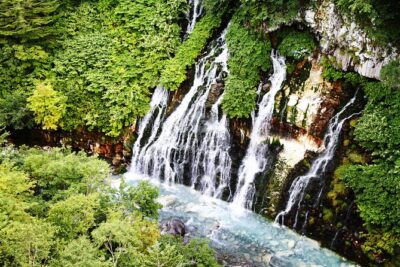
【Private Car】Asahiyama Zoo, Blue Pond, Shirahige Falls, Ningle Terrace (from Sapporo)
Read our review →
Sapporo 6hr Private Tour with Government Licensed Guide
Read our review →Browse the lists this tour appears in