
Reviewed · FOOD TOURS
Specialties of Nagoya Food Tour
Nagoya eats well after dark. This 3.5-hour food walk gives you a useful introduction to local dishes, with five or six tastings included and a guide handling the ordering. I like the small private format, limited to your group and no more than six people, and I like the mix of food, city sights, and cultural stories. The main drawback is the amount of walking, plus the tour is not suitable for vegans or vegetarians.
The food is the real draw, but the cultural side gives the tour its shape. You will learn how to eat hitsumabushi, hear the story behind shrimp tempura rice balls, and visit the underground level of Matsuzakaya Nagoya. At $150.89 per person, it is not a cheap meal, but the price covers several tastings, all listed fees and taxes, and a guide who removes much of the language stress.
In This Review
- Key things to know before you book
- Why this Nagoya food walk is worth your time
- Starting beneath MIRAI TOWER in Sakae
- Oasis 21 adds a city view between bites
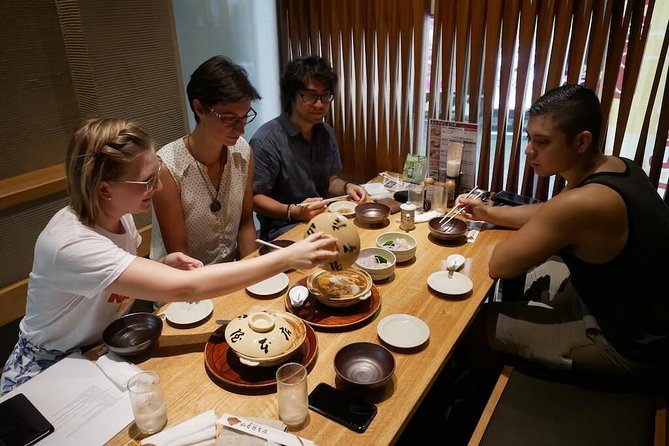
- Red miso udon gives Nagoya its first strong taste
- Pickles, giant radish, and shrimp tempura rice balls
- Matsuzakaya Nagoya and the department store food floor
- Learning the proper way to eat hitsumabushi
- Evening izakaya culture and peppery chicken wings
- What $150.89 really buys you
- Who will enjoy this tour most
- Practical details that affect your day
- Should you book the Specialties of Nagoya Food Tour?
- FAQ
- How long does the Specialties of Nagoya Food Tour last?
- Where does the tour start?
- Where does the tour end?
- How many people can join the tour?
- What food is included?
- Is a drink included?
- Is the tour suitable for vegetarians or vegans?
Key things to know before you book
- Red miso udon is a centerpiece: You try Miso Nikomi Udon in a steaming red miso broth, one of Nagoya’s signature comfort foods.
- Hitsumabushi comes with instructions: The guide explains how to eat this freshwater eel dish rather than simply placing it in front of you.
- The group is very small: The activity is private, with only your group participating, and the stated limit is six people.
- Nagoya’s food stories matter: Expect tales involving famine, Japanese demons, local sweets, and the city’s drinking customs.
- Evening tours include one drink: A nighttime booking includes one alcoholic or non-alcoholic drink at the final stop.
- You need to enjoy walking and meat-based food: The route is on foot, and the experience is not suitable for vegans or vegetarians.
Why this Nagoya food walk is worth your time
Nagoya is often treated as a stop between Tokyo and Kyoto. That is a mistake, especially if you like food with a strong local identity. The city has its own flavors, and they are not shy about them. Red miso, freshwater eel, peppery chicken wings, pickles, and fried fillings all appear in this tour.
I like that the route is not just a parade of restaurant counters. You move through Sakae, Oasis 21, and Matsuzakaya Nagoya while the guide explains what you are eating and why it belongs to Nagoya. That makes the food easier to remember. You are not simply collecting dishes. You are learning the local logic behind them.
The guide orders the food for you, which is a practical benefit. Menus and ordering customs can slow down an independent food crawl, especially when you do not know the Japanese names or portion sizes. Here, you can focus on tasting and asking questions.
The setting is also more personal than a large group food tour. The experience is private, and the published limit is six people. That should make it easier to hear the guide, ask for clarification, and adjust the pace within the limits of the planned route.
More Food Tours in Nagoya:
- Nagoya Street Food Walking Tour of Osu
★ 5.0 · 28 reviews - Tokyo: Shinjuku Food Tour (13 Dishes at 4 Local Eateries)
★ 5.0 · 6,603 reviews - Osaka: Shinsekai Food Tour with 13-15 Dishes at 5 Eateries
★ 4.8 · 2,204 reviews
Starting beneath MIRAI TOWER in Sakae
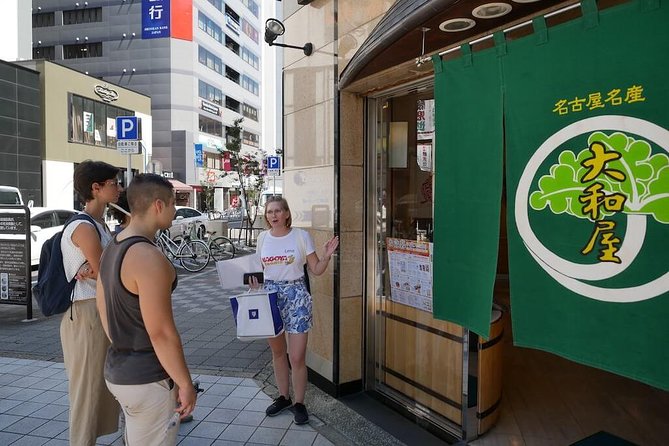
The meeting point is at Chubu Electric Power MIRAI TOWER in Sakae, at 3-chōme-6-15-saki Nishiki, Naka Ward. This puts you in the heart of central Nagoya, near public transportation and close to several of the places used during the walk.
The first stop is Sakae, one of the city’s main central areas. The tour starts on foot, so wear comfortable shoes and expect regular movement between food stops. The full outing lasts about three and a half hours, but restaurant breaks give you time to sit, eat, and catch your breath.
That rhythm matters. This is not three and a half hours of walking without pause. You walk, stop for food, listen, then move on. Still, you should not book it if you want a seated meal with no walking between courses.
A morning or daytime departure is listed within operating hours of 10:00 a.m. to 5:00 p.m. The experience also describes dinnertime tours, so check the available start time carefully when booking. The food selection may change according to availability, which is normal for a food tour but worth remembering if one particular dish is your main reason for going.
Oasis 21 adds a city view between bites
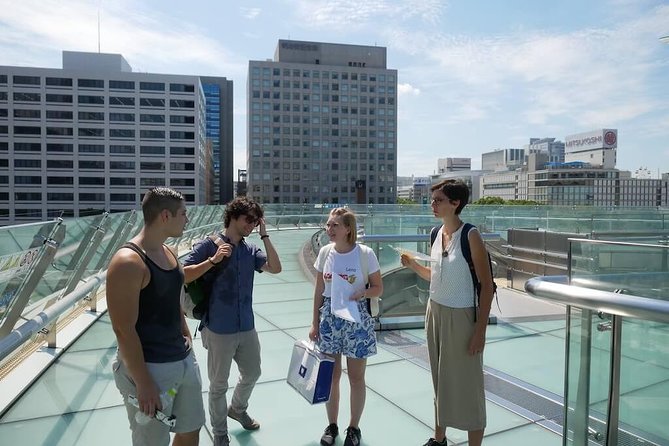
Oasis 21 is the second named stop. Its distinctive public design gives the walking route a change of pace between food visits. Here, the tour is not only about eating. You get a look at one of Sakae’s best-known urban meeting places while the guide keeps the focus on the city around you.
The value of a stop like this is simple: it helps you connect Nagoya’s food culture with its city center. You are not being taken to isolated restaurants with no sense of place. The route moves through a central district, and the guide adds local context as you go.
Do not expect a formal sightseeing tour of every major landmark. The food is the priority, and the city stops support that purpose. If you want a detailed architectural tour, this will not replace one. If you want a food route that gives you a sense of where you are, Oasis 21 fits nicely.
The small group should help here too. A guide can explain the route and answer questions without shouting over a crowd. The private format is particularly useful for families or friends who want to move together and share the same tasting choices.
Red miso udon gives Nagoya its first strong taste
Miso Nikomi Udon is one of the most important tastings on the route. These udon noodles arrive in a steaming soup made with red miso paste. The dish is hearty, salty, and direct, with the deep flavor that makes Nagoya food different from the lighter styles you may have tried elsewhere in Japan.
One of the strongest details connected with this tour is the handmade udon noodles served with the red miso broth. That combination gives you more than a generic noodle sample. You get a dish that reflects Nagoya’s preference for bold miso flavor and filling comfort food.
Take the guide’s explanation seriously here. Red miso can taste stronger than visitors expect, especially if your usual miso experience is mild soup. That is part of the point. The dish helps you understand the local palate early in the tour.
The food is pre-selected, so you do not build your own menu at each stop. That keeps the tour moving and lets the guide choose a workable range of samples. It also means you should tell the provider about allergies or dietary restrictions in advance. The tour is specifically listed as unsuitable for vegans and vegetarians.
A few more options to weigh up in Nagoya
- LEGOLAND® Japan Ticket
★ 4.7 · 11,787 reviews - Port of Nagoya Public Aquarium Ticket
★ 4.8 · 4,343 reviews - Shirakawa-go & Takayama Old Town Day Tour (Optional Hida Beef Lunch)
★ 4.6 · 3,936 reviews - Hida Takayama & Shirakawa-go Gassho Village Day Trip (Departing from Nagoya, optional observatory tour included)
★ 4.7 · 2,837 reviews
Pickles, giant radish, and shrimp tempura rice balls
The next tastings broaden the picture. You may try pickles made from the world’s longest radish, a detail that gives an ordinary side dish a memorable local angle. Pickles are easy to overlook when you are focused on noodles or eel, but they show how Japanese meals use sharp, salty flavors to balance richer food.
You also hear the story behind local rice balls stuffed with shrimp tempura. This is the sort of small food discovery that makes a guided walk useful. You could pass a rice ball shop on your own without knowing which item matters or how it fits into the city’s food habits.
The exact foods can change based on availability, so think of these as planned tasting themes rather than guaranteed individual dishes. The tour promises five or six foods and snacks, not a fixed menu with every item listed in stone.
That flexibility is a fair trade for a route that uses working restaurants and shops. The guide can keep the day moving instead of forcing the tour around one unavailable dish. If you have a strict food plan, ask about current selections before you commit.
Matsuzakaya Nagoya and the department store food floor
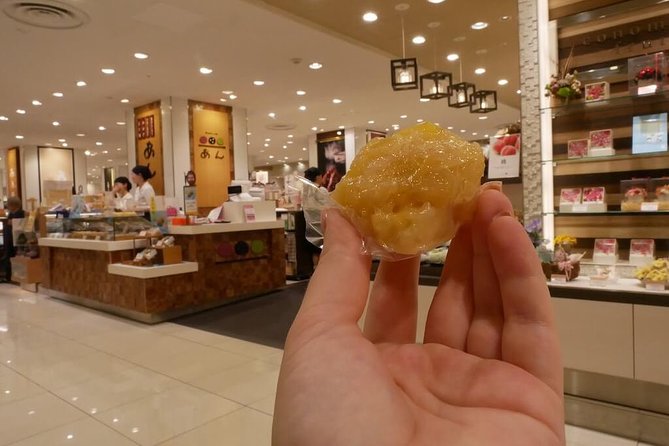
Matsuzakaya Nagoya is the third named stop, and the underground level of Japan’s oldest department store is a highlight for anyone who enjoys food markets. Department store basements in Japan can be astonishing places to browse, with prepared dishes, sweets, produce, and gift foods arranged for shoppers who care about quality and presentation.
Here, the department store visit adds a different side of Nagoya food culture. You are not only sitting in restaurants. You are seeing how Japanese shoppers buy food for home, gifts, and special meals.
The guide can help you make sense of the selection. Without help, a department store food floor can be a pleasant but confusing walk past unfamiliar labels. With a guide ordering and explaining, you have a better chance of noticing the items that matter locally.
The stop also connects with the tour’s cultural storytelling. You hear about Japanese demons and famine, and how those stories relate to a local sweet potato treat. That may sound like a small detail, but food traditions often make more sense when you know the story attached to them. A snack becomes a piece of local memory rather than just another bite.
Learning the proper way to eat hitsumabushi
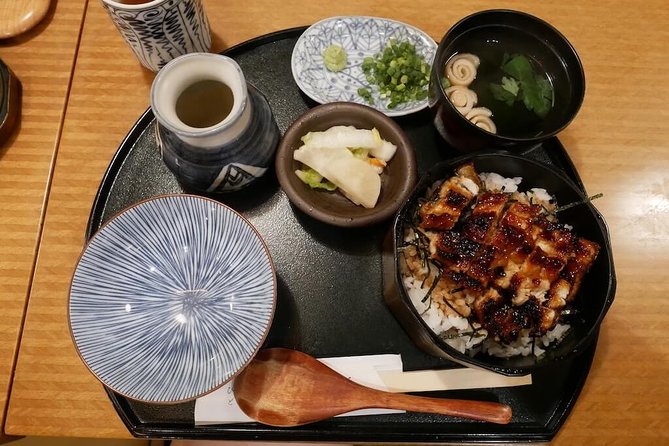
Hitsumabushi is the dish many people will remember most. It is made with freshwater eel, and the guide explains how to eat it. That instruction is useful because the dish is traditionally approached in stages, rather than treated as a simple bowl of eel and rice.
The tour description does not promise a particular restaurant or exact preparation, so you should focus on the lesson and the tasting itself. Eel is rich and savory, and it gives the route a more substantial main course after the smaller snacks and noodles.
One of the guides praised in the supplied feedback is Patricia, whose Peruvian background, Japanese ancestry, and move to Japan at age 19 gave her a personal angle on Japanese culture. That kind of background can make the explanation feel less like a memorized script and more like a conversation across cultures.
Other named guides include Erica and Lena. The comments connected with Erica emphasize that the cultural insight was nearly as valuable as the food, while the family group with Lena enjoyed trying foods they had never tasted before. Those details point to the tour’s strongest feature: it is designed for discovery, not just for eating familiar dishes.
Evening izakaya culture and peppery chicken wings
Choose a dinnertime tour and the final stop takes you into a popular Nagoya izakaya. This is where the tour shifts from daytime food sampling to drinking culture. You learn how izakayas work as social places, then pair peppery chicken wings with one included beverage.
The drink may be alcoholic or non-alcoholic, and nighttime tours include one drink at the last stop. The food and drink pairing should appeal to people who want a more social finish, but you should not expect an open bar. One included drink is part of the package.
The chicken wings give you another strong Nagoya flavor. They are peppery rather than delicate, and they suit the casual izakaya setting. If you do not drink alcohol, you can choose a non-alcoholic beverage, according to the tour details.
This final stop may be less appealing if you prefer quiet restaurants or have already had enough food. The tour includes several tastings over three and a half hours, so arrive hungry but not starved. The guide provides breaks, yet the food adds up.
What $150.89 really buys you
At $150.89 per person, this is a premium food walk. The right comparison is not a cheap lunch. You are paying for several food and snack tastings, a private guide, ordering help, local explanations, and one drink on a nighttime tour. All fees and taxes are included.
The value is strongest if you are new to Nagoya food. The guide saves research time and helps you avoid ordering blindly. You also get a planned route through central neighborhoods rather than spending part of the evening deciding where to go next.
The value is weaker if you already know Nagoya’s specialties, speak Japanese well, and are comfortable choosing restaurants on your own. In that case, you may prefer to spend the same money on one carefully chosen meal or several independent stops.
I would also factor in the small group. A private activity limited to your group can cost more than a large shared tour, but it gives you a more focused outing. For a couple, family, or close group of friends, that privacy may justify the price.
Who will enjoy this tour most
I would recommend this experience to first-time Nagoya visitors who want a fast introduction to local food without spending hours researching restaurants. It also suits people who enjoy trying unfamiliar dishes and want a guide to explain the customs around them.
Families can benefit from the private format, especially when some members are cautious about ordering. The family outing with Lena shows the practical appeal of having someone introduce foods you might not choose alone.
It is also a good fit for food-minded visitors who value cultural context. The stories about famine, demons, sweets, drinking customs, and rice balls give the tour more substance than a basic tasting circuit.
You should think twice if you have strict dietary needs. The tour is not suitable for vegans or vegetarians, and the food is pre-selected. If you have allergies or other restrictions, contact the provider before booking and do not assume substitutions will be possible.
You should also skip it if you dislike walking, do not want several small tastings, or expect a fixed menu. Food availability can change, and the route includes movement between stops.
Practical details that affect your day
The meeting point is at Chubu Electric Power MIRAI TOWER, and the tour ends back at the same meeting point. Transportation to and from the tour is not included, so you need to make your own way there and back.
The activity is near public transportation, which makes the central location useful. The published operating period runs from July 8, 2020, through January 19, 2027, with Monday through Sunday hours listed as 10:00 a.m. to 5:00 p.m. Since dinnertime tours are also described, confirm the exact departure time shown for your date.
Confirmation is sent within 48 hours of booking, subject to availability. Free cancellation is available if you cancel at least 24 hours before the start time. Cancellations or changes made later are not accepted for a refund.
The experience has a perfect five-star score from 12 ratings and is recommended by 100 percent of those ratings. That is a small sample, so I would not treat it as proof that every departure will be identical. Still, the repeated praise for the guides, cultural explanations, udon, eel, and first-time food discoveries gives you a clear idea of what the tour does well.
Should you book the Specialties of Nagoya Food Tour?
Book it if you want a guided introduction to Nagoya’s signature foods and prefer a private, small-group outing over restaurant research. The best reasons are the red miso udon, the explanation of hitsumabushi, the department store food floor, and the guide’s help with ordering.
The price is reasonable only if you will use the guidance and enjoy the cultural stories as much as the food. If you need vegetarian or vegan choices, or if you want a fixed menu, choose another experience.
For most first-time visitors who are curious, hungry, and comfortable walking, this is a smart way to make Nagoya less of a stopover and more of a destination.
FAQ
How long does the Specialties of Nagoya Food Tour last?
The tour lasts approximately 3 hours and 30 minutes.
Where does the tour start?
It starts at Chubu Electric Power MIRAI TOWER, 3-chōme-6-15-saki Nishiki, Naka Ward, Nagoya, Aichi 460-0003, Japan.
Where does the tour end?
The activity ends back at the meeting point.
How many people can join the tour?
The activity is private, so only your group participates. The tour information also gives a maximum group size of six people.
What food is included?
The tour includes five or six foods and snacks. Possible tastings include Miso Nikomi Udon, pickles, shrimp tempura rice balls, hitsumabushi with freshwater eel, sweet potato treats, and peppery chicken wings. Food is pre-selected and may change based on availability.
Is a drink included?
Nighttime tours include one drink at the final stop. You may choose an alcoholic or non-alcoholic beverage.
Is the tour suitable for vegetarians or vegans?
No. The tour is listed as unsuitable for vegans and vegetarians. If you have food allergies or dietary restrictions, you should notify the provider before the tour.
Just added in Nagoya
- Hida Takayama & Shirakawa-go Gassho Village Day Trip (Departing from Nagoya, optional observatory tour included)★ 4.7 · 2,837 reviews
- Shirakawa-go & Takayama Old Town Day Tour (Optional Hida Beef Lunch)★ 4.6 · 3,936 reviews
- Nagoya Castle Ticket★ 4.6 · 326 reviews
- Port of Nagoya Public Aquarium Ticket★ 4.8 · 4,343 reviews
- LEGOLAND® Japan Ticket★ 4.7 · 11,787 reviews
- Ghibli Park Ticket in Aichi★ 4.4 · 2,205 reviews
- Nagoya Endoji Food and Cultural Tour★ 5.0 · 12 reviews
- Walking Small-Group Nagoya City Tour★ 5.0 · 13 reviews
Food Tours, compared.
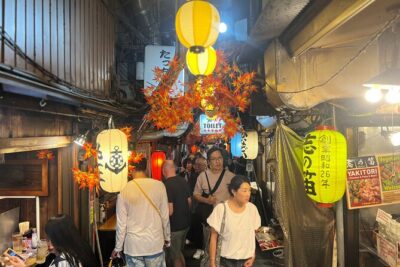
Shinjuku Food Tour (13 Dishes at 4 Local Eateries)
Read our review →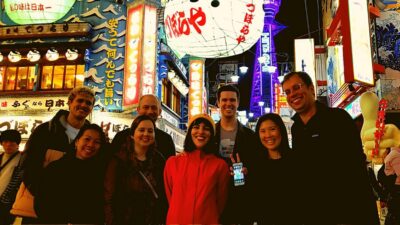
Shinsekai Food Tour with 13-15 Dishes at 5 Eateries
Read our review →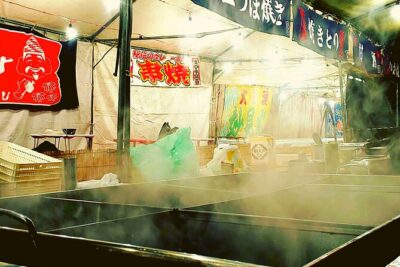
Osaka Food Tour: 13 Dishes at 5 Local Eateries
Read our review →
Shinjuku Food Tour (15 Dishes and 4 Eateries)
Read our review →
Best of Shinjuku: Izakaya Food Tour (4 Stops, 14+ Tastings)
Read our review →
Kyoto Night Foodie Tour in Gion (9+ dishes + 6 Sake tastings)
Read our review →
Hungry Osaka Street Food Tour:15 Tastings & 3 Drinks with a Local
Read our review →
Tokyo Night Foodie Tour in Shinjuku – Seasonal Sushi, Wagyu Beef
Read our review →Browse the lists this tour appears in