
Reviewed · DAY TRIPS
Tokyo: Day Trip to Kamakura in Spanish – Spanish
Kamakura feels worlds away from Tokyo. This eight-hour Spanish-language outing takes you from Tokyo Station to temple grounds, old shopping streets, and Japan’s famous bronze Great Buddha. I like the clear focus on cultural sights, and I especially like that the guides add local tips you can use after the tour. The main point to watch is cost: the $86 price does not include about ¥2,300 for transportation or ¥700 in temple tickets.
The tour also gets high marks for its personal touch. Guides including Emi, Camila, Nikita, Ori, Paula, and Nerea have been praised for their patience, stories, and practical help. One small concern is language consistency, since one booking began as a Spanish tour but included some English guidance as well.
In This Review
- Key points to know before booking
- Why Kamakura makes a good break from Tokyo
- Meeting at Tokyo Station and riding south
- Hase-dera and the stories behind the temple
- Meeting the 13-meter Great Buddha at Kotoku-in
- Lunch and shopping along Kamakura’s main street
- What the Spanish guides add
- Is $86 a fair price?
- Who should book this Kamakura outing?
- What to bring and how to prepare
- Should you book the Spanish Kamakura day trip?
- FAQ
- Is the tour conducted in Spanish?
- How long does the Kamakura excursion last?
- Where does the tour begin?
- Where does the tour end?
- Are transportation costs included?
- Are temple admission tickets included?
- Is the tour suitable for wheelchair users or hearing-impaired people?
Key points to know before booking
- Kamakura is reached by public train from Tokyo Station, so you should expect a full day of walking, station transfers, and regular public transportation rather than a private coach.
- The Enoden tram adds character to the outing, carrying you toward Hase-dera on one of Japan’s oldest tram lines still in operation.
- Hase-dera and Kotoku-in provide two very different temple visits, one centered on legends, gardens, and spiritual stories, the other on a huge outdoor bronze Buddha.
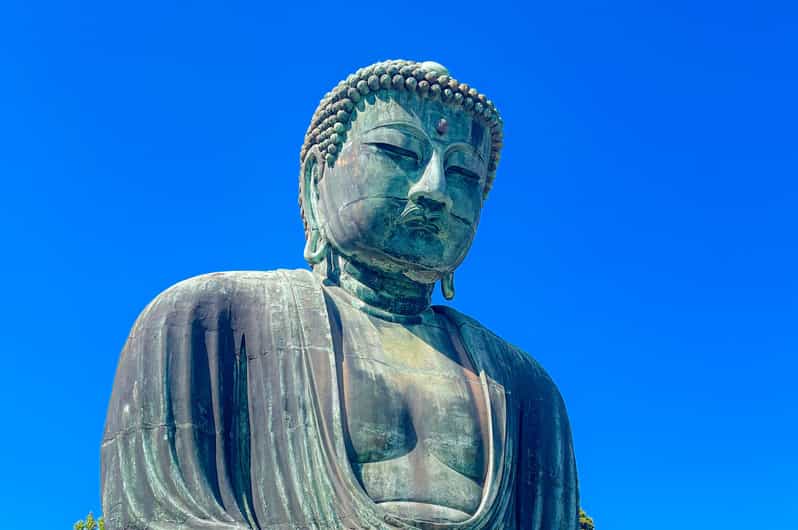
- The 13-meter Great Buddha weighs 121 tons, making Kotoku-in the tour’s biggest visual moment.
- Spanish is the main language, with guides such as Nerea praised for explaining temple stories clearly and adjusting to the pace of families.
- Your extra expenses are easy to estimate, but they matter: add ¥2,300 for transportation and ¥700 for temple tickets, then budget separately for lunch and shopping.
Why Kamakura makes a good break from Tokyo
Tokyo can fill every hour with neon, department stores, train stations, and crowds. Kamakura offers a different rhythm. The town is known for temples, wooded paths, old religious sites, and a main street where you can browse shops and stop for lunch.
I like this contrast because you do not have to choose between city sightseeing and traditional Japan. You can begin at one of the world’s busiest urban centers, then spend the day around Buddhist temples and quiet religious spaces.
Kamakura also works well for a first cultural outing from Tokyo. The itinerary is not overloaded with a dozen scattered stops. Instead, it concentrates on Hase-dera, Kotoku-in, and the central shopping street. That gives you time to listen, look around, eat, and shop without racing from one attraction to the next.
The trade-off is that Kamakura is not a private, door-to-door excursion. You use public transportation throughout the day, beginning with a train from Tokyo Central Station and later riding the local tram and rail network. If you prefer a private vehicle and minimal walking, this is not the right format.
More Day Trips in Tokyo
- Mt Fuji Top 5 Spots Day Tour: Arakurayama Park,Oshino Hakkai
★ 4.7 · 2,066 reviews - Tokyo: Mt. Fuji, Kamakura, Big Buddha, & Lake Ashi Day Trip
★ 4.5 · 867 reviews - Mt. Fuji & Hakone Private Day Tour with English-Speaking Driver
★ 4.5 · 824 reviews
Meeting at Tokyo Station and riding south
The meeting point is in front of the Tokyo Station facade at Marunouchi Square, by the central exit. This is a useful location, but Tokyo Station is large and can be confusing if you arrive at the last minute. I would allow extra time to find the correct exit and the facade outside.
From there, the group takes a train toward Kamakura. The listed transportation cost is ¥2,300, and it is not included in the tour price. That amount is important when comparing this outing with other day trips, because the headline $86 fee does not cover every essential expense.
The train ride is part of the experience rather than dead time. You see the change from central Tokyo to a smaller coastal settlement, and you get a look at how easily Japan’s rail system connects major city sights with historic towns.
The practical issue is comfort and energy. You will spend time on trains, walk between stops, and later return to Tokyo by rail. One Spanish-speaking booking had some confusion because the guide also used English, so if language clarity is crucial for your group, confirm the arrangement before setting out.
Hase-dera and the stories behind the temple
After reaching Kamakura, the group boards the Enoden, one of Japan’s oldest trams still in operation. The tram ride helps set the tone. It feels more local and old-fashioned than a standard city train, and it takes you toward the Hase area.
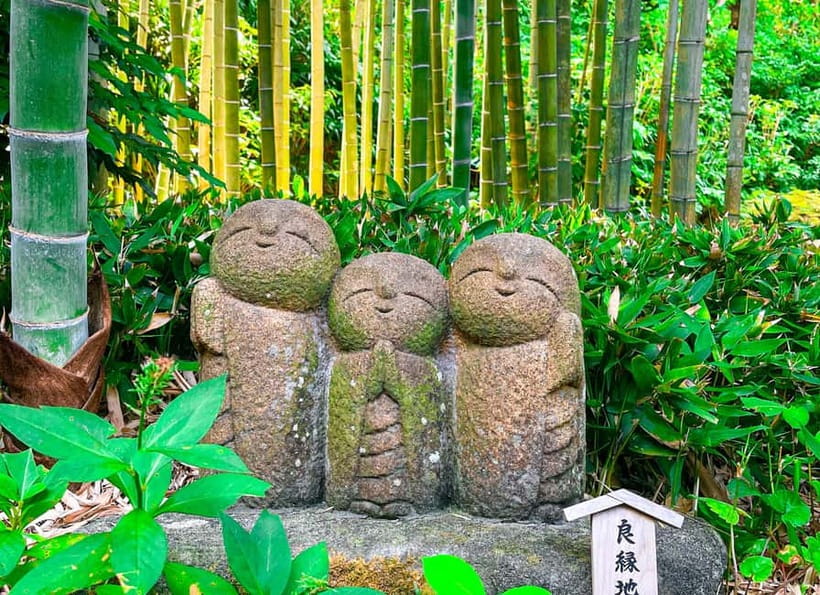
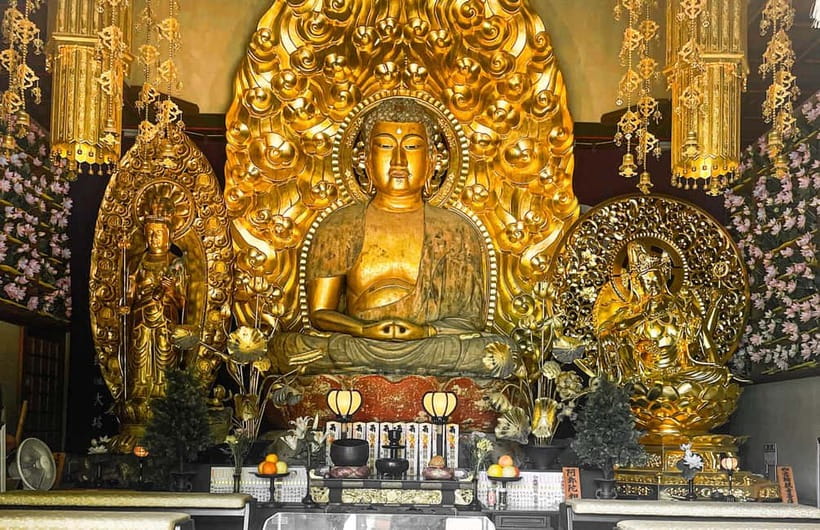
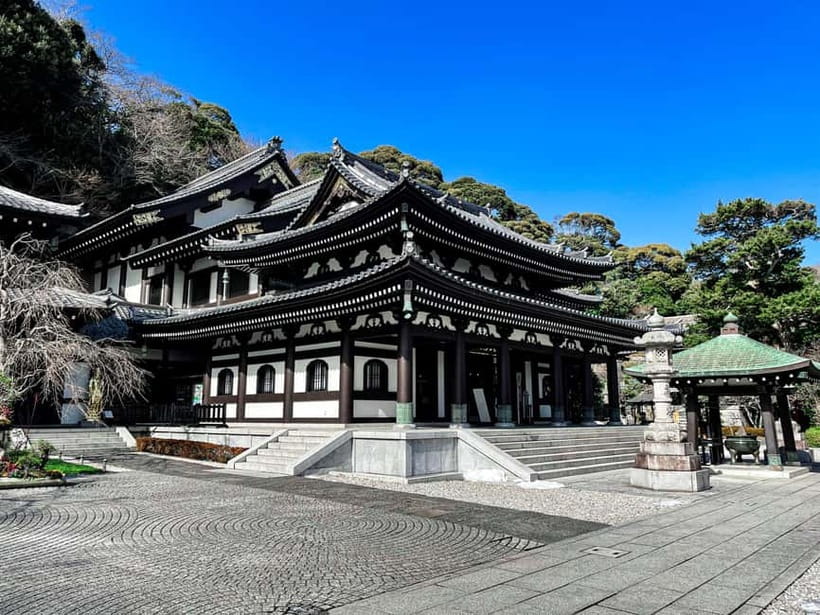
The first major stop is Hase-dera, a temple described as full of myths and legends. This is where a good guide can make a real difference. Rather than simply pointing out buildings, the guide explains the stories connected with the temple and helps you notice details that might otherwise pass by.
I like this part of the tour because it gives the day a narrative. You are not just ticking off a temple entrance. You are hearing why the place matters, how its religious traditions shaped it, and how stories have helped preserve its character.
The temple also brings together spiritual sites and natural surroundings. The listed experience emphasizes serene nature, vegetation, and views, and one participant specifically praised the plant life and outlook around the sanctuaries. You should expect a setting that feels calmer than Tokyo, though not necessarily empty or silent.
Hase-dera may be the most rewarding stop for anyone who enjoys atmosphere. Kotoku-in has the famous object, but Hase-dera gives you more time to absorb the mood of Kamakura. The drawback is that temple visits require walking, and the tour is not suitable for wheelchair users.
Meeting the 13-meter Great Buddha at Kotoku-in
From Hase-dera, the group walks to Kotoku-in Temple. The main attraction here is Kamakura’s bronze Great Buddha, a 13-meter figure weighing 121 tons. It is described as the second largest bronze Buddha in Japan, which gives you a sense of the scale before you even arrive.
The Great Buddha is a strong reason to choose this outing. It is large enough to feel impressive without being hidden inside a dark hall or surrounded by complex museum displays. You can take in the full shape of the statue and consider the work required to create such a massive religious image.
The visit also balances the more story-filled stop at Hase-dera. At Hase-dera, your attention is guided toward legends and the temple setting. At Kotoku-in, the focus is direct: one immense bronze figure and the religious meaning attached to it.
Temple tickets cost ¥700 and are not included. That is a modest extra charge, but you should carry enough yen for admission and other purchases. Since the tour uses public transportation and includes time in shopping areas, having a little cash available is sensible, though the supplied details do not specify which payment methods each place accepts.
A completely different kind of day out:
- Tokyo Disney Resort – Tokyo Disneyland & Tokyo DisneySea Park Tickets
★ 4.8 · 99,488 reviews - SHIBUYA SKY Ticket
★ 4.7 · 46,509 reviews - JR Whole Japan Rail Pass
★ 4.8 · 29,150 reviews - Mt Fuji and Hakone 1-Day Bus Tour Return by Bullet Train
★ 5.0 · 26,383 reviews
Lunch and shopping along Kamakura’s main street
After the temples, the tour moves to the settlement’s main street. This is your chance to shift from religious sites to everyday Kamakura. Shops line the street, and you get time for lunch and browsing before returning to Tokyo.
I like this unstructured section because it gives you room to make the day your own. You can eat, look for souvenirs, or simply watch the town move around you. The exact lunch venue is not specified, so your food and drinks are separate from the tour price.
The shopping street also keeps the excursion from feeling like a sequence of formal temple visits. Kamakura is not only a historic place. It is a living town with shops, food, and a distinct local atmosphere.
Still, do not expect a long, leisurely meal if the group has a fixed return schedule. The day includes several transport legs, and the train back to Tokyo must be shared with the rest of the group. I would treat lunch as a pleasant break rather than the main reason for booking.
What the Spanish guides add
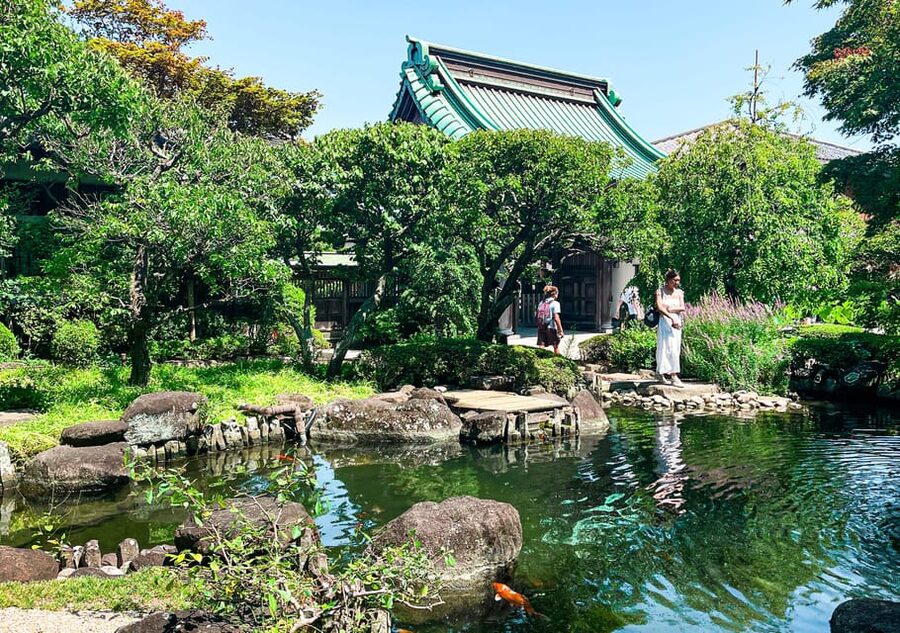
The guides are the strongest part of the experience. Multiple guides receive praise for warmth and useful explanations, with Emi, Camila, Nikita, Ori, Paula, and Nerea each singled out in the supplied comments.
Camila was praised for managing the outing efficiently and offering relevant information. Nikita helped create a relaxed atmosphere and explained the sites in detail. Ori made the tour entertaining while adding recommendations for the rest of the trip. Paula was recognized for her knowledge of Japanese history, while Nerea was especially patient with children and adjusted the pace of the group.
That last point matters if you are traveling with a family. A full day of trains, walking, temples, and shopping can wear down younger children. A patient guide who slows down and tells stories well can change the whole mood of the day.
The provider, NIPONEANDO, presents the outing as friendly, personal, and environmentally responsible. The environmental claim is best understood in practical terms: the tour uses public transportation rather than a private sightseeing bus. That can mean more contact with ordinary Japanese life, though it also means less control over seating, timing, and space.
The language experience may vary slightly by guide or group. One booking reported that the guide initially presented the outing as Spanish-only but later included English. If your group needs Spanish at every point, ask for confirmation before booking.
Is $86 a fair price?
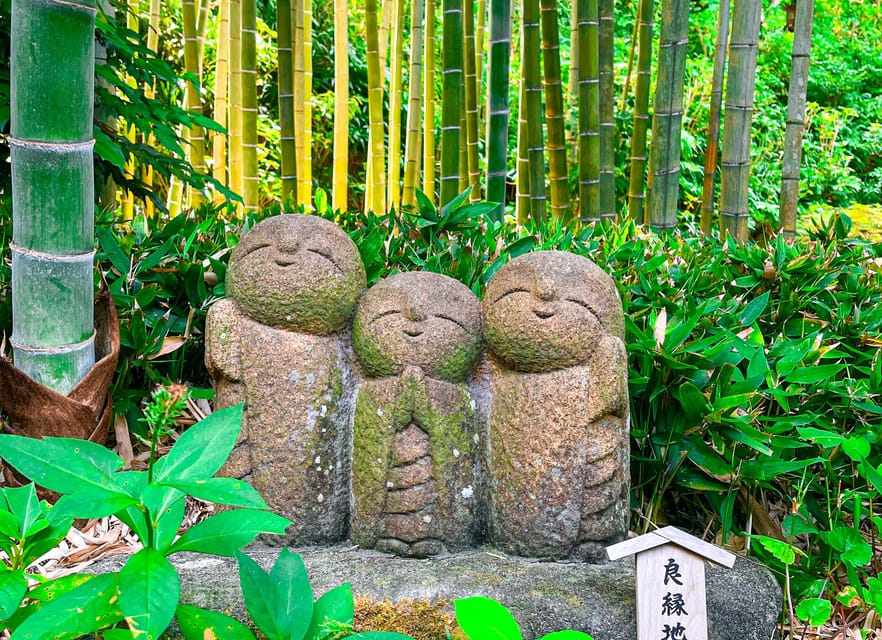
At $86 per person, this is not a bargain if you think of it as simple transportation to Kamakura. You still pay about ¥2,300 for transportation, ¥700 for temple tickets, and extra for food and drinks.
The value comes from the guide. You are paying for Spanish explanations, help with the rail and tram connections, temple context, and recommendations for the rest of your stay. For someone who does not speak Japanese or feels uneasy handling a full day of local transport, that support may be worth more than the added cost.
The tour can also save you planning time. You do not have to work out the order of Hase-dera and Kotoku-in, figure out the Enoden connection, or research the meaning behind the sites. The day has a clear route and ends back at the same Tokyo Station meeting point.
I would compare the price with your priorities. If you are comfortable planning trains and reading temple information on your own, an independent Kamakura day may cost less. If you want Spanish guidance and cultural context, the fee is easier to justify.
The rating of 4.9 from 22 reviews points to a very strong overall response, but the smaller number of ratings means I would not treat that score as a guarantee. The most consistent praise concerns the guides, not luxury transport or included meals.
Who should book this Kamakura outing?
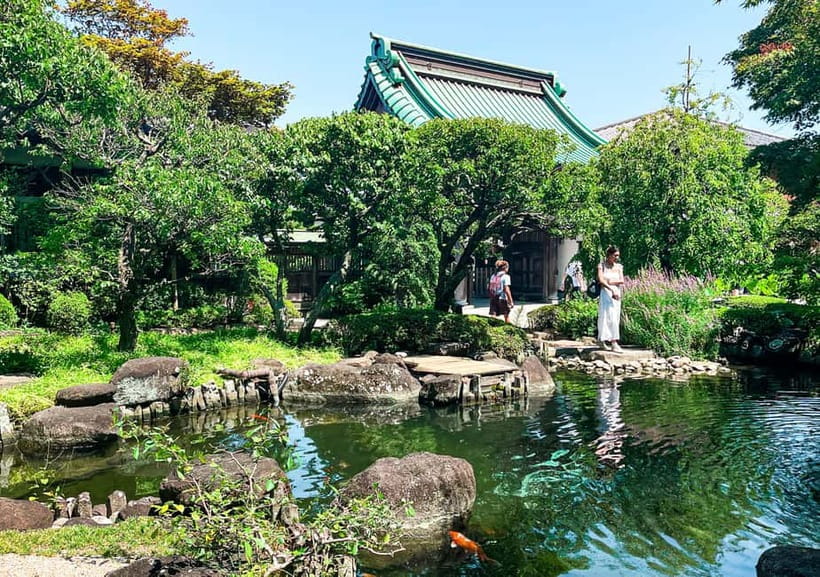
I would recommend it to Spanish-speaking visitors who want a guided introduction to Kamakura without spending hours researching the route. It suits couples, solo visitors, and families who value explanation and company during a public-transport day.
It is also a good match if you want more than a photograph of the Great Buddha. Hase-dera’s legends, Kotoku-in’s scale, and the shopping street create a rounded picture of the town.
Families may appreciate the guide’s ability to adapt. Nerea, in particular, was praised for being patient with children and keeping the outing comfortable for the group.
You should think twice if you dislike walking, trains, or fixed group schedules. The tour is not suitable for wheelchair users or hearing-impaired people, and unaccompanied minors are not allowed. Large bags and luggage are also prohibited, so bring only what you need for the day.
Because the activity ends back at the Tokyo Station meeting point, it works neatly as a self-contained day trip. You should still avoid carrying suitcases or large shopping bags at the start.
What to bring and how to prepare
Wear comfortable shoes. The route includes temple grounds, walking between Hase-dera and Kotoku-in, station movement, and time on foot around the main street.
Bring money for the ¥2,300 transportation charge, ¥700 in temple tickets, lunch, drinks, and any purchases. The tour description does not include food, so do not assume a meal is covered.
Arrive early at Marunouchi Square. Tokyo Station’s central exit is the stated meeting area, but the station itself is large enough to make a rushed arrival stressful.
Pack light. Large bags and luggage are not allowed, and public transportation is used throughout the outing. A small day bag is the sensible choice.
Finally, remember that the day is conducted in Spanish. If you are booking because you want Spanish instruction, confirm the language arrangement, especially after one report of mixed Spanish and English guidance.
Should you book the Spanish Kamakura day trip?
Book it if you want a guided cultural day with strong Spanish support, memorable temples, and an easy route from Tokyo. The combination of Hase-dera’s legends, Kotoku-in’s huge bronze Buddha, the Enoden tram, and Kamakura’s shopping street gives you a satisfying introduction to the town.
The best reason to choose it is the human element. Guides such as Nerea, Nikita, Camila, Ori, Paula, and Emi have been praised for patience, warmth, storytelling, and practical advice. That can turn a simple day out into a more meaningful visit.
Skip it if you want a low-cost independent excursion, private transport, or an accessible route. Once you add ¥2,300 for transportation, ¥700 for temple tickets, lunch, and drinks to the $86 booking price, the total is higher than a self-guided trip.
For Spanish-speaking visitors who value clear explanations and do not mind public transportation, I think the tour offers good value. Just budget for the extras, pack light, and meet your guide at Tokyo Station with time to spare.
FAQ
Is the tour conducted in Spanish?
Yes. Spanish is the listed language for the excursion. One booking reported that some English was also used, so confirm the language arrangement if Spanish-only guidance is essential.
How long does the Kamakura excursion last?
The excursion lasts eight hours.
Where does the tour begin?
It begins in front of the Tokyo Station facade at Marunouchi Square, near the central exit.
Where does the tour end?
The activity ends back at the original meeting point at Tokyo Station.
Are transportation costs included?
No. Transportation costs about ¥2,300 and public transportation is used for the excursion.
Are temple admission tickets included?
No. Temple tickets cost ¥700 and are paid separately.
Is the tour suitable for wheelchair users or hearing-impaired people?
No. The activity is not suitable for wheelchair users or hearing-impaired people. Large bags and luggage are also not allowed, and unaccompanied minors cannot join.
Just added in Tokyo
- A One-of-a-Kind Sushi Experience in a Special Place of Japan★ 5.0 · 15 reviews
- Tokyo Cute Bento Cooking Class – Make a Kawaii Character Lunchbox★ 5.0 · 126 reviews
- Japanese Home Cooking Class & Walk in Todoroki Temple Tokyo★ 5.0 · 88 reviews
- Japan Tokyo Tower Observatory Deck E-Ticket★ 4.0 · 34 reviews
- Catch a Baseball Game in Tokyo with a Local – Tickets Included★ 5.0 · 24 reviews
- Japan Classic 10 Day – One Life Adventures★ 5.0 · 129 reviews
- JDM Experience with Fast&Furious RX-7 (English speaking Driver)★ 5.0 · 57 reviews
- Tokyo Private Day Tour by Car with English speaking Driver Guide★ 4.0 · 29 reviews
Day Trips, compared.
![[Kyoto & Nara Day Tour] Sagano Scenic Railway & Nara Park & Fushimi Inari Taisha Thousand Torii Gates & Togetsukyo Bridge & Bamboo Grove & Kimono Forest (Departing from Osaka)](https://media.japanvisits.com/wp-content/uploads/kyoto-nara-day-tour-sagano-scenic-railway-nara-park-fushimi-inari-taisha-thousand-torii-gates-togetsukyo-bridge-bamboo-grove-kimono-forest-departing-from-osaka-k110001-400x257.jpg)
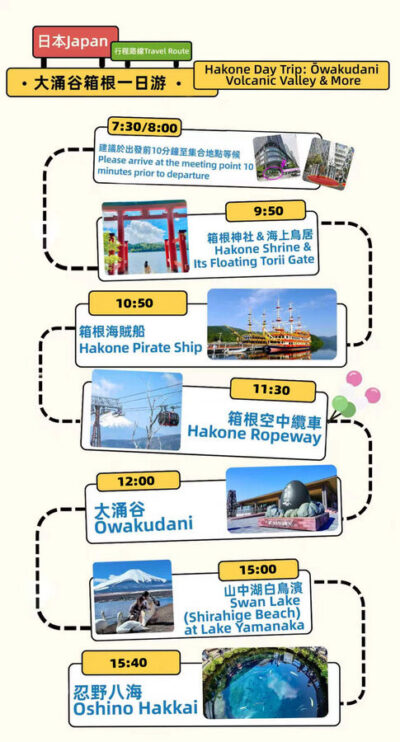
Kyoto Amanohashidate & Ine Funaya & Ine Bay Scenic Day Trip (Departing from Osaka or Kyoto)
Read our review →
Kyushu: Mount Aso, Kusasenri & Takachiho Gorge Day Tour (Optional Takachiho Boat Ride Experience)
Read our review →
Kyushu One-Day Tour: Yufuin no Mori Train & Yufuin Town & Nyoirin-ji Temple & Dazaifu & Hell Hot Springs (Departing from Fukuoka)
Read our review →
Browse the lists this tour appears in