
Reviewed · FOOD TOURS
Tokyo: Night Foodie Tour in Shinjuku
Shinjuku after dark is best tackled with an appetite. I like the tour’s smart three-stop plan, especially the chef-made seasonal sushi and hands-on Wagyu grilling. I also like that your guide explains Kabukicho instead of simply marching you from restaurant to restaurant. The main drawback is price: at $127 per person, this is not a bargain meal, and portions are refined rather than huge.
You meet near the west side of Shinjuku Station, then spend about three hours, or roughly three and a half hours depending on the schedule, eating and walking. Guides such as Tosh, Kazu, Fuji, Yuki, Max, Amy, and Hiro have earned warm praise for their English, good humor, and care with food choices. Bring cash, expect some walking, and keep an open mind for a final stop that may be a snack bar, dessert venue, or local bar.
In This Review
- Key points to know before booking
- Why this Shinjuku food tour works
- Meeting near Shinjuku Station’s west exit
- First stop: seasonal sushi made in front of you
- Walking through Kabukicho with context
- Second stop: grilling Wagyu at the table
- The final stop: sweets, snacks, or a drink
- What $127 gets you
- How the guides shape the night
- Who should book this experience
- Practical advice for a better evening
- Should you book the Shinjuku Night Foodie Tour?
- FAQ
- How long does the Tokyo Night Foodie Tour last?
- Where is the meeting point?
- What food is included?
- Is a vegetarian menu available?
- Can children join the tour?
- Is the tour wheelchair accessible?
Key points to know before booking
- Chef-prepared omakase sushi: The first restaurant serves seasonal sushi selected by the itamae, with a vegetarian menu available.
- Hands-on Wagyu yakiniku: You grill thinly sliced beef yourself on a traditional Japanese BBQ stove.
- Three distinct food stops: Dinner begins with sushi, continues with Wagyu, and ends with dessert, snacks, or a drink.
- Kabukicho after dark: Your guide helps you read Shinjuku’s neon-lit entertainment district and leads you toward Golden Gai.
- Small groups or private outings: The format suits solo visitors, couples, families, and travelers who want personal attention.
- High quality rather than sheer quantity: The food is praised for freshness and flavor, but you should not expect an all-you-can-eat feast.
Why this Shinjuku food tour works
Shinjuku gives you too many choices. That sounds like a good problem until you are standing outside a station with thousands of people, dozens of signs, and no clear idea which narrow doorway leads to a worthwhile meal.
This tour solves that problem with a simple evening route. You do not spend your night comparing menus on your phone or guessing which restaurant welcomes English-speaking diners. A local guide takes you to three places and explains what you are eating, how to order it, and how each stop fits into Japanese food culture.
I especially like the balance between food and neighborhood walking. The tour is not just a meal in three rooms. You move through Kabukicho, pass through the entertainment district, and finish near Golden Gai. That gives the evening a sense of place.
The food is the main attraction, but the guide makes the difference. Strong guides have included Fuji, who explained dishes, drinks, shrines, and local customs; Max, who kept a solo participant involved; and Amy, who helped adjust a sushi plate for an 11-year-old. Those details matter because the best food tours feel relaxed rather than rehearsed.
More Food Tours in Japan:
- Tokyo: Shinjuku Food Tour (13 Dishes at 4 Local Eateries)
★ 5.0 · 6,603 reviews - Osaka: Shinsekai Food Tour with 13-15 Dishes at 5 Eateries
★ 4.8 · 2,204 reviews - Osaka Food Tour: 13 Dishes at 5 Local Eateries
★ 5.0 · 2,149 reviews
Meeting near Shinjuku Station’s west exit
The meeting point is in front of the black pillar beside the Uniqlo Shinjuku Nishiguchi shop. It is a seven to eight minute walk from the west exit of JR Shinjuku Station.
Look for the guide holding an orange MagicalTrip sign. Shinjuku Station is famously confusing, so allow extra time to get out of the station and find the correct street. If you arrive at the wrong exit, the short walk can become a frustrating detour.
The starting location on the old Kyu-Ome-kaido road is practical because it puts you on the west side before the route heads toward the restaurants and Kabukicho. Wear comfortable shoes. This is a walking-and-eating evening, not a seated dinner with a few steps between courses.
Bring cash. Additional food and drinks are not included, and some small local venues may be easier to handle with cash in hand. Your package includes two drinks, though the exact choices can depend on the stop and your age.
First stop: seasonal sushi made in front of you
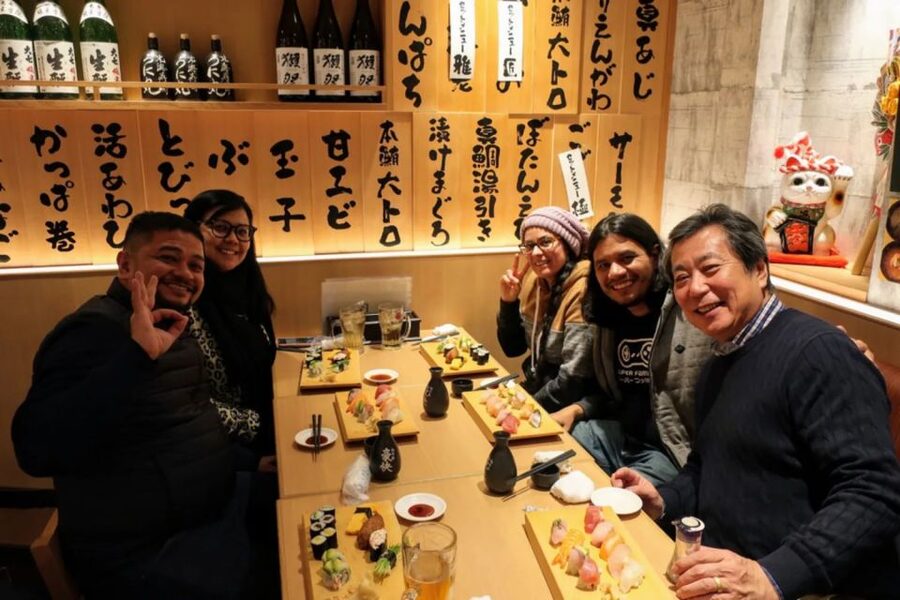
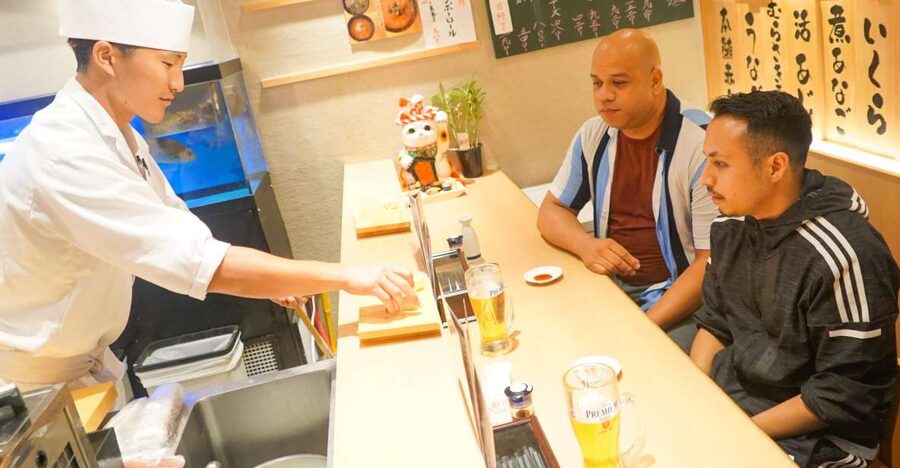
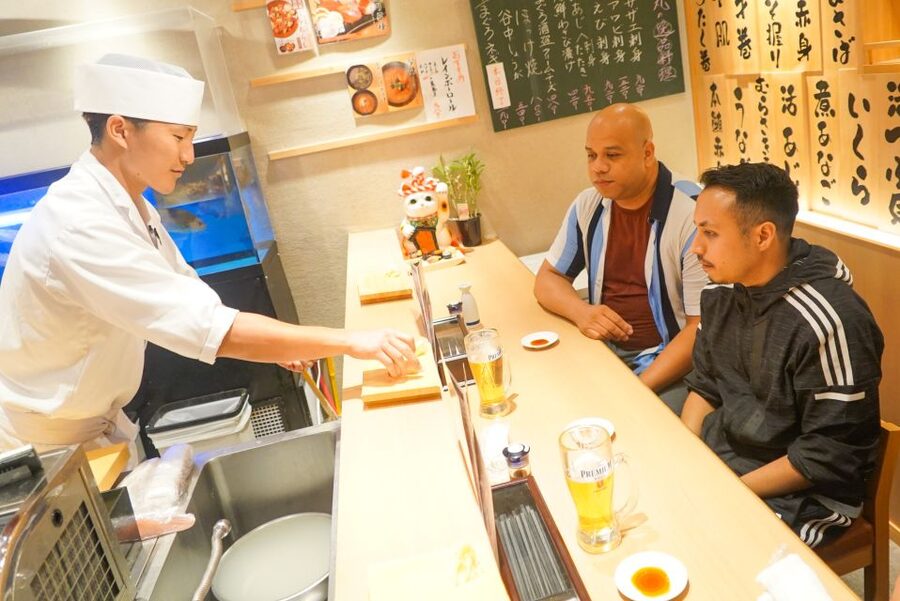
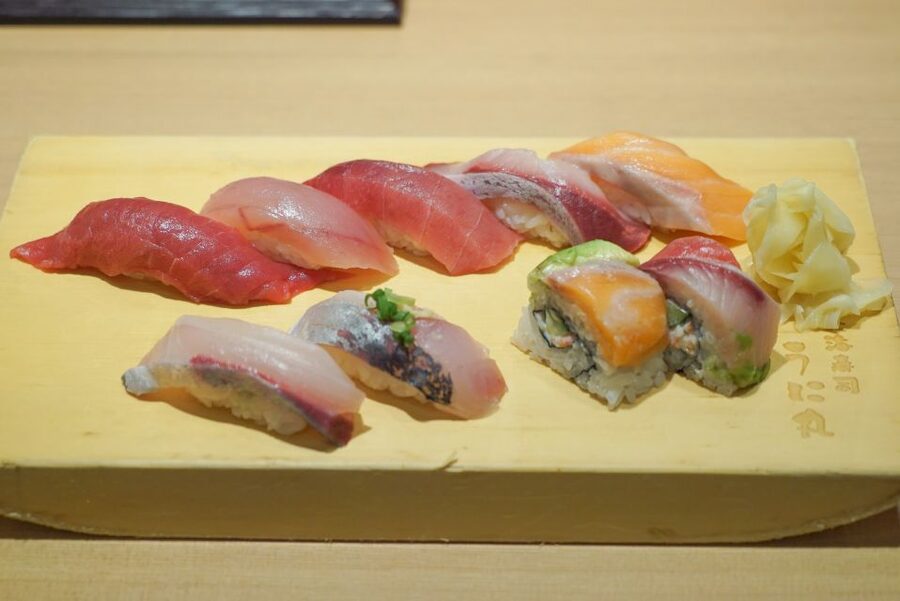
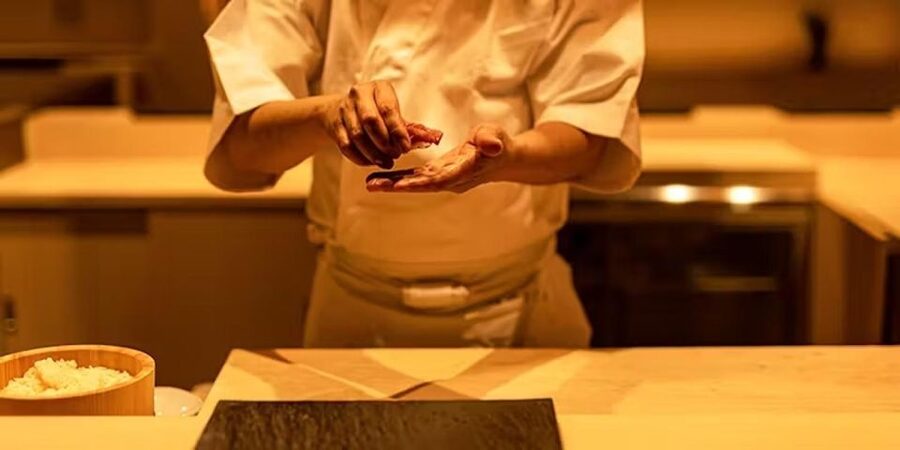
The evening begins at a local sushi restaurant. Here, an itamae prepares fresh nigiri in front of you, making this more personal than picking pieces from a display case.
The meal follows an omakase format, meaning the chef chooses the selection. That is useful in Japan, where seafood changes with the season and a chef’s chosen sequence can show you items you might not order alone. You can also request the vegetarian menu, though you should discuss food needs before the tour because the operator cannot promise an allergy-free kitchen.
This stop is likely to be the culinary high point for anyone who values precision and freshness. The strongest praise for the tour repeatedly centers on the sushi, with several people describing it as among the best they had eaten in Japan. One useful expectation comes from a guest who said the sushi set such a high standard that ordinary sushi afterward felt disappointing.
That is a compliment, but it also signals what you are paying for. This is not a casual conveyor-belt meal. The portions are modest, carefully prepared, and designed for quality. If you arrive expecting a large plate of rice and fish, you may feel underfed at this stage. The next restaurant supplies the heavier part of the dinner.
Your guide will also help you understand how to eat the sushi and what you are tasting. That support is valuable if this is your first omakase meal, or if you are unsure about soy sauce, wasabi, or the order of the pieces.
Walking through Kabukicho with context
Between restaurants, you walk through Kabukicho, one of Tokyo’s best-known nightlife districts. The route includes about ten minutes of guided sightseeing, but the neighborhood itself gives the walk plenty to look at.
The signs, crowds, restaurants, hotels, bars, and entertainment venues can feel like visual noise when you first arrive. A guide gives the area some shape. You learn where you are, what kind of district Kabukicho is, and how it relates to the rest of Shinjuku.
Some guides also include a shrine or other local sights along the way. Fuji was praised for adding a shrine visit and explaining the area’s customs. Other guides have pointed out small food stalls and lesser-known streets that are easy to miss when you stay on the main road.
The tour also reaches Golden Gai, a compact area known for its tiny bars and narrow lanes. The scheduled guided portion is about ten minutes, so do not expect a long bar crawl there. Instead, treat it as a quick orientation to a distinctive corner of Shinjuku.
This part of the experience is especially useful on your first Tokyo visit. You get a safe, structured introduction to a complicated neighborhood, then you can return later with a better sense of where you are. The tradeoff is that a three-hour food tour cannot offer a long historical walk. The sightseeing is a supplement to dinner, not a replacement for a dedicated Shinjuku walking tour.
A completely different kind of day out:
- Tokyo Disney Resort – Tokyo Disneyland & Tokyo DisneySea Park Tickets
★ 4.8 · 99,488 reviews - Universal Studios Japan Studio Pass
★ 4.8 · 89,883 reviews - Universal Studios Japan Express Pass
★ 4.7 · 53,138 reviews - SHIBUYA SKY Ticket
★ 4.7 · 46,509 reviews
Second stop: grilling Wagyu at the table
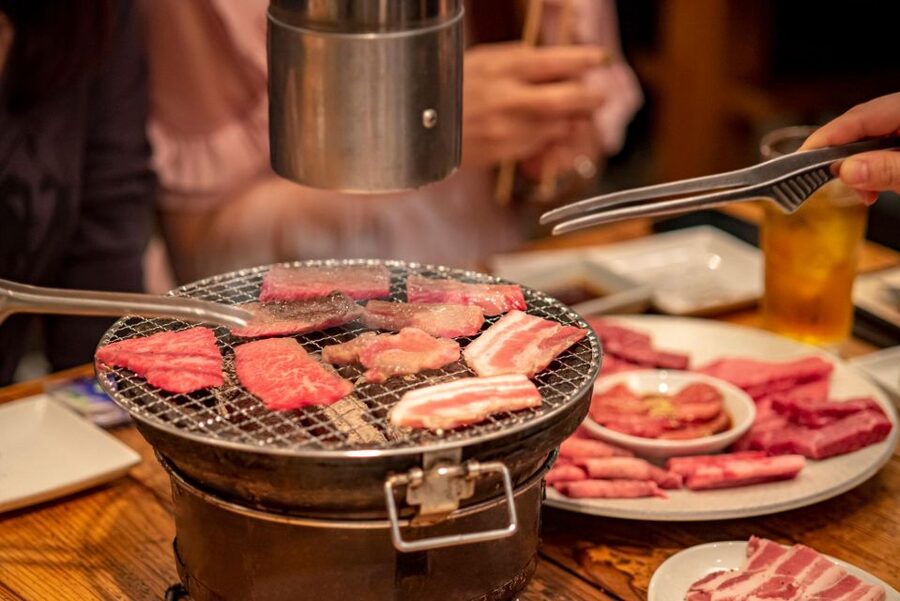
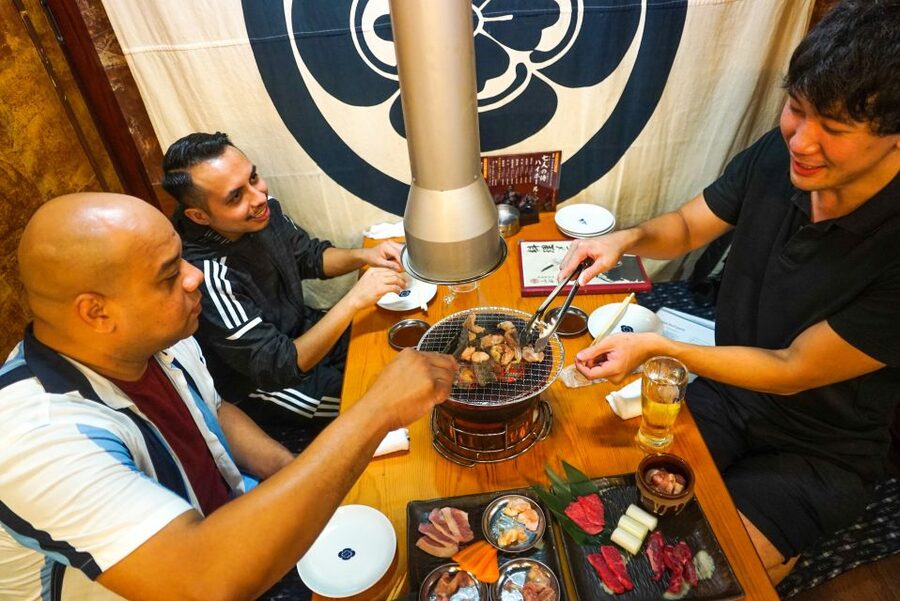
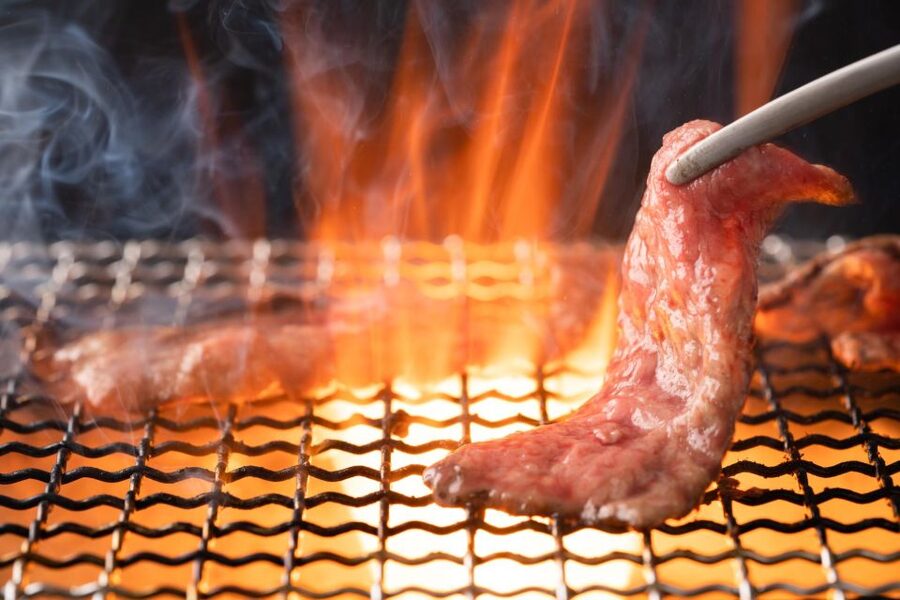
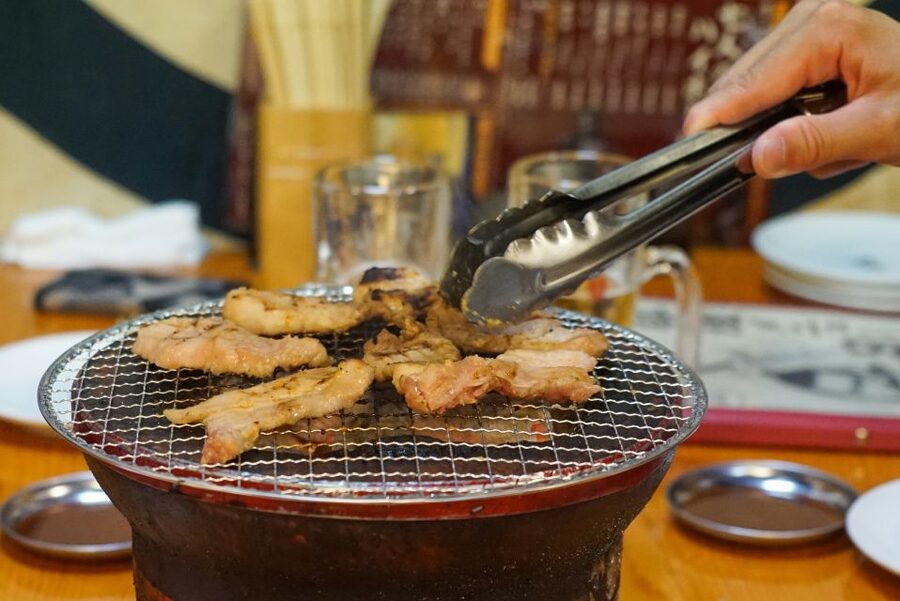
Next comes yakiniku, the Japanese style of tabletop BBQ. Thin slices of Wagyu arrive raw, and you cook them yourself over a traditional Japanese grill.
This is the most interactive part of the meal. Your guide shows you how to handle the beef and how long to cook it, which keeps the process from becoming a guessing game. You can grill each piece to your preference, though thin slices cook quickly, so pay attention.
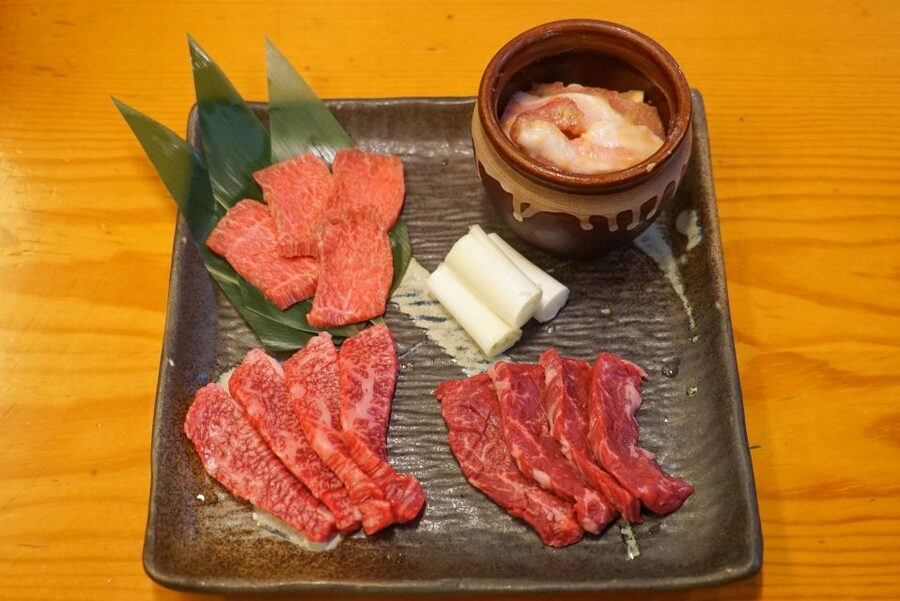
The Wagyu is the filling centerpiece of the tour. Several people singled it out as excellent, and the hands-on cooking made the meal memorable. One particularly unusual detail is the use of a salt block at one venue, where diners rubbed the cooked beef against the block for seasoning. That may not appear on every departure, but it shows the kind of distinctive restaurant experience the route can include.
The setting may be near Shinjuku West or Kabukicho, depending on the day. Because the restaurants are local venues rather than spaces operated by the tour company, the exact atmosphere and menu can vary.
I like the contrast between the first two stops. Sushi asks you to appreciate the chef’s control and the fish’s texture. Yakiniku asks you to participate, watch the heat, and enjoy the aroma of cooking meat. Together, they present two very different sides of Japanese dining.
Vegetarian options are available, but this is the point where expectations need care. A vegetarian menu is listed, yet the company cannot guarantee that kitchens will be free of allergens or that every requested substitution will be possible. If you have serious allergies or strict dietary requirements, this may not be the right food tour.
The final stop: sweets, snacks, or a drink
The tour ends at a local snack bar or cozy bar, with dessert or an alcoholic drink. For families with children, the final venue is a Japanese snack restaurant instead of a drinking spot.
This is the loosest part of the evening. Depending on the venue, you might finish with a Japanese dessert, nostalgic packaged snacks, or a drink. One stop has been described as a help-yourself selection of chocolates, crisps, crackers, and other small treats. Another ending included a candy-bar setting with unusual sweets and a playful atmosphere.
Some people may find this finale less impressive than the sushi and Wagyu. The food at the first two stops is the clear star, while the last venue adds curiosity and conversation rather than another major course. That is not necessarily a flaw. After two substantial restaurant visits, a lighter, informal ending can be welcome.
The final stop also gives you a chance to ask your guide for Tokyo food and nightlife suggestions. Guides have helped people order favorite dishes again, explained sake and shochu, and offered general advice for the rest of a Japan trip.
The legal drinking age in Japan is 20. If you are under 20, you can still join the tour, but you will not be served alcohol.
What $127 gets you
At $127 per person, the tour costs more than simply ordering sushi and yakiniku on your own. The value comes from the combination of food, access, translation help, neighborhood orientation, and planning.
Included in the price are:
- A seasonal sushi course
- A full Wagyu dinner
- Two drinks
- Dessert or an alcoholic drink at the final stop
- A three to three-and-a-half-hour guided experience
- Tour photos
- An English-speaking certified guide
You are also paying to avoid a common Tokyo problem: choosing restaurants without knowing what you are getting. The guide handles the route and helps you make sense of the menu. For a first night in Tokyo, that can save time and prevent an expensive wrong turn.
Still, value depends on your appetite and travel style. If you want the maximum amount of food for your money, you can eat more cheaply elsewhere. One person specifically noted that the tour offered modest portions of high-end food rather than a large quantity. If you enjoy careful preparation, premium beef, and learning as you eat, the price is easier to justify.
The small-group option improves the value. With only two people, a couple, or a few participants, you can ask more questions and get more help at the restaurants. Private groups are also available if you want a more personal evening.
How the guides shape the night
The food is fixed in broad terms, but the guide shapes the experience. The strongest pattern across the guide feedback is warmth, clear English, and attention to the group.
Tosh was praised as fun and experienced. Kazu was described as friendly and informative. Yuki, Hiro, Max, Fuji, Amy, Ken, Rai, Saki, and others received strong marks for explaining food and culture while keeping the night moving.
That variety means your exact experience will depend on the person assigned to you. The format gives guides room to respond to the group. Amy arranged a more suitable sushi plate for a child, while Rai helped a group order more of a favorite dish on its own later.
Solo visitors can fit in well. Max was praised for keeping a solo participant engaged, and small groups tend to make conversation easy. Couples and families also have good reasons to choose this tour, especially if one person in the group is nervous about ordering unfamiliar food.
The walking pace, however, may be less comfortable in severe weather. Tokyo summers can reach 40°C, while winter temperatures can fall to -5°C. Rain also changes the experience, though one guide, Yuri, was praised for helping the group through heavy rain and crowded streets.
Who should book this experience
I would choose this tour if you want three things in one evening: excellent Japanese food, a guided introduction to Shinjuku, and help navigating restaurants that are difficult to find alone.
It is a strong fit for:
- First-time visitors to Tokyo
- Solo visitors who want company at dinner
- Couples seeking a planned night out
- Families with children old enough for a walking tour
- Food lovers interested in sushi and Wagyu
- People who want cultural explanations with their meal
- Visitors who prefer small groups to large coach tours
You may want another option if you use a wheelchair or stroller, since some locations are not accessible. It is also a poor match for strict allergy needs because the restaurants are independent kitchens and substitutions cannot always be arranged.
Smokers should know that some venues may prohibit smoking, and the itinerary cannot always be changed to accommodate smoking preferences. The tour is open to all ages, but alcohol is limited to people aged 20 and over.
Practical advice for a better evening
Arrive early. Shinjuku Station is large, and finding the west exit takes longer than the map suggests.
Eat a light lunch or early snack, but do not arrive stuffed. The meal is not built around oversized servings, yet sushi, Wagyu, drinks, and a final snack can add up quickly.
Wear shoes you can walk in and clothing suited to the weather. You will move between restaurants, and summer heat or winter cold can affect your comfort.
Tell the guide about food preferences as soon as you meet. Vegetarian menus are available, but serious allergies and strict restrictions cannot be fully guaranteed.
Keep some cash with you for extra food and drinks. The tour includes two drinks and a final dessert or drink, but anything beyond that costs extra.
If you want photographs, stay near the guide during the walks. Tour photos are included, and guides such as Yosh Aida were praised for taking pictures while showing the group around Shinjuku.
Should you book the Shinjuku Night Foodie Tour?
Book it if you want a polished first taste of Tokyo’s food culture without spending your evening guessing where to go. The sushi and Wagyu combination is the strongest reason to choose it, while the walk through Kabukicho and Golden Gai gives the meal a useful sense of place.
Skip it if your main goal is a cheap, enormous dinner, a long nightlife crawl, or a fully accessible route. At $127, this is a premium introduction, not a budget food hunt.
For most first-time visitors who value quality, small groups, and a guide who can explain the customs behind each dish, I think the price is defensible. Choose an early place in your Tokyo schedule, and use the guide’s advice to continue exploring Shinjuku on your own afterward.
FAQ
How long does the Tokyo Night Foodie Tour last?
The experience is advertised as three hours, while the detailed schedule describes about three and a half hours with the guide. Check the available starting time and plan for the longer estimate.
Where is the meeting point?
Meet in front of the black pillar next to the Uniqlo Shinjuku Nishiguchi shop. It is a seven to eight minute walk from the west exit of JR Shinjuku Station. The guide will hold an orange MagicalTrip sign.
What food is included?
You receive a seasonal sushi course chosen by the chef, a full Wagyu beef yakiniku dinner, two drinks, and dessert or an alcoholic drink at the final stop. Extra food and drinks cost more.
Is a vegetarian menu available?
Yes, vegetarian menus are available for the sushi and Wagyu portions. However, the operator cannot guarantee allergy-free preparation or every dietary substitution because the food is prepared in independent restaurant kitchens.
Can children join the tour?
Yes, the tour is open to people of all ages. For families with children, the final stop will be a Japanese snack restaurant rather than an alcohol-focused venue.
Is the tour wheelchair accessible?
No. Some locations on the route are not accessible by wheelchair or stroller, and wheelchair users are listed as unsuitable for this experience.
Just added in Japan
- A One-of-a-Kind Sushi Experience in a Special Place of Japan★ 5.0 · 15 reviews
- Tokyo Cute Bento Cooking Class – Make a Kawaii Character Lunchbox★ 5.0 · 126 reviews
- Japanese Home Cooking Class & Walk in Todoroki Temple Tokyo★ 5.0 · 88 reviews
- Japan Tokyo Tower Observatory Deck E-Ticket★ 4.0 · 34 reviews
- Catch a Baseball Game in Tokyo with a Local – Tickets Included★ 5.0 · 24 reviews
- JDM Experience with Fast&Furious RX-7 (English speaking Driver)★ 5.0 · 57 reviews
- Tokyo Private Day Tour by Car with English speaking Driver Guide★ 4.0 · 29 reviews
- Japan Classic 10 Day – One Life Adventures★ 5.0 · 129 reviews
Food Tours, compared.
Shinjuku Food Tour (13 Dishes at 4 Local Eateries)
Read our review →
Shinsekai Food Tour with 13-15 Dishes at 5 Eateries
Read our review →
Osaka Food Tour: 13 Dishes at 5 Local Eateries
Read our review →
Shinjuku Food Tour (15 Dishes and 4 Eateries)
Read our review →
Best of Shinjuku: Izakaya Food Tour (4 Stops, 14+ Tastings)
Read our review →
Kyoto Night Foodie Tour in Gion (9+ dishes + 6 Sake tastings)
Read our review →
Hungry Osaka Street Food Tour:15 Tastings & 3 Drinks with a Local
Read our review →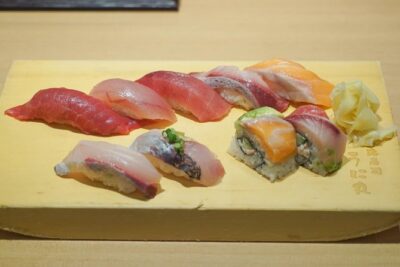
Tokyo Night Foodie Tour in Shinjuku – Seasonal Sushi, Wagyu Beef
Read our review →Browse the lists this tour appears in