
Reviewed · DAY TRIPS
Tokyo Okutama Day Trip Tour
Tokyo has a wilder side. This long day trip carries you from the city to Okutama’s forests, caves, lakes, rivers, and mountain villages, with guide and driver Ayumu showing you places that are difficult to reach by train or bus. I like the small maximum of six people and the mix of outdoor sights with local culture. I also like that lunch, admission, vehicle costs, and expressway fees are included.
The main consideration is the pace. This is a 10 to 14-hour outing with mountain roads, stairs, uneven ground, and repeated climbs in and out of the vehicle. The itinerary covers a lot, but you should have moderate fitness, sturdy shoes, and a good tolerance for winding roads.
In This Review
- At a glance: what makes this Okutama tour special
- Leaving Tokyo for Okutama’s mountain roads
- Nippara Limestone Cave: a cool, rough-edged start
- Hatonosu Valley and Unzen Bridge
- Lake Okutama and the Tsukiyomi viewpoint
- Hinohara Village and the old Kobayashi house
- Kanoto Rock and the rushing river
- Hossawa Falls: a fitting final walk
- The optional bath and foot bath
- How Ayumu shapes the experience
- Is $165.13 good value?
- Who should book this day trip?
- Should you book Tokyo Okutama Day Trip Tour?
- FAQ
- Where does the Tokyo Okutama day trip start?
- Is hotel pickup available?
- How long does the tour last?
- How many people can join?
- Is lunch included?
- What should I wear?
- Are admission fees included?
- Can the tour be canceled because of weather or low bookings?
At a glance: what makes this Okutama tour special
- A cave, lake, traditional house, gorge, and waterfall in one day: The route gives you a broad look at western Tokyo’s mountains rather than a single attraction.
- Small-group travel by car: With no more than six people, the vehicle can reach narrow mountain roads and out-of-the-way stops that large buses cannot.
- A local kamameshi lunch: Your picnic meal is prepared with local vegetables and served at a scenic viewpoint.
- Ayumu guides and drives: His role as both guide and driver creates a personal feel, with time for questions and route changes when conditions require it.
- Optional hot spring or foot bath finish: Some outings end with a public bath experience, though you should discuss this in advance if you have concerns.
- A true full-day escape: Hotel pickup can save time and effort, but the additional fee is $50 and the day may last well into the evening.
Leaving Tokyo for Okutama’s mountain roads
The tour begins at Suzuki LumberJapan in Setagaya City, with the standard meeting point at 156-0043 Tokyo, Setagaya City, Matsubara, 2-chōme 46-9. Hotel pickup is available on request, and several people found the pickup and drop-off option worthwhile because this is a very long day.
The drive is part of the experience. You move away from Tokyo’s dense streets and into mountain roads, small villages, cedar forests, and river valleys. The route is not simply a transfer between attractions. You get changing views through the windows, and you can rest in the air-conditioned vehicle between walks.
That convenience comes with a tradeoff. Mountain roads can cause motion sickness, and the operator specifically advises anyone prone to car sickness to discuss seating before departure. If the vehicle becomes soiled by illness, a cleaning fee may apply. Smoking is not allowed inside the moving vehicle, though the guide can direct you to smoking areas.
The vehicle is intended for a maximum of six people, but one person found the car cramped for the number in the group. If you need extra personal space, ask about the expected group size before booking. A small group does not always mean a spacious vehicle.
More Day Trips in Tokyo
- Mt Fuji Top 5 Spots Day Tour: Arakurayama Park,Oshino Hakkai
★ 4.7 · 2,066 reviews - Tokyo: Mt. Fuji, Kamakura, Big Buddha, & Lake Ashi Day Trip
★ 4.5 · 867 reviews - Mt. Fuji & Hakone Private Day Tour with English-Speaking Driver
★ 4.5 · 824 reviews
Nippara Limestone Cave: a cool, rough-edged start
The first main stop is Nippara Limestone Cave, one of the notable limestone caves in the Kanto region. The cave is lit in selected areas, giving the rock formations a strange, atmospheric look without turning the visit into a polished theme-park attraction.
Plan on about an hour here. You will walk through the cave, climb stairs, and encounter wet spots. Bring shoes with good grip and a light jacket, even in summer. The cave can feel chilly, and the floor may be slippery.
I like this as a first stop because it gets you moving after the early drive. It also sets the tone for the day: this is not a quick roadside photo stop. You will use your legs, watch your footing, and pay attention to the natural setting.
The cave may not suit anyone who dislikes confined spaces or uneven paths. The operator describes the required fitness level as moderate, and that is a fair warning. You do not need to be a serious hiker, but you should be comfortable with stairs and short walks on rough ground.
Hatonosu Valley and Unzen Bridge
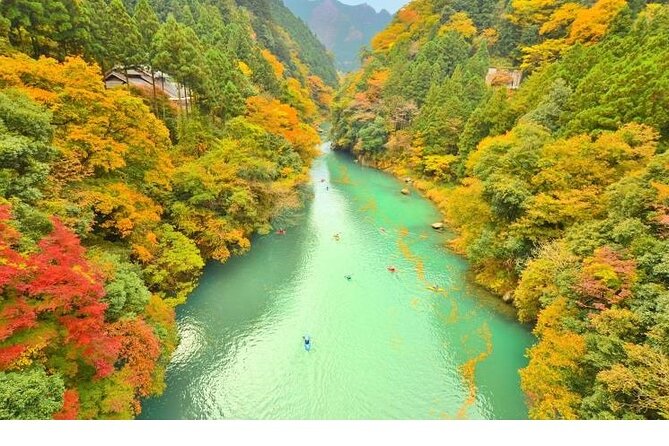
The route continues through Hatonosu Valley, where the river cuts through the Okutama mountains. At Unzen Bridge, you can look into the valley and enjoy the scale of the surrounding cliffs and forest.
The valley section helps explain why a car-based trip works well here. Some scenic points and small roads are not easy to combine by public transport, and buses do not take you directly to every attraction. Instead of spending the day checking timetables or walking long distances from stops, you can use the vehicle as a base.
The tradeoff is time spent on the road. Attractions are spread out, so parts of the day involve sitting in the car. I would see this as a good bargain for anyone who wants several distinct Okutama sights in one outing, but less appealing if you want a long continuous hike.
Lake Okutama and the Tsukiyomi viewpoint
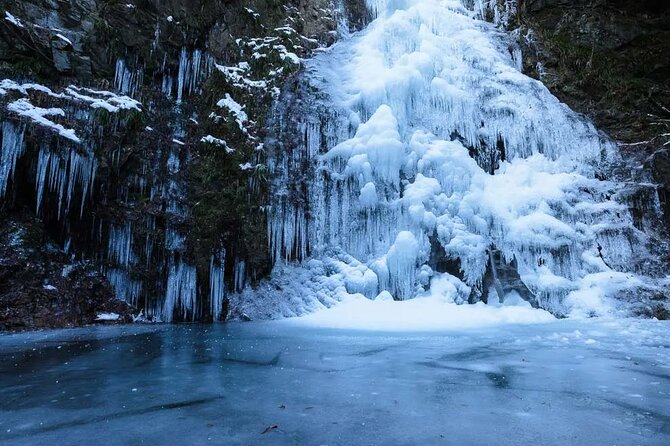
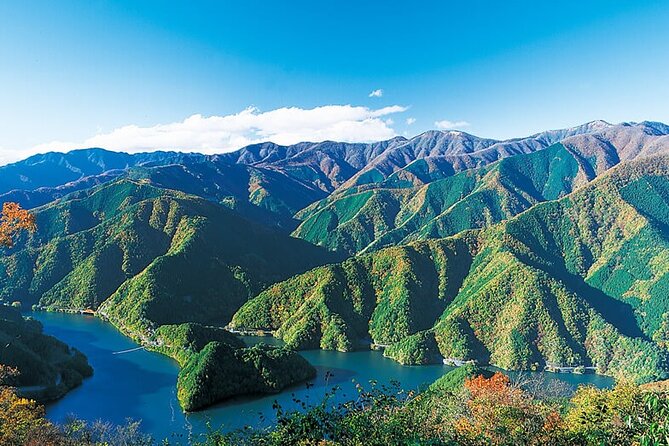
Lake Okutama is one of the day’s broadest scenic stops. The drive follows the lakeside, giving you views that change with the season. At Tsukiyomi 1st Parking, the vehicle climbs to a high viewpoint above the lake and mountains.
This is where lunch is served as a simple outdoor picnic. The included meal is a kamameshi lunch box made with local vegetables. Kamameshi is a Japanese rice dish traditionally cooked in an individual pot, and the presentation gives the meal a stronger sense of place than a standard boxed sandwich.
The meal is already fixed, so tell the operator about allergies, religious restrictions, vegetarian needs, or other food requirements before the tour. One person had difficulty finding a vegetarian option, making this an important point to settle early.
The viewpoint is also a practical rest stop. After the cave and morning walking, you can sit down, eat, and look over the lake rather than rush straight to the next trail. Coffee, tea, snacks, breakfast, and dinner are not included. A coffee break is planned, but you pay separately for anything you buy.
A completely different kind of day out:
- Tokyo Disney Resort – Tokyo Disneyland & Tokyo DisneySea Park Tickets
★ 4.8 · 99,488 reviews - SHIBUYA SKY Ticket
★ 4.7 · 46,509 reviews - JR Whole Japan Rail Pass
★ 4.8 · 29,150 reviews - Mt Fuji and Hakone 1-Day Bus Tour Return by Bullet Train
★ 5.0 · 26,383 reviews
Hinohara Village and the old Kobayashi house
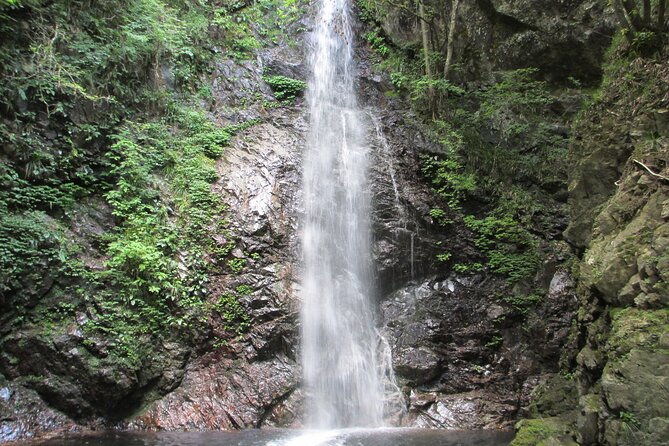
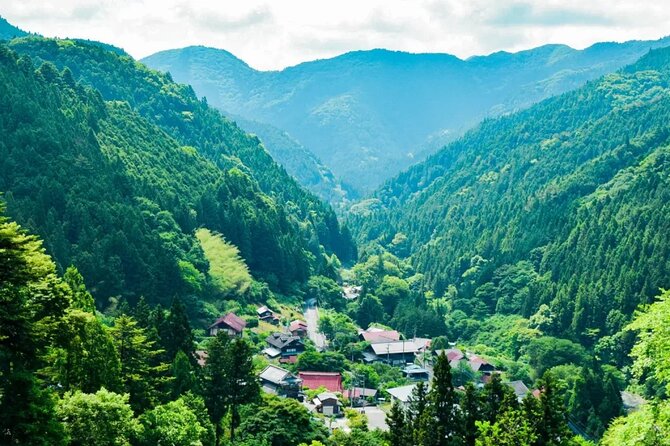
After lunch, you return to the vehicle and enter Hinohara Village. This part of Tokyo is easy to overlook, especially if your idea of the city ends with its central wards and train lines.
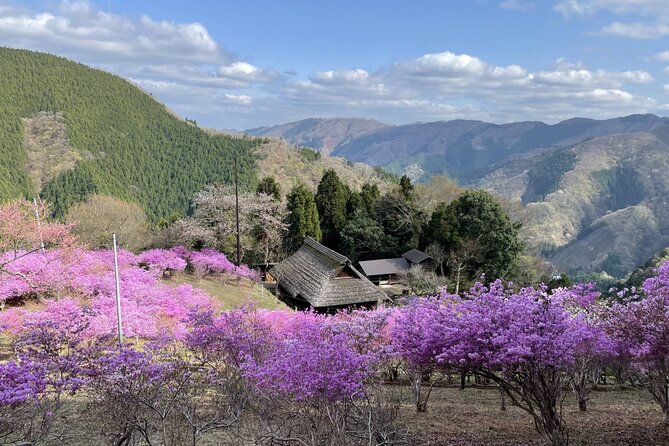
At Kyu Kobayashike Jutaku, the tour visits a traditional Japanese house. The stop offers a look at how people lived in a demanding mountain setting in earlier times. The house gives the day some human context, balancing the caves, waterfalls, and views with a sense of village life.
A particularly unusual part of the visit is the mountain-climbing monorail used to reach the house. This is not a normal commuter train. It carries you up a steep wooded slope, adding a memorable bit of local transport to the cultural stop.
Conditions can change in the mountains. Landslides have previously made the old house inaccessible, in which case Ayumu has substituted a museum. That flexibility is useful, but you should understand that the exact itinerary can change because of weather, road conditions, or natural events.
Kanoto Rock and the rushing river
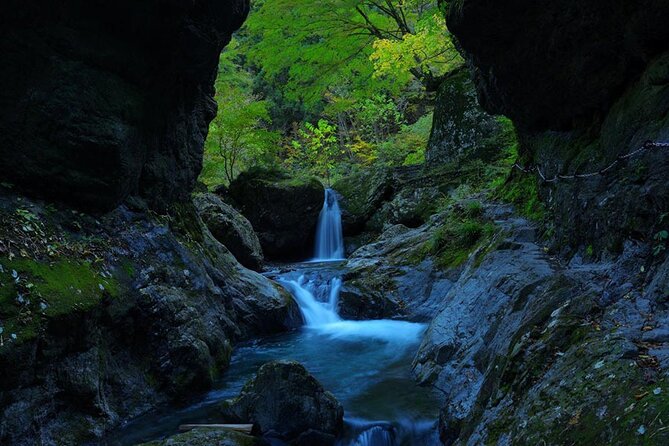
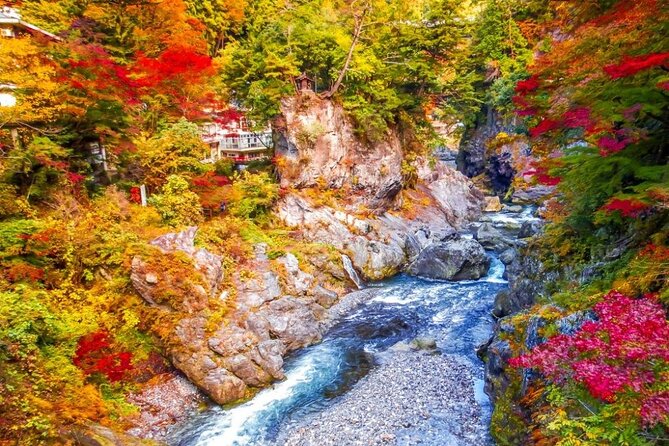
After the village stop, the tour heads to Kanoto Rock. The walk crosses a valley and follows the side of a river running between two large rocks with historical significance.
This is one of the more adventurous sections. You may walk close to the water, pass areas with poor footing, and use chains near the rock and river section. The distance is not long, around 30 minutes, but the ground matters more than the mileage.
Wear proper walking shoes and keep both hands available when the path becomes awkward. The short length should not fool you into treating it as a paved sightseeing path. If you are unsteady on steep or wet ground, tell the guide in advance so he can consider how best to manage the stop.
I like Kanoto Rock because it feels more active than a viewpoint. You are not just looking at the river from a railing. You move beside it and see how quickly the water runs through the narrow gorge. That sense of proximity is also why this stop demands care.
Hossawa Falls: a fitting final walk
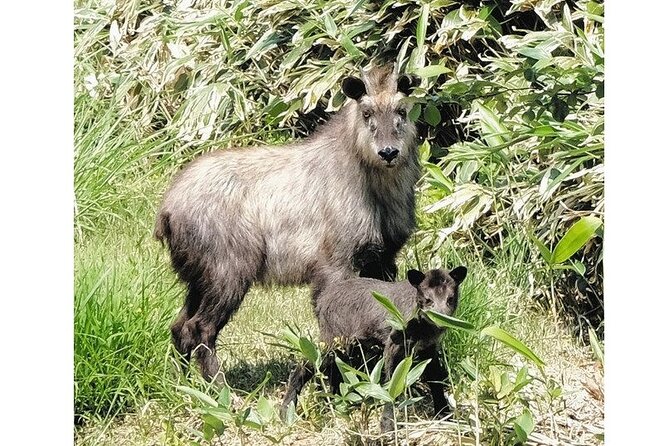
The final scheduled attraction is Hossawa Falls, a 60-meter waterfall arranged in four stages. The basin is surrounded by forest, and the walk takes about an hour.
The waterfall makes a strong ending because it gives you one last stretch of fresh air and running water before the return drive. Depending on the day’s conditions, the approach can involve uneven ground and a modest amount of exertion. Good shoes remain essential.
The itinerary calls Hossawa Falls one of Japan’s representative waterfalls, but the real appeal is not a grand viewing platform or a long list of facilities. It is the combination of forest, water, and a quiet mountain setting after a busy day of driving and walking.
By this point, you may be tired. That is not a flaw in the schedule, but it is something to plan for. The tour is designed to show you a lot in one day, not to give you hours at each attraction.
The optional bath and foot bath
Some versions of the day include time at a public bath near the end. The guide can explain the process, which may be helpful if you have never used a Japanese onsen. A foot bath is another option for those who do not want a full public bath.
If you have tattoos, ask about the current rules before you go. One family chose the foot bath because of tattoos, while another person enjoyed the full onsen experience. The operator says the public bath is planned during private tours and asks you to discuss difficulties in advance. If you cannot use it, a refund may not be available.
This is best viewed as an optional bonus rather than the main reason to book. The caves, valleys, lake, village, and waterfall already make up the core experience. Still, a warm foot bath after a full day on mountain paths can be a welcome finish.
How Ayumu shapes the experience
Ayumu is both the driver and guide, and that matters on a route like this. The strongest praise centers on his punctuality, careful driving, patience, and ability to explain local culture and history without making the day feel like a lecture.
He also appears to adjust sensibly when circumstances change. When a landslide blocked the traditional house, he offered a museum instead. He has also been described as considerate about pacing, giving people rest in the car between stops and allowing time at scenic areas.
The arrangement is personal, but it has limits. Because one person is driving and guiding, the experience is not built around multiple specialist guides or a formal bus commentary system. You should expect a relaxed, conversational style rather than a highly scripted tour.
That informal approach is one of the best reasons to choose this outing. You can ask about the villages, the countryside, local customs, or Ayumu’s own connection to the area. The tour feels designed to show a less familiar side of Tokyo rather than simply tick off famous names.
Is $165.13 good value?
At $165.13 per person, this is not a cheap day trip. The price becomes easier to justify when you consider what is bundled: an air-conditioned vehicle, lunch, facility admission, car costs, and expressway fees.
You are also paying for access. Reaching Nippara Cave, the mountain viewpoints, Hinohara Village, Kanoto Rock, and Hossawa Falls independently would require careful planning and several forms of transport. The car lets you combine them in one day and reach places that are awkward by bus.
Hotel pickup costs an additional $50. I would pay it if your hotel is far from the meeting point, if you value a simple early start, or if you expect to be tired after the return journey. If the fee bothers you, use the standard meeting point instead. The meeting point is near public transportation.
The value is weaker if you want a slow, single-area walk or if you dislike long drives. It is stronger if you want a broad sample of western Tokyo without renting a car or solving the mountain transport yourself.
Who should book this day trip?
I would choose this tour for:
- Couples looking for a quiet day outside central Tokyo
- Solo visitors who want countryside access without planning every connection
- Small groups interested in nature and local village culture
- People who enjoy caves, rivers, waterfalls, and moderate walks
- Anyone who wants a break from Tokyo’s dense urban center
- Visitors who prefer a guide-led outing over a large coach tour
I would hesitate if you have limited mobility, dislike stairs, struggle with uneven ground, or get severe motion sickness. The operator specifically warns about frequent stairs, mountain roads, vehicle transfers, and poor footing.
Bring sturdy shoes, a light jacket for the cave, water, and money for snacks or drinks. Tell the operator about dietary needs before departure, arrive 10 minutes early, and contact the guide if you may be late.
The tour is generally accepted from two people and has a maximum of six. It requires good weather and a minimum number of participants. If poor weather or insufficient bookings cancel the trip, you are offered another date, another experience, or a full refund. Standard cancellation is free up to 24 hours before the start time.
Should you book Tokyo Okutama Day Trip Tour?
Book it if you want access, variety, and a small-group feel. For one long day, you get a cave, valley, lake, mountain viewpoint, local lunch, traditional house, gorge, waterfall, and possibly a bath. That is a lot, but the route has been designed around the car, allowing you to rest between active stops.
I would not book it for a gentle sightseeing day. This is an active outing with a long return journey and some rough paths. But if you want to see the forested side of Tokyo that most city itineraries skip, and you are prepared for a full day on the road, the $165.13 price offers solid value. Ayumu’s personal guiding and the small vehicle are the key advantages.
FAQ
Where does the Tokyo Okutama day trip start?
The standard meeting point is Suzuki LumberJapan, 156-0043 Tokyo, Setagaya City, Matsubara, 2-chōme 46-9. The tour ends back at the meeting point.
Is hotel pickup available?
Yes. Hotel pickup is offered on request. The pickup option costs an additional $50, while the standard meeting point remains available.
How long does the tour last?
The tour lasts approximately 10 to 14 hours. The exact length can vary because of traffic, road conditions, weather, and the time spent at each stop.
How many people can join?
The tour has a maximum of six participants. Reservations are usually accepted from two people.
Is lunch included?
Yes. Lunch is included and is served as a kamameshi lunch box made with local vegetables. The menu is fixed, so share allergies, dietary restrictions, or religious food requirements in advance.
What should I wear?
Wear sturdy shoes with good grip. The tour includes stairs, mountain paths, uneven footing, cave walking, and sections near rivers and waterfalls. A light jacket is useful because the cave can be chilly even in summer.
Are admission fees included?
The facility entrance fee is included. The price also includes lunch, vehicle costs, and expressway fees.
Can the tour be canceled because of weather or low bookings?
Yes. The experience requires good weather and a minimum number of participants. If the operator cancels for either reason, you are offered a different date or experience, or a full refund.
Just added in Tokyo
- Tokyo Private Day Tour by Car with English speaking Driver★ 5.0 · 25 reviews
- Tokyo Private Customizable Tour with English Speaking Chauffeur★ 5.0 · 92 reviews
- Chill Out in Tokyo: Personalized Private Tours with Local Friends★ 5.0 · 104 reviews
- Tokyo Private Customized Walking tours with Local guide★ 5.0 · 23 reviews
- Tokyo Private Tour with Local Expert Guide – Hidden Gems★ 5.0 · 36 reviews
- Tokyo 6 hour Tour : English Speaking Driver Only, No Guide★ 4.0 · 15 reviews
- Tokyo Metropolis★ 5.0 · 51 reviews
- Tokyo Portrait Tour with a Professional Photographer★ 5.0 · 58 reviews
Day Trips, compared.
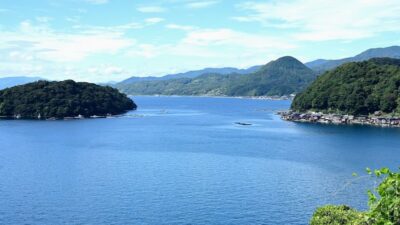
Kyoto Amanohashidate & Ine Funaya & Ine Bay Scenic Day Trip (Departing from Osaka or Kyoto)
Read our review →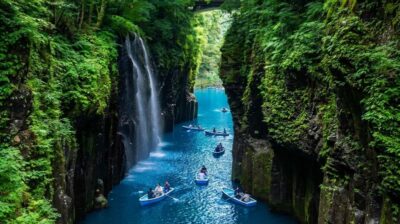
Kyushu: Mount Aso, Kusasenri & Takachiho Gorge Day Tour (Optional Takachiho Boat Ride Experience)
Read our review →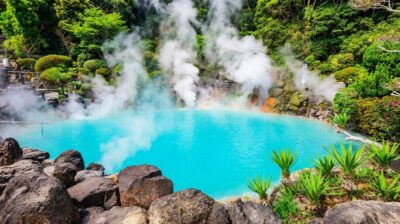
Kyushu One-Day Tour: Yufuin no Mori Train & Yufuin Town & Nyoirin-ji Temple & Dazaifu & Hell Hot Springs (Departing from Fukuoka)
Read our review →
Browse the lists this tour appears in