
Reviewed · DAY TRIPS
Tokyo: Tokyo Private Day Tour With Guide
Tokyo rewards a good plan. This private 10-hour tour links old Tokyo and neon Tokyo in one long, well-organized day, from Tsukiji’s food stalls to the Imperial Palace, Senso-ji, Harajuku, Shibuya, Akihabara, and Tokyo Skytree. I like the clean private vehicle and the freedom to adjust the pace, especially for families or anyone who finds Tokyo’s huge rail network tiring. The main caution is simple: this is a lot of Tokyo in one day, and the Skytree admission and meals cost extra.
The strongest part is the personal service. Guides such as Moon and Imran have helped families alter stops, find food, manage shopping, take photos, and answer questions about daily life in Japan. I also like that pickup and drop-off are included within Tokyo’s 23 wards. Just confirm whether your booking includes a personal guide as well as the English-speaking driver, since some parties paid an additional fee for that option.
In This Review
- The five things I would want to know first
- Why a private car matters in Tokyo
- Tsukiji Outer Market: start with a bite
- Imperial Palace East Gardens: a quiet change of gear
- Asakusa and Senso-ji: Tokyo’s most approachable temple stop
- Tokyo Skytree: pay extra for the big view
- Meiji Jingu: forest, torii gates, and a slower pace
- Harajuku’s Takeshita Street: Tokyo’s playful side
- Shibuya Crossing: the quick, iconic finale
- Akihabara Electric Town: finish with anime and electronics
- What the guide adds to the day
- Is $709 good value for your group?
- Who should book this Tokyo day tour?
- My booking advice
- FAQ
- How long does the Tokyo private tour last?
- How many people can join the private group?
- Where is pickup available?
- Can I be picked up at an airport or cruise terminal?
- Is Tokyo Skytree admission included?
- Is lunch included?
- What should I bring?
The five things I would want to know first
- A private vehicle saves energy: You can move between distant districts without repeated subway transfers, stairs, and station crowds.
- The route covers Tokyo’s big contrasts: Tsukiji, Senso-ji, Meiji Shrine, and the Imperial Palace sit alongside Harajuku, Shibuya, Akihabara, and Skytree.
- The itinerary can bend: Families have added anime shops, food stops, special shopping requests, and extra photo locations.
- The guide can make the day easier: Moon and Imran are repeatedly praised for clear English, patience, local advice, and help with shopkeepers.
- The price works best for five people: At $709 per group of up to five, the cost is far more sensible when shared by a family or small group.
- You need a little cash and good shoes: Food, shopping, temple offerings, and small purchases are not covered.
Why a private car matters in Tokyo
Tokyo’s trains are excellent, but the city is spread across a wide area. This route moves from Tsukiji in the southeast to Asakusa and Skytree, then across to Harajuku, Shibuya, and Akihabara. A car will not remove every traffic delay, but it does spare you from figuring out several rail connections while carrying shopping bags or keeping children together.
The vehicle is air-conditioned and supplied with WiFi and bottled water. Several parties describe the car or van as clean, spacious, cool, and comfortable, including one group that used a Toyota Vellfire. That matters during Tokyo’s hot summer months, and it is especially helpful if your group includes older adults, children, or someone with mobility limits.
You should allow for traffic. The full 10 hours includes hotel pickup and return, and the driver may arrive up to 30 minutes late because of highway conditions. You are asked to wait in your hotel lobby five minutes before pickup, with contact from the driver one day before and again one to two hours before arrival.
The service covers hotels, hostels, apartments, Airbnb addresses, and other locations inside Tokyo’s 23 wards. Airport and cruise-terminal pickup is not provided, and pickup outside the 23 wards costs extra. Confirm the exact meeting point before you book.
More Day Trips in Tokyo
- Mt Fuji Top 5 Spots Day Tour: Arakurayama Park,Oshino Hakkai
★ 4.7 · 2,066 reviews - Tokyo: Mt. Fuji, Kamakura, Big Buddha, & Lake Ashi Day Trip
★ 4.5 · 867 reviews - Mt. Fuji & Hakone Private Day Tour with English-Speaking Driver
★ 4.5 · 824 reviews
Tsukiji Outer Market: start with a bite
The day begins at Tsukiji Outer Market, with about an hour for food, browsing, and photos. This is a good opening stop because you can start with Tokyo’s everyday food culture rather than a grand monument. Expect seafood, produce, grilled skewers, tamagoyaki, sushi, oysters, and other small snacks sold by specialist shops.
I would arrive hungry but not plan a full formal breakfast here. The schedule gives you time to sample several things, yet one hour passes quickly if you stop to inspect every stall. Bring cash, since the tour does not cover food and the amount you buy is up to you.
Tsukiji can be crowded, so stay close to your group and follow the guide’s advice about where to eat. This is also a useful place to ask Imran, Moon, or your assigned guide about Japanese ingredients and eating customs. One family’s day was especially memorable because of the seafood tasting, while others valued help choosing local food.
Imperial Palace East Gardens: a quiet change of gear
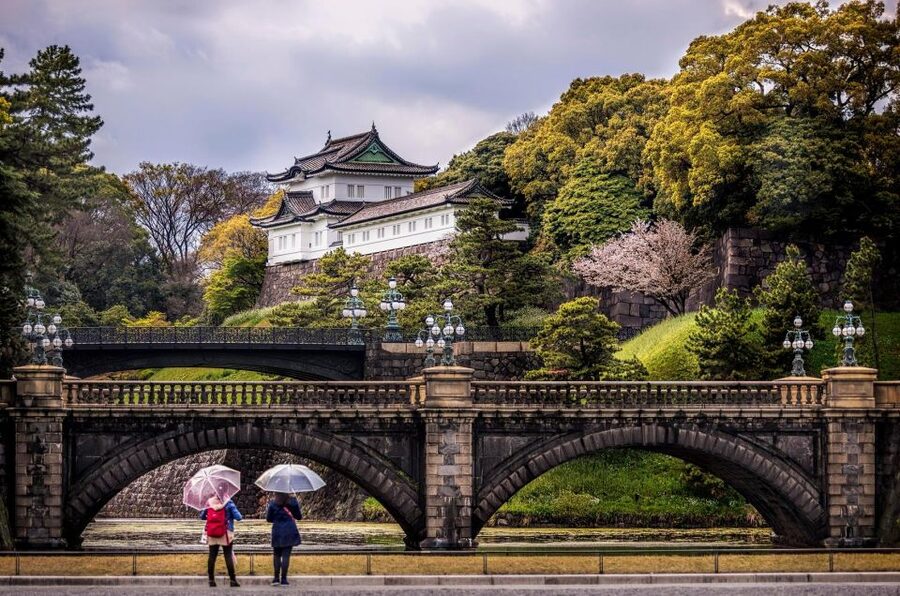
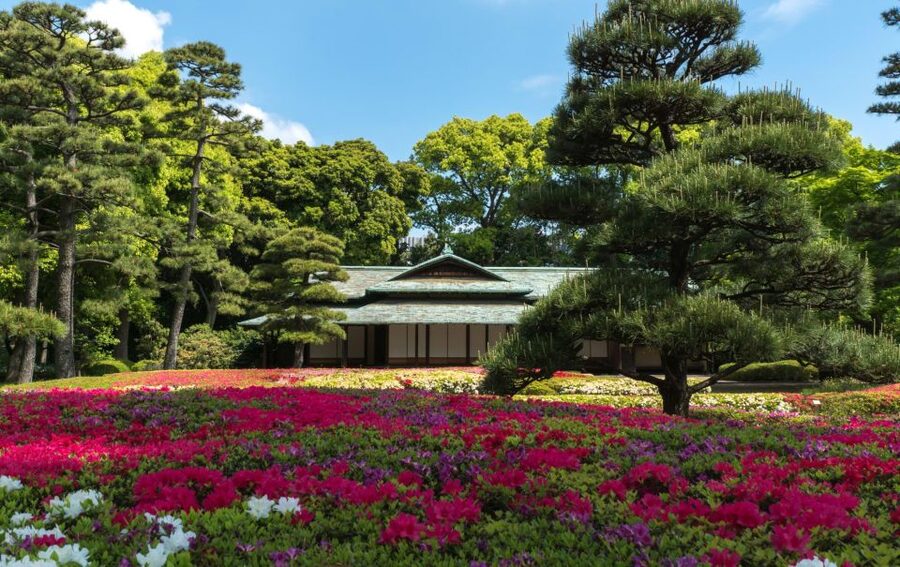
The East Gardens provide a welcome pause after Tsukiji. In about an hour, you can walk among seasonal flowers, moats, stone walls, and remains connected with Edo Castle. The gardens offer a calmer look at Tokyo, with a sense of space that is hard to find in the city’s shopping districts.
This stop is partly about scenery and partly about context. The old castle remains help explain Tokyo’s earlier role as Edo, while the palace area points to the country’s imperial present. You are not simply checking off another photo location. You are seeing how the city preserves older layers beside its modern center.
The tradeoff is walking. Comfortable shoes are essential, and the itinerary gives only around an hour. If someone in your group has limited mobility, tell the provider in advance. The schedule has been adjusted for mobility needs before, but the amount of walking should still be discussed clearly.
Asakusa and Senso-ji: Tokyo’s most approachable temple stop
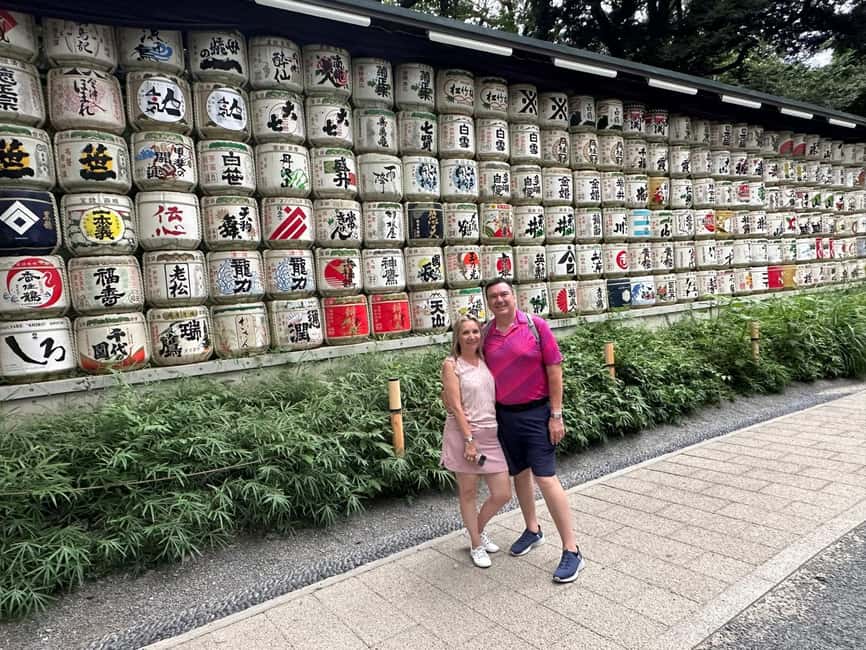
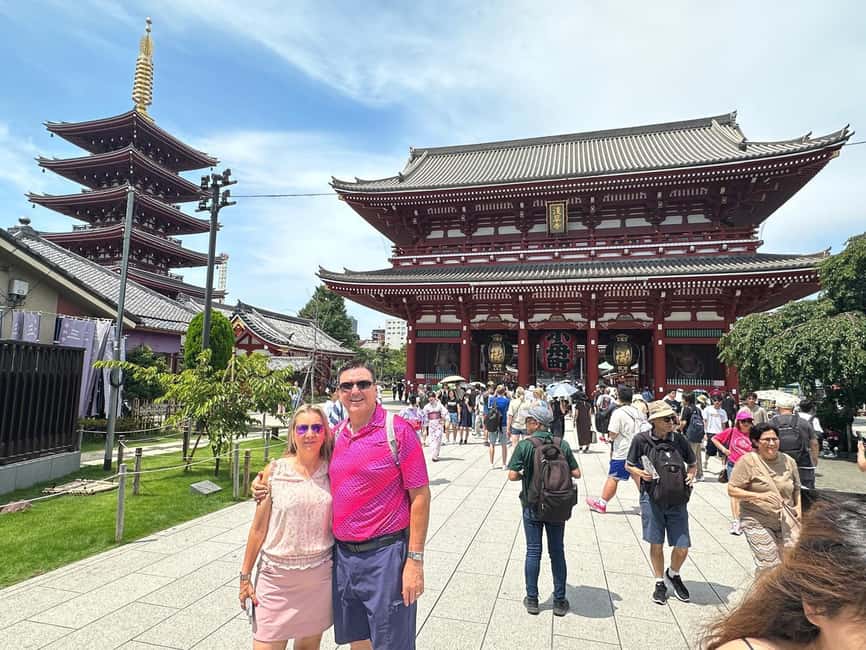
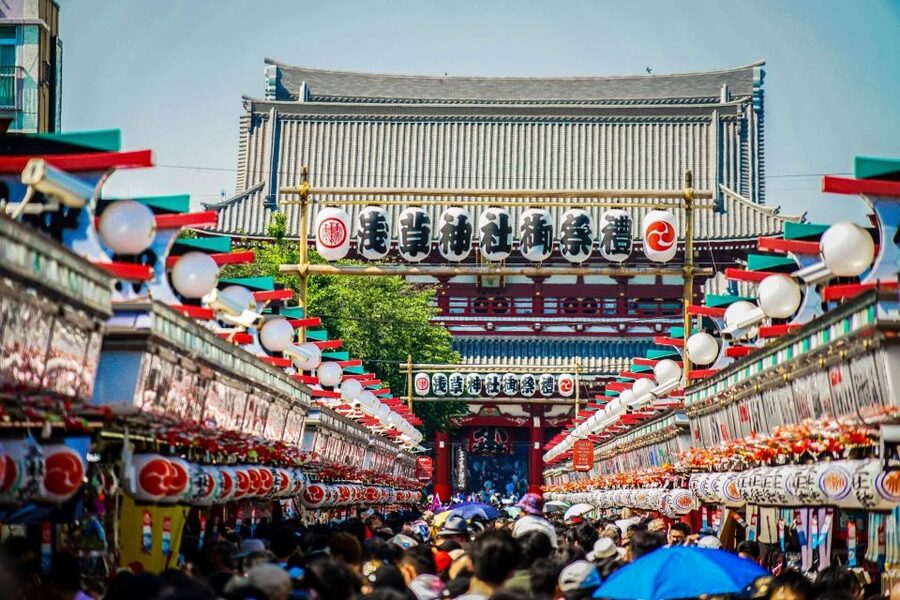
Asakusa is usually the day’s most traditional-feeling district. The route allows about an hour for Senso-ji, photos, snacks, shopping, lunch, and free time. Enter through Kaminarimon Gate, marked by its large red lantern, then follow Nakamise Street toward Tokyo’s oldest temple.
Nakamise is lined with souvenir shops and small food stalls. It is a practical place to buy gifts, but it is also part of the experience. You can watch the steady movement toward the temple, burn incense, and take part in prayer if you wish. Your guide can explain what you are seeing without turning the visit into a lecture.
The one-hour slot is tight if you want lunch, temple time, and shopping. The supplied lunch choices include the Senso-ji area, the sixth floor of the Solamachi complex at Skytree, or Takeshita Street later in the day. I would decide early where you want to eat. Otherwise, you may spend the whole break choosing between food stalls and restaurants.
More Private Tours in Tokyo
- Tokyo 6hr Private Tour with Government-Licensed Guide
★ 5.0 · 3,902 reviews - Private Tour to Mt. Fuji and Hakone (Fully Licenced Operator)
★ 5.0 · 1,910 reviews - Tokyo Customized Private Tour (Must See Places in 1 Day)
★ 5.0 · 1,499 reviews - Mount Fuji Full-Day Private Tour from Tokyo (Customizable)
★ 4.9 · 1,470 reviews
Tokyo Skytree: pay extra for the big view
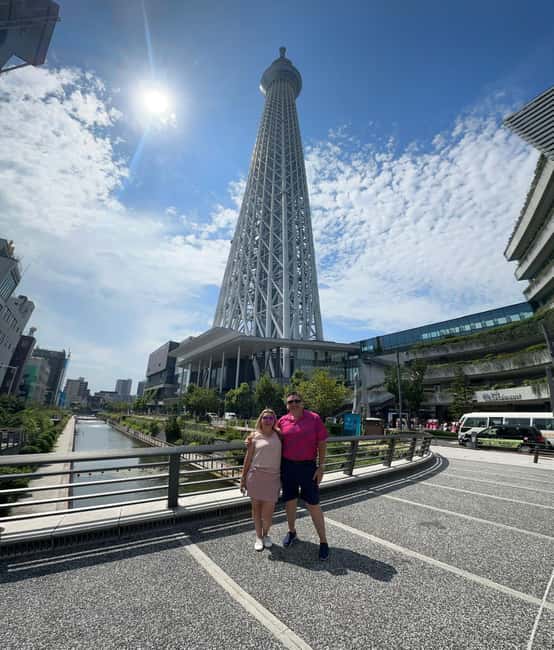
Tokyo Skytree is scheduled for roughly an hour and provides the clearest high view of the city on this route. At 634 meters, it is Japan’s tallest tower. The paid observation option includes the Tembo Deck at 350 meters and the Tembo Galleria at 450 meters.
Admission is not included in the tour price, so check the current cost and availability before committing. The tower complex also has shopping and dining, which makes it a practical lunch option, though a full meal plus observation decks may put pressure on the one-hour schedule.
The view depends on weather. On a clear day, you might see Mount Fuji, along with Tokyo’s enormous spread of buildings and streets. On a hazy day, the height still gives you a striking sense of scale, but distant views may be limited. I would treat Skytree as a worthwhile extra for first-time visitors who want a clear picture of Tokyo’s size, not as a must-buy add-on for every group.
Meiji Jingu: forest, torii gates, and a slower pace
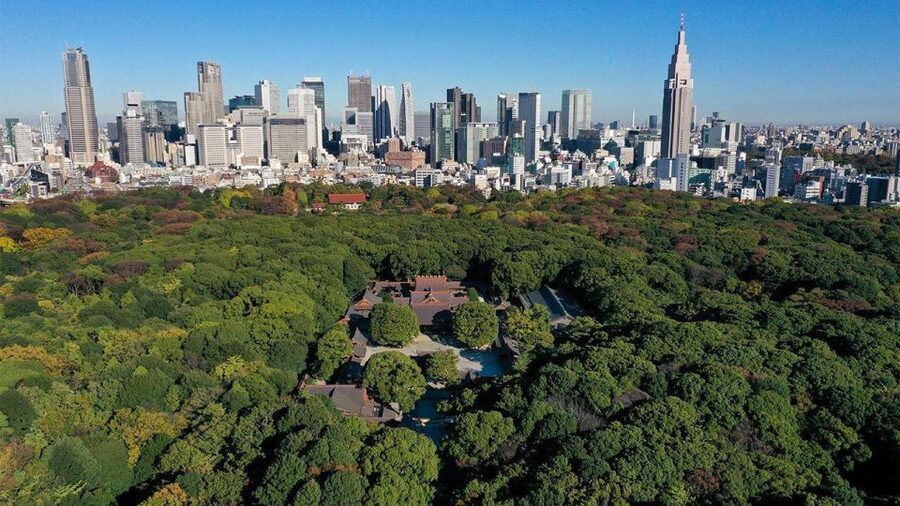
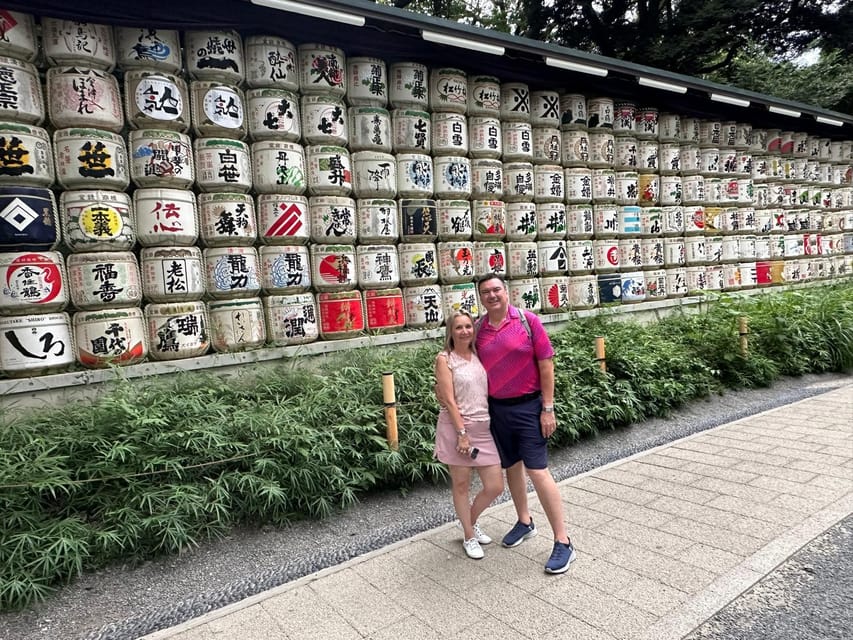
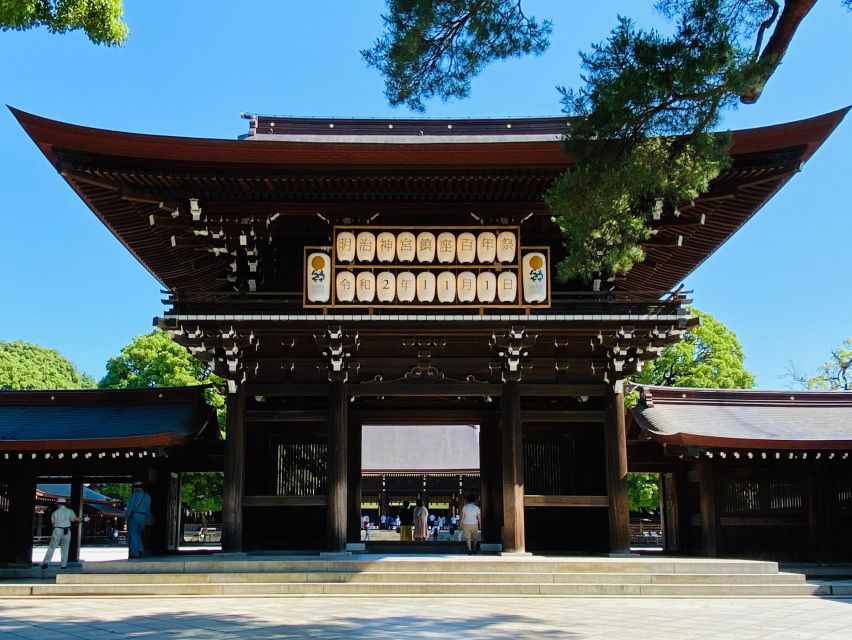
After Skytree, the tour crosses to Meiji Jingu Shrine. The shrine is dedicated to Emperor Meiji and Empress Shōken and sits within a large wooded setting. The contrast is the point: one moment you are looking across Tokyo from a tower, and later you are walking beneath torii gates in a quiet shrine precinct.
You can observe traditional rituals, walk the grounds, and take photos during the hour-long stop. The visit is less about collecting facts and more about seeing how religious practice fits into city life. Ask your guide about proper behavior if you are unsure about the purification area or prayer steps.
The grounds require walking, and the route may feel more tiring after a full day. Still, this is one of the stops that keeps the tour from becoming only a parade of shopping streets and famous photo spots.
Harajuku’s Takeshita Street: Tokyo’s playful side
Takeshita Street brings a sharp change in mood. Its shops focus on youth fashion, unusual gifts, sweets, and the sort of quirky retail that makes Harajuku famous. You can try a crepe, browse small stores, or look into themed pet cafés featuring cats, dogs, hedgehogs, and other animals.
I would come here with flexible expectations. Takeshita Street is crowded and commercial, not a quiet cultural site. Its value is seeing Tokyo’s playful, experimental side and letting each person in your group follow a different interest for a short while.
The stop is also useful for families. One child’s request to see a capybara led the guide to adjust the schedule. Another family used the day to find anime-related activities for a child. Tell the guide what your children care about, since a small change can make this long day much more enjoyable.
Shibuya Crossing: the quick, iconic finale
Shibuya Crossing gets about 30 minutes, enough for photographs and a look at the famous pedestrian scramble beneath the giant screens. When the signals change, people cross from several directions at once. It is a short experience, but it gives you one of Tokyo’s clearest images of modern city life.
Do not expect a long Shibuya shopping session during this tour. The stop is designed as a snapshot, with additional shopping and dining available after the tour if you are dropped somewhere other than your hotel. Some groups have arranged a different end point to continue their evening plans, but confirm this in advance rather than assuming it is guaranteed.
Akihabara Electric Town: finish with anime and electronics
Akihabara is listed as the final major stop, with about an hour for photos, walking, and shopping. The district is known for electronics, anime and manga stores, arcades, claw machines, gacha shops, and themed maid cafés.
This stop is ideal if someone in your group loves Japanese pop culture. It also works as a fun counterpoint to Senso-ji and Meiji Jingu. You can see how Tokyo holds sacred spaces, food traditions, technology, and entertainment within the same day.
The order may feel unusual because Akihabara comes after Shibuya rather than earlier. That is not necessarily a problem, since the private format allows changes based on your interests and traffic. If Akihabara is a priority, tell the guide how much shopping time you need. One hour is enough for a first look, but serious electronics or figure shopping could easily take longer.
What the guide adds to the day
The car gets you around, but the guide is what turns the route into a city introduction. Moon is frequently praised for explaining sites clearly, answering questions from children, suggesting food, and changing the schedule without making anyone feel rushed. Imran receives similar praise for cultural explanations, photo help, restaurant suggestions, and practical assistance with shopping.
That practical help can be worth more than a formal speech. Guides have helped communicate with shopkeepers, carry bags, arrange restaurant reservations, suggest future activities, and recommend plans for a Mount Fuji outing. For a first visit, those small acts can save time and reduce the stress of guessing how everything works.
The listing describes an English-speaking driver, while some groups specifically paid for a personal guide in addition to the driver. Ask exactly what your selected package includes. If the guide is an extra, the cost may still be sensible for five people, but you should compare the final total before booking.
Is $709 good value for your group?
The base price is $709 for up to five people, or about $142 per person if the vehicle is full. That is not a budget tour, but the comparison is not simply with five train fares. You are paying for private transportation, fuel, parking, bottled water, WiFi, passenger insurance, hotel pickup and return within the service area, and a route that would take careful planning on your own.
For two people, the price is harder to justify unless comfort, convenience, or limited time matters greatly. For a family of five, the calculation improves quickly. Several families found the private van especially useful for children, older relatives, hot weather, luggage, and mobility concerns.
Remember to add Skytree admission, lunch, market snacks, shopping, and any personal guide fee. The tour is best value when you use its flexibility rather than treating it as a rigid sightseeing bus. Tell the provider your priorities before the day, then allow the guide to help trim stops that matter less.
Who should book this Tokyo day tour?
I would recommend it for a first full day in Tokyo, especially if you want the major sights without learning the rail system immediately. It also suits families with children, groups with older adults, mixed-age parties, and anyone staying only briefly in the city.
It is a strong choice if you want a taste of both traditional and modern Tokyo: temples, shrine grounds, gardens, food markets, high views, youth fashion, pedestrian crowds, anime, and electronics. The guides have also handled special requests, varied walking abilities, shopping goals, and changes made during the day.
I would hesitate if you prefer slow travel. Eight major areas in one day means each stop is an introduction rather than a thorough visit. Independent visitors who already know Tokyo may get better value from choosing one or two districts and exploring them on foot.
The tour offers free cancellation up to 24 hours before departure and reserve-now, pay-later booking. Bring comfortable clothes, comfortable shoes, and cash. Do not bring alcohol or drugs into the vehicle, and smoking is not allowed.
My booking advice
Book this tour if your priority is to see a large slice of Tokyo comfortably and learn how the city fits together. For a group of five, the price is reasonable for a private vehicle and adaptable route, and the guide service can make the day far easier than a self-guided sprint across town.
Before paying, confirm four things: your pickup address is inside the 23 wards, the booking includes the personal guide you want, Skytree tickets are available or worth adding, and your preferred lunch plan. If you do that homework, this is a polished first-day introduction with enough room for personal interests.
FAQ
How long does the Tokyo private tour last?
The tour lasts 10 hours, including hotel pickup and drop-off.
How many people can join the private group?
The listed price of $709 covers a private group of up to five people.
Where is pickup available?
Pickup is available from hotels, hostels, Airbnb properties, apartments, and other addresses within Tokyo’s 23 wards.
Can I be picked up at an airport or cruise terminal?
No. Airport and cruise-terminal pickup is not provided. Confirm your pickup location before booking.
Is Tokyo Skytree admission included?
No. Admission to the 350-meter Tembo Deck and 450-meter Tembo Galleria is not included.
Is lunch included?
No. Lunch is separate. Suggested lunch areas include Senso-ji, the sixth floor of the Solamachi complex at Tokyo Skytree, or Takeshita Street.
What should I bring?
Bring comfortable shoes, comfortable clothes, and cash for food, shopping, and other personal purchases.
Just added in Tokyo
- A One-of-a-Kind Sushi Experience in a Special Place of Japan★ 5.0 · 15 reviews
- Tokyo Cute Bento Cooking Class – Make a Kawaii Character Lunchbox★ 5.0 · 126 reviews
- Japanese Home Cooking Class & Walk in Todoroki Temple Tokyo★ 5.0 · 88 reviews
- Japan Tokyo Tower Observatory Deck E-Ticket★ 4.0 · 34 reviews
- Catch a Baseball Game in Tokyo with a Local – Tickets Included★ 5.0 · 24 reviews
- JDM Experience with Fast&Furious RX-7 (English speaking Driver)★ 5.0 · 57 reviews
- Tokyo Private Day Tour by Car with English speaking Driver Guide★ 4.0 · 29 reviews
- Japan Classic 10 Day – One Life Adventures★ 5.0 · 129 reviews
Day Trips, compared.
![[Kyoto & Nara Day Tour] Sagano Scenic Railway & Nara Park & Fushimi Inari Taisha Thousand Torii Gates & Togetsukyo Bridge & Bamboo Grove & Kimono Forest (Departing from Osaka)](https://media.japanvisits.com/wp-content/uploads/kyoto-nara-day-tour-sagano-scenic-railway-nara-park-fushimi-inari-taisha-thousand-torii-gates-togetsukyo-bridge-bamboo-grove-kimono-forest-departing-from-osaka-k110001-400x257.jpg)
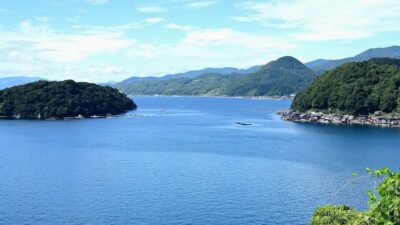
Kyoto Amanohashidate & Ine Funaya & Ine Bay Scenic Day Trip (Departing from Osaka or Kyoto)
Read our review →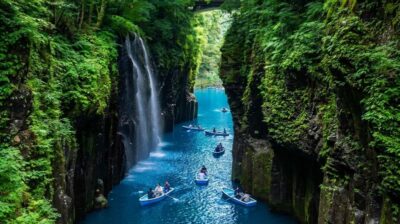
Kyushu: Mount Aso, Kusasenri & Takachiho Gorge Day Tour (Optional Takachiho Boat Ride Experience)
Read our review →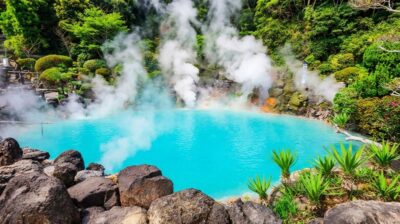
Kyushu One-Day Tour: Yufuin no Mori Train & Yufuin Town & Nyoirin-ji Temple & Dazaifu & Hell Hot Springs (Departing from Fukuoka)
Read our review →
Browse the lists this tour appears in