
Reviewed · FOOD TOURS
Umami Town Street Food Tour
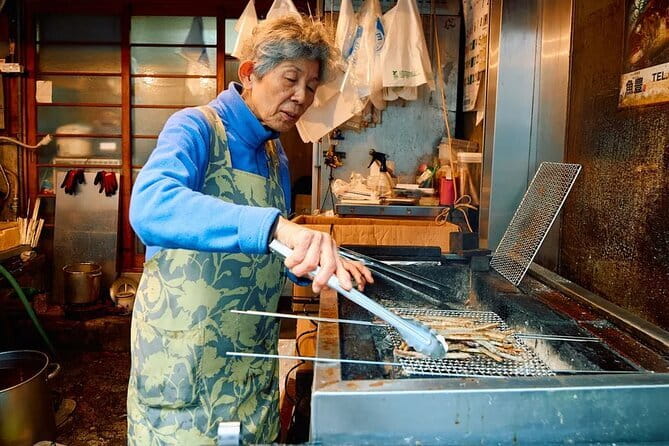
Osaka makes a meal of simply walking around. This five-hour food walk links Osaka Tenmangu Shrine, Kuromon Market, and Dotonbori with tastings at street stalls and small restaurants, giving you both famous sights and a useful introduction to Osaka’s cooking. I especially like the small maximum of seven people and the way guides such as Miyo and Yuka add personal food advice, local stories, and help with ordering.
I also like that the price includes dinner, snacks, bottled water, and alcoholic drinks, so you are not counting yen at every stop. The main drawback is the $175 price, which is a serious outlay for a food tour, and private transport is not included. You will also spend several hours on foot, so this is not the best choice for anyone wanting a short, simple tasting.
In This Review
- Five things to know before booking
- Why this food walk works in Osaka
- Starting at Osaka Tenmangu Shrine
- Tasting your way through Kuromon Market
- Dotonbori and Osaka after dark, even in daylight
- What the food focus really means
- The guides are a major part of the value
- Is $175 a fair price?
- Timing, walking, and group practicalities
- Who should book the Umami Town Street Food Tour?
- Should you book it?
- FAQ
- How long does the Umami Town Street Food Tour last?
- What time does the tour start?
- Where does the tour begin?
- Where does the tour end?
- What is included in the price?
- Is transportation included?
- How many people can join the tour?
- Can I cancel for a full refund?
Five things to know before booking
- The group is capped at seven people, which gives your guide room to answer questions and adjust the pace.
- The tour starts at 10:00 a.m. at Minami-Morimachi Station and ends back at the same meeting point.
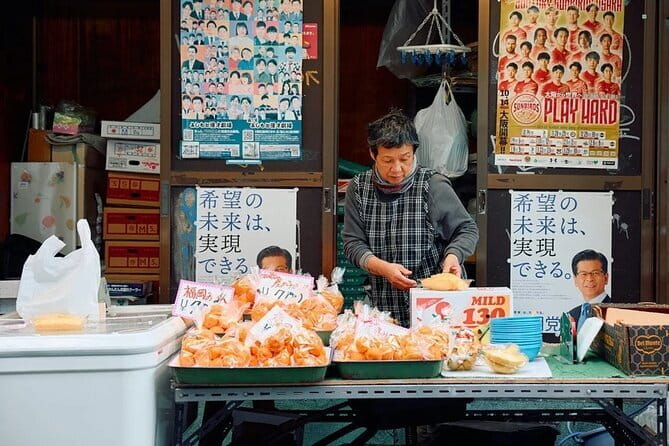
- Food comes from more than one setting, including street vendors, markets, and restaurants.
- Osaka classics are part of the focus, with takoyaki and okonomiyaki explained along with their ingredients.
- Guides can add much more than food, including local recommendations, neighborhood details, and practical help getting around Osaka.
- The tour has a perfect 5 rating from 120 ratings, with all listed recommendations positive.
Why this food walk works in Osaka
Osaka is often called Japan’s kitchen, and this tour uses that idea in a practical way. You are not parked at one restaurant for five hours. Instead, you move through several parts of the city and see how food fits into shrines, markets, shopping streets, and entertainment areas.
That mix matters. A dish such as takoyaki is easy to treat as a quick snack, but a guide can explain the batter, octopus filling, sauces, and toppings while you eat it. Okonomiyaki also becomes more interesting when you understand how its ingredients come together and why it has such a strong place in Osaka’s food culture.
I like the balance between planned stops and conversation. The guides have been praised for explaining food clearly while also pointing out details that are easy to miss, such as underground passages and less obvious parts of the neighborhoods. Miyo, in particular, has been credited with shaping the day around the group, helping with food allergies, and making sure children with different levels of food enthusiasm could take part.
That sort of attention is one reason a small group matters. With seven people or fewer, you can ask what to order later in your trip, where to find a particular dish, or how to return to a place you enjoyed. It is a better setup for personal advice than a large bus tour.
More Food Tours in Osaka
- Osaka: Shinsekai Food Tour with 13-15 Dishes at 5 Eateries
★ 4.8 · 2,204 reviews - Osaka Food Tour: 13 Dishes at 5 Local Eateries
★ 5.0 · 2,149 reviews - Hungry Osaka Street Food Tour:15 Tastings & 3 Drinks with a Local
★ 5.0 · 1,727 reviews
Starting at Osaka Tenmangu Shrine
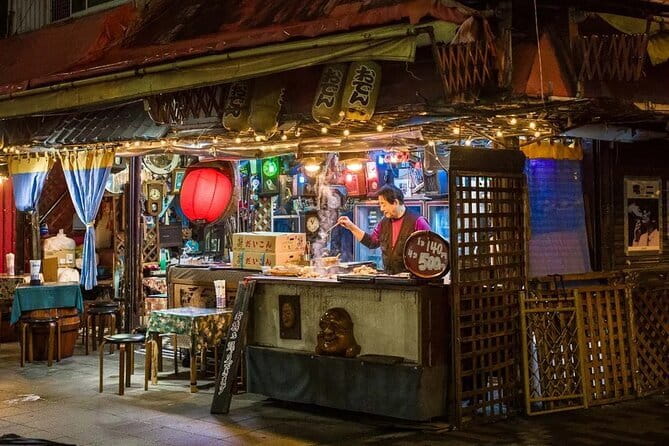
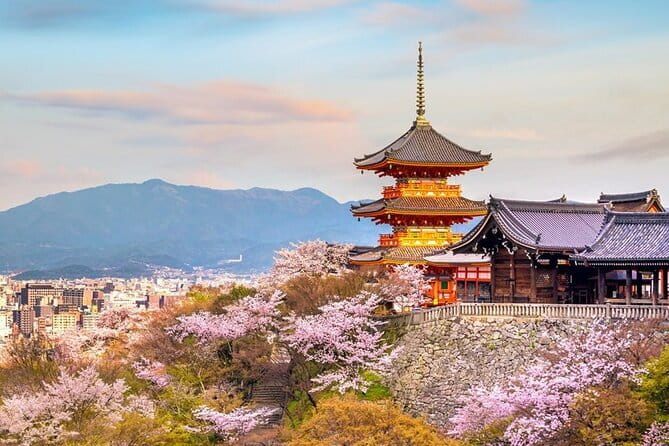
The meeting point is Minami-Morimachi Station, and the first listed stop is Osaka Tenmangu Shrine. The shrine is dedicated to Sugawara no Michizane, a scholar and politician from the Heian period who is honored as Tenjin, the spirit associated with learning, scholarship, and literature.
The planned visit lasts about an hour, with no admission charge. That gives you time to begin the day at a calmer pace before moving toward the food markets and entertainment streets.
I appreciate this opening because it prevents the tour from becoming a nonstop eating contest. Osaka’s food is the star, but the shrine gives you cultural context and a change of scene. If you have just arrived in the city, it also offers a gentler start than plunging straight into the crowds and flashing signs of Dotonbori.
The shrine visit is not a food stop, so anyone booking only for tastings should keep expectations in check. Still, this hour helps make the tour feel like a neighborhood walk rather than a string of restaurants. Your guide can also begin answering basic questions about Osaka and Japan before the more practical work of ordering food begins.
Tasting your way through Kuromon Market
The next listed stop is Kuromon Market, known as Osaka’s Kitchen. You have about 30 minutes here, and admission is free. The market is associated with fresh seafood, meats, sushi, takoyaki, and other quick bites.
This is the sort of place where a guide earns the cost of admission, even though there is no admission fee. Markets can be confusing. You may see foods you do not recognize, wonder how much to buy, or hesitate over a stall because you do not know what is best eaten on the spot. A local guide can make those decisions easier and help you focus on tasting rather than decoding every sign.
The short time allowance is both a strength and a limitation. It keeps the tour moving and prevents the market from taking over the whole day. But Kuromon Market can offer more food than anyone could sample in half an hour, so you should not expect a leisurely survey of every aisle.
The wider food program may include seafood, sushi, and familiar Osaka favorites. Some past outings with these guides have also included fugu and other special treats, though the exact selection can vary. Treat the published dishes as a guide to the tour’s themes, not a guarantee of every single bite.
If you have allergies or strong dislikes, tell the company in advance and remind your guide at the start. Miyo has been praised for handling food allergies and different comfort levels within a family group, which suggests the tour can sometimes adapt thoughtfully. Still, the supplied details do not promise a particular allergy menu, so you should not assume every restriction can be met.
Dotonbori and Osaka after dark, even in daylight
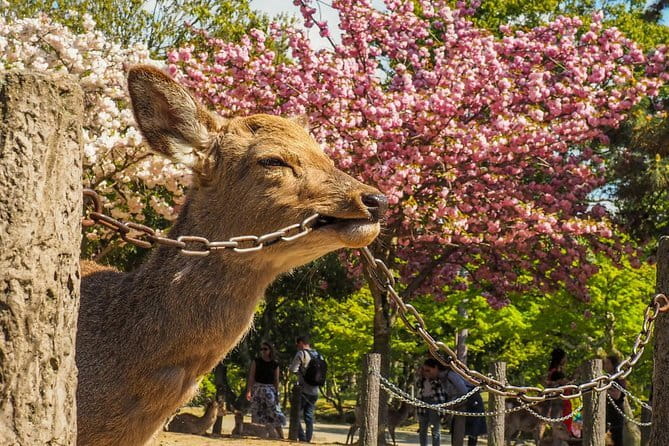
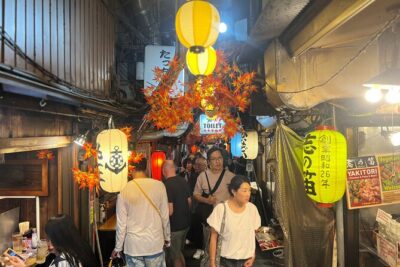
The final listed stop is Dotonbori Tsuribori, with about an hour scheduled. The description places this part in Dotonbori, Osaka’s famous entertainment district, known for large signs, neon lights, takoyaki, okonomiyaki, and a high-energy street scene.
This is where the food walk becomes most visual. Dotonbori is not just about sitting down to eat. It is about the signs, narrow streets, quick snacks, and the way food shops compete for attention. A guide helps you read the area without getting lost in its noise and crowds.
The stop is listed under Dotonbori Tsuribori, so you should check the exact meeting instructions after booking. The provided information does not explain whether the fishing venue itself is a major activity or simply the named location for the Dotonbori portion. I would treat the district, rather than a specific attraction, as the main reason for this stop.
By this point, you may have tasted enough to call the tour dinner. The included meal and snacks are useful here because you are not paying separately for every planned tasting. Alcoholic drinks are included too, along with bottled water, though you should pace yourself carefully across five hours.
The day returns to the original meeting point rather than ending in Dotonbori. That is convenient if you need to retrieve luggage, continue sightseeing near Minami-Morimachi, or use the station afterward. It also means the tour does not simply leave you at the final neighborhood, so plan your evening route from the starting area.
A completely different kind of day out:
- Osaka Go Karting Tour with Funny Costume
★ 5.0 · 2,658 reviews - Osaka Castle: Museum and Tower Entry Ticket
★ 4.5 · 2,380 reviews - Osaka: Tea Ceremony Experience
★ 4.9 · 1,426 reviews - Osaka Kickstart: Hotspots & Hidden Gems Tour
★ 5.0 · 1,306 reviews
What the food focus really means
The title points to umami, the savory depth that helps define many Japanese dishes. The tour is not just a checklist of Osaka snacks. It aims to connect flavor with ingredients and cooking methods.
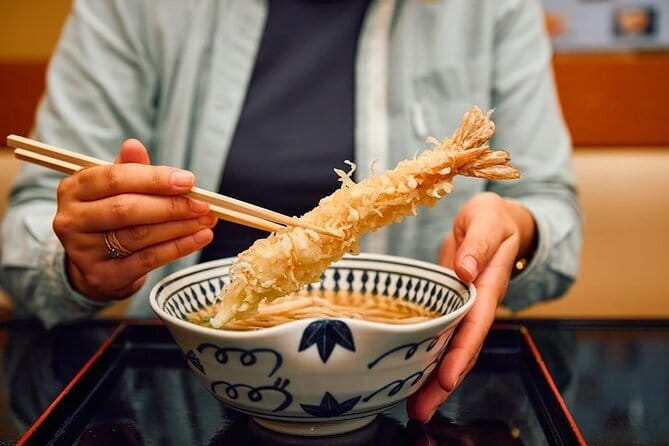
Takoyaki is a good example. These round batter snacks are cooked with octopus inside and served with sauces and toppings. Okonomiyaki offers another lesson, since its mixture of ingredients and finishing sauces shows how Osaka turns everyday foods into a filling meal.
The value comes from tasting several foods close together, then asking questions while the flavors are fresh. You can learn what makes one dish chewy, crisp, smoky, or savory instead of simply hearing a lecture about it.
The food range appears broad. One guide-led experience included fugu, okonomiyaki, and other treats. Another included a popular cheesecake, with Miyo reportedly waiting in line ahead of time. Those details suggest that guides may add small food discoveries beyond the headline dishes, but you should not book expecting a fixed list of premium items.
The guides are a major part of the value
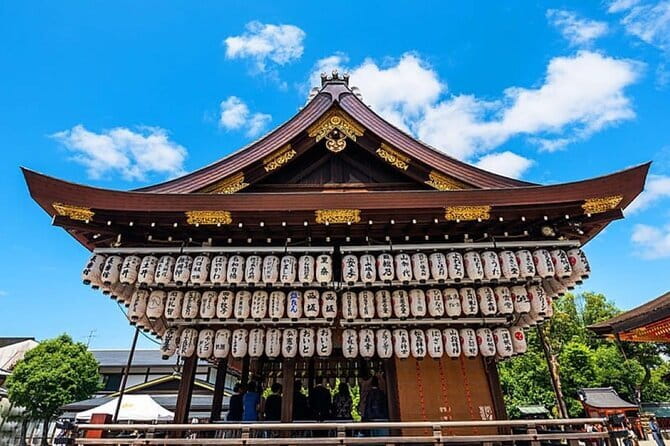
The strongest praise centers on the people leading the walks. Miyo is repeatedly associated with warmth, preparation, flexibility, and personal care. Yuka has been praised for making the day comfortable and entertaining, while Miso is noted for sharing food facts, local recommendations, and details about hidden tunnels in the area.
That matters because a food tour can easily become a row of tastings with little connection between them. Here, the guide appears to be the bridge between food and place. You get help navigating Osaka, but you also get someone who can explain why a dish matters and where to go next.
I would make a point of asking for recommendations before the tour ends. The guides are specifically praised for giving useful advice after the planned route, and this may be one of the most valuable parts of the experience. Ask about dishes you have not tried, restaurants for another night, or places in Osaka that fit your interests.
The group limit of seven also supports this style of guiding. A family group with four children and different levels of food adventure was reportedly handled with care, but the tour remains food-focused. If someone in your party dislikes trying unfamiliar dishes, make that clear before you arrive.
Is $175 a fair price?

At $175 per person, this is not a budget food crawl. You are paying for about five hours, a guide, dinner, snacks, bottled water, and alcoholic drinks. You are also paying for a small group, route planning, translation help, and the chance to move through Osaka without doing all the research yourself.
I think the price can make sense for a first or second day in Osaka. The tour helps you get oriented, introduces several neighborhoods, and can shape the rest of your eating plans. If you use the guide’s recommendations later, the value continues after the five-hour walk.
The price is harder to justify if you are already comfortable navigating Osaka, speak Japanese, and have a carefully planned list of markets and restaurants. You can eat takoyaki, okonomiyaki, sushi, and other local foods for much less on your own.
The included food also matters for comparison. Dinner, snacks, drinks, and water mean the advertised cost covers more than guiding alone. Still, exact portions and exact dishes are not specified, so do not judge the tour as an all-you-can-eat event. It is a guided tasting day with a substantial meal, not a limitless buffet.
Timing, walking, and group practicalities
The tour starts at 10:00 a.m. and lasts about five hours. That makes it a daytime activity rather than a late-night food crawl. You should keep the rest of your schedule flexible, since the food, walking, and conversations may take the full time.
Private transportation is not included. The meeting point is Minami-Morimachi Station, near public transportation, and you finish back there. You will need to handle your own journey to and from the station, but the guide helps with movement during the tour itself.
Most people can participate, according to the supplied details. Even so, expect a walking-based experience through markets, streets, and public areas. Comfortable shoes are a sensible choice, and anyone who needs a slower pace should ask about that before booking.
A mobile ticket is provided, and confirmation arrives when you book. The group maximum is seven people, which is small enough for direct conversation but not necessarily private. If you want a completely private outing, this is not advertised as one.
Cancellation is flexible up to 24 hours before the start time for a full refund. Changes or cancellations inside that 24-hour window are not accepted for a refund, and the cut-off follows local Osaka time. The tour also requires a minimum number of participants, so if that minimum is not met, you are offered another date, another experience, or a full refund.
Who should book the Umami Town Street Food Tour?
I would recommend it to first-time Osaka visitors who want food, local orientation, and neighborhood sightseeing in one day. It also suits anyone who likes asking questions and trying several dishes rather than spending the whole afternoon in one restaurant.
Families may find the small group and flexible guiding useful, especially if children have different food preferences. Food-focused repeat visitors can also benefit from the local recommendations and the chance to see familiar dishes in a new context.
I would hesitate if you want a cheap way to eat, dislike walking, or need a guaranteed list of exact foods. The price is high, the route takes most of the day, and the final food selection can change.
Should you book it?
Book this tour if you value a well-planned introduction to Osaka and want a guide who can connect food with the city around it. The strongest reasons are the small group, included meal and drinks, several distinct neighborhoods, and guides such as Miyo and Yuka who are praised for care and practical advice.
Skip it if you already know Osaka’s food streets or would rather choose your own inexpensive tastings. For everyone else, the $175 cost is defensible when you count the food, the time saved, and the help you receive navigating one of Japan’s best eating cities.
FAQ
How long does the Umami Town Street Food Tour last?
The tour lasts approximately five hours.
What time does the tour start?
It starts at 10:00 a.m.
Where does the tour begin?
The meeting point is Minami-Morimachi Station at 2 Chome-1 Minamimorimachi, Kita Ward, Osaka, 530-0054, Japan.
Where does the tour end?
The activity ends back at the original meeting point.
What is included in the price?
The price includes alcoholic beverages, bottled water, dinner, and snacks.
Is transportation included?
Private transportation is not included. The meeting point is near public transportation.
How many people can join the tour?
The activity has a maximum of seven participants.
Can I cancel for a full refund?
Yes. You can cancel at least 24 hours before the experience start time for a full refund. Cancellations or changes made less than 24 hours before the start time are not refunded or accepted.
Just added in Osaka
- Kyoto & Nara Private customized tour with English speaking Guide★ 4.5 · 99 reviews
- OSAKA:Feel the Power! Learn Taiko Drum from Professionals★ 5.0 · 28 reviews
- Volleyball in Osaka & Kyoto with Locals!★ 5.0 · 21 reviews
- Well-balanced BENTO (lunch box) Cooking Class★ 5.0 · 35 reviews
- Urban Canvas: Osaka Street Art Bike Tour★ 5.0 · 47 reviews
- 1.5〜2 Hours Traditional Kintsugi Work Shop in Namba Osaka★ 5.0 · 75 reviews
- The Dark Side of Osaka Walking Tour★ 5.0 · 49 reviews
- Three Types of Ramen Cooking Class in Osaka★ 5.0 · 119 reviews
Food Tours, compared.
Shinjuku Food Tour (13 Dishes at 4 Local Eateries)
Read our review →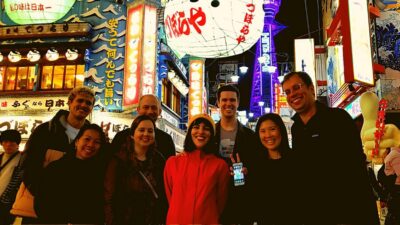
Shinsekai Food Tour with 13-15 Dishes at 5 Eateries
Read our review →
Osaka Food Tour: 13 Dishes at 5 Local Eateries
Read our review →
Shinjuku Food Tour (15 Dishes and 4 Eateries)
Read our review →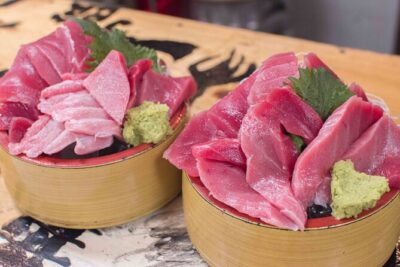
Best of Shinjuku: Izakaya Food Tour (4 Stops, 14+ Tastings)
Read our review →
Kyoto Night Foodie Tour in Gion (9+ dishes + 6 Sake tastings)
Read our review →
Hungry Osaka Street Food Tour:15 Tastings & 3 Drinks with a Local
Read our review →
Tokyo Night Foodie Tour in Shinjuku – Seasonal Sushi, Wagyu Beef
Read our review →Browse the lists this tour appears in