Reviewed · TOURS
Wild Japanese Flying Squirrel Watching Tour in Nagano
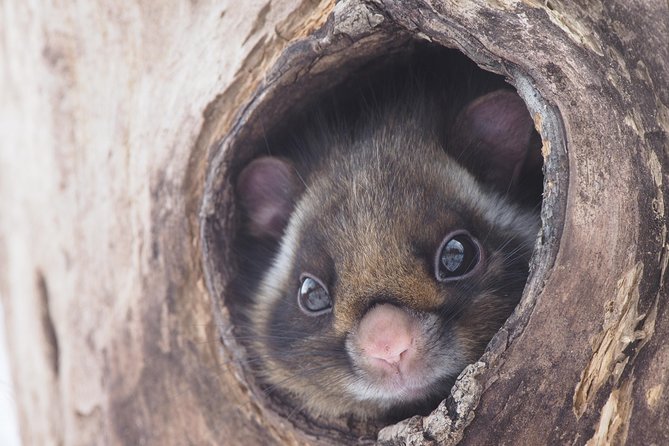
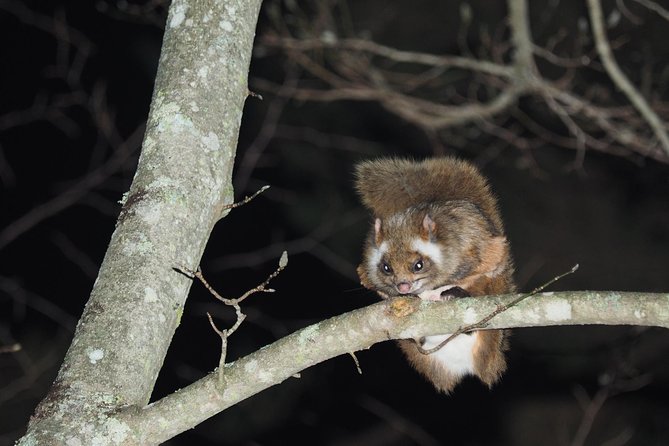
The best wildlife shows begin in near silence. This 90-minute outing in Karuizawa gives you a rare chance to watch the Japanese Giant Flying Squirrel, or musasabi, glide through its natural habitat with help from a local nature guide. I like the small-group feel, with a maximum of 30 people, and I like that the visit begins with useful background rather than sending you into the forest cold. The main catch is simple: wild animals keep their own schedule, so a sighting is never guaranteed.
I also appreciate the included binoculars and the clear meeting point at the Karuizawa Wild Bird Sanctuary. The tour costs $28.69 per person, which is a fair price for a guided wildlife experience, though you should be comfortable walking outdoors and accepting that poor weather or an absent squirrel can lead to cancellation.
In This Review
- Key points to know before you book
- Meeting the musasabi at Karuizawa Wild Bird Sanctuary
- The 20-minute Picchio introduction
- One quiet hour in the Karuizawa Hoshino Area
- What makes this animal worth watching
- Group size, guide quality, and language support
- Is $28.69 a good price?
- How the timing fits a Karuizawa day
- Who will enjoy this most?
- Booking, weather, and cancellation advice
- Should you book the flying squirrel tour?
- FAQ
- Where does the tour begin?
- What time does the tour start?
- How long does the experience last?
- What animal will I see?
- Are binoculars provided?
- Is the tour available in English?
- How large is the group?
- Can I cancel for a full refund?
Key points to know before you book
- The tour begins at 4:00 pm, a useful time for watching an animal that becomes active later in the day.
- The ecology talk lasts about 20 minutes and covers diet, body size, habitat, and gliding distance.
- The outdoor observation runs for about one hour, with the group moving into the Karuizawa Hoshino Area.
- Binoculars are included, so you do not need to bring your own viewing equipment.
- English support comes through lecture slides, although some guides speak limited English.
- The 97 percent recommendation rate and 4.9 rating from 79 reviews point to a consistently well-liked experience, but no wildlife tour can promise a sighting.
Meeting the musasabi at Karuizawa Wild Bird Sanctuary
You meet at Picchio, the nature and conservation center inside the Karuizawa Wild Bird Sanctuary. The address is in the Hoshino area of Karuizawa, Nagano, and the location is near public transportation, which makes it more practical than a remote forest outing.
The 4:00 pm start matters. The Japanese Giant Flying Squirrel is not an animal you usually watch in bright midday conditions. This later start gives you a better chance to see movement as the forest grows quieter, although the tour does not promise a particular number of sightings.
The activity lasts about an hour and a half, but it is split into two very different parts. First comes a short indoor introduction. Then you walk outside for the main wildlife watch. I like this format because the guide can explain what to look for before you begin scanning the trees.
You should arrive ready for a moderate amount of walking. The physical requirement is listed as moderate fitness, so this is not a strenuous hike, but it is also not a seated presentation from start to finish. Wear comfortable shoes and clothing suited to the weather. The tour depends on good conditions, and the forest portion is the reason for coming.
Other trips worth a look in Japan:
- Tokyo Disney Resort – Tokyo Disneyland & Tokyo DisneySea Park Tickets
★ 4.8 · 99,488 reviews - Universal Studios Japan Studio Pass
★ 4.8 · 89,883 reviews - Universal Studios Japan Express Pass
★ 4.7 · 53,138 reviews
The 20-minute Picchio introduction
The first stop takes place at the Picchio Visitor Center and lasts about 20 minutes. A professional nature guide introduces the ecology of the Japanese Giant Flying Squirrel, including its diet, size, flying distance, and way of life.
This short talk gives the outdoor portion a purpose. Instead of seeing a large shape pass overhead and wondering what happened, you will have a better idea of what kind of animal you are trying to spot and why it uses the trees in a particular way.
The center also helps explain why the musasabi is special to Japan. The tour presents the animal as a native species with its own habitat and habits, not as a trained creature or a guaranteed photo opportunity. That distinction matters. You are watching wildlife on its terms.
English support is a practical point to consider. Some guides do not speak much English, but the lecture slides have English subtitles. If you need detailed spoken explanations, the experience may feel less smooth than a fully English-language tour. If you are comfortable following visual material and watching the action rather than listening to every sentence, the slides should make the introduction easier to follow.
The talk is free as part of the experience, and it is short enough not to feel like a classroom lecture. I would treat it as essential preparation, not filler.
One quiet hour in the Karuizawa Hoshino Area
After the introduction, the group heads outside for roughly one hour of observation in the Karuizawa Hoshino Area. This is the heart of the experience.
The mood is intentionally quiet. The description of the tour focuses on the silence of the glide, broken by the excited reactions of people who spot movement overhead. That tells you something useful about the pace. You will not be racing from one viewing platform to another or ticking off a series of attractions. You will be standing, walking, watching, and waiting.
The guide knows the squirrel’s lifestyle and gliding patterns, as well as the areas where it is most likely to appear. That local knowledge is the main reason to book rather than simply walk through the sanctuary alone. A casual visitor may look at the trees and see only branches. A trained guide can help direct your attention and explain what you are seeing.
Binoculars are included, which is another real advantage. A flying squirrel can cross a surprising distance quickly, and even a nearby animal may be difficult to follow with the naked eye. Having equipment provided also keeps the $28.69 price from creeping upward through small extra costs.
Still, binoculars do not turn this into a guaranteed wildlife show. You may have a memorable sighting, or you may spend much of the hour waiting and listening. The provider specifically warns that the tour can be canceled because of weather or the absence of flying squirrels. That is not a flaw in the activity. It is simply the honest condition of watching a wild animal.
What makes this animal worth watching
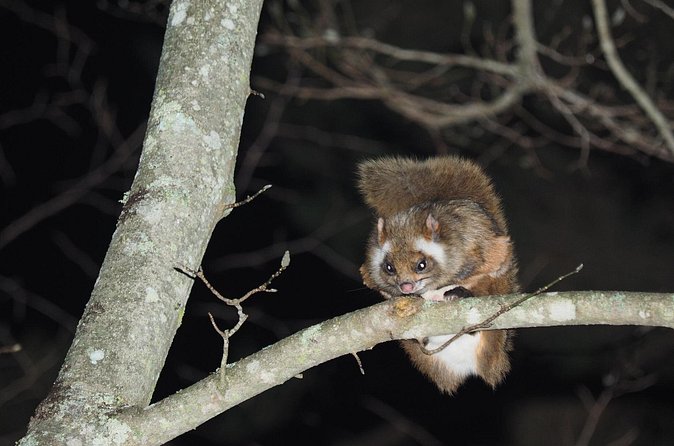
The Japanese Giant Flying Squirrel is the star here, and the tour gives you more than a quick look at an unusual animal. The introduction covers its diet and lifestyle, while the outdoor section lets you see those adaptations in action.
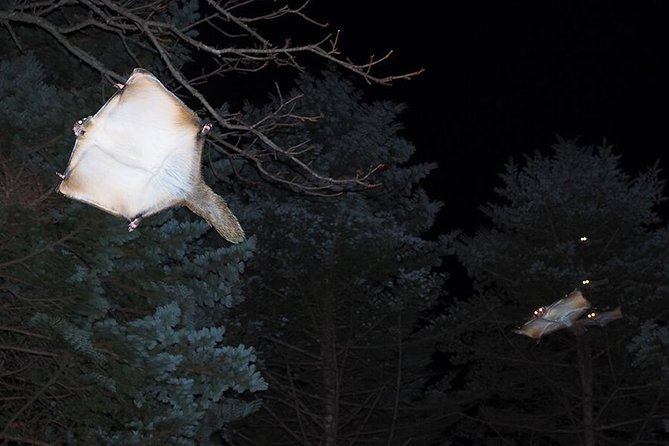
The word flying is slightly misleading in a useful way. The animal glides rather than flaps like a bird, so the sight is one of smooth movement between trees. That is why the guide’s advice matters. You need to watch the right areas and understand the likely direction of movement.
The tour also gives you a better sense of scale and distance. The guide discusses body size and gliding distance before you go outside, giving you a practical frame of reference. This helps you judge how far away the animal is and how quickly it can disappear from view.
For me, the appeal is the contrast between the animal’s sudden movement and the slow pace of the watch. The group may be still one moment, then everyone’s attention shifts at once. It is a simple form of nature observation, but that simplicity is part of its charm.
A completely different kind of day out:
- SHIBUYA SKY Ticket
★ 4.7 · 46,509 reviews - Mt. Fuji Instagram-Worthy Spots Day Tour: Ladder Town, Oshino Hakkai, Lake Kawaguchi, Lawson Convenience Store (Departing from Tokyo Station or Shinjuku Station)
★ 4.8 · 35,467 reviews - JR Whole Japan Rail Pass
★ 4.8 · 29,150 reviews - Mt Fuji and Hakone 1-Day Bus Tour Return by Bullet Train
★ 5.0 · 26,383 reviews
Group size, guide quality, and language support

The maximum group size is 30 people. That is not a private wildlife walk, and a group of that size can affect how quickly everyone responds to a sighting. On the other hand, the experience is organized around one observation area and a shared introduction, so a group setting is part of the design.
The high rating, 4.9 out of 5 from 79 reviews, and 97 percent recommendation rate suggest that the guide-led format works well for most people. One detailed account praised the guide as especially kind and described the ecology explanation before the group went outside. The guide’s name was not recorded, so I cannot give you a specific staff name, but the practical takeaway is clear: the human side of the tour receives strong praise.
English ability varies among the guides. The English-subtitled slides are helpful, but they are not the same as having a fully fluent English-speaking guide beside you throughout the walk. If wildlife vocabulary and detailed explanations are important to you, keep this limitation in mind. If your priority is seeing the animal and learning the basic facts, the visual support should be enough for many people.
Is $28.69 a good price?

At $28.69 per person, this is reasonably priced for a 90-minute guided nature activity in a popular resort area. The fee includes the Picchio introduction, the outdoor observation, a professional guide, and binoculars.
The value comes less from the length and more from access and timing. You are paying for someone who understands where to look, when to look, and how to interpret the animal’s behavior. You are also paying for a focused experience rather than a general walk through the sanctuary.
The price is less attractive if you need a guaranteed sighting or a long excursion. This is a short, specialized activity, not a full-day wildlife safari. Since the animal is wild and weather can interrupt the tour, you should book it because you enjoy the process of watching nature, not because you need a certain photo.
The activity is often booked 28 days in advance on average. That does not mean you must reserve exactly four weeks ahead, but it is a useful sign that planning early makes sense, especially if your Karuizawa visit has fixed dates.
How the timing fits a Karuizawa day
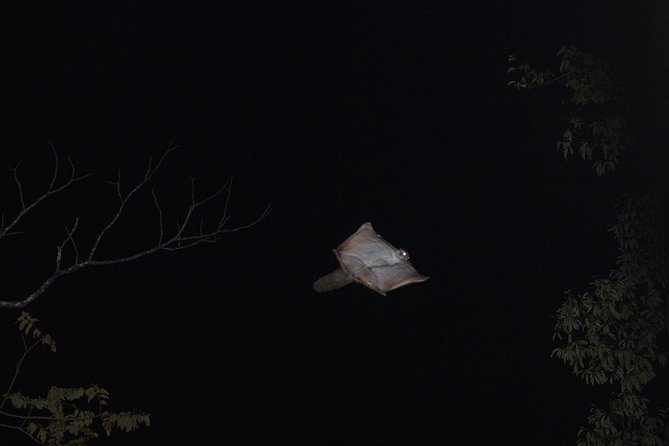
The 4:00 pm start makes this easy to pair with daytime sightseeing in Karuizawa. You do not need to give up an entire day, and the 90-minute duration leaves room for dinner or another evening plan afterward.
The timing also suits the animal. The tour is built around a period when the forest is quiet and the squirrels may begin gliding. You are not being asked to arrive at dawn or spend half a day waiting.
I would avoid scheduling anything that requires you to leave the area immediately at the stated end time. Wildlife viewing can run at a natural pace, and the experience ends back at the meeting point, not at a separate transport hub. Since the activity is near public transportation, getting to the start is manageable, but you should still allow enough time to find the sanctuary and check in.
Who will enjoy this most?
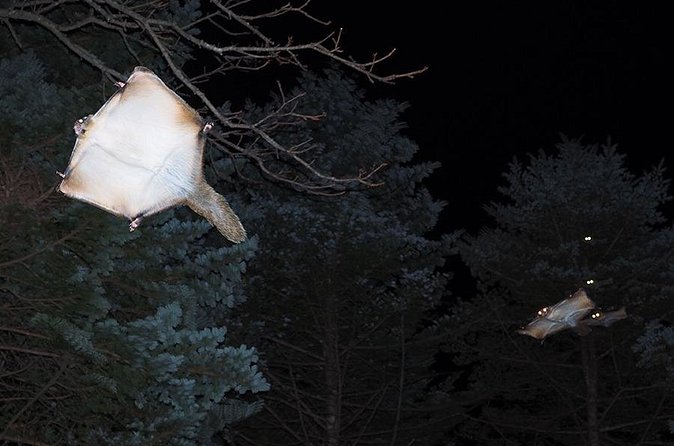
This tour suits you if you enjoy quiet nature experiences, unusual wildlife, and guided observation. It is a particularly good choice for anyone curious about Japanese animals beyond the usual city sights and temples.
Families may like the short format and the dramatic gliding behavior, though younger children need to handle the waiting and quiet parts. The tour is not built around constant entertainment. The reward comes when the group sees movement and understands what it is watching.
It also works well for photographers who want to try for a wildlife image, but you should keep expectations realistic. The tour includes binoculars, not a camera or special photographic equipment, and the provider cannot promise that the squirrel will appear at a convenient distance.
You may want to skip it if you dislike outdoor waiting, have limited mobility, or need a firm guarantee that the main animal will be seen. The moderate fitness requirement and weather conditions are not minor footnotes. They shape the experience.
Booking, weather, and cancellation advice
You receive confirmation within 48 hours of booking, subject to availability. Free cancellation is available if you cancel at least 24 hours before the 4:00 pm start time. Changes or cancellations made less than 24 hours before the activity are not refunded.
If poor weather causes the tour to be canceled, you can choose another date or receive a full refund. The provider does not cover your transportation or other costs connected with an unexpected cancellation, so avoid booking nonrefundable plans around this outing.
That policy is fair for a wildlife activity, but it makes good planning important. Keep your arrival and departure schedule flexible, and do not treat the squirrel watch as a fixed appointment with guaranteed results.
Should you book the flying squirrel tour?
I would book this experience if you want a short, affordable introduction to Japanese wildlife and you are happy to trade certainty for a genuine wild encounter. The included binoculars, useful ecology talk, late-afternoon timing, and guide knowledge make the $28.69 price sensible.
I would not book it if your main goal is a guaranteed close-up sighting or a fully English-speaking lecture. The group can reach 30 people, some guides speak limited English, and nature can refuse to cooperate.
For the right visitor, this is a memorable hour of looking up, staying quiet, and waiting for a remarkable glide through the trees. That is exactly what makes it worthwhile.
FAQ
Where does the tour begin?
It begins at the Karuizawa Wild Bird Sanctuary, at Picchio in the Karuizawa Hoshino Area, Nagakura, Karuizawa, Nagano 389-0111, Japan.
What time does the tour start?
The tour starts at 4:00 pm.
How long does the experience last?
The total duration is approximately 1 hour and 30 minutes. The introduction takes about 20 minutes, followed by about one hour of outdoor observation.
What animal will I see?
The tour focuses on the wild Japanese Giant Flying Squirrel, also called the musasabi.
Are binoculars provided?
Yes. Binoculars are included for the observation portion.
Is the tour available in English?
Some guides speak limited English. The lecture slides have English subtitles to help explain the squirrel’s ecology and behavior.
How large is the group?
The activity allows a maximum of 30 participants.
Can I cancel for a full refund?
Yes, if you cancel at least 24 hours before the experience starts. If poor weather causes the tour to be canceled, you are offered another date or a full refund.
Just added in Japan
- A One-of-a-Kind Sushi Experience in a Special Place of Japan★ 5.0 · 15 reviews
- Tokyo Cute Bento Cooking Class – Make a Kawaii Character Lunchbox★ 5.0 · 126 reviews
- Japanese Home Cooking Class & Walk in Todoroki Temple Tokyo★ 5.0 · 88 reviews
- Japan Tokyo Tower Observatory Deck E-Ticket★ 4.0 · 34 reviews
- Catch a Baseball Game in Tokyo with a Local – Tickets Included★ 5.0 · 24 reviews
- JDM Experience with Fast&Furious RX-7 (English speaking Driver)★ 5.0 · 57 reviews
- Tokyo Private Day Tour by Car with English speaking Driver Guide★ 4.0 · 29 reviews
- Japan Classic 10 Day – One Life Adventures★ 5.0 · 129 reviews
Tours, compared.

Mt Fuji and Hakone 1-Day Bus Tour Return by Bullet Train
Read our review →


![[Kyoto & Nara Day Tour] Sagano Scenic Railway & Nara Park & Fushimi Inari Taisha Thousand Torii Gates & Togetsukyo Bridge & Bamboo Grove & Kimono Forest (Departing from Osaka)](https://media.japanvisits.com/wp-content/uploads/kyoto-nara-day-tour-sagano-scenic-railway-nara-park-fushimi-inari-taisha-thousand-torii-gates-togetsukyo-bridge-bamboo-grove-kimono-forest-departing-from-osaka-k110001-400x257.jpg)