
Reviewed · PRIVATE DRIVERS
13 Days Iconic Japan Tour (private guide & driver) by UME Travel Review
Japan’s big contrasts are the point here: one day you’re among Tokyo’s shrines and neon-lit shopping streets, and a few days later you’re looking for wild macaques at Jigokudani or walking past thatched cottages near Mount Fuji. I like that this route links famous sights with smaller regional stops, and that English-speaking guides and much of the transport are arranged for you.
I also like the mix of experiences: an Asakusa food walk, a river cruise, a traditional performance in Kyoto and a hands-on tea ceremony give the trip more texture than a checklist of temples. A March 2025 departure had two guides who adjusted stops to suit the group, though you should confirm how much flexibility your own departure offers.
The main consideration is pace. You change hotels often, cover a lot of ground, and have only one free day in Kyoto. At $6,780 per person, the package can be good value if you want guided transport and accommodation organized, but check what is included in the final price: international flights and most lunches and dinners are not listed as included.
- A Tokyo-to-Kyoto route with regional stops: The trip adds Nagano, Matsumoto, Shirakawa-go, Takayama and Kanazawa to the usual city highlights.
- Wild macaques at Jigokudani: The chance to see Japanese macaques bathing in natural hot springs is a distinctive stop, not just another temple visit.
- A small group, not necessarily a private tour: The stated group size is 2 to 10, so confirm what private guide and driver means for your dates.
- Hotels and transport are largely arranged: The package lists four-star hotels, a private air-conditioned vehicle, rail journeys and a Tokyo airport pickup.
- Kyoto gets four nights, but only one free day: That leaves time to explore independently, though the guided schedule is full.
- Check the overnight sequence: The day-by-day plan and accommodation summary differ on the night after Takayama, so confirm the hotel city before booking.
In This Review
- From Tokyo’s shrine paths to Kyoto’s old lanes
- Three days to get your Tokyo bearings
- Mount Fuji, thatched cottages and clear spring water
- Lake Suwa and the Jigokudani macaques
- Zenko-ji, Matsumoto Castle and the mountain villages
- Kanazawa’s gardens, samurai lanes and tea-house district
- Kyoto temples, food stalls and traditional arts
- What the price buys, and what to confirm
- Is this the right Japan trip for you?
- FAQ
- Does the tour start in Tokyo and end in Kyoto?
- Are international flights included?
- Is the tour fully private?
- What meals are included?
- Are hotels included in the price?
- Is the bullet train from Kanazawa to Kyoto included?
- How do I get from Kyoto to the airport?
- Is there a free day?
- What is the group size and tour language?
From Tokyo’s shrine paths to Kyoto’s old lanes
The route works because it moves from modern city life to quieter regional Japan, then finishes in Kyoto, where temples, gardens and traditional arts take center stage. You begin in Tokyo and end in Kyoto, with 13 days of sightseeing and 12 hotel nights.
The experience is described as fully guided in English and has a group size of 2 to 10. The tour title refers to a private guide and driver, while the trip details also call it a group tour. I’d ask UME Travel directly whether your departure uses a vehicle just for your party or shared with other group members.
The listed price starts at $6,780, based on the cheapest room and two people sharing. Accommodation, breakfast, listed admission fees, transport and guide services are among the stated inclusions. International flights are not included, and the daily meal details mostly list breakfast, so plan to pay separately for many lunches and dinners.
Three days to get your Tokyo bearings
Your first day is deliberately simple: a driver meets you at the airport and takes you by private car to Hotel East 21 Tokyo. After a long flight, a direct transfer can make the arrival less taxing. You’ll have no scheduled sightseeing that day, giving you time to rest and orient yourself.
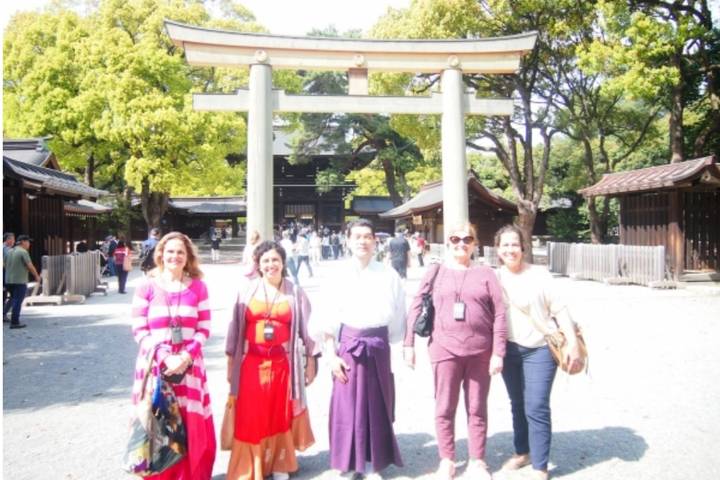
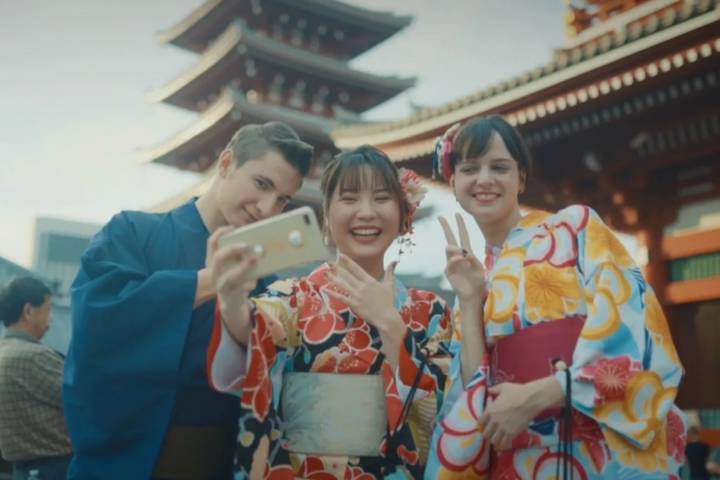
On day two, Meiji Jingu Shrine offers a quieter start. Its paths wind through a forested area beside busy Harajuku, a welcome change from Tokyo’s traffic and crowds. Next comes Zojo-ji Temple, whose grounds include a Tokugawa family mausoleum and a small museum, with Tokyo Tower rising nearby. The tour includes admission to the tower’s 150-meter observation deck, where you can take in the city from above.
Akihabara rounds out the day. It is known for electronics shops and anime and manga merchandise, so it offers a very different view of Tokyo from the shrine and temple visits. The itinerary calls this an optional activity, which leaves some room to choose how long you want to stay.
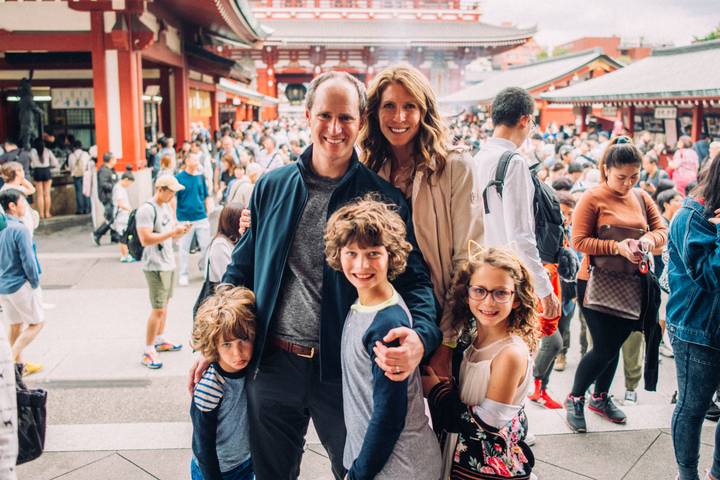
Day three shifts to Asakusa and the waterfront. Senso-ji is one of Tokyo’s major Buddhist temples, and the surrounding streets give you the chance to sample snacks such as tempura and ningyoyaki on a food walk. Carry cash: the tour notes that many traditional snack shops do not accept cards.
A water bus cruise takes you past sights including Tokyo Skytree and Rainbow Bridge, then you visit Odaiba Marine Park. The return ride on the Yurikamome railway is a practical highlight in itself, with views over Tokyo Bay. It’s a full day, so expect a mix of walking, short transfers and time spent in busy public places.
More Private Tours in Tokyo
- Tokyo 6hr Private Tour with Government-Licensed Guide
★ 5.0 · 3,902 reviews - Private Tour to Mt. Fuji and Hakone (Fully Licenced Operator)
★ 5.0 · 1,910 reviews - Tokyo Customized Private Tour (Must See Places in 1 Day)
★ 5.0 · 1,499 reviews
Mount Fuji, thatched cottages and clear spring water
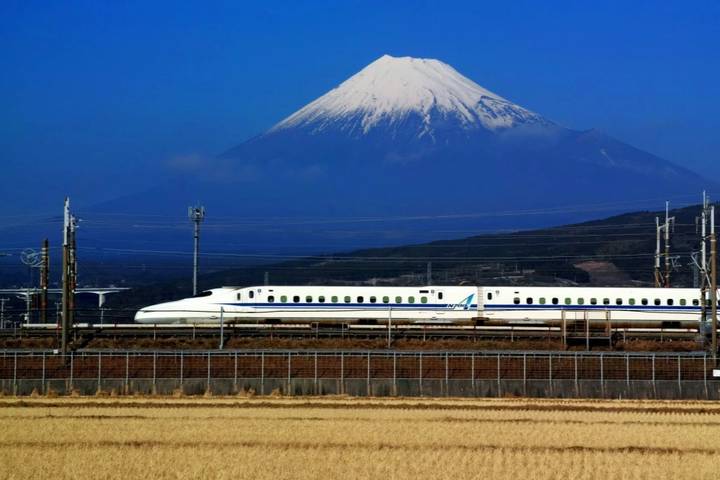
Day four takes you to the Mount Fuji region, with a stay at Fuji View Hotel. West Lake Village has traditional thatched-roof cottages, and Oshino Hakkai is known for its eight springs, fed by water filtered through old volcanic rock. Together, the stops offer a more human-scale view of the area than a quick roadside photo of Fuji.
The Narusawa Hyoketsu Ice Cave adds a change of pace. Formed by lava flow more than 1,150 years ago, it stays open year-round. The final stop is Arakurayama Sengen Park, a well-known place to view Mount Fuji. In spring, cherry blossoms frame the pagoda; at other times, the view can include Fujiyoshida’s night lights. Fuji visibility depends on conditions, so treat the mountain view as a possibility, not a guarantee.
Lake Suwa and the Jigokudani macaques
On day five, Lake Suwa provides a scenic pause before the visit to Jigokudani Monkey Park. Depending on the season, the lake is associated with cherry blossoms or summer fireworks. Cruises, an amphibious bus tour and fishing are listed as optional activities, so check whether any appeal to you and whether they cost extra.
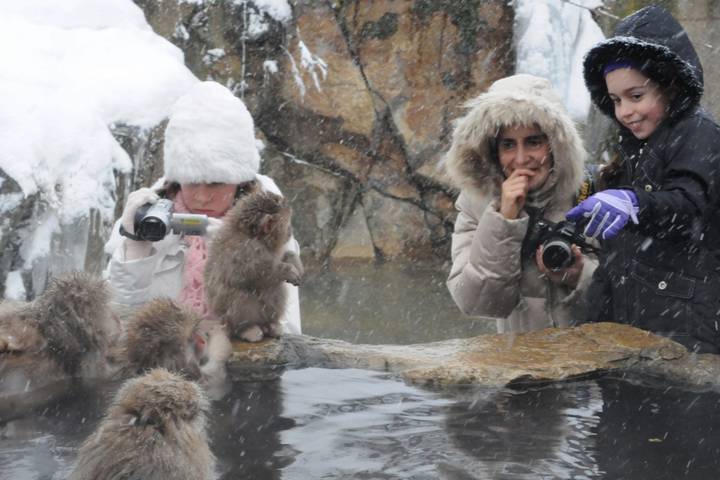
At Jigokudani, the main attraction is the wild Japanese macaques that bathe in natural hot springs. It is an unusual wildlife encounter, but remember that these are wild animals, not a staged performance. The supplied details don’t specify the walk or visit duration, so ask about the practical demands if walking distance is a concern.
You spend the night at Hotel Metropolitan Nagano. The itinerary links Lake Suwa and Jigokudani on the same day, so it’s a long regional transfer as well as a wildlife stop. Having transport arranged makes that combination easier than piecing it together yourself.
Zenko-ji, Matsumoto Castle and the mountain villages
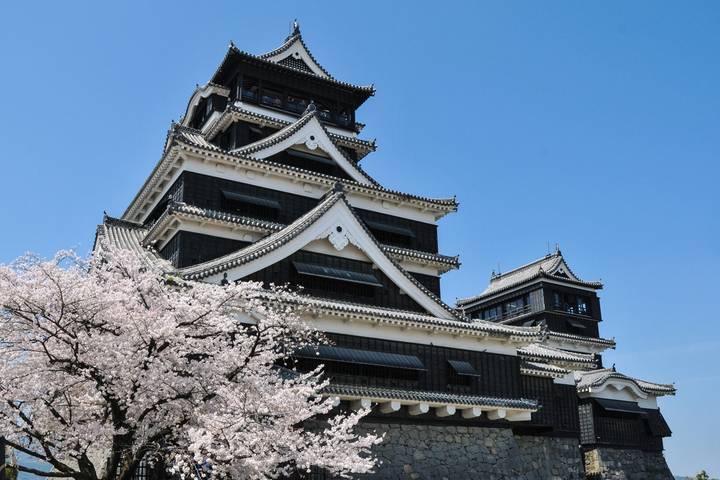
Day six brings you to Zenko-ji, a major temple that helped shape Nagano as a temple town. The tour then continues to Matsumoto Castle, one of Japan’s original castles. Its black exterior and connected secondary tower give it a distinctive look, and its position on the plains differs from castles built on hills or mountains.
The accommodation plan names Ryokan Oyado Koto No Yume for this night. The next day includes Shirakawa-go and Takayama, followed by a Kanazawa hotel in the detailed schedule, while the summary lists one night in Takayama. That mismatch matters for packing and timing. Ask UME Travel to confirm your day-seven overnight city and hotel before you pay.
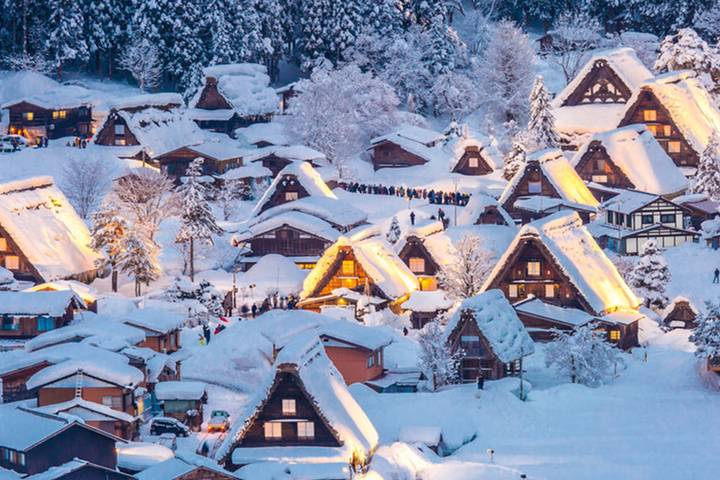
Shirakawa-go is a mountain village surrounded largely by forest, with traditional settlements and preserved natural areas nearby. It’s a contrast to Tokyo’s dense streets, though the stop is part of a busy travel day. Takayama Jinya, once a local government office used by officials sent from Edo, is now a museum. You’ll get a glimpse of how regional administration worked during the Edo period.
A completely different kind of day out:
- Tokyo Disney Resort – Tokyo Disneyland & Tokyo DisneySea Park Tickets
★ 4.8 · 99,488 reviews - SHIBUYA SKY Ticket
★ 4.7 · 46,509 reviews - JR Whole Japan Rail Pass
★ 4.8 · 29,150 reviews - Mt Fuji and Hakone 1-Day Bus Tour Return by Bullet Train
★ 5.0 · 26,383 reviews
Kanazawa’s gardens, samurai lanes and tea-house district
Kanazawa gets a full day, which is welcome after several days of moving between regions. The Nagamachi Samurai district has narrow streets and historic residences; Kenrokuen is a major garden; and Higashi Chaya preserves traditional geisha houses. The city developed under the Maeda Clan and became an important center of culture, making it a rewarding stop between the mountain towns and Kyoto.
The hotel listed for nights seven and eight is ONYADO NONO KANAZAWA HOT SPRINGS. Its name suggests a hot-spring feature, but the information provided does not detail the facilities, so check directly if that amenity is important to you.
On day nine, you travel by bullet train from Kanazawa to Tsuruga, then change trains for Kyoto. The stated train times are about 45 minutes and 52 minutes, with a short transfer in Tsuruga. Your Kyoto hotel is near the station, but you make your own way there after arriving. That is a modest independent step in a trip otherwise arranged around guided transport.
Kyoto temples, food stalls and traditional arts
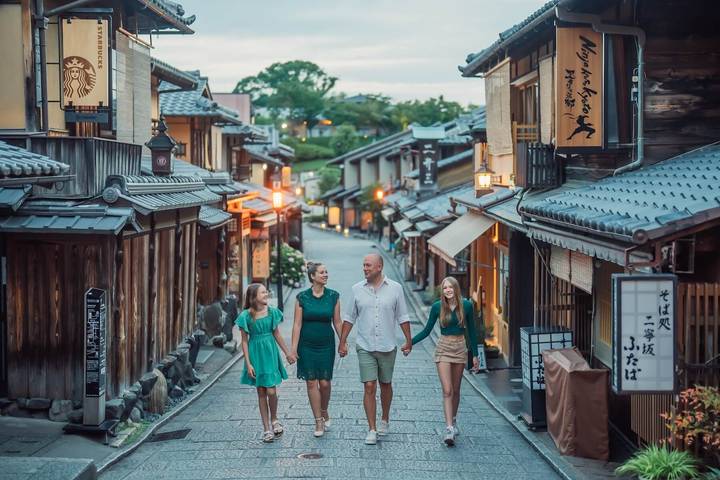
The first guided Kyoto day focuses on Higashiyama. Kodaiji Temple has Zen gardens and buildings connected with Nene, the wife of Toyotomi Hideyoshi. Nene no Michi keeps a traditional feel, and Yasaka Shrine is closely associated with the Gion Matsuri festival, held each July.
In the evening, you can walk through Hanamikoji, a historic geisha district, and attend a traditional performance at Gion Kobu Kaburenjo Theater. The program may include maiko dance, Kyogen and other classical arts, presented in a short format with a digital tablet for explanations and translations. Seeing a performance is a more dependable way to encounter traditional arts than simply hoping to spot a geisha on the street.
Day eleven begins at Higashi Honganji, an active temple, and Sanjusangendo, whose long hall contains 1,001 Kannon statues. Nishiki Market then brings you back to everyday food culture, with shops selling seafood, produce, sweets, pickles and kitchen goods. The tea ceremony gives you a chance to learn the meaning behind the steps and tools, then prepare matcha under the guidance of a tea master. Kimono is included in the experience description, though you should confirm precisely what is provided.
Day twelve is free. That’s useful after a full schedule, but it also means you’ll need to make your own plans if you want more sightseeing. You could use the day to revisit a favorite neighborhood or arrange an extra activity through the operator. On day thirteen, a private English-speaking driver takes you from Kyoto to Kansai International Airport.
What the price buys, and what to confirm
At the starting price of $6,780 per person, the value rests on the length of the trip and the amount of logistics handled: accommodation, breakfast, listed admissions, guide services, private vehicle transport and rail journeys are included. A small group can also make it easier to keep a day moving than a large coach tour.
But the price does not cover everything. International flights are excluded, optional activities may cost extra, and the daily plans mostly include breakfast rather than lunch and dinner. Budget for meals and personal spending, and ask for an itemized confirmation of exactly which admissions, rail tickets and transfers are covered on your dates.
The hotels are described as four-star, with central or convenient locations and breakfast. The named properties vary by stop, from Hotel East 21 Tokyo to Fuji View Hotel and the Kyoto hotel, which is not identified by name in the details. Ask for the Kyoto property name and confirm room arrangements. The stated price is based on two people sharing; solo room occupancy carries a supplement.
Food options include vegetarian, vegan and halal meals on request. Tell the operator your needs in advance and ask how meals are handled when they are not included in the daily plan.
Is this the right Japan trip for you?
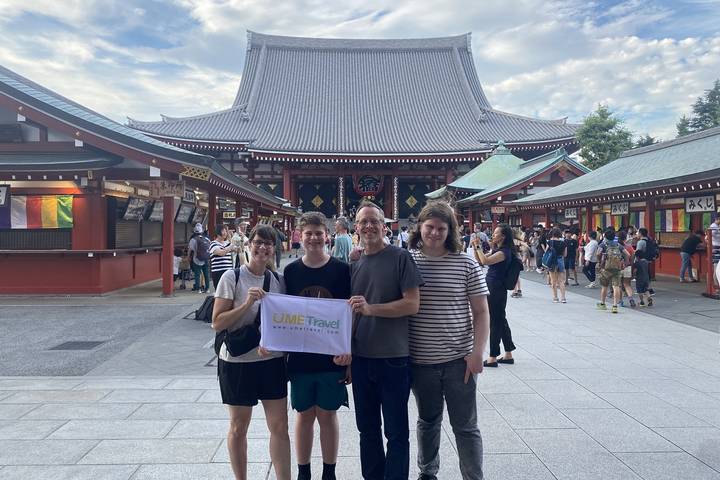
I’d consider this tour if you want to see several regions without arranging every train, hotel and transfer yourself. Its strongest features are the variety of stops, the inclusion of regional places beyond Tokyo and Kyoto, and the chance to encounter both historic sites and everyday food culture. The guide flexibility described on a March 2025 departure is encouraging, but confirm what can be adjusted rather than assuming every request can be accommodated.
It’s less suited to you if you want slow mornings, several unplanned Kyoto days or a guaranteed private experience for just your party. The schedule is active even though its physical rating is low, and the hotel changes come quickly. Before booking, get clear answers about group size on your departure, the day-seven overnight, meals, optional costs and the exact Kyoto hotel. If those details fit your priorities, this is a convenient way to connect Japan’s headline sights with memorable regional stops.
FAQ
Does the tour start in Tokyo and end in Kyoto?
Yes. It starts in Tokyo and ends in Kyoto.
Are international flights included?
No. International flights are not included.
Is the tour fully private?
The tour details describe a group tour for 2 to 10 people, while the title refers to a private guide and driver. Ask UME Travel what that means for your departure and whether the vehicle is shared.
What meals are included?
Breakfast is listed on the daily itinerary. Vegetarian, vegan and halal food options can be requested, but most lunches and dinners are not listed as included.
Are hotels included in the price?
Yes. The package includes accommodation, with the listed price based on two people sharing a room. A single supplement applies when you do not share.
Is the bullet train from Kanazawa to Kyoto included?
The internal trains are listed as included. The route goes from Kanazawa to Tsuruga, where you change trains for Kyoto.
How do I get from Kyoto to the airport?
A private English-speaking driver is listed for the transfer from Kyoto to Kansai International Airport, or KIX.
Is there a free day?
Yes. Day twelve is free for you to explore Kyoto independently or arrange activities.
What is the group size and tour language?
The group size is listed as 2 to 10, and the tour is guided in English.
More Private Drivers in Tokyo
- Mt Fuji Private Tour with English Speaking Driver
★ 5.0 · 861 reviews - Mt. Fuji & Hakone Private Day Tour with English-Speaking Driver
★ 4.5 · 824 reviews - Haneda Airport (HND) Private Transfer to Central Tokyo
★ 4.5 · 636 reviews - Mt. Fuji, Hakone Full-Day Private Tour with English Driver Guide
★ 4.5 · 458 reviews
Just added in Tokyo
- Wonders Of Japan 10-Day Tour by Travel Talk★ 4.5 · 14 reviews
- Wonders of Japan end Tokyo GO 15-Day Tour by Europamundo★ 4.2 · 10 reviews
- Wonders of Japan end Tokyo 15-Day Tour by Europamundo★ 4.2 · 10 reviews
- Wonders of Japan End Osaka by Europamundo – 12-Day Tour★ 4.2 · 58 reviews
- Wonders of Japan End Osaka (including Fukuyama) 12-Day Tour by Europamundo★ 4.2 · 58 reviews
- Wonders of Japan End Osaka GO by Europamundo – 12-Day Tour★ 4.2 · 58 reviews
- Walk Japan – Kumano Kodo Trail 12-Day Tour by Explore!★ 4.7 · 20 reviews
- Visions of Japan with Hiroshima & Osaka 15-Day Tour by Globus★ 5.0 · 75 reviews
Private Drivers, compared.
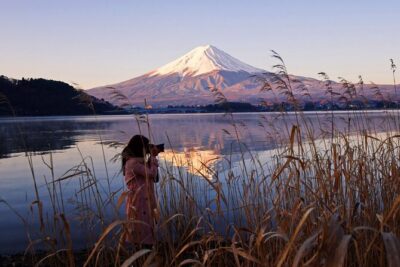
Mt Fuji Private Tour with English Speaking Driver
Read our review →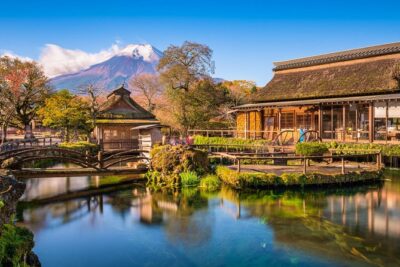
Mt. Fuji & Hakone Private Day Tour with English-Speaking Driver
Read our review →
Mount Fuji Full-Day Small Group driver-guide tour (with Pick-up option)
Read our review →
Haneda Airport (HND) Private Transfer to Central Tokyo
Read our review →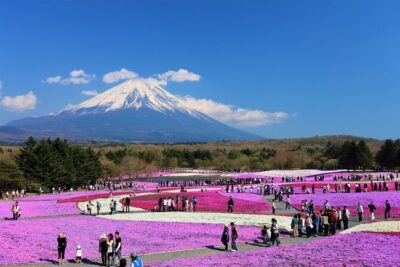
Mt. Fuji, Hakone Full-Day Private Tour with English Driver Guide
Read our review →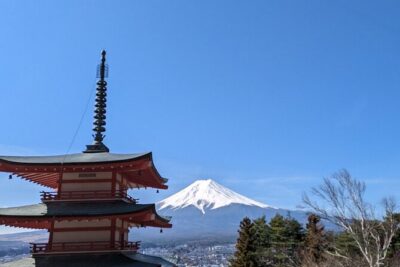
Mt. Fuji Day Trip from Tokyo with English Speaking Driver Guide
Read our review →Mt. Fuji Private Tour with English Speaking Driver
Read our review →
Mt. Fuji & Hakone Private Custom Tour English Driver
Read our review →Browse the lists this tour appears in