
Reviewed · ONSEN AND WELLNESS
14 Days Onsen Relaxation & Autumn Gastronomy in Japan by UME Travel: Itinerary & Reviews
Japan’s big contrasts make this trip: one day you’re under Tokyo’s neon and crossing Shibuya, the next you’re listening to a waterfall in Nikko or watching steam rise from Hakone’s volcanic ground. The route runs from Tokyo to Osaka, with the Shinkansen, private transfers and a guide taking much of the planning off your plate.
I especially like two things here. First, the itinerary mixes famous places with slower, more atmospheric stops, from Kyoto’s moss garden at Sanzenin to the thatched cottages at Lake Saiko. Second, the private format gives families and friends room to move at their own pace, while the included logistics let you focus on the day instead of working out every train connection.
One point to check before booking: the title promises onsen relaxation, but the itinerary specifically describes a choice between Lake Chuzenji and a Nikko hot spring on Day 4. The plan also runs year-round, while its autumn foliage stops are seasonal. Ask UME which onsen visits and meals are included for your dates.
In This Review
- What to know before you book
- Tokyo begins with shrines, gardens and a famous scramble
- Nikko’s shrine and waterfall lead toward Mount Fuji country
- Hakone’s volcanic scenery, then a fast train to Kyoto
- Kyoto pairs temple grounds with a hands-on tea ritual
- Fushimi Inari, Nara’s deer and a moving Hiroshima visit
- Miyajima’s shrine and Osaka’s food finish the guided route
- What the price buys, and what you should clarify
- Should you book this Japan tour?
- FAQ
- Where does the tour start and end?
- How long is the tour?
- Is the tour private and guided in English?
- Is an onsen visit included?
- Are meals included?
- What is included in the tour price?
- Does the tour operate outside autumn?
What to know before you book
- Tokyo to Osaka in 14 days: The route links Tokyo, Nikko, Mount Fuji country, Hakone, Kyoto, Nara, Hiroshima, Miyajima and Osaka.
- Private travel, not a group departure: The tour is described as private and fully guided in English, a useful setup for families or anyone who wants help with transport and daily plans.
- Autumn is the headline season: Lake Kawaguchi’s Momiji Corridor, Kyoto’s temples and Tokyo’s ginkgo avenue are all chosen for fall color.
- The onsen details need confirming: Nikko hot springs are an optional choice on Day 4. The information provided does not name specific baths or spell out which are included.
- Some meals are on your own: Ramen in Tokyo and the fishing restaurant in Osaka are described as optional or not included, despite the general package description mentioning meals.
- The pace is active despite a low-intensity rating: Expect regular walks through temple grounds, gardens, markets and city neighborhoods, with long-distance travel between regions.
Tokyo begins with shrines, gardens and a famous scramble
A private car takes you from the Tokyo airport to your hotel on Day 1. That is a practical welcome after a long flight: you do not need to solve the first train journey while juggling luggage and jet lag. The tour begins in Tokyo and finishes in Osaka, so there is no need to double back to the capital at the end.
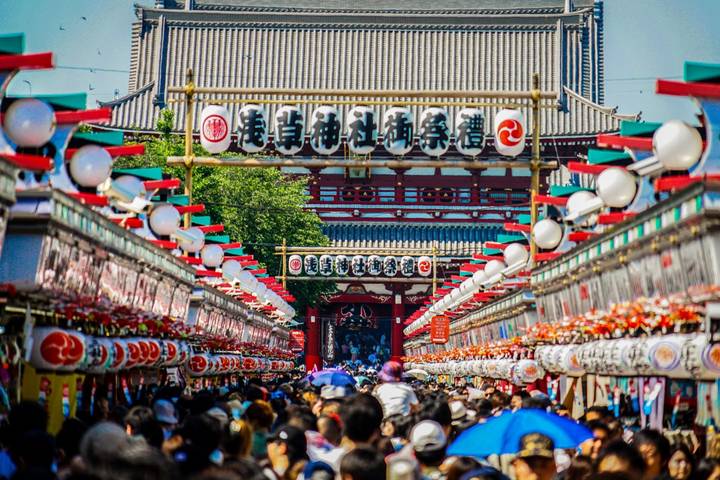
Day 2 sets a good rhythm. Meiji Shrine’s forested paths offer a quiet start near Harajuku, then you head to Asakusa and Sensoji, Tokyo’s oldest temple. Depending on the season and your preferences, the day includes Rikugien Garden or the ginkgo avenue at Jingu Gaien. The latter is a 300-meter row of 146 trees, with a festival and food stalls timed to the fall color. Both spots can draw crowds at their seasonal peak, but the trees are the point.
Ramen is suggested for lunch, though the meal is not included. That gives you freedom to choose a bowl that suits your appetite and budget, but remember to allow for food costs beyond the tour price.
Day 3 shifts from old Tokyo to its modern spectacle. Shibuya Crossing is best understood from the pavement: wait for the lights and watch the streams of people move in every direction. The Imperial Palace Outer Gardens bring a change of pace, followed by Tokyo Tower’s 150-meter Main Deck for a broad view over the city. Akihabara rounds out the day with electronics, anime and manga shops. It is listed as an optional stop, so confirm how much time the schedule allows if it is a priority.
More Onsen and Wellness in Tokyo
- Senkyaku Banrai Toyosu Manyo Club Onsen Experience in Tokyo
★ 4.7 · 1,690 reviews - From Tokyo: Private Tour to Fuji/Hakone – Onsen, Art, Nature
★ 5.0 · 116 reviews - Mt. Fuji, Hakone Private Tour from Tokyo – Onsen, Arts and Nature
★ 5.0 · 79 reviews
Nikko’s shrine and waterfall lead toward Mount Fuji country
Day 4 takes you to Nikko, where Toshogu Shrine honors Tokugawa Ieyasu, founder of the Tokugawa shogunate. It is a major historical site, and its ornate buildings make a striking contrast with the natural scenery ahead. Kegon Falls drops about 100 meters, a dramatic stop with a different feel from the carefully built shrine grounds.
You can then choose between Lake Chuzenji, with views toward Mount Nantai, and one of Nikko’s hot spring areas. This is the clearest onsen option in the daily plan. If bathing is a main reason for booking, ask whether the tour includes admission, time at a bath and any particular onsen accommodation. Those details are not specified here.
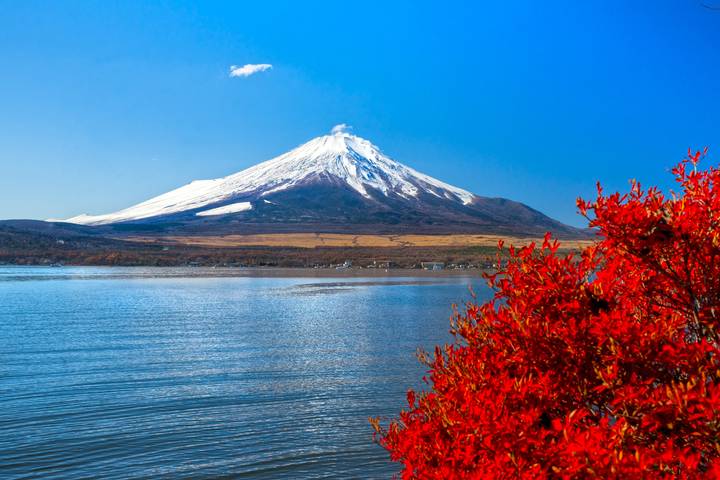
On Day 5, the route moves into the Lake Kawaguchi area. The Momiji Corridor is a roughly 1.5-kilometer lakeside stretch, with about 60 maple trees that turn red and yellow in autumn. Arakurayama Sengen Park offers a well-known view of Mount Fuji and Fujiyoshida, while West Lake Village gives you a look at traditional thick-thatched cottages. Fuji views depend on conditions, so treat the mountain as a welcome possibility, not a guaranteed photo.
Hakone’s volcanic scenery, then a fast train to Kyoto
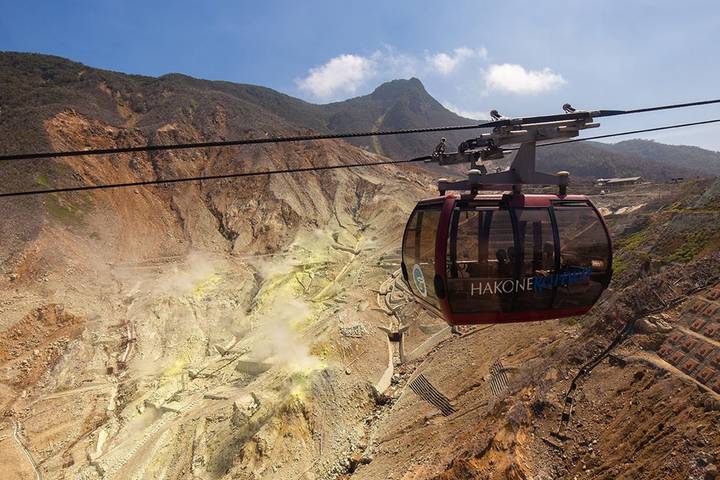
Day 6 brings the Hakone portion: a ride on the Lake Ashi sightseeing ship, nicknamed the Pirate Ship, followed by the ropeway to Owakudani. The volcanic area still releases steam and sulfurous fumes, and black eggs cooked in the hot springs are a local specialty. The eggs are a quick taste of place, not a meal, so plan accordingly.
The Shinkansen ticket from Odawara to Kyoto is included. That transfer is one of the tour’s practical strengths: Japan’s bullet trains make a long cross-country jump feel straightforward, and you avoid arranging the ticket yourself. Once in Kyoto, you check into the hotel independently, so keep your bags and arrival details organized.
Kyoto pairs temple grounds with a hands-on tea ritual
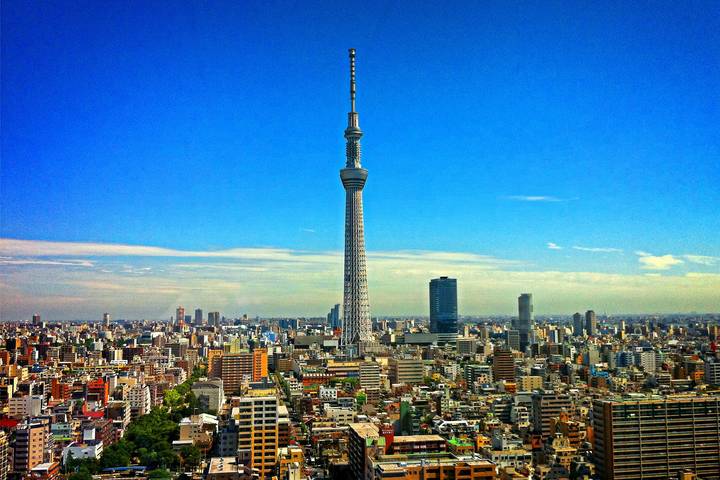
Day 7 begins at Higashi Honganji, a major Buddhist temple with a history shaped by political divisions between rival temple branches. In Arashiyama, Togetsukyo Bridge crosses the Katsura River, then Tenryu-ji offers temple buildings and gardens in a setting that helps explain why the district draws so many day visitors. The nearby Sagano Bamboo Forest is a short walk through tall bamboo. It can be crowded, so enjoy the scale and sound rather than expecting a secluded woodland stroll.
The day’s kimono fitting and tea ceremony add a participatory element. You learn about tea tools and etiquette, then prepare matcha yourself with guidance from a tea master. It is a welcome change from simply moving between landmarks, and the kimono makes the ceremony feel more connected to Kyoto’s traditional arts.
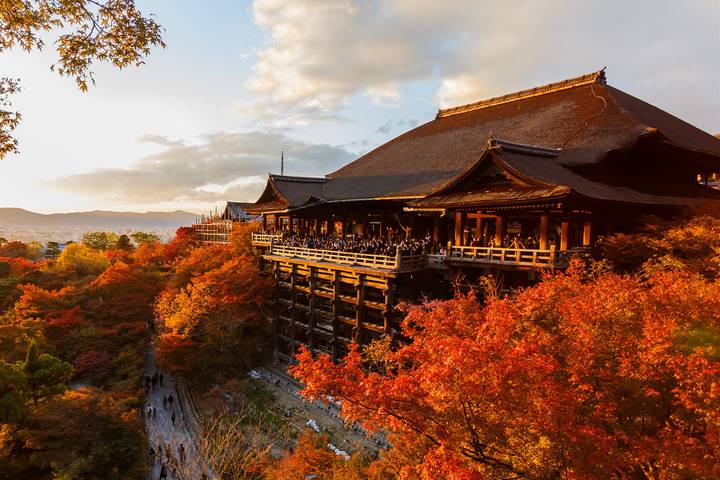
Day 8 focuses on autumn color. Eikando’s Hojo Pond and garden are known for fall foliage, with peak color often in the second half of November. Kitano Tenmangu opens its maple garden seasonally, including evening illumination, while Sanzenin in Ohara offers moss, stone figures and a quieter temple setting. The itinerary strings together three sites in different parts of the city and countryside, so expect a full day rather than a slow garden ramble.
The tour is available year-round, but these gardens will not look the same in every month. If red leaves are central to your plans, ask about the expected timing for your dates and be ready for seasonal variation.
A completely different kind of day out:
- Tokyo Disney Resort – Tokyo Disneyland & Tokyo DisneySea Park Tickets
★ 4.8 · 99,488 reviews - SHIBUYA SKY Ticket
★ 4.7 · 46,509 reviews - JR Whole Japan Rail Pass
★ 4.8 · 29,150 reviews - Mt Fuji and Hakone 1-Day Bus Tour Return by Bullet Train
★ 5.0 · 26,383 reviews
Fushimi Inari, Nara’s deer and a moving Hiroshima visit
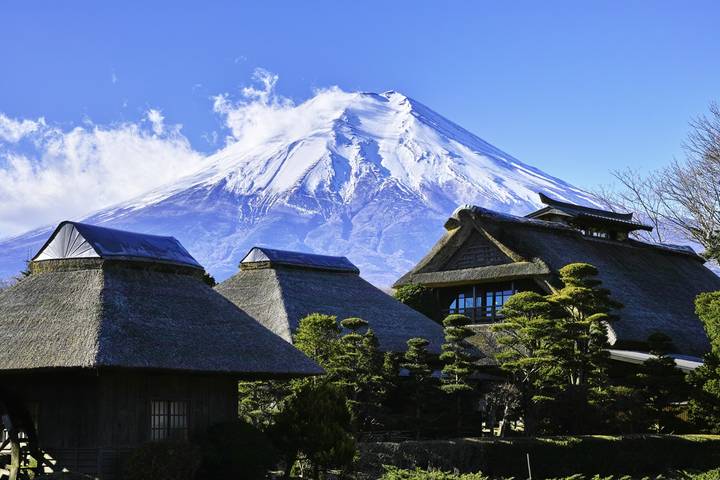
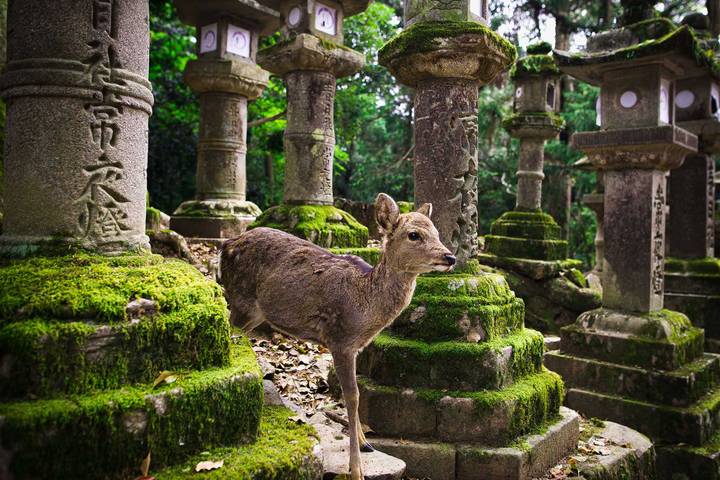
Day 9 combines Fushimi Inari Shrine with Nara. At Fushimi Inari, thousands of red torii gates line wooded trails climbing Mount Inari. You can walk only part of the route or go farther, depending on time and energy. In Nara Park, more than 1,000 deer roam freely. They are considered sacred, but can get pushy around food, so keep deer crackers out of sight unless you intend to feed them.
Todaiji, founded in 752, is one of Japan’s major Buddhist temples, and Kasuga Taisha is a celebrated shrine with deep ties to the old capital. Together, the stops make Nara more than a quick deer encounter. They also involve substantial walking across park and temple grounds, so comfortable shoes matter.
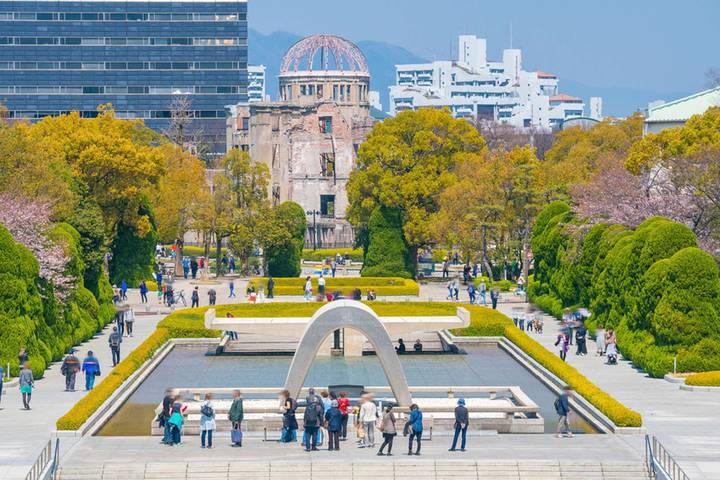
Day 10 takes you by bullet train to Hiroshima. The Atomic Bomb Dome and Peace Memorial Park call for a quieter pace. The park’s trees and paths create room to reflect, while the Peace Memorial Museum presents photographs, recovered objects and explanations of the bombing’s effects. It also addresses Japan’s wartime actions in Asia. This is a serious visit, not just another box to tick, and you may want time afterward to process what you have seen.
Miyajima’s shrine and Osaka’s food finish the guided route
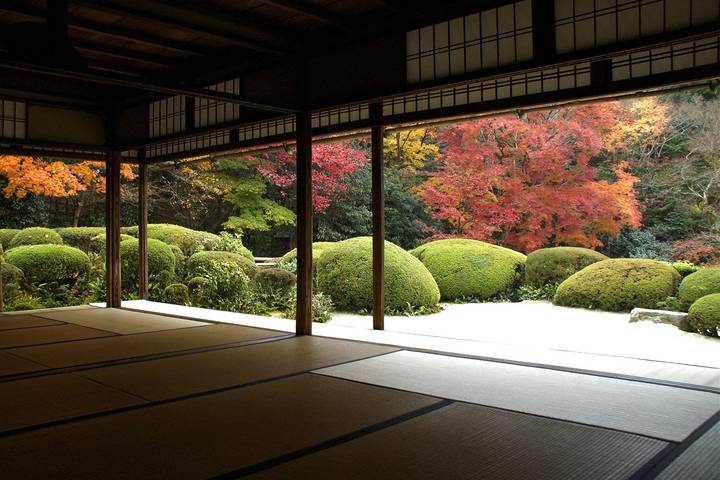
On Day 11, a private guide accompanies you to Miyajima. Itsukushima Shrine is famous for the torii gate that appears to float above the water. You can explore the island and watch its deer, but do not feed them. Unlike Nara, feeding deer on Miyajima is not allowed.
Osaka’s Day 12 begins at Kuromon Ichiba, a covered market known for seafood and local goods. It is a good place to look around and sample food, though market purchases are separate from the tour. Osaka Castle and the Museum of History give context to the city, followed by the Umeda Sky Building observation deck for city views.
Dinner at Zaou Fishing Restaurant is an optional extra. You fish from a boat-shaped seating area, but there is no catch-and-release: if you catch a fish, you pay for it. The stated meal estimate is 8,000 to 12,000 yen per person, so this is an entertaining dinner idea, not a budget meal.
Day 13 is free time in Osaka. That breathing space is valuable after a packed itinerary. You can revisit a neighborhood, try another restaurant or rest before your flight. On Day 14, a private transfer takes you to Kansai International Airport.
What the price buys, and what you should clarify
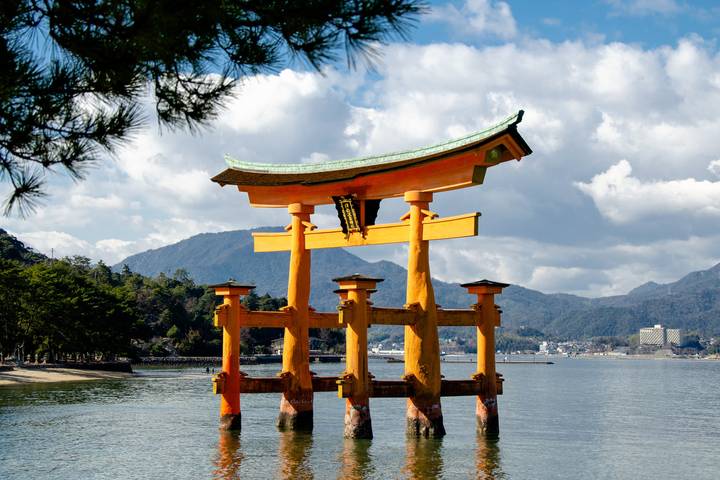
The tour starts at $7,280, with the listed package covering accommodation, admission fees, bullet train tickets, an English-speaking guide, transportation and airport transfers. The private format is a major part of the value: you are paying for help coordinating a complicated route as well as for access to the sights.
A past customer, Wing, described the airport pickup, restaurant arrangements and hotel stays as smooth and comfortable, and especially valued being able to spend time with family without handling logistics. Wing also appreciated not being pressured to shop. That is a useful sign for anyone who likes guided support but dislikes sales stops. The operator’s TourRadar rating is 4.8 from 224 reviews, while this particular itinerary has one five-star rating, so treat that individual assessment as a helpful data point, not a large sample.
The price needs to be weighed against what is not clearly detailed. Meals vary by day, with the Tokyo ramen stop and Osaka fishing restaurant listed as extra or optional. The published information also does not specify exactly which onsen experiences, if any beyond the Nikko option, are included. Confirm the hotel category and room basis, meal inclusions, and the precise hot spring arrangements before comparing the starting price with another Japan tour.
Should you book this Japan tour?
I’d consider this trip if you want a private, English-guided route that links Japan’s big names with cultural stops and scenic breaks, without building every train connection yourself. Families and first-time visitors may find that convenience especially useful, and the free day in Osaka gives the schedule a little room to breathe.
I would pause if your main goal is a slow onsen holiday or independent time. The itinerary is busy, and the clearest listed hot spring visit is an optional choice in Nikko. Book for the wide-ranging route and the support; book for onsen relaxation only after UME confirms exactly what bathing experiences are included.
FAQ
Where does the tour start and end?
It starts in Tokyo and ends in Osaka. A private car transfer is provided from the Tokyo airport to the hotel on arrival, and a private transfer is provided from the Osaka hotel to Kansai International Airport on departure.
How long is the tour?
The tour lasts 14 days, with 13 nights implied by the daily arrival and departure schedule, though the accommodation details should be confirmed when booking.
Is the tour private and guided in English?
Yes. It is described as a private, fully guided tour with English-language guiding. Day 13 in Osaka is free time for you to arrange on your own.
Is an onsen visit included?
The Day 4 plan offers a choice between visiting Lake Chuzenji and soaking in one of Nikko’s hot spring areas. The specific bath, admission details and any other onsen visits are not stated, so confirm them with UME.
Are meals included?
Meal inclusion varies. The package description mentions meals, but the Tokyo ramen stop is optional and not included, and dinner at Zaou Fishing Restaurant in Osaka is optional, with an estimated cost of 8,000 to 12,000 yen per person.
What is included in the tour price?
The package description includes accommodation, admission fees, bullet train tickets, an expert guide, transportation and other perks. The exact hotel category, meal inclusions and onsen arrangements should be confirmed for your booking.
Does the tour operate outside autumn?
Yes. Departures are listed year-round. Several stops are selected for autumn foliage, including Tokyo’s ginkgo avenue, Lake Kawaguchi’s Momiji Corridor and Kyoto’s maple gardens, so fall colors are seasonal rather than guaranteed on every departure.
Just added in Tokyo
- Fish Market & Tokyo Skyline Private Walking Tour★ 5.0 · 14 reviews
- Mt. Fuji & Hakone Cherry Blossom private One Day Tour★ 4.5 · 35 reviews
- 25-Min Downtown Helicopter Tour : Tokyo Skytree and Tokyo Tower★ 5.0 · 19 reviews
- Private Tour with a Local Guide – Learn about daily life in Japan★ 5.0 · 22 reviews
- Tokyo: 3-Hour Bike/E-Bike Tour of the City’s Highlights★ 5.0 · 209 reviews
- Official Japan Go-Kart Through Tokyo Bay / Ginza (IDP Required)★ 4.5 · 71 reviews
- 30-Min Tokyo Central Private Heli Tour– Asakusa, Skytree, Shibuya★ 5.0 · 13 reviews
- Tokyo 2-Hour Genuine Samurai Experience: Kendo in Japan★ 5.0 · 112 reviews
Onsen and Wellness, compared.
Kyushu One-Day Tour: Yufuin no Mori Train & Yufuin Town & Nyoirin-ji Temple & Dazaifu & Hell Hot Springs (Departing from Fukuoka)
Read our review →
Senkyaku Banrai Toyosu Manyo Club Onsen Experience in Tokyo
Read our review →
Himeji Castle, Arima Onsen & Mt. Rokko Day Tour
Read our review →
Nara and Uji Day Trip with Deer Park and Hot Spring
Read our review →
Private Tour to Fuji/Hakone – Onsen, Art, Nature
Read our review →Mt. Fuji, Hakone Private Tour from Tokyo – Onsen, Arts and Nature
Read our review →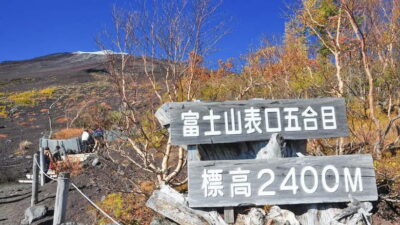
Browse the lists this tour appears in