Reviewed · TOKYO TOURS
Asakusa: 3.5-hour Big-picture History Walk
History feels close in Asakusa. This 3.5-hour small-group walk connects temples, old streets, river views, and postwar entertainment with the larger story of Japan. I like the way it explains why Japan closed itself, why the Netherlands remained its trading link, and how Japanese art later influenced French Impressionist painters. I also like the mix of sacred places and ordinary neighborhoods, including traditional snacks and old-style pub lanes.
The main drawback is the amount of walking and standing. The route covers several busy sites and operates in all weather, so comfortable shoes, water, and suitable clothing matter. The historical focus also suits adults best, though families are welcome and children under six can join free.
In This Review
- Five things that make this Asakusa walk useful
- Why Asakusa works as a history classroom
- Starting beside Exit 4 and the Tokyo Cruise pier
- Tokyo Cruise Pier and the city’s changing face
- The Asakusa Culture Tourist Information Center viewpoint
- Kaminarimon and the road to Nakamise
- Hōzōmon Gate and Sensō-ji Temple
- Asakusa Shrine and Yōgō-dō Pavilion
- Nishi-sandō and the feel of old Tokyo
- Asakusa Mokubakan and the neighborhood’s theater past
- Hoppy Street and postwar working-class Asakusa
- What the guides add to the walk
- Walking conditions, weather, and family fit
- Is $88 a fair price?
- Should you book this Asakusa walk?
- FAQ
- Where does the tour meet?
- How long does the tour last?
- What language is the tour conducted in?
- How large is the group?
- Are headsets provided?
- Are snacks included?
- Is hotel pickup included?
- What should I bring?
- Can children join the tour?
Five things that make this Asakusa walk useful
- A clear history lesson: Japan’s isolation, reopening, and growing connection with the West are explained at the places where those changes make sense.
- Two religions in one neighborhood: You see how Shinto and Buddhism have shared space and worshippers for centuries.
- A small group of up to eight: The guide can answer questions and adjust the pace more easily than on a large coach tour.
- More than Sensō-ji: The route includes the riverfront, shopping streets, a traditional theater, pub lanes, and a quiet old-style street.
- Practical touches: Headsets are supplied for groups of three or more, and freshly made Japanese sweets and snacks are included.
Why Asakusa works as a history classroom
Asakusa can look like a simple sightseeing stop: a huge red gate, a temple, souvenir shops, and crowds moving toward Sensō-ji. This walk gives the area a wider purpose. Instead of treating each landmark as an isolated photo stop, the guide uses it to explain how Japan changed over several centuries.
That approach is valuable if you are new to Japanese history. You do not need to arrive with a long list of dates. The tour links the country’s feudal past, religious customs, foreign trade, modern entertainment, and everyday habits into one walk.
The group is limited to eight people. That matters in Asakusa, where the streets can fill quickly around the Kaminarimon Gate and Nakamise Shopping Street. A small group gives you a better chance to hear the guide, ask about details, and keep moving without the stop-and-start feel of a large party.
English is the tour language. Groups of three or more receive headsets, which should make explanations easier to follow near busy roads and crowded temple approaches.
A few more options to weigh up in Tokyo
- Tokyo Disney Resort – Tokyo Disneyland & Tokyo DisneySea Park Tickets
★ 4.8 · 99,488 reviews - SHIBUYA SKY Ticket
★ 4.7 · 46,509 reviews - JR Whole Japan Rail Pass
★ 4.8 · 29,150 reviews
Starting beside Exit 4 and the Tokyo Cruise pier
The meeting point is in front of the Burger King beside Exit 4 of Asakusa subway station on the Ginza Line, station G19. Step outside Exit 4 rather than waiting underground. This is a useful detail because Asakusa has several stations and exits, and choosing the wrong one can waste time before a timed tour.
The route begins at 2-chōme-20-6 Kaminarimon and first reaches the Tokyo Cruise Asakusa Pier. The guided stop here lasts about 15 minutes. The riverside gives the guide a chance to place Asakusa within modern Tokyo and point out the relationship between the historic district and the city around it.
This opening is also a good way to get your bearings. You are not plunged straight into the busiest temple approach. Instead, the walk begins with a little breathing room before moving toward the main sights.
Tokyo Cruise Pier and the city’s changing face
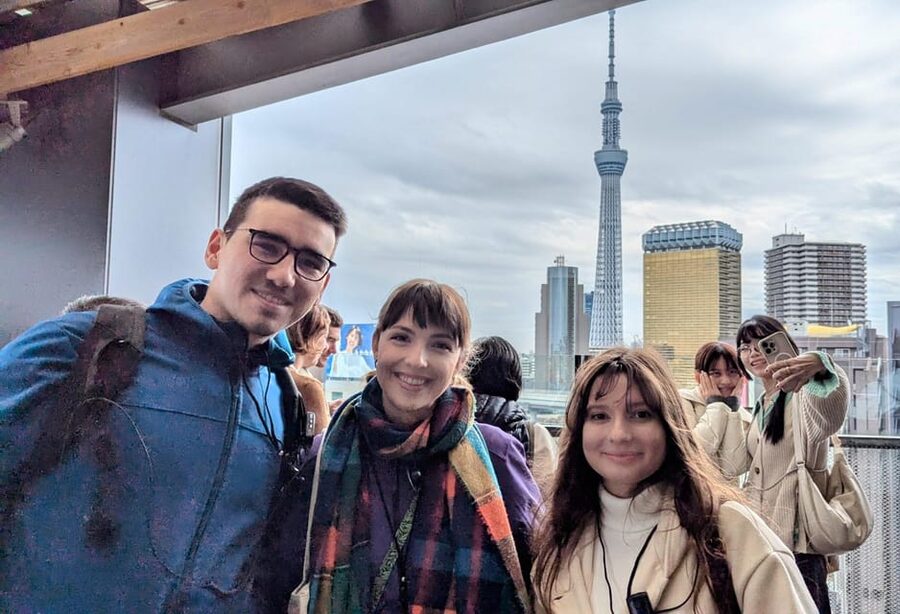
The pier is more than a transport point on this walk. It helps introduce the contrast between old Asakusa and present-day Tokyo. The experience also includes discussion of Tokyo Skytree, including the wordplay behind its 634-meter height. In Japanese, roku-san-yon can be read as 634, giving the number a local linguistic connection.
That kind of detail shows the tour’s style. It is not only concerned with famous buildings. It looks at how language, design, history, and local identity overlap.
Do not expect a boat ride as part of the experience. The pier is a guided sightseeing stop, not a cruise included in the price.
The Asakusa Culture Tourist Information Center viewpoint
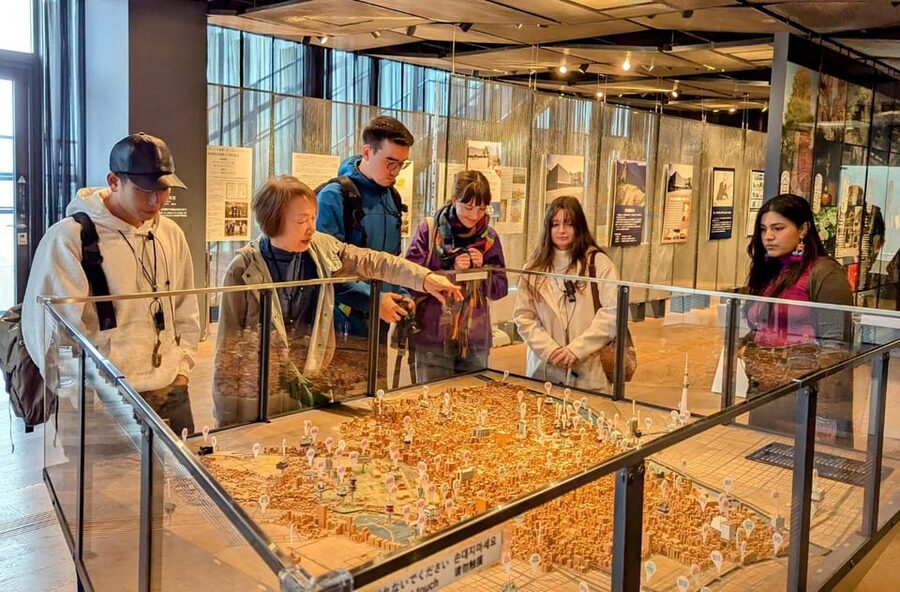
The next stop is the Asakusa Culture Tourist Information Center, with about 30 minutes of guided time. The building itself is worth attention, and the upper viewpoint offers a strong look over the district. One past participant liked the contemporary architecture and returned to the rooftop later in the trip, which tells you how useful this stop can be for getting a clear visual sense of Asakusa.
From above, the streets and temple grounds make more sense. You can see how the shopping route leads toward Sensō-ji and how the older district sits beside newer Tokyo. The guide can also use this high view to discuss the area’s changing role.
This is one of the best places to take photographs. If you enjoy architecture, gardening, or city views, tell the guide early. One guide, Taka, was especially praised for adapting the route to those interests, pointing out good photo locations and giving extra attention to architecture and gardens.
A completely different kind of day out:
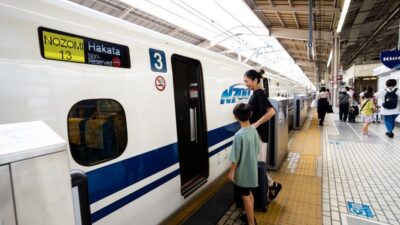
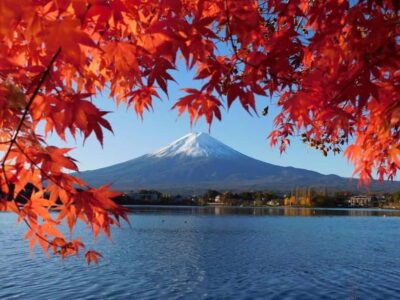
- Mt Fuji and Hakone 1-Day Bus Tour Return by Bullet Train
★ 5.0 · 26,383 reviews - TOKYO SKYTREE® Ticket
★ 4.7 · 25,136 reviews - teamLab Borderless Tickets: MORI Building DIGITAL ART MUSEUM
★ 4.7 · 24,126 reviews - teamLab Planets TOKYO Ticket
★ 4.7 · 21,663 reviews
Kaminarimon and the road to Nakamise
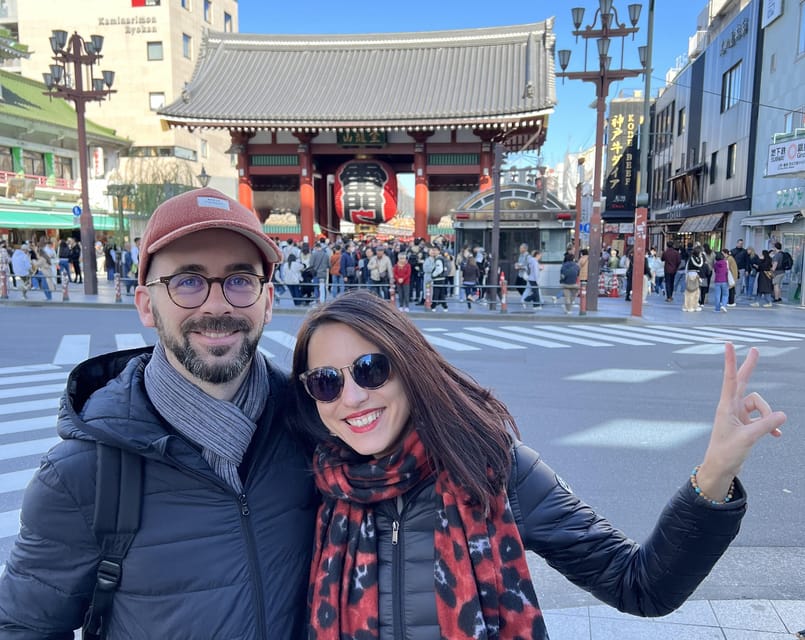
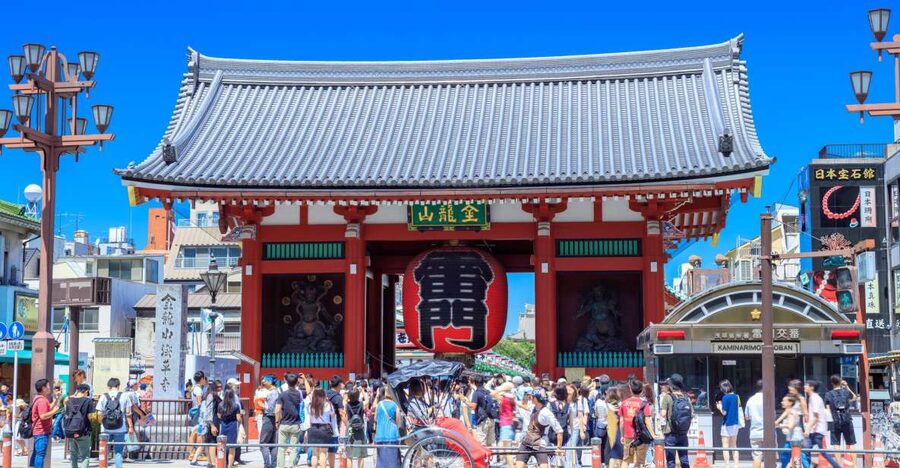
Kaminarimon, or the Thunder Gate, receives about 15 minutes of explanation. It is one of Asakusa’s most recognizable sights, but the value here is learning how to read it rather than simply photographing it.
The gate marks the approach to Sensō-ji and frames the movement from the modern street into a more ceremonial setting. Your guide can explain the symbols and the way the gate functions as an entrance into the temple district.
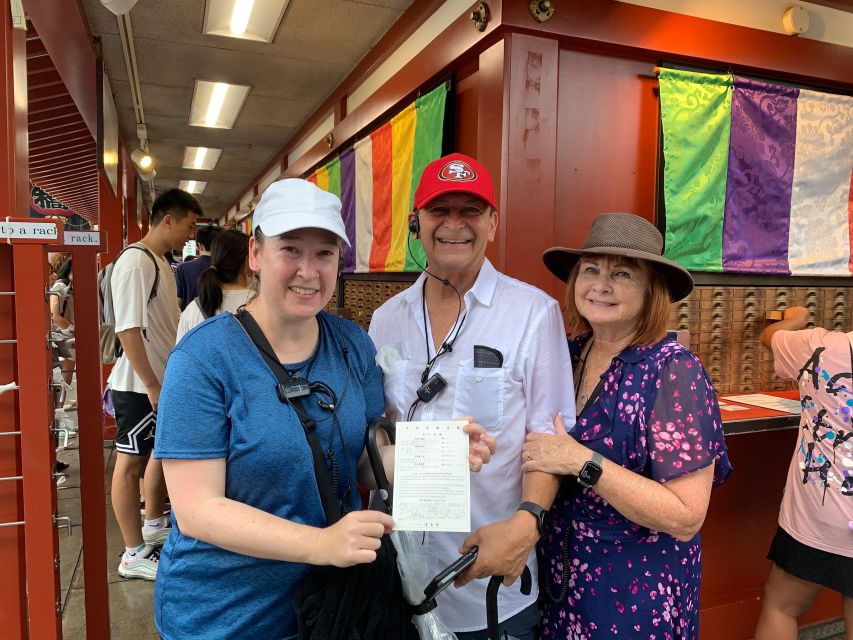
From there, you walk along Nakamise Shopping Street for about 30 minutes. This is the main retail approach to Sensō-ji, filled with traditional snacks, sweets, souvenirs, and small gifts. It is easy to treat Nakamise as a shopping corridor, but the guide places it within the longer story of Asakusa as a place where worship, business, entertainment, and public life meet.
The included tasting of freshly made Japanese traditional snacks and sweets adds a welcome pause. It is not a full meal, so eat beforehand if you need substantial food. The tasting is best viewed as a small introduction to local flavors rather than lunch.
Hōzōmon Gate and Sensō-ji Temple
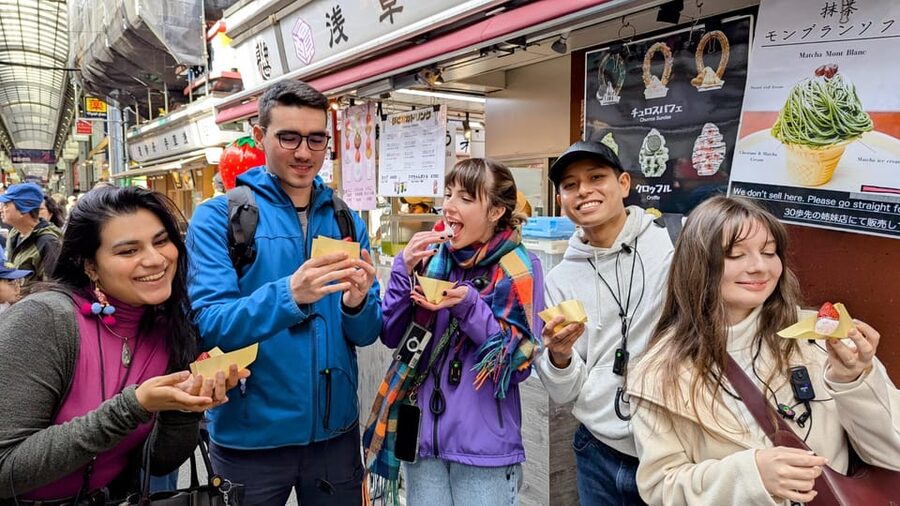
Hōzōmon Gate receives around 15 minutes, followed by approximately 45 minutes at Sensō-ji. This is the longest stop, and rightly so. Sensō-ji is the visual and historical center of the walk.
The guide explains the temple within Japan’s religious life, not just as an old building. You learn how Buddhism and Shinto have complemented one another for more than a thousand years, and why the same people could visit both Buddhist temples and Shinto shrines without seeing a contradiction.
That point is central to understanding Japan. Religious identity here has often been practical and shared. A person might turn to one tradition for one part of life and another tradition for a different need. The tour connects those beliefs to daily customs rather than presenting them as two sealed systems.
Sensō-ji can be crowded, especially around its main approach. The 45-minute visit gives you time to listen, look carefully, and ask questions, but you should not expect a quiet private temple visit. This is a major Tokyo sight, and its popularity is part of the experience.
The tour also explores the idea that Japan contains both a sacred side and a secular side. At Sensō-ji, you are in a place of worship. A short walk away, you find food, theater, shopping, and nightlife. The point is not to judge one side against the other. It is to show how both have long been part of urban Japanese life.
Asakusa Shrine and Yōgō-dō Pavilion
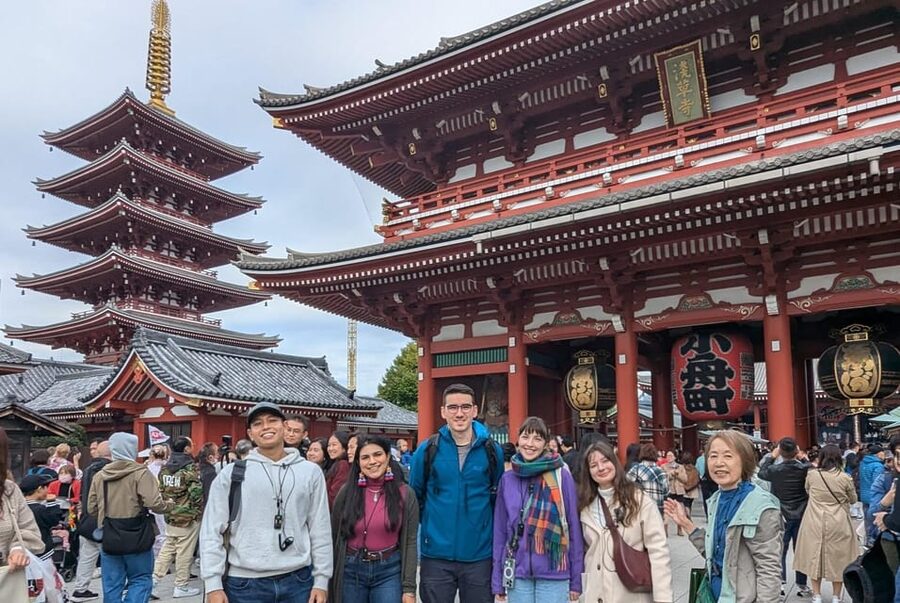
Asakusa Shrine receives about 15 minutes, followed by another 15 minutes at the Yōgō-dō Pavilion. These shorter stops help clarify the relationship between Buddhist and Shinto spaces.
Asakusa Shrine sits close to Sensō-ji, making the shared religious setting easy to understand in physical terms. You do not have to imagine the relationship from a textbook. You can walk from one place to the other and see how the traditions occupy the same historic district.
Yōgō-dō offers another chance to slow down and look at the details of the area. The stop is brief, so the guide’s explanation carries much of the value. Ask questions if you want more context about worship, symbols, or the way people use these sites.
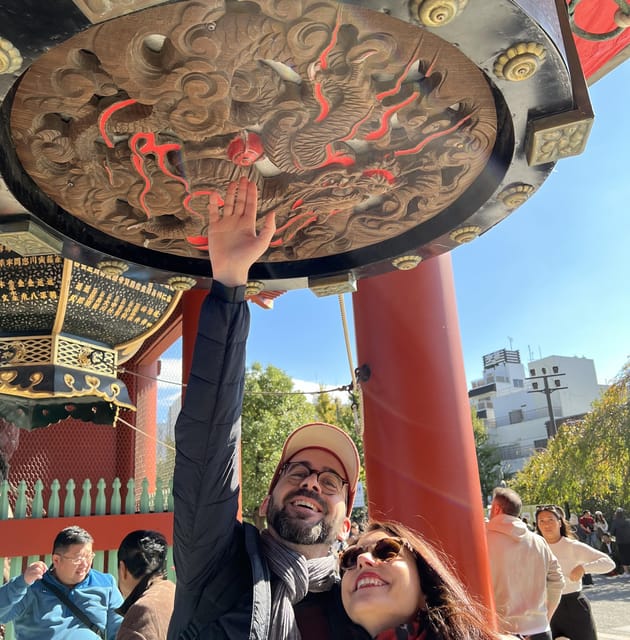
The route also includes an interesting comparison between Japanese and Western ideas of dragons. Their roles and symbolism differ, and the contrast gives you a memorable way to think about cultural assumptions. The guide also discusses similarities in how people thought about life and society around 1,000 years ago.
Nishi-sandō and the feel of old Tokyo
Asakusa Nishi-sandō Shopping Street is a 15-minute stop. Compared with Nakamise, it offers a quieter and more nostalgic mood. This is a useful change of pace after the temple crowds and main shopping route.
The street helps bring the Edo-period theme closer to everyday scale. Rather than looking only at grand gates and famous religious buildings, you see a smaller commercial setting that suggests how older Tokyo might feel in memory and popular culture.
The guide presents this part as a step back toward Edo-era Japan, almost like entering an old film set. That does not mean the street is a preserved museum. Its appeal comes from the atmosphere and the way the guide connects modest streets to a much older urban story.
Asakusa Mokubakan and the neighborhood’s theater past
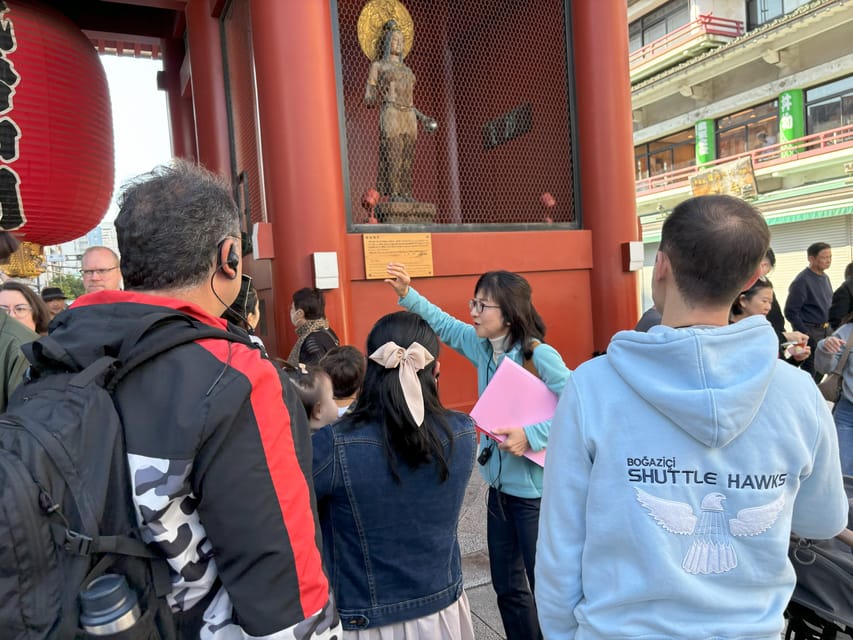
Asakusa Mokubakan receives about 15 minutes. The theater helps explain Asakusa’s place in entertainment history before Shinjuku and Shibuya took on their current fame.
The district was once known for cinemas, vaudeville theaters, performance halls, and other diversions. This part of the walk shows that Asakusa was not only a temple neighborhood. It was also a major leisure center where people came for shows, food, and an evening out.
That history gives the district more depth. The bright shopping streets and temple gates are only part of the picture. You also learn about the working life and popular culture that gave Asakusa its energy during the early 20th century and after the war.
The theater stop is short, so anyone hoping to attend a performance should treat this as an exterior or area visit rather than a show. Its purpose is context.
Hoppy Street and postwar working-class Asakusa
The final 15-minute stop is Hoppy Street, a narrow lane known for old-style Japanese pubs. It brings the walk into a more informal part of Asakusa, far from the polished image of temple tourism.
The street reflects postwar working-class spirit and resilience. You see another side of the district, one tied to casual meals, drinks, and neighborhood social life. The guide’s explanation helps connect this lane with the wider theme of human nature moving between the sacred and the ordinary.
This is not a food tour, and the schedule does not promise a pub meal or drink. Still, Hoppy Street is a useful place to end because it leaves you with practical options for the evening. You can return later for dinner if the atmosphere appeals to you.
Several guides have been praised for avoiding pressure to shop and for adjusting the walk to personal interests. If you are more interested in history, architecture, or gardens than souvenirs, say so. The small group makes that kind of conversation possible.
What the guides add to the walk
The guide is the most important part of this experience. The route itself is easy to follow, but the value comes from explanations, comparisons, and answers to questions.
Ai was praised for looking after the group when cold rain began. Yasu received strong praise for placing Asakusa’s history in context, and Satchi was noted for giving clear historical explanations. Yoko was described as warm, patient, and easy to understand in English. Jun Chan was also praised for careful preparation and polite guidance.
Taka’s approach sounds especially useful if you like a flexible walk. He pointed out toilets before they became urgent, found special photo locations, answered wider questions about Japan, and moved through shopping areas without pushing anyone to buy things. Those small acts matter during a 210-minute tour.
The experience is best when you speak up. Tell the guide if you want more detail about religion, art, architecture, gardens, entertainment, or modern Tokyo. The walk has enough historical material to support different interests.
Walking conditions, weather, and family fit
The tour lasts 210 minutes, or three and a half hours. A moderate amount of walking is involved, with repeated periods of standing at gates, streets, temples, and public spaces.
Wear comfortable shoes. Bring water, though vending machines are available. The tour runs in all weather, so rain protection and suitable clothing are important. Cold rain has already proved that weather can change the feel of the outing, even when the guide does everything possible to help.
The activity is not suitable for people with mobility impairments according to the supplied information. If you have mobility concerns, contact the provider in advance, as they will try to accommodate you. Families can join, and children younger than six may participate without charge, but the historical focus is aimed more at adults.
Is $88 a fair price?
At $88 per person, this is not the cheapest way to see Sensō-ji. You can visit the temple, Kaminarimon, and Nakamise on your own for little or no admission cost.
The price makes more sense if you want interpretation rather than simple access. You are paying for a certified English-speaking guide, a small group capped at eight, headsets for groups of three or more, a snack tasting, and a carefully connected route lasting three and a half hours.
I would consider it good value for a first or second day in Tokyo, especially if Japanese history feels confusing or disconnected. It is less useful for someone who already knows Asakusa well or prefers to wander alone at a slow pace.
The ability to reserve now and pay later adds some planning flexibility. Free cancellation is available up to 24 hours in advance for a full refund, which is useful when weather or Tokyo plans are uncertain.
Should you book this Asakusa walk?
Book it if you want Asakusa to make sense beyond its famous gate and temple. You will get the most from it if you enjoy history, religion, architecture, cultural comparisons, and small details that explain how a neighborhood works.
I would especially recommend it to first-time visitors, adults who want a strong introduction to Japan, and families with older children who can manage several hours on foot. It also suits people who want a guide willing to answer questions instead of rushing from photo stop to photo stop.
Skip it if you want a short temple visit, a dedicated food tour, or a completely private experience. For everyone else, the small group, strong guide feedback, useful viewpoint, and range of Asakusa’s old and modern sides make this a thoughtful way to spend half a day.
FAQ
Where does the tour meet?
The meeting point is in front of the Burger King restaurant beside Exit 4 of Asakusa subway station, G19, on the Ginza Line. Step outside Exit 4 to meet the guide.
How long does the tour last?
The walk lasts 210 minutes, or three and a half hours.
What language is the tour conducted in?
The live tour guide speaks English, and an English audio guide is included.
How large is the group?
The maximum group size is eight participants.
Are headsets provided?
Yes. Headsets are provided for groups of three or more so you can hear the guide clearly.
Are snacks included?
Yes. A selection of freshly made Japanese traditional snacks and sweets is included.
Is hotel pickup included?
No. Hotel pickup and drop-off are not included.
What should I bring?
Bring comfortable shoes and water. Vending machines are available, but bottled water is recommended.
Can children join the tour?
Yes. Families are welcome, and children younger than six may join without charge. The historical focus is recommended mainly for adults.
Just added in Tokyo
- A One-of-a-Kind Sushi Experience in a Special Place of Japan★ 5.0 · 15 reviews
- Tokyo Cute Bento Cooking Class – Make a Kawaii Character Lunchbox★ 5.0 · 126 reviews
- Japanese Home Cooking Class & Walk in Todoroki Temple Tokyo★ 5.0 · 88 reviews
- Japan Tokyo Tower Observatory Deck E-Ticket★ 4.0 · 34 reviews
- Catch a Baseball Game in Tokyo with a Local – Tickets Included★ 5.0 · 24 reviews
- JDM Experience with Fast&Furious RX-7 (English speaking Driver)★ 5.0 · 57 reviews
- Tokyo Private Day Tour by Car with English speaking Driver Guide★ 4.0 · 29 reviews
- Japan Classic 10 Day – One Life Adventures★ 5.0 · 129 reviews
Tokyo Tours, compared.
Tokyo Disney Resort – Tokyo Disneyland & Tokyo DisneySea Park Tickets
Read our review →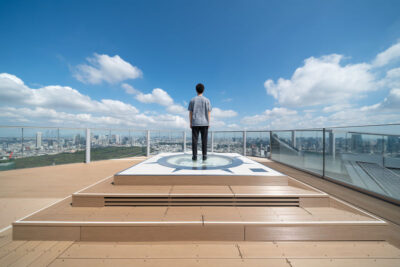
Mt Fuji and Hakone 1-Day Bus Tour Return by Bullet Train
Read our review →

teamLab Borderless Tickets: MORI Building DIGITAL ART MUSEUM
Read our review →