
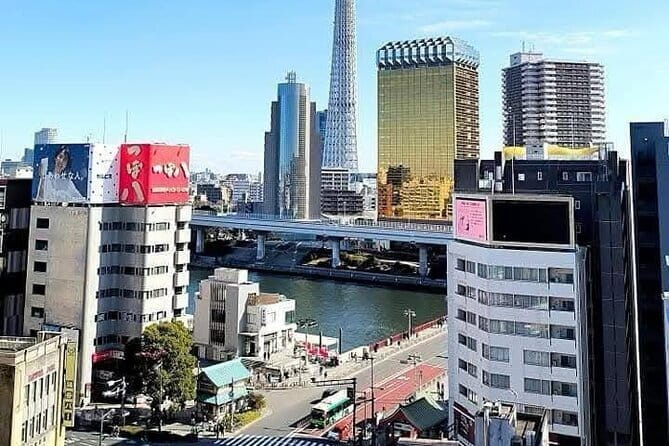
Reviewed · PRIVATE DRIVERS
Best of Tokyo Private Tour English Driver &Customizable Itinerary
Tokyo rewards a clear plan. This private 10-hour tour gives you a comfortable vehicle, an English-speaking driver, Wi-Fi, and the freedom to shape your day around major sights such as Senso-ji, Tsukiji, and Shibuya. I especially like the door-to-door format and the chance to adjust how long you spend at each stop. The main tradeoff is that Tokyo traffic can eat into sightseeing time, and the Tokyo Skytree ticket costs extra.
For up to five people, the $450 group price can make good sense, particularly if you value comfort and dislike crowded trains. I also like that fuel, parking, and private transportation are included. You should still confirm your preferred route before setting out, since the full list of eight stops would leave limited time for lingering, shopping, or an unhurried meal.
In This Review
- Key points before you book
- What a 10-hour private Tokyo day really gives you
- Senso-ji and Asakusa: begin with old Tokyo
- Tokyo Skytree: big views at an extra charge
- Imperial Palace East Gardens and the Edo Castle ruins
- Tsukiji: a food stop with room for your own pace
- Meiji Jingu: a calm break in the city
- Takeshita Street: Harajuku’s youthful shopping strip
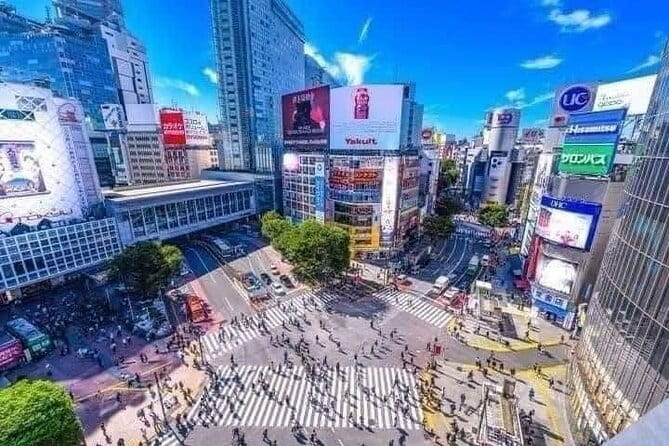
- Shibuya Crossing: Tokyo’s famous organized chaos
- Odaiba: finish beside Tokyo Bay
- The $450 price: good value for the right group
- Who will get the most from this tour
- How I would customize the route
- Should you book the Best of Tokyo Private Tour?
- FAQ
- How long is the Best of Tokyo Private Tour?
- How many people can join the private tour?
- Is hotel or location pickup available?
- Is transportation included?
- Is an English-speaking driver provided?
- Is Tokyo Skytree admission included?
Key points before you book
- Eight famous Tokyo stops: The proposed route covers Asakusa, the Skytree, the Imperial Palace area, Tsukiji, Harajuku, Shibuya, and Odaiba.
- A private car for up to five: You avoid public transport crowds and keep the day limited to your own group.
- A flexible schedule: You can choose the places you visit and decide how long to stay at each one.
- Wi-Fi in the vehicle: Handy for maps, messages, translation tools, and checking the next stop.
- One clear extra cost: Tokyo Skytree admission is not included and is listed at about ¥2,600 to ¥3,800 for adults and ¥1,000 to ¥1,550 for children ages 6 to 11.
- Strong satisfaction record: The experience has a 5.0 rating from 17 reviews, with 100 percent recommending it.
What a 10-hour private Tokyo day really gives you
The greatest strength here is control. A shared sightseeing bus follows its timetable, but this tour lets you set the rhythm. If Senso-ji matters more to you than Odaiba, you can give Asakusa extra time. If you want a quick photo at Shibuya Crossing and a longer visit to the Skytree, the route can be adjusted.
The vehicle is air-conditioned, and Wi-Fi is provided onboard. That matters in Tokyo, where a long day of walking can be tiring and where changing trains can take time even when the system runs well. You can use the car as a moving base between districts, rather than carrying shopping bags and day packs through several stations.
The group limit is five people. That makes this a good fit for a family, two couples, or a small group of friends. You are not sharing the vehicle with strangers, and the driver can focus on your party’s schedule.
Still, private transport does not make Tokyo traffic disappear. The itinerary covers districts spread across the city, so the time between stops can vary. The listed sightseeing periods add up to roughly seven hours and 35 minutes, leaving about two hours and 25 minutes within a 10-hour day for driving and adjustments. That is workable, but the day will feel full if you try to visit every stop.
More Private Tours in Tokyo
- Tokyo 6hr Private Tour with Government-Licensed Guide
★ 5.0 · 3,902 reviews - Private Tour to Mt. Fuji and Hakone (Fully Licenced Operator)
★ 5.0 · 1,910 reviews - Tokyo Customized Private Tour (Must See Places in 1 Day)
★ 5.0 · 1,499 reviews
Senso-ji and Asakusa: begin with old Tokyo
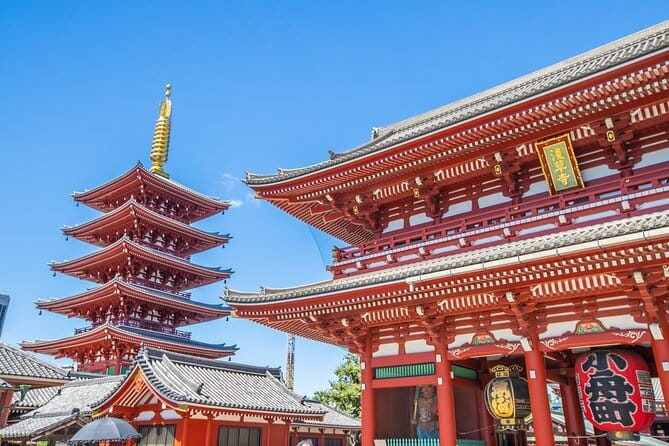
The tour begins with one hour at Senso-ji Temple in Asakusa. Founded in 628, Senso-ji is one of Tokyo’s most important Buddhist temples and one of the city’s essential first stops.
This is a strong opening because it gives you a sense of Tokyo’s older religious and cultural side before the day moves into modern districts. The temple complex has five main features, although the supplied details do not name each one. You can expect the visit to center on the temple grounds and its major architectural points.
An hour is enough for a meaningful visit without making the morning drag. I would use this stop to slow down, look carefully, and take in the contrast between traditional temple buildings and the city around them.
Because admission is included, there is no separate entrance charge to plan for here. Your main limitation is time. If you want to browse the surrounding area at length, you may need to shorten another stop or ask for a more focused route.
Tokyo Skytree: big views at an extra charge
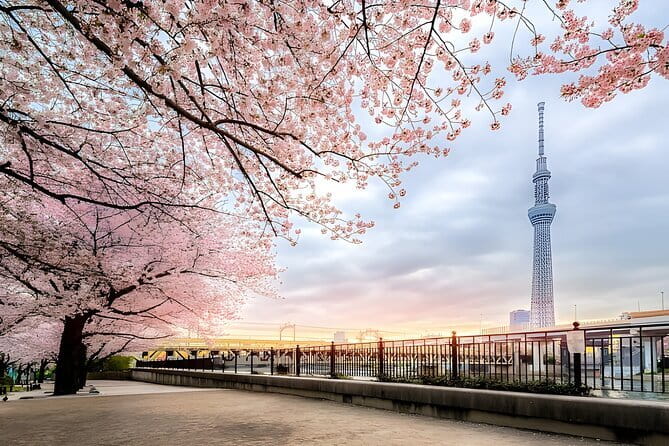
The next listed stop is Tokyo Skytree, the 634-meter broadcasting tower completed in 2012. It is one of Tokyo’s most recognizable landmarks and one of the tallest structures in the world.
The suggested visit lasts one hour and 30 minutes, making this the longest stop of the day. That gives you time to visit the tower and enjoy the views without rushing through the building. The exact experience depends on the ticket option available when you book or visit.
Skytree admission is not included. Adult tickets are listed at approximately ¥2,600 to ¥3,800, while children ages 6 to 11 pay about ¥1,000 to ¥1,550. Build this into your budget before booking, especially if all five people in your group want to go up.
This stop also raises an important planning question. If your group prefers city views, the Skytree may be worth the added cost and time. If you would rather spend more time in neighborhoods, shopping streets, or markets, you can ask to skip it or make it a shorter photo stop. The private format gives you that choice.
Imperial Palace East Gardens and the Edo Castle ruins
The itinerary allows 30 minutes at the East Gardens of the Imperial Palace, including the Edo Castle ruins. The Imperial Palace is the official residence of Japan’s Emperor and Empress, so this stop brings you to the symbolic heart of modern Japan.
Half an hour is a short visit. It works best if you want a quick look at the grounds and the castle remains rather than a long garden walk. The gardens have free admission, which keeps this stop easy on the budget.
I like this inclusion because it gives the day a useful middle point between religious Tokyo and the city’s newer commercial districts. The stop is not built around a costly attraction. Instead, it offers a glimpse of imperial Japan and Edo-era Tokyo without adding another ticket.
If gardens and castle remains are high on your list, ask the driver whether more time can be taken from a less important stop. Otherwise, treat this as a brief historical pause and keep moving.
A completely different kind of day out:
- Tokyo Disney Resort – Tokyo Disneyland & Tokyo DisneySea Park Tickets
★ 4.8 · 99,488 reviews - SHIBUYA SKY Ticket
★ 4.7 · 46,509 reviews - JR Whole Japan Rail Pass
★ 4.8 · 29,150 reviews - Mt Fuji and Hakone 1-Day Bus Tour Return by Bullet Train
★ 5.0 · 26,383 reviews
Tsukiji: a food stop with room for your own pace
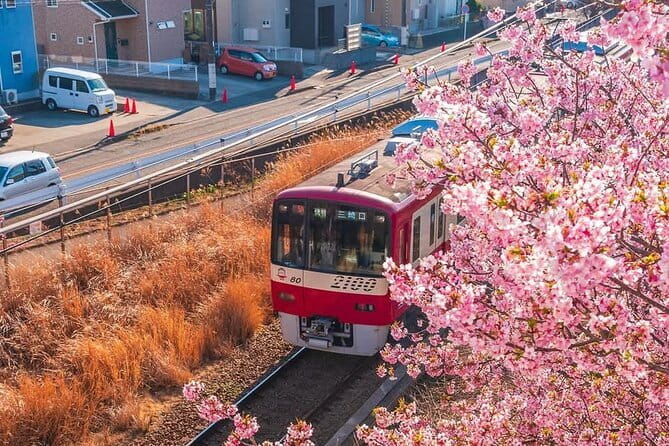
Tsukiji Fish Market receives one hour. The market is famous for seafood, its tuna auctions of the past, and the food stalls and shops that remain part of the area’s appeal. The supplied itinerary lists admission as included.
One hour is enough to look around and sample the atmosphere, but it may pass quickly if you want to eat, shop, and inspect every seafood counter. This is one place where a customizable schedule has real value. You can make it a short visit or give it more time by trimming a stop that matters less to your group.
I would treat Tsukiji as a chance to eat and browse rather than as a formal museum visit. Keep your schedule flexible, since food stops naturally take longer when you see something you want to try. The private vehicle also means you do not need to manage a transfer to the next district with market bags in hand.
Meiji Jingu: a calm break in the city
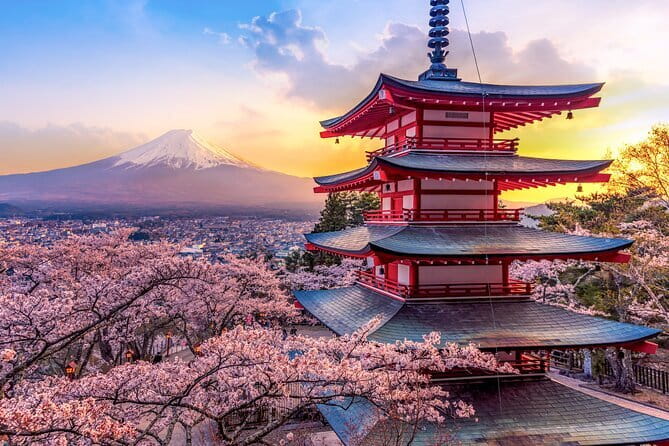
Meiji Jingu Shrine gets 50 minutes. Dedicated to Emperor Meiji and Empress Shoken, it is one of Tokyo’s best-known Shinto shrines and an important place connected with Japan’s modern imperial period.
This stop balances the day nicely. After the commercial energy of Tsukiji and before the youth culture of Harajuku, Meiji Jingu offers a more reflective setting. Admission is included.
Fifty minutes should allow a focused visit, though the shrine grounds may encourage you to linger. If your priority is a quiet cultural stop, I would protect this part of the schedule. If your group is more interested in shopping, you may prefer to give some of this time to Takeshita Street.
The tour’s mix of Buddhist Senso-ji and Shinto Meiji Jingu is one of its better features. You get two different religious settings rather than eight stops that all feel alike.
Takeshita Street: Harajuku’s youthful shopping strip
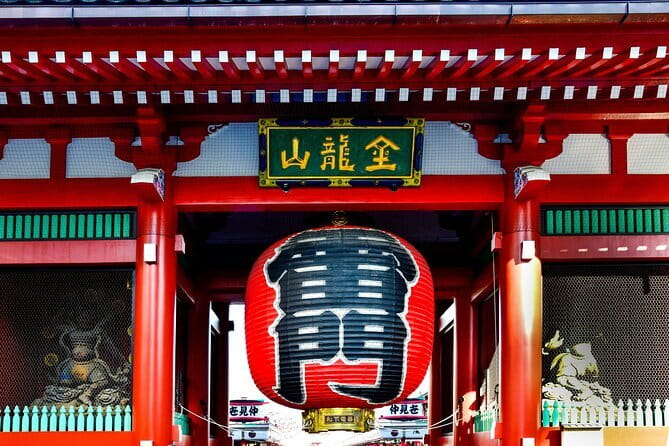
Takeshita Street is a roughly 350-meter pedestrian shopping street in Harajuku. The planned visit lasts 45 minutes, enough for a quick walk and some browsing.
This is the most casual stop on the route. You will find a different side of Tokyo here, centered on youth fashion, specialty shops, and snack stops. It is a useful contrast with the temples and imperial sites earlier in the day.
The drawback is simple: 45 minutes is not much time if you want to shop seriously. The street can also be a place where you lose track of time, especially if someone in your group wants to browse every storefront. Decide before arriving whether you want a quick look or a focused shopping break.
Because the itinerary is customizable, this is an easy stop to shorten. You could also ask for extra time here if Harajuku is a major interest and reduce time elsewhere.
Shibuya Crossing: Tokyo’s famous organized chaos
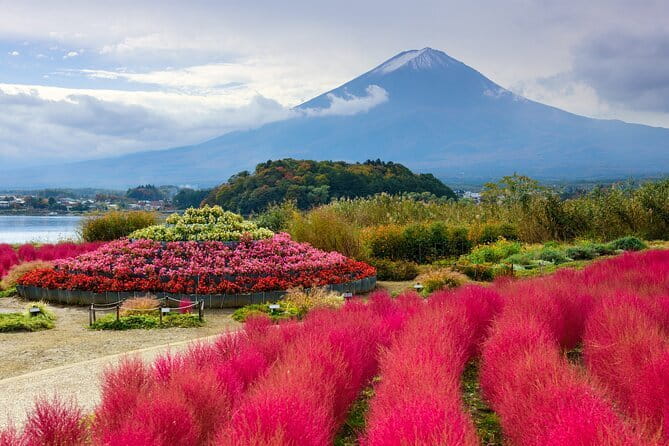
The schedule allows 30 minutes at Shibuya Crossing, the famous intersection in front of Shibuya Station. Pedestrians cross from several directions at once, creating the organized movement that makes this one of Tokyo’s best-known city scenes.
Half an hour is enough to see the crossing and take photographs. It is not enough for a full Shibuya shopping session, so keep your expectations clear. This is a quick city snapshot, not a complete neighborhood visit.
I like the short timing here. The crossing itself does not require a long stay, and saving time for other districts makes sense. If you want to visit shops or spend time around the station, ask to extend the stop and shorten a less important one.
This is also a good example of why the private format helps. You can make Shibuya a simple photo stop rather than arranging a separate return trip later.
Odaiba: finish beside Tokyo Bay
The final listed stop is Odaiba, a man-made island in Tokyo Bay. It began as a military defense area in the 1850s and later became an entertainment district. The planned visit is one hour.
Odaiba gives the tour a modern finish. After temples, castle ruins, shrines, markets, and shopping streets, you end in a district shaped by reclaimed land and newer development. Admission is listed as included.
An hour gives you a taste of the area, but Odaiba is broad enough that you should ask which part fits your interests. The tour description identifies it as an entertainment district but does not promise a specific attraction, so your driver can help shape the stop around your priorities.
The location also makes this a useful final stop for a private vehicle. You avoid arranging another cross-city transfer at the end of a long day. After 10 hours, that convenience is worth something.
The $450 price: good value for the right group
The listed price is $450 per group of up to five, not $450 per person. If five people join, that works out to $90 each. For four people, it is $112.50 each, and for two people it becomes $225 each before any Skytree tickets.
That pricing makes the tour most appealing to a full small group. You are paying for the vehicle, driver, fuel surcharge, parking fees, Wi-Fi, and the ability to customize the route. You are not paying extra for fuel or parking during the day.
The value is less obvious for one or two people who are comfortable using Tokyo’s public transportation. Tokyo’s trains can be efficient and affordable, though they may involve crowded platforms, transfers, and more walking. The private car is buying you time, comfort, and simplicity rather than merely a ride.
Remember to add the Skytree admission if you choose that stop. The other listed stops are described as free or included, but the Skytree ticket is specifically excluded.
Who will get the most from this tour
I would consider this tour for:
- Families that want to avoid repeated train transfers
- Small groups of up to five who can share the cost
- First-time Tokyo visitors who want a broad city introduction
- People with limited time who prefer a planned sightseeing day
- Visitors who value an English-speaking driver
- Anyone who wants to combine traditional sites, markets, shopping, and modern districts
It is less suitable if you prefer to spend a whole day in one neighborhood. It may also frustrate serious museum visitors, food-focused visitors, or shoppers who need long, unhurried stops. The route is wide-ranging, so you will see a lot without fully exploring every area.
The tour is listed as suitable for most people, allows service animals, and is near public transportation. Confirmation is received at booking. Free cancellation is available until 24 hours before the start time, but changes or cancellations inside that window are not accepted and are not refunded.
How I would customize the route
If this were my day, I would first rank the stops rather than automatically accepting all eight. A route with Senso-ji, Tsukiji, Meiji Jingu, Shibuya, and either Skytree or Odaiba would feel more relaxed.
If you want the classic first-time Tokyo mix, keep Senso-ji, Skytree, Imperial Palace East Gardens, Meiji Jingu, Shibuya, and Odaiba. If food and neighborhoods matter more, protect Tsukiji and Takeshita Street, then shorten the palace gardens or make the Skytree a brief exterior stop.
Ask for the day to reflect your group’s energy. A family with children may want fewer temple and garden stops. A group interested in Japanese culture may prefer more time at Senso-ji and Meiji Jingu. A first visit with limited time may favor famous viewpoints and Shibuya over shopping.
The strongest praise connected with this provider describes a private service that feels bespoke rather than rigid. That is the quality to look for here. Use the driver’s flexibility, but communicate your priorities early so the 10 hours do not become a race between eight locations.
Should you book the Best of Tokyo Private Tour?
Book it if you want a private, comfortable overview of Tokyo and can gather three to five people to share the $450 cost. The included vehicle, driver, Wi-Fi, fuel, and parking remove much of the day’s practical work, while the flexible route lets you adjust the balance between temples, food, shopping, views, and modern Tokyo.
Skip it if your budget is tight, you enjoy trains, or you want to explore one district slowly. Also remember that Tokyo traffic and the wide route limit how deeply you can visit each place.
For a small group with a busy schedule, this is a sensible way to see many of Tokyo’s major sights in one day. Just choose your priorities, budget separately for the Skytree, and resist the urge to treat every stop as mandatory.
FAQ
How long is the Best of Tokyo Private Tour?
The tour lasts approximately 10 hours.
How many people can join the private tour?
The price covers one private group of up to five people.
Is hotel or location pickup available?
Pickup is offered as part of the experience.
Is transportation included?
Yes. The tour includes private transportation in an air-conditioned vehicle, fuel surcharge, and parking fees.
Is an English-speaking driver provided?
Yes. An English-speaking driver is included.
Is Tokyo Skytree admission included?
No. Skytree admission costs extra. The listed prices are approximately ¥2,600 to ¥3,800 for adults and ¥1,000 to ¥1,550 for children ages 6 to 11.
More Private Drivers in Tokyo
- Mt Fuji Private Tour with English Speaking Driver
★ 5.0 · 861 reviews - Mt. Fuji & Hakone Private Day Tour with English-Speaking Driver
★ 4.5 · 824 reviews - Haneda Airport (HND) Private Transfer to Central Tokyo
★ 4.5 · 636 reviews - Mt. Fuji, Hakone Full-Day Private Tour with English Driver Guide
★ 4.5 · 458 reviews
Just added in Tokyo
- Very popular in Harajuku♡Animal petting zoo★ 4.6 · 39 reviews
- Yokohama Port: Private Customizable Tour with Transfer★ 5.0 · 19 reviews
- Wagyu & Sake 8 Course Tasting Dinner in Shinjuku★ 4.9 · 20 reviews
- Warner Bros. Studio Tour Tokyo – The Making of Harry Potter★ 4.8 · 181 reviews
- Yanaka District: Historical Walking Tour in Tokyo’s Old Town★ 4.8 · 117 reviews
- Tokyo: Classic Tsukiji Food Tour★ 4.9 · 78 reviews
- Tokyo: Tsukiji Fish Market Tour with 6 Stops & Seafood Lunch★ 4.5 · 165 reviews
- Tokyo Wagyu & Sake Pairing Tasting Experience with Local Flavors★ 5.0 · 108 reviews
Private Drivers, compared.
Mt Fuji Private Tour with English Speaking Driver
Read our review →
Mt. Fuji & Hakone Private Day Tour with English-Speaking Driver
Read our review →
Mount Fuji Full-Day Small Group driver-guide tour (with Pick-up option)
Read our review →
Haneda Airport (HND) Private Transfer to Central Tokyo
Read our review →
Mt. Fuji, Hakone Full-Day Private Tour with English Driver Guide
Read our review →
Mt. Fuji Day Trip from Tokyo with English Speaking Driver Guide
Read our review →Mt. Fuji Private Tour with English Speaking Driver
Read our review →
Mt. Fuji & Hakone Private Custom Tour English Driver
Read our review →Browse the lists this tour appears in