Reviewed · TOKYO TOURS
Catch a Baseball Game in Tokyo with a Local – Tickets Included
Forget quiet spectators. Japanese baseball turns a game into a night of music, chants, snacks, and shared team pride. This small-group outing gives you a local guide, game ticket, stadium walk, and help with the cheers, so you can enjoy the atmosphere without worrying about Japanese language barriers.
I like two things right away: the ticket is handled for you, and the guide helps you take part rather than simply pointing you toward your seat. Jason and Kristi have been praised for clear meeting instructions, team cheer sheets, local snacks, and help with team gear. The main drawback is that seats in the home cheering section are not guaranteed, and some bookings have placed part of a group higher in the stadium.
In This Review
- Key things to know before you book
- Why Japanese baseball feels different
- Meeting at the station and walking to the game
- Tokyo Dome, Meiji Jingu, or Yokohama Stadium
- Learning the cheers in the home section
- Snacks, beer vendors, and stadium food
- What the $110 price really buys
- Timing, weather, and practical comfort
- Who should book this baseball experience
- FAQ
- Where does the baseball game take place?
- Is the baseball ticket included?
- How long does the experience last?
- Where do I meet the guide?
- Do I need to understand baseball rules?
- Are snacks included?
- Can I sit in the home cheering section?
- Can I bring food, drinks, a camera, or a backpack?
- What happens if bad weather cancels the experience?
- Should you book it?
Key things to know before you book
- Japanese baseball is highly participatory: Learn player chants and team cheers, then join the home fans instead of watching in silence.
- The stadium can change: Games may take place at Tokyo Dome, Meiji Jingu Stadium, or Yokohama Stadium, depending on the schedule.
- You get more than a ticket: The experience includes snacks, local guidance, and, for some games, a home jersey and cheering items to borrow.
- The group stays small: A maximum of six people makes it easier to ask questions and follow the guide through the station and stadium.
- Seats can affect the experience: Outfield cheering sections offer the loudest action, but ticket location depends on availability.
- Bring practical expectations: Dinner is not included, and the 3 to 4 hour outing involves public transport and a walk to the stadium.
Why Japanese baseball feels different
If you know baseball from the United States, Canada, or another country, the basic game will be familiar. The crowd culture is not.
Japanese fans often organize their support around individual players. A batter steps up, and a coordinated chant begins. Music, rhythm, hand movements, and repeated songs keep the home section involved from inning to inning. You do not need to know the rules or speak Japanese to enjoy it, but learning a few cheers makes the evening far more fun.
That is where the local guide earns the ticket price. Jason has provided printed or transliterated cheer sheets, explained when to join in, and helped first-time visitors follow the action. Kristi has also been praised for her fluent Japanese and English, thoughtful communication, and care with practical needs.
You are not simply being dropped at Tokyo Dome with a ticket in your hand. You meet at a train station, walk to the stadium together, and get a basic introduction to Japanese baseball and its major teams. That removes a fair amount of stress on a busy game night.
The experience works for serious baseball fans, but I would not limit it to them. Several comments describe it as a highlight even for people who do not usually follow the sport. The singing, stadium food, team merchandise, and crowd rituals provide plenty to watch between pitches.
A few more options to weigh up in Tokyo
- Tokyo Disney Resort – Tokyo Disneyland & Tokyo DisneySea Park Tickets
★ 4.8 · 99,488 reviews - SHIBUYA SKY Ticket
★ 4.7 · 46,509 reviews - JR Whole Japan Rail Pass
★ 4.8 · 29,150 reviews
Meeting at the station and walking to the game
The exact meeting point depends on the booking, but the plan is simple: meet at a train station and walk to the selected stadium with your guide. Public transport is part of the outing, so you should be comfortable getting to the station and walking from there.
This start is useful because stadium areas can feel confusing when you are dealing with Japanese signs, crowds, and several nearby entrances. Jason has been praised for sending clear directions before the event and helping people understand how to reach the meeting point.
One practical warning is worth taking seriously: check the most recent meeting information in the online chat, not only an automated email reminder. One person found the meeting point confusing because the two sets of instructions did not match. Give yourself time and read the current message carefully.
The walk also gives you time to ask questions. Your guide can explain which teams are playing, how the home and visiting sections work, and what to expect once you enter. If you want team merchandise, the group may stop at a shop or stadium store before the game.
The experience lasts about three to four hours, though the actual game length can vary. The stated plan is to watch the game together, so you should expect to spend most of the outing inside the stadium rather than rushing in for a short visit.
Tokyo Dome, Meiji Jingu, or Yokohama Stadium
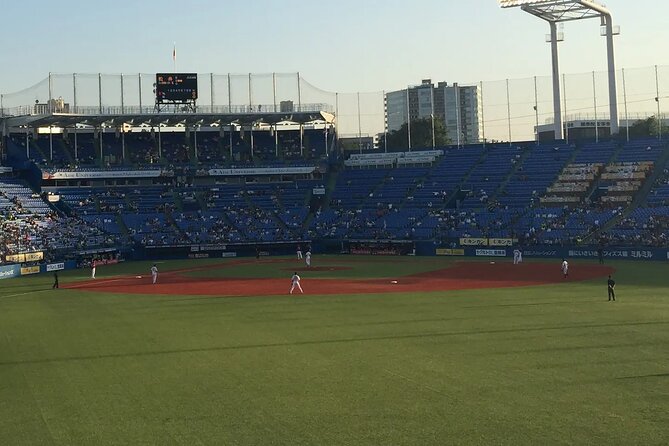
The venue is not fixed. Depending on the schedule, your game may be at Tokyo Dome, Meiji Jingu Stadium, or Yokohama Stadium.
Tokyo Dome is home territory for the Yomiuri Giants and offers the most weather-proof option of the three. It is indoors and air conditioned, which matters during Tokyo’s hot summer months. One family attending in early July was especially glad to escape the heat inside the dome.
Tokyo Dome also suits first-time visitors who want a large, polished sports setting. The Giants have a major following, and a game against a team such as the Hiroshima Carp can produce a loud home crowd. If the Giants are your target, check the team schedule before booking or ask the provider which game is planned.
Meiji Jingu Stadium offers a different setting. The tour information confirms it may host some games, but it does not promise a particular team, seat area, or stadium condition. You should treat the venue as part of the booking details to confirm rather than assume.
Yokohama Stadium is another possible location. Again, the key point is flexibility. This is not a guaranteed Tokyo Dome tour. If you have your heart set on the Giants, you need to confirm the schedule and venue before paying.
That variation can be a benefit. You may see a different team, fan style, or part of the greater Tokyo baseball scene. It can also be a limitation if the stadium itself matters more to you than the local baseball experience.
Learning the cheers in the home section
The best part of the evening may be the first chant you manage to join.
Your guide can explain the player songs and show you when to clap, sing, or stand. Printed song sheets and transliterations have helped English-speaking visitors follow along. You do not need perfect pronunciation. The point is to participate with the people around you.
The home cheering section is usually the most energetic place to sit. Fans may stand for long stretches, sing in unison, and keep supporting the team even when the score turns sour. One group described chanting all night from the cheering section. Another found the section so engaged that it became the main attraction.
The catch is that your seat may not be there. One booking placed part of a group in the cheering section while other members sat higher up. The higher seats still offered a good view and let people watch the organized support below, but the experience was less hands-on.
If joining the chants is your top priority, ask about seating before booking and book early. The information provided does not promise cheering-section seats for every game. Availability, stadium rules, and ticket supply can affect the arrangement.
At some venues, bench-style seating can feel tight, especially for larger North American visitors. This is not a dealbreaker, but it is useful to know before settling in for several hours.
A completely different kind of day out:
- Mt Fuji and Hakone 1-Day Bus Tour Return by Bullet Train
★ 5.0 · 26,383 reviews - TOKYO SKYTREE® Ticket
★ 4.7 · 25,136 reviews - teamLab Borderless Tickets: MORI Building DIGITAL ART MUSEUM
★ 4.7 · 24,126 reviews - teamLab Planets TOKYO Ticket
★ 4.7 · 21,663 reviews
Snacks, beer vendors, and stadium food
Snacks are included, but dinner is not. Your guide may bring Japanese rice treats or other small foods, giving you something to try as the game begins. This is a nice touch because it adds a bit of local flavor without turning the outing into a formal food tour.
You can also buy food and drinks inside the stadium. Outside food and drinks are allowed, except for glass bottles and cans, so you have some control over your meal budget. That is useful if you want a full dinner, have dietary preferences, or simply prefer to bring something familiar.
The drink vendors are part of the show. Beer sellers move through the seating areas carrying large tanks and pour drinks for fans without requiring everyone to leave the game. This unusual service is one of the small details that helps the evening feel different from a typical North American ballpark visit.
Because dinner is not included, plan your spending beyond the $110 tour price. You may want a meal before the game, food inside, or both. The included snacks are best viewed as a welcome extra, not a complete dinner.
Team merchandise is another optional expense. The guide may take you shopping before the game, and buying a cap, towel, or jersey can make it easier to join the home crowd. A borrowed home jersey and cheering goods may be available for some games, but you should not assume they come with every booking.
What the $110 price really buys
The price is $110 per person. That includes the baseball ticket, local guide, snacks, and, for some games, a home jersey and cheering goods to borrow.
The value depends on what you want from the night. If you only need a ticket and are comfortable navigating Tokyo’s stadium system alone, you may find a cheaper option online when a game is not sold out. One person specifically noted that independent tickets can cost less if you plan ahead.
The guide becomes more valuable if you want the cultural side of the event. You are paying for help choosing the right entrance, understanding the fan rituals, learning the chants, handling language questions, and getting into the mood of the home section. For a first Japanese baseball game, that support can turn a confusing evening into an easy one.
You also avoid the risk of buying the wrong section or missing out because of language barriers. One guide even noticed that a group had overpaid for tickets and arranged a refund. That kind of honest handling is exactly what I want from a paid local experience.
A group of up to six keeps the outing personal. It is not a private tour, but it is small enough that the guide can answer questions and help with station directions. Group discounts may be offered, though the available information does not state the discount amount.
Timing, weather, and practical comfort
Most people can take part, and the activity is near public transportation. Cameras are allowed, and backpacks and bags are permitted. Since you will be moving through a station, walking to the stadium, and sitting through a game, wear comfortable shoes.
Weather matters because the experience can be canceled in poor conditions. If that happens, you are offered a different date or a full refund. Tokyo Dome is indoors, but Meiji Jingu Stadium and Yokohama Stadium are open-air venues, so the venue and forecast are worth checking.
The activity has a strict non-refundable cancellation policy for ordinary changes. Once booked, you cannot cancel or amend it for a refund. I would book only after confirming your travel dates and checking the likely game schedule.
Accessibility help may be possible, but it needs to be requested. Kristi arranged elevator service for a person who had difficulty walking. That is encouraging, but you should share mobility needs in advance rather than rely on last-minute assistance.
The game may be hot, noisy, and crowded, especially in an active home section. For some people, that is the whole point. If you prefer quiet seats and a quick exit, ask about a less intense section before the tickets are finalized.
Who should book this baseball experience
I would recommend it most strongly to:
- First-time visitors who want help with Japanese baseball customs
- Baseball fans who want a local view rather than a standard ticket purchase
- Families with older children or teenagers
- Solo visitors who want a small group and an easy social evening
- People curious about Japanese fan chants, snacks, and team culture
- Anyone worried about buying the wrong ticket or navigating the stadium alone
You do not need to know baseball rules. The guide can explain the basics, and the crowd provides plenty of entertainment even during slower parts of the game.
I would be more cautious if you need a guaranteed Tokyo Dome game, guaranteed cheering-section seats, or the lowest possible ticket price. The venue can vary, seats depend on availability, and independent tickets may be cheaper if you are willing to plan and navigate on your own.
FAQ
Where does the baseball game take place?
The game may be held at Tokyo Dome, Meiji Jingu Stadium, or Yokohama Stadium, depending on the schedule.
Is the baseball ticket included?
Yes. Admission to the selected game is included in the price.
How long does the experience last?
The approximate duration is three to four hours.
Where do I meet the guide?
You meet the guide at a train station, then walk together to the stadium.
Do I need to understand baseball rules?
No. The guide can explain Japanese baseball, the major teams, and the fan cheers during the experience.
Are snacks included?
Yes. Snacks are included, and guides have brought items such as Japanese rice treats. Dinner is not included.
Can I sit in the home cheering section?
You may sit in the home cheering section, but this is not guaranteed for every booking. Seat location depends on availability.
Can I bring food, drinks, a camera, or a backpack?
Cameras, backpacks, and bags are allowed. Outside food and drinks can be brought inside, but glass bottles and cans are not permitted.
What happens if bad weather cancels the experience?
If the experience is canceled because of poor weather, you are offered another date or a full refund. Ordinary cancellations and amendments are non-refundable.
Should you book it?
Book this experience if you want more than a seat at a game. The chants, team songs, home fans, stadium snacks, and local explanations make Japanese baseball easy to enjoy, even if you are not a dedicated sports fan.
The $110 price is fair for the ticket, snacks, small group, and personal help, but it is not the cheapest way to enter a stadium. Ask about the venue and seating before booking, read the current meeting instructions carefully, and remember that dinner is extra.
For a first baseball night in Tokyo, I would choose this guided option over going alone. You may not get the exact section you want, but you are far more likely to understand what is happening, join the cheering, and leave with a story beyond the final score.
Just added in Tokyo
- Japanese Home Cooking Class & Walk in Todoroki Temple Tokyo★ 5.0 · 88 reviews
- A One-of-a-Kind Sushi Experience in a Special Place of Japan★ 5.0 · 15 reviews
- Tokyo Cute Bento Cooking Class – Make a Kawaii Character Lunchbox★ 5.0 · 126 reviews
- Japan Tokyo Tower Observatory Deck E-Ticket★ 4.0 · 34 reviews
- JDM Experience with Fast&Furious RX-7 (English speaking Driver)★ 5.0 · 57 reviews
- Tokyo Private Day Tour by Car with English speaking Driver Guide★ 4.0 · 29 reviews
- Japan Classic 10 Day – One Life Adventures★ 5.0 · 129 reviews
- Tokyo Sushi Making Class : Sake Ceremony & Matcha Experience★ 5.0 · 44 reviews
Tokyo Tours, compared.
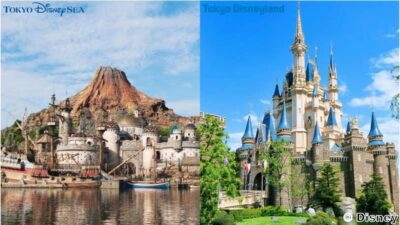
Tokyo Disney Resort – Tokyo Disneyland & Tokyo DisneySea Park Tickets
Read our review →
Mt Fuji and Hakone 1-Day Bus Tour Return by Bullet Train
Read our review →

teamLab Borderless Tickets: MORI Building DIGITAL ART MUSEUM
Read our review →