Reviewed · TOKYO TOURS
Craft Your Own Elegant Handmade Chopsticks from Scratch
Small craft, big souvenir. This two-hour workshop in Sasazuka lets you shape hinoki cypress wood into chopsticks fitted to your hand and eating habits, then take the finished pair home. You work with real craftsmen’s tools, sand the wood by hand, and finish it with camellia oil.
I like the quiet workshop setting and the patient, personal instruction, especially with English translation available. I also like that the class connects chopsticks with Japanese food culture, since different shapes suit sushi, tempura, ramen, and other dishes. The main consideration is price: at $97.98 per person, this costs more than a simple souvenir-shopping stop, and the minimum booking is two people.
In This Review
- Key points before you book
- Why this Sasazuka workshop is worth your afternoon
- Meeting at Sasazuka Station and walking to Kakehashi
- Before carving, learn why chopsticks are not all alike
- The 55-minute chopstick-making session
- The optional 25-minute lacquer workshop
- What makes the finished chopsticks a good souvenir
- The people and teaching style
- Is $97.98 a fair price?
- Who should book this experience?
- Final decision: book it for the making, not just the souvenir
- FAQ
- Where does the chopstick-making experience begin?
- How do I reach the workshop from the station?
- How long does the activity take?
- What material are the chopsticks made from?
- Can I choose the shape of my chopsticks?
- Is the lacquer-coating session required?
- Are English-speaking guides available?
- How many people can join the activity?
- What does the price include, and what costs extra?
Key points before you book
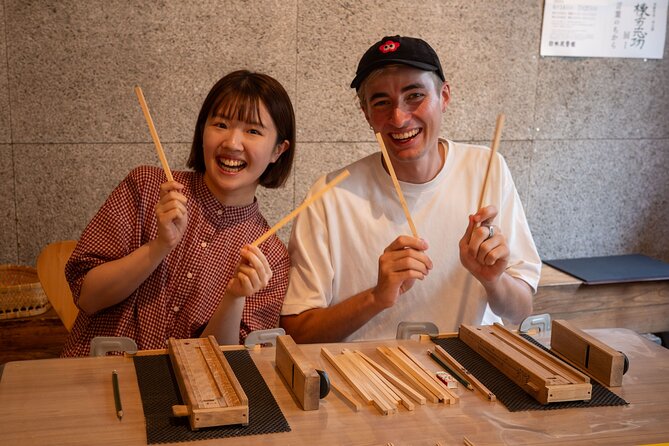
- Shape chopsticks from hinoki cypress wood using traditional hand tools rather than simply decorating a ready-made pair.
- Customize the length and form to suit your hand size and favorite foods.
- Learn why Japan has so many chopstick styles, including shapes designed for sushi, tempura, and ramen.
- Add the optional lacquer experience for a look inside a normally restricted lacquer workshop.
- Enjoy a small class of no more than six people, with an English-speaking guide available.
- Finish with a useful souvenir, not a trinket that sits in a drawer.
Why this Sasazuka workshop is worth your afternoon
Tokyo offers plenty of polished attractions, but this experience gives you a quieter look at everyday Japanese culture. Chopsticks are used at nearly every meal, yet many visitors never stop to consider why one pair is tapered, another is squared, and another feels better with noodles or delicate fish.
Here, you do more than hear a short explanation. You handle the wood and make decisions about the shape. That turns a basic utensil into something personal. The pair may not come out perfectly symmetrical, and that is part of the charm. You can see your own handwork in the final result.
The workshop is held at Kakehashi, a chopstick shop and craft space in Sasazuka, a short train ride from Shinjuku. The location matters. You get away from the busiest sightseeing routes without spending half a day reaching a remote village or mountain craft center.
The current rating is 5 out of 5 from 15 reviews, with 100 percent recommending the experience. The strongest praise focuses on three things: kind instruction, the freedom to make creative choices, and the pleasure of taking home a handmade pair. Those are the real reasons to consider booking.
A few more options to weigh up in Tokyo
- Tokyo Disney Resort – Tokyo Disneyland & Tokyo DisneySea Park Tickets
★ 4.8 · 99,488 reviews - SHIBUYA SKY Ticket
★ 4.7 · 46,509 reviews - JR Whole Japan Rail Pass
★ 4.8 · 29,150 reviews
Meeting at Sasazuka Station and walking to Kakehashi
Your meeting point is Sasazuka Station at 1:00 pm. From there, you walk with the guide for about 10 minutes to Kakehashi. The activity ends at the workshop, back at the meeting point area, rather than taking you on to another Tokyo sight.
That short walk is useful because you do not need to find a small workshop on your own. It also keeps the outing simple for a half-day plan. You can spend the morning around Shinjuku, have lunch, then reach Sasazuka for the afternoon class.
The meeting address is 1 Chome-57 Sasazuka, Shibuya, Tokyo 151-0073. Public transportation is nearby. Hotel transport is not included, and neither are your train fare, meals, or drinks, so allow for those extra costs when comparing the $97.98 price.
The group is capped at six people. That is a practical limit for a hands-on class. You should have room to ask questions and receive help without waiting behind a large tour group. The minimum is two participants, so solo bookers need to keep that condition in mind.
Before carving, learn why chopsticks are not all alike
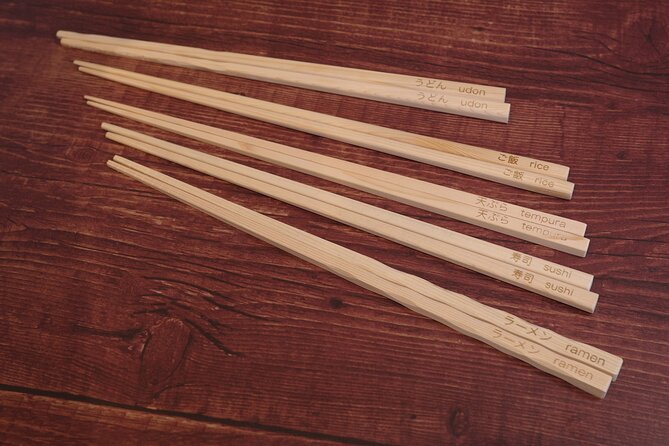
Kakehashi is also a specialty shop, so you can see many finished chopsticks before you begin. This display gives the lesson useful context. You can compare shapes, tips, colors, and finishes, then think about what feels comfortable in your own hand.
The teaching covers the background and history of chopsticks, along with the way form relates to food. Sushi, tempura, and ramen each place different demands on a pair. Fine tips can help with delicate pieces of food, while other forms may feel more secure for noodles or everyday meals.
This is one of the better parts of the class because it prevents the craft from becoming a generic wood project. You are not simply sanding two sticks until they look acceptable. You are learning why the final shape matters at the table.
English support is available. The class has used translation to make the instruction easy to follow, and Amy has been specifically praised for translating and explaining the story behind chopsticks. The information is not limited to tool safety or basic steps. You can ask questions about the materials and traditional use as you work.
The 55-minute chopstick-making session
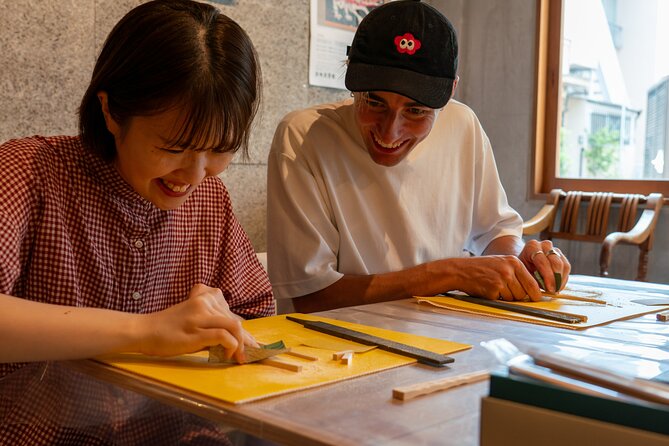
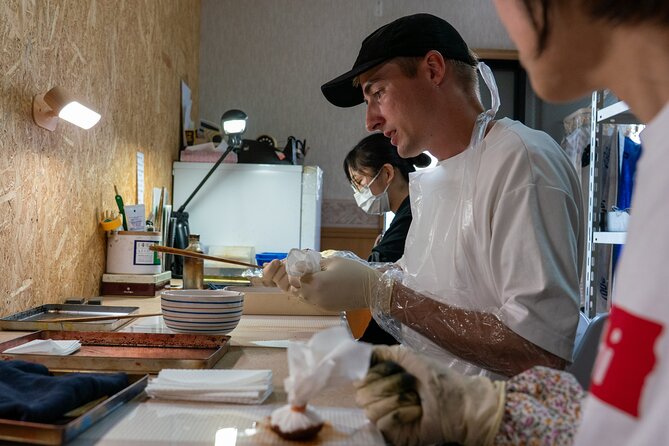
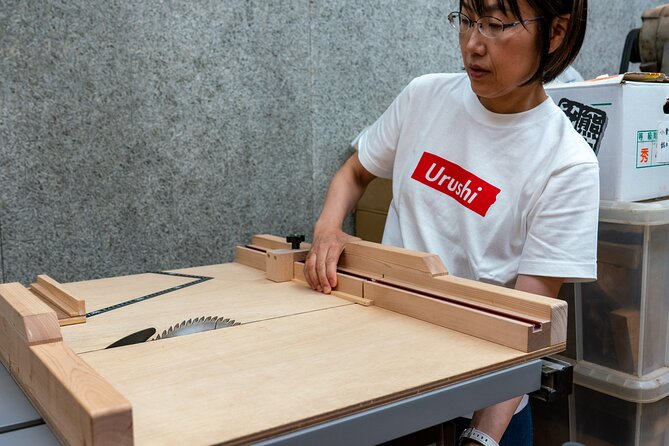
The main craft session lasts about 55 minutes. You begin with hinoki wood, also called Japanese cypress, and use craftsmen’s tools to shape the pair.
The process is hands-on, but you are not left to guess your way through it. The artisan guides you step by step, while still allowing room for your own choices. That balance is important. Too much instruction would make every pair look identical. Too little would leave you frustrated before the wood takes shape.
You work toward a form that suits your hand size and preferred cuisine. This is where the class feels personal. You are encouraged to think about how you hold chopsticks and what you eat most often, rather than copying a single model without question.
After shaping comes sanding. Sandpaper helps refine the form and smooth rough areas left by the tools. This stage may sound simple, but it is where the pair begins to feel like a finished utensil. You can adjust the surface and soften the edges while receiving feedback from the craft team.
The final step uses camellia oil. This treatment gives the wood a finished feel and helps bring out its natural character. You leave with custom-made chopsticks included in the price.
Keep your expectations sensible. This is a short workshop, not an apprenticeship in Japanese woodworking. You will learn the basic process and complete a usable pair, but the artisan’s skill will still be far beyond what you can achieve in 55 minutes. That difference is not a flaw. It is part of the lesson.
A completely different kind of day out:
- Mt Fuji and Hakone 1-Day Bus Tour Return by Bullet Train
★ 5.0 · 26,383 reviews - TOKYO SKYTREE® Ticket
★ 4.7 · 25,136 reviews - teamLab Borderless Tickets: MORI Building DIGITAL ART MUSEUM
★ 4.7 · 24,126 reviews - teamLab Planets TOKYO Ticket
★ 4.7 · 21,663 reviews
The optional 25-minute lacquer workshop
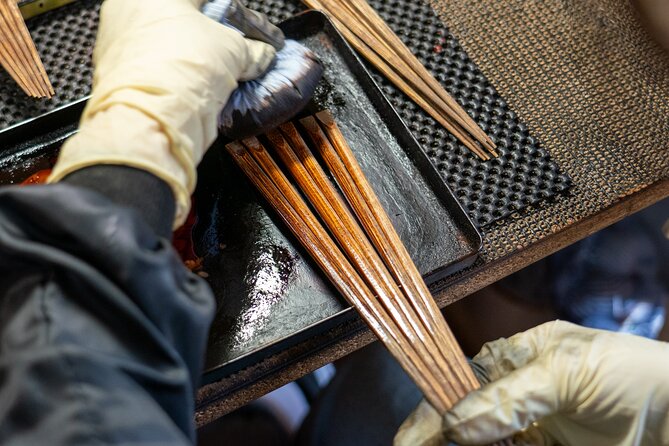
Participants can also choose the lacquer-coating experience, which takes about 25 minutes. This part offers access to a normally off-limits lacquer workshop, where you can see craftsmen at work and learn how lacquer is used in traditional Japanese craft.
The experience is not limited to chopsticks. It also explains lacquerware used in shrines, temples, and daily life. The description emphasizes the scent of the lacquer workshop, so this is a sensory part of the visit as well as a demonstration.
The lacquer session adds cultural depth, but you should confirm how the option is handled when booking. The listed schedule includes a 25-minute lacquer segment, while the description says participants can opt in. If you mainly want to carve and sand, ask whether the lacquer portion is included in your selected plan or is an added choice on the day.
For visitors interested in Japanese materials and traditional craft, this may be the most unusual part of the experience. Many craft classes let you paint or decorate a souvenir. Fewer give you a look at a working lacquer space connected to religious buildings, household objects, and long-standing Japanese practice.
What makes the finished chopsticks a good souvenir
The best souvenirs are useful, easy to pack, and tied to a specific place. This pair checks all three boxes. Chopsticks take little luggage space, and you can use them at home rather than displaying them behind glass.
The handmade quality also gives the souvenir a story. You can remember the quiet workshop, the smell of the materials, and the moment you decided how the shape should feel. The pair becomes a record of your afternoon in Tokyo.
You can also buy additional chopsticks at the shop. The selection includes many styles, which makes Kakehashi useful if you want gifts for family members. One visitor enjoyed choosing souvenirs for parents after learning how varied chopsticks can be.
There is a small risk that your finished pair will look a little uneven. That is normal for handmade work, and the process encourages creativity rather than factory-level uniformity. If you want flawless lacquer, perfect symmetry, or a luxury presentation box, buy a finished pair instead. If you want something made by your own hands, the irregularities add character.
The people and teaching style
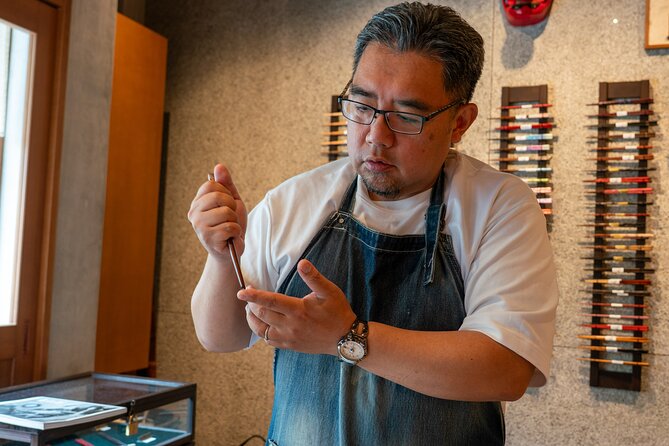
The human side of this class receives some of its strongest praise. The craft team is described as patient, supportive, and encouraging. That matters when you are using unfamiliar tools and trying to shape two pieces of wood to match.
The instruction seems suited to beginners. You receive clear guidance but still have freedom to choose your own form. The staff also answer questions about the work and the cultural background, so the class does not feel rushed from one task to the next.
English translation makes the activity more accessible for international visitors. Amy has been singled out for helping with translation and history, while the wider team has been praised for making the session friendly and easy to follow.
Since the class is small, the tone should feel more like a workshop visit than a staged demonstration. You are there to make something, but also to meet the people who work with these materials. That personal contact is a major part of the value.
Is $97.98 a fair price?
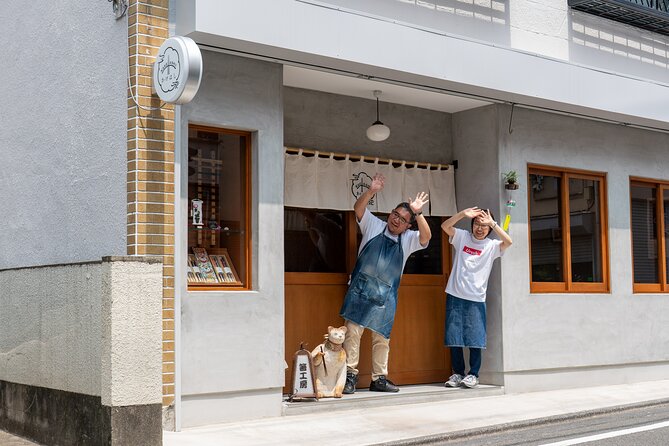
At $97.98 per person, this is not a bargain activity. You also pay for transportation to Sasazuka and any food or drinks separately. For two people, the workshop becomes a meaningful part of your Tokyo budget.
The price makes more sense when you count what is included: nearly two hours of instruction, an artisan-led craft session, custom-made chopsticks, access to a specialty shop, and the optional lacquer workshop. You are paying for time, guidance, materials, and a finished object that you helped create.
It is good value if you want a focused cultural activity and a souvenir with a clear connection to Japan. It is weaker value if you only want an inexpensive pair of chopsticks or have no interest in making things by hand.
The small group size helps. A class for up to six people allows more direct help than a large commercial workshop. The English translation is another practical benefit, especially when the work involves tools, shape, and fine details.
I would compare this with the cost of a good meal or a standard guided attraction. The difference is that you take away a useful object and a skill-based memory. For a special afternoon in Tokyo, that can justify the price.
Who should book this experience?
I would recommend it most strongly to:
- Couples or friends looking for a shared activity
- Families with participants who can take part in a hands-on craft
- Visitors interested in Japanese food culture and everyday design
- People who prefer useful souvenirs over mass-produced gifts
- Anyone curious about lacquerware, woodworking, or traditional tools
- Repeat visitors who want something beyond Tokyo’s major sights
It may be less suitable if you dislike detailed handwork, want a fast sightseeing stop, or need a fully private activity. The maximum group is six, not one booking party only.
Because the minimum number is two, solo visitors should not assume the class will run as a one-person booking. Confirmation arrives at booking, and the activity may be changed or refunded if the minimum is not reached.
You can cancel free of charge up to 24 hours before the local start time. Changes or cancellations inside that 24-hour window are not accepted for a refund.
Final decision: book it for the making, not just the souvenir
You should book this if you want to slow down for two hours and make something genuinely connected to Japanese daily life. The strongest reasons are the small class, patient guidance, personal choice of shape, and the chance to see lacquer work that is normally not open to everyone.
I would skip it if your schedule is tight or if $97.98 feels too high for a pair of chopsticks. You can buy beautiful ready-made chopsticks for less. The value here lies in the process, the instruction, and the fact that your pair carries your own small marks.
For a first Tokyo visit, place it on an afternoon when you have already seen the major sights and want a quieter change of pace. For food lovers, craft fans, and souvenir hunters, this is a thoughtful choice with a practical result.
FAQ
Where does the chopstick-making experience begin?
It begins at Sasazuka Station at 1:00 pm. The meeting address is 1 Chome-57 Sasazuka, Shibuya, Tokyo 151-0073, Japan.
How do I reach the workshop from the station?
You walk with a guide from Sasazuka Station to the Kakehashi shop and workshop. The walk takes about 10 minutes.
How long does the activity take?
The full experience lasts approximately two hours. The chopstick-making portion takes about 55 minutes, and the lacquer-coating portion takes about 25 minutes.
What material are the chopsticks made from?
The chopsticks are made from hinoki wood, a Japanese cypress.
Can I choose the shape of my chopsticks?
Yes. You can create a shape suited to your hand size and preferred cuisine, with guidance from the artisan.
Is the lacquer-coating session required?
The lacquer-coating experience is described as optional. The listed schedule includes a 25-minute lacquer segment, so confirm the exact arrangement when booking.
Are English-speaking guides available?
Yes. English-speaking support is available, including translation during the instruction.
How many people can join the activity?
The minimum number is two participants, and the maximum group size is six people.
What does the price include, and what costs extra?
The price includes your custom-made chopsticks. Hotel transport, other transportation expenses, meals, and drinks are not included.
Just added in Tokyo
- Tokyo Countryside Exploration Private Tour★ 5.0 · 113 reviews
- Tokyo Disneyland Round Trip Shared Transfers with Admission Tickets★ 4.0 · 14 reviews
- Tokyo: Scenic Bay Cruise with Local Guide on Private Boat★ 5.0 · 46 reviews
- Tokyo VIP Guided Private Car Tour with Optional Airport Transfer★ 5.0 · 56 reviews
- Tokyo City Tour by Private Car & English guide★ 5.0 · 91 reviews
- Tokyo: Private One-Way Transfer to/from Haneda Airport(HND)★ 4.5 · 80 reviews
- Tokyo Cherry Blossoms blooming spots E-bike Tour, 3hrs★ 5.0 · 27 reviews
- Tokyo’s Must-Sees: 5-hour Tsukiji, Akihabara & Asakusa Tour★ 5.0 · 88 reviews
Tokyo Tours, compared.

Tokyo Disney Resort – Tokyo Disneyland & Tokyo DisneySea Park Tickets
Read our review →
Mt Fuji and Hakone 1-Day Bus Tour Return by Bullet Train
Read our review →

teamLab Borderless Tickets: MORI Building DIGITAL ART MUSEUM
Read our review →