Reviewed · TOKYO TOURS
Exclusive Tokyo Ramen Kitchen Experience
Ramen gets much more interesting behind the counter. This one-hour visit gives you rare access to a real Tokyo ramen kitchen, where you learn how the shop prepares its broth, noodles, toppings, and seasonings before assembling your own bowls. I like the small group of six, which makes the kitchen feel personal, and I like the chance to learn from both an English-speaking guide and the restaurant chef. The main drawback is simple: at $83 per person, this is costly for a one-hour activity, especially since it is not a full cooking class.
You meet at Nezu Station, then head to an award-winning ramen shop for a hands-on look at the work behind the bowl. You will receive two small bowls of ramen and two fried dumplings, but the real attraction is the access. You are not just sitting at a table eating noodles. You are learning what it takes to serve ramen at a serious Tokyo shop, with hot water and soup handled carefully around you.
In This Review
- Key things to know before you book
- Meeting the guide at Nezu Station
- Inside a working ramen shop
- What you actually do with the noodles and soup
- Two bowls of ramen and two gyoza
- Why the one-hour length works
- What makes the experience feel authentic
- Is $83 per person good value?
- Who will enjoy this Tokyo activity most?
- Practical advice before you reserve
- Should you book the ramen kitchen experience?
- FAQ
- Where does the Tokyo ramen experience meet?
- How long does the experience last?
- Is the experience conducted in English?
- How many people are in the group?
- Is this a full cooking class?
- What food is included?
- Does the ramen contain meat or fish?
Key things to know before you book
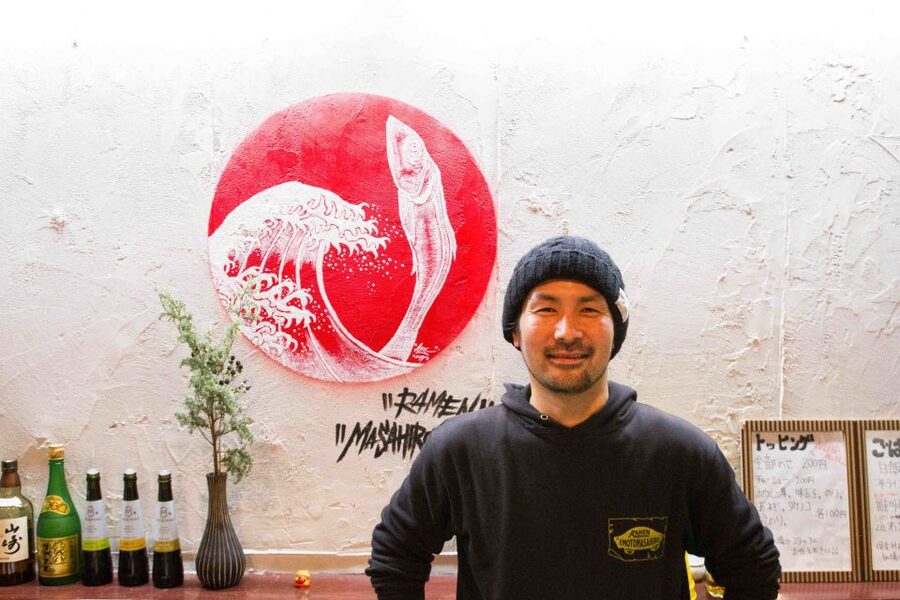
- The kitchen access is the main event: You get a behind-the-counter look at a working ramen shop, something normally unavailable to diners.
- You prepare two small bowls: The process is shortened, so you can enjoy the finished ramen without waiting the many hours needed to make the broth from scratch.
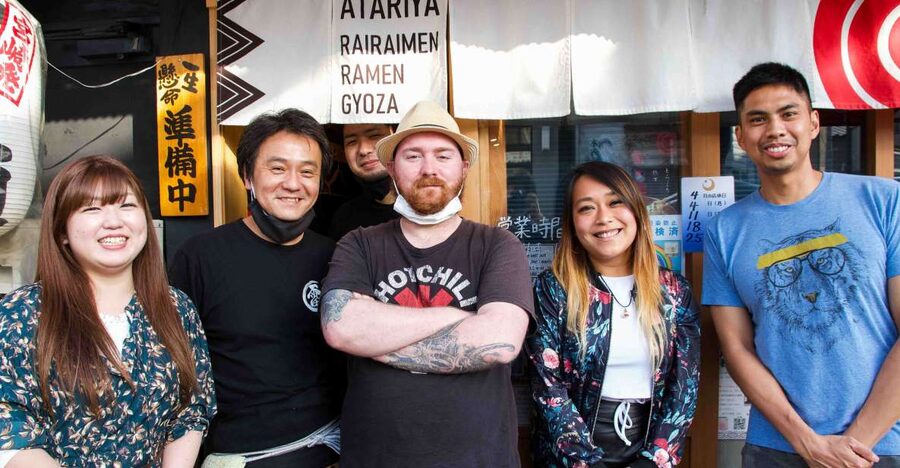
- The group is limited to six: This keeps the experience more intimate and gives you a better chance to follow the guide and chef.
- The ramen is not vegetarian: The bowls contain chicken, pork, and fish, so check this carefully before booking.
- The meal includes gyoza: Two fried dumplings come with the experience, adding a small but welcome extra to the tasting.
- The cost pays for access, not just food: The $83 price makes the most sense for people who value kitchen access, instruction, and a rare look at restaurant work.
Meeting the guide at Nezu Station
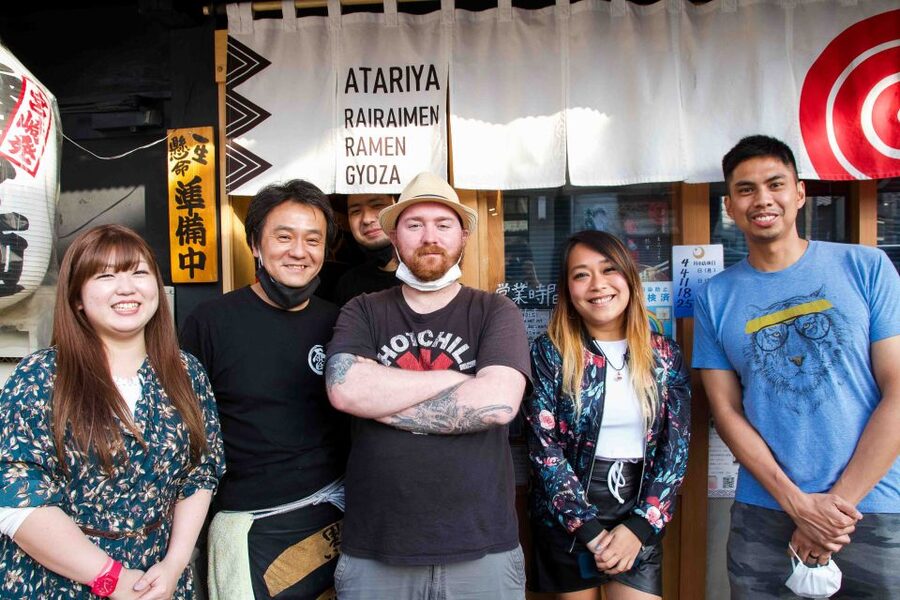
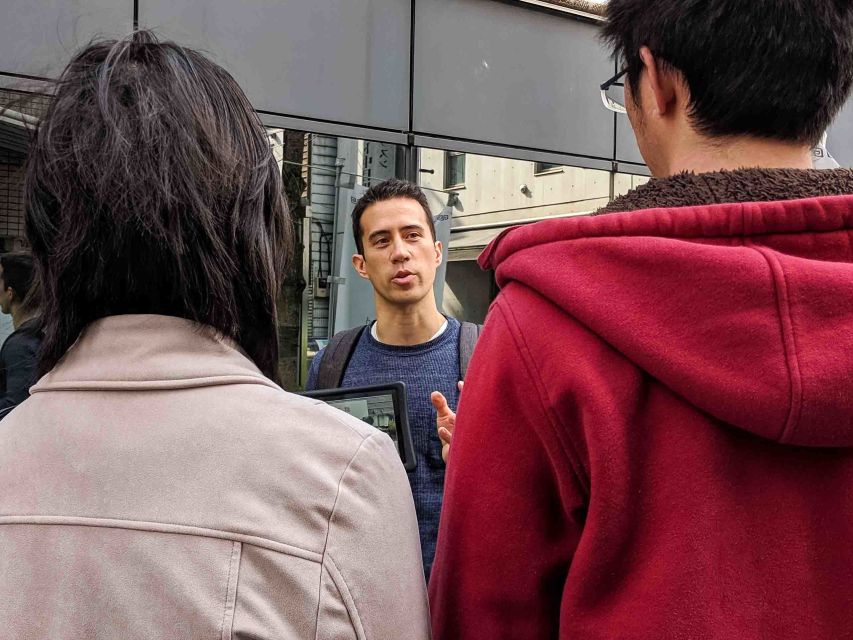
The meeting point is in front of the Akafudado supermarket at Nezu Station Exit 1. Your guide will hold a Tokyo Ramen Tours sign, so you should not need to search the neighborhood on your own.
Nezu is a useful setting for this kind of activity. It feels more local and less centered on the giant city sights than areas such as Shibuya or Shinjuku. If you have already visited Tokyo’s major districts, this gives you a chance to see another side of the city before stepping into the restaurant.
The guide speaks English, and the company uses multiple guides. Frank is one guide praised for his passion for ramen and his friendly approach, but your guide may be someone else. The exact personality of the session can vary, though the small group size should help keep it conversational.
I suggest arriving ready to listen and take part right away. The full activity lasts only one hour, so there is not much spare time for a late arrival or a slow start.
A few more options to weigh up in Tokyo
- Tokyo Disney Resort – Tokyo Disneyland & Tokyo DisneySea Park Tickets
★ 4.8 · 99,488 reviews - SHIBUYA SKY Ticket
★ 4.7 · 46,509 reviews - JR Whole Japan Rail Pass
★ 4.8 · 29,150 reviews
Inside a working ramen shop
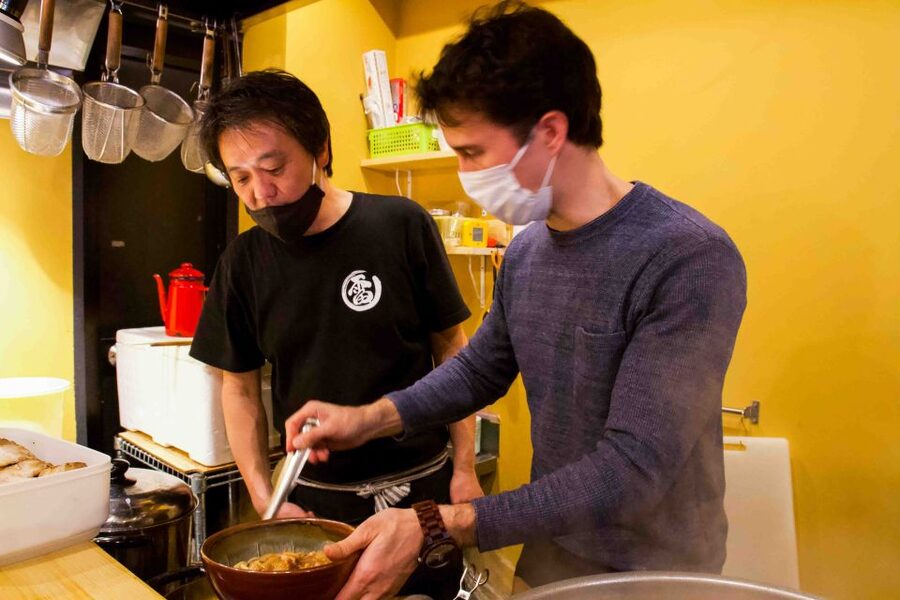
The restaurant is not presented as a classroom built for tourists. You enter a functioning ramen shop and get a close look at the space where the real work happens. That distinction matters.
A standard cooking class often gives you a recipe, ingredients, and a prepared work station. Here, you get something different: a short, controlled version of the work done by a professional ramen team. You see the equipment, the pace, the ingredients, and the careful handling needed to turn separate components into a finished bowl.
The shop has won several awards, which adds interest to the visit. You are not learning in a random kitchen with a generic recipe. You are being shown the methods used by a respected ramen business.
Expect the guide to explain ramen origins, styles, preparation methods, and the role of different ingredients. You will also learn where ingredients come from and why each one is used. These details help you understand why ramen can taste so different from one bowl to the next.
Ramen may look simple when it reaches your table. Noodles, broth, meat, and toppings do not sound complicated. The kitchen visit shows you how much care goes into timing, balance, and preparation before that bowl appears.
What you actually do with the noodles and soup
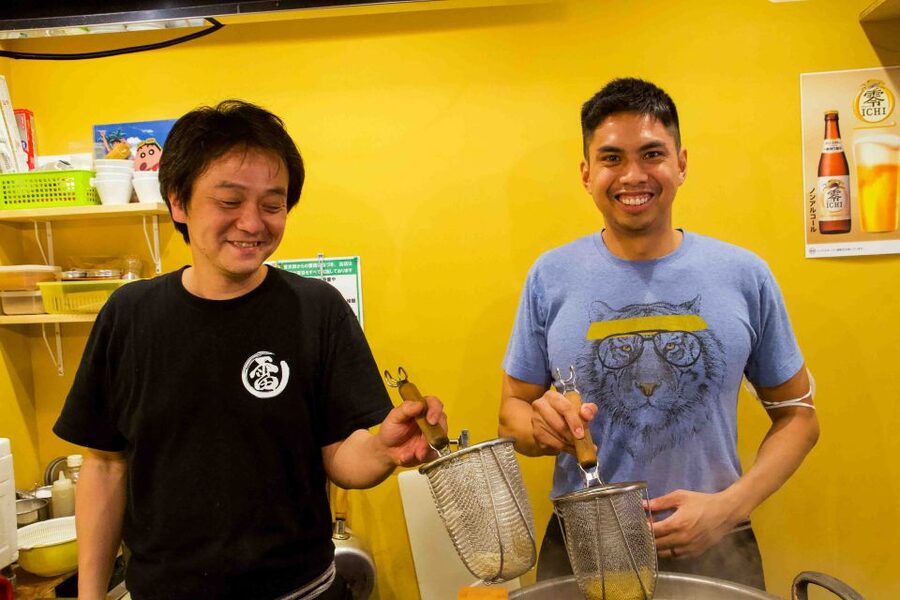
It is important to set your expectations correctly. You will not make every part of the ramen from raw ingredients, and you will not prepare the broth from scratch during the hour.
That would not be practical. The broth alone takes about 10 hours to make. Instead, the experience shortens the long production process and lets you work with prepared elements. You learn how the parts come together, then assemble delicious ramen in the restaurant kitchen.
You should think of this as a behind-the-counter experience with hands-on preparation, not a traditional cooking course. You get to feel like a ramen chef for a short time, but you are not leaving with a complete recipe or the ability to recreate the restaurant’s broth at home.
One visitor specifically wished for recipes or take-home instructions. That is a fair criticism if you want a lasting cooking lesson. The value here is the access and explanation you receive on the spot, not a printed formula to use later.
The activity involves hot water and soup, so you must follow instructions closely. Comfortable clothes are recommended, and you should avoid treating the kitchen like a photo studio. Care matters more than getting the perfect picture.
Two bowls of ramen and two gyoza
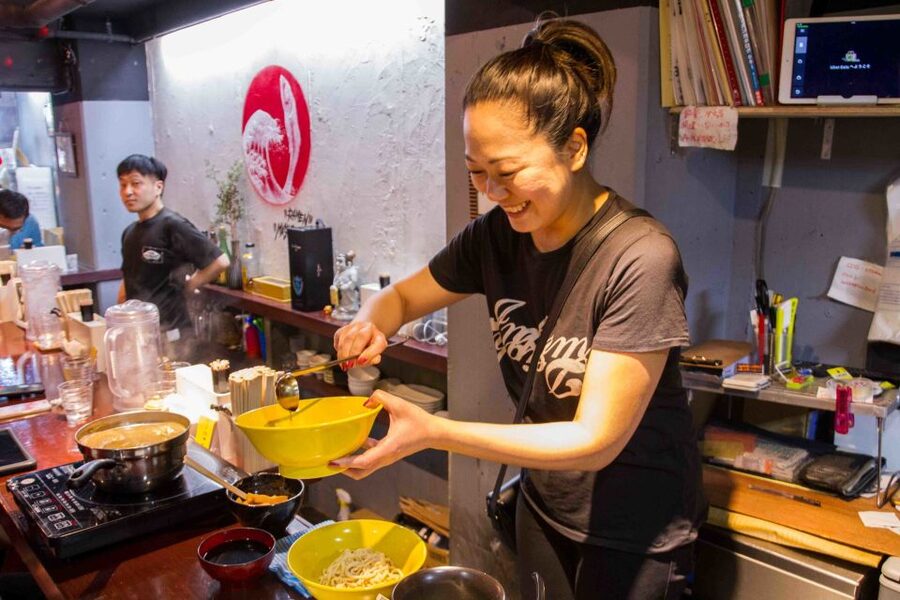
The included food is a useful part of the value. You receive two small bowls of ramen, allowing you to compare or simply enjoy a second serving after preparing the first. You also get two fried gyoza.
The bowls are small, but the tasting is not an afterthought. The ramen has received strong praise for its flavor, with some people calling it the best ramen they ate during a Japan trip. That is a high bar, though taste will depend on your own preferences and the styles served that day.
The two-bowl format also fits the teaching style. You get more than one chance to understand the ingredients and preparation. The portions are designed as part of an experience rather than a large restaurant dinner.
The gyoza add a familiar Japanese side dish, but they are not the reason to pay $83. If you are mainly hungry and want a large meal, an ordinary ramen shop will give you better value. If you want food plus access to the kitchen, the meal helps justify the price.
The ramen contains chicken, pork, and fish. This is important for anyone with dietary restrictions, religious requirements, or a preference for plant-based food. No vegetarian or alternative menu is specified, so you should not assume one is available.
A completely different kind of day out:
- Mt Fuji and Hakone 1-Day Bus Tour Return by Bullet Train
★ 5.0 · 26,383 reviews - TOKYO SKYTREE® Ticket
★ 4.7 · 25,136 reviews - teamLab Borderless Tickets: MORI Building DIGITAL ART MUSEUM
★ 4.7 · 24,126 reviews - teamLab Planets TOKYO Ticket
★ 4.7 · 21,663 reviews
Why the one-hour length works
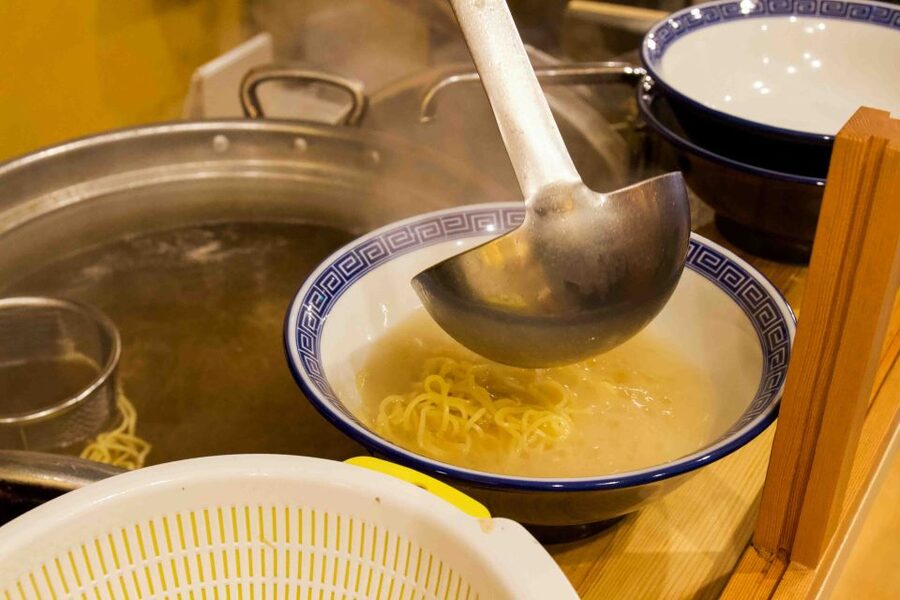
One hour is short, but it suits the format. You get an introduction to ramen, a look at the kitchen, instruction from the guide and chef, hands-on assembly, and the finished food without spending half a day on the activity.
I like this length for a busy Tokyo schedule. You could fit it between other plans in Nezu or use it as a focused food stop during a neighborhood visit. It does not take over your day, and the small group should keep the session moving.
The short duration also explains why the activity cannot cover every part of ramen making. Ten-hour broth preparation, detailed noodle production, and a full restaurant apprenticeship would require much more time. This is a compact introduction to the craft.
Families can enjoy it, but parents need to keep an eye on younger children. An eight-year-old and an eleven-year-old took part with careful help from the chef, which suggests that children can join when they can follow safety instructions. The hot water and soup make this less suitable for children who cannot remain attentive.
What makes the experience feel authentic
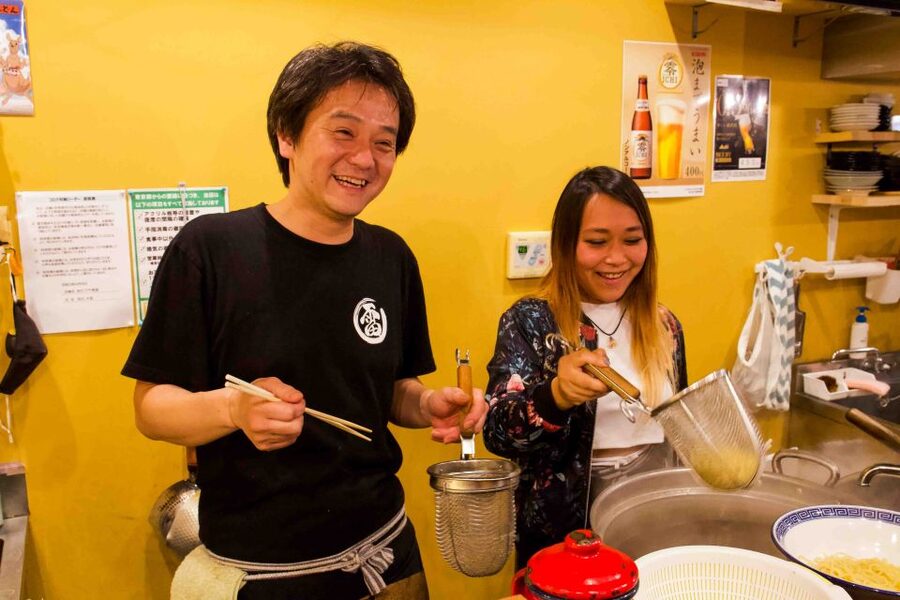
The strongest part of the activity is the setting. You are not simply hearing a guide talk about ramen in a tour office. You are standing inside the kitchen of a real shop and watching how the work is organized.
That setting gives ordinary ramen a new weight. You begin to see the dish as a chain of decisions: the broth base, the seasoning, the noodles, the toppings, and the order in which everything is assembled. A bowl that looks humble can require long preparation and steady timing.
The chef is part of that appeal. The best moments are likely to come through the direct interaction between the chef, guide, and participants. A friendly chef can make the kitchen activity feel relaxed rather than technical or intimidating.
The experience also has personality. It has been described as a ramen dinner with character, which is a good way to frame it. You get food, a story, a working space, and a short performance of restaurant skill all in one visit.
Do not expect a quiet, polished museum presentation. A real kitchen can be warm, busy, and focused. That is part of the point, but it also means the experience may feel less controlled than a standard demonstration.
Is $83 per person good value?
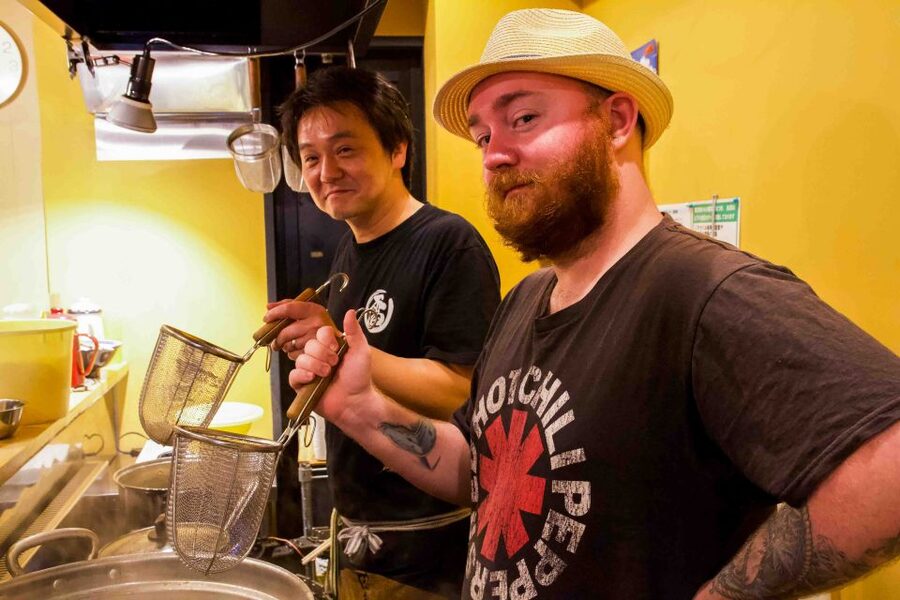
At $83, this is expensive for a one-hour food experience. The price becomes easier to accept when you separate the meal from the access.
Two small bowls of ramen and two gyoza alone would not normally justify the cost. You are paying for a rare opportunity to enter a respected ramen shop kitchen, receive English-language guidance, interact with the chef, and take part in the preparation.
I would recommend it more readily to a serious ramen fan than to someone who simply wants lunch. If you already plan to eat ramen several times in Tokyo, this activity gives you context for those later meals. You may notice the broth, noodles, and toppings differently after seeing how they are handled.
Families should also calculate the total carefully. One booking from a family of four cost about $500, and the lack of a family discount was a clear concern. The experience may be memorable for children, but the price can rise quickly when several people join.
The score of 4.7 from 34 ratings reflects strong satisfaction overall, but the mixed value opinion is worth taking seriously. Most praise centers on the food, the chef, the guide, and the unusual kitchen access. The main complaint is not poor quality. It is that the experience is brief and costly for what you receive.
Who will enjoy this Tokyo activity most?
I would choose this experience if you fit one or more of these descriptions:
- You are especially interested in ramen, Japanese food, or restaurant work.
- You want a small group activity rather than a large food tour.
- You enjoy learning how familiar dishes are made.
- You value access to places normally closed to the public.
- You are comfortable paying extra for a short, unusual experience.
- You are visiting Tokyo with older children who can follow kitchen safety rules.
I would skip it if you want a full cooking course with recipes, raw ingredient preparation, and skills you can repeat at home. I would also skip it if you have strict dietary limits involving chicken, pork, or fish, since those ingredients are part of the ramen.
For first-time visitors, it works well as a break from major sightseeing. It gives you a reason to visit Nezu and adds a food-focused activity to a Tokyo plan. For repeat visitors, the kitchen access may be even more appealing because it offers something beyond the usual temples, shopping streets, and restaurant tables.
Practical advice before you reserve
Wear comfortable clothes that allow you to move easily. The kitchen includes hot water and soup, so you should dress for a practical activity rather than a formal meal.
Meet at Nezu Station Exit 1, in front of Akafudado, and look for the Tokyo Ramen Tours sign. Since the activity is limited to six people and lasts only an hour, arriving on time is especially important.
The tour is conducted in English, but multiple guides operate the experience. If you have read about Frank’s warm style, remember that your guide may be someone else.
You can cancel up to 24 hours before the activity for a full refund, and the reserve-now, pay-later option can help if your Tokyo plans are still shifting. Availability and starting times depend on the date you choose.
Should you book the ramen kitchen experience?
Book it if you want a rare look at how a serious Tokyo ramen shop works and you are willing to pay for access rather than a large meal. The best parts are the intimate group, the chef interaction, the strong ramen, and the chance to assemble two bowls in a real kitchen.
Skip it if $83 feels too high for one hour, if you need vegetarian food, or if you expect to make ramen completely from scratch. This is not a recipe class. It is a compact, friendly introduction to the skill and effort behind a bowl of ramen.
For a food-focused visit to Tokyo, I think it is a memorable choice. Just book it with clear expectations: you are buying a kitchen experience with a very good meal attached.
FAQ
Where does the Tokyo ramen experience meet?
Meet at Nezu Station, Exit 1, in front of the Akafudado supermarket. The guide will be holding a Tokyo Ramen Tours sign.
How long does the experience last?
The activity lasts one hour. Starting times depend on availability for your chosen date.
Is the experience conducted in English?
Yes. The experience includes a live English-speaking guide.
How many people are in the group?
The group is limited to six participants.
Is this a full cooking class?
No. It is a behind-the-counter kitchen experience. The broth and other parts of the preparation are shortened because the broth alone takes about 10 hours to make.
What food is included?
You receive two small bowls of ramen and two fried gyoza.
Does the ramen contain meat or fish?
Yes. The ramen contains chicken, pork, and fish.
Just added in Tokyo
- A One-of-a-Kind Sushi Experience in a Special Place of Japan★ 5.0 · 15 reviews
- Tokyo Cute Bento Cooking Class – Make a Kawaii Character Lunchbox★ 5.0 · 126 reviews
- Japanese Home Cooking Class & Walk in Todoroki Temple Tokyo★ 5.0 · 88 reviews
- Japan Tokyo Tower Observatory Deck E-Ticket★ 4.0 · 34 reviews
- Catch a Baseball Game in Tokyo with a Local – Tickets Included★ 5.0 · 24 reviews
- JDM Experience with Fast&Furious RX-7 (English speaking Driver)★ 5.0 · 57 reviews
- Tokyo Private Day Tour by Car with English speaking Driver Guide★ 4.0 · 29 reviews
- Japan Classic 10 Day – One Life Adventures★ 5.0 · 129 reviews
Tokyo Tours, compared.

Tokyo Disney Resort – Tokyo Disneyland & Tokyo DisneySea Park Tickets
Read our review →


Mt Fuji and Hakone 1-Day Bus Tour Return by Bullet Train
Read our review →

teamLab Borderless Tickets: MORI Building DIGITAL ART MUSEUM
Read our review →