Reviewed · TOKYO TOURS
Experience a western twist on Japanese sake snacks
Seafood meets sake in an unexpected way. This private tasting at Shinbashi Tamakiya, a Tokyo shop founded in 1782, gives you a close look at tsukudani, preserved seafood cooked in a sweet-salty sauce. I like the mix of old and new: you taste three signature versions, then see how the same food works with rice, pasta, nuts, wine, and sake. I also like the personal format, with only your group taking part. The main consideration is that 90 minutes can feel short if you want a slow, highly detailed food lesson.
This is a smart choice for anyone who wants more than sushi and ramen. The private setting should make it easier to ask questions and follow your own interests, while the morning or afternoon start gives you some control over your Tokyo schedule. At $36.24 per person, the price is fair for the tasting, food, and alcohol, though tsukudani’s strong preserved-seafood flavor will not suit every palate.
In This Review
- Key points about this Tokyo tsukudani tasting
- Why tsukudani makes a memorable Tokyo food stop
- Starting at Shinbashi Tamakiya, founded in 1782
- Learning the story behind the secret sauce
- Three signature tsukudani tastings
- Rice, furikake, pasta, and nuts
- What the private format adds
- Morning or afternoon timing in Tokyo
- Who will enjoy this experience most
- What the high rating tells you, and what it does not
- Practical details before you reserve
- Should you book the Tamakiya tsukudani tasting?
- FAQ
- Where does the tsukudani tasting take place?
- How long does the experience last?
- Is the experience private?
- What food is included?
- Are drinks included?
- Can I choose a morning or afternoon time?
- What is the cancellation policy?
Key points about this Tokyo tsukudani tasting
- Taste food from an Edo-period tradition: Tsukudani has been part of Japanese cooking since the Edo period, and Tamakiya has sold it since 1782.
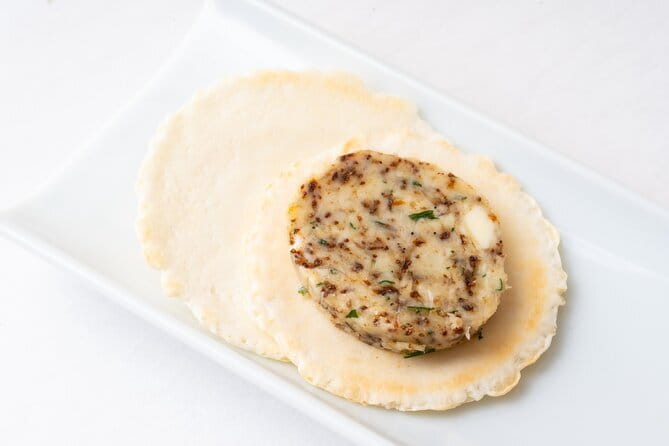
- Try three signature tsukudani varieties: The tasting includes traditional seafood preparations and the shop’s secret sauce.
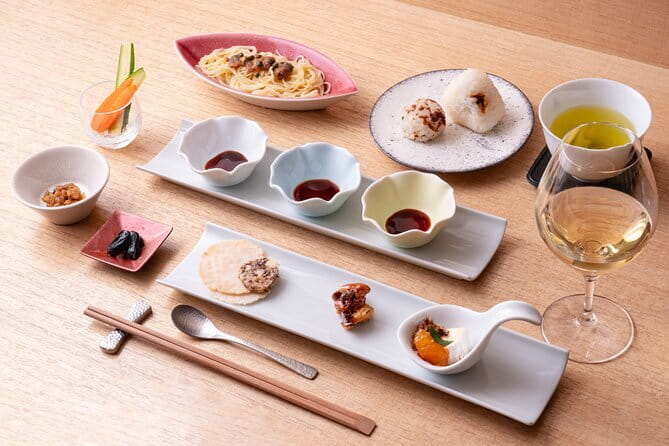
- See how old-fashioned food works in new ways: You sample tsukudani with rice, furikake, pasta, nuts, and other ingredients.
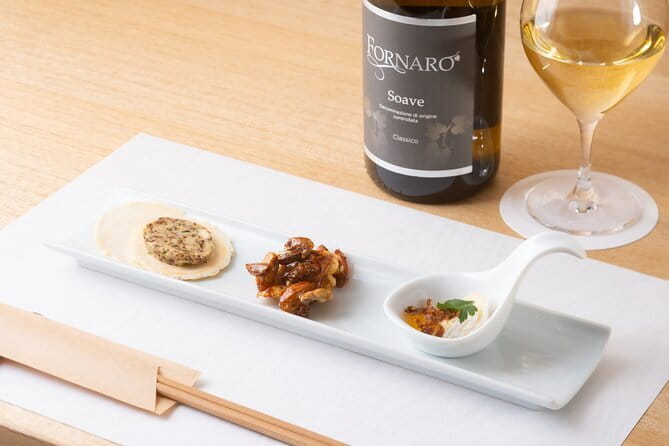
- Pair the snacks with sake or wine: Alcohol is included, so you can compare how different drinks work with the savory seafood.
- Enjoy a private 90-minute visit: Only your own group participates, rather than joining a large public class.
- Choose a morning or afternoon time: The schedule can fit around sightseeing in Shinbashi and central Tokyo.
Why tsukudani makes a memorable Tokyo food stop
Tsukudani is not the first Japanese food many people recognize. It lacks the instant fame of sushi, tempura, or matcha sweets. That is part of its appeal. This is everyday-style Japanese food with a long history, made to be eaten in small amounts with rice or other simple dishes.
The seafood is preserved and cooked in a concentrated sauce. You can expect strong savory flavors, sweetness, salt, and an intense seafood character. The style was shaped during the Edo period, when preserved foods were useful and practical. A small serving could add plenty of flavor to a bowl of plain rice.
I like the way this tasting puts tsukudani in context instead of treating it as a strange food challenge. You are not simply handed an unfamiliar snack and told to try it. You learn where it comes from, hear about the shop, taste the sauce, and then see several ways to eat it.
That approach matters if you are new to Japanese preserved foods. It gives you a point of comparison. You can notice how a traditional version differs from a newer preparation, and you can decide which combinations work best for you.
A few more options to weigh up in Tokyo
- Tokyo Disney Resort – Tokyo Disneyland & Tokyo DisneySea Park Tickets
★ 4.8 · 99,488 reviews - SHIBUYA SKY Ticket
★ 4.7 · 46,509 reviews - JR Whole Japan Rail Pass
★ 4.8 · 29,150 reviews
Starting at Shinbashi Tamakiya, founded in 1782
The experience begins at Shinbashi Tamakiya in Tokyo’s Minato City, at 4-chome 25 Shinbashi. The shop is near public transportation, and the activity ends at the same location. That simple start and finish are useful in a city where complicated meeting points can eat up time.
Tamakiya’s founding date, 1782, is one of the strongest reasons to choose this experience. You are tasting tsukudani in a shop with a direct connection to the food’s long commercial tradition, not just encountering a modern restaurant version.
The setting also gives the tasting a sense of place. Instead of ordering a preserved seafood dish somewhere on a large menu, you visit a business centered on tsukudani. I find that kind of specialist stop more rewarding when you want to understand how a food fits into Japanese life.
The exact presentation of the shop and the talk is not described in detail, so you should not expect a full museum-style visit or a long walking tour. The focus is tasting and explanation at the shop. That makes this a compact food experience, not a major sightseeing attraction.
Learning the story behind the secret sauce
One part of the tasting focuses on Tamakiya’s history and the secret sauce used with its tsukudani. You get to taste the sauce itself before or alongside the seafood, which helps you understand the foundation of the dish.
This is a useful detail. Preserved seafood can seem overly salty or strong if you eat it without context. Tasting the sauce lets you pay attention to its balance and how it carries the seafood. You may find that the sauce is the key to understanding why the food is usually served in small portions.
The experience is also designed to show how tsukudani can match wine, not only sake. That western twist gives the tasting a clear purpose. You are comparing pairings rather than simply drinking alongside a snack.
Alcoholic beverages are included, with sake or wine pairings mentioned as part of the experience. The available pairing choice may depend on the scheduled session or what is being served, so I would confirm any specific preference when booking if that matters to you.
The alcohol is a pleasant addition, but it should not be the only reason to book. The core of the visit is learning the food and tasting several forms of it. You are paying for the guided presentation, the range of samples, the included drinks, and the private format.
Three signature tsukudani tastings
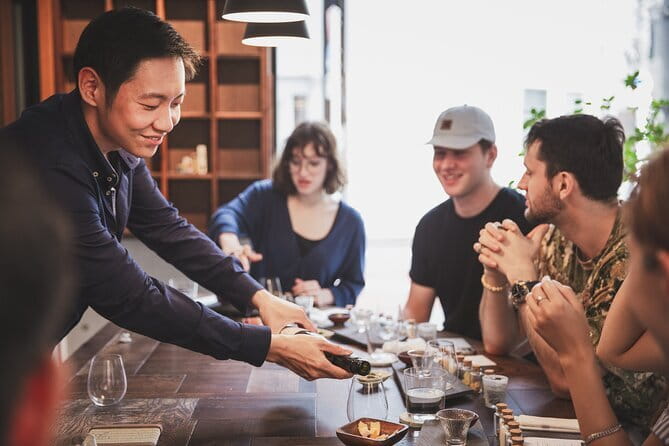
The central tasting includes three signature tsukudani preparations. This gives you enough range to compare flavors without turning a short visit into a full meal.
I would approach these samples slowly. First notice the texture, then the level of sweetness and salt, and finally the seafood flavor. Tsukudani is concentrated, so small bites make sense. You are not meant to eat a large plate of it as you would with a main course.
The three samples also help you see the difference between traditional and modern approaches. The traditional versions connect you to the food’s older role in Japanese cooking. The modern versions show that tsukudani can be used in ways that feel less formal and more flexible.
The provided meal details call the included food brunch, snacks, and tsukudani tastings. I would not book this expecting a large restaurant lunch. It is better understood as a substantial tasting session with small portions and pairings.
That distinction is important for planning. If you are hungry after a morning of sightseeing, you might want another meal later. If you treat the activity as a food lesson with brunch elements, the format should make more sense.
A completely different kind of day out:
- Mt Fuji and Hakone 1-Day Bus Tour Return by Bullet Train
★ 5.0 · 26,383 reviews - TOKYO SKYTREE® Ticket
★ 4.7 · 25,136 reviews - teamLab Borderless Tickets: MORI Building DIGITAL ART MUSEUM
★ 4.7 · 24,126 reviews - teamLab Planets TOKYO Ticket
★ 4.7 · 21,663 reviews
Rice, furikake, pasta, and nuts
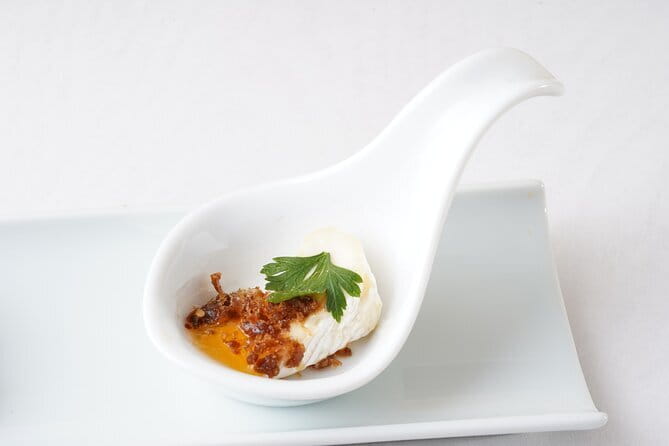
After the signature samples, the tasting moves beyond the most traditional presentation. You try rice with tsukudani and furikake seasonings, then sample tsukudani with ingredients such as pasta and nuts.
Rice is the natural reference point. Tsukudani’s intense flavor makes sense when spread over a plain base, and furikake adds another layer of Japanese seasoning. This part should help you understand how a small amount of preserved seafood can transform a simple bowl.
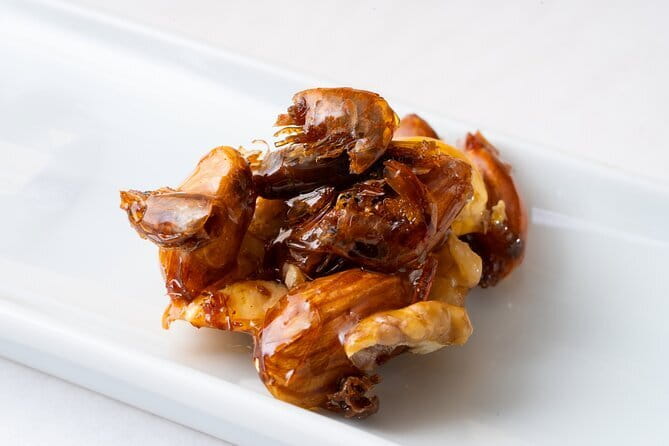
The pasta and nuts are the more surprising combinations. They give the experience its western angle without abandoning the original food. You might find that the pasta softens or spreads the flavor, while nuts add texture and a different kind of richness. The exact recipes are not specified, so I would see these as tasting ideas rather than dishes you can count on recreating in precise form at home.
I like this section because it answers a practical question: what do you actually do with tsukudani after you buy it? A traditional food becomes easier to appreciate when you can imagine several uses for it.
This is also where the private format helps. In a larger group, the session might need to move at one pace. Here, you can ask how the shop recommends serving the food, which ingredients work best, or how modern combinations differ from the older style.
What the private format adds
Only your group participates in the activity. The private arrangement is one of the clearest benefits, especially for a food that may require explanation.
I value private tastings when the subject is unfamiliar. You can ask direct questions without worrying about holding up a large group. If you already know Japanese food well, you can focus on preparation and pairings. If tsukudani is completely new to you, you can take more time with the flavors.
The experience description also presents it as fully personalized. That suggests the session can respond to your group’s interests, though the exact level of customization is not spelled out. I would not assume you can redesign the entire tasting, but you should have a more personal exchange than at a standard shop counter.
A private visit can also suit couples, families, or small groups with different levels of food interest. Someone curious about Japanese tradition can focus on the history, while someone more interested in cooking can pay attention to the sauce and serving suggestions.
The tradeoff is price. At $36.24 per person, this costs more than simply buying a small packet of tsukudani in a shop. You are paying for access, explanation, multiple tastings, brunch-style food, and sake or wine. For a person who only wants to sample preserved seafood quickly, that may feel expensive. For someone who wants a personal introduction, the cost is reasonable.
Morning or afternoon timing in Tokyo
The tasting lasts about 1 hour and 30 minutes, with morning and afternoon options. That length is easy to fit into a day of sightseeing, especially because you return to the same meeting point.
A morning session can work as a food-focused start to the day, with the included brunch filling part of your schedule. An afternoon session may fit better after visiting other sights in central Tokyo. Since the experience includes alcohol, I would avoid treating it as a rushed stop between too many timed attractions.
The short duration is both a strength and a limit. You do not need to sacrifice half a day, and the session is unlikely to exhaust you. On the other hand, you should not expect an extended cooking course or a broad tour of Tokyo’s food culture.
The booking pattern is worth noting: the experience is booked an average of 59 days in advance. That does not guarantee every date sells out, but it suggests you should reserve early if your Tokyo schedule is fixed. Confirmation arrives within 48 hours of booking, subject to availability.
A mobile ticket makes the entry process simple. Keep the meeting address available on your phone, and allow enough time to reach Shinbashi. The tour itself does not include transportation, so getting to the starting point is your responsibility.
Who will enjoy this experience most
I would recommend this tasting to you if you enjoy food with a story, small portions, and flavors outside the usual tourist menu. It suits people who want to understand a Japanese ingredient rather than simply photograph a famous dish.
It is especially good for:
- Food-focused visitors who have already tried the major Japanese classics
- Sake or wine drinkers interested in food pairing
- Couples or small groups wanting a private activity
- People curious about Edo-period food traditions
- Repeat visitors looking for a less obvious Tokyo stop
- Anyone who likes learning how one ingredient can be served in several ways
I would be more cautious if you dislike seafood, strong savory flavors, sweet-salty sauces, or preserved foods. The experience is built around tsukudani, so there is no reason to book it hoping the seafood will be a minor part of the visit.
Families may be able to participate, since most people can take part and service animals are allowed. Still, the included drinks are alcoholic, and the tasting is aimed at people interested in the food rather than at children seeking entertainment. The supplied information does not give an age policy, so check that point before booking for minors.
What the high rating tells you, and what it does not
The experience has a 4.9 rating from 32 reviews, with 100 percent recommending it. The strongest praise centers on the food, the welcoming presentation, and the teacher’s ability to explain the subject.
That matches the design of the activity. A private tasting at a specialist shop succeeds or fails on the quality of the explanation. If the host simply placed samples on a table, the visit would be less useful. The favorable response to the teacher and the informative welcome suggests that the human part of the experience is a major reason to book.
Still, a high rating cannot change the nature of the food. Tsukudani is concentrated and distinctive. You might enjoy the history and still decide that one variety is enough for you. That is not a flaw in the activity, but it is a sensible point to consider before spending your time and money.
The tasting also appears to be best for people who enjoy trying several small samples. If you prefer a large meal or a hands-on cooking class, this may feel too narrow. Its strength is focus.
Practical details before you reserve
The meeting point is Shinbashi Tamakiya, 4-chome 25 Shinbashi, Minato City, Tokyo, postal code 105-0004. The activity finishes back at the meeting point, which removes the need to arrange a second pickup location.
The booking includes tsukudani tastings, snacks, brunch, and alcoholic beverages. Other personal expenses are not included. Since the tasting is private, only your own group participates.
You receive a mobile ticket, and confirmation is sent within 48 hours when availability allows. Free cancellation is available up to 24 hours before the start time for a full refund. Changes or cancellations made inside that 24-hour window are not accepted and are not refunded.
I would book this early if you want a particular morning or afternoon time. The average advance booking period of 59 days is a useful warning for anyone building a tightly planned Tokyo itinerary.
Should you book the Tamakiya tsukudani tasting?
Book it if you want a compact, personal introduction to a lesser-known Japanese food tradition. The combination of a shop founded in 1782, three signature tastings, modern serving ideas, and sake or wine makes the $36.24 price a fair deal for curious eaters.
I especially like this experience for repeat Tokyo visitors and anyone who wants a food stop with cultural substance. You get a taste of Edo-era cooking, practical ideas for eating tsukudani, and a private setting in only 90 minutes.
Skip it if seafood is not your thing, if you want a full meal, or if you prefer a hands-on class. For everyone else, this is a thoughtful way to spend part of a Tokyo morning or afternoon, with just enough novelty to make the city’s food culture feel larger than its most famous dishes.
FAQ
Where does the tsukudani tasting take place?
It takes place at Shinbashi Tamakiya, located at 4-chome 25 Shinbashi, Minato City, Tokyo, postal code 105-0004.
How long does the experience last?
The tasting lasts approximately 1 hour and 30 minutes.
Is the experience private?
Yes. Only your group participates in this private activity.
What food is included?
The tasting includes traditional and modern tsukudani, three signature varieties, rice with tsukudani and furikake seasonings, and tsukudani served with ingredients such as pasta and nuts. Brunch and snacks are included.
Are drinks included?
Yes. Alcoholic beverages are included, with wine or sake pairings offered as part of the tasting.
Can I choose a morning or afternoon time?
Yes. Morning and afternoon tasting options are available.
What is the cancellation policy?
You can cancel at least 24 hours before the start time for a full refund. Cancellations or changes made less than 24 hours before the start time are not accepted or refunded.
Just added in Tokyo
- Mt. Fuji & Hakone: Fuji Sengen Shrine, Cruise, and Ramen-Making★ 5.0 · 124 reviews
- Daruma Workshop by Making your Own Japanese Souvenir in Shinjuku★ 5.0 · 25 reviews
- Day Trip to Kamakura & Enoshima: Shrines, Seaside, Temples & Tea★ 5.0 · 32 reviews
- DAIKOKU excursion by car DRIFT automobile encounter★ 4.5 · 19 reviews
- Daikoku Car meet: Tokyo Drift Car Club membership★ 4.5 · 21 reviews
- Real Tokyo Runner Club : Daikoku Car Meet Night Tour with JDM Car★ 5.0 · 25 reviews
- Tokyo Toilet Tour★ 5.0 · 18 reviews
- Tokyo Private Tour with Customized Itinerary★ 5.0 · 24 reviews
Tokyo Tours, compared.

Tokyo Disney Resort – Tokyo Disneyland & Tokyo DisneySea Park Tickets
Read our review →
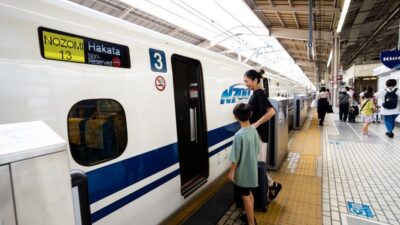
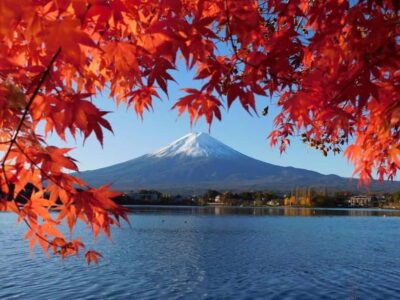
Mt Fuji and Hakone 1-Day Bus Tour Return by Bullet Train
Read our review →

teamLab Borderless Tickets: MORI Building DIGITAL ART MUSEUM
Read our review →