Reviewed · TOKYO TOURS
Explore Kichijoji: Walk Through One of Tokyo’s Beloved Districts
Tokyo has quieter corners worth seeking out. Kichijoji offers a useful break from the city’s giant crossings and department stores, with old shopping streets, a small Zen temple, independent shops, and a famous drinking alley packed into a walkable district. The tour costs $45.98 per person, lasts about two hours, and keeps the group to a maximum of eight people.
I especially like the way this experience connects everyday local life with history, rather than showing you only famous sights. I also like the final stop at Harmonica Yokocho, where the price includes one drink and two yakitori skewers. The main consideration is time: two hours gives you a good introduction, but not enough for a slow meal, serious shopping, or a full look around every side street.
The 3:00 pm start works well if you have already visited the Ghibli Museum or want a neighborhood walk after lunch. Guides named Kate and Michi have earned particular praise for explaining the area clearly and pointing out shops that are easy to miss on your own. With a 4.9 rating from 21 reviews and a 100 percent recommendation rate, this is a small, focused tour for curious first-time visitors to Kichijoji.
In This Review
- Key Points Before You Book
- Why Kichijoji Makes a Fine Change of Pace
- Starting at Sunroad Shopping Street
- Gesso-ji Temple and the Town’s Beginnings
- Nakamichi-dori: Old Shops Beside New Ideas
- Finishing at Harmonica Yokocho
- What the Guides Add
- Is $45.98 a Fair Price?
- Who Will Get the Most from This Walk?
- Cancellation and Planning Notes
- FAQ
- How long is the Kichijoji walking tour?
- What time does the tour start?
- Where does the tour begin?
- Where does the tour end?
- What food and drink are included?
- How many people can join the tour?
- Can I cancel for a full refund?
- Should You Book the Kichijoji Walk?
Key Points Before You Book
- A compact introduction to Kichijoji: The route covers Sunroad, Gesso-ji Temple, Nakamichi-dori, and Harmonica Yokocho in about two hours.
- A small group of up to eight: This makes it easier to ask questions and keep up on narrow streets.
- Local food included at the finish: You receive one drink and two yakitori skewers at Harmonica Yokocho.
- A useful mix of old and new Tokyo: The walk includes long-running shops, newer cafés, artisan stores, antique goods, and traditional culture.
- Good for first-time visitors: The tour explains why Kichijoji became a desirable place to live and how its past shaped the modern district.
- A short train ride from central Tokyo: Kichijoji is about 15 minutes from Shibuya or Shinjuku, making this an easy half-day addition to a Tokyo schedule.
Why Kichijoji Makes a Fine Change of Pace
Kichijoji sits in Musashino, west of central Tokyo. It is close enough to Shibuya and Shinjuku for an easy visit, yet it feels less dominated by major chains and office towers. The appeal comes from contrast: a covered shopping arcade, small cafés, old stores, a temple with trees around it, and narrow lanes where the evening begins over drinks.
The district is also known as one of Japan’s most desirable places to live. That matters because you are not touring a preserved historic quarter that exists mainly for sightseeing. You are seeing a working neighborhood where shopping, eating, worship, and daily errands all happen side by side.
The guide helps make sense of that mix. Without context, Sunroad can look like another Japanese shopping arcade, and Harmonica Yokocho can seem like a photogenic collection of tiny bars. With explanation, the route shows how Kichijoji developed and why it remains popular.
The walk also includes a historical turning point linked to a major earthquake about 350 years ago. That event helped trigger the creation of the town. A short tour cannot cover every detail, but this kind of background gives the streets more meaning than a simple stroll with a camera.
A few more options to weigh up in Tokyo
- Tokyo Disney Resort – Tokyo Disneyland & Tokyo DisneySea Park Tickets
★ 4.8 · 99,488 reviews - SHIBUYA SKY Ticket
★ 4.7 · 46,509 reviews - JR Whole Japan Rail Pass
★ 4.8 · 29,150 reviews
Starting at Sunroad Shopping Street
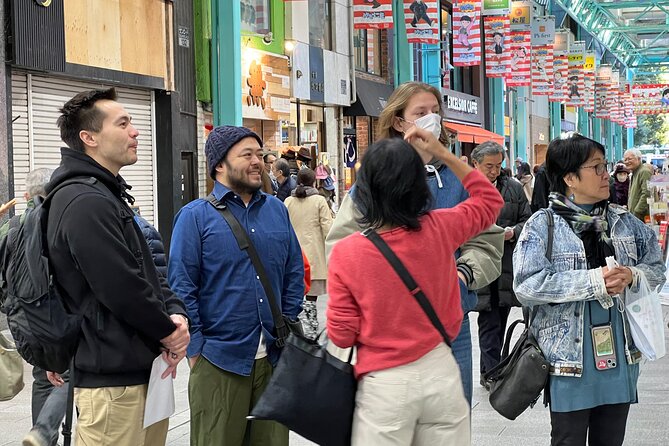
The meeting point is at 1-chōme-1-24 Kichijōji Minamichō, Musashino, Tokyo 180-0003. The walk begins at 3:00 pm with Sunroad, a covered shopping street stretching about 300 meters and lined with roughly 150 shops.
Sunroad was voted Tokyo residents’ second-favorite shopping street in 2022, just after Ameyoko. That ranking gives you a sense of its role. It is not simply a tourist market. It is a place used for ordinary shopping, food stops, household needs, and quick errands, with enough personality to attract visitors too.
Your guide can point out the difference between the familiar chain stores and the smaller businesses that give the arcade its character. The scheduled visit lasts about 15 minutes, so do not expect a long shopping session here. Instead, use this opening section to get your bearings and notice how Kichijoji works at street level.
I would avoid arriving hungry and assuming Sunroad is your main food stop. The walk moves on fairly quickly, and the included food comes later at Harmonica Yokocho. If you see something you want to buy, note its location and return after the tour.
Gesso-ji Temple and the Town’s Beginnings
The next stop is Gesso-ji Temple, also written as Gessho-ji in some English references. The supplied tour information identifies it as the place at the heart of Kichijoji’s origins. It is a peaceful Zen Buddhist temple surrounded by greenery, and it remains an important gathering place for the local community.
This is a welcome change after the commercial energy of Sunroad. Fifteen minutes may sound brief, but it is enough to pause, look around, and hear why the settlement formed here. The temple stop gives the tour a sense of continuity: modern shops are not the whole story, and the neighborhood’s identity reaches back well before today’s cafés and boutiques.
One of the more memorable cultural details from this part of the walk involves the Tanabata star festival. Visitors may have the chance to write a wish on a tanzaku, a small strip of paper, and hang it as part of the celebration. That detail shows how a small local temple can connect an ordinary neighborhood walk with a seasonal Japanese tradition.
You should treat the temple respectfully. This is not a staged attraction, and the short visit is best approached as a quiet pause rather than a photo stop. If you want a long temple visit or detailed Buddhist instruction, this tour is not designed for that.
Nakamichi-dori: Old Shops Beside New Ideas

The longest portion of the tour, about one hour, takes place along Nakamichi-dori and nearby streets. This is where the experience earns much of its price. Instead of moving between major landmarks, you spend time seeing the small businesses that make Kichijoji feel lived in.
The area brings old and new Tokyo together. Shops that have served the neighborhood for more than half a century sit near stylish cafés, sweets shops, independent boutiques, and artisan stores. The guide can explain what you are seeing, which is especially helpful when a shop’s importance is not obvious from its sign or storefront.
This section has received the strongest praise for its range. The walk may include antique shops and stores selling pottery gathered from different parts of Japan. That is a useful way to encounter Japanese culture through objects people actually buy and use, rather than through a formal museum display.
I like this part for shoppers who prefer browsing to collecting famous brands. You might find a small gift, a piece of pottery, or a shop you would never have selected from a standard Tokyo guidebook. The guide’s local knowledge matters here because the tour is not just a straight walk down one main road. The point is to notice side streets and less obvious businesses.
The limitation is that the exact shops open during your visit can vary. Small businesses change hours, displays, and stock. The tour does not promise a particular purchase, and the pace may not allow you to examine every item in detail. Think of this hour as an introduction that helps you decide where to return later.
For first-time visitors to Kichijoji, this is likely the most useful part of the walk. It answers the basic question behind a visit: why do people like living here? The answer is not one monument. It is the convenience of a full shopping district mixed with smaller stores, food, culture, and a more relaxed pace than central Tokyo.
A completely different kind of day out:
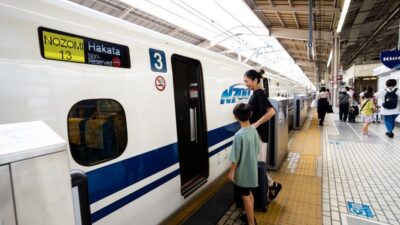
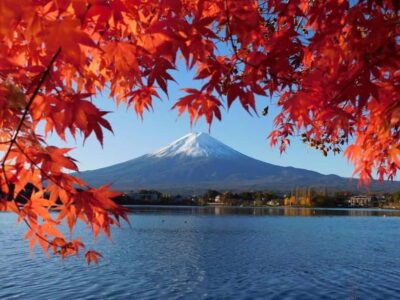
- Mt Fuji and Hakone 1-Day Bus Tour Return by Bullet Train
★ 5.0 · 26,383 reviews - TOKYO SKYTREE® Ticket
★ 4.7 · 25,136 reviews - teamLab Borderless Tickets: MORI Building DIGITAL ART MUSEUM
★ 4.7 · 24,126 reviews - teamLab Planets TOKYO Ticket
★ 4.7 · 21,663 reviews
Finishing at Harmonica Yokocho
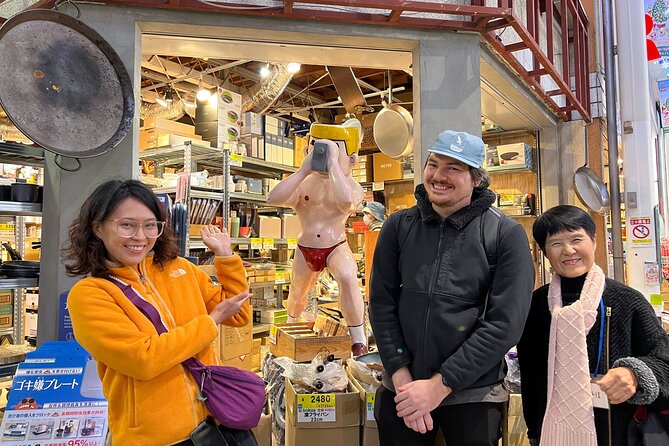
The tour ends at Harmonica Yokocho, near the north exit of Kichijoji Station. The meeting point is at 1-chōme-1 Kichijōji Honchō, Musashino, Tokyo 180-0004, only a short walk from the station.
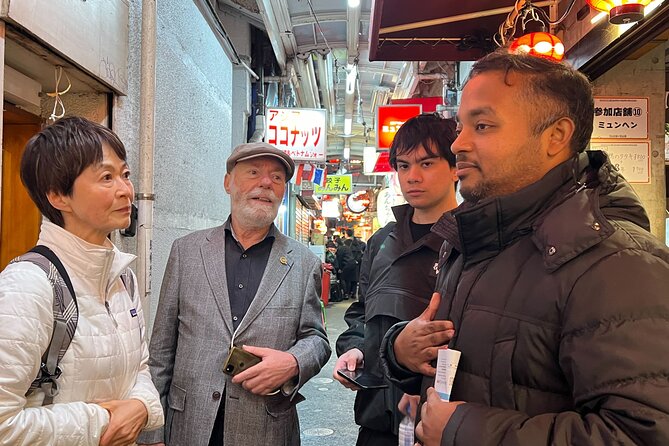
Harmonica Yokocho is a narrow maze of small bars and eateries. Its name comes from the way the tight lanes resemble the reeds of a harmonica. The area began as a postwar black market, and that history gives the alley a very different feel from a polished shopping center.
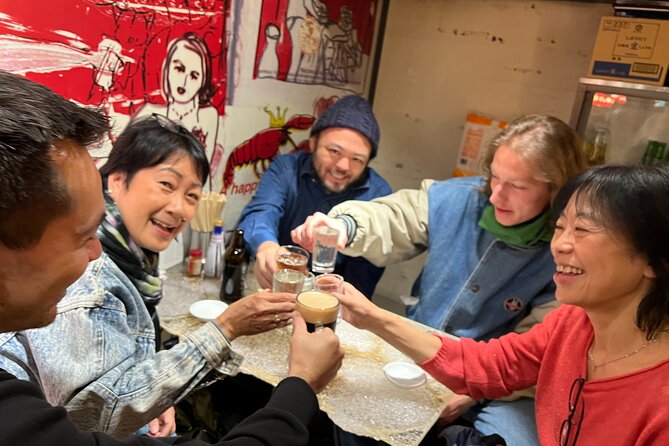
The tour includes one drink and two skewers of yakitori. This is a modest tasting, not dinner, but it is a smart way to end a walking tour. You get a taste of the district’s evening character without having to choose a restaurant on your own or worry about ordering in an unfamiliar setting.
The timing is also practical. Starting at 3:00 pm means you reach Harmonica Yokocho as the afternoon shifts toward evening. Red lanterns, narrow lanes, and tiny food counters become more inviting at this hour. The experience does not promise a long stay, so plan to remain afterward if you want a full meal or another drink.
Be aware that small alley bars may have limited space. The tour’s eight-person maximum helps, but you should still expect a close, compact setting rather than a roomy restaurant. That is part of the character, though it may not suit anyone who prefers quiet or generous table space.
What the Guides Add
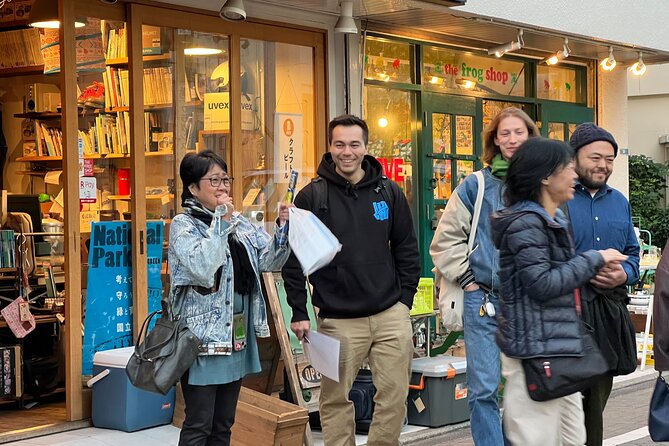
A walk through Kichijoji is possible without a guide. You can follow the shopping streets, find the temple, and reach Harmonica Yokocho with a map. The advantage here is interpretation.
Kate has been praised for her warm manner and strong understanding of the neighborhood. Michi has also been singled out for sharing stories about both older and newer Kichijoji. Those comments point to the main value of the guiding: you are not simply being led from one address to another.
The guides explain the earthquake that helped shape the town centuries ago, the history of the temple, the appeal of the residential district, and the recent growth of retail businesses. They also help identify artisan stores and unusual places that may not appear in standard travel books.
The group limit of eight makes this kind of conversation more useful. You can ask why a street matters, what a shop sells, or where to return after the walk. A large group would make the narrow streets and small stores harder to manage.
Still, this is a neighborhood introduction, not a specialist lecture. If you want a detailed history of Japanese Buddhism, architecture, or urban planning, the two-hour format will feel light. The strength is breadth with local explanation.
Is $45.98 a Fair Price?

At $45.98 per person, the tour is not the cheapest way to walk around Kichijoji. You could explore the district independently for the cost of your train fare and whatever you choose to eat.
The price becomes easier to justify if you value context and limited planning. A local guide organizes the route, explains the area, introduces smaller businesses, and includes a drink plus two yakitori skewers. For a first visit, that can save you from spending your limited Tokyo time wandering without knowing what you are looking at.
The small group also matters. With no more than eight people, the tour should feel more personal than a standard city walk. That is useful in shops and on narrow lanes, where a large crowd would be awkward.
I would book it if Kichijoji is new to you and you want a quick orientation before exploring on your own. I would skip it if you already know the neighborhood well, want several hours of shopping, or prefer to make every food and sightseeing choice independently.
The tour is usually booked about 33 days ahead, so it is sensible to reserve early if your Tokyo dates are fixed. Confirmation arrives within 48 hours, subject to availability. The mobile ticket keeps entry simple, and most people can take part.
Who Will Get the Most from This Walk?
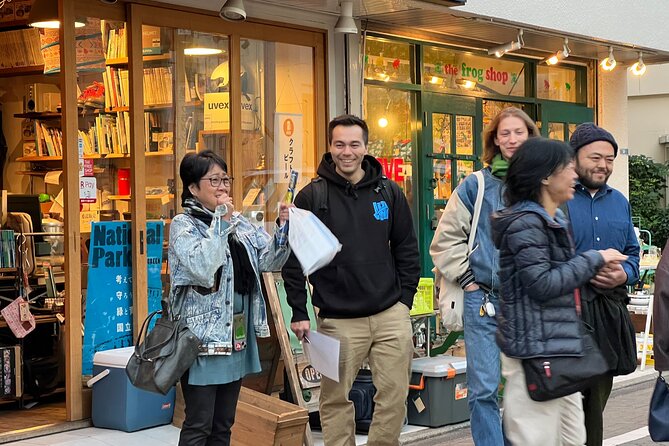
This experience suits first-time visitors who want to see a residential side of Tokyo without spending a full day away from the center. It also works for anyone visiting the Ghibli Museum and looking for a nearby activity afterward.
You will likely enjoy it most if you:
- Prefer local shopping streets to major attractions
- Like learning the story behind ordinary places
- Want a small group rather than a large guided crowd
- Enjoy pottery, antique stores, cafés, and independent shops
- Want a brief introduction before returning to explore alone
- Like ending a walk with a drink and a small food tasting
The two-hour length is good for a busy Tokyo schedule. It leaves room for other plans before or after, but it also means the experience moves at a steady pace. Wear comfortable shoes, and save serious shopping for afterward.
Families and older visitors should note that this is a walking tour through shopping streets and narrow lanes. The information says most people can participate, but it does not provide detailed accessibility information. If you have specific mobility needs, confirm the route before booking.
Cancellation and Planning Notes
Free cancellation is available up to 24 hours before the 3:00 pm start time for a full refund. Changes or cancellations made less than 24 hours before the start are not accepted for a refund, and the cut-off uses local Tokyo time.
The experience requires a minimum number of participants. If the operator cancels because that minimum is not reached, you will be offered another date or experience, or receive a full refund.
Plan to reach the starting point early. The walk begins in the Kichijoji Minamicho area and finishes near the north exit of Kichijoji Station, so the start and end are not the same address. The final location is convenient for continuing your evening, especially if you want to eat at Harmonica Yokocho after the included tasting.
FAQ
How long is the Kichijoji walking tour?
The tour lasts approximately two hours.
What time does the tour start?
The tour starts at 3:00 pm.
Where does the tour begin?
It begins at 1-chōme-1-24 Kichijōji Minamichō, Musashino, Tokyo 180-0003, Japan.
Where does the tour end?
It ends at Harmonica Yokocho, 1-chōme-1 Kichijōji Honchō, Musashino, Tokyo 180-0004, Japan. The alley is a short walk from the north exit of Kichijoji Station.
What food and drink are included?
The experience includes one drink and two skewers of yakitori at Harmonica Yokocho.
How many people can join the tour?
The maximum group size is eight people.
Can I cancel for a full refund?
Yes. You can cancel at least 24 hours before the start time for a full refund. Cancellations or changes made less than 24 hours before the start are not accepted for a refund.
Should You Book the Kichijoji Walk?
Book this tour if you want a guided introduction to ordinary Tokyo life, especially on your first visit to Kichijoji. The mix of Sunroad, Gesso-ji Temple, independent shops, pottery, and Harmonica Yokocho gives you a clear sense of why the district is so popular.
The best reason to go is the guide’s local explanation. Kate and Michi have been praised for making the neighborhood easier to understand in a short time. The food and drink at the end add a pleasant local touch, but the real value is learning where to look and what you are seeing.
Skip it if you want a long, unhurried shopping trip or already know the area. For everyone else, $45.98 buys a compact route, a small group, useful background, and a starting point for exploring Kichijoji on your own.
Just added in Tokyo
- Official Street Go Kart Tour Akihabara 2nd★ 5.0 · 19 reviews
- Private Nippori Fabric Town Walking Tour★ 5.0 · 21 reviews
- Nikko Private Day Tour – Temples, Nature & Hidden Gems★ 5.0 · 41 reviews
- Ninja Wire Action Experience★ 5.0 · 29 reviews
- Nikko one day trip GREEN NUMBER PLATES★ 4.5 · 47 reviews
- Nikko Private Tour from Tokyo with Licensed Guide and Vehicle★ 4.5 · 15 reviews
- Nikko Toshogu, Kegon waterfall, Lake Chuzenji One Day Pvt. Tour★ 5.0 · 22 reviews
- Nikko Private Day Tour with Guide by Car (from Tokyo)★ 4.0 · 16 reviews
Tokyo Tours, compared.

Tokyo Disney Resort – Tokyo Disneyland & Tokyo DisneySea Park Tickets
Read our review →
Mt Fuji and Hakone 1-Day Bus Tour Return by Bullet Train
Read our review →

teamLab Borderless Tickets: MORI Building DIGITAL ART MUSEUM
Read our review →