Reviewed · TOKYO TOURS
Harajuku Kawaii Fashion and Pop-Culture Tour
Harajuku keeps changing its outfit. This three-hour tour gives you a friendly way to meet the neighborhood’s cute-fashion shops, street snacks, photo booths, and nearby cultural sights without wasting time finding the right corners. I especially like the small-group format and the included lunch, purikura photos, street foods, and tour pictures. The main drawback is that some stops are easy to visit on your own, and the cultural explanation may depend heavily on your guide.
I also like the mix of silly and stylish. You can browse Takeshita Street, try Japanese pop-culture photo booths, look through boutiques on Omote Sando and Cat Street, then sit down for okonomiyaki or monja-yaki. Just keep your expectations sensible: this is more a guided introduction to Harajuku’s fashion and food scene than a serious fashion history lesson.
In This Review
- Key points to know before booking
- Why Harajuku works so well for this tour
- Takeshita Street: 50 minutes of cute overload
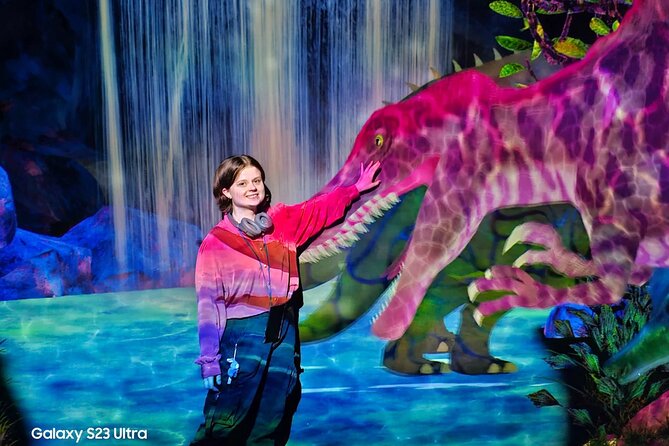
- Galaxy Harajuku: a 30-minute technology break
- Lunch at 3-chōme-20-1 Jingūmae
- Purikura photos: a souvenir with personality
- Cat Street and the Ura-Harajuku style
- What the guides add to the experience
- Group size, timing, and physical comfort
- Is $79.28 a fair price?
- Who should book this Harajuku experience?
- Should you book it?
- FAQ
- How long does the Harajuku tour last?
- Where does the tour begin?
- Where does the tour end?
- What days does the tour operate?
- What food is included?
- Are vegetarian and vegan options available?
- Can the tour provide gluten-free meals?
- Are purikura photos included?
- What is the cancellation policy?
Key points to know before booking
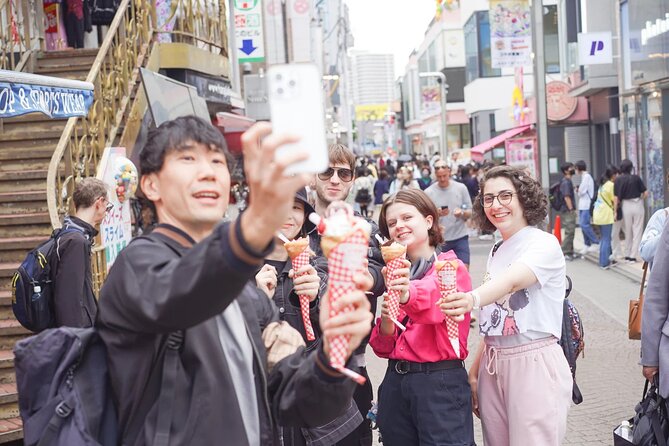
- Takeshita Street is the main event: Expect about 50 minutes among Harajuku’s famous kawaii shops, snacks, and youthful street style.
- Purikura photos are included: These Japanese photo-booth pictures are a fun souvenir, especially for families and friends.
- Lunch is part of the price: You receive okonomiyaki or monja-yaki, with vegetarian and vegan choices available, though gluten-free requests cannot be accepted.
- The group is kept small: The tour is advertised for a maximum of six, while the additional booking information says the maximum can be seven.
- Cat Street adds a calmer fashion stop: Its independent shops and brand stores offer a useful contrast to Takeshita Street.
- The schedule is compact: The tour runs for about three hours and begins and ends near Harajuku Station.
Why Harajuku works so well for this tour
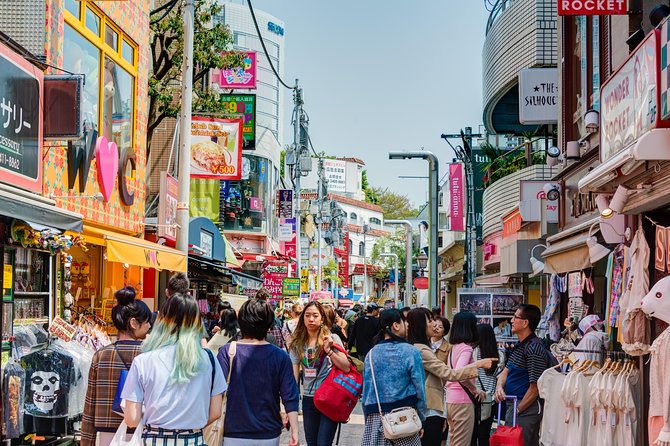
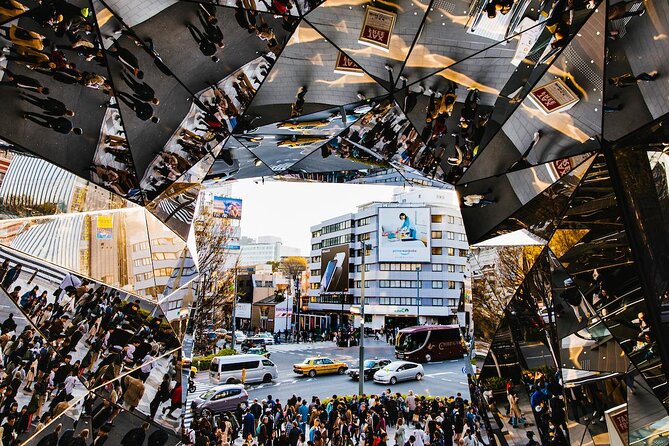
Harajuku is one of Tokyo’s best neighborhoods for seeing several sides of the city in a short walk. Takeshita Street serves up youthful fashion, giant sweets, novelty goods, and cute designs. A few streets away, Omote Sando offers polished boutiques and major brands. Cat Street, also called Ura-Harajuku, gives you another look at the area, with distinctive shops and a more fashion-focused feel.
That contrast is the real value here. If you explored only Takeshita Street, you might leave thinking Harajuku is all rainbow-colored snacks and cartoon clothing. The tour adds a little range. You get the loud, playful side first, then see the more refined shopping streets afterward.
The pace also suits a first visit. You do not need to plan every shop or decide which food stall is worth trying. Your guide handles the basic route while you concentrate on the details around you. That can be useful in Harajuku, where crowded sidewalks, bright signs, and endless shop entrances can make a short walk feel longer than expected.
The tour has a rating of 4.9 from 94 reviews, with 98 percent recommending it. That is a strong record, but it does not mean every guide delivers the same depth of commentary. One three-star experience found the area more interesting than the guiding and felt the stops were obvious enough to visit independently. I would treat that as fair advice: you are paying for company, local recommendations, food, photos, and a planned route, not access to sights that require a special ticket.
A few more options to weigh up in Tokyo
- Tokyo Disney Resort – Tokyo Disneyland & Tokyo DisneySea Park Tickets
★ 4.8 · 99,488 reviews - SHIBUYA SKY Ticket
★ 4.7 · 46,509 reviews - JR Whole Japan Rail Pass
★ 4.8 · 29,150 reviews
Takeshita Street: 50 minutes of cute overload
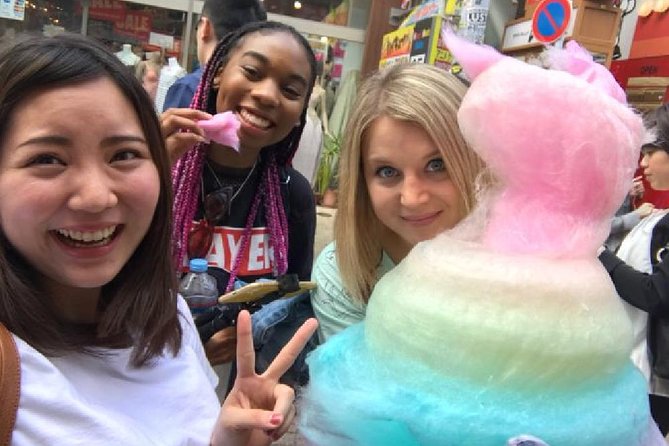
Your first main stop is Takeshita Street, the center of Harajuku’s kawaii culture. The street is known for youthful clothing, accessories, novelty items, sweets, and the playful style that made Harajuku famous around the world.
You can expect time to look around rather than simply walk past. The guide may point out popular places and help you understand what makes the street different from an ordinary shopping road. You also receive two or three Harajuku-style street foods during the tour, so this is a good place to arrive ready to snack.
The food is part of the fun, but do not confuse this with a dedicated food tour. The included items give you a taste of the neighborhood rather than a full meal. Save room for lunch, especially if you want to try the okonomiyaki or monja-yaki later.
If you like shopping, leave extra time after the tour. Three hours is enough for an introduction, but not enough to study every store on Takeshita Street. One useful tip from the experience is to come with a healthy appetite and some extra time for shopping. That advice fits the neighborhood perfectly.
Takeshita Street can also be the least relaxing part of the tour. It is a famous, popular area, and you may find the signs and crowds a little intense. If you dislike shopping streets, the guide cannot change the basic character of the place. You can still enjoy the people-watching and food, but this stop is aimed squarely at pop culture and fashion fans.
Galaxy Harajuku: a 30-minute technology break
The next stop is Galaxy Harajuku, a brand showcase that opened in 2019. Inside, you may find events, product displays, and Galaxy devices available to try.
This stop adds a modern technology angle to a tour that might otherwise focus only on clothing and sweets. It also gives you a change of pace after Takeshita Street. Instead of browsing small fashion shops, you can look at phones and interactive displays in a dedicated showroom.
The value of this stop depends on your interests. If you enjoy gadgets or want a short indoor break, it should be a pleasant addition. If you came mainly for Japanese fashion, Galaxy Harajuku may feel less essential than the shopping streets.
The available information does not promise a particular event or hands-on display on your date. Think of it as a flexible technology stop, not a guaranteed special exhibition. Your guide can help explain what is available when you arrive, but the exact experience may change.
Lunch at 3-chōme-20-1 Jingūmae
Lunch lasts about 45 minutes and includes a choice of okonomiyaki or monja-yaki at a cute local cafe. These dishes are closely associated with casual Japanese dining and make the meal more interesting than a standard restaurant stop.
Okonomiyaki is a savory Japanese pancake cooked with assorted ingredients. Monja-yaki has a softer, more pourable texture and is cooked on a hot plate. If you have never tried either dish, this is a useful chance to experience food that is social, casual, and distinctly Japanese.
The lunch matters because it gives the tour a proper pause. You are not simply rushing from shop to shop. You can sit down, eat, and talk with your guide about local food and culture. One family particularly enjoyed chatting with guide Hyoga about those subjects, while other strong ratings praised guides for being friendly and attentive during the meal.
Vegetarian and vegan options are available, but the choices are limited. You must provide dietary requests at least one day before the tour. Requests made on the day cannot be accommodated, and gluten-free meals are not available. The operator also cannot guarantee an allergy-free meal because the food is prepared in kitchens it does not control.
That limitation deserves serious attention. If you have a significant allergy or strict dietary need, I would not book this tour without confirming that the included meal works for you. Substitutions may not be possible at every stop, although the operator says it will try to make up for restrictions at other stops.
A completely different kind of day out:
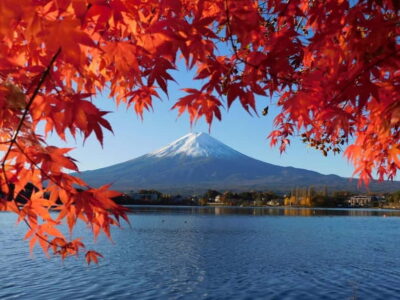
- Mt Fuji and Hakone 1-Day Bus Tour Return by Bullet Train
★ 5.0 · 26,383 reviews - TOKYO SKYTREE® Ticket
★ 4.7 · 25,136 reviews - teamLab Borderless Tickets: MORI Building DIGITAL ART MUSEUM
★ 4.7 · 24,126 reviews - teamLab Planets TOKYO Ticket
★ 4.7 · 21,663 reviews
Purikura photos: a souvenir with personality
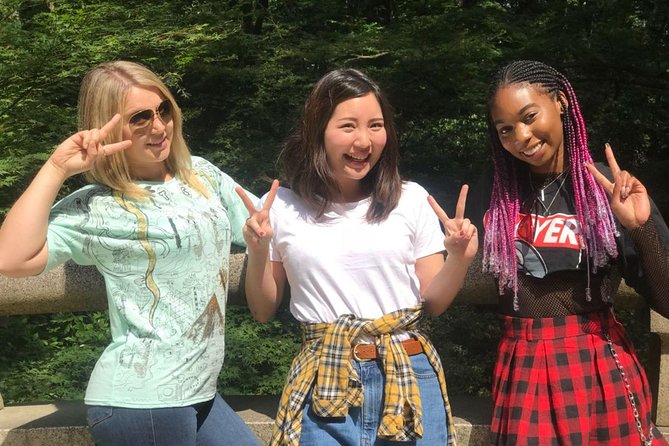
Purikura photos are included, and this is one of the tour’s most appealing extras. Purikura booths are Japanese photo machines that let you decorate pictures with effects, stickers, and digital edits. The result is less like a passport photo and more like a tiny pop-art souvenir.
You do not need to be a serious fashion fan to enjoy this stop. Families, couples, and friends can make the photo session a lighthearted part of the afternoon. It also gives you something tangible to take home, unlike a quick look inside a shop.
The quality of the tour photos taken by the guide may vary. One disappointed participant felt the pictures were not high quality, so I would consider the included photos a bonus rather than a professional photography service. The purikura pictures are the more distinctive souvenir.
The guide’s personality can make a big difference here. Reviews highlighted Aoi’s care for a family with children, Hana’s ability to find both popular places and less obvious corners, and Taka’s help creating memorable moments around Takeshita Street. Those details suggest that the best part of the photo stop may be the shared experience, not just the final images.
Cat Street and the Ura-Harajuku style
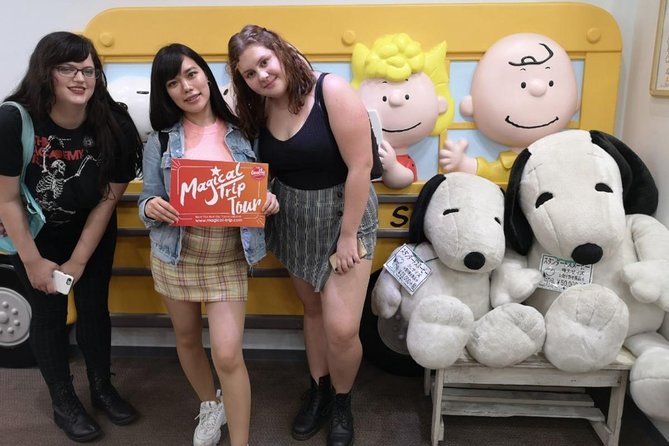
The final listed sightseeing stop is Shibuya Cat Street, reached after the Harajuku portion. Cat Street is sometimes called Ura-Harajuku and is known for unique stores, including well-known brands.
This is where the tour shifts from kawaii culture to a more polished fashion scene. You can compare the youthful, playful shops of Takeshita Street with a street aimed more at design, labels, and individual style. That contrast helps explain why Harajuku remains important to Tokyo fashion.
The stop lasts about 30 minutes, so you will get an introduction rather than a full shopping session. If a particular shop catches your eye, make a note of it and return later. This is another reason to leave free time in your schedule after the tour.
The nearby Omote Sando boutiques are also highlighted as part of the experience. Omote Sando is the upmarket side of the neighborhood, with a more polished feel than Takeshita Street. Even if you do not plan to buy anything, window-shopping here shows how the area moves from playful youth fashion to expensive, carefully designed retail.
What the guides add to the experience

The tour’s strongest praise centers on the guides. Aoi was described as sweet, caring, and easy to talk with. Ken was praised for his friendly manner and for going beyond the basic route, including providing cooling towels during a hot day. Hyoga received strong approval for explaining food and culture, while Koba helped make the route manageable for a wheelchair user.
Hitomi was especially appreciated for explaining both Harajuku’s past and its current importance. Hana was praised for mixing well-known places with smaller, less obvious stops. Mini was described as friendly and accommodating, and Taka helped create a memorable visit around Takeshita Street.
These comments point to a key fact: the human side of the tour matters more than the route itself. Most of the stops are public streets and shops that you can locate without a guide. A good guide helps you decide where to pause, explains why the area matters, adjusts the pace, and makes the food and photo stops feel more personal.
Still, guide quality can vary. One participant felt the cultural and fashion explanations were too light. If you want detailed background on Japanese street fashion, Harajuku’s social history, or the development of kawaii culture, make that clear at the start. Ask questions. A small group gives you a better chance to shape the conversation.
Group size, timing, and physical comfort
The tour lasts about three hours and starts and ends at Harajuku Station, at 1 Chome-18 Jingumae in Shibuya. It runs on Mondays, Wednesdays, and Fridays, so check your Tokyo schedule before setting aside the afternoon.
The tour is advertised as a small group of up to six people, while the additional information allows a maximum of seven. Either way, it is much more personal than a large coach outing. There may even be a chance of having a private-feeling tour if other bookings do not show, as happened for one family with guide Aoi.
Most people can participate, and the route is near public transportation. Koba was praised for accommodating a participant using a wheelchair, which is encouraging, though the supplied information does not give a full route-accessibility report. If you need specific assistance, ask before booking rather than assuming every shop or sidewalk will be equally easy to use.
Tokyo weather can be severe. Summer temperatures may reach 40°C, while winter temperatures can fall to -5°C. Wear suitable clothing, carry what you need for the weather, and remember that parts of the experience take place outdoors. The cooling towels provided by Ken were a thoughtful touch on one hot day, but you should still prepare yourself.
Is $79.28 a fair price?
At $79.28 per person, the value depends on how much help you want. You are paying for about three hours with a certified MagicalTrip guide, lunch, two or three street foods, purikura photos, and tour photos. You also receive a planned route through several different parts of Harajuku.
The price is easier to justify if you are visiting Tokyo for the first time, want to try local foods without making every decision yourself, or are traveling with children who will enjoy sweets and purikura. The small group also matters. Personal attention can make the experience feel less like following a flag through a crowd.
The value is weaker if you already know Harajuku well, prefer to shop at your own pace, or want a detailed specialist tour about fashion history. Since the streets and public areas are free to enter, you could recreate much of the route on your own. In that case, the included meal, snacks, pictures, and guide are the main reasons to pay.
I would also compare the tour with your own meal budget. If you already planned to eat okonomiyaki and sample Harajuku snacks, the added cost buys convenience and company rather than a major saving. For many visitors, that is worthwhile. For independent shoppers, it may not be.
Who should book this Harajuku experience?
I would recommend it most strongly for first-time Tokyo visitors, families, couples, and small groups of friends who want a fun introduction to Harajuku. It also suits anyone who feels more comfortable having a local guide handle the route and explain the basic differences between Takeshita Street, Omote Sando, and Cat Street.
It is a good match for people who like a loose blend of food, shopping, technology, photos, and local conversation. The tour does not force you into a single interest. You can enjoy the cute shops, skip serious shopping, ask about food, or focus on taking pictures.
I would be more cautious if you have strict food allergies, need gluten-free meals, or want a formal cultural lecture. I would also skip it if your only goal is to shop. Takeshita Street, Cat Street, and Omote Sando are easy to visit independently, and you will have more time without a scheduled group.
Book early enough to share dietary needs at least one day ahead. Also, leave some free time after the tour for stores that catch your eye. Harajuku is not a place to rush through, especially if you find a jacket, accessory, or snack that demands a second look.
Should you book it?
Book this tour if you want Harajuku’s most playful side with lunch, purikura pictures, street foods, and a guide who can make the neighborhood easier to read. The high rating, small group, and repeated praise for guides such as Aoi, Ken, Hana, Hyoga, Hitomi, and Koba point to a warm, personal experience when the guide match is right.
Skip it if you are confident exploring on your own or expect detailed fashion scholarship. The route covers familiar public places, and the commentary may be lighter than you hope. For a first taste of Harajuku with built-in food and fun, though, $79.28 is a reasonable price for a half-day outing.
FAQ
How long does the Harajuku tour last?
The tour lasts approximately three hours.
Where does the tour begin?
It begins at Harajuku Station, at 1 Chome-18 Jingumae, Shibuya, Tokyo 150-0001, Japan.
Where does the tour end?
The activity ends back at the meeting point near Harajuku Station.
What days does the tour operate?
The tour operates on Mondays, Wednesdays, and Fridays.
What food is included?
You receive an okonomiyaki or monja-yaki lunch, along with two or three Harajuku pop street foods.
Are vegetarian and vegan options available?
Vegetarian and vegan food is available, but the choices are limited.
Can the tour provide gluten-free meals?
No. Gluten-free requests cannot be accommodated.
Are purikura photos included?
Yes. Purikura photos and tour photos are included in the experience.
What is the cancellation policy?
You can cancel up to 24 hours before the start time for a full refund. Cancellations or changes made less than 24 hours before the start time are not accepted for a refund.
Just added in Tokyo
- A One-of-a-Kind Sushi Experience in a Special Place of Japan★ 5.0 · 15 reviews
- Tokyo Cute Bento Cooking Class – Make a Kawaii Character Lunchbox★ 5.0 · 126 reviews
- Japanese Home Cooking Class & Walk in Todoroki Temple Tokyo★ 5.0 · 88 reviews
- Catch a Baseball Game in Tokyo with a Local – Tickets Included★ 5.0 · 24 reviews
- Japan Tokyo Tower Observatory Deck E-Ticket★ 4.0 · 34 reviews
- JDM Experience with Fast&Furious RX-7 (English speaking Driver)★ 5.0 · 57 reviews
- Tokyo Private Day Tour by Car with English speaking Driver Guide★ 4.0 · 29 reviews
- Japan Classic 10 Day – One Life Adventures★ 5.0 · 129 reviews
Tokyo Tours, compared.
Tokyo Disney Resort – Tokyo Disneyland & Tokyo DisneySea Park Tickets
Read our review →
Mt Fuji and Hakone 1-Day Bus Tour Return by Bullet Train
Read our review →

teamLab Borderless Tickets: MORI Building DIGITAL ART MUSEUM
Read our review →