Reviewed · TOKYO TOURS
Japan Classic 10 Day – One Life Adventures
Japan rewards curiosity and stamina. This 10-day route packs neon Tokyo, mountain Hakone, old Takayama, temple-filled Kyoto, and food-loving Osaka into one lively trip. I like the mix of famous sights and less expected experiences, especially the sushi class and overnight stay in a traditional Hakone guesthouse.
I also like that the tour uses trains instead of hiding you behind a coach window. You ride the bullet train, take the Hakone Ropeway, sail Lake Ashi, walk through Kyoto before the crowds, and finish with Osaka street food and karaoke. The catch is simple: this is a fast, active backpacking tour, with plenty of walking, early starts, changing accommodation, and little spare time.
In This Review
- Key points at a glance
- Tokyo begins with temples, neon, and new friends
- Sushi, skyline views, and Tokyo after dark
- Hakone trades city noise for mountain air
- Takayama adds mountain trains and Hida traditions
- Kyoto starts with old streets and evening walks
- Golden Pavilion, Zen, and a hands-on martial arts class
- Arashiyama, macaques, and Osaka after dark
- Is $6,629 good value for this Japan route?
- Who will enjoy this 10-day adventure?
- My verdict: book it if pace matters less than range
- FAQ
- Where does the Japan Classic 10 Day tour start?
- Where does the tour finish?
- How long is the tour?
- What is the group size?
- Is the tour physically demanding?
- Are flights included?
- Are airport transfers included?
- Can I return to Tokyo after the tour?
- What meals are included?
- Is travel insurance included?
Key points at a glance
- Tokyo to Osaka in 10 days: The route covers Japan’s essential first-trip highlights without backtracking.
- A strong food focus: Sushi making, teriyaki, nabe, yakitori, sake, Hida beef, Osaka food, and karaoke all feature.
- Real rail travel: Romance Car, bullet trains, local trains, subways, and scenic journeys form part of the experience.
- Early Kyoto mornings: Fushimi Inari and Arashiyama are scheduled early, giving you a better chance of quieter paths.
- Maximum group size of 22: Large enough for a social atmosphere, but still manageable for a guide-led trip.
- Best for energetic first-time visitors: You need moderate fitness and a willingness to keep moving.
Tokyo begins with temples, neon, and new friends
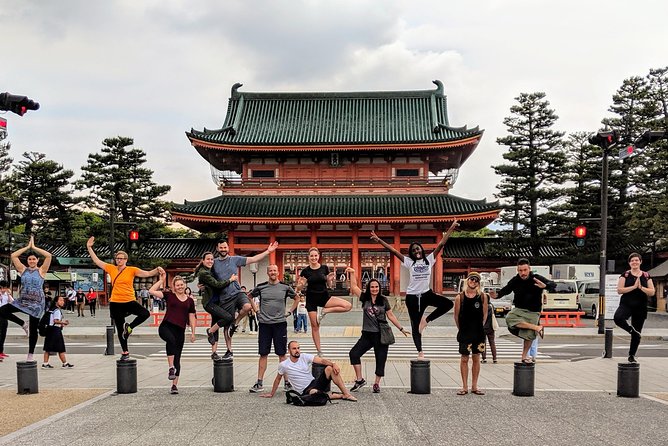
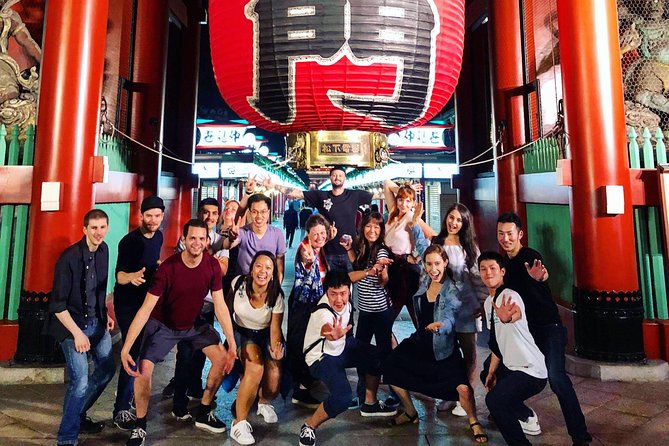
Your first evening starts gently at Senso-ji, Tokyo’s famous red temple in Asakusa. Before or around the visit, you share a Japanese meal and meet the group. That opening is useful. Tokyo can feel like a million-piece puzzle, and a guide, a meal, and a first walk give you a quick foothold.
Senso-ji is free to enter, and the surrounding area gives you an immediate taste of old Tokyo. Expect bright gates, incense, traditional details, and busy shopping lanes. One hour is enough for an introduction, but not enough for a slow study of every corner. Think of this as your first look, not a full temple visit.
The following morning begins with an orientation class covering basic customs and simple Japanese phrases. I value this more than it may sound on paper. Knowing how to behave around shrines, how to move through stations, and a few polite words can make the rest of the trip easier and more respectful.
Harajuku brings a sharp change in mood. This is the Tokyo of youth fashion and Japanese pop culture, with two hours to look around before moving into Yoyogi Park and Meiji Jingu Shrine. The pairing works well: Harajuku shows the city’s playful modern side, while Meiji Jingu offers a broad, wooded shrine setting with a calmer rhythm.
The day then turns electric in Akihabara. You have about three hours to see Tokyo’s electronic district, packed with neon signs and unusual shops. The tour does not list paid attractions here, so the value comes from walking, browsing, and watching the city’s visual overload. If you want to buy electronics, anime goods, or other souvenirs, keep your budget separate.
A few more options to weigh up in Tokyo
- Tokyo Disney Resort – Tokyo Disneyland & Tokyo DisneySea Park Tickets
★ 4.8 · 99,488 reviews - SHIBUYA SKY Ticket
★ 4.7 · 46,509 reviews - JR Whole Japan Rail Pass
★ 4.8 · 29,150 reviews
Sushi, skyline views, and Tokyo after dark
Day three is one of the tour’s strongest food days. At Tsukiji Fish Market, you get an introduction to Tokyo’s seafood culture before taking part in a sushi-making class. The class also includes frying teriyaki, so this is more hands-on than simply sitting down for a meal.
The market visit lasts about an hour, followed by two hours for the class and lunch. That gives you time to learn a skill and understand some of the food you are eating. It is a good choice for a first visit to Japan because food is not treated as a side note. It is part of the route.
After a short break at the hostel, you head to Shinjuku and the Tokyo Metropolitan Government Building observation decks. The decks are free, which is a welcome detail in a city where paid viewpoints can add up. Tokyo’s scale becomes easier to understand from above, with districts spreading in every direction.
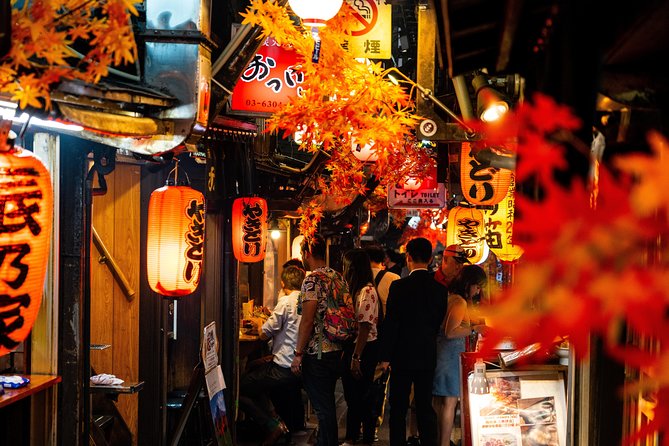
Dinner is served in Omoide Yokocho, the narrow alley commonly known by the less polished nickname Piss Alley. Yakitori and beer make this an informal, social stop. The alley is small, so do not expect a long meal or a private table for the group. The point is the atmosphere and the shared experience.
The night ends at Shibuya Crossing. One hour is plenty for seeing the famous pedestrian scramble and taking it in from street level. The schedule gives you a classic Tokyo evening, but it is also a long day. If you are tired, you may want to treat the final stop as a quick look rather than force yourself to keep going.
Hakone trades city noise for mountain air
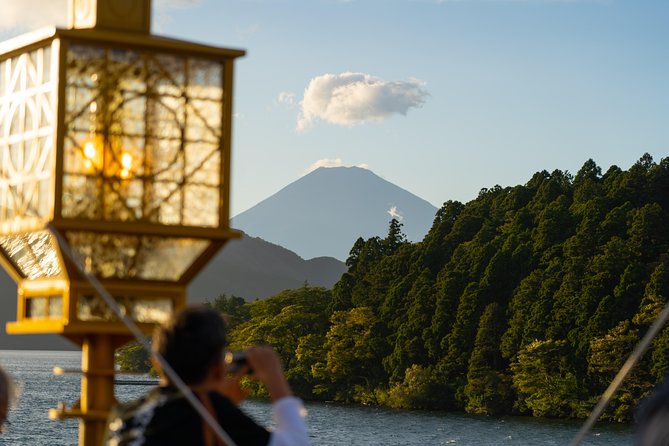
On day four, you leave Tokyo on the Romance Car for Hakone, a mountain town known for its hot-spring setting and views toward Mount Fuji. Your accommodation is a guesthouse in the mountains, which marks a clear change from city hostels and urban streets.
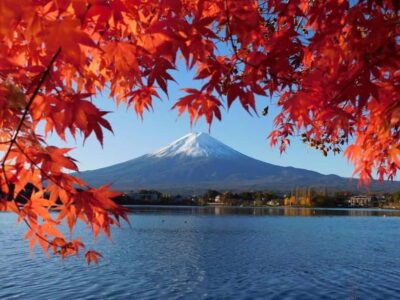
The Hakone Ropeway provides the main sightseeing ride. Afterward, you board a pirate ship on Lake Ashi. On a clear day, Mount Fuji may appear across the water. The key words are on a clear day. Fuji views are never guaranteed, even with a carefully planned route, so enjoy the ropeway and lake as experiences in their own right.
The day ends with a traditional nabe dinner at the guesthouse. Nabe is a shared hot-pot meal, which suits a group tour nicely. It gives you a chance to slow down, eat together, and enjoy a more traditional setting after the urban pace of Tokyo.
Hakone is also where the tour’s physical demands become clearer. You are changing transport several times and exploring an area with hills and stairs. Pack light enough to move comfortably, and keep your day bag organized. The information provided does not specify room arrangements, so you should confirm the accommodation setup before booking if that matters to you.
Takayama adds mountain trains and Hida traditions
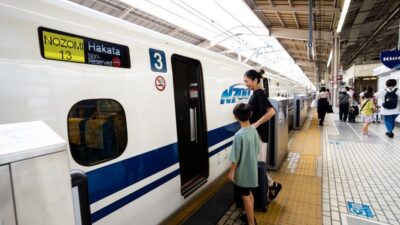
Day five features one of Japan’s best transport experiences. You take a bullet train to Nagoya, then continue by scenic train toward Takayama through mountain country. The rail journey is not just a practical transfer. It is part of the sightseeing, giving you a look beyond the major cities.
Takayama brings old-town streets and a slower rural feel. You spend the afternoon tasting sake at Harada Sake Brewery, with the chance to try Hida beef as well. The sake stop has an included admission, while the beef is described as something you can purchase for yourself, so plan for an extra food cost if you want it.
The accommodation here is described as a traditional stay, giving you another change from standard city lodging. This variety is one of the tour’s better features. You are not seeing Japan only through large hotels and transport hubs. You get a taste of mountain-town hospitality and local food traditions.
The tradeoff is another travel-heavy day. Tokyo to Hakone, Hakone to Takayama, and Takayama to Kyoto all involve movement in a short period. You gain a broad view of Japan, but you give up the luxury of settling into one place for several nights.
A completely different kind of day out:
- Mt Fuji and Hakone 1-Day Bus Tour Return by Bullet Train
★ 5.0 · 26,383 reviews - TOKYO SKYTREE® Ticket
★ 4.7 · 25,136 reviews - teamLab Borderless Tickets: MORI Building DIGITAL ART MUSEUM
★ 4.7 · 24,126 reviews - teamLab Planets TOKYO Ticket
★ 4.7 · 21,663 reviews
Kyoto starts with old streets and evening walks
The morning in Takayama includes a guided walk through the old town and the Miyagawa Morning Market. With two hours here, you can browse food, crafts, and local produce while walking beside the river. This is one of the itinerary’s more grounded moments, and it helps balance the major-city stops.
You then return by train to Nagoya and take the final bullet train to Kyoto. In the evening, a guided walk through Gion introduces you to Kyoto’s traditional streets and tea-house district. You may see geisha or maiko moving between appointments, but you should treat the area as a living neighborhood, not a stage set. Keep your distance and follow local etiquette.
Three hours in Gion gives you time to walk after the long train day. Still, do not expect a full, quiet exploration of Kyoto. The city rewards slow wandering, and this tour gives you a first taste rather than a complete visit.
The Kyoto portion improves with an early start the next morning. You take the subway to Fushimi Inari Shrine before the main crowds arrive, then walk through the famous corridors of red torii gates. The lower section is accessible to many people, but the route continues uphill if you choose to go farther. Good footwear matters here.
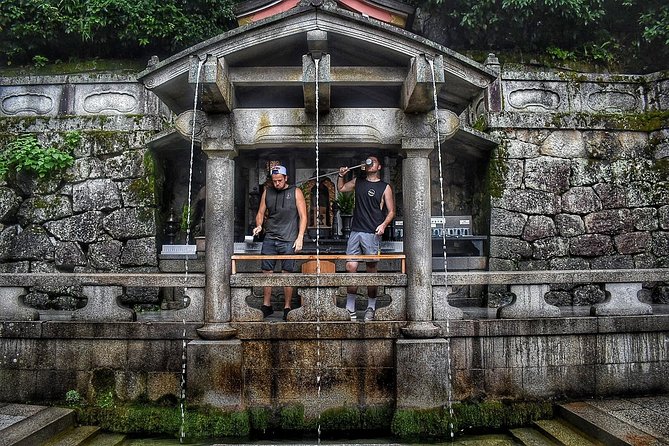
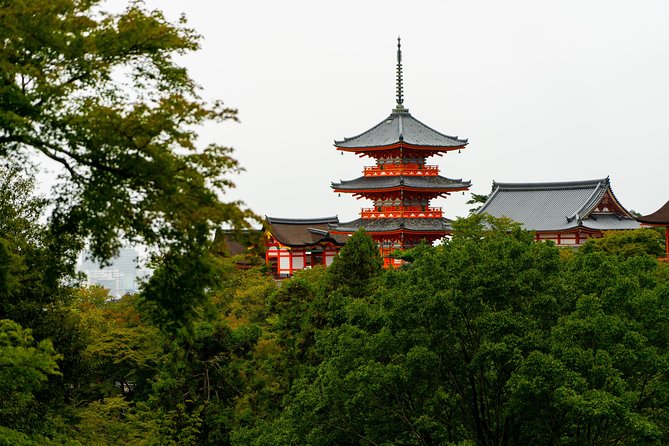
Kiyomizu-dera follows, with two hours at the temple complex. Its wooden structure sits high on the mountainside and offers a memorable view over Kyoto. The combination of Fushimi Inari and Kiyomizu-dera gives you two very different shrine and temple settings in one morning, but it also means plenty of steps.
Golden Pavilion, Zen, and a hands-on martial arts class
Day eight begins at Kinkaku-ji, the Golden Pavilion. The gold-covered building reflected in the surrounding water is one of Kyoto’s most recognizable sights. Two hours allows time for the main view and the garden path, though the site can feel busy.
Daitoku-ji provides a quieter contrast. This temple group is away from Kyoto’s main sightseeing corridor, and the visit includes a Zen garden. One hour is brief, but the stop gives the day a calmer middle section before the afternoon activity.
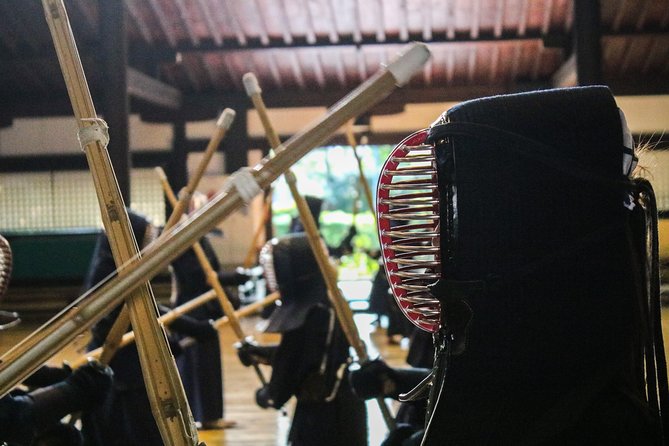
The most unusual Kyoto experience comes at the Kyoto Budo Center, where you take a traditional Kendo class. The instructor is described as a descendant of a Japanese Samurai warrior, and the class focuses on the respectful discipline behind the martial art, not just the spectacle.
Three hours gives the activity enough time to feel substantial. You should expect to participate physically, follow instructions, and stay engaged. This is not simply a performance to watch. It is a good fit if you like cultural activities that ask you to do something, though less appealing if you prefer a free afternoon in Kyoto.
Arashiyama, macaques, and Osaka after dark
Day nine begins early in Arashiyama, a wise choice for the Bamboo Forest Street. The bamboo path is photogenic but compact, and crowds can quickly change the mood. An early visit gives you the best chance of enjoying the tall stalks without stopping every few steps.
Next comes Monkey Park Iwatayama. The climb takes effort, so this is another point where moderate fitness is important. You reach an area where Japanese macaques live, followed by a descent and a private rowboat trip through the Arashiyama valleys.
The rowboat ride lasts only 30 minutes, but it adds a quiet, traditional note after the steep walk. This day combines walking, climbing, a scenic ride, and a train to Osaka. It is rewarding, but you may feel ready for a shower by the time you reach your accommodation.
Osaka changes the mood again. Dotonbori is all lights, color, food, and crowds, with a food tour through the area often called the kitchen of Japan. The tour includes the Dotonbori experience and finishes with karaoke, one of those simple group activities that can turn strangers into friends quickly.
The final night is designed for fun rather than reflection. That works for Osaka, but it also means day ten begins after a late evening. The tour ends at your Osaka accommodation, with no departure transfer included. Detailed airport directions are provided, and bullet trains back to Tokyo can be arranged for an additional cost.
Is $6,629 good value for this Japan route?
At $6,629, this is a major purchase. The value depends on how much structure and included activity you want. You are paying for a tightly planned route, a guide, group coordination, included admissions listed across the schedule, selected meals, and several memorable experiences that would take time to arrange alone.
The included food is useful but limited: four breakfasts, one lunch, and three dinners are specified. International flights, travel insurance, pre-tour and post-tour accommodation, airport transfers, tips, and some personal food costs are not included. You need to budget beyond the headline price.
The tour’s strongest value comes from logistics. Japan’s rail system is excellent, but changing trains, finding platforms, managing luggage, and reaching accommodation can take work. Here, the group moves together through Tokyo, Hakone, Takayama, Kyoto, and Osaka, with guides handling much of the daily structure.
The downside is control. You have less freedom to linger at a temple, shop for an afternoon, or change plans because you love one neighborhood. The itinerary is full, and the schedule can feel intense. Several people who took related One Life Japan departures described the experience as rewarding but exhausting, with too much programming at times.
That balance matters more than the price alone. If you would otherwise spend hours researching rail routes, food activities, and day trips, the tour may offer solid practical value. If you already enjoy planning Japan independently, the price may feel high for a schedule that leaves limited free time.
Who will enjoy this 10-day adventure?
I would choose this tour if you want a social first trip and prefer active days to long, unplanned afternoons. Solo visitors can benefit from the built-in group, shared meals, and evening activities. The maximum group size is 22, so you get company without being placed in a massive coach group.
You should be comfortable with moderate physical activity, lots of walking, early starts, stairs, and frequent train travel. A small, easy-to-carry bag will make the route far less tiring. The tour is not suited to someone who needs step-free access, long breaks, or a leisurely pace, though the available information does not provide detailed accessibility notes.
Guide quality can shape a trip like this. Ashleigh has been praised for energy, humor, care, and cultural guidance on One Life Japan departures. Guide assignments can vary, so do not book on the assumption that one named guide will lead your specific departure.
The tour is also a good match for people who want more than the standard Tokyo and Kyoto checklist. Hakone, Takayama, the sake brewery, nabe dinner, Kendo, the rowboat, and the morning markets add texture to the famous sights.
My verdict: book it if pace matters less than range
Book Japan Classic 10 Day if you want to cover a lot of Japan in a short time, meet people quickly, and let someone else organize the difficult parts. The route is unusually generous in cultural activities and food experiences, and the Tokyo to Osaka direction makes geographic sense.
Skip it if you want unhurried temple visits, flexible meals, or several free afternoons. Ten days is enough to see Japan’s headline sights, but not enough to see them slowly. At this price, you should be certain that a guided, active group format is what you want.
The best way to approach it is with realistic expectations: pack light, expect tired legs, allow extra money for excluded costs, and accept that some days will feel like a happy sprint. If that sounds appealing, this tour gives you a lively first chapter in Japan, with far more than neon and photo stops.
FAQ
Where does the Japan Classic 10 Day tour start?
The tour starts in Tokyo, Japan.
Where does the tour finish?
It ends at the accommodation in Osaka.
How long is the tour?
The tour lasts approximately 10 days.
What is the group size?
The maximum group size is 22 people.
Is the tour physically demanding?
Yes. It is described as an active, fast-paced backpacking-style tour with a lot of walking. You should have a moderate level of physical fitness.
Are flights included?
No. International flights are not included.
Are airport transfers included?
No. Arrival and departure transfers are not included. Detailed instructions for reaching the airport from Osaka are provided.
Can I return to Tokyo after the tour?
Bullet trains back to Tokyo can be arranged at an additional cost.
What meals are included?
The package includes four breakfasts, one lunch, and three dinners.
Is travel insurance included?
No. Travel insurance is not included.
Just added in Tokyo
- Tokyo Cute Bento Cooking Class – Make a Kawaii Character Lunchbox★ 5.0 · 126 reviews
- Japanese Home Cooking Class & Walk in Todoroki Temple Tokyo★ 5.0 · 88 reviews
- A One-of-a-Kind Sushi Experience in a Special Place of Japan★ 5.0 · 15 reviews
- Japan Tokyo Tower Observatory Deck E-Ticket★ 4.0 · 34 reviews
- Catch a Baseball Game in Tokyo with a Local – Tickets Included★ 5.0 · 24 reviews
- JDM Experience with Fast&Furious RX-7 (English speaking Driver)★ 5.0 · 57 reviews
- Tokyo Private Day Tour by Car with English speaking Driver Guide★ 4.0 · 29 reviews
- Tokyo Sushi Making Class : Sake Ceremony & Matcha Experience★ 5.0 · 44 reviews
Tokyo Tours, compared.
Tokyo Disney Resort – Tokyo Disneyland & Tokyo DisneySea Park Tickets
Read our review →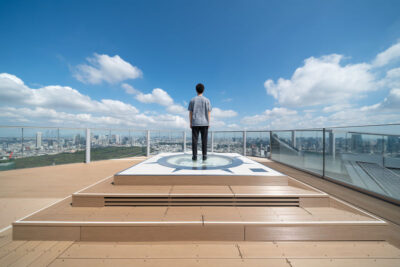
Mt Fuji and Hakone 1-Day Bus Tour Return by Bullet Train
Read our review →

teamLab Borderless Tickets: MORI Building DIGITAL ART MUSEUM
Read our review →