
Reviewed · WINTER ACTIVITIES
Japan in Winter by Train (Plus Ski) 14-Day Tour with Contiki: Itinerary & Reviews
Japan’s winter appeal is in the contrast: one day you’re walking past Kyoto shrines, the next you’re crossing snowy Hokkaido toward a ski day. This 14-day group tour links Osaka, Kyoto, Hiroshima, Miyajima, Hakone, Tokyo and Sapporo by train, then leaves you room to shape much of the final stretch yourself.
I like the mix of guided visits and free time, and the practical route that pairs Japan’s major cities with an optional taste of Hokkaido skiing. The main catch is that skiing costs extra, and the schedule allows only two full days on the slopes if you use both available days for it.
In This Review
- The quick take
- How this Japan route works
- Osaka: a relaxed start with room for Nara
- Kyoto: temples, gardens and time to wander
- Hiroshima and Miyajima: remembrance and island scenery
- Hakone and Tokyo: mountain views, then city energy
- Sapporo: winter days on your own terms
- What the price covers, and what it doesn’t
- What the group experience is really like
- Should you book this winter Japan tour?
- FAQ
- How long is the tour, and where does it start and end?
- Which places does the tour visit?
- What is the age limit?
- What accommodation is included?
- Are meals included?
- Are ski passes and equipment included?
- Is the tour guided in Sapporo?
- How much luggage can I bring?
- Which months does the tour depart?
The quick take
- A wide-ranging rail route: Begin in Osaka and finish in Sapporo, with Kyoto, Hiroshima, Miyajima, Hakone and Tokyo in between.
- A useful balance of structure and choice: Guided city visits cover key sights, while several days leave you free to explore at your own pace.
- Hokkaido is not a ski package: Skiing and other snow activities are optional, and you arrange your own lift passes and equipment.
- A long northbound train day: The journey from Tokyo to Sapporo takes most of Day 10, so bring snacks and plan for a quieter day.
- A young-adult group: The tour is limited to ages 18 to 35, with group sizes listed as 8 to 50.
- Good marks for guides and transport: The tour’s category ratings are strongest for its guide and transport, while food scores lower.
How this Japan route works
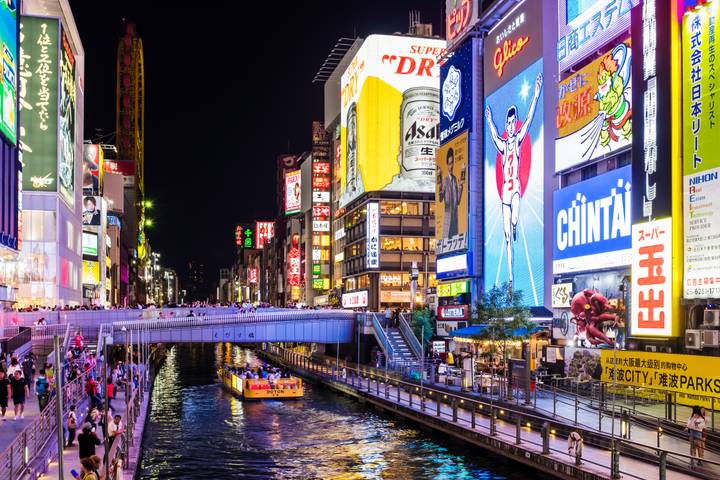
The itinerary moves in one direction, from Osaka in the south to Sapporo in the north. That means you see several sides of Japan without doubling back: lively Osaka, temple-rich Kyoto, Hiroshima and Miyajima, mountain scenery around Hakone, the scale of Tokyo, and winter in Hokkaido.
There are 13 hotel nights and 13 breakfasts. An English-speaking Trip Manager and local guides lead the guided portion, but the trip changes character in Sapporo. After the group arrives on Day 10 and gets an orientation, the last four days are unescorted. You set your own pace and arrange any outings or snow activities.
That division suits you if you like help with the big transfers and first visits, but do not want every hour planned. It is less suitable if you expect a guide to accompany you throughout the ski portion or handle every activity booking.
The group may include up to 50 people, so this is not a small-group cultural tour. The age limit is firm: Contiki accepts participants from 18 to 35. The social side is part of the offer, though the experience can vary with the group. If you prefer quiet evenings to karaoke and nights out, you can still take part in the sightseeing and use free time your own way.
A few more options to weigh up in Osaka
- Sagano Romantic Train & Arashiyama, Kiyomizudera, Fushimi Inari Taisha Day Tour
★ 4.5 · 171 reviews - Full Day Hiroshima and Miyajima Tour by Bullet Train from Osaka
★ 4.5 · 117 reviews - Hiroshima & Miyajima 1 Day Bus Tour with Bullet Train Tickets
★ 4.5 · 105 reviews
Osaka: a relaxed start with room for Nara
Day 1 is for arrival, settling into the Ibis Budget Osaka Umeda or a similar hotel, and getting to know the local area with the Trip Manager and group. No major sightseeing is scheduled, which is sensible after an international flight. You’ll need to arrange your own journey from Kansai International Airport; the suggested option is a bus, with the ride taking about 45 minutes.
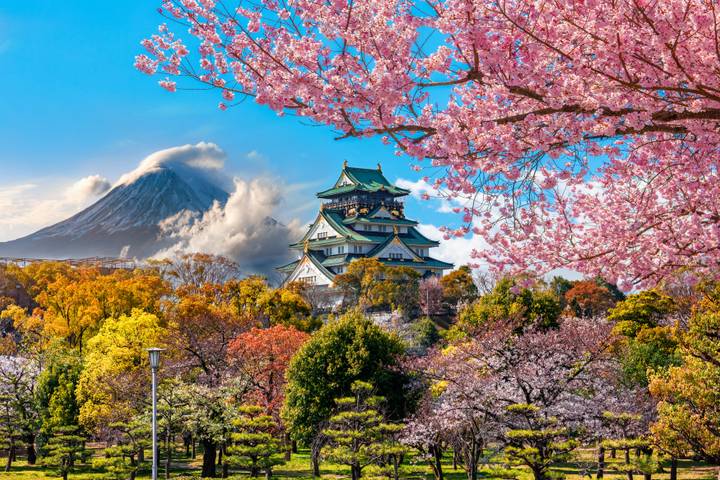
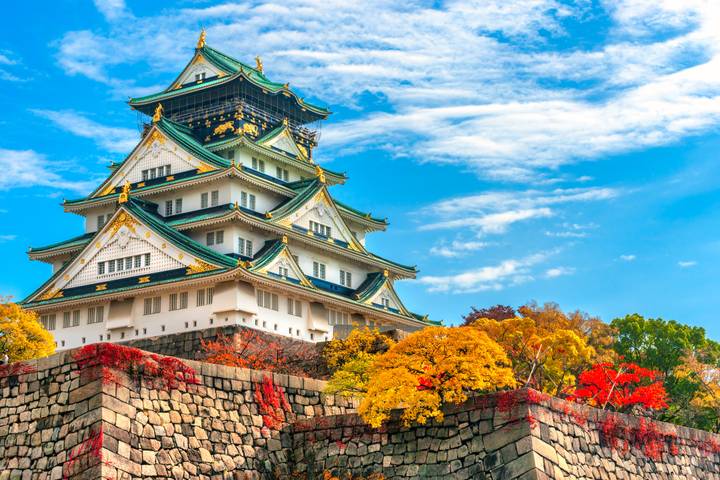
Day 2 is open. Osaka Castle and Sumiyoshi-taisha offer historical stops, while Nara is an appealing day trip if you want to see its free-roaming deer. The deer are a memorable draw, but Nara adds travel time, so choose it if you’re happy to give up some time in Osaka.
An optional kushi-katsu dinner introduces Osaka’s skewered-food culture in a lively neighborhood setting. Karaoke is another optional evening plan. Neither is compulsory, a useful distinction if you want the social connection without signing up for every late night.
Kyoto: temples, gardens and time to wander
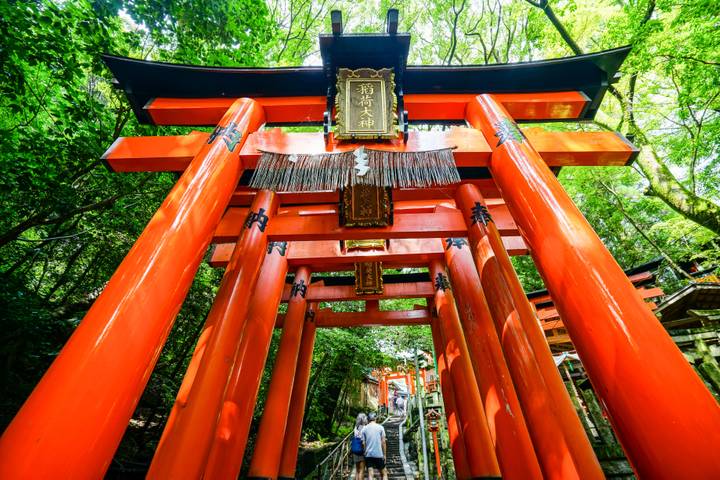
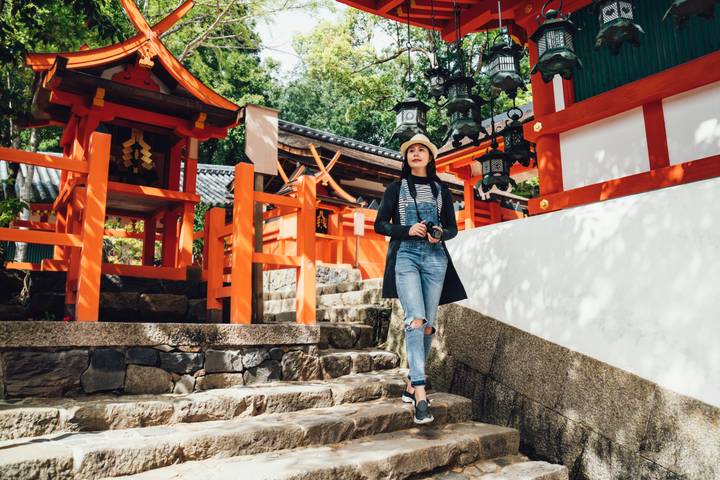
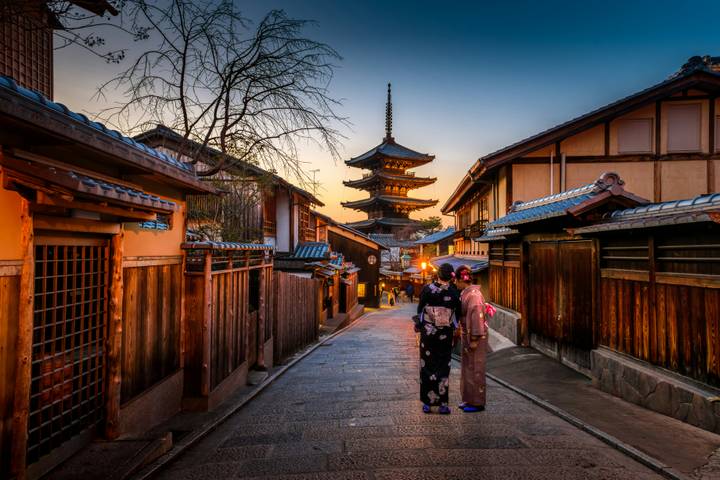
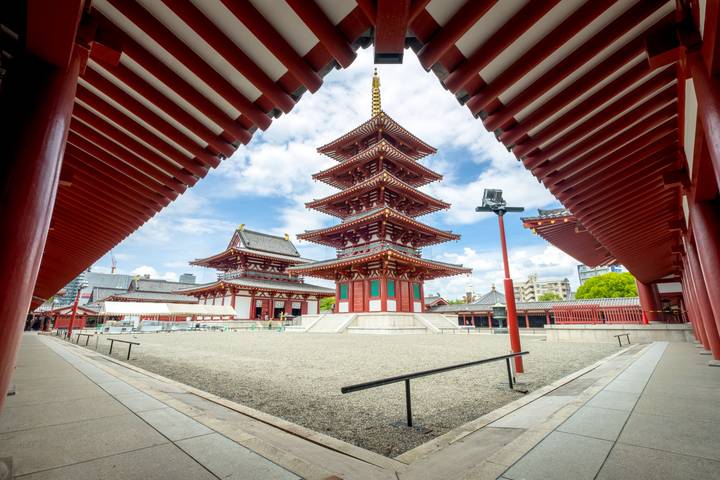
On Day 3, you take the train from Osaka to Kyoto and join a guided city visit. The plan includes temples, gardens, shrines and geisha areas, with Kiyomizu Temple and Kinkaku-ji, the Golden Pavilion, named among the city’s landmarks. This introduction helps you orient yourself before a free evening for food or a walk around the Shirakawa area.
Day 4 is yours. Kyoto rewards a slower pace, and the extra day gives you the chance to revisit a favorite temple, look for a tea house or ask the Trip Manager for local suggestions. You won’t cover every corner of the city in two days, but the guided overview and open day make a practical pairing.
The hotel is the Ibis Styles Kyoto Station or similar. Its station location is useful for the next departure and makes independent exploring easier, though the schedule does not specify particular meals beyond breakfast.
Hiroshima and Miyajima: remembrance and island scenery
The bullet train carries you from Kyoto to Hiroshima on Day 5. An optional okonomiyaki lunch gives you a local specialty to try before a sightseeing tour focused on the city’s past and present. Hiroshima Peace Memorial Park and the Peace Memorial Museum are important stops, and this visit deserves time and attention rather than being treated as a quick photo break.
The rest of the day is free, so you can continue at the museum, explore the city or find dinner independently. The tour’s balance here is helpful: a guided introduction gives context, while the open hours let you decide how much time to spend.
Day 6 brings a ferry crossing to Miyajima Island and a visit to Itsukushima Shrine, known for its traditional gate at the water’s edge. Deer also roam the island. The ferry and shrine visit are included, with time to take in the scenery before returning to Hiroshima. You stay at Hotel Vista Hiroshima or a similar property for both nights.
A completely different kind of day out:
- Universal Studios Japan Studio Pass
★ 4.8 · 89,883 reviews - Universal Studios Japan Express Pass
★ 4.7 · 53,138 reviews - Osaka Amazing Pass
★ 4.7 · 21,697 reviews - Osaka Aquarium Kaiyukan Ticket
★ 4.8 · 14,894 reviews
Hakone and Tokyo: mountain views, then city energy
On Day 7, the route turns toward Tokyo with a stop in Hakone. The included Hakone Ropeway offers views across the surrounding area, and Mount Fuji may be visible when the weather is clear. Treat Fuji as a possibility, not a promise; cloud cover can decide the day’s view.
You then continue to Tokyo for three nights at the Daiichi Ryogoku Hotel or similar. The first evening is free, with Shinjuku suggested for nightlife. This is a good chance to explore after the train ride, but you can just as easily keep the evening simple.
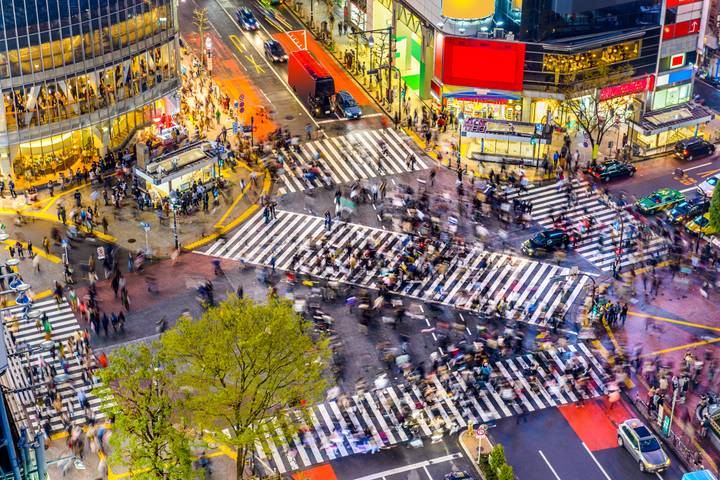
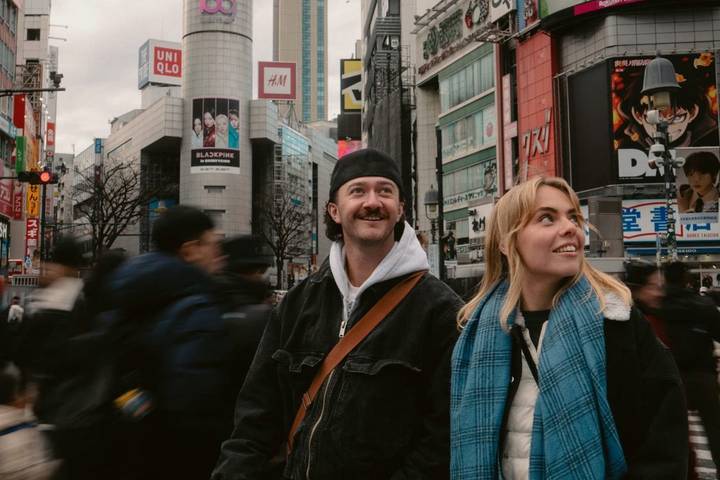
Day 8’s guided Tokyo visit includes Nakamise Street, the famous Shibuya crossing and the Harajuku area. Nakamise leads toward Senso-ji Temple and offers stalls for souvenirs. Shibuya gives you a quick sense of Tokyo’s scale, while Harajuku is known for youth fashion and food. The tour introduces these very different neighborhoods, but you’ll want to return on your own if one catches your interest.
Day 9 is fully free. Meiji Shrine is among the listed sights, and Harajuku is easy to revisit. A remote-operated robot restaurant is mentioned as an optional experience, but check current availability before building your plans around it. Tokyo is vast, so it helps to choose a district or two rather than expect to see it all in one day.
Sapporo: winter days on your own terms
Day 10 is largely a train day from Tokyo to Sapporo. The itinerary describes it as a full-day northbound journey, with the scenery changing as you head toward Hokkaido. Pack snacks the day before, keep entertainment handy and allow for a tired evening after arrival. The group checks into the Sapporo Tokyu Rei Hotel or similar, receives an orientation, then continues without an escort.
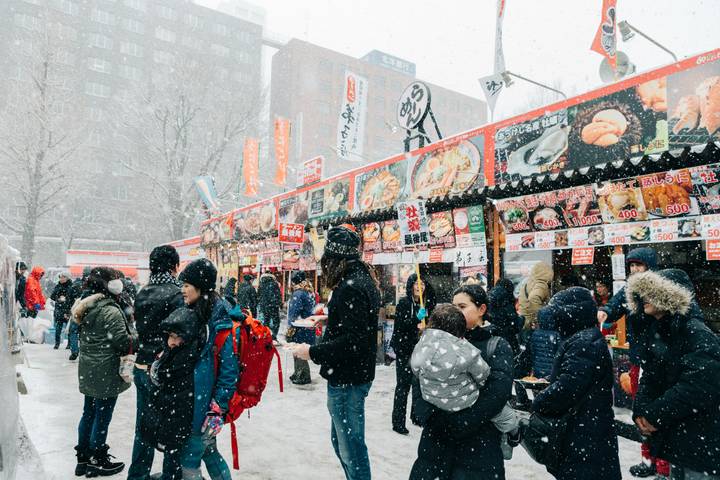
Day 11 is open for Sapporo. You could walk through Odori Park, visit the TV Tower for city views, explore temples or find local food. Nearby ski resorts are another option, though the tour does not include a ski pass or equipment.
Day 12 is the main snow-adventure day. Sapporo Kokusai and Niseko are listed as possible ski destinations, with snow tubing, rafting and snowmobiling also offered as options. These activities are not included in the tour price. You’ll need to arrange ski passes and equipment yourself, so check the costs and transport details before departure.
Day 13 leaves space to slow down. Sapporo ramen, gyozas and king crab are listed local food choices. Or you can make a day trip to Jozankei for a traditional onsen. It’s a pleasing counterpoint to the active day, but it is optional and self-organized during the unescorted section.
The schedule gives you three days in Sapporo, but only two are full days after the arrival journey. One past participant pointed out that the practical ski time can amount to two full days, not four. That is the right expectation if skiing is central to your decision. This is a Japan tour with a ski finish, not a dedicated ski holiday.
What the price covers, and what it doesn’t
The starting price is $3,142 for the cheapest room basis. It covers 13 hotel nights, 13 breakfasts, the guided program, local guides and the scheduled transport described in the itinerary. The train travel between cities is a major part of the value: it connects a substantial route without requiring you to plan every ticket and transfer yourself.
Still, the price is not an all-in budget for two weeks. Lunches and dinners are mostly at your own expense, and the listed optional meals, karaoke, day trips and winter activities can add up. Ski passes and equipment are specifically excluded. You’ll also need to budget for airport transport at the start and personal spending.
Luggage planning matters on the rail sections. You may bring one main bag or suitcase up to 73 by 50 by 25 centimeters and 20 kilograms, plus one carry-on. The main bag is sent ahead by truck on some train legs because of limited luggage space, so you’ll need an overnight bag for the relevant stops. Ski gear can be carried on the train or sent from Osaka to Tokyo for a small fee.
The tour’s category ratings are 4.7 for itinerary, 4.8 for transport, 4.9 for guide, 4.7 for accommodation and 4.4 for food. That pattern fits the format: the route, logistics and Trip Manager are strong selling points, while meals are not a major included feature. You should expect to choose and pay for many meals yourself.
What the group experience is really like
The Trip Manager can shape the feel of a group tour, and the guide ratings are particularly high. Past departures have included guides named Tom, Renee, Jaz, James, Shann and Fi, but the person leading your trip will depend on your departure. Names are not a guarantee; good group chemistry never is.
The group format can make long travel days and unfamiliar stations easier. It also brings a social pace, with optional dinners and karaoke that may appeal if you want company. One practical caution: the tour is aimed at young adults, and the listed age range is 18 to 35. Some groups may lean toward Australian participants and a party-friendly style. If you don’t drink or prefer quieter evenings, you can opt out, but it is worth knowing the social tone before booking.
Should you book this winter Japan tour?
Book it if you’re 18 to 35, want a broad first trip through Japan, value help with transport and city introductions, and like the idea of finishing with flexible winter days in Sapporo. The route is varied, the guided visits cover major sights, and the free time lets you follow your own interests.
Think twice if you want a small group, a fully escorted trip from start to finish, or several included ski days. You’ll need extra money for snow activities, and the final stretch requires you to make your own plans. For a social rail trip with a winter bonus, though, this is a practical way to connect Japan’s best-known city stops with Hokkaido.
FAQ
How long is the tour, and where does it start and end?
It lasts 14 days, starting in Osaka and ending in Sapporo.
Which places does the tour visit?
The route includes Osaka, Nara as an optional day trip, Kyoto, Hiroshima, Miyajima Island, Hakone, Tokyo and Sapporo.
What is the age limit?
The tour is for ages 18 to 35. The age restriction is firm.
What accommodation is included?
The tour includes 13 hotel nights. Listed hotels are the Ibis Budget Osaka Umeda, Ibis Styles Kyoto Station, Hotel Vista Hiroshima, Daiichi Ryogoku Hotel and Sapporo Tokyu Rei Hotel, or similar properties.
Are meals included?
Thirteen breakfasts are included. Lunches and dinners are not listed as included, though optional meals are offered on some days.
Are ski passes and equipment included?
No. You need to arrange and pay for your own ski passes and equipment.
Is the tour guided in Sapporo?
The Trip Manager provides an orientation when the group arrives in Sapporo. The remaining Sapporo days are unescorted, so you make your own plans.
How much luggage can I bring?
You can bring one bag or suitcase up to 73 by 50 by 25 centimeters and 20 kilograms, plus one carry-on. You’ll need an overnight bag on some train sections while the main luggage is sent ahead.
Which months does the tour depart?
The listed departure months are January, February, November and December.
More Winter Activities in Osaka
- Play with Snow Crab Buffet Lunch and Strawberry Picking Bus Tour
★ 5.0 · 88 reviews - Japan in Winter by Train (Without Ski) with Contiki – 10-Day Tour
★ 4.7 · 13 reviews - 1-Day Snow Monkeys, Zenko-ji Temple & Sake in Nagano
★ 5.0 · 1,020 reviews - Nagano: Snow Monkeys, Zenkoji Temple & Sake Day Trip
★ 4.9 · 833 reviews
Just added in Osaka
- Tour – Japan Bonsai (12 Days) by Bavaria Fernreisen★ 4.0 · 4 reviews
- Stunning Japan with Shirakawa-go by Stunning Tours – 8-Day Osaka to Tokyo Tour★ 4.4 · 105 reviews
- South Japan Express 6-Day Tour by Europamundo★ 4.6 · 28 reviews
- Southern Japan Experience by Intrepid Travel – 12 Days from Osaka★ 4.0 · 10 reviews
- Osaka Hiroshima Snapshot 6 Day – One Life Adventures★ 4.9 · 15 reviews
- Osaka Discovery 4 Days – Universal Fun & Kyoto Heritage by Vio Travel★ 5.0 · 1 review
- On Trails through Ancient Japan 16-Day Tour by DIAMIR Erlebnisreisen★ 5.0 · 1 review
- Japan to the World Expo (incl. flight) 10-Day Tour by MEIERS WELTREISEN★ 3.0 · 1 review
Winter Activities, compared.
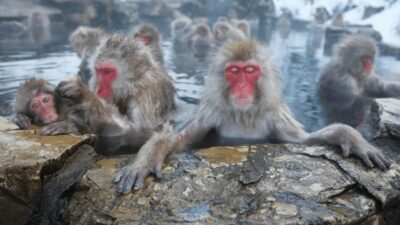
1-Day Snow Monkeys, Zenko-ji Temple & Sake in Nagano
Read our review →
Nagano: Snow Monkeys, Zenkoji Temple & Sake Day Trip
Read our review →
Snow Monkey 1 Day Tour with Beef Sukiyaki Lunch
Read our review →Private Tour Snow Monkey Park & Zenko-ji Temple
Read our review →
Snow Monkey & Nagano Customiseable Private Day Tour
Read our review →
Nagano Snow Monkey 1 Day Tour with Beef Sukiyaki Lunch from Tokyo
Read our review →
1-Day Snow Monkeys & Snow Fun in Shiga Kogen Tour
Read our review →
Play with Snow Crab Buffet Lunch and Strawberry Picking Bus Tour
Read our review →Browse the lists this tour appears in