
Reviewed · WINTER ACTIVITIES
Japan Sapporo Snow Festival by Explore! – 11-Day Tour – Reviews & Prices
Sapporo’s Snow Festival is the star here: huge snow sculptures and ice carvings turn central streets and parks into an outdoor winter exhibition. This 11-day Explore! tour also takes you north to the Sea of Okhotsk for a drift-ice cruise, then south across Japan to Kyoto.
I like the mix of big-city Tokyo and traditional Kyoto, with Hokkaido’s winter towns in between. I also like that the plan leaves room for your own choices, from an optional Sapporo Beer Museum visit to a free day in Kyoto.
The main trade-off is the pace. You’ll spend a full day on public transport between Abashiri and Sapporo, then another eight to nine hours by train from Hakodate to Kyoto. Winter weather can also affect the drift-ice cruise, so that highlight depends on conditions.
At a glance
- Sapporo’s festival gets a full day: Visit its main venues at Odori Park, Tsudome and Susukino.
- Abashiri brings a different kind of winter: Take an hour-long boat cruise through drift ice when conditions allow.
- The route covers a lot of ground: You travel from Tokyo through Hokkaido and finish in Kyoto.
- Expect a small group: Tours have 7 to 16 people and are guided in English.
- Pack for two nights without your main bag: Luggage is forwarded from Abashiri to Sapporo, then from Hakodate to Kyoto.
In This Review
- Why this winter route works
- Tokyo begins with temples, trains and a river ride
- Abashiri’s Ainu culture and uncertain drift ice
- A full day among Sapporo’s snow sculptures
- Otaru’s canal and Sapporo’s optional Buddha stop
- Hakodate’s port quarter and night view
- Kyoto temples, a tea ceremony and a free day
- Hotels, meals and the small practical details
- Should you book this Explore! tour?
- FAQ
- How long is the Japan Sapporo Snow Festival tour?
- When does the tour depart?
- How large is the group?
- Are meals included?
- Do I carry my main luggage throughout the tour?
- Where does the tour finish, and which airports can I use?
Why this winter route works
This is not simply a festival trip with a few extra stops. Its route gives you a sequence of contrasts: Tokyo’s packed streets, Hokkaido’s cold northern coast, Sapporo’s festival crowds and Kyoto’s temples and gardens. You get a good sense of how varied Japan can feel within a single trip.
The tour is best understood as a guided framework rather than a minute-by-minute schedule of attractions. Your tour leader coordinates the group and helps with public transport, while free periods let you choose where to eat or what else to see. Group size is limited to 7 to 16, which keeps the experience smaller than a large coach tour without making it a private trip.
The price starts at $5,810 for the cheapest room option. That is a substantial outlay, but the value depends on what you want handled: the itinerary includes a domestic flight, long-distance bus and rail journeys, hotels, guided visits and luggage forwarding. Ten breakfasts and five dinners are included. Lunches and some dinners are yours to choose, a useful arrangement if you want to try local restaurants rather than eat every meal as a group. International flights are not specified as included.
Tokyo begins with temples, trains and a river ride
Day one is deliberately light. Arrive in Tokyo at any time, with a welcome meeting planned for 6:30 p.m. at the hotel. Group dinner is optional, so you can join in or make your own plans after the flight. Airport transfers from Haneda or Narita can be arranged; the journey into the city takes about an hour from Haneda and around an hour and a half from Narita.
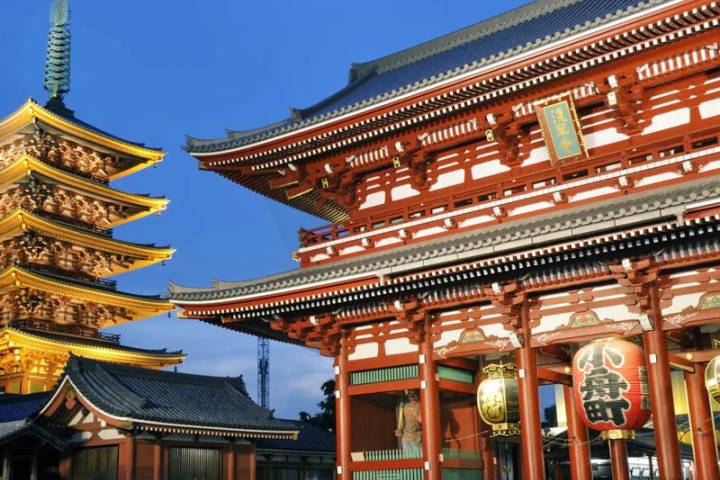
On day two, you get a guided introduction to Tokyo using public transport. Asakusa’s Senso-ji, the city’s oldest temple, gives the day a strong start. Its Thunder Gate and large guardian statues make the entrance memorable, while the surrounding district offers a close look at a busy older part of the capital.
A boat ride along the Sumida River carries the group toward Odaiba, an artificial island in Tokyo Bay. There is time for lunch and, if you plan ahead, one of the optional indoor attractions, including teamLab Planets TOKYO. Pre-booking is advised for that museum, so check availability before the trip if it is a priority.
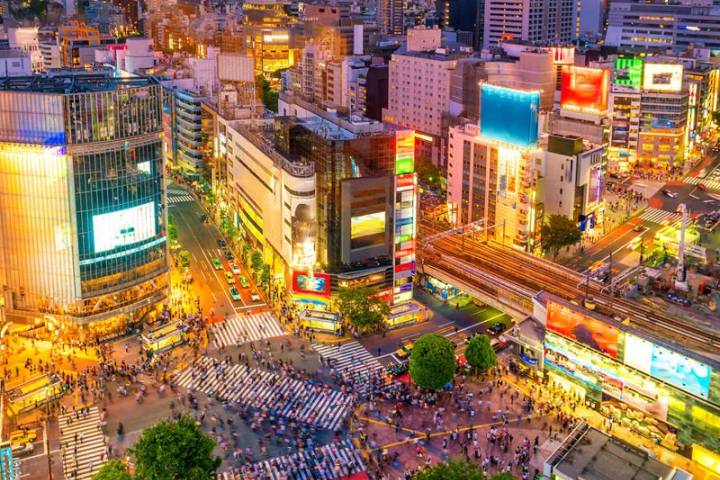
The group then visits Meiji Jingu, a Shinto shrine set among forested grounds, before passing through Harajuku and ending in Shibuya. The guided portion covers a lot, but the afternoon has free time for more exploring. You can return to Asakusa, seek out Shinjuku’s skyscrapers or linger around Shibuya. This first day is a useful sampler, not a deep survey of Tokyo.
A few more options to weigh up in Tokyo
- From Tokyo: Private Tour Snow Monkey Park & Zenko-ji Temple
★ 4.7 · 184 reviews - Nagano Snow Monkey 1 Day Tour with Beef Sukiyaki Lunch from Tokyo
★ 4.5 · 123 reviews - Nagano Tokyo: Snow Monkey Private Day Tour Hotel Pick & Drop
★ 4.7 · 84 reviews
Abashiri’s Ainu culture and uncertain drift ice
On day three, you leave Tokyo for Abashiri on Hokkaido’s Okhotsk coast. A visit to the Museum of Northern Peoples introduces Ainu culture and other peoples of the northern subarctic region. It is a valuable change of focus after Tokyo: the tour makes space for the Indigenous cultures of northern Japan, not only its urban landmarks.
Your main luggage is sent ahead to Sapporo and is due to arrive on day five. Bring what you need for two nights in a day bag. This is a practical point to plan for, especially in winter, when you will want warm layers and any personal items you need close at hand.
The next morning’s cruise is one of the trip’s most distinctive outings. From mid-January to late March, drift ice can cover the Sea of Okhotsk, and the boat heads out toward the ice when conditions permit. The cruise lasts about an hour, though its exact length depends on the ice. Seals and sea eagles may be seen resting on it; foxes or deer are sometimes visible along the coast. Wildlife sightings are possible, not guaranteed.
After the cruise, you travel by local bus to the main bus station, then take a public bus to Sapporo. Allow around six hours for this leg, with arrival expected in the early evening. It is a long travel day, but it also gives the northern coast a proper place in the itinerary rather than reducing it to a quick photo stop.
A full day among Sapporo’s snow sculptures
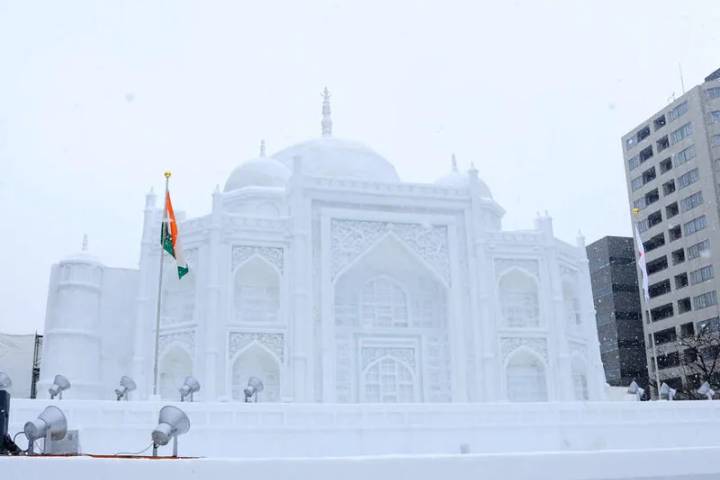
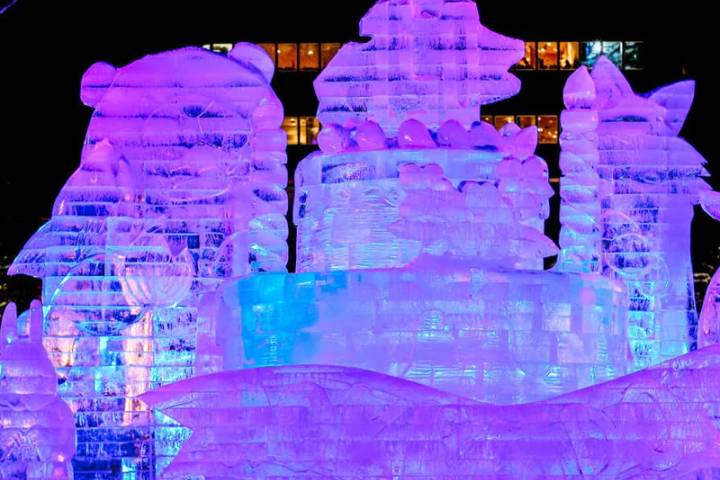
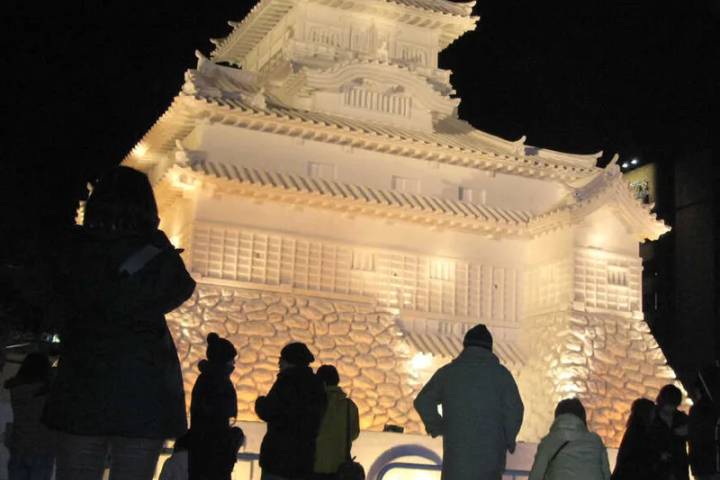
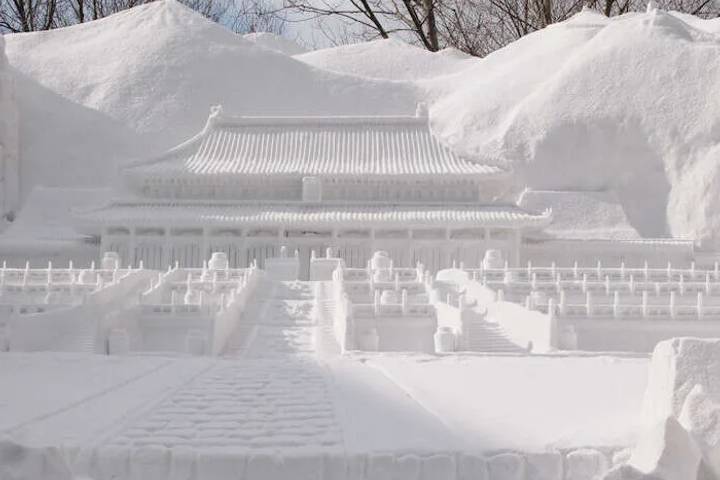
Day five is devoted to the Sapporo Snow and Ice Festival. You visit the main areas: Odori Park, Tsudome and the Susukino entertainment district. The festival began in 1950 and gained international attention when Sapporo hosted the 1972 Winter Olympics. Its snow statues and ice sculptures are the central reason to choose this trip, and having a full day gives you time to see the displays across different venues.
The locations offer different ways to experience the festival, from the park installations to the sculptures along Susukino’s main street. You also stop at an ice bar, a seasonal detail that makes sense in a city celebrating winter. Dress for extended time outside, and be prepared for crowds around the best-known displays.
An optional evening visit to the Sapporo Beer Museum adds another choice, but it is not part of the included activities. The next morning is free, so you can take things at your own pace after a busy festival day.
Otaru’s canal and Sapporo’s optional Buddha stop
Day six starts with free time in Sapporo. One option is a bus trip to the Hill of the Buddha, where a 13.5-metre statue sits within an artificial hill planted with lavender. It is an unusual setting, but the visit is optional, so use the morning for it only if it appeals more than extra time in the city.
In the afternoon, take the train to Otaru, a seaside town known for its canal and winter character. The tour usually arrives before Otaru’s Snow Light Path festival, so don’t plan on seeing that event as part of the visit. Even without it, the canal and snowy streets give you a quieter contrast to Sapporo.
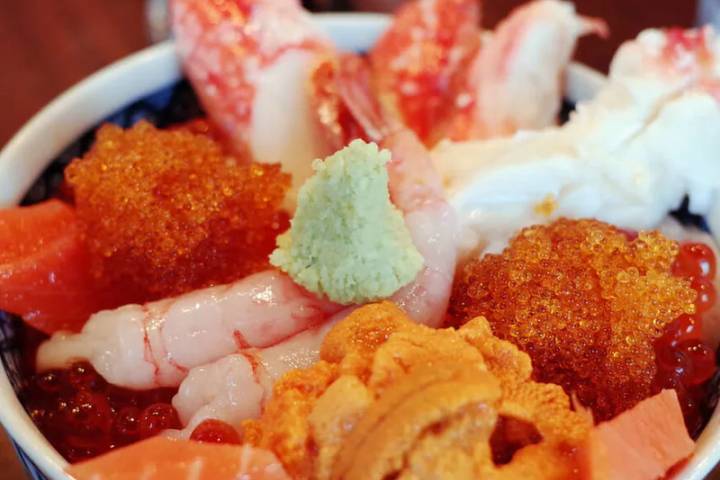
Otaru is known for seafood, and kaisendon, a seafood bowl served over rice, is a local dish worth seeking out. A beer hall is another possible stop before the group returns to Sapporo by train in the evening. Since much of the day is flexible, ask your tour leader for advice on fitting in a meal and walk without rushing.
A completely different kind of day out:
- Tokyo Disney Resort – Tokyo Disneyland & Tokyo DisneySea Park Tickets
★ 4.8 · 99,488 reviews - SHIBUYA SKY Ticket
★ 4.7 · 46,509 reviews - JR Whole Japan Rail Pass
★ 4.8 · 29,150 reviews - Mt Fuji and Hakone 1-Day Bus Tour Return by Bullet Train
★ 5.0 · 26,383 reviews
Hakodate’s port quarter and night view
A roughly four-hour train ride takes you from Sapporo to Hakodate on day seven. The port opened to foreign trade in 1854, and the Motomachi district reflects that history through a mix of Japanese and Western buildings. Walking here gives the trip another change of mood: less festival spectacle, more architectural detail and a sense of the city’s trading past.
In the evening, the group heads up Mount Hakodate for views over the city lights. It is a highlight worth keeping your camera ready for, although winter weather can affect visibility. Your main luggage is forwarded to Kyoto, so again, pack a day bag for two nights.
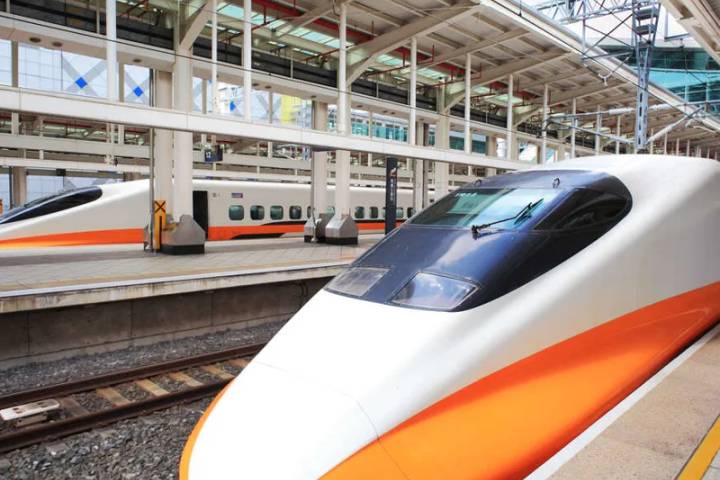
If the train departure on day eight allows, you may have time to visit Hakodate’s morning market before leaving. It is known for fresh seafood, including crab and sea urchin. The Kyoto journey takes around eight to nine hours, with a change in Tokyo. You’ll travel through the undersea rail tunnel linking Hokkaido to Japan’s main island, then continue south by high-speed train.
This is the trip’s biggest transit day. The rail journey is a memorable way to see the scale of the country and its transport system, but it leaves little time for sightseeing after you reach Kyoto. Departure is scheduled for around 6 a.m. or 9 a.m., depending on the timetable, so the early market visit is not guaranteed.
Kyoto temples, a tea ceremony and a free day
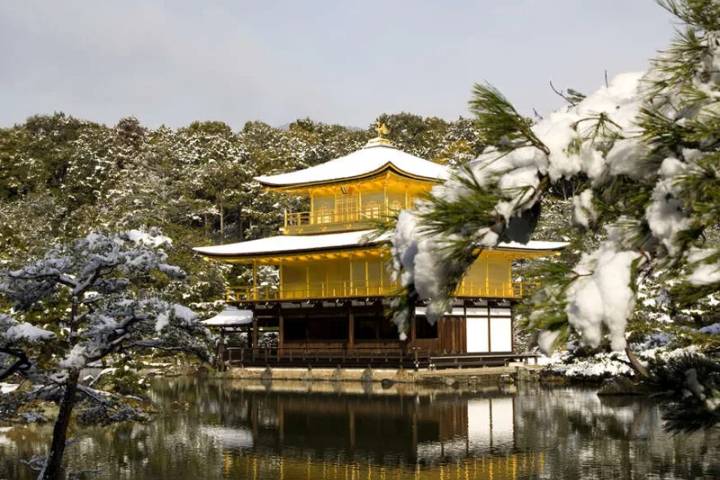
Kyoto gives the tour three nights, a welcome pause after the long cross-country train ride. On day nine, the group uses public transport to visit Kinkaku-ji, the Golden Pavilion, and Ryoan-ji, known for its Zen garden. A private tea ceremony offers a quieter indoor break and an introduction to the traditions behind the practice.
The Golden Pavilion is a major draw, and the tour’s ratings for its itinerary are especially strong. Still, Kyoto has more than 2,000 temples and shrines, so one guided day can only introduce a fraction of the city. Think of these visits as a starting point, then use your free time to follow your own interests.
Day ten is open for more Kyoto or a trip to Nara. There, you can visit Todaiji Temple and its Great Buddha, as well as Kasuga Shrine. Your tour leader can suggest how to make the most of the day, but the visits are optional and not listed as included activities.
The tour ends after breakfast on day eleven. You can leave at any time, and the hotel can store your luggage if you have time for one last stroll or shopping stop. Transfers to Kansai International Airport or Osaka International Airport can be arranged; allow for the stated journey times of about one and a half to two hours to Kansai, or about an hour to Osaka International.
Hotels, meals and the small practical details
The tour uses three-star hotels in Tokyo, Abashiri, Sapporo, Hakodate and Kyoto. Accommodation scores are a little lower than the itinerary and guide scores, so choose this trip for its route and experiences rather than expecting luxury. Hotel locations and amenities vary, and the itinerary does not promise any particular room feature.
Food is a mix of included meals and independent choices: ten breakfasts and five dinners are provided. That leaves room to try local specialties, especially seafood in Otaru and Hakodate. One small comfort noted in the trip feedback was the heated toilet seats, a welcome detail in winter. Local restaurant meals were another appreciated part of the experience.
You’ll change cities often, use public transport and carry a smaller bag during two luggage-forwarding stretches. The group’s English-speaking tour leader is there throughout, but no guide name is provided in the tour details. The group size of 7 to 16 is a good fit if you like having company and practical help without joining a large group.
Should you book this Explore! tour?
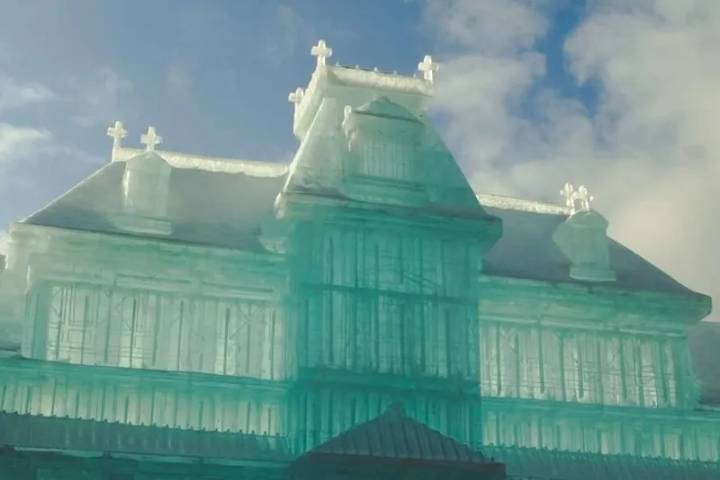
Book it if the Sapporo Snow Festival is your main goal and you also want a taste of Japan beyond the festival: Tokyo, Hokkaido’s icy coast, Hakodate and Kyoto all feature in the same trip. The strongest reasons to go are the full festival day, the chance to cruise among drift ice and the well-judged contrast between northern Japan and Kyoto. The Golden Pavilion, Shinkansen journeys and Mount Hakodate views add memorable moments along the way.
Think twice if you prefer slow travel, dislike long transit days or want a trip focused almost entirely on temples and cultural visits. The bus journey to Sapporo and the full-day train ride to Kyoto take time, and the drift-ice cruise depends on conditions. If those trade-offs feel fair for a guided winter route with transport and hotels arranged, this is a compelling way to see Japan at its snowiest.
FAQ
How long is the Japan Sapporo Snow Festival tour?
The tour lasts 11 days. It starts in Tokyo and ends in Kyoto.
When does the tour depart?
The listed departure month is February. The drift-ice cruise is subject to conditions, with drift ice generally present from mid-January through late March.
How large is the group?
The group size is 7 to 16 people. The tour is guided in English.
Are meals included?
Ten breakfasts and five dinners are included. Other meals are not listed as included, leaving you free to choose local restaurants.
Do I carry my main luggage throughout the tour?
No. Your main luggage is forwarded from Abashiri to Sapporo, arriving on day five, and from Hakodate to Kyoto, arriving on day nine. Pack a day bag for two nights on each stretch.
Where does the tour finish, and which airports can I use?
The tour ends after breakfast in Kyoto. Transfers can be arranged to Kansai International Airport or Osaka International Airport.
Just added in Tokyo
- Fish Market & Tokyo Skyline Private Walking Tour★ 5.0 · 14 reviews
- Mt. Fuji & Hakone Cherry Blossom private One Day Tour★ 4.5 · 35 reviews
- 25-Min Downtown Helicopter Tour : Tokyo Skytree and Tokyo Tower★ 5.0 · 19 reviews
- Private Tour with a Local Guide – Learn about daily life in Japan★ 5.0 · 22 reviews
- Tokyo: 3-Hour Bike/E-Bike Tour of the City’s Highlights★ 5.0 · 209 reviews
- Official Japan Go-Kart Through Tokyo Bay / Ginza (IDP Required)★ 4.5 · 71 reviews
- 30-Min Tokyo Central Private Heli Tour– Asakusa, Skytree, Shibuya★ 5.0 · 13 reviews
- Tokyo 2-Hour Genuine Samurai Experience: Kendo in Japan★ 5.0 · 112 reviews
Winter Activities, compared.
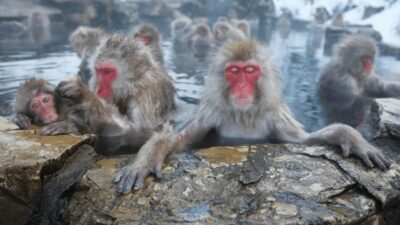
1-Day Snow Monkeys, Zenko-ji Temple & Sake in Nagano
Read our review →
Nagano: Snow Monkeys, Zenkoji Temple & Sake Day Trip
Read our review →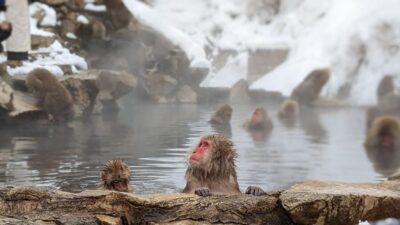
Snow Monkey 1 Day Tour with Beef Sukiyaki Lunch
Read our review →Private Tour Snow Monkey Park & Zenko-ji Temple
Read our review →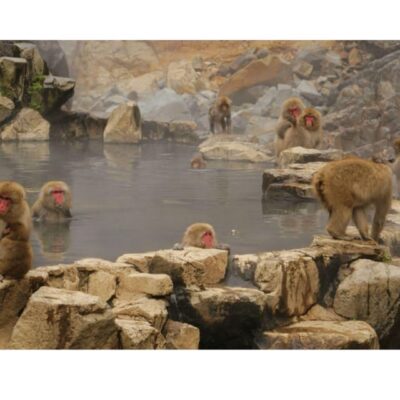
Snow Monkey & Nagano Customiseable Private Day Tour
Read our review →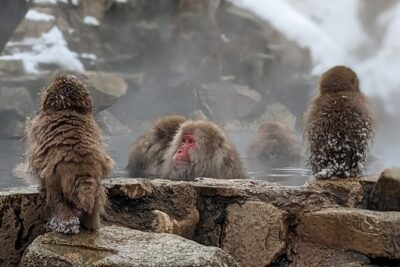
Nagano Snow Monkey 1 Day Tour with Beef Sukiyaki Lunch from Tokyo
Read our review →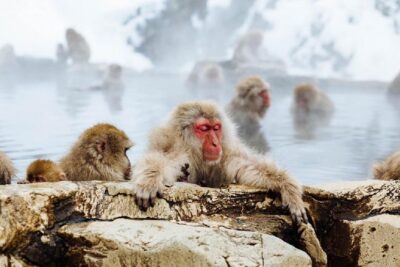
1-Day Snow Monkeys & Snow Fun in Shiga Kogen Tour
Read our review →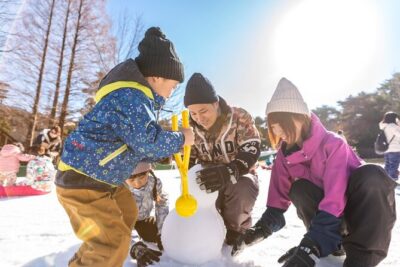
Play with Snow Crab Buffet Lunch and Strawberry Picking Bus Tour
Read our review →Browse the lists this tour appears in