Reviewed · TOKYO TOURS
Kabukicho Macabre Tour – the Real Tokyo Vice
Tokyo has a darker side. This two-hour walk through Kabukicho traces murders, mafia disputes, tragic accidents, terrorist attacks, haunted spots, and the culture of Tokyo’s red-light district. It is not a sightseeing stroll dressed up with spooky stories. The route uses real locations and connects them to the social forces behind the headlines.
I like the small groups of up to four people, which make it easier to hear Vivian and ask direct questions. I also like the way the tour joins crime stories to everyday nightlife, love hotels, Yakuza game locations, and places linked with the HBO series Tokyo Vice. The main consideration is the subject matter: this is an adult tour about murder, suicide, violence, sex work, and exploitation, so it is not suitable for children under 15 or anyone looking for a light evening walk.
In This Review
- Key points at a glance
- Why Kabukicho makes such a strong setting
- Meeting Vivian beneath the Kabukicho Tower
- The first steps through the red-light district
- Murder sites, mafia conflicts, and unsolved cases
- Haunted spots and the supernatural side of Shinjuku
- Yakuza, Tokyo Vice, and familiar screen locations
- What the two-hour format means
- Is $56 a fair price?
- Who will enjoy this walk most
- Final verdict: book it for the stories, not the spectacle
- FAQ
- Where does the Kabukicho Macabre Tour meet?
- How long does the tour last?
- How much does the tour cost?
- What language is the tour in?
- How many people can join?
- Is the tour wheelchair accessible?
- What topics does the tour cover?
- Does the tour visit real crime locations?
- Is the tour suitable for children?
- Does the tour include a shrine visit?
Key points at a glance
- Real Kabukicho locations: Visit or pass sites connected with murders, gang conflicts, accidents, and unsolved crimes.
- A guide with academic background: Vivian wrote her graduating thesis about nightlife and night work in Japan.
- Only four participants: The compact group helps you hear the stories and shape the discussion with questions.
- More than true crime: Expect social and cultural context about the red-light district, love hotels, nightlife, and night work.
- Links to popular culture: The route can include locations associated with the Yakuza game series and Tokyo Vice.
- A shrine finish: The walk ends with a visit to a shrine, a fitting pause after two hours of grim stories.
Why Kabukicho makes such a strong setting
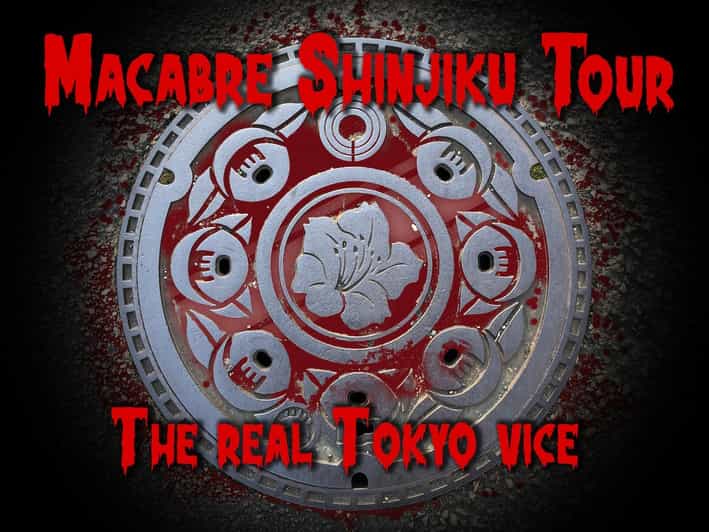
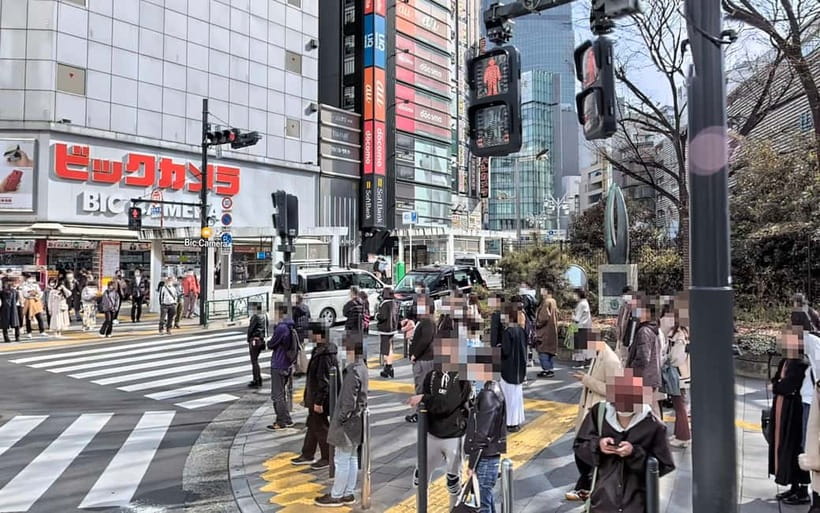
Kabukicho is often introduced through its neon signs, restaurants, bars, clubs, and dense nighttime energy. This tour asks you to look again. Behind the bright streets are layers of crime, commercial nightlife, organized groups, personal tragedies, and stories that rarely appear in a standard Tokyo guidebook.
The value is in the contrast. You may be standing among ordinary pedestrians, glowing signs, convenience stores, and tall entertainment buildings while hearing about an old murder or a violent dispute connected to the same area. The surroundings do not turn into a film set. That is precisely the point. Kabukicho remains a working district, and its darker past sits beside normal city life.
Vivian’s subject is not limited to sensational crime. She explains cultural issues and social patterns linked to the red-light district. Her academic work on night life and night work in Japan gives the conversation a wider frame, helping you understand why this part of Shinjuku developed as it did and how its nightlife functions.
That approach matters. A list of gruesome incidents can be entertaining for an hour, but context gives the tour lasting value. You learn not only what happened, but also how the district’s businesses, social rules, nightlife economy, and public image fit together.
A few more options to weigh up in Tokyo
- Tokyo Disney Resort – Tokyo Disneyland & Tokyo DisneySea Park Tickets
★ 4.8 · 99,488 reviews - SHIBUYA SKY Ticket
★ 4.7 · 46,509 reviews - JR Whole Japan Rail Pass
★ 4.8 · 29,150 reviews
Meeting Vivian beneath the Kabukicho Tower
The meeting point is in front of the Starbucks at Kabukicho Tower, on the stairs. A Google Maps pin is provided with the booking information, which is useful in a district where signs and entrances can blur together after dark.
The tour is led in English. Vivian is repeatedly praised for her clear storytelling, preparation, and ability to answer questions. She also brings illustrations for some cases, giving you something concrete to follow as she explains people and events. That extra preparation is especially useful when a case involves several dates, locations, or people.
The group limit is four. I consider this one of the tour’s strongest features. Kabukicho can be noisy, and a large group would make serious stories hard to follow. With only a few people, you can stop for questions without holding up a crowd, and Vivian can adjust the discussion to your interests.
Some people have joined because of true crime. Others are interested in Japanese subcultures, night work, the Yakuza games, or Tokyo Vice. You do not need to be an expert in any of these subjects. The small format simply makes it easier to ask, What happened here? or How does this fit into modern Tokyo?
The first steps through the red-light district
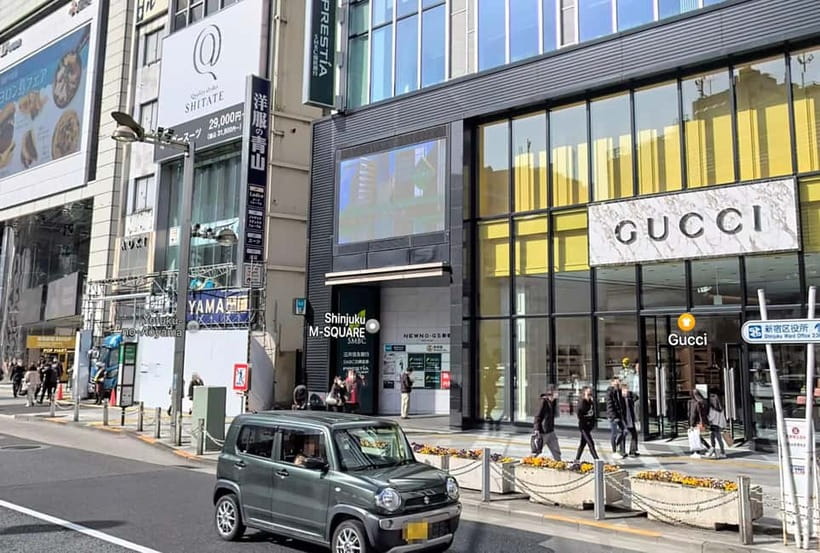
The opening portion sets out the history of Kabukicho and the red-light district. Rather than rushing straight to the most shocking story, Vivian explains the setting and the culture around it. That preparation helps you read the streets more carefully as the walk continues.
You will pass through areas connected with nightlife and commercial sex culture, while learning about the businesses and social issues that shape them. The subject can be uncomfortable, but the tour’s purpose is to explain rather than sensationalize. You are given a way to understand Kabukicho as a real neighborhood with workers, residents, businesses, visitors, and a difficult public reputation.
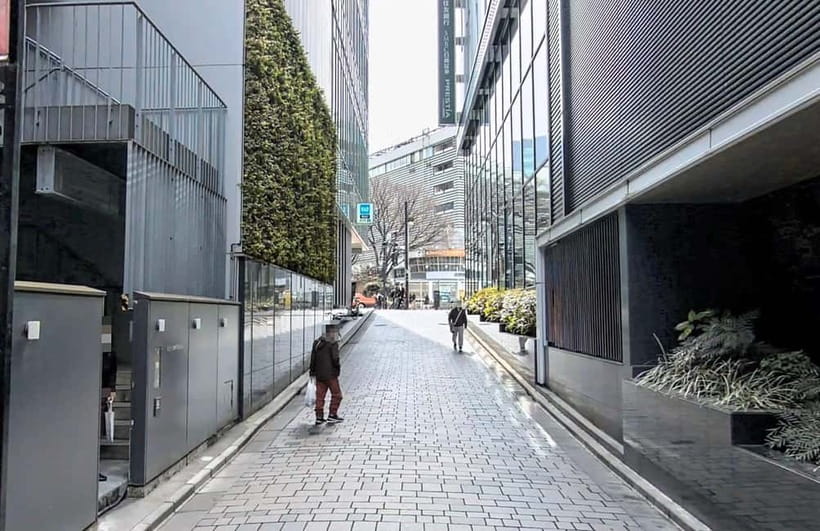
The route is a walk-and-talk experience. You are not entering every building or receiving a staged theatrical performance. Vivian points out places and explains the incidents connected with them, so the quality of the experience depends heavily on her narration. The strong emphasis on research and storytelling is therefore important.
This is also the point where you may see the difference between the tour and a general Shinjuku nightlife walk. A regular evening tour might focus on food, bars, signs, and atmosphere. This one focuses on what the district reveals about modern Japan when you look beyond the polished tourist image.
Murder sites, mafia conflicts, and unsolved cases
The central part of the walk covers incidents from roughly the past 43 years. The subjects include mafia murders, gang conflicts, murder-suicides, accidents, terrorist attacks, and serial killings that were never solved.
The actual locations give these stories weight. You are not simply hearing a podcast-style account while walking through unrelated streets. You pass places where incidents took place, and that physical connection makes the stories easier to picture. It can also make the material feel more serious, especially when the location looks ordinary.
Some cases involve Yakuza disputes and shootings. Others center on personal heartbreak, jilted lovers, or sudden violence. The mixture keeps the two hours from becoming repetitive. You move between organized crime, personal tragedy, strange accidents, and unanswered questions.
A particularly unsettling part of the experience can involve a coin locker connected with one of the cases. The supplied information does not give enough detail to identify the exact incident, but the image clearly stayed with at least one participant long after the walk. That is a useful warning: the tour’s effect comes from the ordinary nature of the places as much as from the crimes themselves.
The stories are presented with illustrations in some cases. This helps when the subject includes several people or a complicated sequence of events. Vivian’s preparation also means you can ask about dates, background, and the wider setting rather than receiving only a short spooky anecdote.
A completely different kind of day out:
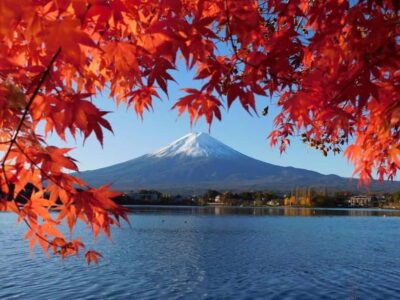
- Mt Fuji and Hakone 1-Day Bus Tour Return by Bullet Train
★ 5.0 · 26,383 reviews - TOKYO SKYTREE® Ticket
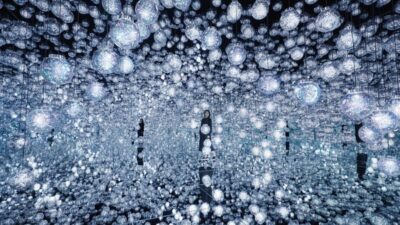
★ 4.7 · 25,136 reviews - teamLab Borderless Tickets: MORI Building DIGITAL ART MUSEUM
★ 4.7 · 24,126 reviews - teamLab Planets TOKYO Ticket
★ 4.7 · 21,663 reviews
Haunted spots and the supernatural side of Shinjuku
The tour includes areas known to be haunted and stories involving ghosts or lingering unease. The supernatural material works best as a companion to the documented events, not as a replacement for them.
You are likely to notice a shift in mood as the walk moves from confirmed crimes and cultural explanation toward local ghost lore. That change gives the evening a little theatrical flavor without turning the whole experience into a haunted-house show. The streets, buildings, and nightlife remain real, while the stories add another layer of how people remember troubling places.
The final shrine visit gives this part of the tour a natural ending. After hearing about death, violence, and unresolved cases, a shrine offers a quiet moment and a cultural response to fear and misfortune. One guide even gave participants a protective ward against ghosts after a snow-covered tour, a small gesture that captures the tour’s mix of research, humor, and atmosphere.
Do not expect a formal religious lesson unless the guide’s discussion develops in that direction. The shrine is best understood as a thoughtful closing stop and a chance to leave the macabre stories behind before returning to the main streets.
Yakuza, Tokyo Vice, and familiar screen locations
Fans of the Yakuza video game series have an extra reason to book. The walk can pass locations used in the games, allowing you to compare the fictional version of Kamurocho with the real Kabukicho that inspired it.
The connection is not limited to gaming. Vivian can also point out locations used to film the HBO series Tokyo Vice. These references make the streets more recognizable if you have seen the show or played the games, but you do not need that background to enjoy the walk.
The important distinction is that the tour uses pop culture as an entry point, not as its main subject. You may recognize a corner or sign, but Vivian then connects it to the real history and current culture of the district. That keeps the experience useful even if you have never picked up a controller or watched the series.
I particularly like this balance. Popular media can make Kabukicho easier to approach, while the real stories prevent the area from becoming a fantasy version of Tokyo’s underworld.
What the two-hour format means
Two hours is enough time to cover a substantial part of Kabukicho without turning the evening into an exhausting march. The route is short enough to leave room for a meal, Golden Gai, or another Shinjuku activity afterward.
You should wear comfortable shoes and be ready to stand and walk for the full outing. The experience is wheelchair accessible, though the district’s crowds, stairs, and busy streets may still affect how comfortable movement feels at particular points. Since the route is outdoors, weather can matter. Vivian has continued through difficult conditions, including heavy snow and strong wind, but poor weather may make listening and walking less pleasant.
One practical tip is worth taking seriously: use the restroom before meeting the group. One participant needed an unscheduled break, which cut into the tour time even after the guide had asked everyone beforehand. Kabukicho has facilities nearby, but a small walking tour cannot always pause conveniently.
The starting time varies, so check availability for the date you want. An evening start makes sense for this subject because the nightlife district changes character after dark, but the exact hour is not fixed in the information provided.
Is $56 a fair price?
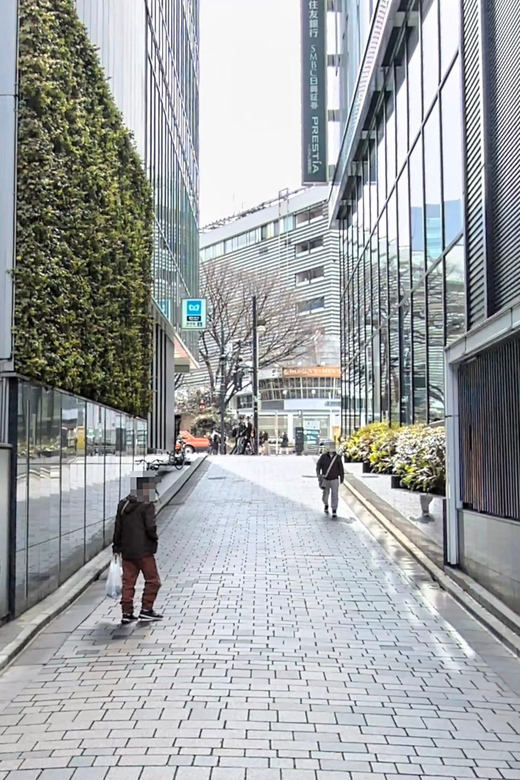
At $56 per person, this is not the cheapest way to see Shinjuku. You can walk through Kabukicho on your own for nothing, and many visitors will be satisfied with signs, restaurants, and a casual look at the nightlife.
The price makes more sense if you value interpretation. You are paying for two hours of focused research, real locations, cultural explanation, an English-speaking guide, and a group capped at four people. The academic background of the guide adds credibility, while the illustrations and case-by-case storytelling give the walk more substance than a standard orientation tour.
I would also compare the price with the cost of a generic nightlife activity. If you are already planning to spend an evening in Kabukicho, this tour gives that time a clear purpose. It may save you from wandering past important places without understanding why they matter.
The value is weaker for anyone who dislikes true crime, wants a broad introduction to Tokyo, or expects access inside clubs and love hotels. This is a narrative walking tour, not a bar crawl, restaurant tour, or backstage visit.
Flexible booking helps reduce the risk. You can cancel up to 24 hours in advance for a full refund, and the reserve-now, pay-later option lets you hold a place without paying immediately.
Who will enjoy this walk most
I would recommend it to you if you enjoy true crime, urban legends, Japanese nightlife, social history, or the Yakuza games. It also suits repeat visitors who have already seen the main Tokyo sights and want a more unusual way to spend an evening in Shinjuku.
You do not need to be a crime obsessive. If you are curious about the gap between Tokyo’s clean, orderly image and the problems that exist beneath it, the tour offers a useful counterpoint. Several people who had stayed in Kabukicho many times still found new details in the district.
It is less suitable for young children, sensitive listeners, or anyone who wants a cheerful night out. The subjects include murder, suicide, violence, sex work, and unsolved crime. The small group can make the experience feel personal, which is a benefit for discussion but may also make the darker stories feel more immediate.
If you are interested in Japan’s nightlife but feel unsure about walking through Kabukicho alone, a guide also gives you structure and cultural context. You can ask questions that would be difficult to answer by simply looking at the streets.
Final verdict: book it for the stories, not the spectacle
Book this tour if you want to understand Kabukicho through documented crimes, local lore, nightlife culture, and real places connected with Tokyo’s darker past. Vivian’s preparation, strong storytelling, illustrations, and small groups are the main reasons to choose it.
Skip it if you want a general sightseeing walk or an easygoing night of food and drinks. For the right audience, $56 buys a focused and unusual two hours, ending at a shrine after a close look at the district’s uneasy side.
FAQ
Where does the Kabukicho Macabre Tour meet?
The meeting point is on the stairs in front of the Starbucks at Kabukicho Tower. A Google Maps pin is provided for the location.
How long does the tour last?
The tour lasts two hours.
How much does the tour cost?
The listed price is $56 per person.
What language is the tour in?
The tour is conducted in English.
How many people can join?
The tour is limited to four participants, making it a small-group experience.
Is the tour wheelchair accessible?
Yes, the activity is listed as wheelchair accessible.
What topics does the tour cover?
It covers Kabukicho’s history, the red-light district, murders, mafia conflicts, murder-suicides, accidents, terrorist attacks, haunted areas, unsolved serial killings, nightlife, and cultural issues.
Does the tour visit real crime locations?
Yes. The walk passes actual locations connected with incidents discussed by the guide.
Is the tour suitable for children?
No. Children under 15 are not permitted.
Does the tour include a shrine visit?
Yes. The walk ends with a visit to a shrine.
Just added in Tokyo
- A One-of-a-Kind Sushi Experience in a Special Place of Japan★ 5.0 · 15 reviews
- Tokyo Cute Bento Cooking Class – Make a Kawaii Character Lunchbox★ 5.0 · 126 reviews
- Japanese Home Cooking Class & Walk in Todoroki Temple Tokyo★ 5.0 · 88 reviews
- Japan Tokyo Tower Observatory Deck E-Ticket★ 4.0 · 34 reviews
- Catch a Baseball Game in Tokyo with a Local – Tickets Included★ 5.0 · 24 reviews
- JDM Experience with Fast&Furious RX-7 (English speaking Driver)★ 5.0 · 57 reviews
- Tokyo Private Day Tour by Car with English speaking Driver Guide★ 4.0 · 29 reviews
- Japan Classic 10 Day – One Life Adventures★ 5.0 · 129 reviews
Tokyo Tours, compared.

Tokyo Disney Resort – Tokyo Disneyland & Tokyo DisneySea Park Tickets
Read our review →
Mt Fuji and Hakone 1-Day Bus Tour Return by Bullet Train
Read our review →
teamLab Borderless Tickets: MORI Building DIGITAL ART MUSEUM
Read our review →