
Reviewed · TOKYO TOURS
Kintsugi Experience: Art of Golden Joinery in Tokyo
Broken pottery gets a second life here. This one-hour workshop in Tokyo’s Minami-Aoyama neighborhood introduces you to kintsugi, the Japanese art of repairing ceramics with lacquer mixed with gold. I like the hands-on format, and I like that you take home the plate you repair rather than leaving with only a few photos. The main drawback is the strict booking policy: cancellations and date changes are not allowed.
The class is friendly to beginners, and you do not need to think of yourself as artistic. The instructor demonstrates each step, offers help as you work, and explains the cultural ideas behind the craft. Keep in mind that your personal broken pottery cannot be used, and children under six cannot enter the atelier for safety reasons.
In This Review
- Key points to know before booking
- Why kintsugi makes a memorable Tokyo activity
- Arriving in Minami-Aoyama
- Getting dressed for the work
- The one-hour kintsugi lesson
- What you actually take home
- Group size, teaching, and atmosphere
- Is $59.69 a fair price?
- The main drawback: strict booking terms
- How to fit it into a day in Tokyo
- Who should book this experience?
- Should you book the Tokyo kintsugi workshop?
- FAQ
- How long does the kintsugi experience last?
- Where does the experience take place?
- Does the experience begin and end at the same location?
- What is included in the price?
- Can I bring my own broken pottery?
- Is the class suitable for people without artistic experience?
- Can children attend the workshop?
- Is the class offered near public transportation?
- Can I cancel or change my booking?
Key points to know before booking
- You repair a studio-provided plate: Personal pottery is not allowed, so you can work without risking a treasured family piece.
- The lesson lasts about one hour: It is easy to fit into a Tokyo schedule, especially around Omotesando and Minami-Aoyama.
- You wear a traditional samue: The craftsperson’s garment adds a nice sense of occasion to the workshop.
- Master Taku may teach the 11:00am class: The experience gives you a chance to meet him when he is present, while staff members also guide the class.
- The group is intended to feel personal: The class is described as capped at 10 people, though the booking information lists a maximum of 20, so group size may vary.
- The policy is firm: The experience is non-refundable and cannot be changed after booking, even if you choose the wrong date.
Why kintsugi makes a memorable Tokyo activity
Many Tokyo activities give you something to see. This one gives you something to make.
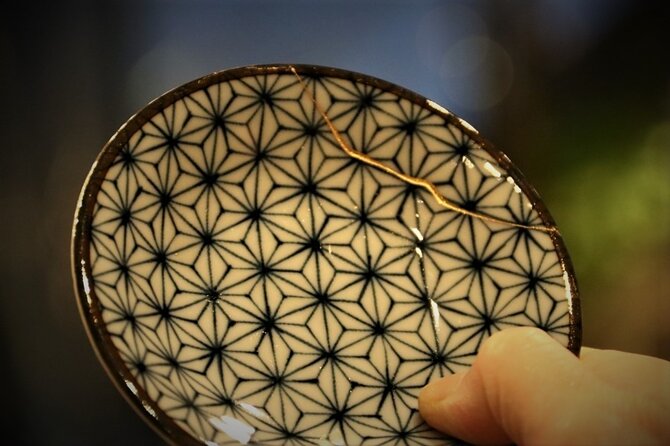
Kintsugi is based on the idea that an object’s breaks are part of its story, not proof that it should be thrown away. The gold-colored repair lines make damage visible rather than hiding it. That philosophy gives the workshop more weight than a standard souvenir-making class, because you leave with both a small ceramic object and a new way to think about imperfection.
I especially like the balance between explanation and practical work. You learn about the cultural ideas behind kintsugi, including its connection with Japanese aesthetics and wabi-sabi, then put those ideas into practice with your own hands. The result is not a museum lecture. You are seated at the work table, following instructions, making decisions, and watching the piece change.
This is also a good choice if you want a quieter break from Tokyo’s busy streets. The task calls for attention, and the short lesson gives you time to focus on one small object. Several parts of the process are simple enough for first-time makers, while the finished plate still feels personal because your repair lines will not look exactly like anyone else’s.
A few more options to weigh up in Tokyo
- Tokyo Disney Resort – Tokyo Disneyland & Tokyo DisneySea Park Tickets
★ 4.8 · 99,488 reviews - SHIBUYA SKY Ticket
★ 4.7 · 46,509 reviews - JR Whole Japan Rail Pass
★ 4.8 · 29,150 reviews
Arriving in Minami-Aoyama
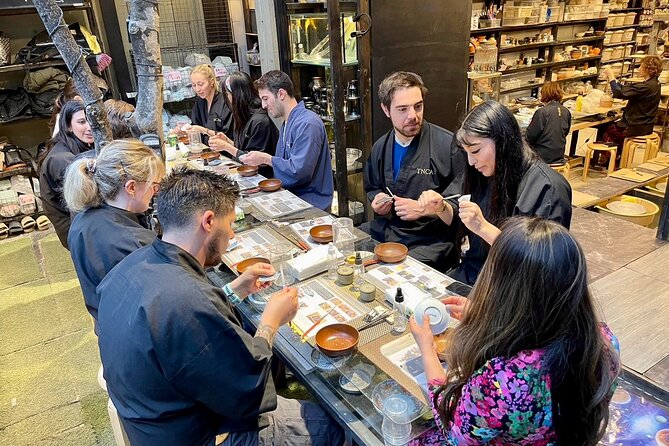
You make your own way to the TNCA Minami-Aoyama Studio, at 3-chome-8-2 Minamiaoyama, Minato City, Tokyo. The activity is near public transportation, and the listed itinerary identifies Omotesando as the stop.
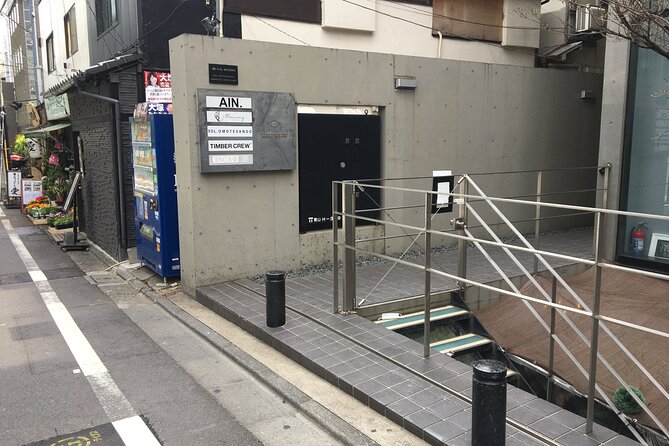
The location is in a useful part of the city for combining activities. You can plan the workshop around time in the Omotesando area, though you should allow enough time to find the studio. One useful point from the practical feedback is that the entrance can be difficult to locate, so do not arrive at the last second.
That advice matters here. One unhappy participant arrived six minutes before the start and felt ignored at first, while the assistant eventually helped. The wider experience is praised for clear organization and friendly staff, but this is a good example of a simple problem you can avoid. Find the studio beforehand, arrive early, and give yourself time to get oriented.
The meeting point and ending point are the same. There is no hotel pickup or drop-off, so transportation planning is entirely yours. Food and drinks are also not included, though the one-hour length makes it easy to eat before or after class.
Getting dressed for the work
Once the class begins, you put on a samue, a traditional garment associated with Japanese craftspeople. It is a small detail, but it helps separate the lesson from an ordinary craft table. You are not just buying a repaired plate or watching an artisan work. You are taking part in a workshop with a visual connection to traditional making.
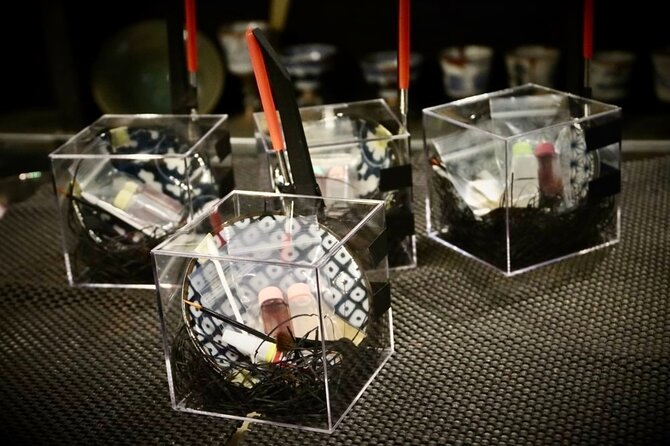
The class includes the lesson fee, the plate, all necessary equipment, and taxes and handling charges. You do not need to bring a broken plate, tools, or materials. In fact, personal items are not allowed, so you should not arrive hoping to repair a mug or bowl from home.
That rule is worth understanding before you book. The supplied plate keeps the lesson controlled and suitable for beginners, but it also means you cannot repair an object with sentimental value. If your main goal is to save a particular family dish, this is not the right format.
The one-hour kintsugi lesson
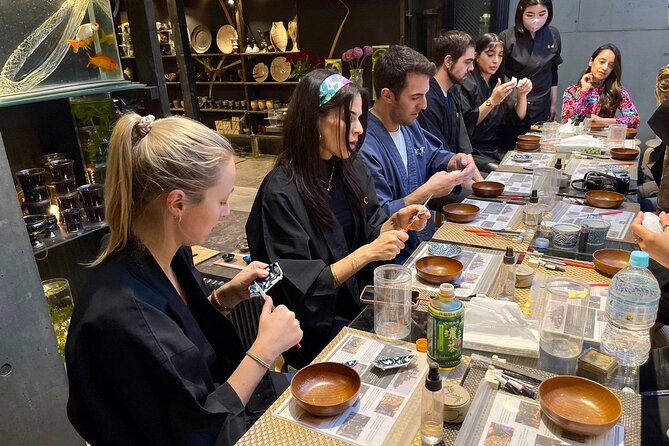
The instructor first introduces the technique and its background. You learn why repaired pottery can be valued instead of discarded, along with some context about Japanese culture, traditional crafts, and wabi-sabi.
The practical work uses a ceramic plate supplied by the studio. The class guides you through repairing the damaged piece with lacquer mixed with gold. The exact pace will depend on the group and on how much individual help each person needs, but the structure is designed to be accessible to people without pottery experience.
You can expect demonstrations and clear directions before you begin. One particularly useful feature is the use of video examples during the explanation. That gives you something visual to follow instead of relying only on spoken instructions, which is helpful in a class taught in English or for anyone who learns best by watching.
The instructor and assistants check each person’s progress. The best feedback describes the staff as kind, patient, encouraging, and careful not to take over the work. That is the right approach for this kind of class. You want help when a step is unclear, but you also want the final piece to feel like yours.
English-speaking participants should be comfortable. The instructor has been described as Japanese and fluent in English, and the lesson is designed to be accessible to people who do not speak Japanese. If you attend the 11:00am class, you may meet Master Taku, the owner and master artisan, though his presence should not be treated as guaranteed for every session.
A completely different kind of day out:
- Mt Fuji and Hakone 1-Day Bus Tour Return by Bullet Train
★ 5.0 · 26,383 reviews - TOKYO SKYTREE® Ticket
★ 4.7 · 25,136 reviews - teamLab Borderless Tickets: MORI Building DIGITAL ART MUSEUM
★ 4.7 · 24,126 reviews - teamLab Planets TOKYO Ticket
★ 4.7 · 21,663 reviews
What you actually take home
The plate you use in the lesson is included, and you bring it home at the end. This is the strongest part of the value for me. A Tokyo souvenir can easily become another purchased object in your luggage. Here, you leave with something connected to a specific hour, a specific place, and the work of your own hands.
The finished item should be viewed as a beginner’s repaired piece, not a museum-quality work by a master. That is not a weakness. The point is to understand the basic method and the thinking behind it, then take home a small reminder of the experience.
Packing is another practical concern. The studio takes care with preparing the pieces for the journey, and the supplied feedback specifically praises how the items are packaged for travel. You should still handle your plate carefully, but you are not simply handed a fragile object and left to solve the luggage problem yourself.
One of the pleasures is seeing the repair lines come together. The process is described as simple to follow, and participants often find it rewarding as the plate develops. You do not need perfect technique for the result to feel special. In fact, the handmade quality is part of the charm.
Group size, teaching, and atmosphere
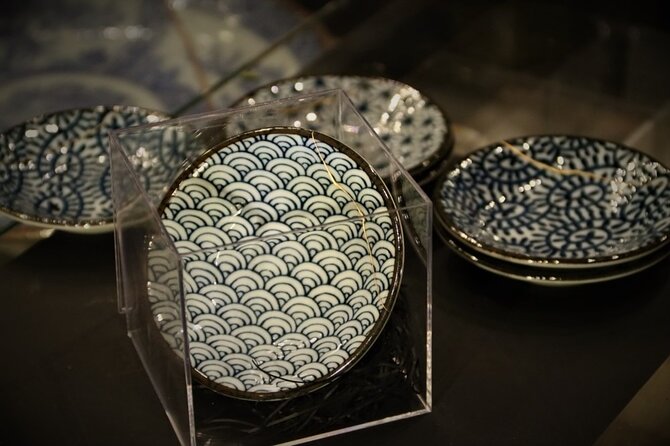
The experience is promoted as a capped group, with no more than 10 people in the class description. Elsewhere, the maximum is listed as 20, so you should allow for some variation in the number attending. Either way, the teaching format includes personal attention from the instructor and assistants.
A smaller group is important for kintsugi. You need room to work, and you may want help with a particular repair line or finishing step. The strongest comments about the class praise the instructor’s patience and the time given to each person.
The studio itself is small and described as intimate and interesting. That can work in your favor because the class feels focused rather than anonymous. It also means you should not expect a large workshop or a broad tour of several craft stations. This is one technique, one plate, and about one hour of careful work.
The experience suits couples, friends, parents with older children, and solo visitors. One parent and daughter enjoyed taking the course together, while couples used it as a creative activity during a short trip. It also works well for people who are not usually artists. The instructions are structured, and the emphasis is on trying the process rather than producing a flawless object.
Children under six cannot enter the atelier because of the establishment’s safety rules. The information does not provide a wider age range or special child pricing, so families should confirm that the booking suits every member of their party.
Is $59.69 a fair price?
At $59.69 per person, this is not the cheapest one-hour activity in Tokyo. You are paying more than the cost of a casual souvenir or a short museum visit. The value depends on whether you want a guided activity with materials and a finished object, not simply an introduction to kintsugi.
The price includes the plate, equipment, instruction, taxes, fees, and handling charges. You do not need to buy extra supplies, and you take the repaired item home. That makes the cost easier to justify for anyone who already plans to purchase a meaningful souvenir.
I would consider it good value for a visitor who likes creative workshops, Japanese craft, or hands-on cultural activities. It is less appealing if you want a long class, a chance to repair your own treasured ceramic, or detailed professional training. One hour gives you a taste of the art and philosophy, not mastery of the full craft.
The workshop has a 4.9 rating from 467 reviews and is recommended by 98 percent of participants. Those numbers suggest strong consistency, particularly in the teaching and overall organization. Still, the negative feedback points to two matters you should take seriously: arrive early enough to find the studio, and check your date carefully before paying.
The main drawback: strict booking terms
This experience is non-refundable and cannot be changed for any reason. If you cancel or request an amendment, the amount paid is not returned. The operator has also stated that date or time changes are not possible, even when a booking is made for the wrong day.
That policy is unusually important here because the workshop costs enough to make a mistake painful. Check your Tokyo schedule, transportation plan, and party size before booking. Do not reserve it as a placeholder while you decide what to do.
There is one exception in the event’s favor. If the minimum number of participants is not reached and the activity is canceled, you will be offered another date or experience, or a full refund. That protection applies to a cancellation by the operator, not to a change of your own plans.
How to fit it into a day in Tokyo
The short duration makes this easy to pair with other plans. Since the meeting point is in Minami-Aoyama and the itinerary lists Omotesando, you can build the workshop into a day in that part of Tokyo without giving up an entire morning or afternoon.
The 11:00am class is especially useful if you want to meet Master Taku. You should arrive early, since the studio can be tricky to find and the lesson starts on time. Afterward, the activity ends at the same studio, so you can continue exploring on your own.
I would avoid scheduling the class immediately before a distant reservation. Tokyo transportation can be efficient, but the workshop itself is only approximate in length, and you may want time to collect your finished plate. A little breathing room makes the day more pleasant.
You should also think about carrying the souvenir for the rest of your day. It is packaged for travel, but it remains a ceramic item. If possible, place the workshop near the end of your sightseeing in that area, or make sure you have a secure place in your luggage.
Who should book this experience?
I would recommend it most strongly to:
- People who want a hands-on Japanese cultural activity
- Couples and friends looking for a shared creative project
- Families with children old enough to enter the atelier
- Visitors interested in ceramics, repair, or Japanese aesthetics
- Anyone seeking a small souvenir with a personal story
- People who prefer a calm one-hour activity to a large tour
I would be more cautious if you dislike craft work, have limited time between fixed appointments, or hope to repair your own pottery. The supplied plate is practical for teaching, but it will not be the object you brought from home.
You also need to be comfortable with a firm cancellation policy. The experience has received some criticism when people arrived late or booked the wrong date, so careful planning is part of getting good value.
Should you book the Tokyo kintsugi workshop?
Yes, if you want a short, well-supported introduction to a Japanese art with a thoughtful philosophy behind it. The combination of clear demonstrations, patient help, a traditional samue, and a plate to take home gives the hour real purpose.
Book it only after checking the date and locating the studio. Arrive early, do not bring personal pottery, and leave room in your luggage for a fragile souvenir. If you follow those simple steps, this is an appealing way to make something in Tokyo instead of simply buying something. The gold lines will not hide the plate’s damage, and that is exactly the point.
FAQ
How long does the kintsugi experience last?
The lesson lasts approximately one hour.
Where does the experience take place?
It takes place at TNCA Minami-Aoyama Studio, 3-chome-8-2 Minamiaoyama, Minato City, Tokyo 107-0062, Japan.
Does the experience begin and end at the same location?
Yes. The activity ends back at the meeting point.
What is included in the price?
The price includes the lesson fee, a plate for the activity that you can take home, all necessary equipment, and taxes, fees, and handling charges.
Can I bring my own broken pottery?
No. The studio provides the plate used in the lesson, and personal items are not allowed.
Is the class suitable for people without artistic experience?
Yes. The workshop is designed as an introduction, with demonstrations and guidance from the instructor and staff. Most people can participate.
Can children attend the workshop?
Children under six cannot enter the atelier because of the establishment’s safety rules.
Is the class offered near public transportation?
Yes. The studio is near public transportation, and the listed area is Omotesando in Minami-Aoyama.
Can I cancel or change my booking?
No. The experience is non-refundable and cannot be changed for any reason. If the operator cancels because the minimum number of participants is not met, you will be offered another date or experience, or a full refund.
Just added in Tokyo
- A One-of-a-Kind Sushi Experience in a Special Place of Japan★ 5.0 · 15 reviews
- Tokyo Cute Bento Cooking Class – Make a Kawaii Character Lunchbox★ 5.0 · 126 reviews
- Japanese Home Cooking Class & Walk in Todoroki Temple Tokyo★ 5.0 · 88 reviews
- Japan Tokyo Tower Observatory Deck E-Ticket★ 4.0 · 34 reviews
- Catch a Baseball Game in Tokyo with a Local – Tickets Included★ 5.0 · 24 reviews
- JDM Experience with Fast&Furious RX-7 (English speaking Driver)★ 5.0 · 57 reviews
- Tokyo Private Day Tour by Car with English speaking Driver Guide★ 4.0 · 29 reviews
- Japan Classic 10 Day – One Life Adventures★ 5.0 · 129 reviews
Tokyo Tours, compared.

Tokyo Disney Resort – Tokyo Disneyland & Tokyo DisneySea Park Tickets
Read our review →


Mt Fuji and Hakone 1-Day Bus Tour Return by Bullet Train
Read our review →

teamLab Borderless Tickets: MORI Building DIGITAL ART MUSEUM
Read our review →