
Reviewed · BREWERIES
Kobe: Guided Sake Breweries Tour with Tastings
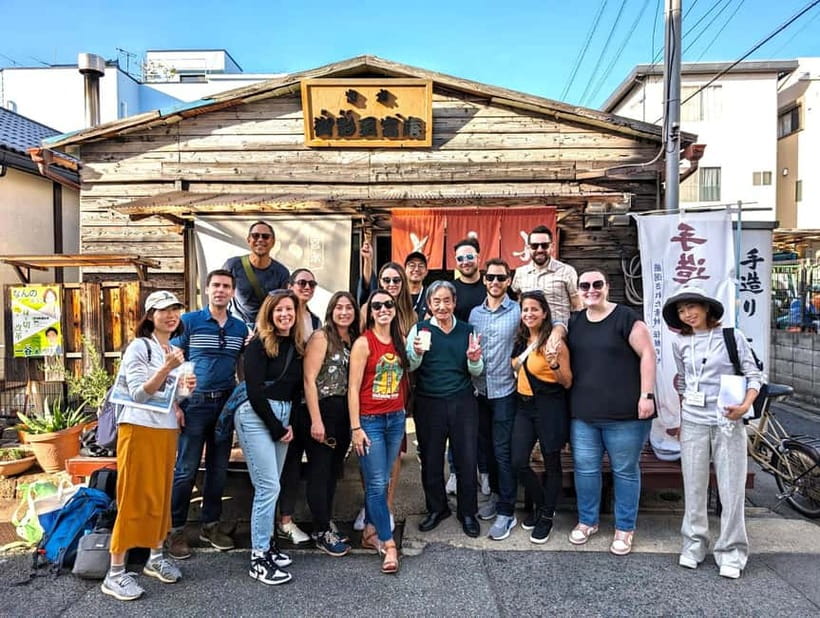
Sake tastes better where it is made. Kobe’s Nada district gives you a fine introduction to Japan’s favorite drink, with tastings at about three breweries, a small tofu stop, and a walk through one of the country’s great sake-making areas. I like the mix of polished museums and working brewery culture. I also like the small group size, capped at 10, which gives you room to ask questions. The main drawback is the 4-kilometer walk, especially if the weather turns wet or you are already tired from sightseeing.
The guides are a major part of the appeal. Hiro, Romi, Aya, Aki, Fuma, and Hiroman have all led this tour, and the strongest praise centers on their humor, warmth, and ability to explain sake in clear English. You should eat before arriving, though snacks and fresh tofu are included along the way. Since the tasting can leave you tipsy, plan a gentle evening afterward rather than a major physical activity.
In This Review
- Key points to know before you book
- Why Kobe’s Nada district is worth your afternoon
- Kobe Shushinkan and the Fukuju tradition
- A brief stop at Okage Tofu-an
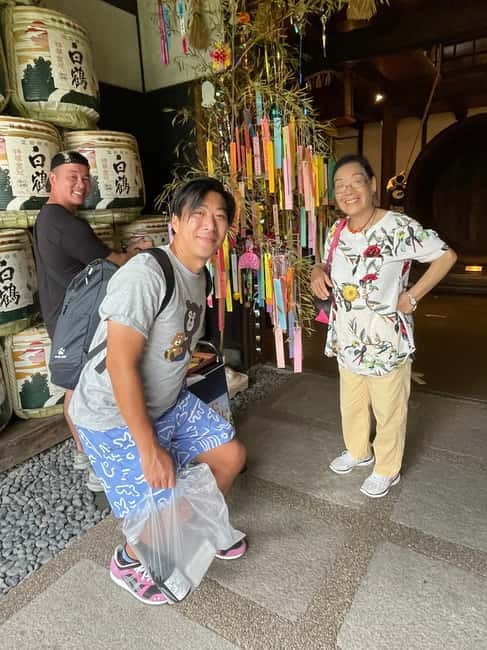
- Hakutsuru Sake Brewery Museum and a major producer
- Kiku-Masamune and the old Kimoto method
- The walking matters more than the schedule suggests
- How much value do you get for $106?
- Who will enjoy this sake walk most?
- How to get the most from the afternoon
- Should you book the Kobe sake brewery tour?
- FAQ
- Where does the Kobe sake tour begin?
- Where does the tour finish?
- How long does the tour last?
- How many breweries will I visit?
- Is the tour conducted in English?
- How much walking is involved?
- Is food included?
- Is the tofu tasting available every day?
- Can people under 20 join?
- What should I bring?
Key points to know before you book
- Nada is one of Japan’s great sake districts: More than 26 breweries operate in the area, with traditions shaped by good water, skilled brewers, and Kobe’s long connection to trade and food.
- You taste across different brewery styles: The route may include historic family operations, a major national producer, and a brewery devoted to the traditional Kimoto method.
- The tofu stop adds local flavor: Okage Tofu-an makes tofu each morning, and you may also try fresh ganmodoki, a tofu and vegetable fritter.
- The tour covers about 4 kilometers on foot: Allow 210 minutes, wear comfortable shoes, and expect a steady walking pace between stops.
- The guides make the difference: Hiro is praised for humor and theatrical touches, while Romi, Aya, Fuma, Aki, and Hiroman are noted for clear explanations and a friendly manner.
- The route can change: You will visit three to four locations, depending on closing days and weather.
Why Kobe’s Nada district is worth your afternoon
Nada is not just a convenient place to drink sake. It is a production center where the drink’s ingredients and methods make sense together. The district is home to more than 26 breweries, and the tour lets you compare them rather than treating sake as one single style.
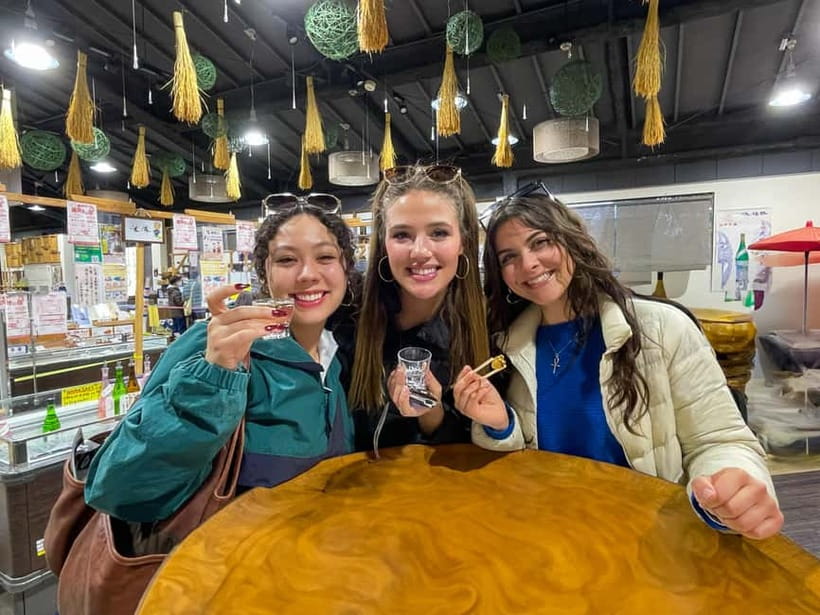
That comparison matters. Sake can differ in aroma, sweetness, dryness, texture, and finish. The point of tasting at several breweries is not to get through as many cups as possible. It is to notice how each producer presents the drink and how traditional methods shape the result.
The area also helps you connect the drink to place. Sake depends on good water and carefully handled rice, and the tofu stop makes that idea tangible. Fresh tofu is simple food, but poor water or rushed preparation would show immediately. The pairing gives the afternoon a welcome change of pace.
You meet at Ishiyagawa Station on the Hanshin Line at 1 p.m. Look for staff wearing a name tag with the KampaiSakeTours logo. From there, you walk for about 20 minutes to the first brewery, so do not arrive hungry, burdened with shopping bags, or wearing shoes meant only for photographs.
A few more options to weigh up in Kobe
- Kobe Nunobiki Herb Gardens Ticket & Ropeway Ticket
★ 4.8 · 1,196 reviews - KOBE Sake Tasting Tour at Breweries (tasting fee included)
★ 5.0 · 154 reviews - Kobe Highlights & Hidden Gems: Private & Custom Tour with a Guide
★ 4.5 · 70 reviews
Kobe Shushinkan and the Fukuju tradition
The first main stop is Kobe Shushinkan, a brewery founded in 1751. It produces Fukuju sake, a name tied to handcrafted production and the work of its brewers.
This is a useful opening stop because it puts people, ingredients, and patience at the center of sake making. You learn how the brewing process works and taste several types of sake rather than simply hearing a lecture about them. The guide helps translate unfamiliar terms into something you can use with your own palate.
I like beginning with a brewery that emphasizes careful production. It gives you a reference point for the rest of the tour. Later, when you taste a sake from a large producer or a different brewing tradition, you have already begun to form your own opinions.
The visit lasts about 40 minutes. That is long enough for explanation and tasting without turning the afternoon into a classroom. Still, you should expect the amount poured and the exact tasting selection to vary. Brewery schedules and operating conditions can affect the route.
The guide’s personality can also shape this stop. Hiro has been praised for bringing costumes and accessories that make the subject lively, while other guides have been singled out for humor and clear answers to questions beyond sake itself. You are not locked into a dry, technical talk.
A brief stop at Okage Tofu-an
After about 10 minutes of walking, you reach Okage Tofu-an, a tofu shop founded more than 60 years ago. The shop makes fresh tofu each morning and serves the local community around the breweries.
This 15-minute stop is small but smart. A sake tour made entirely of alcohol tastings can become a blur, especially when several samples arrive close together. Fresh tofu gives you something mild and savory to eat while showing how local food traditions connect with the same basic concern for pure water.
If your timing is right, you may also try ganmodoki, a tofu and vegetable fritter served fresh from the kitchen. That detail gives the stop a little extra charm, though you should not treat it as a guaranteed dish.
There is one important catch. Okage Tofu-an is closed on Sundays and public holidays, so the tour will skip the stop and tofu tasting on those days. That does not cancel the sake portion, but it does remove one of the more personal, everyday food experiences.
Because snacks are included, the tour is not completely without food. Even so, I would eat a proper meal before meeting the group. The tasting is not designed to replace lunch, and drinking on an empty stomach is an easy way to enjoy the afternoon less.
Hakutsuru Sake Brewery Museum and a major producer
The next walk takes about 10 minutes, leading to the Hakutsuru Sake Brewery Museum. Hakutsuru is described as Japan’s largest brewery, and its old brewhouse has been opened to the public in its original form.
This stop gives you scale. Kobe’s sake culture is not only about tiny family businesses and hand tools. Large producers also carry old methods forward, distribute widely, and maintain museums so you can see how brewing was done across earlier generations.
The museum is scheduled for about an hour, making it the longest stop. You can expect a fuller look at the brewing process, traditional equipment, and the role of the brewhouse. There is also a tasting corner and a shop in the same building, which makes it easy to sample more sake and buy bottles or souvenirs.
That shop is useful, but it is also where your backpack earns its keep. The tour suggests bringing one because local sake makes a tempting souvenir. A passport can help you qualify for tax exemption on purchases over JPY 5,500 at breweries, so carry it if you expect to shop and meet the stated purchase requirements.
The museum may appeal most to first-time sake drinkers who want the process explained in a clear sequence. It can also suit people who enjoy industrial and craft traditions side by side. The limitation is that a museum can feel more formal than a small working brewery, so the guide’s explanations and the tasting help keep the stop connected to the rest of the afternoon.
A completely different kind of day out:
- Kobe 4hr Private Tour with Government-Licensed Guide
★ 5.0 · 59 reviews - Kobe: Port Tower Admission Ticket
★ 4.4 · 52 reviews - Next-Generation Local Guide: Private Kobe Tour
★ 5.0 · 39 reviews - Sake Brewery and Japanese Life Experience Tour in Kobe
★ 5.0 · 39 reviews
Kiku-Masamune and the old Kimoto method
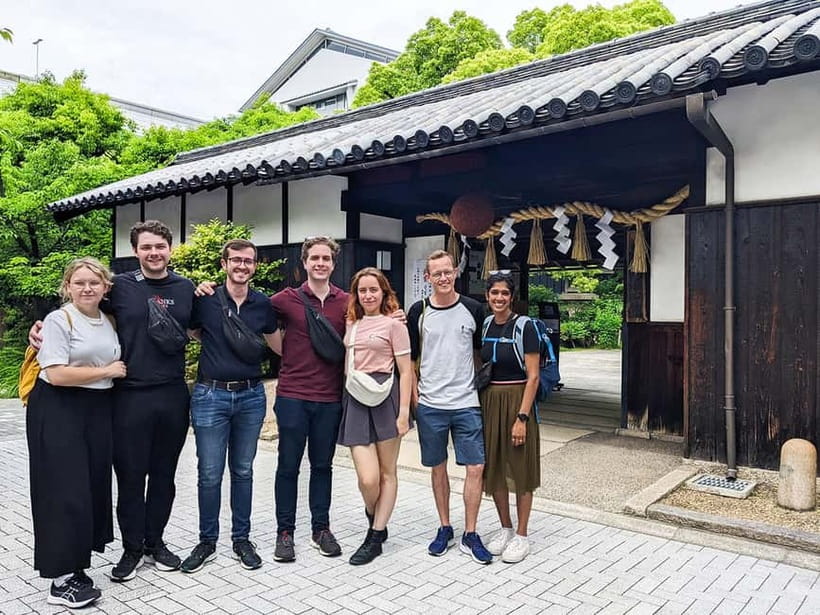
From Hakutsuru, you walk about 10 minutes to Kiku-Masamune Shuzo Kinenkan. This brewery dates to 1625 and is known for preserving the traditional Kimoto method of yeast preparation.
The museum displays wooden sake-making tools, giving you a look at equipment that is easy to miss in a modern production setting. The guide can explain how sake was made and why the tools mattered, helping you see brewing as a sequence of physical tasks rather than a vague art passed down through time.
The Kimoto method is especially valuable for comparison. You do not need prior sake knowledge to appreciate it. You simply need to notice that different breweries protect different parts of the process, and that tradition is not one fixed recipe.
The stop lasts about 30 minutes. It is shorter than Hakutsuru, but that creates a good rhythm. You have time for another tasting and explanation without lingering too long in one place. The setting also includes a Japanese garden, where you can pause, taste, and take a breath before the final walk.
Some tours visit three breweries, while others reach four locations. The advertised route includes Kobe Shushinkan, Hakutsuru, and Kiku-Masamune, with the tofu shop as an additional stop. Brewery closing days and weather can change the order or selection, so book this for the overall experience rather than one guaranteed lineup.
The walking matters more than the schedule suggests
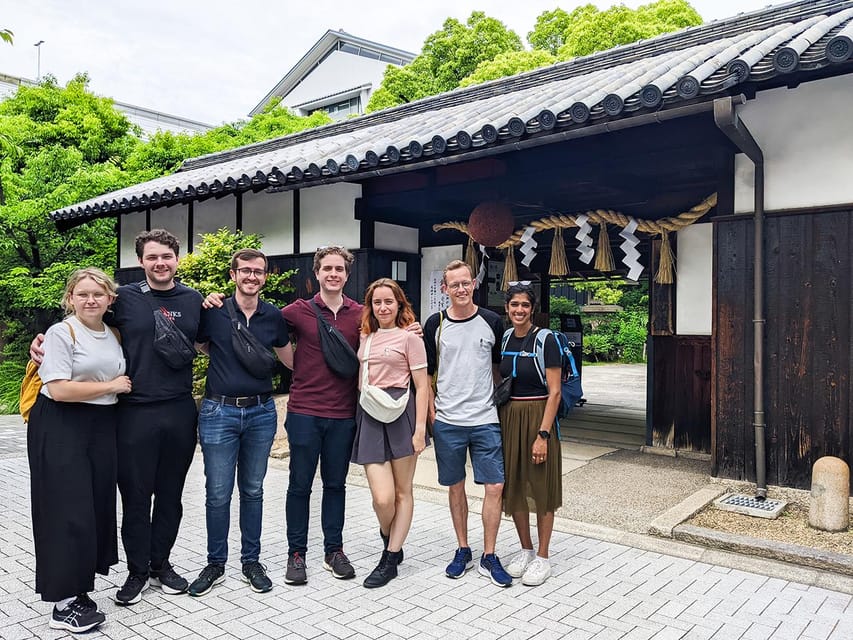
The listed stops add up to roughly three hours and 15 minutes, matching the 210-minute duration. The route also includes walks of about 20, 10, 10, and 10 minutes, plus any shorter movement between buildings. In practical terms, this is a walking tour with tastings, not a brewery tour conducted from a coach.
The total distance is about 4 kilometers. That is manageable for many people, but alcohol and warm weather can make an ordinary walk feel longer. Comfortable shoes are essential. A backpack is better than a suitcase, especially if you plan to buy bottles.
Rain can affect the experience. The organization has arranged car transport during very wet weather in the past, but you should not assume that this will always happen. The route and number of breweries may change with conditions, so bring suitable clothing and keep your plans after 4:30 flexible.
You finish at Uozaki Station on the Hanshin Line around 4:30 p.m. That location is practical for continuing around Kobe or returning toward Osaka. The tour does not include hotel pickup or drop-off, so you handle your own transport to Ishiyagawa and away from Uozaki.
How much value do you get for $106?
At $106 per person, this is not a bargain basement tasting. The price makes more sense when you count the guide, three and a half hours of structure, several brewery visits, sake samples, snacks, and the local walking route.
Buying individual tastings may cost less in some places, but you would lose the comparisons and explanations that give the afternoon meaning. You would also need to organize transport, decide which breweries are open, and work out what you are tasting as you go.
The small group limit of 10 is another part of the value. A guide can answer questions, keep the group together, and explain why one sake differs from another without shouting across a crowded room. The repeated praise for Hiro, Romi, Aya, Fuma, Aki, and Hiroman suggests that the human side of the tour is one of its strongest assets.
You should also be realistic about what the fee does not include. Hotel transport is not included, and purchases at the brewery shops cost extra. The experience is best judged as an educational tasting walk with local food, not as a simple afternoon of unlimited drinking.
Who will enjoy this sake walk most?
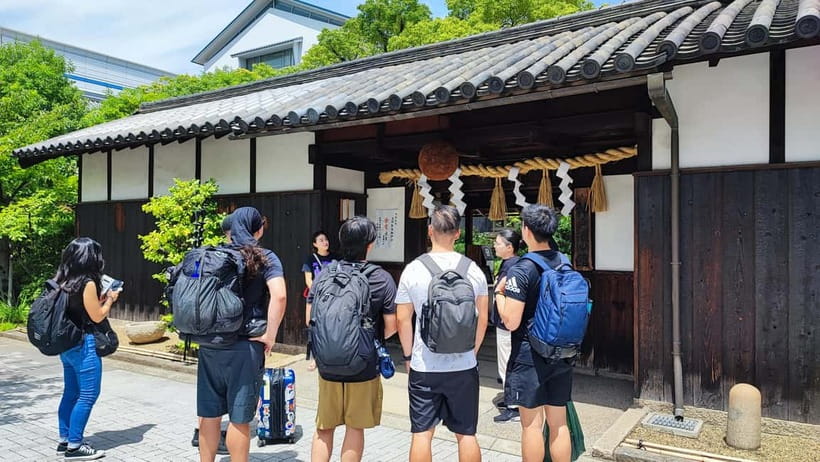
I would recommend it first to anyone who likes Japanese food and wants context with the drink. You do not need to know the difference between junmai and other sake categories before arriving. The tour is designed to build that understanding one sample at a time.
It also suits wine drinkers. One person with a strong interest in wine appreciated the chance to compare sake’s delicate differences and complexity with familiar wine ideas. The guide can help you think about aroma, body, sweetness, and finish without insisting that sake behave like wine.
The tour works well for solo visitors, couples, and small groups who want an organized afternoon. The group limit keeps it social without making it unwieldy. English is the tour language, and the guides have been praised for explaining both sake and Kobe clearly.
I would not choose it for anyone under 20 or for pregnant people. You should also think twice if you dislike walking, do not want alcohol tastings, or need a fully fixed schedule. Wheelchair and stroller users should contact the operator when booking so the route can be discussed in advance.
If you need to spit during tasting for professional evaluation, contact the operator ahead of time. That request is possible only with advance notice.
How to get the most from the afternoon
Eat before the meeting time, but do not arrive so full that snacks and tofu have no appeal. Bring comfortable shoes, a small backpack, and your passport if you may shop for enough sake to qualify for tax exemption.
Ask the guide to help you compare the breweries instead of trying to remember every technical term. You will get more from noticing your own preferences: dry or sweet, light or full, fragrant or restrained.
Pace yourself. The point is to taste different sake, not to prove that you can accept every pour. A few people have finished the route tipsy, so drink water when you can and keep the evening easy.
Leave room for shopping at Hakutsuru or another brewery. Brewery-only sake can make a more meaningful souvenir than a bottle picked up without context, but remember that glass is heavy and fragile. Your backpack should be sturdy, and your onward plans should not involve a long shopping marathon.
Should you book the Kobe sake brewery tour?
Book it if you want more than a quick drink. The route gives you a clear introduction to Nada through traditional tools, major production, fresh tofu, several sake styles, and guides who bring humor and real enthusiasm to the subject.
The best reason to go is the combination of excellent guides and genuine variety. The biggest caution is the walking distance, the alcohol, and the fact that the exact breweries can change. If those conditions suit you, $106 is a fair price for a well-organized half-day that gives Kobe’s sake culture a proper setting.
FAQ
Where does the Kobe sake tour begin?
The tour begins at Ishiyagawa Station on the Hanshin Line at 1 p.m. Staff will wear a name tag showing the KampaiSakeTours logo.
Where does the tour finish?
The tour finishes at Uozaki Station on the Hanshin Line at about 4:30 p.m.
How long does the tour last?
The experience lasts 210 minutes, or three and a half hours.
How many breweries will I visit?
You will visit three to four locations. The brewery selection can change because of regular closing days or weather conditions.
Is the tour conducted in English?
Yes. The tour includes a live English-speaking guide.
How much walking is involved?
The tour covers about 4 kilometers on foot, with walks between the different stops. Comfortable shoes are recommended.
Is food included?
Sake tastings and snacks are included. The route may also include a tofu tasting at Okage Tofu-an.
Is the tofu tasting available every day?
No. Okage Tofu-an is closed on Sundays and public holidays, so the tour will skip that stop and the tofu tasting on those days.
Can people under 20 join?
No. The tour is not suitable for people under 20 years old.
What should I bring?
Bring comfortable shoes. A backpack is recommended if you may buy sake as a souvenir. If you want to qualify for tax exemption on purchases over JPY 5,500, bring your passport.
Just added in Kobe
- Kobe Nunobiki Herb Gardens Ticket & Ropeway Ticket★ 4.8 · 1,196 reviews
- Next-Generation Local Guide: Private Kobe Tour★ 5.0 · 39 reviews
- Cruise Stop-Over: Private Custom Day trip to Kyoto from Kobe Port★ 4.5 · 12 reviews
- Sake Brewery and Japanese Life Experience Tour in Kobe★ 5.0 · 39 reviews
- Exploring Nada Sake Breweries Kobe Private Tour with Government-Licensed Guide★ 5.0 · 17 reviews
- Private Shore Excursion Kobe Port – Best of Kobe with a local★ 5.0 · 19 reviews
- Shore excursion: Full Day Private Kyoto Tour From Osaka/Kobe Port★ 4.5 · 36 reviews
- Kobe Half Day Tour – Private & Personalized with a Local Guide★ 4.5 · 18 reviews
Breweries, compared.
3-Hour Kyoto Insider Sake Brewery Tour with Tastings & Pairings
Read our review →
Arashiyama Bamboo, Temple, Monkeys, or Secret Sake Brewery
Read our review →
Insider Sake Brewery Tour with Sake and Food Pairing
Read our review →
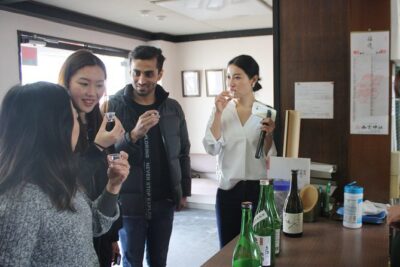
KOBE Sake Tasting Tour at Breweries (tasting fee included)
Read our review →
Hiroshima Saijo Sake Tasting Tour with visit to 7 Breweries
Read our review →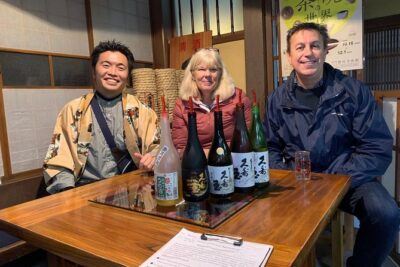
Takayama: Authentic Sake Tasting at a Historic Brewery
Read our review →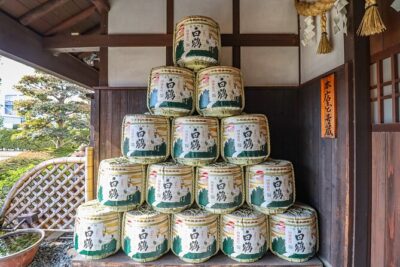
Sake Brewery and Japanese Life Experience Tour in Kobe
Read our review →Browse the lists this tour appears in