Reviewed · TOKYO TOURS
Mt. Fuji Private Chartered Tour with Nature and Wasabi Farm
Fuji rewards flexibility. This 10-hour private tour mixes major sights with unusual stops, including Arakura Fuji Sengen Shrine, a century-old wasabi farm, Mt. Fuji’s 5th Station, and the spring-fed village of Oshino Hakkai. I like the private car and guide, which save you from piecing together several trains and buses. I also like the way the day can change with the weather instead of forcing one fixed view of Mt. Fuji.
The main drawback is simple: Fuji may hide behind clouds, even on a well-planned day. The $658.89 per person price is also a serious outlay, though it includes the guide, driver, lunch, entrance fees, and private transport. This makes more sense for families or friends sharing the experience than for a solo visitor.
In This Review
- Key Points to Know Before Booking
- Leaving Shinjuku at 8:00 a.m.
- Arakura Fuji Sengen Shrine and the Pagoda View
- Walking Through a Working Wasabi Farm
- A Regional Lunch With Flexible Food Choices
- Mt. Fuji’s 5th Station, When the Sky Cooperates
- Oshino Hakkai and Mt. Fuji’s Spring Water
- A Flexible Finish With Sake, Matcha, or Wine
- The Long Ride Back to Tokyo
- Is $658.89 Per Person Good Value?
- Who Should Choose This Fuji Day?
- Should You Book It?
- FAQ
- How long does the Mt. Fuji private tour last?
- Where does the tour start?
- Is this a private tour?
- What happens if the weather is poor?
- Is lunch included?
- What can I do at the wasabi farm?
- Can I cancel for a full refund?
Key Points to Know Before Booking
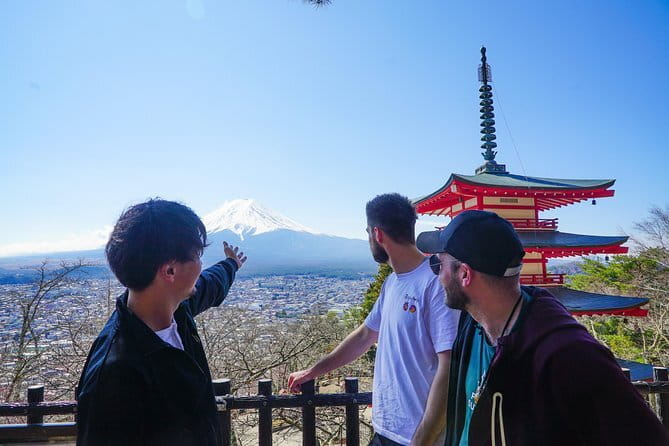
- Chureito Pagoda gives you the classic Fuji photograph: When the sky is clear, Mt. Fuji rises behind a five-story pagoda at Arakura Fuji Sengen Shrine.
- The wasabi farm is the tour’s most unusual stop: You can see how fresh wasabi grows in running water, harvest it, and taste it.
- Weather controls the mountain stops: The plan may use Mt. Fuji’s 5th Station when visibility is good, or switch to the Lake Kawaguchi area when it is not.
- Your group gets a private vehicle and guide: Only your party participates, with hotel pickup offered and a return to Tokyo.
- Lunch caters to different diets: Vegan and gluten-free options are available, and the day can end with sake, matcha, or wine.
- The tour earns strong guide praise: Nao, Ramesh, Yuki, Toshi, and Mark are singled out for warmth, flexibility, punctuality, and local explanations.
Leaving Shinjuku at 8:00 a.m.
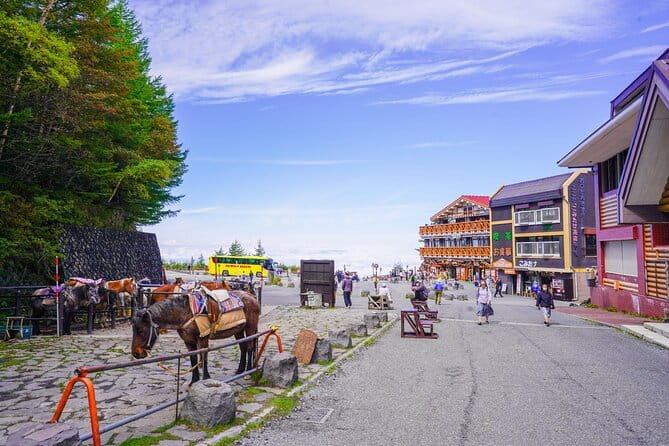
The official meeting point is near the Tiffany & Co. Shinjuku Store at 3-chōme-30-11 Shinjuku. Hotel pickup is also offered, so confirm the exact pickup arrangement when you book. An early start matters here. Mt. Fuji is far enough from central Tokyo that the drive takes a large part of the day, and a late departure would squeeze the sightseeing stops.
The private vehicle is one of the strongest practical reasons to choose this trip. You do not have to manage a train to the Fuji Five Lakes area, find a local bus, then work out how to reach a rural farm. Your guide can explain the day as you go, answer questions, and adjust the order when clouds, rain, or road conditions make a change sensible.
The ride also gives you time to settle in. Guides such as Nao, Ramesh, Yuki, Toshi, and Mark have been praised for being friendly, punctual, flexible, and clear in communication. That matters on a long day. A good guide can turn a quiet drive into useful context about Mt. Fuji, local water, food, shrines, and the region’s traditions.
A few more options to weigh up in Tokyo
- Tokyo Disney Resort – Tokyo Disneyland & Tokyo DisneySea Park Tickets
★ 4.8 · 99,488 reviews - SHIBUYA SKY Ticket
★ 4.7 · 46,509 reviews - JR Whole Japan Rail Pass
★ 4.8 · 29,150 reviews
Arakura Fuji Sengen Shrine and the Pagoda View
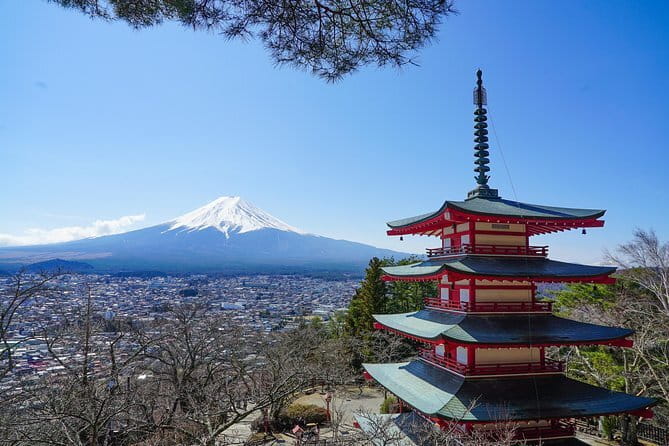
The first main stop is Arakura Fuji Sengen Shrine and its park. The famous view is the five-story Chureito Pagoda with Mt. Fuji behind it, a scene that appears on countless postcards and Japan itineraries.
There is a catch: you must climb stairs to reach the best viewpoint. One account specifically calls the stairs tough, so this is not a fully effortless photo stop. The visit is listed at about 30 minutes, which is enough for the climb, photos, and a quick look around, but not a leisurely temple visit.
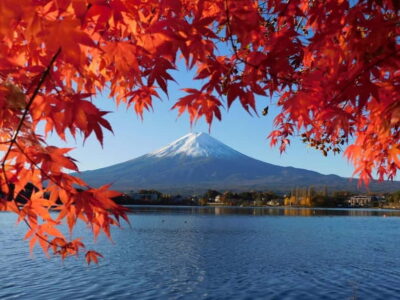
The payoff depends almost entirely on the sky. On a clear day, the red pagoda, wooded hillside, and snow-capped cone of Fuji make an extraordinary composition. On a cloudy day, you may see only part of the mountain or none of it. I appreciate that the tour does not pretend weather can be controlled. You should treat the pagoda as a wonderful possibility, not a guarantee.
The shrine also gives the day a cultural beginning. Mt. Fuji is not only a mountain for photographs. It has long been tied to pilgrimage, worship, and purification, and a Shinto shrine is a fitting place to start thinking about that connection.
Walking Through a Working Wasabi Farm
Kikuchi Wasabi Farm is where this tour moves away from the standard Fuji circuit. The farm is surrounded by rivers and mountains, and its wasabi is grown with clean flowing water. That setting helps explain why spring water is so important to the area.
You can see the plants, learn about the growing method, and harvest fresh wasabi. The experience may include rubber boots, which makes sense because the work takes place around wet growing channels rather than a dry garden path. You also get to taste the wasabi, a much more direct experience than buying a tube of prepared paste in a Tokyo supermarket.
This stop takes about 30 minutes, so do not expect a full agricultural workshop. Its value is in the close look at a food that many people know only as a sharp green condiment. Fresh wasabi has a different character from the common imitation paste, and tasting it at the source gives the farm visit a clear purpose.
I especially like the link between the farm and Mt. Fuji’s water. The mountain’s snow and rain feed springs and waterways, and those waterways support local farming. At Oshino Hakkai later in the day, you see the same natural system from another angle. Together, the two stops give the day more substance than a series of scenic viewpoints.
A Regional Lunch With Flexible Food Choices
Lunch is scheduled for about an hour near Mt. Fuji. Regional Japanese dishes are included, with vegan and gluten-free choices available. That is useful for a private group because you can tell the guide about dietary needs before the meal rather than hoping a busy restaurant can solve the problem on arrival.
The exact restaurant and menu are not specified, so you should not book this expecting one named specialty. The point is convenience and a local meal during a long driving day. Several accounts praise the lunch, including an intimate small restaurant setting and sushi as part of one particularly well-liked day, but your exact meal may vary.
An included lunch adds value to the price, especially when you consider the distance from Tokyo and the number of stops. It also keeps the schedule moving. You will not need to spend part of the limited afternoon searching for food near a crowded attraction.
A completely different kind of day out:
- Mt Fuji and Hakone 1-Day Bus Tour Return by Bullet Train
★ 5.0 · 26,383 reviews - TOKYO SKYTREE® Ticket
★ 4.7 · 25,136 reviews - teamLab Borderless Tickets: MORI Building DIGITAL ART MUSEUM
★ 4.7 · 24,126 reviews - teamLab Planets TOKYO Ticket
★ 4.7 · 21,663 reviews
Mt. Fuji’s 5th Station, When the Sky Cooperates
After lunch, the preferred plan is Mt. Fuji’s 5th Station. At this elevation, the mountain can feel close rather than distant. The stop lasts about 30 minutes and gives you a different view from the pagoda, with the upper slopes of Fuji filling much more of your sightline.
Again, conditions decide the outcome. If the weather is poor, the 5th Station may not offer the expected view, and the guide can switch to the Lake Kawaguchi area. This is a sensible choice, but it also means the tour cannot promise every named stop on every date.
The 5th Station is not the summit, and this is not a climbing tour. You are visiting a scenic point on the mountain, not hiking to the top. That distinction matters if you arrive with an ambition to climb Fuji. This experience is about views, local culture, food, and countryside rather than physical ascent.
I like having both the pagoda and 5th Station in the plan. The two viewpoints frame Fuji in different ways. The pagoda offers the iconic Japanese image, while the 5th Station brings you physically closer to the mountain.
Oshino Hakkai and Mt. Fuji’s Spring Water
Oshino Hakkai is a village known for natural springs fed by water from Mt. Fuji. The stop takes about 30 minutes, enough to see the clear ponds and traditional village setting without turning the visit into a long stay.
The springs connect neatly with the wasabi farm. At the farm, you see how clean water supports agriculture. At Oshino Hakkai, you see the same water emerging as a natural attraction with cultural meaning. If the weather is especially clear, Mt. Fuji may reflect in the ponds, creating one of the day’s most peaceful scenes.
There is a practical limit to half an hour. You will get an introduction rather than a slow, detailed exploration of the village. If you like photography, you may want to move efficiently. If Fuji is visible, take those photos first, then look at the water and buildings.
This stop is also a good backup in uncertain weather. Even if clouds block the mountain, the springs still give you something specific to see and understand. That makes the tour less dependent on one perfect photograph.
A Flexible Finish With Sake, Matcha, or Wine
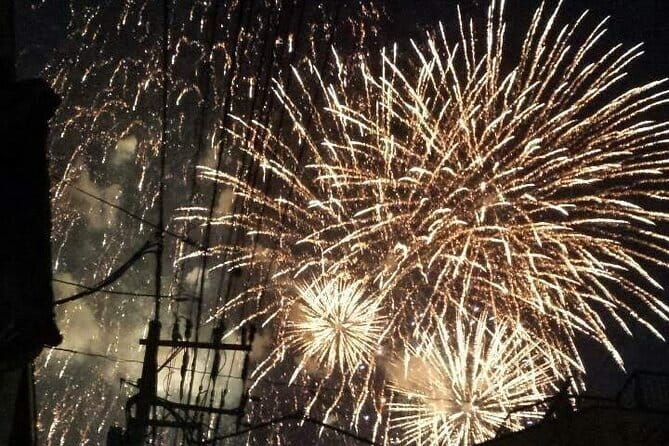
The day may finish with a tasting of sake, matcha, or wine. The wording allows for choice, so ask your guide what is available that day and what best suits your group. This small closing touch gives the return journey a pleasant sense of place.
It also reflects the tour’s private format. A large bus group usually follows a fixed rhythm. Here, the guide can pay attention to your interests, spend more time on food or scenery, and answer questions without managing strangers.
The strongest guide experiences have come from that personal approach. Nao is praised for changing the schedule around the group’s interests. Ramesh helped a family enjoy the day despite Christmas Eve weather that hid Fuji. Yuki is noted for good communication and for reaching places the group would not have found alone. Toshi is praised for punctuality and helpfulness, while Mark receives repeated credit for clear explanations and an easygoing manner.
The guide names may not be assigned in advance, so treat them as examples rather than a promise. Still, the pattern is useful: the human side of this tour is a major part of its value.
The Long Ride Back to Tokyo
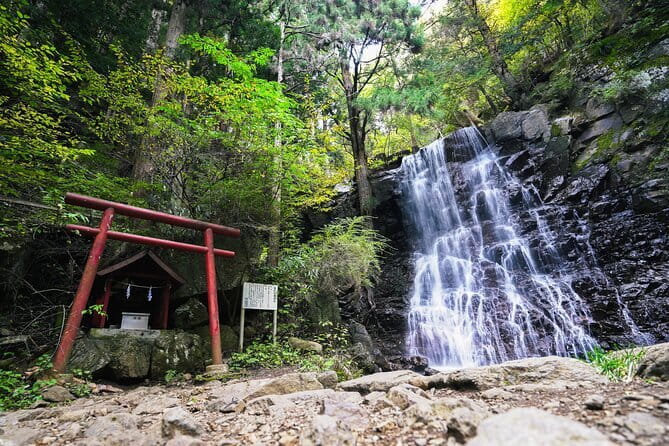
After the countryside stops, you return to Tokyo in the chartered vehicle. The experience lasts about 10 hours, beginning at 8:00 a.m., so expect a full day rather than a quick excursion.
This is where the private car earns its keep. You can rest between stops instead of changing transport several times. Families may find that especially helpful, although the long day can still be tiring for young children. The tour is private, so your group can travel at its own pace within the planned schedule.
Hotel drop-off in Tokyo is described as part of the experience, while the listed end point also refers to the meeting point. Confirm the exact return arrangement before departure. The tour is near public transportation at its start, and most people can participate, but the stairs at Arakura Fuji Sengen Shrine are worth considering if anyone in your group has difficulty climbing.
Is $658.89 Per Person Good Value?
At $658.89 per person, this is not a budget day trip. The cost is easier to justify when several people share the private vehicle and guide, particularly a family or group of friends. You are paying for transport from Tokyo, a 10-hour schedule, a professional guide, driver, lunch, entrance fees, and the ability to adjust the day.
A cheaper group bus tour may work better if your main goal is simply to reach one Fuji viewpoint. Public transport may also cost less, but it requires more planning and gives you less freedom in rural areas.
I see the value in this tour for someone who wants more than a mountain photo. The wasabi farm, spring water, shrine, food, and tasting create a fuller picture of the region. The price is hardest to defend if you only care about guaranteed Fuji views, since no tour can control clouds and this one may replace the 5th Station or reduce the mountain views when conditions turn bad.
Free cancellation is available up to 24 hours before the start time. Changes or cancellations inside that window are not accepted for a refund, so keep the local cut-off time in mind.
Who Should Choose This Fuji Day?
I would choose this experience if you want a private, guided day with a mix of nature, food, and culture. It suits families, couples, and friends who value comfort and do not want to manage the Fuji area on their own.
It is also a good fit for curious eaters. Harvesting and tasting wasabi is far more distinctive than adding another souvenir shop to the day, and the vegan and gluten-free lunch options remove a common source of stress.
You should think twice if your priority is a long hike, a guaranteed clear view, or the lowest possible price. The stairs at the pagoda and the 10-hour schedule require some stamina, and the mountain may disappear into cloud.
Should You Book It?
Book this tour if you want a full private day that treats Mt. Fuji as part of a living region, not just a backdrop. The best parts are the flexible guide service, the working wasabi farm, the connection between Fuji’s water and local life, and the chance to see several different sides of the area.
I would book it for a small group that can share the cost and accept weather as part of the experience. If Fuji vanishes, the day still has a strong plan. If Fuji appears behind the pagoda or over the spring ponds, you may come away with the classic image you hoped for as well.
FAQ
How long does the Mt. Fuji private tour last?
The tour lasts approximately 10 hours and starts at 8:00 a.m.
Where does the tour start?
The listed meeting point is near the Tiffany & Co. Shinjuku Store at 3-chōme-30-11 Shinjuku, Shinjuku City, Tokyo. Hotel pickup is also offered.
Is this a private tour?
Yes. Only your group participates in the activity.
What happens if the weather is poor?
If conditions are not suitable for viewing Mt. Fuji from the 5th Station, the plan may switch to the Lake Kawaguchi area. Views from Arakura Fuji Sengen Shrine and Oshino Hakkai also depend on visibility.
Is lunch included?
Yes. Lunch is included, with vegan and gluten-free options available.
What can I do at the wasabi farm?
You can see wasabi cultivation, harvest fresh wasabi, and taste it at Kikuchi Wasabi Farm.
Can I cancel for a full refund?
Yes, if you cancel at least 24 hours before the experience start time. Cancellations made less than 24 hours in advance are not refunded.
Just added in Tokyo
- Very popular in Harajuku♡Animal petting zoo★ 4.6 · 39 reviews
- Yokohama Port: Private Customizable Tour with Transfer★ 5.0 · 19 reviews
- Wagyu & Sake 8 Course Tasting Dinner in Shinjuku★ 4.9 · 20 reviews
- Warner Bros. Studio Tour Tokyo – The Making of Harry Potter★ 4.8 · 181 reviews
- Yanaka District: Historical Walking Tour in Tokyo’s Old Town★ 4.8 · 117 reviews
- Tokyo: Classic Tsukiji Food Tour★ 4.9 · 78 reviews
- Tokyo: Tsukiji Fish Market Tour with 6 Stops & Seafood Lunch★ 4.5 · 165 reviews
- Tokyo Wagyu & Sake Pairing Tasting Experience with Local Flavors★ 5.0 · 108 reviews
Tokyo Tours, compared.
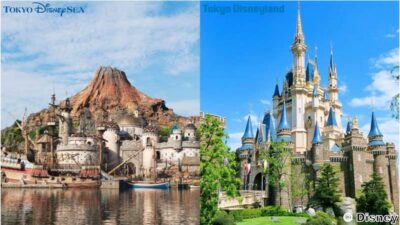
Tokyo Disney Resort – Tokyo Disneyland & Tokyo DisneySea Park Tickets
Read our review →
Mt Fuji and Hakone 1-Day Bus Tour Return by Bullet Train
Read our review →
teamLab Borderless Tickets: MORI Building DIGITAL ART MUSEUM
Read our review →