
Reviewed · PRIVATE CAR WITH DRIVER
Private Car Mt Fuji and Gotemba Outlet in One Day from Tokyo
Fuji views come with a useful shopping bonus. This private day trip combines Mt. Fuji’s classic viewpoints with Gotemba Premium Outlets, and I like the hotel pickup and private minivan because you avoid train changes, crowded buses, and the puzzle of linking several Fuji-area sights. I also like the flexible planning, especially for families and groups with mixed interests.
The main catch is time. You can select only about four to six stops during the 10 to 11 hour day, so the long list of attractions is a menu, not a promise. Weather and traffic can also change the plan, and Mt. Fuji may hide behind clouds even when every other part of the day runs smoothly.
In This Review
- Key points to know before booking
- Why a private car makes Fuji easier from Tokyo
- Arakurayama Sengen Shrine and the Chureito Pagoda view
- Lake Kawaguchi, Oishi Park, and Fuji’s softer side
- Gotemba Premium Outlets and the shopping trade-off
- Oshino Hakkai and the shrines around Fuji
- Ropeway views and the route’s optional attractions
- Should you visit Mt. Fuji’s fifth station?
- Lunch and local food choices
- How much can you really see in 10 to 11 hours?
- Who will get the most value from this tour?
- Practical details that affect your decision
- Should you book this private Fuji day?
- FAQ
- How long does the Mt. Fuji and Gotemba tour last?
- How many people can join the private tour?
- Is hotel pickup included?
- Which languages are available for the guide?
- Are meals included?
- Is admission to the Mt. Fuji Panoramic Ropeway included?
- Is the Mt. Fuji fifth station open all year?
- Can the tour visit every stop listed?
Key points to know before booking
- Private transport for up to eight people: Round-trip hotel pickup and drop-off in an air-conditioned minivan makes this practical for families and larger groups.
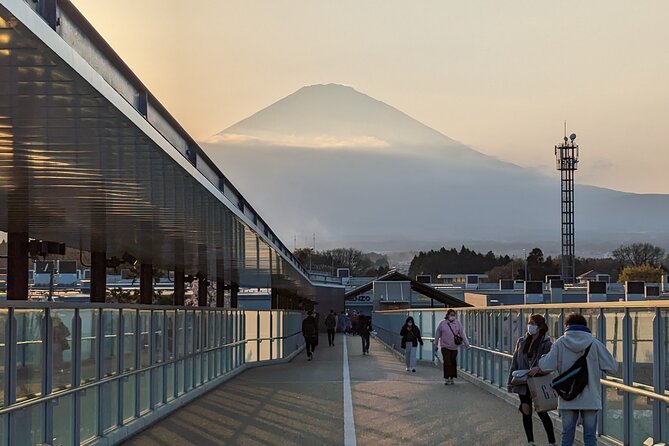
- Chureito Pagoda delivers the famous Fuji photo: Arakurayama Sengen Park is the classic viewpoint, with a five-story pagoda in front of Mt. Fuji when the weather cooperates.
- Gotemba Premium Outlets adds a different kind of appeal: You can shop at more than 270 stores, with the supplied information also describing the center as having about 290 shops.
- You choose roughly four to six stops: The guide can adjust the day around shopping, shrines, lakes, food, flowers, or caves.
- The ropeway, caves, and fifth station cost extra: Some attractions require separate admission, and the Mt. Fuji fifth station also requires a 2,100-yen toll.
- Guides receive the strongest praise: Taiji Endo, Elina, Ken, and Masa are specifically praised for patience, flexibility, language skills, and attention to families.
Why a private car makes Fuji easier from Tokyo
Mt. Fuji is close enough to tempt you from Tokyo but spread out enough to make a do-it-yourself day awkward. The sights sit around several lakes, shrines, parks, and mountain roads. A private minivan lets you move between them without working out separate train and bus connections.
That matters most if you are traveling with children, older family members, or a group of six to eight people. One booking covers the group, rather than charging each person for separate transport. At $1,255.38 for up to eight people, the arithmetic works out to roughly $157 per person if you fill the vehicle. For two people, however, the price is much harder to justify unless comfort and flexibility are your main priorities.
You receive hotel pickup and drop-off, one bottled water per person, and an English, Japanese, or French-speaking local guide. Chinese and Korean-speaking guides can be requested. Food, drinks, attraction tickets, and gratuity are not included.
The driver handles the road while the guide explains the places you see. That division is useful on a long day, and the strongest praise goes to guides who adapted the route to weather, age, mobility, and personal interests. Taiji Endo is repeatedly singled out for good English, cultural explanations, patience, and careful time management. Elina has also guided French-speaking groups and families with teenagers.
A few more options to weigh up in Tokyo
- Tokyo Disney Resort – Tokyo Disneyland & Tokyo DisneySea Park Tickets
★ 4.8 · 99,488 reviews - SHIBUYA SKY Ticket
★ 4.7 · 46,509 reviews - JR Whole Japan Rail Pass
★ 4.8 · 29,150 reviews
Arakurayama Sengen Shrine and the Chureito Pagoda view
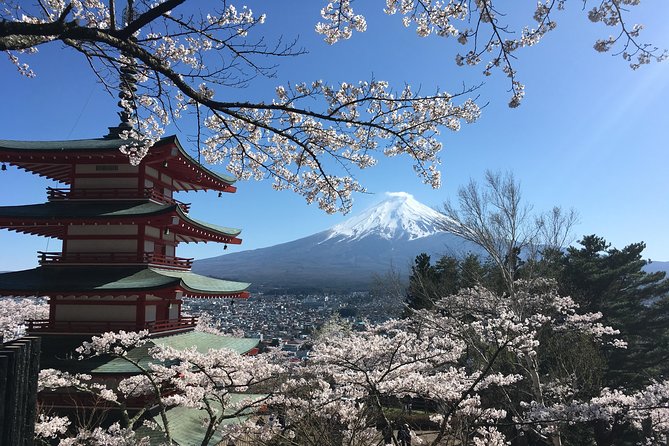
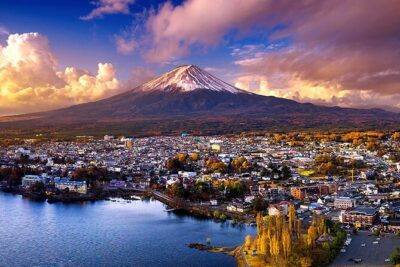
The Chureito Pagoda stop is the visual centerpiece. At Arakurayama Sengen Shrine, you can frame the five-story pagoda with Mt. Fuji behind it, creating the image most associated with Fuji sightseeing.
The nearby Arakurayama Sengen Park provides the broad viewpoint. The listed stop times are short, about 10 minutes each, but that does not mean you should expect a quick roadside photo. The exact time depends on how the guide arranges the shrine, pagoda, and park together.
The shrine honors a fire goddess and is tied to worship of Mt. Fuji. That gives the stop more meaning than a photo platform alone. You see how the mountain is treated as a sacred presence, not simply a scenic backdrop.
There is one practical warning: visibility controls the experience. On a clear day, the view can be the highlight of the trip. On a cloudy day, you may see only the pagoda and nearby town. The operator does not cancel or refund the tour just because Fuji is partly or fully hidden, so book this with the understanding that the cultural stops still need to carry the day.
Lake Kawaguchi, Oishi Park, and Fuji’s softer side
Lake Kawaguchiko is the most visited of the five Fuji lakes and is a good place to slow down after the city and mountain viewpoints. The tour allows about 30 minutes here, though your guide may arrange a longer visit if it fits your chosen stops.
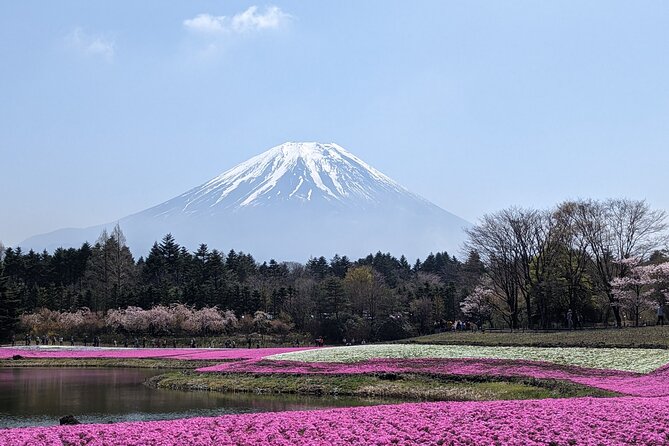
Oishi Park is especially appealing during flower seasons. The park has more than 90 types of flowers across the year and is known for lavender. The view pairs the lake and Fuji with cultivated gardens, so it offers a gentler scene than the formal shrine and the busy outlet mall.
Next door, Fuji Oishi Hana Terrace focuses on local crafts, souvenirs, and fruit-based ice cream and sorbets. This is a pleasant short stop if you want regional products without spending much time in a large commercial center.
The Fujisan World Heritage Center gives the area context through video and displays about Mt. Fuji’s rituals and cultural importance. Plan about 20 to 60 minutes, depending on how much you want to watch and read. I would choose this over another shopping stop if you want the day to explain why Fuji matters in Japan.
Gotemba Premium Outlets and the shopping trade-off
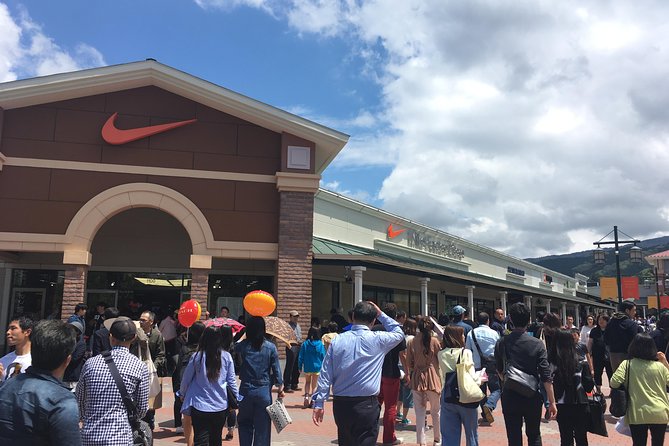
Gotemba Premium Outlets is the tour’s retail anchor. It is described as Japan’s largest outlet shopping mall, with more than 270 shops, while the broader description gives a figure of 290 stores. Either way, this is a very large shopping complex, not a quick souvenir stand.
The listed visit is one hour, but you can tell the operator how much time you want to spend shopping. That flexibility is important. One hour may be enough to browse or buy a few things, but serious shoppers will need to protect more of the day for the mall.
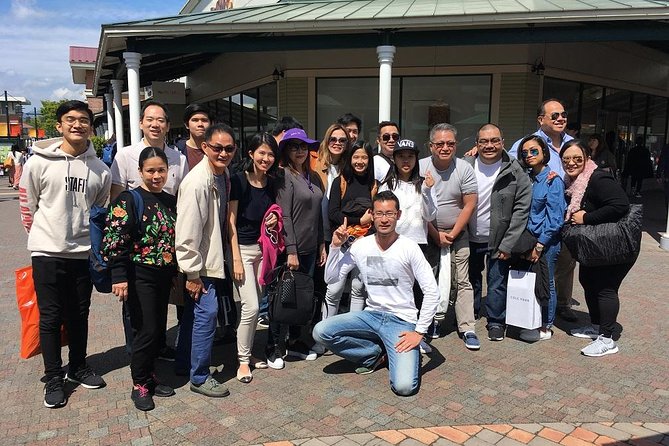
Gotemba works best for a group with different priorities. Some people can shop while others focus on Fuji views, shrines, or lunch. One family of eight found it helpful that the guide accompanied an older parent while shopping, which made the stop easier for a group with differing mobility and energy levels.
The drawback is simple: shopping takes time away from sightseeing. If your priority is the fifth station, a lake, a shrine, and a cave, do not allow the outlet stop to expand by accident. Decide before departure if you want a quick browse, a focused purchase, or a major shopping session.
A completely different kind of day out:
- Mt Fuji and Hakone 1-Day Bus Tour Return by Bullet Train
★ 5.0 · 26,383 reviews - TOKYO SKYTREE® Ticket
★ 4.7 · 25,136 reviews - teamLab Borderless Tickets: MORI Building DIGITAL ART MUSEUM
★ 4.7 · 24,126 reviews - teamLab Planets TOKYO Ticket
★ 4.7 · 21,663 reviews
Oshino Hakkai and the shrines around Fuji
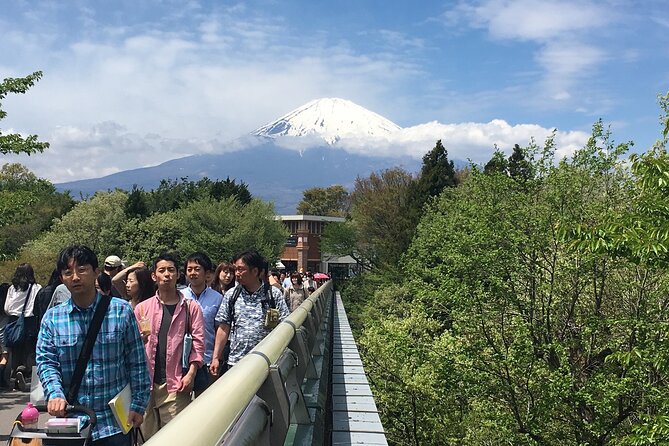
Oshino Hakkai is one of the short stops available on the route. The supplied schedule allows about 10 minutes, so treat it as a brief look unless you and the guide agree to make it one of your main visits.
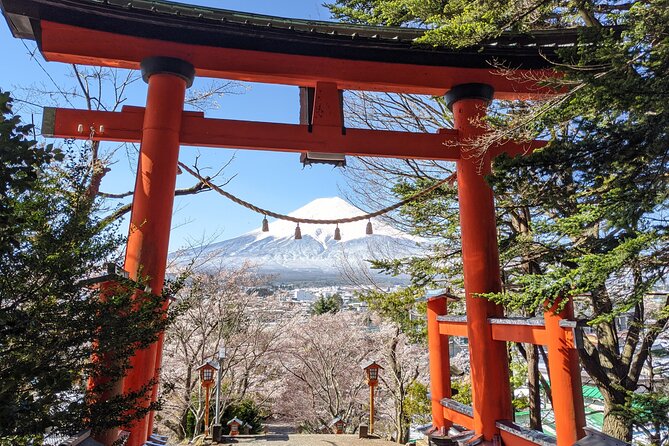
Kitaguchi Hongu Fuji Sengen Jinja is another strong choice for people interested in worship and pilgrimage. It is described as the principal shrine in northern Mt. Fuji’s area and as the first step toward climbing the mountain. The suggested visit lasts 30 to 60 minutes.
Oshino Shinobi no Sato offers a different mood, with a ninja show and activities that let you play at being a ninja. Admission is extra, and the stop can take 30 to 90 minutes. Families may prefer this to a museum, while adults seeking quiet shrine time may want to skip it.
You can also visit a Sengen shrine where pilgrims began worship of Mt. Fuji. These stops help balance the day. The famous photograph gets attention, but the shrines explain the old relationship between people and the mountain.
Ropeway views and the route’s optional attractions
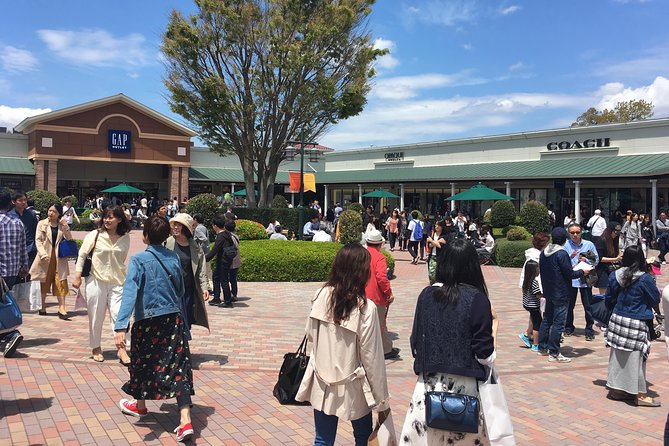
The Mt. Fuji Panoramic Ropeway offers views of Mt. Fuji, Lake Kawaguchi, and Fuji Yoshida City. The ride and wait can take 30 to 90 minutes, depending on the queue. Admission is not included.
This is a good choice when the weather is clear and you want a higher viewpoint without a long hike. The queue is the issue. A popular ropeway can consume the time needed for another stop, so ask your guide about current conditions before committing.
The route also includes several nature options:
- Yamanakako Hananomiyako Park: A large flower garden with seasonal displays from spring through fall. In winter, you may see Diamond Fuji, when the sun appears to set over the mountain’s summit.
- Saiko Lake: One of the five Fuji lakes, known as the maiden lake, with about 30 minutes suggested.
- Aokigahara Forest: A chance for a 30-minute forest walk.
- Narusawa Ice Cave and Fugaku Wind Cave: Short cave adventures in the Aokigahara area, with separate admission.
- Saiko Bat Cave: Another cave option, described as the largest cave in the forest, also requiring an extra ticket.
These choices make the private format useful. You are not forced to visit every attraction, and you can choose a nature-focused day instead of trying to collect every Fuji landmark. The danger is overplanning. Caves, ropeway queues, shopping, and the fifth station cannot all fit comfortably into one day.
Should you visit Mt. Fuji’s fifth station?
The fifth station reaches about 2,300 meters and is the highest point on Mt. Fuji accessible by car on this tour. It is a logical choice if you want to get closer to the mountain rather than view it from across a lake.
The stop usually requires about two hours, and you must pay a 2,100-yen toll on the spot. Access is closed from July to mid-September during the climbing season and may also close in winter. Confirm the seasonal road status before you build your day around it.
The fifth station is not automatically the best Fuji view. A distant view from Chureito, Lake Kawaguchi, or Oishi Park can show the mountain’s full shape more clearly. I would choose the fifth station for the mountain experience and altitude, not only for photography.
Lunch and local food choices
Lunch is not included, and you pay for your own food and drinks. The guide can suggest restaurants, and vegetarian food can be arranged if you provide dietary requirements when booking.
One particularly well-regarded lunch suggestion was Hoto Fudo, known for hoto noodles, a local specialty. The guide, Taiji Endo, helped one group arrive before a long queue formed. Another family enjoyed a local restaurant using home-grown vegetables, fresh salmon from the river, and handmade udon noodles.
Those details point to one of the tour’s best uses: ask for a regional meal rather than defaulting to food at the outlet mall. You should still tell the operator about dietary needs early, because the route and meal timing depend on what you choose to visit.
How much can you really see in 10 to 11 hours?
The full day runs about 10 to 11 hours, but driving from Tokyo and moving around the Fuji area takes a large share of that time. The many listed attractions are options, not a schedule you can complete in one day.
A realistic plan might include:
- Chureito Pagoda and Arakurayama Sengen Shrine
- Lake Kawaguchi or Oishi Park
- Lunch
- Gotemba Premium Outlets
- One additional shrine, museum, or ropeway stop
A shopping-heavy version could spend more time at Gotemba and skip the caves. A culture-focused version could select the World Heritage Center, Oshino Hakkai, and Kitaguchi Hongu Fuji Sengen Shrine. A family plan might favor Oishi Park, the ninja village, and a short lake stop.
The guide’s flexibility is valuable here. Several bookings describe the route changing around weather and group needs. You should discuss your priorities after booking and again at pickup, rather than arriving with the expectation that every stop will happen.
Who will get the most value from this tour?
I would recommend this for a group of four to eight, families with young children, older relatives, wheelchair users, or anyone who wants a private day without managing regional transport. A private vehicle also helps when your group wants different kinds of stops.
It suits first-time visitors who want the major Fuji image but also want shopping, shrines, flowers, caves, or local food. The guides’ language options make it useful for English, Japanese, French, Chinese, and Korean-speaking groups, subject to guide availability.
I would hesitate if you are a solo visitor or a couple on a tight budget. Public transport and regular sightseeing buses will cost less, though they will not give you the same door-to-door service or route control.
The tour receives a 5.0 rating from 41 ratings, with 100 percent recommending it. The praise centers on patient guides, good communication, flexibility, and help with seniors and children. That matters more than a polished vehicle, because a long Fuji day succeeds or fails on timing and judgment.
Practical details that affect your decision
Hotel pickup and drop-off are included, and the experience is private, so only your group participates. Most people can take part, and service animals are allowed. The minivan is air-conditioned and includes a DVD player, though the useful feature is the private space itself.
Bring money for lunch, drinks, gratuity, the ropeway, ninja village, caves, and the fifth station toll. Gratuity is listed at 5 to 20 percent. The price does not change if you decide not to use the vehicle, so clarify your plans before booking.
You can cancel for a full refund up to 24 hours before the start time. Changes or cancellations inside that period are not accepted for a refund. Weather or traffic can alter the schedule, and poor Fuji visibility does not qualify for a refund.
Should you book this private Fuji day?
Book it if you value door-to-door comfort, a personal guide, and control over the route, especially with a family or group. Fill the minivan and the per-person cost becomes easier to defend.
Skip it if your main goal is simply one Fuji photograph and you are comfortable with public transport. For everyone else, the best approach is to choose four or five priorities before the day begins. Put Chureito first for the classic view, reserve enough time for either shopping or nature, and let the guide adjust the route when clouds or traffic get in the way.
FAQ
How long does the Mt. Fuji and Gotemba tour last?
The experience lasts approximately 10 to 11 hours, including round-trip travel from Tokyo.
How many people can join the private tour?
The price covers one private group of up to eight people.
Is hotel pickup included?
Yes. Round-trip hotel pickup and drop-off are included.
Which languages are available for the guide?
English, Japanese, and French-speaking guides are available. Chinese and Korean-speaking guides can be requested.
Are meals included?
No. Lunch, food, and drinks are not included. Vegetarian options are available if you provide dietary requirements when booking.
Is admission to the Mt. Fuji Panoramic Ropeway included?
No. The ropeway requires a separate admission payment.
Is the Mt. Fuji fifth station open all year?
No. Access is closed from July to mid-September during the climbing season and may also be closed in winter. The fifth station also requires a 2,100-yen toll paid on the spot.
Can the tour visit every stop listed?
No. The listed attractions are options, and you should select about four to six sites for the day. The final schedule may change because of weather or traffic.
Just added in Tokyo
- Private Unforgettable Mt Fuji Tour with English Speaking Driver★ 5.0 · 142 reviews
- Japanese Cooking and Udon Making Class in Tokyo with Masako★ 5.0 · 35 reviews
- Private Kamakura plus Yokohama Tour – English Speaking Driver★ 4.5 · 28 reviews
- Luxury van Ride to famous car meet up spot Daikoku★ 4.5 · 148 reviews
- Private Tour to Mt Fuji and Hakone with English Speaking Driver★ 5.0 · 133 reviews
- Private Harajuku Omotesando Architecture Walking Tour★ 5.0 · 67 reviews
- Private Customizable Walking Tour of Tokyo★ 5.0 · 70 reviews
- Japanese Food Cooking Class in Asakusa, Tokyo★ 5.0 · 39 reviews
Private Car with Driver, compared.
Tokyo Private Sightseeing Tour by Car- English speaking chauffeur
Read our review →
Tokyo Private Tour by Vehicle with English-Speaking Chauffeur
Read our review →Mt FUJI Day Tour with Private Car and English Speaking Guide
Read our review →
Private Car Tour to Mt. Fuji Lake Kawaguchiko or Hakone
Read our review →
Kyoto Private Car Tour – Full Day with Local Guide & Nara Option
Read our review →
Mt Fuji Exclusive Tour with Private Car English Guide
Read our review →
Kyoto Day Trip using Private Car with English Driver (up to 5)
Read our review →Browse the lists this tour appears in