Reviewed · TOKYO TOURS
Private Harajuku Omotesando Architecture Tour
Tokyo’s best storefronts are also architecture lessons. This private Harajuku and Omotesando walk links Meiji Shrine, Yoyogi Gymnasium, designer boutiques, and quiet side streets in one focused route. I especially like the private format, which lets your guide adjust the walk to your interests, and the chance to see major buildings alongside everyday neighborhoods, not just polished shopping streets. The route also offers excellent photo stops at nearly every turn.
The main drawback is the price: $129 per person is a serious outlay for a three-and-a-half-hour walk, especially if you are not strongly interested in architecture. You will also be on your feet for most of the 210 minutes, so comfortable shoes matter.
In This Review
- Key points at a glance
- Why Harajuku and Omotesando work so well together
- Meeting at Meiji Shrine’s wooden gate
- Yoyogi Gymnasium from the opening stretch
- The Iceberg, Dior, and Louis Vuitton
- Side streets, local life, and Cat Street
- A café break with room for questions
- Why the private format matters
- Three and a half hours on foot
- Daylight or an evening view?
- Is $129 per person a fair price?
- Who should book this Harajuku architecture walk?
- Should you book it?
- FAQ
- Where does the tour meet?
- How do I reach the meeting point from JR Harajuku Station?
- How long does the tour last?
- Is the tour conducted in English?
- What does the price include?
- Can I cancel the booking?
Key points at a glance
- Start beside Meiji Shrine: Meet at Café Mori no Terrace near the large wooden entrance gate, then begin near Jingubashi Bridge.
- See Tokyo’s design icons: The route includes distant views of Yoyogi Gymnasium and stops near The Iceberg, Dior, Louis Vuitton, Sunny Hills, and Prada.
- Go beyond luxury shopping: Side streets reveal homes, local routines, and a different side of Harajuku.
- Choose a private English tour: The guide can shape the walk around your interests, from famous architects to less obvious buildings.
- Consider an evening departure: Omotesando’s illuminated façades offer a different photographic view after dark.
- Plan for walking: Drinks and a short café break are included, but meals and transport to the area are not.
Why Harajuku and Omotesando work so well together
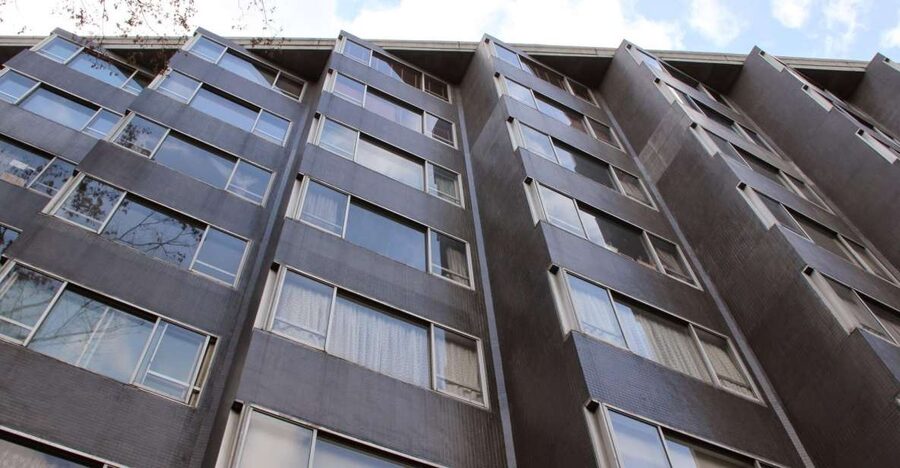
Harajuku and Omotesando are often reduced to two easy labels. Harajuku is treated as the youthful shopping district, while Omotesando is compared with Rodeo Drive or Ginza. Those comparisons are not entirely wrong, but they miss the point.
This area changes quickly as you walk. Near the main avenues, you find carefully designed façades, luxury brands, broad sidewalks, and a steady flow of shoppers. A few turns later, the scale becomes smaller and more residential. The contrast is one of the best reasons to take this tour rather than simply photograph the most famous boutiques on your own.
Your guide helps explain why major designers and architects chose this neighborhood. The buildings are not merely containers for fashion shops. They are part of the shopping experience, built to attract attention from the street and to give each brand a distinctive identity.
That makes the route useful even if you are not an architecture specialist. You do not need to know technical terms to notice the difference between a heavy, sculptural façade and a light, glassy one. The guide gives you a way to read what you are seeing.
A few more options to weigh up in Tokyo
- Tokyo Disney Resort – Tokyo Disneyland & Tokyo DisneySea Park Tickets
★ 4.8 · 99,488 reviews - SHIBUYA SKY Ticket
★ 4.7 · 46,509 reviews - JR Whole Japan Rail Pass
★ 4.8 · 29,150 reviews
Meeting at Meiji Shrine’s wooden gate
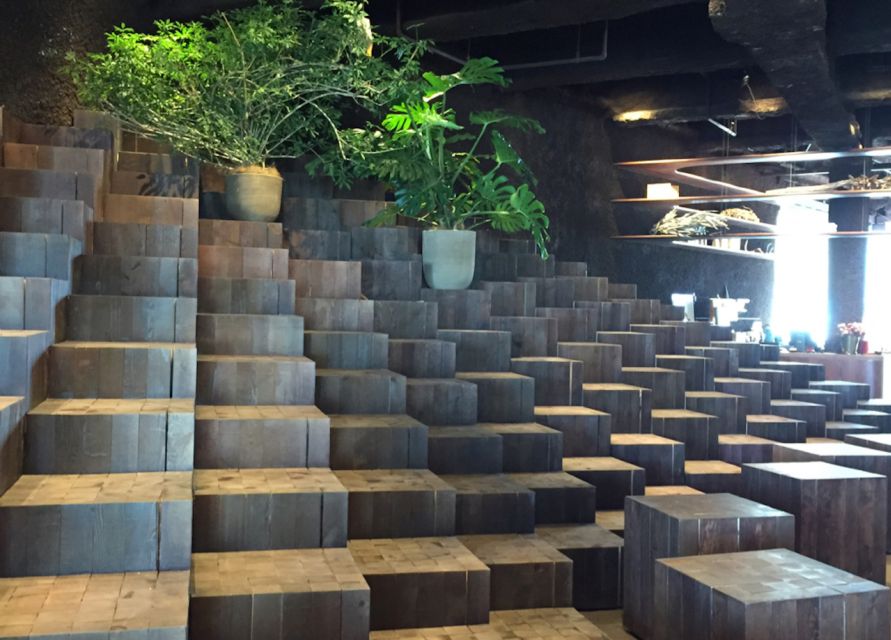
The meeting point is Café Mori no Terrace, at 1 Yoyogikamizonocho, Shibuya City. It sits in the large open space near the big wooden entrance gate of Meiji Shrine.
This detail matters because there is another café with a similar name inside the shrine grounds. From JR Harajuku Station, leave through the Omotesando exit and walk toward the forest. You do not go through a Shinto gate on the way to the meeting point.
Arrive with enough time to identify the correct café and guide. The walk begins near Jingubashi Bridge in front of Meiji Shrine, a useful starting point because it places the tour between Tokyo’s wooded shrine setting and its most polished commercial streets.
The setting also gives you an immediate sense of the area’s unusual mix. Meiji Shrine feels quiet and spacious, while Harajuku begins just beyond it with shops, pedestrians, and city movement. You are not starting in an anonymous hotel lobby or at a busy station platform. You begin beside one of Tokyo’s major cultural landmarks.
Yoyogi Gymnasium from the opening stretch
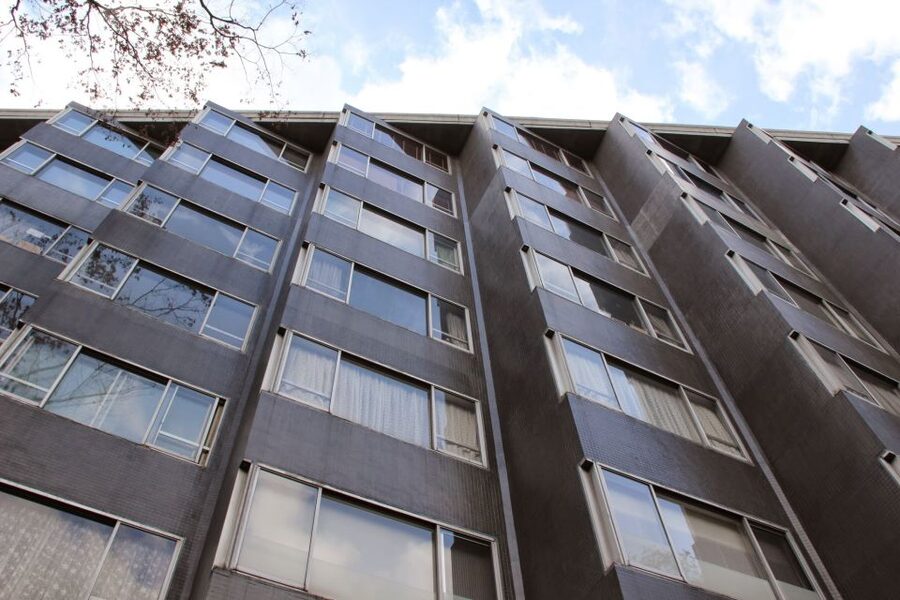
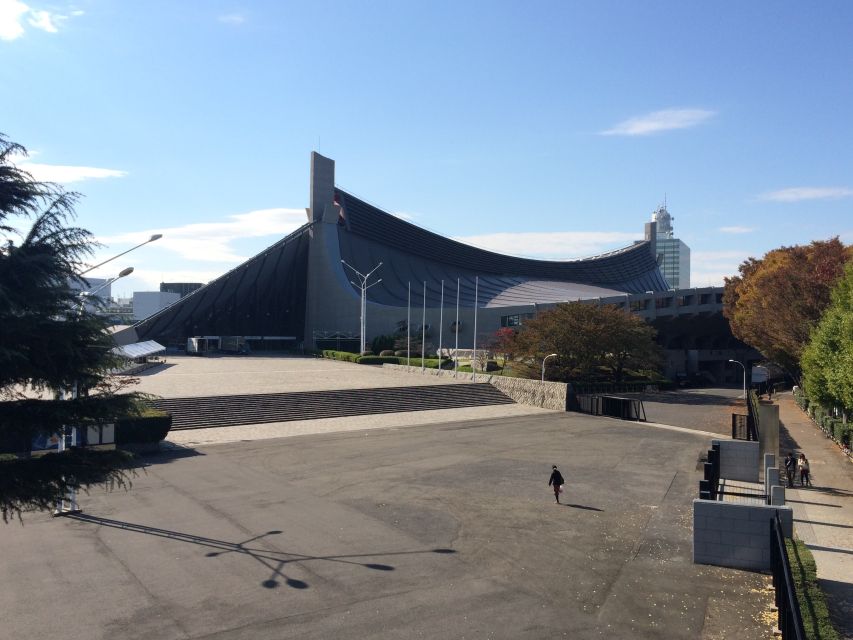
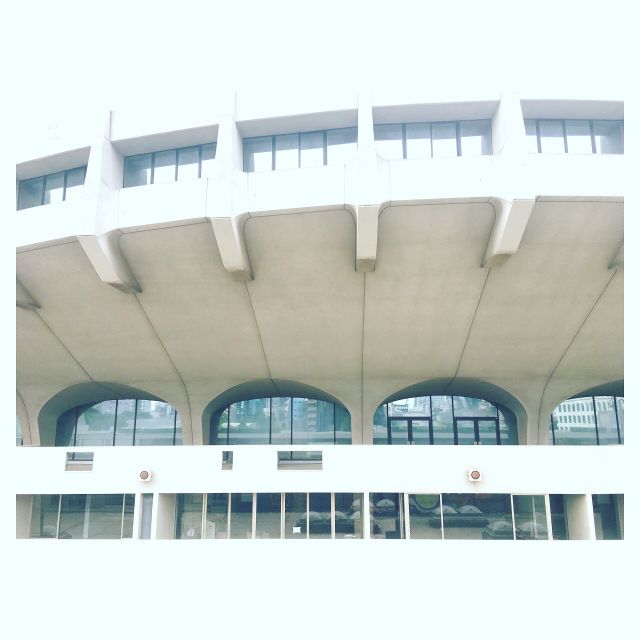
One of the first architectural sights is Yoyogi Gymnasium, viewed from a distance. The tour does not present it as a simple photo stop. Instead, it places the building within the story of Tokyo’s modern architecture.
From the route, you can appreciate its strong profile without turning the morning into a museum visit. The distant view also gives the guide room to discuss how large public buildings differ from the commercial architecture you will see later.
This is a good example of the tour’s wider appeal. It is not only a parade of luxury storefronts. You see public architecture, brand architecture, and ordinary neighborhood buildings in one connected walk.
Because the gymnasium is viewed from a distance, do not expect an interior visit or a long examination of the structure. Its value here is as an early reference point and a striking landmark along the route.
The Iceberg, Dior, and Louis Vuitton
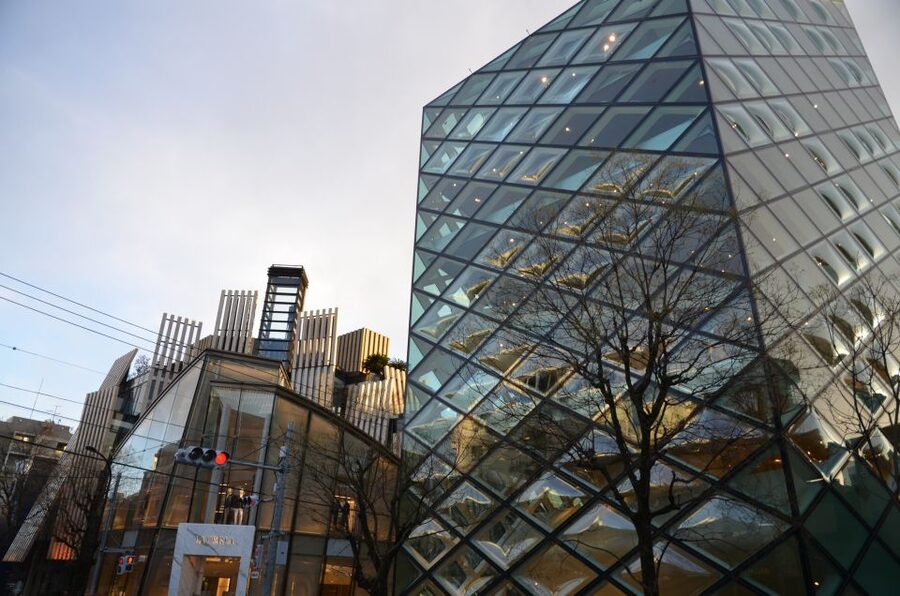
The central section brings you to some of Omotesando’s best-known contemporary buildings. The Iceberg, Dior, Louis Vuitton, Sunny Hills, and Prada all appear along the route, with other notable buildings between them.
These stops show why the avenue has become such an important place for architecture lovers. A brand can build an eye-catching façade that works as advertising, public art, and a shop entrance at the same time.
The guide adds the context that is difficult to get from a quick photograph. You learn why a particular architect or brand might favor a certain shape, material, or relationship with the street. The useful part is not simply learning names. It is understanding how each building tries to make you stop, look, and enter.
The Louis Vuitton and Dior buildings also help explain the difference between Omotesando and Ginza. Both areas offer high-end shopping, but Omotesando is especially suited to a walking tour focused on façades and street-level design. Buildings here compete for attention in a more visibly architectural way.
Sunny Hills provides another change of mood. Its design is not simply a standard luxury retail box, and the stop gives the route more variety. Prada adds another major example of a building designed to be recognized from outside, not just used from within.
You will likely take many photographs, but the guide’s explanations are what give those photographs lasting value. Instead of returning home with a set of attractive façades, you have a better idea of why they look the way they do.
A completely different kind of day out:
- Mt Fuji and Hakone 1-Day Bus Tour Return by Bullet Train
★ 5.0 · 26,383 reviews - TOKYO SKYTREE® Ticket
★ 4.7 · 25,136 reviews - teamLab Borderless Tickets: MORI Building DIGITAL ART MUSEUM
★ 4.7 · 24,126 reviews - teamLab Planets TOKYO Ticket
★ 4.7 · 21,663 reviews
Side streets, local life, and Cat Street
The backstreet section keeps the tour from becoming a polished brand walk. Once you leave the main avenue, you can observe a wider range of Japanese lifestyles and see how the commercial district gives way to smaller-scale streets.
This is also where the private format becomes especially useful. If your interest leans toward urban planning, neighborhood change, or daily life, tell the guide early. The route can be shaped around what you want to notice.
Cat Street may be part of this side trip, and it offers a more relaxed neighborhood feel than Omotesando’s main avenue. It is still part of a popular shopping area, but the atmosphere and scale differ. One particularly useful feature of the route is that you may find yourself wanting to return to this part of Harajuku later, rather than treating it as a place you simply pass through.
The back streets also provide a practical break from the major names. You are not staring upward at designer façades for three straight hours. You are moving through different kinds of spaces, which makes the whole area easier to understand.
Do keep expectations realistic. The tour does not promise a food crawl or a full neighborhood history. Meals are not included, and the purpose remains architecture and urban observation.
A café break with room for questions
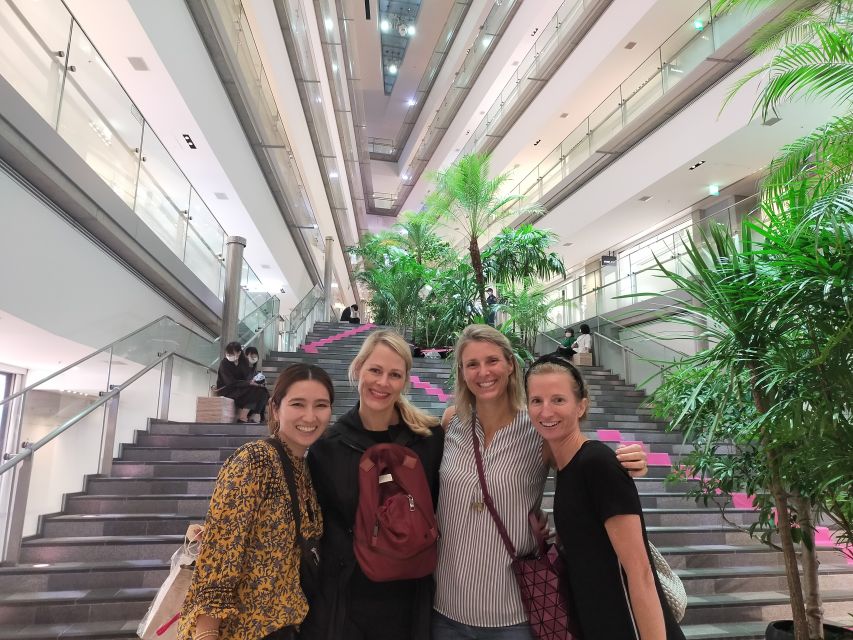
A short break with drinks is included. That is a small feature, but it helps on a 210-minute walking tour, especially when the route includes frequent stops for photographs and explanations.
The break also gives you a natural chance to ask questions. This is where the private arrangement can be more useful than a large scheduled group. You can spend more time on the buildings that interest you and move more quickly past those that do not.
Past guide feedback points to a strong range of teaching styles. Taka, described as a retired urban planner who graduated from MIT, brings a planning background. Other guides, including Fuki, Yoshi, Hal, and Sakai Mari, have been praised for their enthusiasm, clear English, and ability to explain architecture in an approachable way.
One guide had worked in the industry, while another was noted for bringing useful accessories to support the explanations. These details suggest that the experience can vary somewhat by guide, but the common strength is subject knowledge paired with a personal walking style.
Ask about your interests when booking or at the start. The tour works best when you treat it as a conversation, not as a fixed lecture.
Why the private format matters
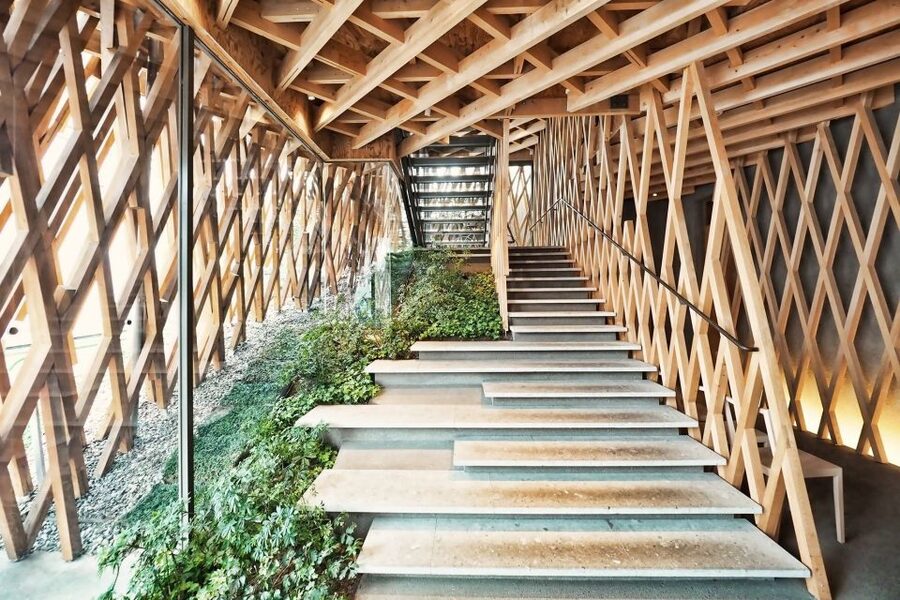
A private group changes the rhythm of the walk. You do not need to follow a preset pace designed for a large crowd, and you can ask about buildings that catch your eye between the headline stops.
This is valuable for solo visitors. One solo participant found the tour easy to enjoy because the guide could respond directly to individual questions. It also suits couples or mature groups who want a calm pace and a more focused discussion.
Architecture students, photographers, urban planners, and design fans will get the most from the experience. You can ask about Japanese architects, award-winning work, storefront design, or the relationship between a building and its street.
You do not need formal architecture training, though. The route is also suitable if you simply like cities and want to understand why one shopping district feels different from another.
The private setup is less important if you only want quick photographs of Prada and Dior. You could see the exteriors independently. You are paying for the explanations, route planning, flexibility, and the ability to connect famous buildings with the neighborhood around them.
Three and a half hours on foot
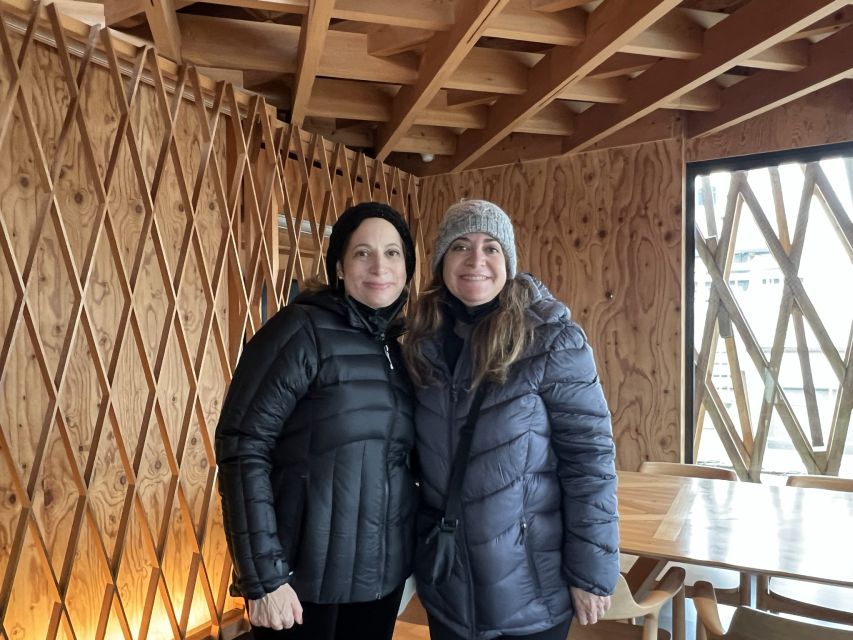
The tour lasts 210 minutes, or three and a half hours. That is longer than the casual three-hour description often used for the experience, so plan around the full duration.
The length is justified by the number of stops and the side trip into the back streets. You are not rushing from one storefront to the next. The guide needs time to explain each building, answer questions, allow photographs, and make the area feel connected.
The trade-off is physical. You should bring comfortable shoes and expect a walking-focused outing. A short drinks break is included, but there is no included meal, so plan lunch or dinner before or after the tour.
The tour is wheelchair accessible, which is useful information when planning. Still, you should discuss your specific needs in advance if you require a particular pace or route adjustment. The tour covers public streets and several different areas, so practical communication is wise.
Daylight or an evening view?
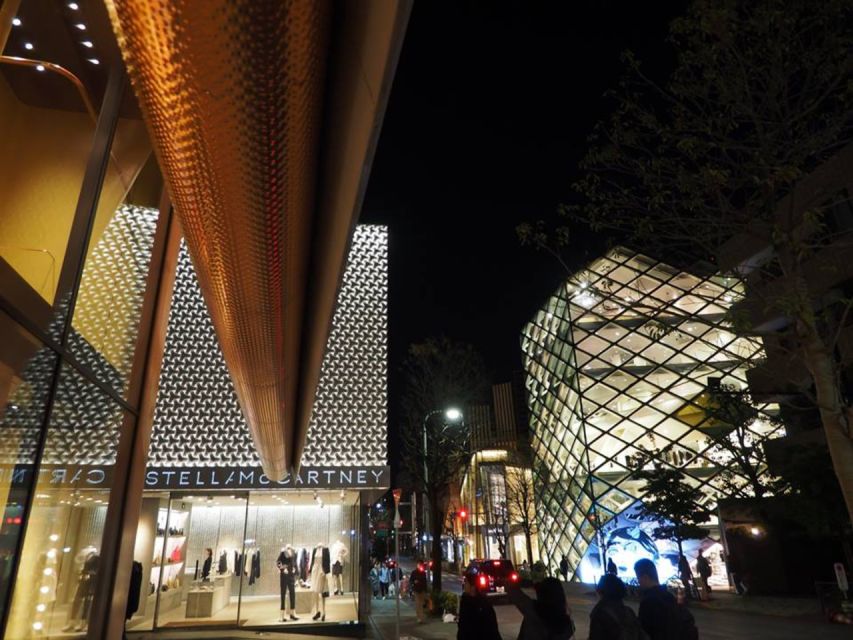
The route can be taken at night, giving you a different view of the architecture. Illuminated façades can change the appearance of glass, metal, stone, and signage. A building that feels restrained in daylight may look much more graphic after dark.
Night is especially appealing if photography is a priority. The main avenue’s lighting and shop displays can make the architecture feel more theatrical, while the back streets offer a quieter contrast.
Daytime has its own advantage. You can more easily read materials, shadows, landscaping around buildings, and small details in the façades. If you want to study construction and form, daylight may be the better choice.
Starting times vary, so check availability and ask specifically about an evening departure. Do not assume every booking slot is offered after dark.
Is $129 per person a fair price?
At $129 per person, this is not a budget walking tour. The price makes the most sense when you value private guiding and have a real interest in architecture, design, or Tokyo’s urban development.
You are paying for a licensed English-speaking guide, a private group, a tailored route, and drinks during the break. The tour also saves you the work of researching which buildings to see and how to connect them in a sensible walk.
For a solo participant, the cost is harder to justify because there is no group to share the price. For two couples or a small private party, the personal attention may make the fee feel more reasonable, particularly if the group asks many questions.
Transport to and from the Harajuku and Omotesando area is not included. That is easy to manage if you are already visiting the neighborhood, but add your own rail or taxi costs when working out the full budget.
My practical advice is simple: book it if you would otherwise spend hours researching Tokyo architecture or if you want access to a guide who can adapt the route. Skip it if you only want general sightseeing or luxury shopping.
Who should book this Harajuku architecture walk?
You should consider this tour if you:
- Want to understand why Omotesando is different from Ginza
- Enjoy photographing buildings, storefronts, and city streets
- Prefer a private guide to a large group
- Are curious about Japanese architects and modern urban design
- Want to combine famous landmarks with backstreet neighborhoods
- Appreciate a flexible route shaped around your questions
It is also a good choice for repeat visitors who have already seen Tokyo’s standard sights. Harajuku may be familiar, but this walk gives you a new way to read it.
You may want to skip it if your priority is food, shopping discounts, shrine rituals, or a fast overview of Tokyo. The guide may pass many tempting shops and cafés, but the main subject is architecture.
Should you book it?
Book this private walk if you want Harajuku and Omotesando explained rather than simply photographed. The strongest part is the combination of major buildings, smaller streets, and a guide who can connect design with daily life.
The value is highest for a small group with shared interest in architecture. Ask for a guide whose background matches your priorities, and consider an evening start if you want illuminated façades. Bring good shoes, allow the full 210 minutes, and remember that the $129 fee does not cover transport or meals.
If that sounds like your kind of city walk, this is a focused and unusually thoughtful way to see one of Tokyo’s most recognizable districts.
FAQ
Where does the tour meet?
Meet in front of Café Mori no Terrace, 1 Yoyogikamizonocho, Shibuya City, Tokyo 151-0052. It is in the large open space near the big wooden entrance gate of Meiji Shrine.
How do I reach the meeting point from JR Harajuku Station?
Leave JR Harajuku Station through the Omotesando exit and walk toward the forest. You do not go through any Shinto gates to reach the café.
How long does the tour last?
The tour lasts 210 minutes, or three and a half hours. Starting times depend on availability.
Is the tour conducted in English?
Yes. A licensed English-speaking guide leads the private tour.
What does the price include?
The price includes the private guide and a break with drinks. Meals and transportation to and from the Harajuku and Omotesando area are not included.
Can I cancel the booking?
You can cancel up to 24 hours in advance for a full refund. The activity also offers reserve now and pay later booking.
Just added in Tokyo
- A One-of-a-Kind Sushi Experience in a Special Place of Japan★ 5.0 · 15 reviews
- Tokyo Cute Bento Cooking Class – Make a Kawaii Character Lunchbox★ 5.0 · 126 reviews
- Japanese Home Cooking Class & Walk in Todoroki Temple Tokyo★ 5.0 · 88 reviews
- Japan Tokyo Tower Observatory Deck E-Ticket★ 4.0 · 34 reviews
- Catch a Baseball Game in Tokyo with a Local – Tickets Included★ 5.0 · 24 reviews
- JDM Experience with Fast&Furious RX-7 (English speaking Driver)★ 5.0 · 57 reviews
- Tokyo Private Day Tour by Car with English speaking Driver Guide★ 4.0 · 29 reviews
- Japan Classic 10 Day – One Life Adventures★ 5.0 · 129 reviews
Tokyo Tours, compared.
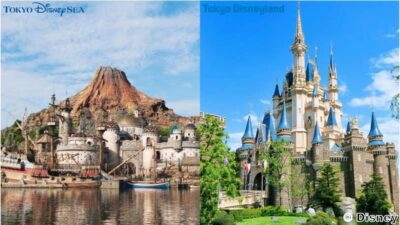
Tokyo Disney Resort – Tokyo Disneyland & Tokyo DisneySea Park Tickets
Read our review →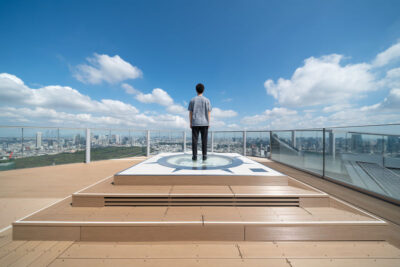
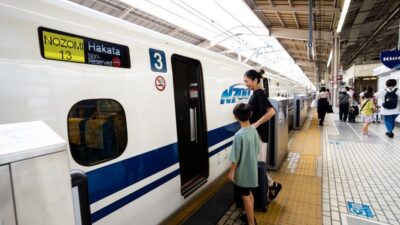
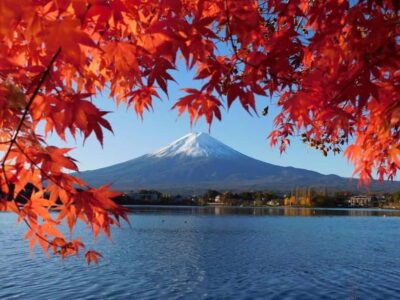
Mt Fuji and Hakone 1-Day Bus Tour Return by Bullet Train
Read our review →

teamLab Borderless Tickets: MORI Building DIGITAL ART MUSEUM
Read our review →