Reviewed · TOKYO TOURS
Sailor Moon Tour in Azabujuban, Tokyo
Azabujuban turns anime into a walking map. This tour links real streets, shops, scenery, and food with the places that helped Naoko Takeuchi shape Sailor Moon, giving you a playful way to see Tokyo beyond the usual sights. I especially like the side-by-side anime images used to recreate scenes and the chance to try a local Japanese treat such as taiyaki. I also like that the tour includes more than fandom, with stories about neighborhood customs, temples, and local life.
The main thing to consider is that this is a walking experience through ordinary city streets, not a theme park attraction. Some stops may mean more to a dedicated fan than to a first-time viewer, and the tour is not suitable for wheelchair users. Still, if you know your Moon Kingdom from your manga panels, the $77 price offers a personal and unusually local Tokyo outing.
In This Review
- Key details before you book
- Why Azabujuban works so well for Sailor Moon fans
- Meeting Ellen at Azabujuban Station
- Finding the manhole cover and the first photo stops
- Recreating anime scenes with printed reference images
- Local shops, art, and the Kaleidoscope stop
- Taiyaki and the taste of the series
- Choosing between tarot and an izakaya ending
- Is $77 a fair price?
- Who will get the most from this tour?
- Practical advice for a smoother visit
- FAQ
- Where does the Sailor Moon Tour start?
- Where does the tour end?
- What food and drink are included?
- Is the tour offered in English?
- What should I bring?
- Is the tour suitable for wheelchair users?
- Should you book the Azabujuban Sailor Moon Tour?
Key details before you book
- Real locations from Sailor Moon: See streets, buildings, shop areas, scenery, and a Sailor Moon manhole cover connected with the series.
- Ellen makes the anime connections clear: She uses images from both the original 1990s anime and Sailor Moon Crystal so you can compare fiction with the real setting.
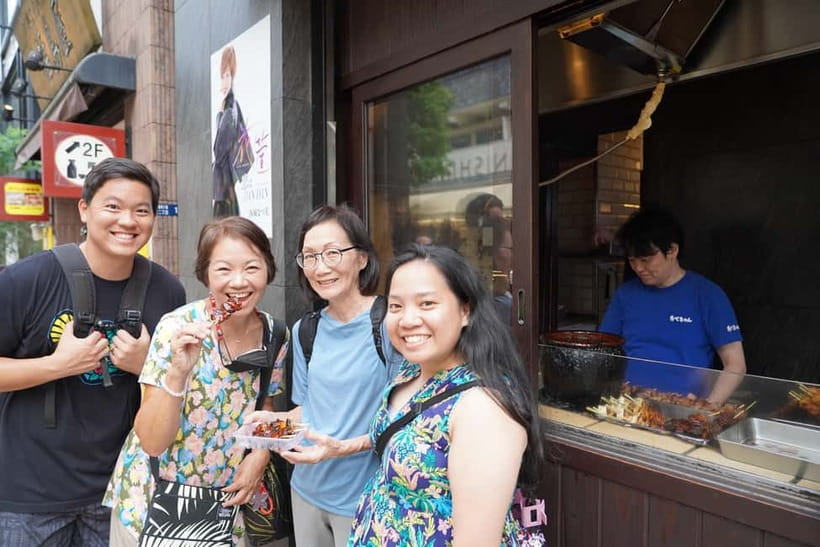
- Taiyaki and local food are part of the story: One Japanese treat is included, along with one food or drink at the final restaurant stop.
- The ending changes with the group: You may finish at a tarot-themed bar or a local izakaya where Sailor Moon can be watched.
- Azabujuban is part of the appeal: The tour adds local history, temple traditions, shops, and neighborhood culture to the character hunt.
- Practical setup: Meet in front of Oslo Coffee by Azabujuban Station Exit 4, then return to the same meeting point.
Why Azabujuban works so well for Sailor Moon fans
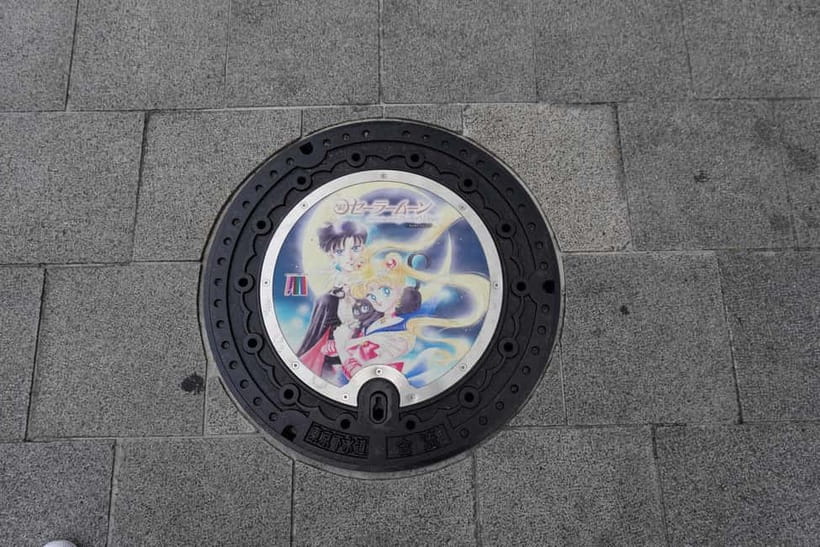
Azabujuban is not a recreated anime set. That is exactly why the tour works. You walk through a functioning Tokyo neighborhood and begin noticing how real streets, storefronts, slopes, signs, and building shapes can feed an artist’s imagination.
The connection is especially satisfying if you have watched the original series. Ellen brings printed images from the 1990s anime and Sailor Moon Crystal, allowing you to compare the illustrated backgrounds with what is in front of you. You may even pose like the characters for photos and short videos.
That simple act changes the walk. A normal street corner becomes a place for a scene recreation. A familiar background suddenly has a real-world reference. I like this approach because it asks you to look carefully instead of rushing from one famous landmark to the next.
You do not need to be an expert. The tour is designed for committed fans, but it also works if you are curious about how manga artists use real places. If you have never watched Sailor Moon, the neighborhood stories and food still give you a reason to come along. Just expect the strongest emotional payoff at the locations tied to scenes you already know.
A few more options to weigh up in Tokyo
- Tokyo Disney Resort – Tokyo Disneyland & Tokyo DisneySea Park Tickets
★ 4.8 · 99,488 reviews - SHIBUYA SKY Ticket
★ 4.7 · 46,509 reviews - JR Whole Japan Rail Pass
★ 4.8 · 29,150 reviews
Meeting Ellen at Azabujuban Station
The meeting point is straightforward: in front of Oslo Coffee, outside Azabujuban Station Exit 4. Look for the red Japan Hopping sign. If you have trouble locating the group, the instructions ask you to contact the provider.
Starting at a station is useful in Tokyo, where a short walk can become confusing when several exits serve the same area. Exit 4 gives you a clear target, and ending back at the same place makes the tour easier to fit into a busy day.
Ellen receives especially high praise for her warmth and preparation. Her value is not just knowing the locations. She brings visual references, explains how the real places connect with the series, and helps people feel comfortable posing for pictures or talking about their favorite characters.
The tone sounds more like a friendly fan-led walk than a formal lecture. That matters here. Sailor Moon is personal for many people, and the experience is better when you can freely discuss scenes, characters, and the differences between the older anime and the newer Crystal version.
Finding the manhole cover and the first photo stops
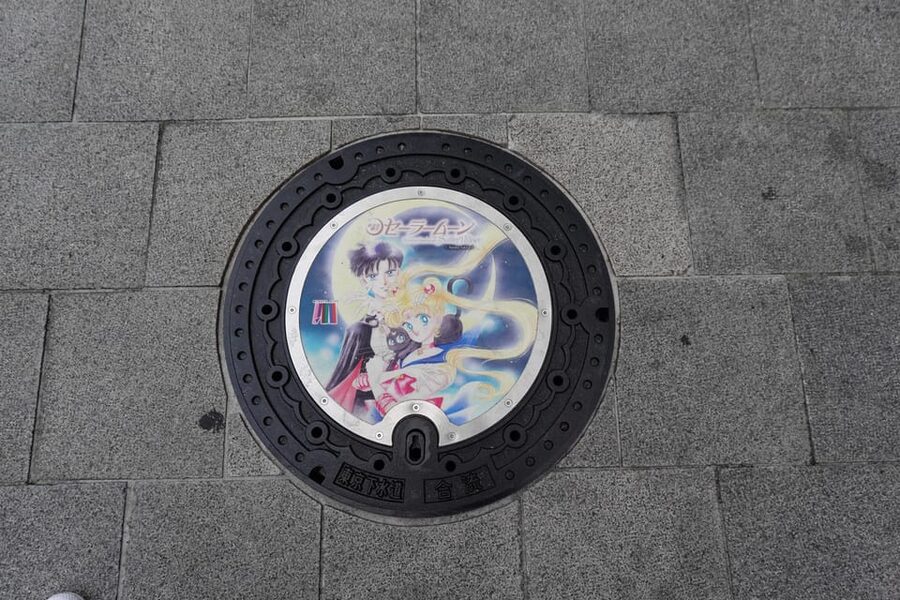
One of the first discoveries is a Sailor Moon manhole cover near the meeting area. It is a small detail, but a good opening clue. You immediately know the neighborhood is not being used as a vague backdrop. There are visible links to the series, and you can begin taking photos before the main walk gets underway.
From there, the route leads through streets and places connected to Takeuchi’s work. The exact order can vary, and the supplied information does not list every stop, so you should think of this as a guided neighborhood exploration rather than a fixed checklist of attractions.
That flexibility can be a strength. Instead of standing in a large crowd at a famous monument, you spend time looking at ordinary urban details. The pleasure comes from recognition: a corner, facade, shop area, or view that resembles an anime background.
Bring a phone with enough storage for photos and videos. Comfortable shoes are the one item specifically requested, and you should take that seriously. The experience involves walking around Azabujuban, with repeated stops for pictures and explanations.
Recreating anime scenes with printed reference images
The photo recreations are among the tour’s best features. Ellen carries images from different versions of the series and shows you the matching real-life views. This makes the connection easier to understand than a guide simply pointing at a building and saying it inspired a scene.
You might hold the anime image beside the real view, copy a character’s pose, or frame your photo to match the original composition. These are small activities, but they give the tour a purpose. You are not only looking at Azabujuban. You are learning how to see it through the visual language of Sailor Moon.
The older 1990s anime and Sailor Moon Crystal also offer useful comparisons. A scene may look slightly different depending on the adaptation, and having both references helps you understand which details belong to the original artwork, the animation, or the real location.
If you are traveling with a daughter, friend, or fellow fan, this is an easy experience to share. One parent and daughter found the tour particularly meaningful because the guide gave extra care and helped them enjoy the route together. Solo participants can also have a good time, since the guide’s friendly approach helps keep the experience social rather than awkward.
A completely different kind of day out:
- Mt Fuji and Hakone 1-Day Bus Tour Return by Bullet Train
★ 5.0 · 26,383 reviews - TOKYO SKYTREE® Ticket
★ 4.7 · 25,136 reviews - teamLab Borderless Tickets: MORI Building DIGITAL ART MUSEUM
★ 4.7 · 24,126 reviews - teamLab Planets TOKYO Ticket
★ 4.7 · 21,663 reviews
Local shops, art, and the Kaleidoscope stop
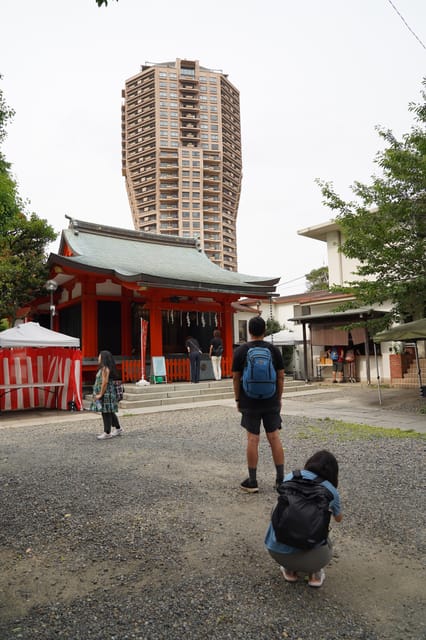
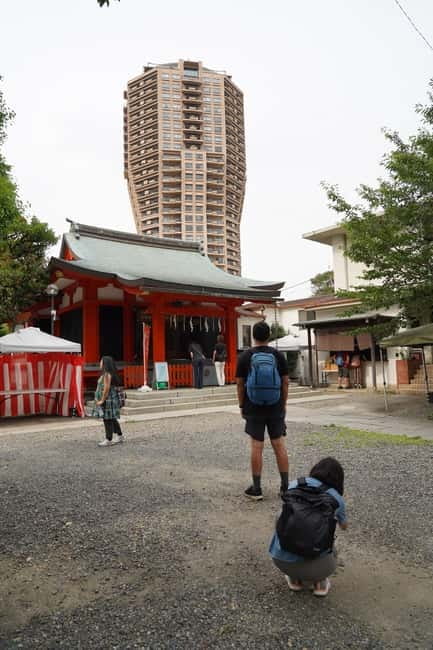
The walk is not limited to anime backgrounds. You also visit local shops and places associated with the neighborhood and Takeuchi’s inspirations. One especially attractive stop is the Kaleidoscope store, which adds a touch of color and visual play to the route.
This is a smart addition. A Sailor Moon tour could become repetitive if every stop involved only matching a frame from the anime. The shop gives you a chance to appreciate local design and browsing, while also connecting with the series’ sense of color, transformation, and fantasy.
You should keep personal purchases separate from the tour price. Shopping is not included, so treat the store as an optional browsing stop rather than part of the paid package. That is useful to know if you are watching your budget or traveling with children who may want souvenirs.
The wider neighborhood context also gives the walk more substance. Ellen shares information about Azabujuban’s history and culture, including temple traditions and local art. These details help explain why a creator might find the area visually useful and emotionally familiar.
Taiyaki and the taste of the series
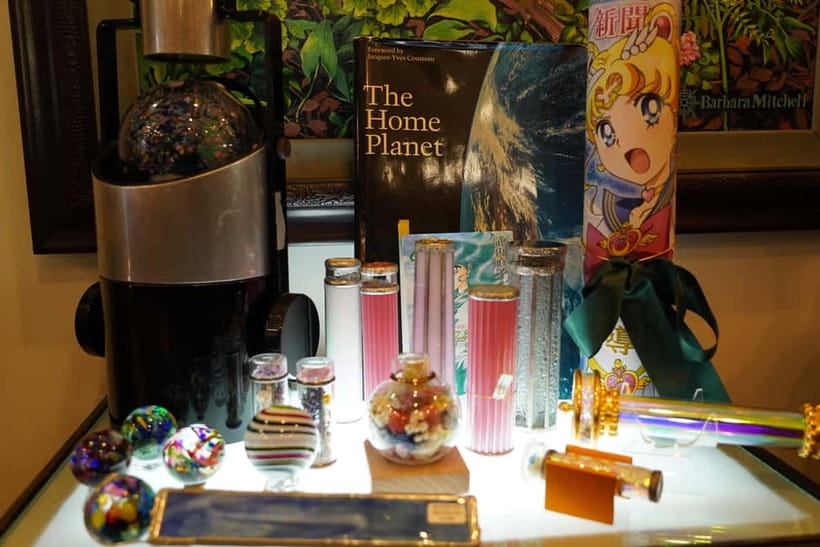
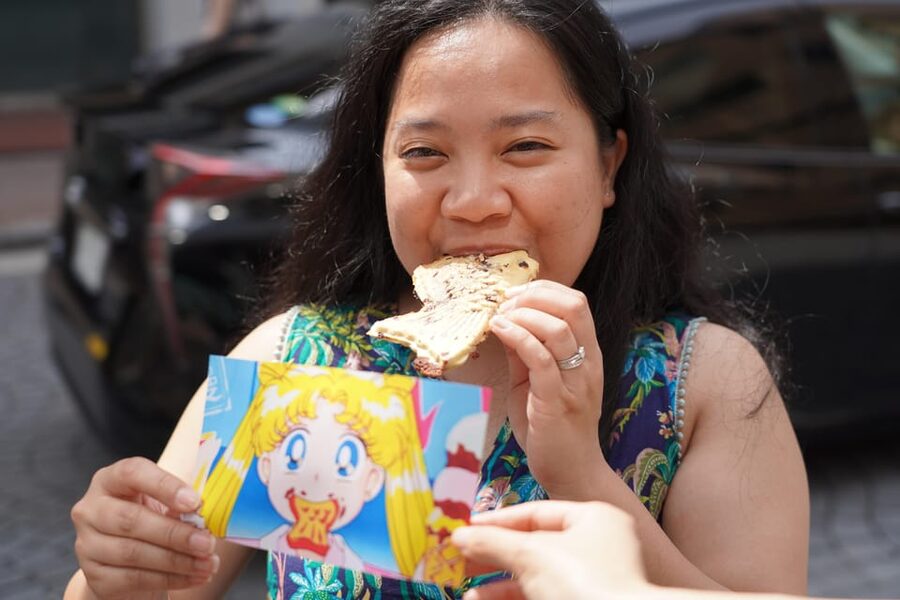
Food is not an afterthought here. One local Japanese treat is included, and taiyaki is a key part of the experience. This fish-shaped cake is commonly filled with sweet ingredients, and its appearance in the Sailor Moon world makes it an especially fitting snack for the route.
Trying the food in the middle of a neighborhood walk gives you a better sense of place than simply buying a themed candy at a character shop. You pause, taste something local, and connect the fictional world with a real Japanese eating tradition.
The guide may also bring traditional snacks for the group. That personal touch is important because it turns the food portion into part of the storytelling rather than a rushed purchase. Still, the included food is limited. Additional dishes, drinks, and personal purchases cost extra, so arrive ready for a light snack rather than a full meal.
If you have dietary restrictions, the available information does not specify ingredients or substitutions. Ask before booking or contact the provider if food allergies are a concern.
Choosing between tarot and an izakaya ending
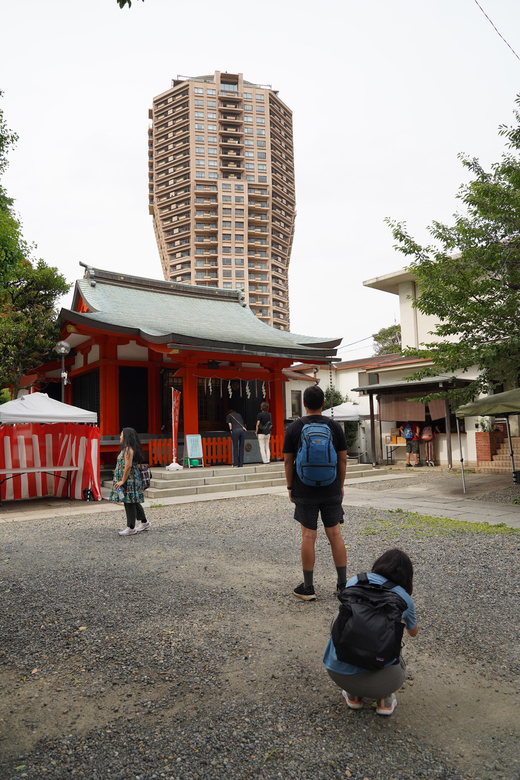
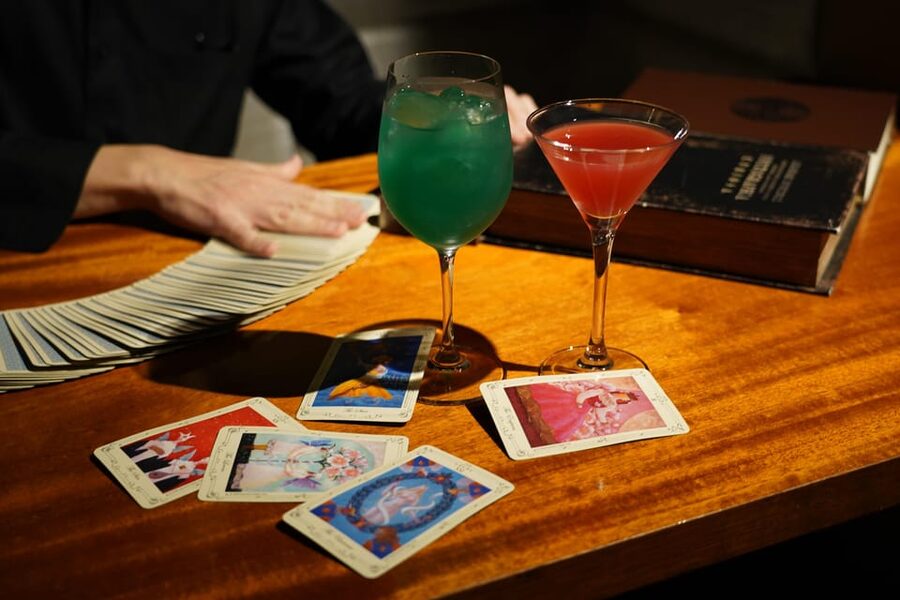
The final stop gives the tour its most unusual finish. Depending on the arrangement, you may visit a small fortune-telling bar for a tarot reading or go to a local Japanese izakaya for food, a drink, and Sailor Moon viewing.
The tarot option fits the magical mood. A reading gives you a personal souvenir that is not something you can photograph from a street corner. It also adds an adult, local-nightlife angle to the experience, rather than ending with a simple snack.
The izakaya option offers a more grounded cultural finish. You can enjoy authentic Japanese dishes, watch Sailor Moon, and share the moment in a traditional restaurant setting. One particularly memorable detail is the food prepared by the grandmother of Juban, which gives the meal a warm, family-run feel.
One food or drink at the restaurant stop is included. You pay for anything beyond that. Because the final venue can differ, ask at booking if you have a strong preference between tarot and an izakaya meal.
This part of the tour may be less suitable for young children depending on the bar or restaurant setting. The supplied information does not give an age limit, so families should confirm the final venue before reserving.
Is $77 a fair price?
At $77 per person, this is not the cheapest way to walk around Azabujuban. You could explore the streets and look for the manhole cover without a guide. You could also buy taiyaki and visit shops on your own.
The price makes more sense when you add up the interpretation. You are paying for a guide who knows the anime references, carries comparison images, explains the neighborhood, provides one local treat, and includes one food or drink at the final stop. The tarot or izakaya ending also gives the experience a planned social finish.
I see the value most clearly for fans who would otherwise spend hours searching online for real-life locations. The guide saves you from guesswork and helps you recreate the scenes instead of merely passing by a street and wondering if it is the right one.
It is also a good buy if you want a small-group feel. The experience can operate with very few participants, including a solo booking, although no fixed group size is provided. That can mean more time to ask questions and take photos, but you should not assume every departure will be private.
The price is harder to justify if you have little interest in Sailor Moon and want a general Tokyo food walk. The local culture adds value, but the central purpose remains the connection between Azabujuban and the series.
Who will get the most from this tour?

I would recommend it first to dedicated Sailor Moon fans, especially anyone who watched the 1990s anime or follows Sailor Moon Crystal. The scene comparisons, character poses, and real-life references are built for people who recognize the source material.
It also suits parents and children, friends traveling together, and solo fans who want an easy way to meet other people with the same interest. The guide’s enthusiasm helps the experience feel welcoming even when participants arrive with different levels of fandom.
You may also enjoy it if you are interested in manga, illustration, or the way artists borrow from real streets. The tour gives you a reason to study Tokyo’s details and then connects those observations with local history, food, and tradition.
I would think twice if walking is difficult. The tour requires comfortable shoes and is listed as unsuitable for wheelchair users. The route also includes photo stops, shop visits, and neighborhood streets rather than a single accessible venue.
Practical advice for a smoother visit
Meet at Oslo Coffee by Exit 4 of Azabujuban Station, not simply at the station in general. Allow enough time to find the exit and the red Japan Hopping sign.
Wear shoes you can walk in for several hours. You will want your hands free for photos, snacks, and possibly shopping, so a small bag is more useful than bulky luggage.
Keep your phone charged. The printed anime references are central to the scene recreations, but you will likely want to photograph both the reference and the real location.
The tour is conducted in English. You can reserve now and pay later, which helps if your Tokyo schedule is still changing. Cancellation is allowed up to 24 hours in advance for a full refund, giving you some protection if your plans shift.
FAQ
Where does the Sailor Moon Tour start?
Meet in front of Oslo Coffee at Azabujuban Station Exit 4. The guide will be holding a red Japan Hopping sign.
Where does the tour end?
The activity ends back at the original meeting point near Azabujuban Station.
What food and drink are included?
The tour includes one local Japanese treat and one food or drink at the final stop, which may be a tarot-themed cafe or a local Japanese izakaya. Additional food and drinks are not included.
Is the tour offered in English?
Yes. English is the listed tour language.
What should I bring?
Bring comfortable shoes for walking around Azabujuban. Personal purchases and extra food or drinks are not included.
Is the tour suitable for wheelchair users?
No. The activity is listed as not suitable for wheelchair users. You can cancel up to 24 hours in advance for a full refund.
Should you book the Azabujuban Sailor Moon Tour?
Book it if Sailor Moon is part of your travel story, not just a passing interest. The manhole cover, real streets, shop references, anime images, taiyaki, and tarot or izakaya ending create a full neighborhood experience rather than a quick photo stop.
I especially like the way Ellen connects fandom with everyday Tokyo. You get the fun of recreating scenes, but you also learn about Azabujuban’s traditions, shops, food, and visual character. That balance gives the tour value beyond merchandise hunting.
Skip it if you want a major attraction, a short seated activity, or a full meal included in the price. For the right fan, though, $77 buys something difficult to arrange alone: a guided walk through Sailor Moon’s real-world setting, with a snack, a shared viewing or reading, and plenty of chances to make your own Moon Prism memories.
Just added in Tokyo
- A One-of-a-Kind Sushi Experience in a Special Place of Japan★ 5.0 · 15 reviews
- Tokyo Cute Bento Cooking Class – Make a Kawaii Character Lunchbox★ 5.0 · 126 reviews
- Japanese Home Cooking Class & Walk in Todoroki Temple Tokyo★ 5.0 · 88 reviews
- Japan Tokyo Tower Observatory Deck E-Ticket★ 4.0 · 34 reviews
- Catch a Baseball Game in Tokyo with a Local – Tickets Included★ 5.0 · 24 reviews
- JDM Experience with Fast&Furious RX-7 (English speaking Driver)★ 5.0 · 57 reviews
- Tokyo Private Day Tour by Car with English speaking Driver Guide★ 4.0 · 29 reviews
- Japan Classic 10 Day – One Life Adventures★ 5.0 · 129 reviews
Tokyo Tours, compared.

Tokyo Disney Resort – Tokyo Disneyland & Tokyo DisneySea Park Tickets
Read our review →
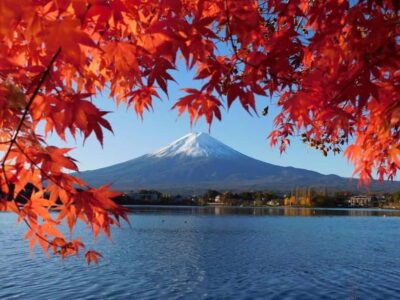
Mt Fuji and Hakone 1-Day Bus Tour Return by Bullet Train
Read our review →

teamLab Borderless Tickets: MORI Building DIGITAL ART MUSEUM
Read our review →