
Reviewed · TOKYO TOURS
Sake & Food Pairing with Sake Professional
Sake is far more than a strong pour. This 150-minute class in Shinjuku gives you five styles from across Japan, plus a small group capped at 10. I like the tasting chart, too. It turns a pleasant afternoon into a useful lesson you can carry into your next bottle shop visit. The main consideration is food: Japanese snacks are included, but this is not a full meal.
I also like the chance to meet Japanese sake fans and ask for local advice. Guides such as Tadashi, Max, Andrea, Joe, and others have been praised for making the subject easy and fun in English. Some guests have even received a private-feeling session when attendance was low. Still, eat before you arrive, especially if you do not usually drink much alcohol.
In This Review
- Key points at a glance
- Why five sakes can change your opinion
- A 150-minute lesson at Ushinobi Sake Bar
- Building your own sake tasting chart
- Pairing sake with Japanese snacks
- The guides make the difference
- The value of the $69 price
- Meeting Japanese sake fans in Shinjuku
- Practical planning for your visit
- Who should book this sake class?
- Should you book it?
- FAQ
- Where does the sake tasting take place?
- How long does the experience last?
- How many kinds of sake will I taste?
- Is food included?
- Is the experience conducted in English?
- How large is the group?
- Is transportation included?
- Can I cancel for a refund?
- Is the tasting suitable for pregnant women?
Key points at a glance
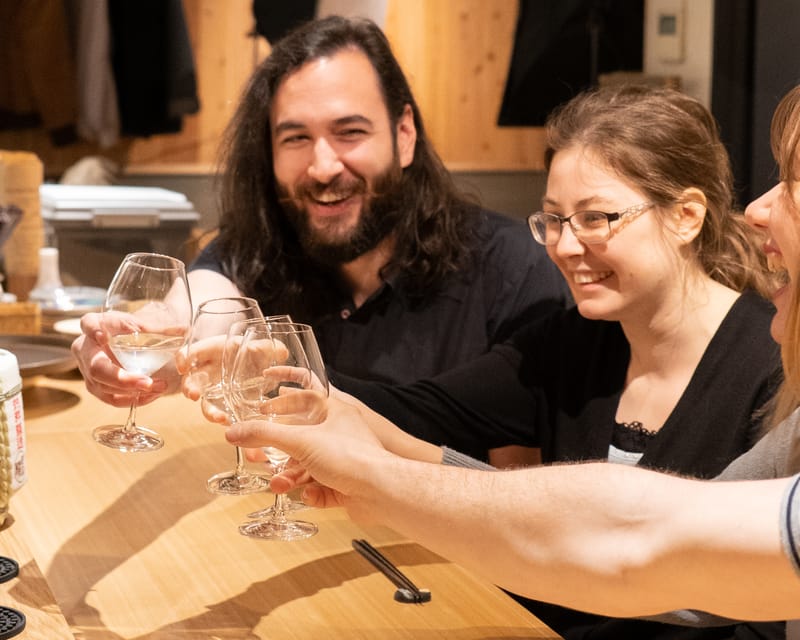
- Five sake styles from across Japan: Compare different aromas, flavors, and drinking styles instead of judging sake from one familiar bottle.
- A tasting chart you make yourself: Record what you notice and learn a simple way to think about sake.
- English-speaking sake professionals: Guides such as Tadashi, Max, Andrea, and Joe bring strong sake knowledge and practical Tokyo tips.
- Local snacks are included: Small Japanese bites help with the tasting, but they will not replace lunch or dinner.
- Ushinobi Sake Bar in Shinjuku: The venue is near Okubo Station, with a slightly hard-to-spot entrance on the second floor.
- Good flexibility for a changing itinerary: You can cancel up to 24 hours ahead for a full refund, and reserve now without paying today.
Why five sakes can change your opinion
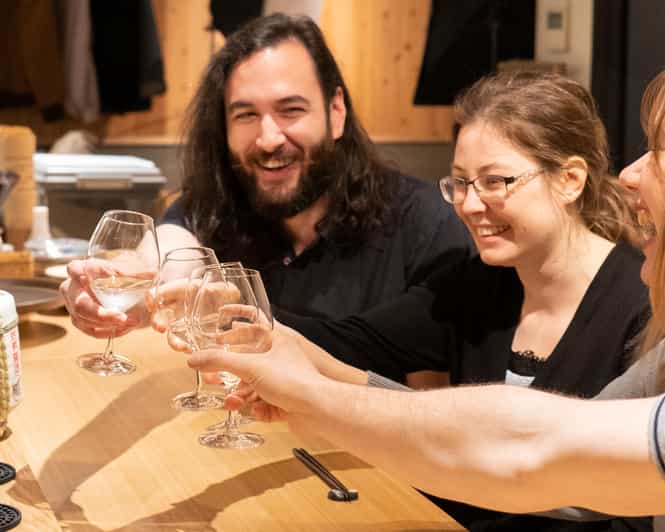
Many people arrive with a narrow idea of sake. Perhaps you tried one hot, strong serving at a restaurant and decided it was not for you. That is exactly where this class can help.
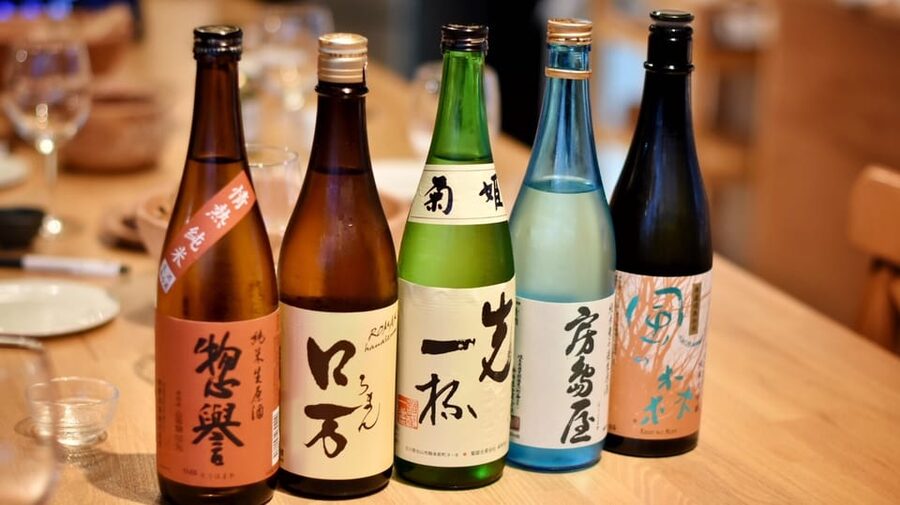
You taste five different kinds from across Japan, so one bottle no longer has to represent the entire drink. The point is comparison. One sake may seem light and easy, another fragrant, another dry, and another fuller or more rounded. The exact brands can vary, but the lesson is clear: sake has range.
This is especially useful if your sake experience is limited. You are not expected to know the vocabulary in advance. The guide explains what you are tasting, then gives you room to form your own opinion. You can say what you like without worrying about getting the answer wrong.
The class also reflects changes in the Japanese sake trade. Younger family members, including millennials, are taking over long-running breweries and making a wider mix of styles. Traditional methods remain important, but modern brewers are not locked into one old formula. That helps explain why today’s sake selection can feel much broader than many first-time drinkers expect.
A few more options to weigh up in Tokyo
- Tokyo Disney Resort – Tokyo Disneyland & Tokyo DisneySea Park Tickets
★ 4.8 · 99,488 reviews - SHIBUYA SKY Ticket
★ 4.7 · 46,509 reviews - JR Whole Japan Rail Pass
★ 4.8 · 29,150 reviews
A 150-minute lesson at Ushinobi Sake Bar
The meeting point is Ushinobi Sake Bar in Shinjuku, close to Okubo Station, station code JB09, South Exit. You enter the venue directly on the second floor.
Allow a little extra time to find the door. The entrance is somewhat hidden, and the provided directions specifically warn you to check the venue information before setting out. This is not a serious problem, but it is the sort of small Tokyo detail that can make you late if you arrive at the last minute.
Once inside, the small-group format should make the class feel more like a guided tasting than a lecture. With a maximum of 10 people, you have a fair chance to ask questions. If only a few people book that time, the session may feel nearly private. One past booking turned into a personalized class because the group was so small.
The full session lasts 150 minutes. That is enough time to taste at a relaxed pace, discuss the drinks, work on the chart, and talk about snacks and breweries. It is not a quick bar stop. Plan it as a dedicated afternoon or evening activity rather than something you squeeze between two major sightseeing stops.
Building your own sake tasting chart
The tasting chart is one of the most useful parts of the experience. Instead of simply drinking five samples and trying to remember which one you liked, you write down your impressions as you go.
You learn about each brewery and consider the character of each sake. The chart gives you a basic record of aroma, taste, and overall preference. Even if the class does not turn you into a sake expert in one sitting, it gives you a better way to choose your next drink.
I like this hands-on element because it keeps the class from becoming a string of pours. You are asked to pay attention. You can compare the samples while the flavors are fresh, then look back at your notes when the group discusses them.
Do not worry about producing a perfect tasting document. The value is in noticing your own preferences. You might prefer a sake that is easy and clean, while someone beside you favors a stronger or more aromatic style. Both reactions are useful.
The class is also a good place to ask basic questions you might not ask at a busy bar. You can learn how to think about a sake menu, what information on a bottle may tell you, and why two drinks made from the same broad ingredient can taste so different. The exact lesson will depend on your guide and group, but the five-sake format gives the discussion a solid structure.
Pairing sake with Japanese snacks
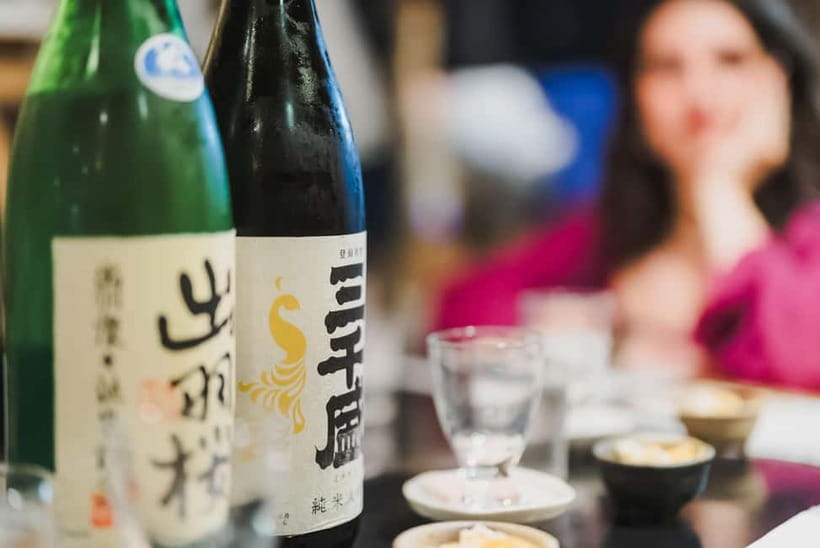
Japanese snacks are served with the tastings. They give you something to eat as you compare the drinks and show how small bites can affect what you notice in the glass.
Keep your expectations realistic. The included food is described as snacks, not a full meal. One person specifically advised eating beforehand, while another wished for more substantial food. That is practical advice I would follow.
Have lunch before an afternoon class, or eat an early dinner before an evening start. You will get more from the tasting if you are comfortable and not drinking on an empty stomach. The snacks are part of the lesson, not a replacement for a proper meal.
If you have dietary restrictions, tell the supplier in advance. That matters here because the food is part of the experience, and the organizers need notice to consider what can be served. The available information does not promise that every restriction can be accommodated, so advance communication is important.
Pregnant women should not book this activity. It is a sake tasting, and alcohol is central to the experience.
A completely different kind of day out:
- Mt Fuji and Hakone 1-Day Bus Tour Return by Bullet Train
★ 5.0 · 26,383 reviews - TOKYO SKYTREE® Ticket
★ 4.7 · 25,136 reviews - teamLab Borderless Tickets: MORI Building DIGITAL ART MUSEUM
★ 4.7 · 24,126 reviews - teamLab Planets TOKYO Ticket
★ 4.7 · 21,663 reviews
The guides make the difference
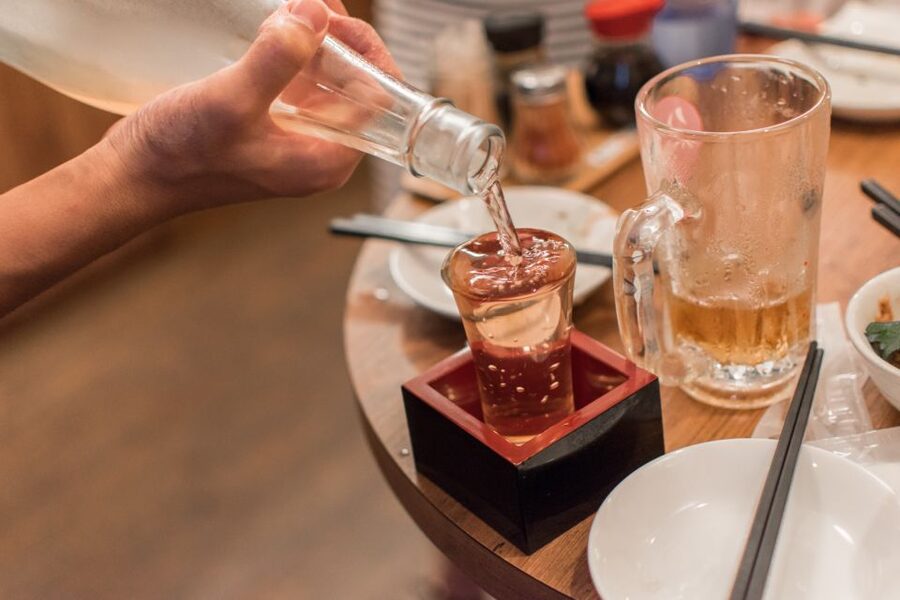
The guide is a major part of the value. This is not simply a flight of five samples placed on a table. You are paying for explanation, context, conversation, and the chance to ask questions in English.
Tadashi has been praised for both his English and sake expertise. Max has been described as a strong host who knows the subject well. Andrea has received warm praise for making the class entertaining while sharing her affection for sake and Tokyo. Joe has also helped participants with useful local recommendations.
Those names suggest that the guide team brings personality as well as subject knowledge. That matters because sake can sound technical if it is presented as a list of brewing terms. A lively guide can make the differences easier to understand and help you remember what you tasted.
The tone appears to be friendly rather than formal. You will likely spend part of the session learning from the guide and part of it talking with other people in the group. The activity is designed for people who want to meet Japanese sake lovers, so it has a social side that a self-guided tasting cannot offer.
You should still understand the limits. A 150-minute class cannot cover every region, brewing method, or label in Japan. Think of it as a well-organized introduction, not professional certification or a complete education in sake.
The value of the $69 price
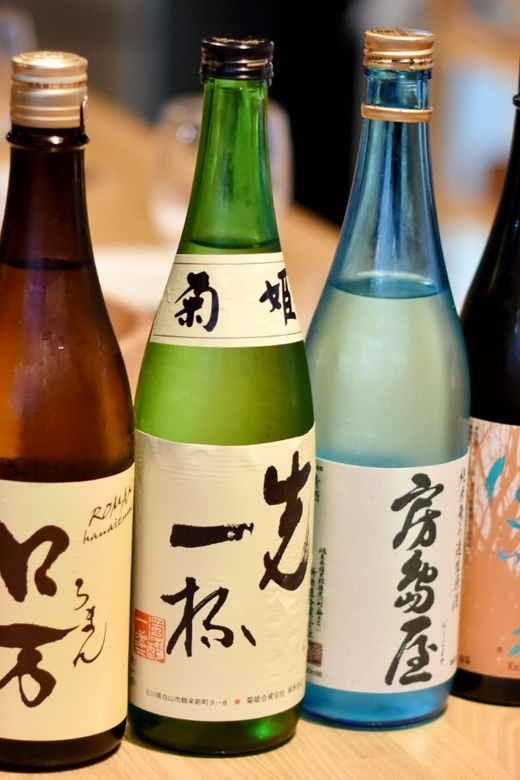
At $69 per person, this is not the cheapest way to drink sake in Tokyo. If your only goal is to sample alcohol, you could spend less at a bar. The price makes more sense when you count the teaching, five tastings, snacks, small-group setting, and English guidance together.
You are also paying to avoid guesswork. A random sake order may give you five drinks, but it will not necessarily explain what makes them different or help you remember your favorites. Here, the chart and guided comparisons give the tasting a clear purpose.
The value is strongest for three kinds of people:
- You have tried little or no sake and want a friendly introduction.
- You enjoy food and drink classes where the explanation matters as much as the sample.
- You already like sake and want to compare styles while getting advice for the rest of your time in Tokyo.
The value is weaker if you want a full dinner, a large number of pours, or a tour of several breweries. Transport is not included, and the class takes place at one venue. You are buying depth and conversation rather than a long list of locations.
The current score is 5 out of 5 from 28 bookings, which fits the experience’s strongest features: friendly hosts, clear explanations, and a good range of sake. Still, the repeated food warning is worth taking seriously.
Meeting Japanese sake fans in Shinjuku
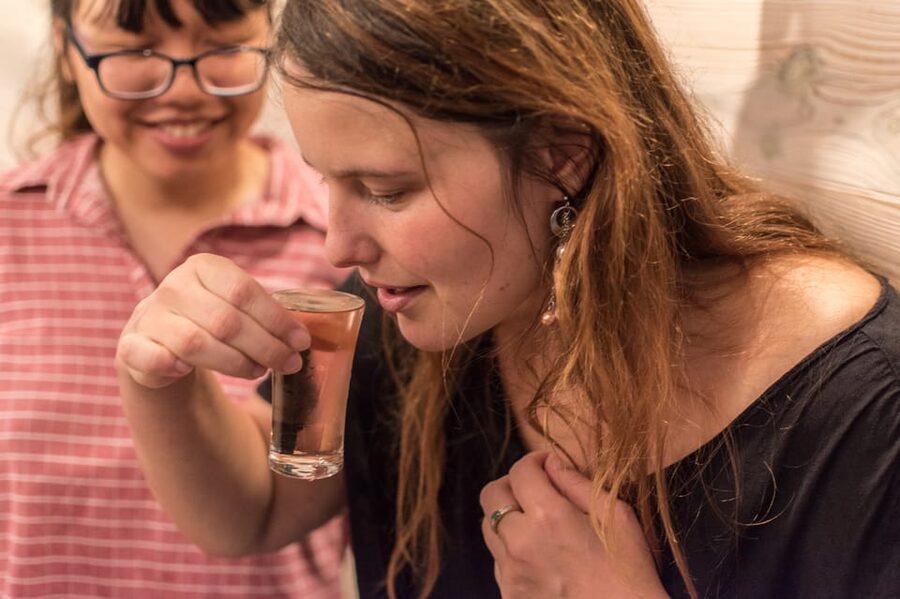
The social element adds something special. You are not only learning about sake from a guide. You may also meet Japanese people who enjoy it and can point you toward bottles, bars, or neighborhoods worth visiting later.
That local contact can be more useful than a general list of Tokyo recommendations. If you find a style you like during the tasting, ask where you might find something similar. If you want another sake experience after class, ask the guide for suggestions. Joe has already helped people with local tips, and the guides are presented as people who know Tokyo as well as the drink.
The group limit of 10 keeps the conversation manageable. A larger class could make questions harder and turn the event into a presentation. Here, the format gives you a better chance to speak up, compare opinions, and ask for advice suited to your own interests.
The experience should suit solo visitors, couples, and friends. A solo visitor can meet people without committing to a full evening tour. A couple can make it a shared tasting, even if one person arrives convinced they do not like sake. One past participant who normally disliked sake found the selection changed that opinion, which is a good reason to keep an open mind.
Practical planning for your visit
The class is in Honshu, in Tokyo’s Shinjuku area, at Ushinobi Sake Bar. The closest listed station is Okubo, station code JB09, South Exit. Follow the meeting instructions carefully and look for the second-floor entrance rather than assuming the bar will be obvious from the street.
Transport is not included, so you make your own way there. Check the available starting times when booking because the activity does not list one fixed daily departure time.
The reservation terms are useful for a Tokyo itinerary that may shift. You can cancel up to 24 hours in advance for a full refund. You can also reserve now and pay later, which lets you hold a place without paying today. These options are helpful, but you still need to watch the cancellation deadline.
Wear something comfortable for a seated tasting and arrive ready to focus on the drinks. Eat first, bring any dietary information to the supplier’s attention, and do not schedule a major activity immediately afterward if you know alcohol affects you quickly.
Who should book this sake class?
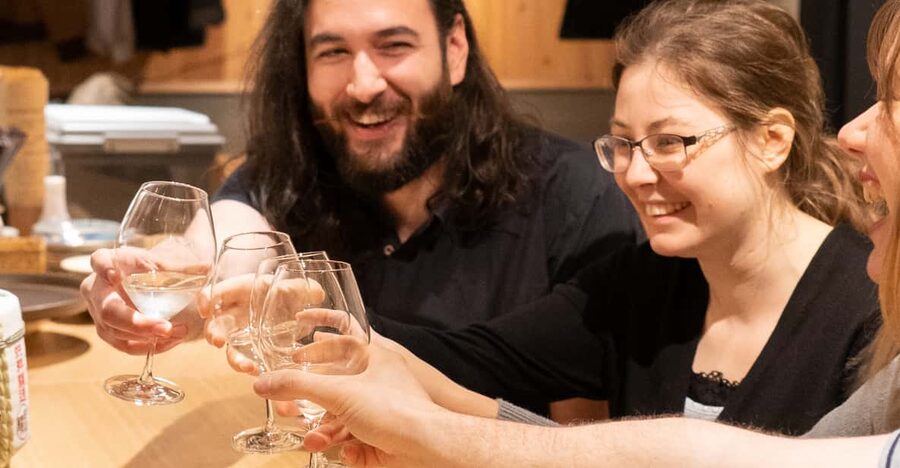
Book it if you want to understand why sake tastes different from bottle to bottle. It is also a strong choice if you want a social activity in Tokyo that has more substance than a standard bar visit.
I would especially recommend it to first-time sake drinkers. The guide explains the basics, the five samples provide useful contrast, and the tasting chart gives you a simple way to remember what worked for you. People who already enjoy sake should also find value in the chance to sample selections from different parts of Japan and ask an expert for recommendations.
Think twice if you need a full meal, avoid alcohol, or prefer a brewery visit with production rooms and equipment. This is a tasting class in a Shinjuku bar, not a countryside brewery excursion.
Should you book it?
Book this experience if your goal is to learn, taste, and leave Tokyo with a better sense of what you like. The five-sake comparison, personal tasting chart, English-speaking guides, and small group give the $69 price a reasonable purpose.
Eat beforehand, treat the snacks as accompaniments, and allow time to find the second-floor entrance near Okubo Station. If you follow those simple tips, this looks like a friendly and useful introduction to Japanese sake, with enough local conversation to improve the rest of your Tokyo plans.
FAQ
Where does the sake tasting take place?
It takes place at Ushinobi Sake Bar in Shinjuku, Tokyo. The closest listed station is Okubo Station, JB09, South Exit. Enter the venue directly on the second floor.
How long does the experience last?
The sake class lasts 150 minutes.
How many kinds of sake will I taste?
You will taste five different types of sake from across Japan.
Is food included?
Japanese snacks are included with the sake tastings. The snacks are not a full meal, so you should eat beforehand.
Is the experience conducted in English?
Yes. The live guide speaks English, and English is the listed language for the activity.
How large is the group?
The activity is limited to 10 participants.
Is transportation included?
No. You are responsible for getting to Ushinobi Sake Bar.
Can I cancel for a refund?
Yes. You can cancel up to 24 hours in advance for a full refund.
Is the tasting suitable for pregnant women?
No. The activity is not suitable for pregnant women because alcohol tasting is central to the experience.
Just added in Tokyo
- Manga Lesson with a Professional Japanese Manga Artist in Nakano★ 5.0 · 77 reviews
- Making a bento box with cute character look in Japan★ 5.0 · 15 reviews
- Tokyo/Ikebukuro Manga drawing workshop by pro-Manga artists★ 5.0 · 65 reviews
- Luxury Tokyo Sake, Cocktail, Whisky and Pairing Tour★ 5.0 · 18 reviews
- Tokyo Ueno Food & Nature & Localtown Tour: 10Dishes+ Drinks★ 5.0 · 34 reviews
- Make Your Own Bonsai with a Professional Bonsai Artist in Tokyo★ 4.5 · 18 reviews
- Make Traditional Nerikiri Sweets & Matcha experience in Shibuya★ 5.0 · 130 reviews
- Daikoku Parking Tokyo Drift & APIT Car Meet JDM Culture Tour★ 5.0 · 79 reviews
Tokyo Tours, compared.

Tokyo Disney Resort – Tokyo Disneyland & Tokyo DisneySea Park Tickets
Read our review →
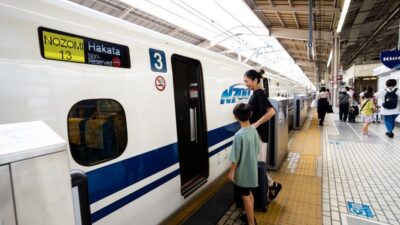
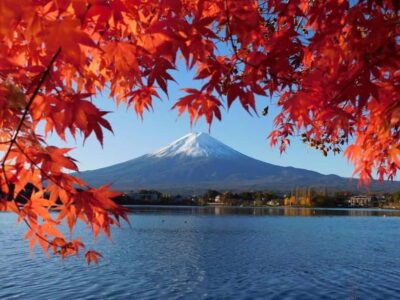
Mt Fuji and Hakone 1-Day Bus Tour Return by Bullet Train
Read our review →

teamLab Borderless Tickets: MORI Building DIGITAL ART MUSEUM
Read our review →