Reviewed · TOKYO TOURS
Shibuya City: Daikoku PA GT-R R35, R34, R33 or R32 Tour
Tokyo looks different from the passenger seat of a tuned GT-R. I like the mix of real car culture and major sights, especially the run to Daikoku Parking Area and the chance to ride in an R35, R34, R33, or R32. I also like that the guide drives while explaining the roads, cars, and local scene, so you can enjoy the speed without worrying about left-side driving. The main drawback is simple: this is a pricey three-hour experience, and the car-meet atmosphere can vary by night.
You can see Shibuya Crossing, Tokyo Tower, Rainbow Bridge, and the Wangan Expressway in one fast-moving outing. Guides such as Ruben, Lex, Takumi, Harrison, and Tatsuya have earned strong praise for safe driving and friendly explanations. Just remember to send your preferred car early, since the exact model depends on availability.
In This Review
- Key details before you book
- Why this Tokyo car tour feels different
- Choosing between the R35, R34, R33, R32, and Supra
- Starting in Tokyo and heading to A-PIT Autobacs
- The Wangan Expressway and Tokyo’s night roads
- Daikoku Parking Area: the heart of the outing
- Rainbow Bridge, Tokyo Tower, and quick city views
- What guides add to the experience
- Is $316 good value for up to three people?
- Practical details that shape the night
- Who should book this ride?
- Should you book the Daikoku GT-R tour?
- FAQ
- How long does the GT-R tour last?
- How many people can join one booking?
- Which cars can I request?
- Where does the tour start and finish?
- Is this a self-drive tour?
- What languages are available?
Key details before you book
- Ride in a tuned JDM car: This is built around Nissan GT-Rs and other Japanese performance cars, not a standard van, sedan, or ordinary taxi.
- Daikoku is the main event: You get about an hour at the famous Yokohama parking area, where Japan’s night car scene gathers.
- Three people can share one booking: The listed price is $316 per group of up to three, which makes the cost easier to justify for a small party.
- The route mixes icons and enthusiast stops: Shibuya, Rainbow Bridge, Tokyo Tower, A-PIT Super Autobacs, Wangan, Daikoku, and possibly Umihotaru form the broader experience.
- The guide handles the driving: You ride as a passenger and receive English or Japanese guidance, translation help, and cultural context.
- The outing lasts 150 to 210 minutes: Starting times vary, and the actual feel can change with traffic, weather, and the night’s car-meet activity.
Why this Tokyo car tour feels different
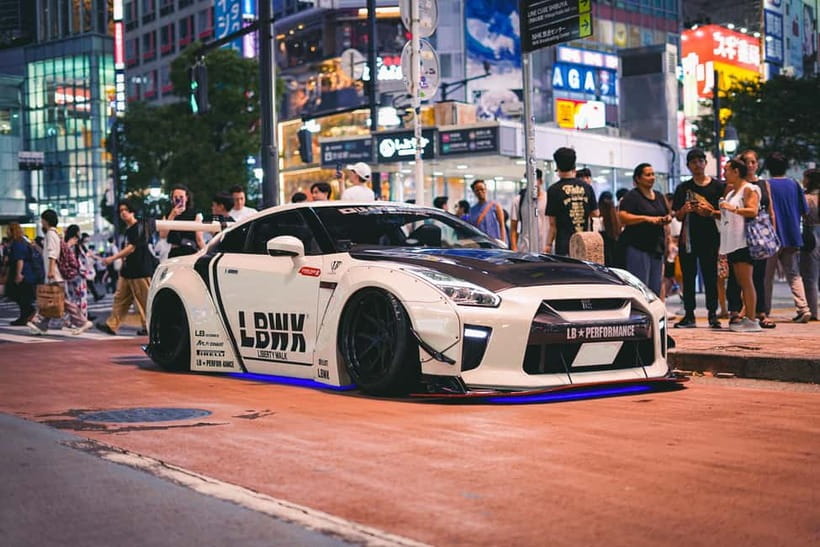
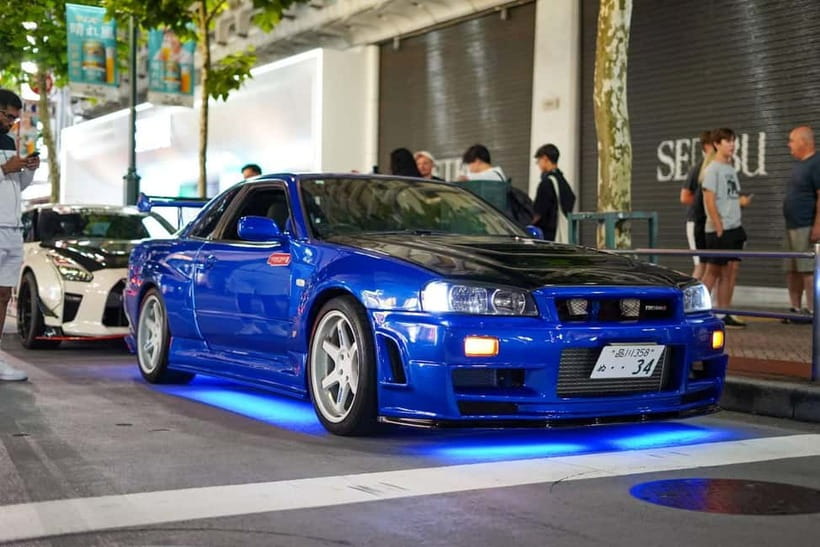
Many Tokyo sightseeing tours move you through the city in a bus or ordinary car. This one makes the vehicle part of the attraction. You are not simply going to Daikoku PA. You are getting there in a modified Nissan GT-R, surrounded at times by other tuned Japanese cars.
That distinction matters if you care about cars. The experience gives you the sound, shape, and presence of a famous JDM machine while the city moves past the windows. Several guides also bring their own cars or coordinate with other drivers, so the group can sometimes travel as a small convoy.
I would not book this as a general city tour alone. You will see famous Tokyo sights, but the stops are brief and the main goal is the car scene. I would book it for a car enthusiast, a family with a young petrolhead, or anyone who wants a very different night out in Tokyo.
The company describes the activity as a guided experience operated as a legitimate Japanese business. It is not a taxi, rental, or regular transport service. That point is important. You ride with the driver, and you do not take the car away or drive it yourself as part of this option.
A few more options to weigh up in Tokyo
- Tokyo Disney Resort – Tokyo Disneyland & Tokyo DisneySea Park Tickets
★ 4.8 · 99,488 reviews - SHIBUYA SKY Ticket
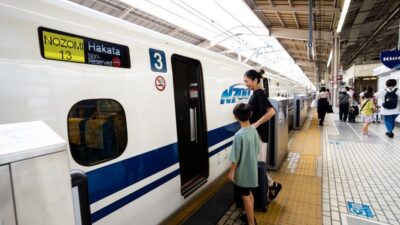
★ 4.7 · 46,509 reviews - JR Whole Japan Rail Pass
★ 4.8 · 29,150 reviews
Choosing between the R35, R34, R33, R32, and Supra
The listed choices include the Nissan GT-R R35, R34, R33, and R32, with a JZA80 Supra also available. These cars do not offer the same kind of experience.
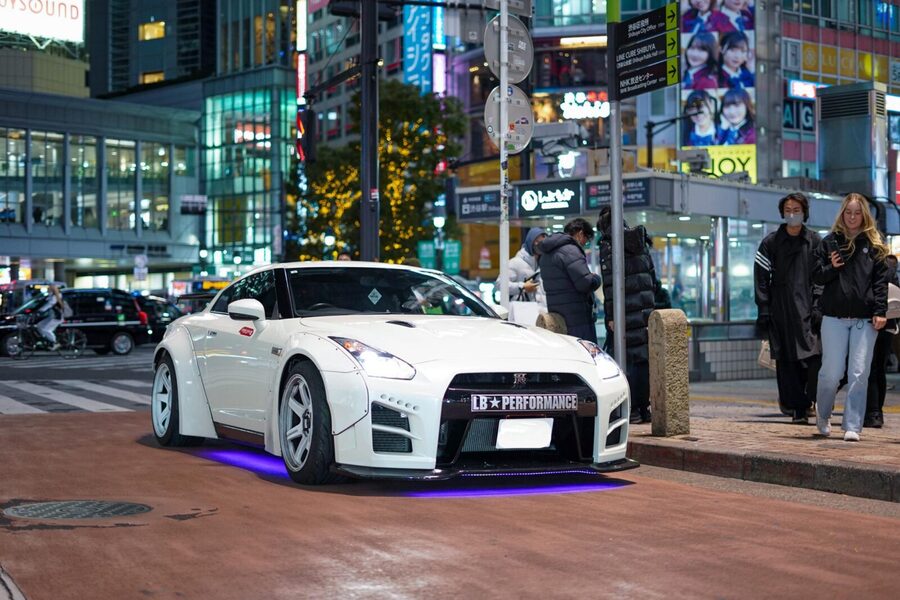
The R35 is the modern GT-R. It feels like the most contemporary choice and has the broadest visual appeal for someone who likes newer supercars. The R34, R33, and R32 carry more of the classic Skyline identity. They are especially appealing if your interest began with Japanese performance culture, racing games, or the famous GT-R era of the 1990s and early 2000s.
The JZA80 Supra gives you another legendary Japanese option. Since cars can be assigned according to availability, I would send your preference before the tour and repeat it when your booking is confirmed. One rider was especially pleased to receive the requested R34, while another originally faced a car change because of a technical issue and ended up loving the replacement R34.
That is a useful lesson: choose a preferred model, but keep an open mind. The guide, car condition, and overall organization may matter more than getting one exact badge.
Starting in Tokyo and heading to A-PIT Autobacs
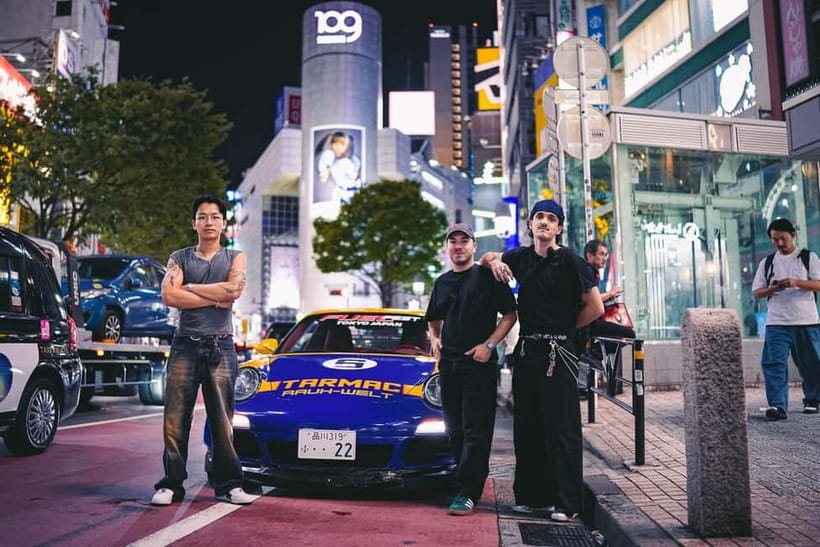
The starting options listed are Tokyo Station and Sakura Clinic. Check the exact meeting point attached to your booking because it can vary by option. The outing is private for your group, but you may travel alongside several other cars from the same company or local circle.
A-PIT Super Autobacs is an easy first stop for car fans. You get around 30 minutes for photos, browsing, shopping, and a look around the store. It is a useful place to see the retail side of Japanese car culture, with parts and accessories rather than only polished cars at a meet.
Keep your expectations sensible. One person found the shop less focused on tuning than expected. I would treat A-PIT as a short enthusiast stop, not a full museum or specialist workshop. It gives you a peek at how car culture appears in everyday Japanese retail, then gets you back on the road before the main event.
The Wangan Expressway and Tokyo’s night roads
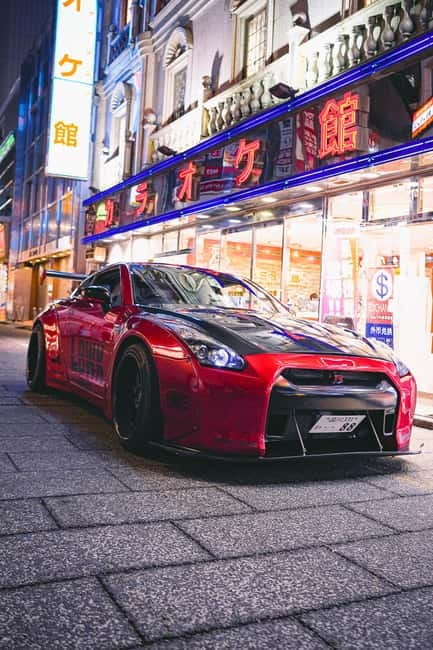
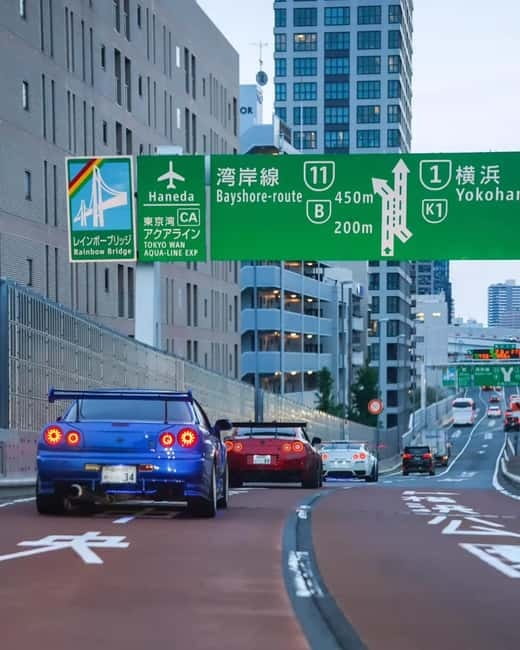
The drive itself is a major part of the value. The route can include the Wangan Expressway, a name familiar to fans of Japanese racing games and the Wangan Midnight series. You are not booking a race, and the company emphasizes responsible driving, but the expressway gives you the sensation of covering ground in a powerful modified car.
Several people singled out the tunnel sections and controlled moments of acceleration. The sound changes sharply when you pass through enclosed roads, especially when multiple cars are traveling together. One guide let a rider choose personal music, while others made the drive fun through conversation and local knowledge.
This is where the quality of your driver matters most. The strongest comments repeatedly praised Ruben, Lex, Takumi, Harrison, Tatsuya, Haruto, and others for being calm, friendly, and skilled. One rider described Lex as smooth and highly skilled, while another praised Takumi for his connection to local meetups. Those details suggest the company’s best guides add much more than steering and navigation.
You should still expect a passenger experience, not a track day. The thrill comes from the car, the road, the convoy, the sound, and the city at night. A driver may give you short bursts of acceleration, but safe and controlled driving is part of the package.
A completely different kind of day out:
- Mt Fuji and Hakone 1-Day Bus Tour Return by Bullet Train
★ 5.0 · 26,383 reviews - TOKYO SKYTREE® Ticket
★ 4.7 · 25,136 reviews - teamLab Borderless Tickets: MORI Building DIGITAL ART MUSEUM
★ 4.7 · 24,126 reviews - teamLab Planets TOKYO Ticket
★ 4.7 · 21,663 reviews
Daikoku Parking Area: the heart of the outing
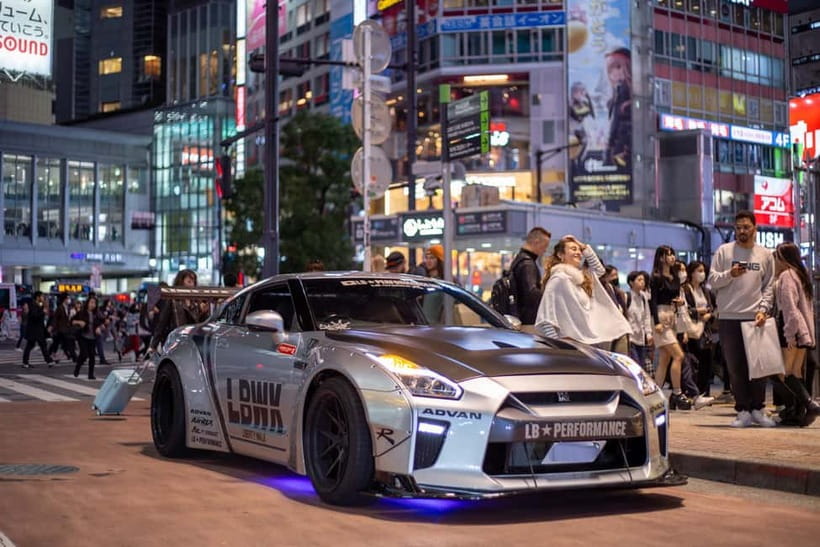
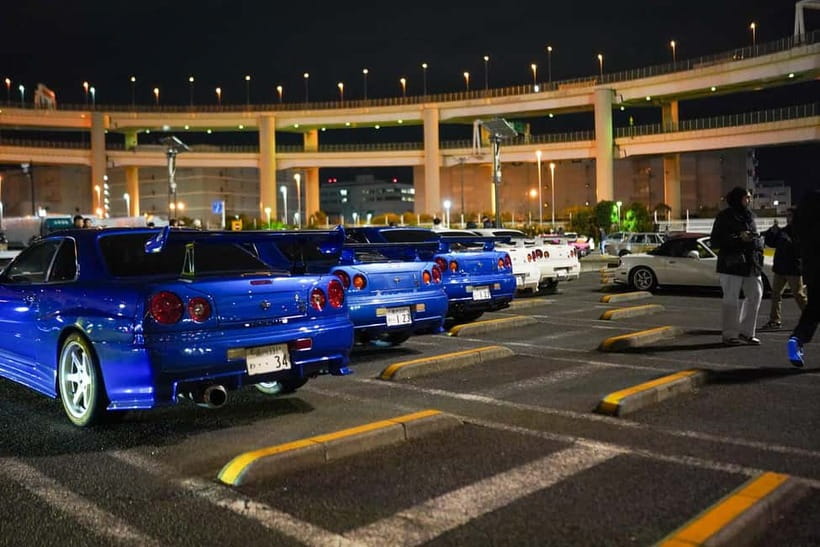
Daikoku Parking Area is the reason many people book this tour. Located in Yokohama, it is known for its large nighttime gatherings of Japanese, European, and other performance cars. You receive about an hour there for photos and sightseeing.
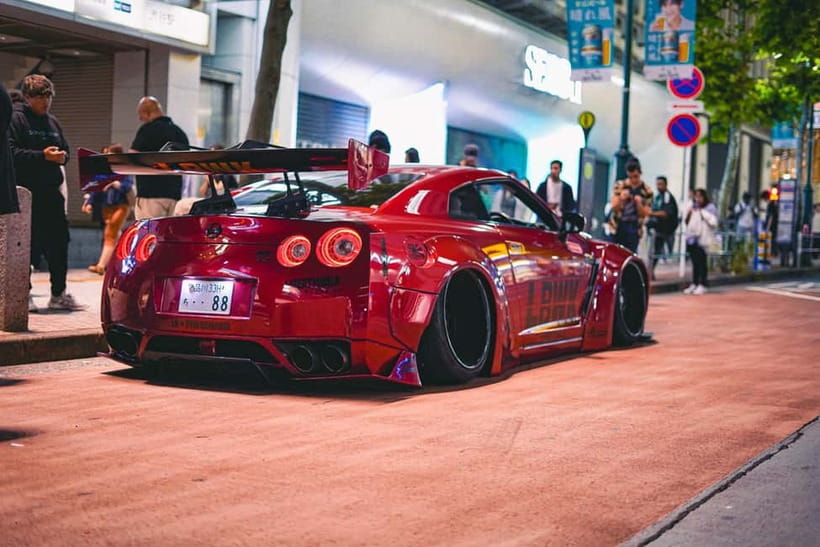
The setting is not a formal attraction with displays and admission gates. It is a working expressway rest area that becomes a meeting point for car owners and enthusiasts. That makes the experience feel less staged. You might see rare builds, tuned exhausts, modified GT-Rs, and a changing mix of cars rather than a fixed collection.
The atmosphere depends on the night. One Saturday-style outing had fewer cars than expected, while a Thursday visit was described as full and lively. Late-night timing can also affect the crowd. I would book Daikoku for the chance to see the scene, not a promise of one specific lineup.
Arriving in a group of GT-Rs adds another layer. One group traveled with six or seven cars, while another arrived with a lineup of 11. The cars park together, draw attention, and create excellent photo opportunities. You can walk around, take pictures, talk with your guide, and watch the parking area change around you.
The guide is useful here because the scene can be hard to understand from the outside. A good guide can explain what you are seeing, help with photos, and keep the group organized. Tatsuya was praised for doing exactly that while keeping the visit safe and comfortable.
Daikoku also has limits. It is not guaranteed to feel like a giant auto show every night. Weather, timing, and local conditions affect the number of cars. If you need a highly predictable attraction, this may feel uncertain. If you enjoy the surprise of a real meet, that uncertainty is part of the appeal.
Rainbow Bridge, Tokyo Tower, and quick city views
The city sights help balance the car-heavy schedule. Rainbow Bridge is listed as a photo and sightseeing stop, but the stop itself may last only a minute. That means you should think of it as a moving photo opportunity, not a long walk or viewing session.
Tokyo Tower and Shibuya are also part of the wider route and may be used for photos or scenic passes. Shibuya Crossing gives you the familiar Tokyo image, while the expressways show a less pedestrian view of the city. You see Tokyo as a connected web of roads, bridges, tunnels, towers, and illuminated buildings.
This portion suits family members who may not care about engine specifications. A rider who booked the tour for a husband and 13-year-old son found that the whole family enjoyed cruising through Tokyo, not just the car enthusiast. Another parent described the experience as a dream come true for a sports-car-loving child.
The trade-off is time. You cannot linger at every landmark, shop, and parking area during a 150 to 210 minute outing. The sights are seasoning for the drive and car culture, not separate sightseeing tours.
What guides add to the experience
The best part of a guided ride is not only local driving skill. It is having someone who can explain what you are seeing and adjust the outing to your group.
English and Japanese guidance is available. Translation support is included, which helps if you want to ask about the cars, Japanese driving culture, or the places along the route. The strongest guides are described as patient, conversational, and able to answer questions without making the experience feel like a lecture.
Ruben receives especially warm praise across several outings. He was described as a safe driver, a true JDM enthusiast, and a friendly source of information about Tokyo and Yokohama. Lex was praised for good communication before the outing as well as skilled driving. Takumi was valued for his ties to local meetups and his understanding of the enthusiast scene.
The company does not promise one specific guide, so I would not book based on a particular name. Still, those repeated comments give you a useful standard: you should expect the guide to be more than a chauffeur.
Is $316 good value for up to three people?
The listed price is $316 per group of up to three people. That is not a cheap way to see Tokyo, but the comparison should be with a private enthusiast experience, not with a normal sightseeing bus.
For three people, the cost works out to about $105 per person. You receive a private group format, a tuned JDM car, a live guide, a long drive through Tokyo and Yokohama, an hour at Daikoku, and stops connected to Japanese car culture. If you are splitting the booking with family or friends, the price becomes more reasonable.
For one person, the value is harder to judge. You are paying for access to the car, driver, route, and group organization. A car fan may consider that worthwhile because a normal Tokyo attraction cannot provide the same combination.
The experience also saves you from dealing with unfamiliar expressways, Japanese traffic rules, parking, and the challenge of finding Daikoku on your own. It is not simply the cost of a ride. You are paying for someone who knows how to connect the roads and meetups into one evening.
I would call it good value for a serious enthusiast and fair value for a curious visitor with money set aside for one special Tokyo activity. It is poor value if you are mainly seeking slow sightseeing, long landmark visits, or a basic transfer.
Practical details that shape the night
The duration is listed as 150 to 210 minutes, so allow flexibility in your evening plans. Traffic and the chosen route can affect the final length. Some outings have felt closer to four hours, while the advertised range is shorter, so do not schedule a tight dinner reservation immediately afterward.
You can cancel up to 24 hours before departure for a full refund, and the reserve-now, pay-later option lets you hold a place without paying at once. These policies are useful because the tour depends partly on weather and your wider Tokyo schedule.
The meeting point is either Tokyo Station or Sakura Clinic, depending on the option booked. The listed return points are the same two locations. Confirm the exact point and timing carefully, especially if you are unfamiliar with Tokyo Station.
Dress for a night outside the car. Daikoku is an open parking area, and you may spend a full hour walking around for pictures. Bring a charged phone or camera because the convoy, cars, tunnels, and parking area can produce many photo chances.
Finally, send your car preference. Ask what is available for your date, but understand that mechanical issues or scheduling can require a change. One person who missed the originally planned car still considered the R34 replacement a fortunate surprise.
Who should book this ride?
I would book this if you:
- Follow GT-Rs, Supras, Skyline models, or Japanese performance cars
- Want to visit Daikoku without arranging a rental car
- Prefer riding with a guide rather than driving yourself
- Enjoy night drives, tunnels, bridges, and city lights
- Are traveling with up to two other people who will share the cost
- Want an activity that works for both serious fans and family members who simply enjoy unusual experiences
I would pause before booking if you want a quiet cultural tour, dislike engine noise, need guaranteed weather, or expect a formal car museum. A-PIT may feel less specialized than you imagine, and Daikoku may be quiet on some nights.
Should you book the Daikoku GT-R tour?
Book it if the idea of reaching Daikoku in a tuned R35, R34, R33, R32, or Supra makes you grin. The strongest parts are the skilled guides, the convoy atmosphere, the Wangan drive, and the chance to see an active Japanese car meet rather than a display built for tourists.
For the best value, share the $316 group price with two friends or family members, request your preferred car early, and choose a night when you can keep your schedule open. I would treat the landmarks as a bonus and Daikoku as the main goal.
If you want authentic car culture with a proper driver, this is one of Tokyo’s most memorable specialty outings. If you only want landmark sightseeing, spend the money elsewhere.
FAQ
How long does the GT-R tour last?
The tour lasts between 150 and 210 minutes. Starting times vary, so check the available options when booking.
How many people can join one booking?
The listed price covers a private group of up to three people.
Which cars can I request?
You can request a Nissan GT-R R35, R34, R33, or R32. A JZA80 Supra is also available. You should send your car preference to the operator.
Where does the tour start and finish?
The available starting and drop-off locations are Tokyo Station and Sakura Clinic. The exact location depends on the option booked.
Is this a self-drive tour?
No. This option is a guided passenger experience with a local driver. It is not a car rental, taxi, or transportation service.
What languages are available?
Live guidance is available in English and Japanese. Translation support is also included.
Just added in Tokyo
- A One-of-a-Kind Sushi Experience in a Special Place of Japan★ 5.0 · 15 reviews
- Tokyo Cute Bento Cooking Class – Make a Kawaii Character Lunchbox★ 5.0 · 126 reviews
- Japanese Home Cooking Class & Walk in Todoroki Temple Tokyo★ 5.0 · 88 reviews
- Japan Tokyo Tower Observatory Deck E-Ticket★ 4.0 · 34 reviews
- Catch a Baseball Game in Tokyo with a Local – Tickets Included★ 5.0 · 24 reviews
- JDM Experience with Fast&Furious RX-7 (English speaking Driver)★ 5.0 · 57 reviews
- Tokyo Private Day Tour by Car with English speaking Driver Guide★ 4.0 · 29 reviews
- Japan Classic 10 Day – One Life Adventures★ 5.0 · 129 reviews
Tokyo Tours, compared.
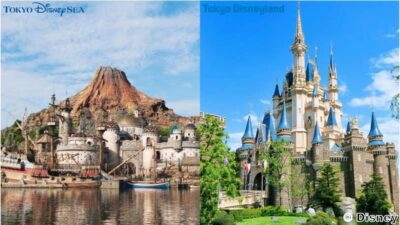
Tokyo Disney Resort – Tokyo Disneyland & Tokyo DisneySea Park Tickets
Read our review →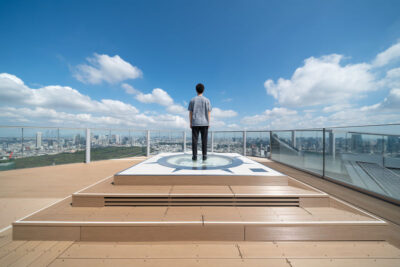
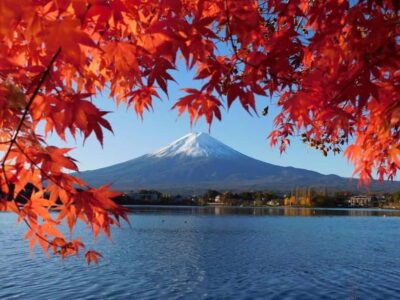
Mt Fuji and Hakone 1-Day Bus Tour Return by Bullet Train
Read our review →
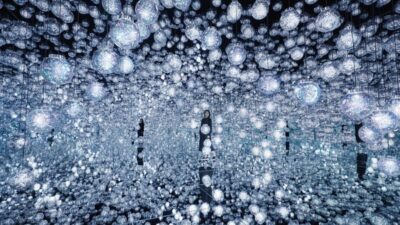
teamLab Borderless Tickets: MORI Building DIGITAL ART MUSEUM
Read our review →