Reviewed · TOKYO TOURS
Shibuya: Pachinko Gaming Experience
Pachinko is noisy, bright, and wonderfully strange. This one-hour Shibuya experience gives you a friendly introduction to a Japanese pastime that can be confusing when you first walk into a parlor. I like the small group of up to three people, which leaves room for questions, and I like that the guide explains the rules before you start spending money. The main drawback is that the gaming fee is extra, and one customer had trouble reaching the provider after getting lost.
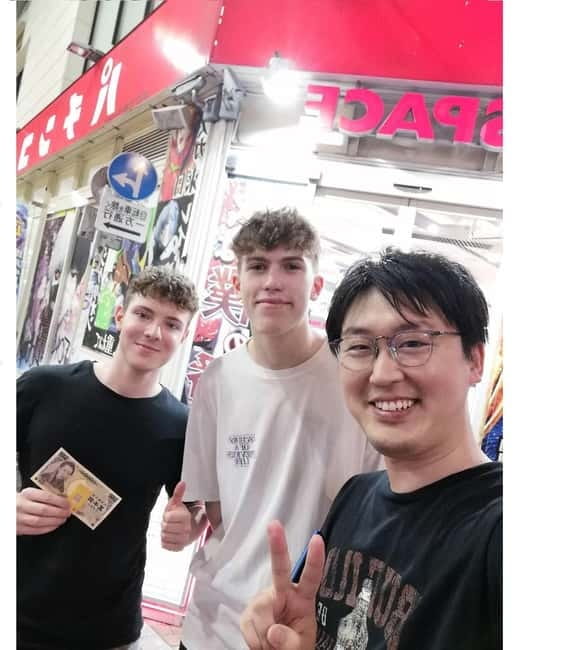
You meet beside the Hachiko Memorial Statue, then walk into Shibuya’s pachinko subculture with an English-speaking guide. The experience is best for adults who want cultural context and a little hands-on fun, not for anyone seeking a serious gambling session. Guide Ing has earned especially warm praise for explaining the game clearly and encouraging beginners when their first wins arrive.
In This Review
- Key points to know before booking
- Why pachinko makes a good Shibuya activity
- Meeting at Hachiko and finding the guide
- From Shibuya streets to a pachinko parlor
- Learning the controls without feeling lost
- What the $19 price really includes
- The one-hour pace and small-group feel
- Who will enjoy this experience most
- What the ratings suggest about the experience
- Booking flexibility and useful practical details
- Should you book the Shibuya pachinko experience?
- FAQ
- Where does the pachinko experience meet?
- How will I recognize the guide?
- How early should I arrive?
- What happens if I cannot find the meeting point?
- Is the pachinko gaming fee included in the $19 price?
- How long does the experience last?
- Is the tour conducted in English?
- Can children join the activity?
- Can I cancel for a refund?
Key points to know before booking
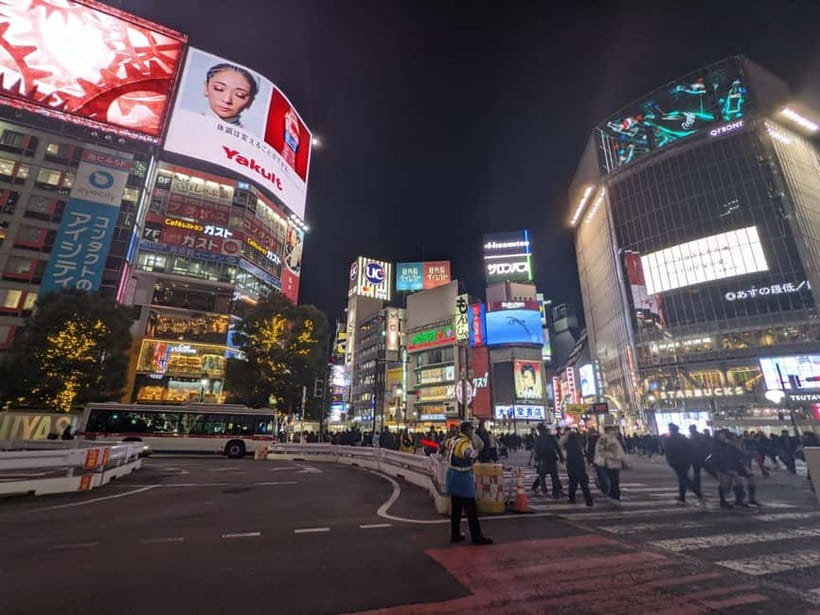
- One hour beside Hachiko: The tour starts and ends at the famous Hachiko Memorial Statue, making it easy to fit into a day in Shibuya.
- A small group of three or fewer: You get more personal help with the machine and its controls than you would on a large group outing.
- The rules come before the play: You learn how to buy metal balls, launch them, and understand the basic aim of the game.
- Bring extra money for pachinko: The $19 price covers the guide and instruction, but not the balls or other gaming costs.
- English interpretation is included: The guide explains the game and helps bridge the language gap inside the parlor.
- Adults only: This activity is not suitable for anyone under 18.
Why pachinko makes a good Shibuya activity
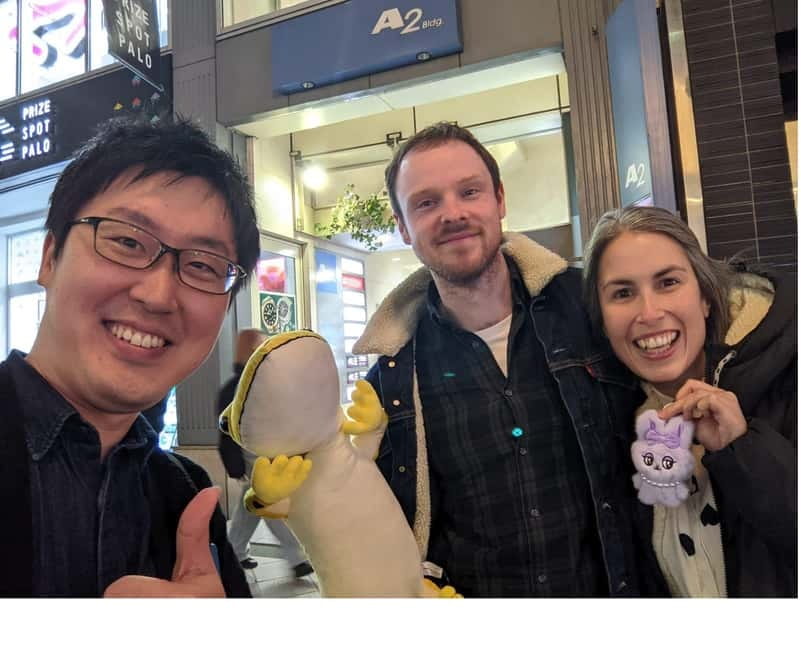
Pachinko is more than a row of machines in a noisy arcade. It is a long-running part of Japanese entertainment culture, and its story helps explain why the parlors are so familiar across Japan. The game began in the early 20th century as a simple mechanical pastime influenced by Western pinball. Over time, it became the high-tech, light-filled activity you see today.
That change is what makes this experience useful. If you walk into a pachinko parlor on your own, the flashing screens, metal balls, sound effects, and unfamiliar controls can feel like too much at once. You may not know where to begin, how much to spend, or even what success looks like. A guide gives you a clear starting point.
I like activities that help you understand a local habit without pretending it is something it is not. This is not a museum lecture. You enter a real pachinko parlor, hear the machines, handle the balls, and try the controls yourself. The result is closer to a cultural orientation with hands-on practice than a formal sightseeing tour.
Keep your expectations sensible. The experience lasts only one hour, and much of that time is spent learning the basic mechanics. You will get an introduction, not an expert course in every style of pachinko machine or a guaranteed jackpot.
A few more options to weigh up in Tokyo
- Tokyo Disney Resort – Tokyo Disneyland & Tokyo DisneySea Park Tickets
★ 4.8 · 99,488 reviews - SHIBUYA SKY Ticket
★ 4.7 · 46,509 reviews - JR Whole Japan Rail Pass
★ 4.8 · 29,150 reviews
Meeting at Hachiko and finding the guide
The meeting point is beside the Hachiko Memorial Statue, one of Shibuya’s easiest landmarks to recognize. Stand on the right side of the statue and look for the lottery ticket booth. The guide waits in front of that booth and holds a blue tablet.
You should arrive five minutes before the scheduled start. This matters in Shibuya, where the area around Hachiko can be crowded and visually confusing. Give yourself a little extra time to reach the statue, especially if you are coming through Shibuya Station and need to follow signs to the correct exit.
There is one practical warning. The meeting instructions say that the guide may treat you as a no-show after 20 minutes if you have not appeared. The provider also asks you to make direct contact if you get lost. One customer reported being unable to reach the provider before the tour while trying to find the meeting point, so save the contact information and screenshot the location before leaving your hotel.
The exact coordinates are 35.65905789999999, 139.7006293. You probably will not need to enter them if you know Hachiko, but they can help if your map app sends you toward another part of the station.
From Shibuya streets to a pachinko parlor
After meeting at Hachiko, you spend the hour with the guide in Shibuya City. The walk is short in overall tour terms, but the setting matters. Shibuya is a fitting place for this activity because it brings together youth culture, entertainment, shopping, and Japan’s fast-moving city life.
The guide introduces pachinko’s background and explains how the game developed from a pinball-like machine into a modern electronic experience. This historical piece keeps the activity from feeling like a random stop at an arcade. You learn why pachinko has remained visible in Japanese daily life for so long.
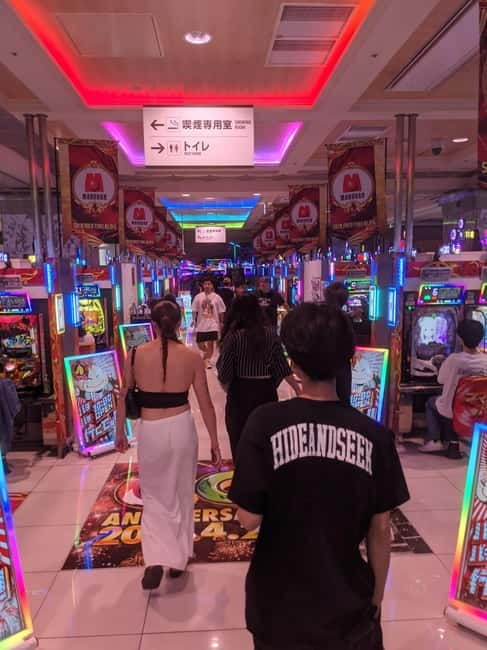
Then you enter a traditional pachinko parlor. Expect a strong sensory change from the street. The machines are designed to catch your attention with lights and sound, and a beginner can quickly lose track of the basic steps. The guide’s presence is most useful here, when you are trying to listen, watch the machine, and control the balls at the same time.
Because the group is limited to three participants, you should have a better chance to ask for help without holding up a large party. That small size also makes it easier for the guide to notice when you are pressing the wrong control or launching the balls too quickly.
Learning the controls without feeling lost
The first practical lesson is buying your metal balls. The gaming charge is not included in the $19 tour price, so you pay separately for the actual pachinko play. The supplied information does not state a standard amount for this extra cost, so ask the guide before purchasing if you want to set a firm spending limit.
Next comes the machine itself. You learn how to launch the balls and aim them into the play area. The guide explains the rules and offers tips intended to help you understand how the machine works and improve your chances of reaching a jackpot.
Treat those tips as an introduction, not a promise. Pachinko includes chance, and no guide can guarantee winnings. The real value is knowing what you are doing instead of sitting down and pressing buttons at random.
This is where the activity earns its price for many first-time players. The fee is modest for a private-feeling, three-person introduction, and the instruction can prevent the awkward first few minutes that often come with unfamiliar Japanese entertainment. You are paying for translation, interpretation, and confidence, not only for an hour near a machine.
Several highly positive comments focus on patience and clear explanations. Ing is singled out for making the rules easy to understand and staying upbeat when a beginner began winning. That kind of encouragement can make a difference because pachinko is meant to be playful, and beginners can otherwise feel self-conscious in a room full of experienced players.
A completely different kind of day out:
- Mt Fuji and Hakone 1-Day Bus Tour Return by Bullet Train
★ 5.0 · 26,383 reviews - TOKYO SKYTREE® Ticket
★ 4.7 · 25,136 reviews - teamLab Borderless Tickets: MORI Building DIGITAL ART MUSEUM
★ 4.7 · 24,126 reviews - teamLab Planets TOKYO Ticket
★ 4.7 · 21,663 reviews
What the $19 price really includes
At $19 per person, this is not an expensive Shibuya activity. The price includes a guided tour, an explanation of the pachinko rules, and English translation and interpretation. It does not include the money you put into the machine or drinks.
That distinction is important. If you only want to watch and learn, the tour price is straightforward. If you want to play, plan for a separate gaming budget. I would decide in advance how much you are comfortable spending, then stop at that amount. The guide can explain the process, but your spending limit remains your responsibility.
The value is strongest for someone who has never played pachinko. You can find a parlor without a guide, but you may not understand the controls or the etiquette of getting started. The tour removes that first barrier and gives you cultural background in the same hour.
The value is weaker for an experienced player who already understands pachinko. In that case, the history and English explanation may feel basic, and the short duration may not justify the added cost. This is designed for curiosity, not mastery.
Drinks are not included, and no food stop is part of the activity. You return to the Hachiko Memorial Statue at the end, so you can easily continue your Shibuya plans afterward.
The one-hour pace and small-group feel
One hour is enough to introduce the game, but it leaves little room for delays. Arrive early, keep your meeting details handy, and be ready to move from the statue into the activity without a long pause.
The group limit of three is one of the strongest features. With fewer people, you can ask simple questions without worrying that you are slowing down a coachload of strangers. You also get more direct help when the machine begins making noise and your attention is split between the balls, the controls, and the guide’s instructions.
The small size does not turn this into a private tour unless you are the only person booked. It means the maximum group is three, so you should still expect to share the guide’s attention. Even so, the format is much better suited to a technical activity than a large walking group.
The tour is wheelchair accessible, which is useful information when choosing among short Shibuya activities. The provided details do not explain the exact accessibility arrangements inside every parlor, so if you need specific assistance, contact the provider before booking.
Who will enjoy this experience most
I would recommend this tour to adults who want something unusual between Shibuya’s major sights. It works especially well for first-time Japan visitors who keep seeing pachinko parlors but do not know what happens inside.
It also suits people who enjoy small cultural experiences with a practical element. You are not simply hearing about pachinko. You get an explanation, enter a parlor, and try the basic play yourself.
The activity may appeal to gamers who like learning how local entertainment works. Still, do not book it expecting a long gaming session or advanced tactics. The focus is on understanding the pastime and avoiding a clumsy start.
It is not suitable for children under 18. It may also be a poor match if you dislike loud gaming environments, flashing lights, or spending extra money on a chance-based activity. The available information does not provide specific sound or lighting warnings, but pachinko parlors are presented as places defined by both.
What the ratings suggest about the experience
The activity currently has a 4.4 rating from 14 ratings, which points to a generally positive experience with one clear weakness. The strongest praise goes to the guides, especially their patience, optimism, and ability to explain the rules in plain English.
One person specifically said there was enough time for questions. That is a useful sign because one hour can feel rushed if the guide only gives a quick demonstration. Another description calls the activity informative and fun, which captures the intended balance well.
The poor rating concerns communication before the tour, not the pachinko lesson itself. The customer was lost and could not get a response from the provider. That is why I would treat the meeting point as part of your preparation, not an afterthought. Hachiko is famous, but the exact lottery booth location still matters.
The overall picture is clear: the actual activity receives strong approval when the meeting works as planned, while pre-tour contact may need more care from you.
Booking flexibility and useful practical details
You can cancel up to 24 hours before the start time for a full refund. The reserve-now, pay-later option also lets you hold a place without paying immediately, which can help when your Shibuya plans are still shifting.
The live guide speaks English, and translation and interpretation are included. The experience is offered as a small group, with no more than three participants.
The provider is Horizon GK. The start and finish point is the Hachiko Memorial Statue, so you do not need to arrange separate transportation for the activity itself. Since you return to the same place, it is easy to pair the tour with shopping, dining, or another Shibuya stop.
Bring a phone with the meeting details saved, arrive five minutes early, and decide your gaming budget before you enter the parlor. Those simple steps address the main practical risks.
Should you book the Shibuya pachinko experience?
Book it if you want a short, guided introduction to pachinko and prefer to learn the controls with English help. The small group, clear explanations, and patient guide style give beginners a better start than wandering into a parlor alone.
Skip it if you already know pachinko well, want a longer gaming session, or do not want to pay a separate gaming fee. I would also be cautious if your Shibuya schedule is so tight that a late arrival could ruin the hour.
For most curious adults, $19 is fair value. You get local context, practical instruction, and a chance to try one of Japan’s most recognizable forms of entertainment without pretending that luck can be taught. Just find the lottery booth beside Hachiko, arrive early, and keep your spending sensible.
FAQ
Where does the pachinko experience meet?
Meet near the Hachiko Memorial Statue, on the right side of the statue, in front of the lottery ticket booth.
How will I recognize the guide?
The guide will be holding a blue tablet.
How early should I arrive?
You should arrive five minutes before the tour starts.
What happens if I cannot find the meeting point?
You should contact the provider directly if you get lost. The meeting instructions state that no appearance for 20 minutes may be treated as a no-show.
Is the pachinko gaming fee included in the $19 price?
No. The pachinko gaming fee is separate, and drinks are also not included.
How long does the experience last?
The guided experience lasts one hour and returns to the Hachiko Memorial Statue.
Is the tour conducted in English?
Yes. It includes a live English-speaking guide, translation, and interpretation.
Can children join the activity?
No. The experience is not suitable for children under 18.
Can I cancel for a refund?
Yes. You can cancel up to 24 hours in advance for a full refund. You can also reserve now and pay later.
Just added in Tokyo
- Manga Lesson with a Professional Japanese Manga Artist in Nakano★ 5.0 · 77 reviews
- Making a bento box with cute character look in Japan★ 5.0 · 15 reviews
- Tokyo/Ikebukuro Manga drawing workshop by pro-Manga artists★ 5.0 · 65 reviews
- Tokyo Ueno Food & Nature & Localtown Tour: 10Dishes+ Drinks★ 5.0 · 34 reviews
- Make Your Own Bonsai with a Professional Bonsai Artist in Tokyo★ 4.5 · 18 reviews
- Luxury Tokyo Sake, Cocktail, Whisky and Pairing Tour★ 5.0 · 18 reviews
- Make Traditional Nerikiri Sweets & Matcha experience in Shibuya★ 5.0 · 130 reviews
- Daikoku Parking Tokyo Drift & APIT Car Meet JDM Culture Tour★ 5.0 · 79 reviews
Tokyo Tours, compared.

Tokyo Disney Resort – Tokyo Disneyland & Tokyo DisneySea Park Tickets
Read our review →
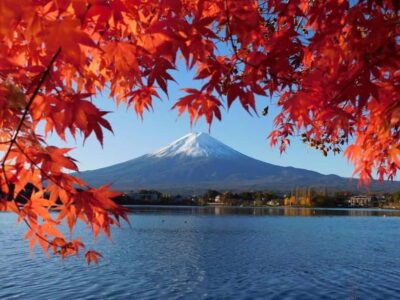
Mt Fuji and Hakone 1-Day Bus Tour Return by Bullet Train
Read our review →

teamLab Borderless Tickets: MORI Building DIGITAL ART MUSEUM
Read our review →