Reviewed · TOKYO TOURS
Small Town in the Big City: Tasting Tokyo’s Kichijoji
Tokyo rewards the curious eater. This six-hour Kichijoji food walk trades famous sights for local food traditions, from department-store delicacies and neighborhood sushi to yakitori, octopus balls, and handmade senbei. I like the small group, capped at six, and the chance to see a side of Tokyo that many first-time visitors miss.
I also like that the food comes with context. Guides such as Ken, Michelle, Elly, and Diana have been praised for clear English, warm personalities, and strong relationships with the shop owners. The main drawback is the price: at $195 per person, this is a serious food splurge, and the company has also had occasional booking cancellations that made advance planning harder for some customers.
In This Review
- Key points at a glance
- Why Kichijoji makes such a good food neighborhood
- Starting with a depachika feast
- Walking Kichijoji’s shotengai
- Yakitori, octopus balls, and the pleasure of street food
- Meeting a three-generation senbei family
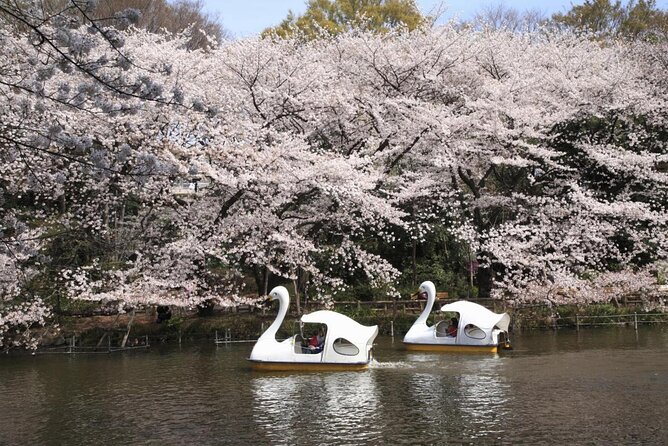
- Inokashira Onshi Park and a softer side of Tokyo
- Avant-garde taverns and less familiar tastes
- What the guides add to the day
- Is $195 a fair price?
- Who will enjoy this Kichijoji food walk?
- Should you book Small Town in the Big City?
- FAQ
- Where does the tour begin?
- Where does the tour end?
- How long does the tour last?
- How many people can join the tour?
- What is included in the price?
- Can I cancel for a full refund?
Key points at a glance
- Kichijoji beyond the postcard sights: Spend the day in a lived-in Tokyo neighborhood known for everyday shopping, small eateries, and a relaxed local feel.
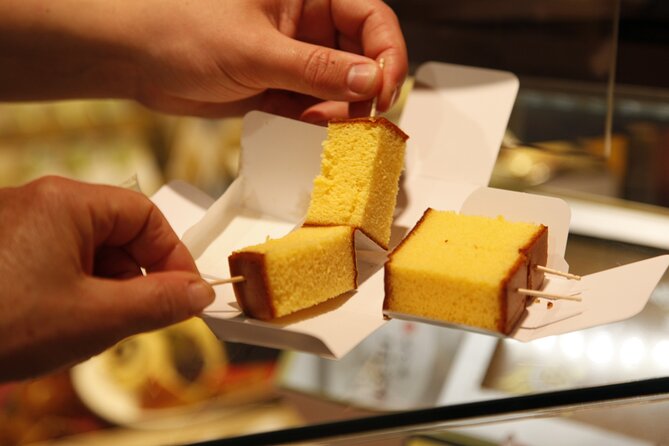
- A department-store food hall first: Begin at a depachika, where premium fruit, pickles, Japanese snacks, and prepared foods show both old customs and newer food trends.
- Several styles of Japanese eating: Expect a mix of sushi, yakitori, octopus balls, senbei, snacks, tea or coffee, and alcoholic drinks.
- A small group of no more than six: The format allows for questions, conversation, and easier movement through compact food businesses.
- Guides who connect food to people: Ken, Michelle, Elly, and Diana have earned strong praise for their storytelling, English, energy, and rapport with local owners.
- Six hours with no private transport: You walk between stops and return to the Kichijoji meeting point, so comfortable shoes matter.
Why Kichijoji makes such a good food neighborhood
Tokyo can feel too large to grasp. You can spend a week eating well and still see only a sliver of it. This tour takes a smarter approach: instead of racing across the city, it spends roughly six hours in Kichijoji, a neighborhood in Musashino, west of central Tokyo.
That focus matters. Kichijoji gives you a chance to see Tokyo as a place where people shop for dinner, meet friends, buy snacks, and return to family businesses. The food is the main subject, but the neighborhood is the classroom.
You will move through a shotengai, or covered shopping street, and along local streets near Inokashira Onshi Park. The experience is not built around grand monuments. Its appeal is the ordinary city life that can be easy to miss when your schedule is packed with temples, observation decks, and major crossings.
I would choose this tour for a second or third day in Tokyo, once you have adjusted to the city’s scale. It can also work early in a longer stay if food is your main reason for visiting Japan. The tradeoff is simple: you give up a broad city tour in exchange for a close look at one neighborhood.
A few more options to weigh up in Tokyo
- Tokyo Disney Resort – Tokyo Disneyland & Tokyo DisneySea Park Tickets
★ 4.8 · 99,488 reviews - SHIBUYA SKY Ticket
★ 4.7 · 46,509 reviews - JR Whole Japan Rail Pass
★ 4.8 · 29,150 reviews
Starting with a depachika feast
The opening stop takes you into one of Tokyo’s famous department-store food halls, known as a depachika. These underground or lower-level markets are more than places to grab a quick lunch. They present food with great care, from beautifully arranged fruit to prepared dishes, sweets, pickles, and packaged snacks.
This is a smart place to begin because it gives you a quick lesson in the range of Japanese food culture. You may see fruit sold as a luxury gift, carefully presented pickles, familiar sweets, and rows of Japanese snack foods that are both playful and intensely regional.
The tour then reaches a sushi bar favored by local regulars. That detail is useful. You are not simply stopping at a famous restaurant for a photo opportunity. You are being introduced to the kind of practical, trusted food counter that helps define a neighborhood.
I like this opening because it sets up a useful contrast. The department store presents food in a polished, almost gallery-like way. The later stops take you into smaller, more personal places. Together, they show that Japanese food is not one fixed style. It can be formal, refined, quick, humble, seasonal, or downright fun.
The exact order and selection of tastings can vary, so you should not treat the tour description as a guaranteed menu. Still, meals, lunch, snacks, coffee or tea, and alcoholic drinks are included. That makes the first part feel like a progression rather than one oversized meal.
Walking Kichijoji’s shotengai
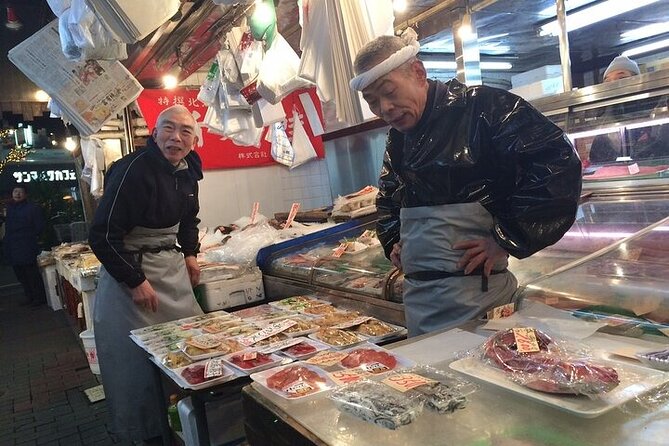
From the food hall, the route moves into Kichijoji’s shopping streets. This is where the tour gains its strongest sense of place. A shotengai serves daily life, not just sightseeing. You may see people buying groceries, picking up prepared foods, and visiting long-running shops.
The guide helps explain basic Japanese ingredients and eating customs as you go. That kind of explanation is valuable because a food market can otherwise become a parade of unfamiliar labels. You learn what you are seeing, how it fits into ordinary meals, and why certain foods matter.
The walking also gives your stomach a break between tastings. Six hours sounds long for a food tour, but the day is not one continuous sitting. The route combines walking, conversation, small portions, and food stops. One detailed account praised the balance, noting that the group ate well without eating excessively.
You should still plan for a full day. The tour covers a lot of ground, and the route includes multiple businesses and street-side stops. Wear comfortable shoes and arrive ready to walk. Private transportation is not included.
Yakitori, octopus balls, and the pleasure of street food
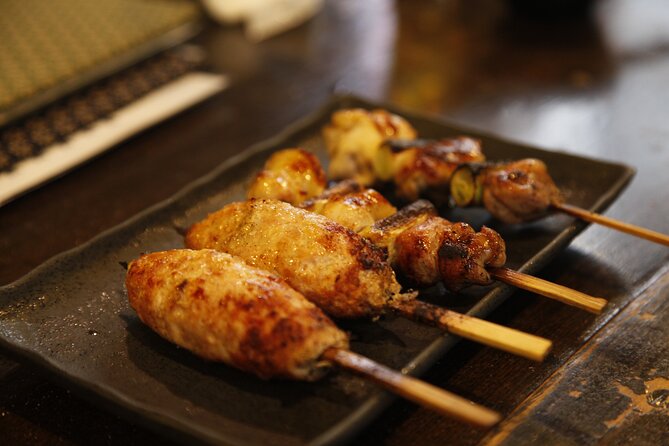
One of the tour’s most appealing contrasts is the move from refined department-store food to casual street eating. Yakitori skewers offer a direct introduction to one of Japan’s most popular informal foods: grilled pieces served simply, often with a savory seasoning or sauce.
The tour visits old-school yakitori places, giving you a taste of the atmosphere as well as the food. These are the kinds of restaurants that can feel intimidating if you do not read Japanese or know the usual ordering habits. Having a guide nearby takes away much of that pressure.
You may also try octopus balls, commonly known as takoyaki, prepared and served street-side. They are hot, soft, and easy to underestimate. Take your time with the first bite. The inside can be much hotter than it looks.
These stops are not intended to present the most delicate side of Japanese cooking. That is part of their value. They show how people eat casually, how food fits into a shopping day, and how a few inexpensive bites can carry plenty of character.
A completely different kind of day out:
- Mt Fuji and Hakone 1-Day Bus Tour Return by Bullet Train
★ 5.0 · 26,383 reviews - TOKYO SKYTREE® Ticket
★ 4.7 · 25,136 reviews - teamLab Borderless Tickets: MORI Building DIGITAL ART MUSEUM
★ 4.7 · 24,126 reviews - teamLab Planets TOKYO Ticket
★ 4.7 · 21,663 reviews
Meeting a three-generation senbei family
The artisanal senbei stop adds a human element that many food tours lack. Senbei are Japanese rice crackers, often grilled or baked and seasoned in different ways. Here, you meet three generations of a family involved in making them.
That family connection gives the snack more meaning. Instead of treating senbei as a packaged souvenir, you see the work and continuity behind a familiar Japanese food. A good guide can also explain how the business fits into the neighborhood and why small makers remain important in a city filled with modern retail.
This is one of the tour’s best features for anyone interested in craft. The food is modest, but the story is not. You get a look at skill passed through a family, along with the chance to meet people who have made the product part of their working lives.
I would pay close attention here and ask questions. The group limit of six should make that easier. Guides have been praised for knowing the shop owners well, which can turn a quick tasting into a more natural exchange.
Inokashira Onshi Park and a softer side of Tokyo
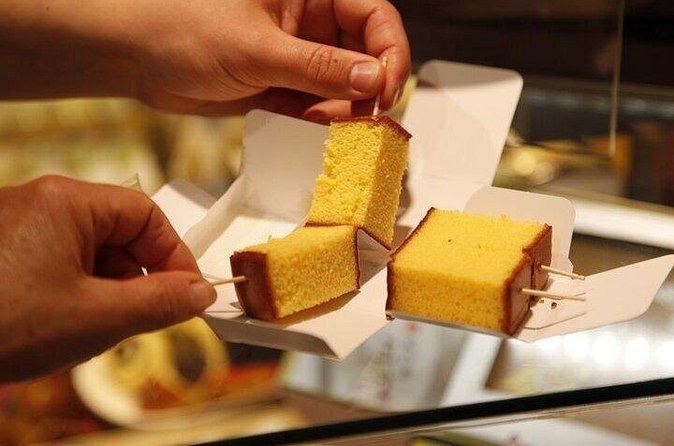
The route includes Inokashira Onshi Park, a green public space that changes the rhythm of the day. After crowded food streets and compact businesses, the park offers room to breathe and a different view of Kichijoji.
The park is not presented as a separate sightseeing attraction with a long formal visit. Instead, it forms part of the neighborhood story. Kichijoji is appealing partly because food, shopping, community life, and public space sit close together.
This pause also helps explain why the tour is longer than a standard two-hour tasting walk. You are not just eating at a set of addresses. You are moving through a place and seeing how different parts of local life connect.
The tour title, Small Town in the Big City, fits this portion well. Tokyo remains enormous, but Kichijoji can feel manageable for a few hours. You get the sense of a neighborhood with its own habits and regulars rather than a collection of attractions built only for visitors.
Avant-garde taverns and less familiar tastes
The later stops add variety through newer or more unusual drinking and dining spots. The description points to avant-garde taverns and includes alcoholic beverages, so you can expect the tour to move beyond standard sushi and grilled skewers.
One family group specifically enjoyed encountering several sides of Japanese cuisine, including puffer fish. That does not mean every departure will feature the same dish, but it shows the range this food walk can cover. If you are cautious about unfamiliar food, tell the guide early. If you are adventurous, this is the part of the day where you should stay open to surprises.
The mix of old and new is one of the strongest reasons to book. You are not being shown a frozen version of Japan. The day includes old-school shops, family craft, modern department-store presentation, casual street food, and newer tavern culture.
Some people may find the variety almost too broad. If you want a tightly themed tour focused only on sushi or only on traditional cuisine, this is not the right choice. It is better understood as a neighborhood food portrait.
What the guides add to the day
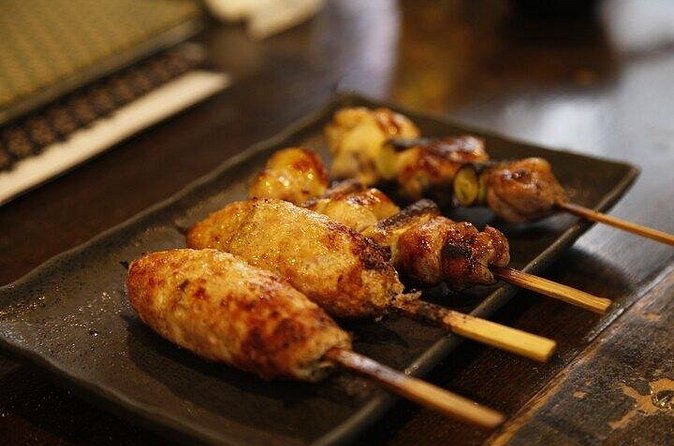
A food tour rises or falls on its guide. Here, the strongest praise has gone to several hosts.
Ken has been described as prepared, engaging, and attentive to the group’s comfort. He has also been praised for strong relationships with the businesses on the route. Michelle is known for energy, stories about food and life in Tokyo, and an ability to make the day feel personal. Elly has been praised for excellent English and for creating an unforgettable cultural experience. Diana is described as warm, friendly, and especially good at connecting with the owners of the places you visit.
That range is encouraging, though your exact guide will depend on the date. The important point is not a scripted performance. The best parts of the tour seem to come from conversation, introductions, and the guide’s ability to explain what you are eating without turning the day into a lecture.
You should ask questions as you go. Ask about ingredients, table manners, local habits, and what to buy later. The small group is a real advantage here. With no more than six people, the guide can check in with everyone and keep the experience from feeling like a large procession.
Is $195 a fair price?
At $195 per person, this is not a budget way to eat in Tokyo. You can find inexpensive noodles, rice bowls, skewers, and snacks on your own for far less.
The value comes from access, structure, and interpretation. Your fee covers lunch, snacks, coffee or tea, alcohol, and the tastings arranged across the day. It also saves you from spending hours guessing which places are worth entering, how to order, or what you are looking at.
The small group helps justify the price. A six-person maximum allows for a more personal pace than a large coach-style food tour. You are paying for a guide who can manage the route, explain the food, and maintain relationships with local businesses.
I would not book it if your main goal is to eat as cheaply as possible. I would consider it good value if you want a carefully planned introduction to Kichijoji and prefer to spend one day eating widely rather than researching a long list of places yourself.
There is also a practical risk to consider. Some bookings have been canceled more than once and at short notice, creating problems for people planning around a fixed schedule. The stated cancellation terms allow a full refund when you cancel at least 24 hours before the start time. If the minimum group size is not reached and the operator cancels, you are offered another date or experience, or a full refund.
Who will enjoy this Kichijoji food walk?
I would recommend it to people who enjoy eating in small portions across many stops, asking questions, and learning the story behind ordinary foods. It suits couples, families, and small groups who want a shared day rather than a list of restaurant reservations.
It is also a strong choice if you have already seen central Tokyo and want a neighborhood with a calmer, more local feel. The tour gives you a reason to visit Kichijoji and enough structure to make the trip worthwhile.
You may want to skip it if you dislike walking, prefer to choose every dish yourself, or have strict dietary needs that were not addressed in the supplied information. The menu can vary, and the day includes a broad range of Japanese foods and alcoholic drinks.
The mobile ticket is convenient, and the meeting point is outside Kichijoji Station at 1 Chome-6 Kichijoji Minamicho. The tour ends back at the same meeting point, which makes it easier to continue exploring or return to your hotel afterward.
Should you book Small Town in the Big City?
Book it if you want a guided food education wrapped in a neighborhood walk, not simply a meal with a guide. The best reasons are the tiny group, the range of food, the family senbei makers, and the chance to see Kichijoji through everyday eating.
The 4.8 rating from 16 listed ratings and 94 percent recommendation figure point to a strong experience, especially for people who value warm guiding and local connections. The price is high, and a past pattern of cancellations deserves caution if your Tokyo schedule is rigid.
My advice is to book early, since the experience is booked an average of 31 days ahead, then avoid placing an important timed attraction immediately afterward. Give the six-hour day room to breathe, arrive hungry but not starving, and wear good walking shoes. If your ideal Tokyo memory involves food, conversation, and a neighborhood you might not discover alone, this tour is a good bet.
FAQ
Where does the tour begin?
It begins at Kichijoji Station, at 1 Chome-6 Kichijoji Minamicho, Musashino, Tokyo 180-0003, Japan.
Where does the tour end?
The experience ends back at the meeting point.
How long does the tour last?
The tour lasts approximately six hours.
How many people can join the tour?
The maximum group size is six people.
What is included in the price?
Meals, lunch, snacks, coffee or tea, and alcoholic beverages are included. Private transportation is not included.
Can I cancel for a full refund?
Yes. You can cancel at least 24 hours before the local start time for a full refund. Cancellations or changes made less than 24 hours before the start time are not accepted for a refund.
Just added in Tokyo
- Official Street Go Kart Tour Akihabara 2nd★ 5.0 · 19 reviews
- Private Nippori Fabric Town Walking Tour★ 5.0 · 21 reviews
- Nikko Private Day Tour – Temples, Nature & Hidden Gems★ 5.0 · 41 reviews
- Ninja Wire Action Experience★ 5.0 · 29 reviews
- Nikko one day trip GREEN NUMBER PLATES★ 4.5 · 47 reviews
- Nikko Private Tour from Tokyo with Licensed Guide and Vehicle★ 4.5 · 15 reviews
- Nikko Toshogu, Kegon waterfall, Lake Chuzenji One Day Pvt. Tour★ 5.0 · 22 reviews
- Nikko Private Day Tour with Guide by Car (from Tokyo)★ 4.0 · 16 reviews
Tokyo Tours, compared.

Tokyo Disney Resort – Tokyo Disneyland & Tokyo DisneySea Park Tickets
Read our review →
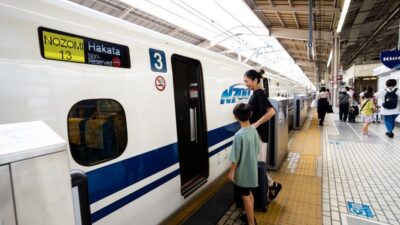
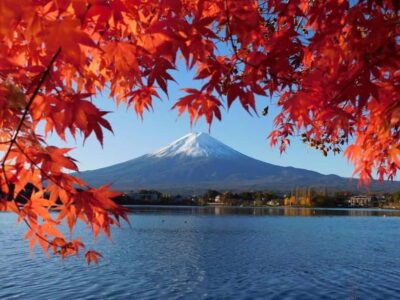
Mt Fuji and Hakone 1-Day Bus Tour Return by Bullet Train
Read our review →

teamLab Borderless Tickets: MORI Building DIGITAL ART MUSEUM
Read our review →