Reviewed · TOKYO TOURS
Tameike: Exploring the Heart of Japanese Politics Tour
Japan’s political heart has a surprisingly calm address. I like the English guided visit to the National Diet Building and the small-group format, which gives you room to ask about voting, government, and daily life. The main drawback is the amount of walking and stairs, plus the $129 price, which may feel high for a three-hour outing.
I also like the contrast between the formal Diet chambers, the playful monkey symbols at Hie Shrine, and matcha at Dobashi-en. Guide Megumi receives especially warm praise for her clear explanations and easy conversation, but you should still book this mainly for the subject matter, not on the assumption that one particular guide will lead every departure.
In This Review
- Key points at a glance
- Why this three-hour tour feels different
- Meeting at Kokkai-gijidōmae Station
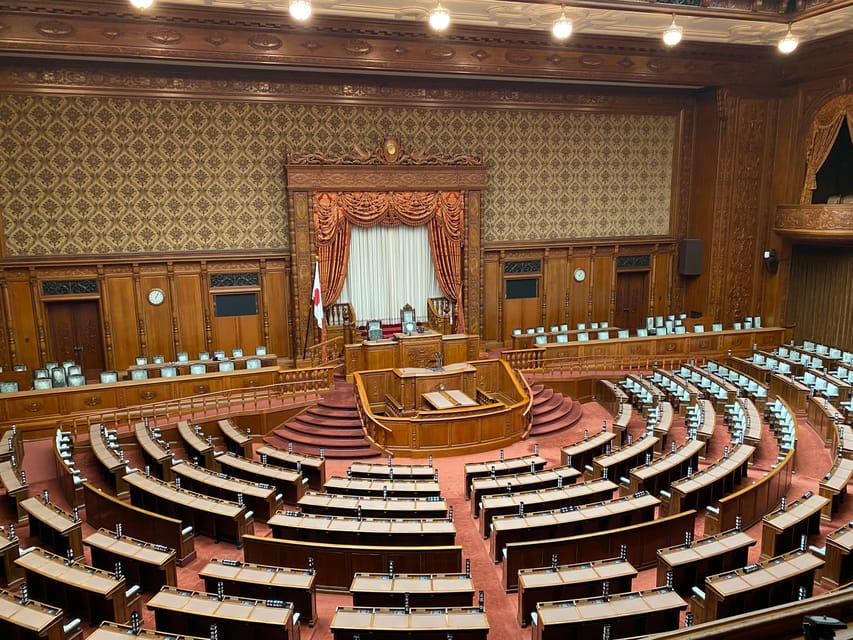
- Inside the National Diet Building for one hour
- Walking from politics to Hie Shrine
- Matcha and sweets at Dobashi-en
- What the guide adds to the experience
- Is $129 a fair price?
- Who should book this experience?
- FAQ
- How long does the tour last?
- Where does the tour begin?
- Where does the tour finish?
- Is the tour conducted in English?
- How large is the group?
- Is admission to the National Diet Building included?
- What is included at Dobashi-en?
- Should I bring cash?
- Should you book the Tameike tour?
Key points at a glance
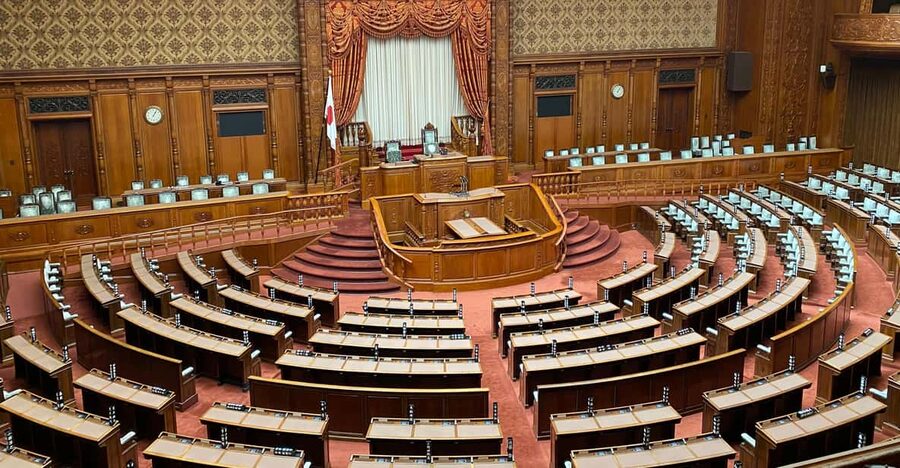
- See Japan’s National Diet Building from inside: The one-hour English tour covers its architecture, political history, chambers, and the work carried out there.
- Learn how Japanese government works: This is more than a building visit, with time for questions about voting procedures and the political system.
- Visit Hie Shrine’s monkey guardians: The shrine connects career success and matchmaking with monkey statues, charms, votive tablets, and a smaller group of torii gates.
- Finish with matcha at Dobashi-en: Traditional green tea, local sweets, and a souvenir tea gift make a pleasant final stop.
- Travel in a group of no more than five: The format favors conversation and lets the guide adjust explanations to your questions.
- Wear sensible shoes and carry cash: The Diet Building has stairs, and some shops may not accept cards.
Why this three-hour tour feels different
Tokyo offers plenty of famous temples, neon streets, and food tours. This experience takes you into a less obvious part of the city: the government district around Tameike. You get architecture, politics, Shinto customs, and tea in one compact outing.
I like that the subjects are connected by place. The National Diet Building is not presented as an isolated photo stop. You walk from there to Hie Shrine, a major religious site nearby, then continue to a long-established tea shop. The result is a short lesson in how public power, spiritual practice, and everyday tradition sit side by side in central Tokyo.
The small group matters here. With a maximum of five people, you can ask about subjects that often get skipped on large tours. Past guests have used that time to discuss Japanese government, domestic and global issues, social customs, and small details of daily life, including why public parks may have few or no trash cans.
That conversational style is one of the tour’s strongest features. If your guide is Megumi, you can expect particularly careful explanations and an open exchange of ideas. Her work is praised for making Japanese politics approachable rather than turning the tour into a formal lecture.
A few more options to weigh up in Tokyo
- Tokyo Disney Resort – Tokyo Disneyland & Tokyo DisneySea Park Tickets
★ 4.8 · 99,488 reviews - SHIBUYA SKY Ticket
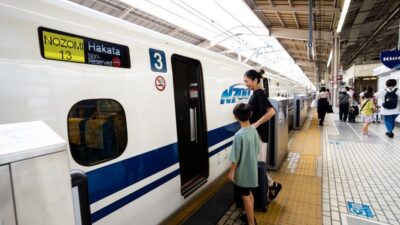
★ 4.7 · 46,509 reviews - JR Whole Japan Rail Pass
★ 4.8 · 29,150 reviews
Meeting at Kokkai-gijidōmae Station
Your starting point is Kokkai-gijidōmae Station, Exit 1. Look for a guide wearing a navy-blue happi, the traditional Japanese coat used here as a clear meeting signal.
From the station, it is about a five-minute walk to the National Diet Building. That short start is useful in Tokyo, where finding a guide in a large station can sometimes take longer than expected. Give yourself enough time to locate Exit 1 before the scheduled start.
The tour finishes at Akasaka-mitsuke Station after the tea stop. You are not returned to the original station, so check your plans for the rest of the day before booking. The end point is practical for continuing around Tokyo, but you should know where you are going next.
Inside the National Diet Building for one hour
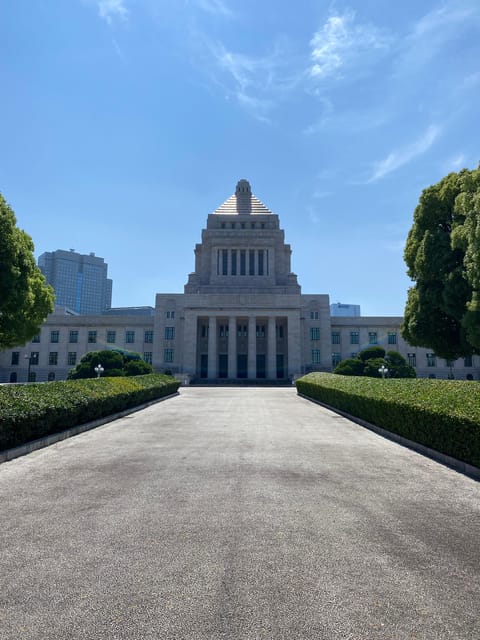
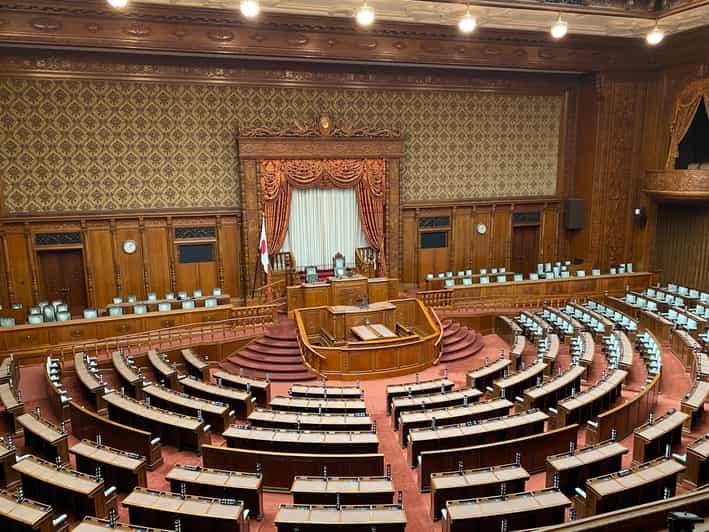
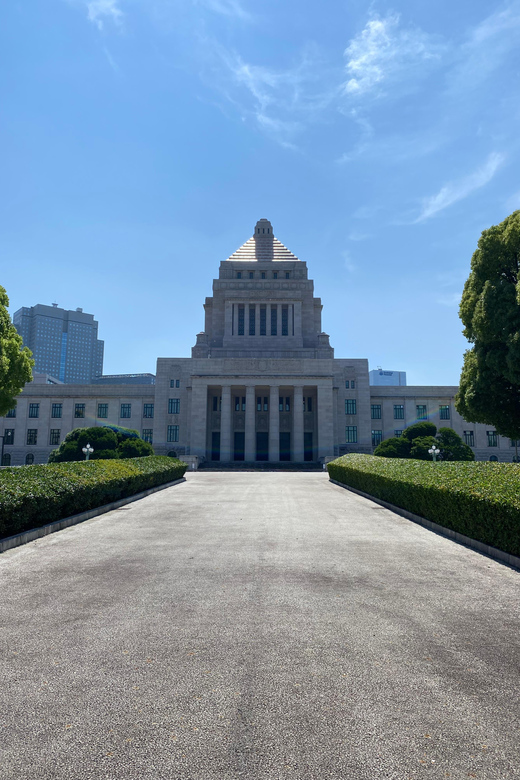
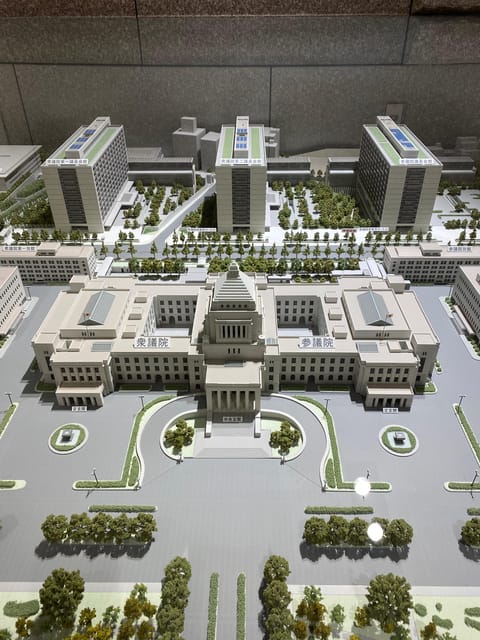
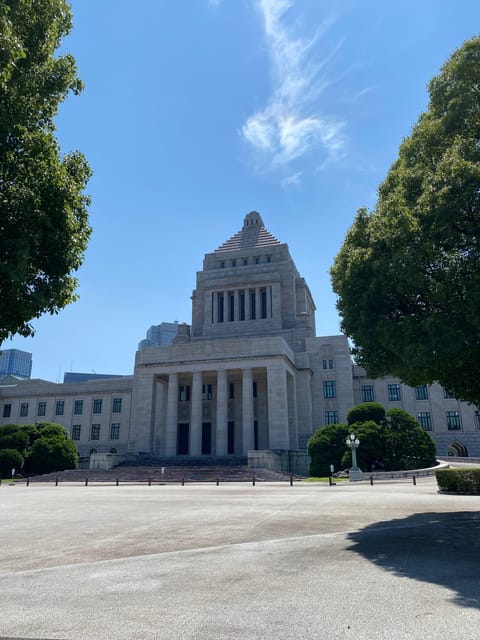
The National Diet Building is the serious center of this experience. Its formal architecture and political role give the tour a different tone from a standard sightseeing walk. You get an English-guided visit lasting about one hour, with entry included in the price.
Expect attention to the building’s design, its past, and the major political events linked to it. The tour also explains the chambers and gives you a closer look at where Japanese national politics takes place. The important value here is context. A building that might otherwise be just an imposing facade becomes easier to understand.
The strongest part for many people will be the chance to ask how the Japanese political process works. You can use the time to clarify voting procedures, government structure, and the practical work associated with the Diet. Several past participants found this personal question-and-answer time more useful than simply hearing prepared facts.
I would recommend this section to anyone who wants to understand modern Japan beyond its food, temples, and shopping. It is also useful if you have already visited Tokyo’s major sights and want a subject with more substance.
There are stairs inside the building, so comfortable shoes are essential. The supplied information does not give details about every route or access arrangement, so anyone with mobility concerns should ask the provider before reserving.
One point of balance: politics is not everyone’s favorite holiday topic. If you want a relaxed photo walk with little explanation, this may feel too focused. But if you are curious about how Japan is governed, the one-hour visit gives the tour a clear purpose.
Walking from politics to Hie Shrine
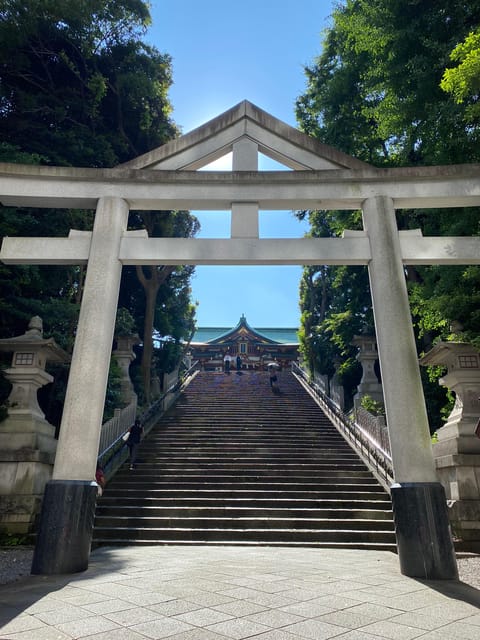
The walk from the Diet Building to Hie Shrine takes about 15 minutes. That transfer is short enough to be manageable, but it adds to the total time on your feet. You should plan for another 15-minute walk after the shrine before reaching the tea shop.
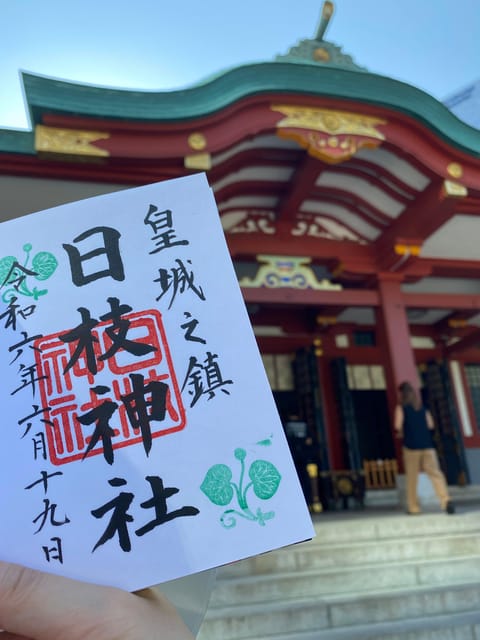
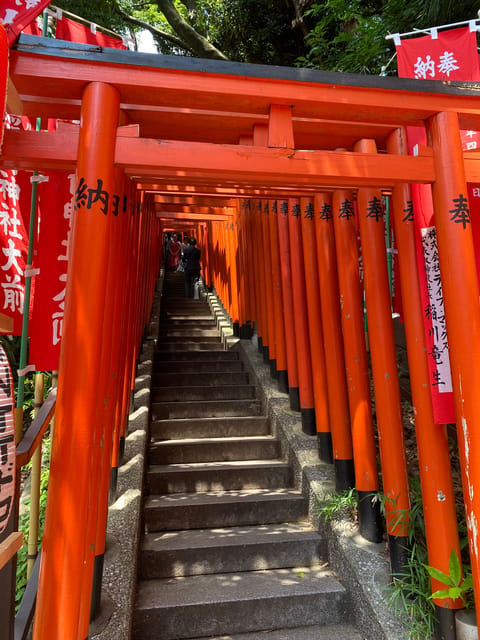
Hie Shrine offers a welcome change in mood. After the official setting of the Diet, you move into Shinto practice, with explanations about how to worship and what the site represents. The shrine is known as a power spot connected with career success and matchmaking, so the guide can place the visit in both religious and popular cultural context.
Look for monkey imagery at the gate and main hall. Monkey figures also appear on votive tablets and charms, giving this shrine a visual identity that differs from the better-known fox imagery at Fushimi Inari. The monkey connection is one of the details that makes the stop memorable.
The shrine also has a Thousand Torii Gates area. It recalls the famous passageways at Fushimi Inari Shrine in Kyoto, though this is a smaller Tokyo experience within a broader neighborhood tour. If you have visited Fushimi Inari, the comparison will be easy to spot. If you have not, this offers a compact introduction to the visual power of torii gates.
The guided portion lasts about 45 minutes. That is enough time to see the main features and learn basic Shinto customs without turning the shrine into a long religious lecture. The most useful part is the instruction on worship, since it helps you approach the site with more understanding and respect.
You may find the shrine especially appealing if you enjoy places that connect belief with everyday hopes. Career success and matchmaking are immediate, human concerns, and the monkey charms and votive tablets make those wishes visible.
A completely different kind of day out:
- Mt Fuji and Hakone 1-Day Bus Tour Return by Bullet Train
★ 5.0 · 26,383 reviews - TOKYO SKYTREE® Ticket
★ 4.7 · 25,136 reviews - teamLab Borderless Tickets: MORI Building DIGITAL ART MUSEUM
★ 4.7 · 24,126 reviews - teamLab Planets TOKYO Ticket
★ 4.7 · 21,663 reviews
Matcha and sweets at Dobashi-en
The final walk takes about 15 minutes and ends at Dobashi-en, a long-established green tea shop. Here you spend around 45 minutes with traditional matcha and Japanese sweets, plus a souvenir tea gift.
This is a smart ending. A walking tour about government and religion could feel heavy after several hours, but tea gives you time to sit, taste, and talk. The experience is not simply a snack break. It adds a familiar Japanese custom to the day and lets you finish at a gentler pace.
Matcha can be an acquired taste, especially if you are used to sweetened tea. The sweets provide a useful balance, and the setting offers a chance to ask more questions about Japanese food customs or daily life. The exact snack selection is not specified, so do not reserve this expecting a particular dessert.
The tea stop also helps explain the price. You are paying not only for transport between sights, but for an English-speaking guide, entry to the Diet Building, a traditional tea experience, and the tea gift. If you booked separate admission and a private guide, the total could add up quickly. Still, $129 is not a bargain-basement activity, so the value depends on how much you want the political explanation and personal conversation.
Some shops may not accept cards. Carry cash before the tour rather than assuming every purchase can be handled electronically. The tea and snack are included, but cash may still be useful for anything extra.
What the guide adds to the experience
The guide is the thread holding the three stops together. Without explanation, the Diet Building might be an impressive government structure, Hie Shrine a pleasant religious site, and Dobashi-en a tea break. With a strong guide, each place answers a different question about Japan.
Megumi is the guide most warmly praised in the available feedback. Her strengths are clear explanations, patience with questions, and the ability to move from formal politics to ordinary Japanese customs without losing the group. One-person departures have also created a more personal conversation, though the tour’s usual limit is five participants.
That small-group size is a real advantage for this subject. Politics often raises follow-up questions, and you may want to compare Japan’s system with your own country’s government. A group of five makes that possible without forcing everyone to wait through a long line of questions.
The experience is conducted in English. If you enjoy asking questions, say so early. The guide can then spend more time on the parts that matter to you, such as voting, political history, Shinto etiquette, or daily customs.
Of course, a good guide cannot guarantee that every departure will feel identical. The group’s interests, the available guide, and the day’s pace will shape the conversation. Book this if you value guided interpretation, not if you want a fixed show with every minute scripted.
Is $129 a fair price?
At $129 per person, this is best understood as a compact private-feeling cultural tour rather than a cheap sightseeing ticket. The group has no more than five participants, English guiding is included, Diet Building admission is covered, and the tea stop includes matcha, sweets, and a souvenir tea gift.
The strongest value comes from access and explanation. You could walk past government buildings and visit a shrine on your own for less, but you would lose the political context, the guided tour inside the Diet Building, and the chance to ask a local guide how the system works.
The price may not suit a budget-focused visitor who only wants Tokyo’s headline sights. It makes more sense for someone who has already seen the major districts, or for a first-time visitor who wants one focused morning or afternoon with real conversation.
The three-hour length is also useful. It fits neatly into a Tokyo schedule without taking an entire day. You finish at Akasaka-mitsuke Station, leaving room for another plan, though your legs may appreciate a slower afternoon after the stairs and walking.
The booking terms add flexibility. You can cancel up to 24 hours before the tour for a full refund, and you can reserve now while paying later. Starting times vary, so check availability for your chosen date.
Who should book this experience?
I would choose this tour if you are curious about Japan’s political system and want more than surface-level sightseeing. It suits adults, students, politically minded visitors, and anyone who enjoys asking questions about how a country works.
It is also a good match for people interested in cultural contrasts. The schedule moves from national government to Shinto practice to green tea, all within a small area of Tokyo. That combination feels more purposeful than a random list of attractions.
You should think twice if stairs are difficult, if you dislike walking, or if you want a food-heavy experience. The tea and sweets are a pleasant finale, but this is not a full meal or a broad tasting tour.
I would also avoid booking if you are not feeling well on the day. The tour includes walking, stairs, and time spent moving between three stops.
FAQ
How long does the tour last?
The experience lasts three hours, including the National Diet Building, Hie Shrine, walking between stops, and the tea visit.
Where does the tour begin?
It begins at Kokkai-gijidōmae Station, Exit 1. A guide wearing a navy-blue happi coat will be waiting there.
Where does the tour finish?
The tour finishes at Akasaka-mitsuke Station after the visit to Dobashi-en.
Is the tour conducted in English?
Yes. The tour includes a live English-speaking guide.
How large is the group?
The tour is limited to five participants.
Is admission to the National Diet Building included?
Yes. Entry to the National Diet Building is included.
What is included at Dobashi-en?
The tea stop includes traditional matcha, sweets, and a souvenir tea gift.
Should I bring cash?
Yes. Some shops may not accept cards, so it is wise to carry cash in advance.
Should you book the Tameike tour?
Book it if you want to understand Japan through its institutions, customs, and everyday traditions rather than only through famous sights. The National Diet Building gives the tour its purpose, Hie Shrine adds spiritual and visual interest, and Dobashi-en provides a calm finish.
At $129, it is a considered purchase, not an automatic bargain. I think the price is justified for a small group, English guidance, Diet Building entry, and the chance to ask detailed questions. If Japanese politics holds no interest for you, choose another Tokyo outing. If it does, this is a focused and unusually personal way to spend three hours.
Just added in Tokyo
- A One-of-a-Kind Sushi Experience in a Special Place of Japan★ 5.0 · 15 reviews
- Tokyo Cute Bento Cooking Class – Make a Kawaii Character Lunchbox★ 5.0 · 126 reviews
- Japanese Home Cooking Class & Walk in Todoroki Temple Tokyo★ 5.0 · 88 reviews
- Japan Tokyo Tower Observatory Deck E-Ticket★ 4.0 · 34 reviews
- Catch a Baseball Game in Tokyo with a Local – Tickets Included★ 5.0 · 24 reviews
- JDM Experience with Fast&Furious RX-7 (English speaking Driver)★ 5.0 · 57 reviews
- Tokyo Private Day Tour by Car with English speaking Driver Guide★ 4.0 · 29 reviews
- Japan Classic 10 Day – One Life Adventures★ 5.0 · 129 reviews
Tokyo Tours, compared.
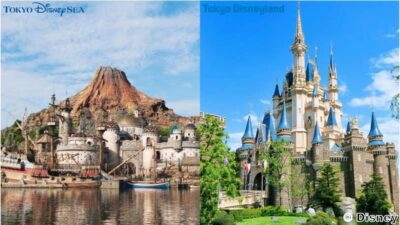
Tokyo Disney Resort – Tokyo Disneyland & Tokyo DisneySea Park Tickets
Read our review →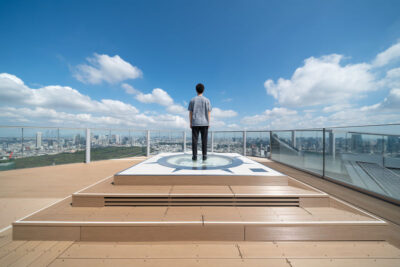
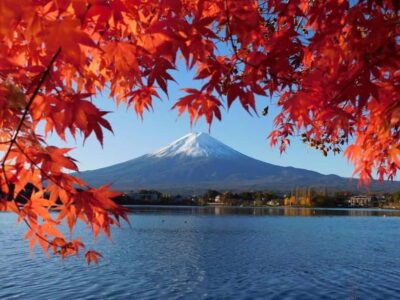
Mt Fuji and Hakone 1-Day Bus Tour Return by Bullet Train
Read our review →

teamLab Borderless Tickets: MORI Building DIGITAL ART MUSEUM
Read our review →