Reviewed · TOKYO TOURS
Tokio A: Tour de la ciudad en Español – Spanish
Tokyo reveals itself one neighborhood at a time. This eight-hour Spanish-language tour links old Asakusa, peaceful Ueno, the lively Ameyoko market, and neon-lit Shinjuku. I especially like the close, friendly guiding style and the useful advice you receive for the rest of your Japan trip. Guides such as Nikita, Camila, and Emi have been praised for their kindness, clear explanations, flexibility, and practical tips.
The main drawback is the pace: eight hours on foot and public transport is a full day, not a gentle outing. You also pay about 400 yen for transportation, while lunch and drinks are separate. The route is wheelchair accessible, but it is not suitable for people with hearing impairments or unaccompanied minors.
In This Review
- Key points about this Spanish Tokyo tour
- Why this route works for a first day in Tokyo
- Meeting your guide in Asakusa
- Sensō-ji: Tokyo’s traditional opening scene
- Ueno Park and the 80-minute lunch break
- Ameyoko market: a less polished side of Tokyo
- Shinjuku and the city viewpoint
- Kabukichō and Golden Gai after dark
- What the $96 price really covers
- How the guides shape the experience
- Who should book this tour?
- My verdict on this Spanish-language Tokyo day
- FAQ
- Is this Tokyo tour conducted in Spanish?
- How long does the tour last?
- Where does the tour meet?
- Is hotel pickup available?
- Are transportation and lunch included?
- What happens if the Shinjuku viewpoint is closed?
Key points about this Spanish Tokyo tour
- A true old-to-new Tokyo route: Begin at Sensō-ji in traditional Asakusa, then finish among the signs and nightlife of Kabukichō.
- Spanish guidance throughout: You can ask questions, discuss local customs, and receive advice without managing a language gap.
- Strong guide support: Nikita, Camila, and Emi have been praised for being warm, attentive, informative, and flexible.
- A useful city orientation: The route introduces temples, parks, shopping streets, markets, viewpoints, restaurants, bars, and nightlife in one day.
- Public transportation is part of the experience: Expect subway and train rides, with around 400 yen payable separately.
- Flexible booking choices: You can select a shared or private format, add hotel pickup, and cancel up to 24 hours ahead for a full refund.
Why this route works for a first day in Tokyo
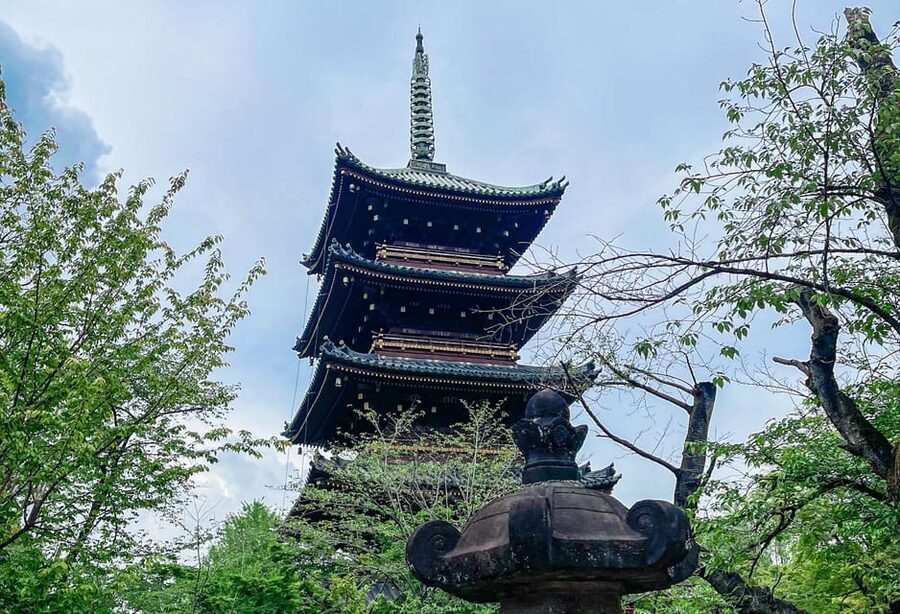
Tokyo can feel like several cities stitched together. One block may hold a centuries-old temple, while the next has a train station, a shopping arcade, or a tower of glowing signs. This tour makes that contrast the central idea rather than leaving you to piece it together alone.
You spend the day moving through four very different districts. Asakusa gives you tradition and religious architecture. Ueno adds open space, museums, and a local market district. Shinjuku brings high-rise Tokyo and a city viewpoint. Kabukichō finishes with nightlife, karaoke bars, restaurants, gaming stores, and the narrow lanes of Golden Gai.
I find that order sensible. It starts with the easiest cultural introduction and gradually moves toward Tokyo’s louder, more modern side. By the end, you have seen a broad slice of the city without wasting time deciding which train line to take next.
The Spanish language is the real value here. A guide can explain what you are looking at, but the better guides also help you understand how each place fits into daily life. The warm feedback for Nikita, Camila, and Emi suggests that personal attention is a major part of the experience. Camila was praised for sharing many tips, while Emi was noted for planning flexibly and giving excellent explanations.
A few more options to weigh up in Tokyo
- Tokyo Disney Resort – Tokyo Disneyland & Tokyo DisneySea Park Tickets
★ 4.8 · 99,488 reviews - SHIBUYA SKY Ticket
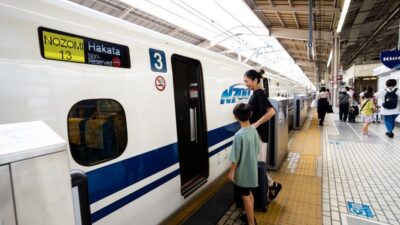
★ 4.7 · 46,509 reviews - JR Whole Japan Rail Pass
★ 4.8 · 29,150 reviews
Meeting your guide in Asakusa
The standard meeting point is in front of the entrance to the Asakusa Tourist and Cultural Information Center. Look for a guide wearing identification marked NIPONEANDO.
That detail matters in a crowded district. Asakusa is a major sightseeing area, and a clear sign saves time and confusion. If you select the private tour or pay for the hotel pickup option, the guide can meet you at your hotel. Pickup still uses public transportation, so it is not a private car transfer.
The starting time depends on the option you choose. A private tour can begin at 9:00 if you add the earlier start, in which case it finishes at 17:00. Check the exact start time when booking, since the eight-hour schedule is not fixed to one universal departure.
Bring only what you need for the day. Large bags and luggage are not allowed. Comfortable shoes are a smart choice because this route includes guided walking, station transfers, and several hours outside.
Sensō-ji: Tokyo’s traditional opening scene
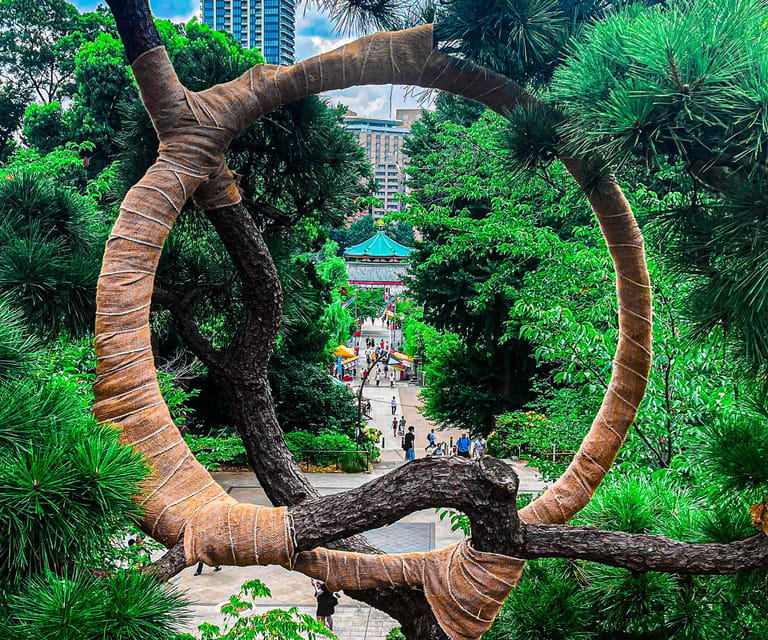
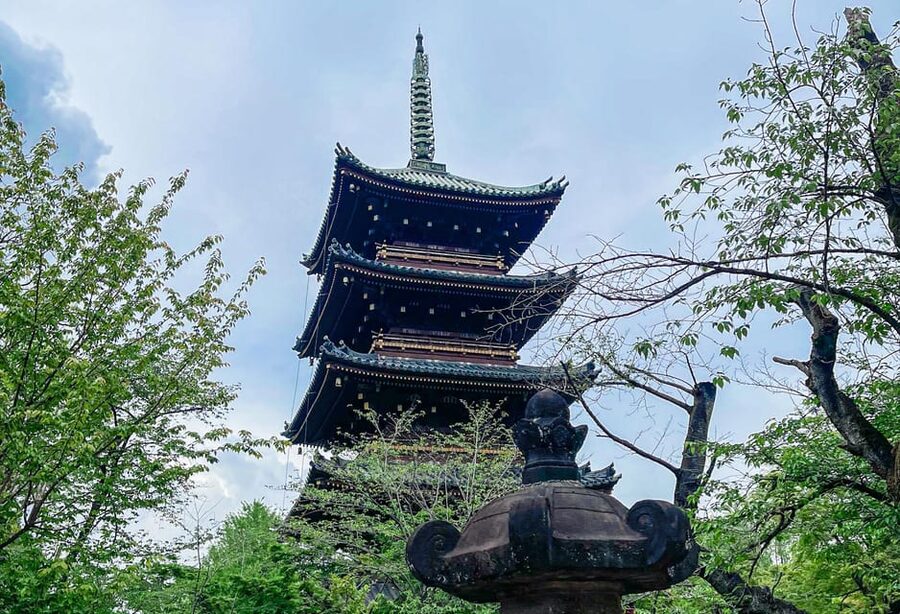
The first stop is Sensō-ji, with about two hours devoted to a guided visit. This gives you enough time to see more than the main gate and take a few photographs.
Asakusa is one of the best places in Tokyo to begin because it offers a clear sense of the city’s traditional side. The temple precinct is famous, easy to reach, and visually different from the districts later in the day. Your guide can help put the buildings, customs, and surrounding neighborhood into context in Spanish.
Two hours is generous compared with a quick photo stop. You should have time to look carefully, listen to the explanation, and ask questions. It also gives the guide room to adjust the pace for a private group or for people who want more cultural detail.
The tradeoff is that Sensō-ji is one of Tokyo’s most popular sights. It can feel crowded, particularly around the main approach and temple grounds. A guide will not remove the crowds, but can help you make better use of the visit and avoid treating the temple as just another picture stop.
This is also a useful moment to ask about etiquette. Japan’s temples are active religious places, not simply monuments. The value of the stop comes from learning how to behave respectfully as well as learning what you are seeing.
Ueno Park and the 80-minute lunch break
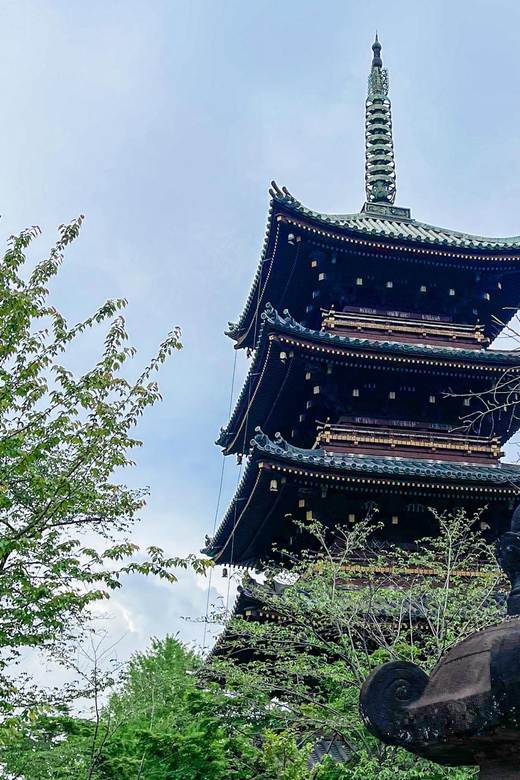
After Asakusa, the group takes the subway for about 10 minutes to Ueno. Transportation is not included, and the stated cost is about 400 yen for the tour’s public transit. Keep some yen ready so this small payment does not slow the group down.
Ueno Park receives about 90 minutes of guided attention. The park gives the day a change of rhythm after the temple district. Instead of dense streets and temple buildings, you get a major public park and one of Tokyo’s best-known areas for culture and leisure.
The supplied information does not specify which parts of Ueno Park you will visit, so do not expect a fixed list of museums or monuments. The guide may shape the walk around the day’s conditions and the interests of your group. That flexibility can be useful, especially on a private booking.
Lunch follows in Ueno and lasts about 80 minutes. Food is not included, so budget separately for the meal and drinks. An 80-minute break is long enough to eat without rushing, but your choice of restaurant may depend on the group and guide rather than a prepaid set menu.
I like having lunch in the middle of the route. You can rest, ask for food recommendations, and prepare for the afternoon. Still, anyone hoping for a food tour should adjust expectations. This is a sightseeing day with a lunch break, not a dedicated culinary excursion.
A completely different kind of day out:
- Mt Fuji and Hakone 1-Day Bus Tour Return by Bullet Train
★ 5.0 · 26,383 reviews - TOKYO SKYTREE® Ticket
★ 4.7 · 25,136 reviews - teamLab Borderless Tickets: MORI Building DIGITAL ART MUSEUM
★ 4.7 · 24,126 reviews - teamLab Planets TOKYO Ticket
★ 4.7 · 21,663 reviews
Ameyoko market: a less polished side of Tokyo
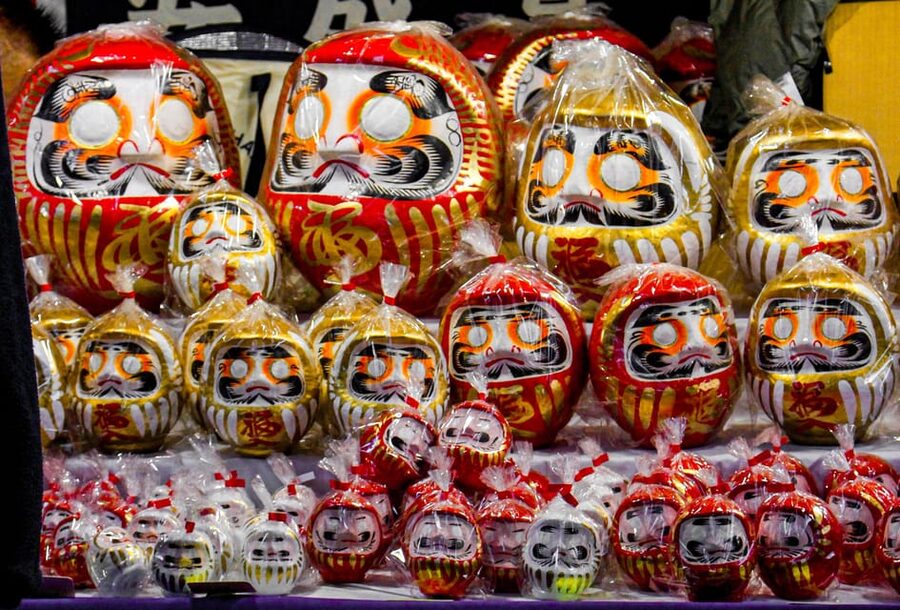
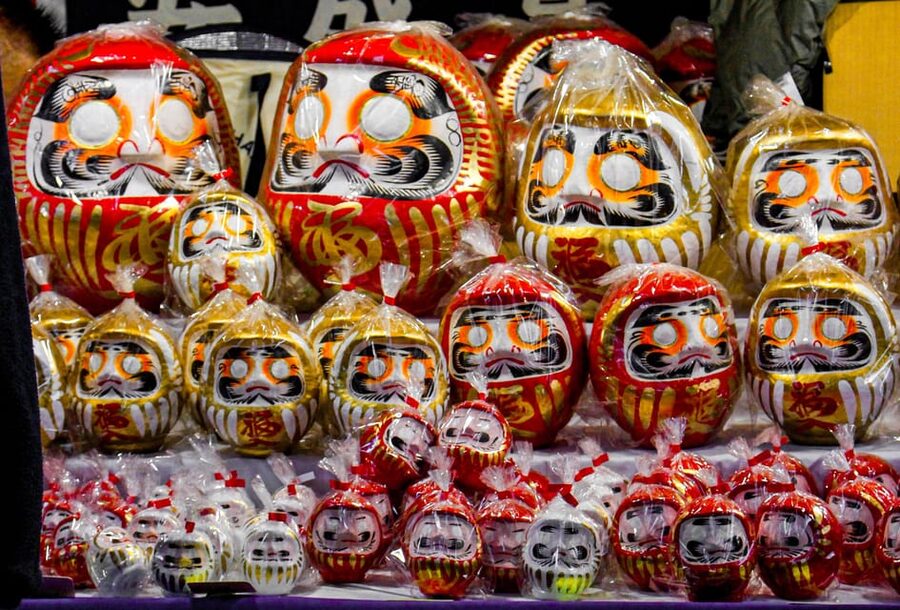
After lunch, the route visits Ameyoko, described as an atypical market. This is a useful counterpoint to the formal beauty of Sensō-ji and the ordered feel of Tokyo’s major commercial districts.
Markets show a more practical side of a city. You might find shops, food counters, and everyday commerce packed into a lively urban setting. The point is not only to buy something. It is to see how Tokyo handles trade, crowds, and street-level activity outside the polished department stores.
The information does not give a separate time allocation for Ameyoko, so the exact length of this part may vary within the Ueno portion of the day. If you want to purchase snacks or small gifts, ask your guide about good uses of your time. You will need to pay for anything you buy.
This stop also helps break up the day. Tokyo is not only temples and viewpoints. Ameyoko adds texture and gives you a chance to see a more informal market atmosphere before the route moves toward Shinjuku.
Shinjuku and the city viewpoint
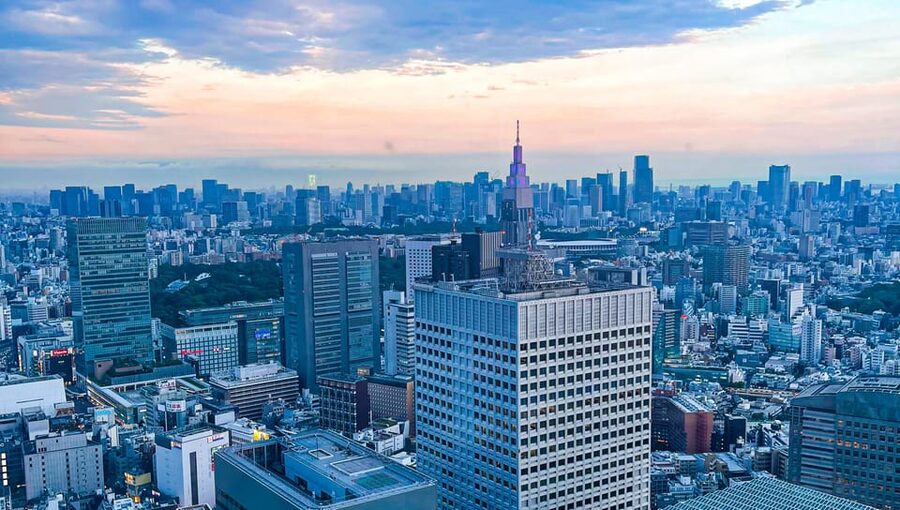
A train ride of about 25 minutes brings you to Shinjuku. The district receives roughly 90 minutes of guided time, including a visit to one of Tokyo’s best viewpoints.
The viewpoint is a major payoff for the day. After seeing Tokyo from street level, you get a wider sense of its size and dense urban form. It is the place to pause, take photographs, and understand how dramatically the city changes from the temple quarter.
There is one important condition. If the planned Shinjuku viewpoint is closed for reasons outside the operator’s control, the visit may shift to the Ebisu viewpoint. That is a sensible backup, but it means you should not treat one exact observation deck as guaranteed.
A viewpoint visit can also be weather-sensitive in practical terms, even though no specific weather policy is given. The guide can still explain the city and keep the route moving if visibility or access affects the stop. The strongest value here is not only the view, but having a Spanish-speaking guide connect the skyline to the districts you have already visited.
The 25-minute train ride is part of the day’s rhythm. You are not sealed inside a tour vehicle. You use Tokyo’s public transport, which gives you a small lesson in moving around the city. It also means you should stay near your guide, follow station instructions, and be ready to walk between platforms and streets.
Kabukichō and Golden Gai after dark
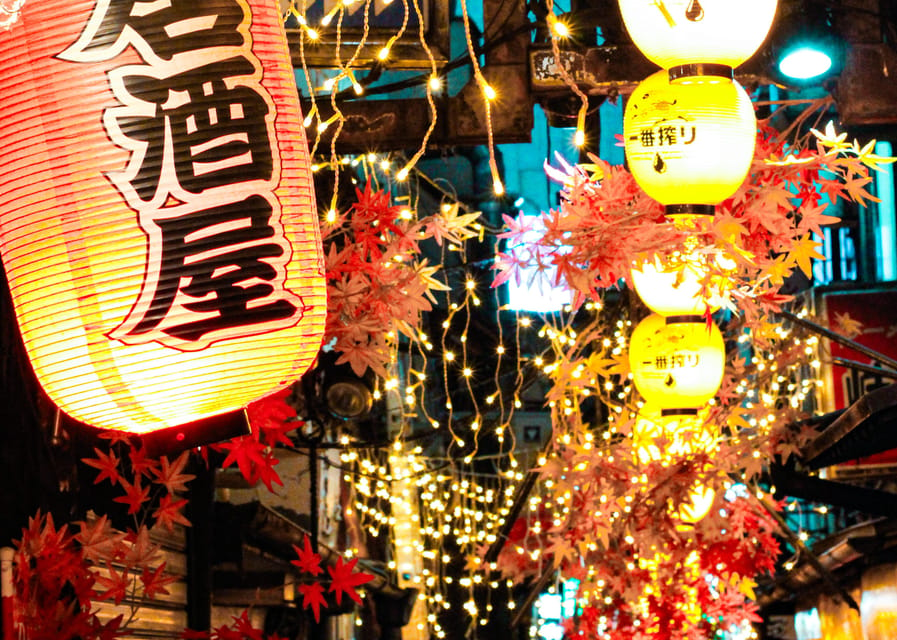
The final district is Kabukichō, with about 50 minutes of guided walking and a finish at Kabukichō Theater. A short 10-minute walk connects this section with the preceding Shinjuku visit.
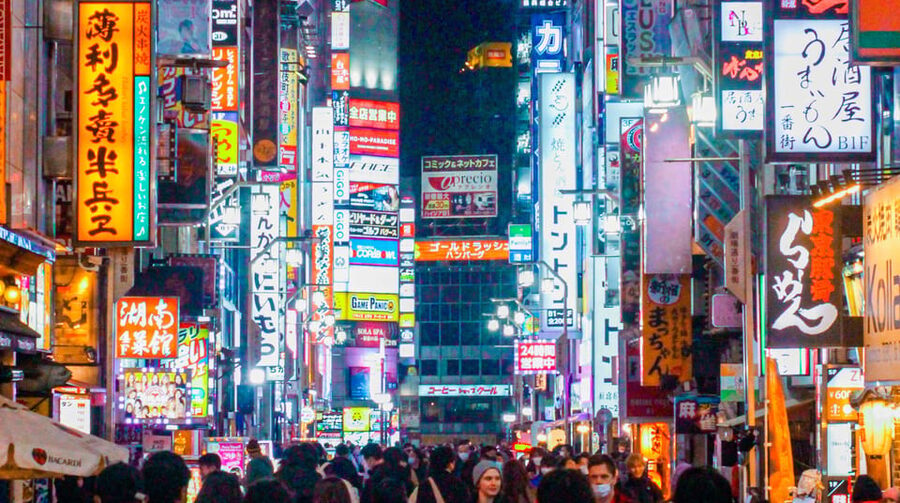
Kabukichō is known for nightlife, bright signs, karaoke bars, restaurants, gaming stores, and its reputation as Tokyo’s red-light district. The nearby Golden Gai area adds narrow lanes filled with small bars and nighttime character.
This is an especially effective ending because it gives you a very different Tokyo from the one you saw in the morning. Sensō-ji represents ceremony and tradition. Kabukichō is all electric color, entertainment, and late-day energy. The contrast is the tour’s main theme, and here it becomes impossible to miss.
The 50-minute visit is enough for an introduction, but not a full night out. The tour ends at Kabukichō Theater, so you can continue exploring afterward if you want. The operator promises advice and recommendations for the rest of your trip, and this is a good moment to ask about restaurants, karaoke, bars, or other evening plans.
Use ordinary city awareness here. Stay with the group during the guided portion, keep valuables secure, and remember that the district’s nightlife can be more adult-oriented than the morning stops. The tour introduces the area; it does not include drinks, dinner, or a nightlife package.
What the $96 price really covers
At $96 per person, this is not the cheapest way to walk through Tokyo. You pay extra for a full eight hours, a Spanish-speaking guide, route planning, and the ability to ask questions throughout the day.
The value improves if you are visiting Tokyo for the first time, speak Spanish most comfortably, or want cultural context rather than a list of addresses. The route covers several districts that would take more planning to connect on your own. You also receive tips for continuing your trip, which can help beyond the tour itself.
The price does not include public transportation, listed at about 400 yen, or food and drinks. Those costs are modest compared with the tour price, but you should know the total is not all-inclusive. Hotel pickup costs extra unless you choose the private tour option.
A private group is available. That option makes more sense if you want a flexible pace, have family needs, or prefer to ask many questions. The shared format should suit you if you mainly want structure and Spanish guidance at a lower total cost than arranging a fully private day.
How the guides shape the experience
The strongest pattern in the feedback is not a particular monument. It is the guides’ personal approach.
Nikita was praised for being kind, attentive, polite, and ready to help, while also making the route interesting and easy to follow. Camila received praise as a great host and for giving many practical tips. Emi was noted for meeting a group at its hotel, planning flexibly, and explaining the sights very well.
Those details matter because an eight-hour city tour can become tiring if the guide simply marches from stop to stop. A friendly guide can adjust explanations, answer questions, and help you make decisions for the rest of your stay. That is especially useful when the day covers religious sites, public parks, markets, viewpoints, and nightlife in one sweep.
The high overall rating of 4.9 from 64 ratings supports the idea that guide quality is central to the experience. Still, a rating cannot promise that every guide will match your personality or interests. If you have a strong preference for temples, shopping, food, photography, or nightlife, say so early and ask how much the route can bend around your priorities.
Who should book this tour?
I would recommend this tour to a first-time Tokyo visitor who wants a broad introduction in Spanish. It is also a good fit if you want help using the subway and train system without spending your first day decoding routes alone.
You will get the most from it if you enjoy a full schedule and want to see contrasts. The day moves from a major temple to a park, market, viewpoint, and nightlife district. That variety is the strength, but it also means the route does not linger deeply in one neighborhood.
Families should note that unaccompanied minors are not allowed. The tour is wheelchair accessible, but public transportation and walking are built into the day, so confirm that the exact pace and transfers work for your needs before booking.
People with hearing impairments should choose another experience because this tour is listed as unsuitable for them. Anyone carrying luggage or large bags will also need to leave those items elsewhere before joining.
Cancellation is flexible up to 24 hours before departure for a full refund, and reserve-now-pay-later booking is available. Check the chosen option carefully for its start time, pickup arrangement, and private or shared format.
My verdict on this Spanish-language Tokyo day
Book this tour if you want a friendly Spanish-speaking guide to connect Tokyo’s traditional and modern sides in one well-planned day. The best reasons are the broad route, the practical advice, and the guide attention praised in connection with Nikita, Camila, and Emi.
Skip it if you prefer to move slowly, choose your own restaurants, or spend an entire day in one district. The schedule is long, transportation and meals cost extra, and popular areas can be crowded.
For the right person, $96 buys more than sightseeing. You get a city orientation, cultural explanations, public transit practice, and a useful starting point for the rest of your time in Japan.
FAQ
Is this Tokyo tour conducted in Spanish?
Yes. The live guide language is Spanish, and the tour is specifically designed for Spanish-speaking visitors.
How long does the tour last?
The tour lasts eight hours. A private option that begins at 9:00 finishes at 17:00.
Where does the tour meet?
The standard meeting point is in front of the entrance to the Asakusa Tourist and Cultural Information Center. Look for identification marked NIPONEANDO.
Is hotel pickup available?
Yes. Hotel pickup is available if you add the supplement or select the private tour option. Pickup takes place using public transportation.
Are transportation and lunch included?
No. Public transportation costs about 400 yen, and food and drinks are not included.
What happens if the Shinjuku viewpoint is closed?
The viewpoint may be changed to the Ebisu viewpoint if the planned Shinjuku viewpoint is closed for reasons outside the operator’s control.
Just added in Tokyo
- A One-of-a-Kind Sushi Experience in a Special Place of Japan★ 5.0 · 15 reviews
- Tokyo Cute Bento Cooking Class – Make a Kawaii Character Lunchbox★ 5.0 · 126 reviews
- Japanese Home Cooking Class & Walk in Todoroki Temple Tokyo★ 5.0 · 88 reviews
- Japan Tokyo Tower Observatory Deck E-Ticket★ 4.0 · 34 reviews
- Catch a Baseball Game in Tokyo with a Local – Tickets Included★ 5.0 · 24 reviews
- Japan Classic 10 Day – One Life Adventures★ 5.0 · 129 reviews
- JDM Experience with Fast&Furious RX-7 (English speaking Driver)★ 5.0 · 57 reviews
- Tokyo Private Day Tour by Car with English speaking Driver Guide★ 4.0 · 29 reviews
Tokyo Tours, compared.
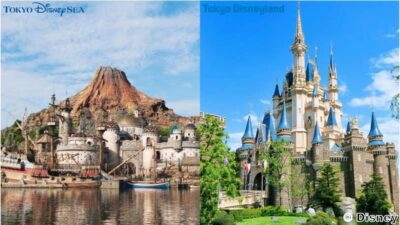
Tokyo Disney Resort – Tokyo Disneyland & Tokyo DisneySea Park Tickets
Read our review →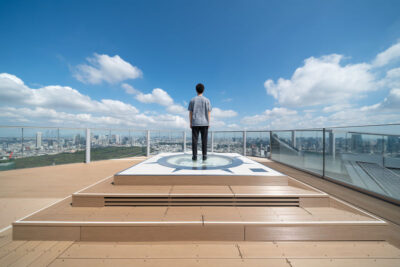
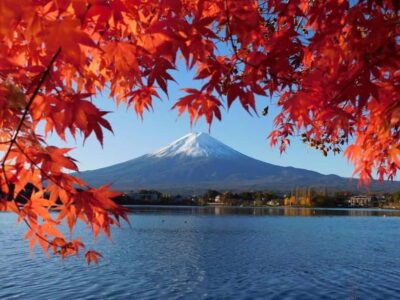
Mt Fuji and Hakone 1-Day Bus Tour Return by Bullet Train
Read our review →

teamLab Borderless Tickets: MORI Building DIGITAL ART MUSEUM
Read our review →