
Reviewed · FOOD TOURS
Tokyo: 3-Hour Food Tour of Shinbashi at Night
Tokyo eats best after dark. This three-hour tour leads you through Shinbashi’s old-school backstreets, where office workers gather for food and drinks after work. I like the focus on local pub culture, and I like that the small group, capped at 10 people, lets the guide keep the evening friendly and practical. The main consideration is price: at $170 per person, you are paying for guidance, tastings, and access to several stops rather than simply buying dinner.
The evening includes ramen, Wagyu, regional sake, and a traditional dessert, with a local English-speaking guide explaining what you are eating and how the neighborhood works. You should also expect smoking in many parts of Shinbashi, a fair amount of walking, and a strict meeting-time rule. Guides such as Ray, Francois, Tommy, Yappy, and Marc have earned especially warm praise for their food knowledge, humor, and useful Tokyo advice.
In This Review
- Key things to know before you book
- Why Shinbashi makes a good food-tour setting
- Starting at the steam engine near Shinbashi Station
- Following the backstreets into local pub culture
- Ramen, Wagyu, and the value of a multi-stop meal
- Learning to like sake, one tasting at a time
- Ending with dessert and the option of karaoke
- What the guides add to the evening
- Who will get the most from this Shinbashi night tour?
- Practical details that affect your decision
- Should you book the Shinbashi food tour?
- FAQ
- How long does the Shinbashi food tour last?
- How much does the tour cost?
- What food and drink are included?
- Where does the tour meet?
- What happens if I arrive late?
- Is the tour available in English?
- Can anyone under 20 join?
Key things to know before you book
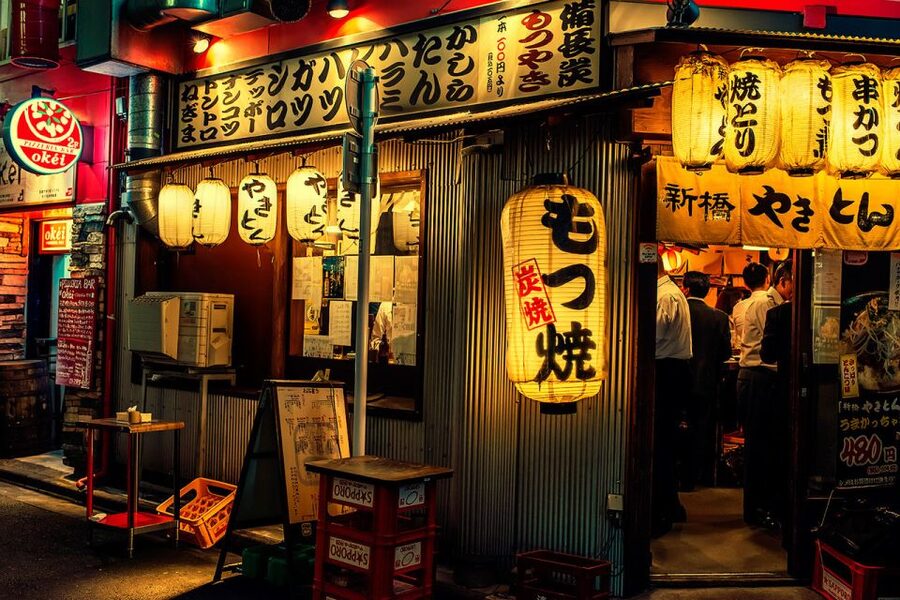
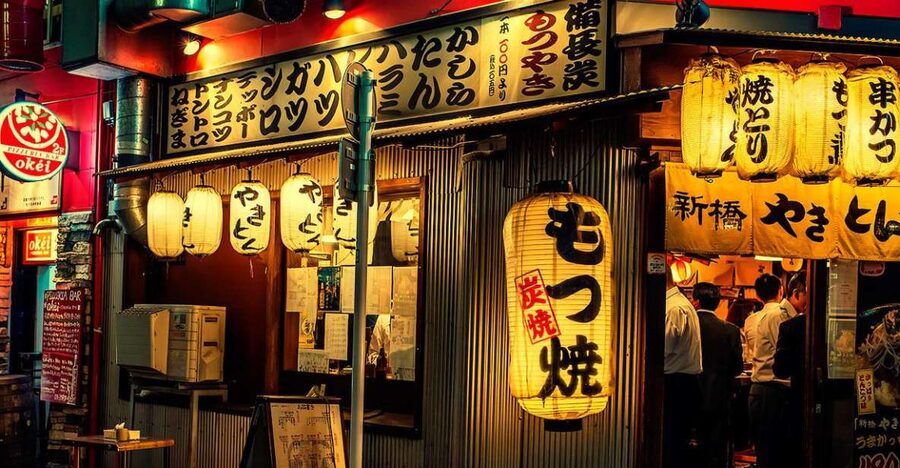
- Shinbashi after work: You eat in a district shaped by Japan’s office culture, not a purpose-built sightseeing zone.
- Several food stops: The evening moves between local dishes, ramen, seared Wagyu, sake, and dessert rather than staying in one restaurant.
- Small group of 10 or fewer: This makes it easier to ask questions and follow the guide through narrow backstreets.
- Regional sake tasting: You get a guided introduction to different flavors of Japanese sake, also called nihonshu.
- Adult-only evening: The minimum age is 20, and you need a passport or ID card.
- Meeting point matters: Find the decommissioned steam engine at the Hibiya exit of Shinbashi Station before the start time.
Why Shinbashi makes a good food-tour setting
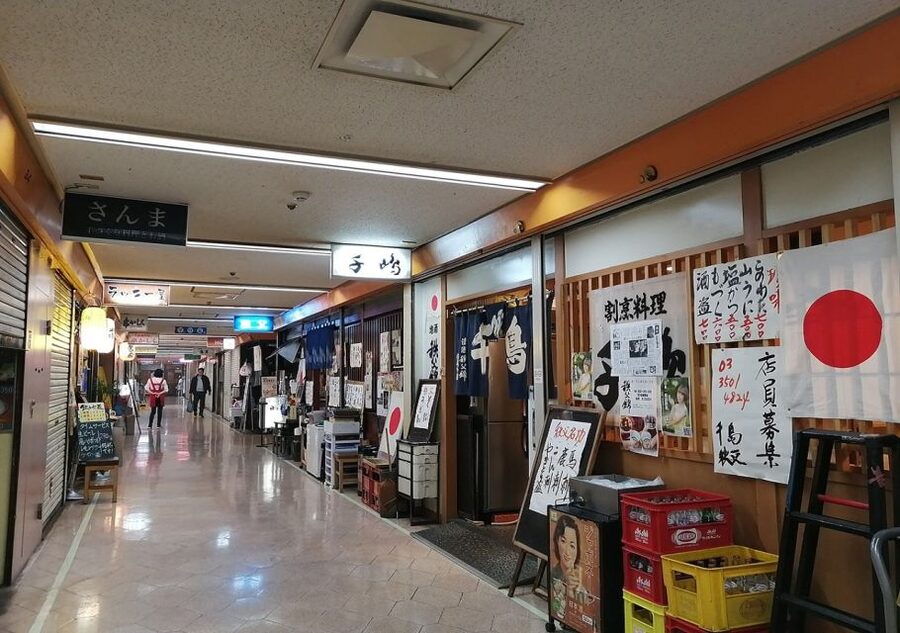
Shinbashi is a useful counterpoint to Tokyo’s polished shopping districts. Its identity comes from the people who work nearby and stop for a meal or drink before heading home. At night, the area becomes a place for after-work conversation, quick dinners, small bars, and old-fashioned neighborhood eating.
That setting gives the tour a clear purpose. You are not just checking off Japanese dishes. You are seeing where ordinary working life and food meet. The guide helps explain the customs around entering a pub, ordering, eating, and thanking staff, details that are easy to miss when you walk into a restaurant on your own.
I especially like the backstreet focus. Shinbashi’s larger roads are easy enough to find, but the smaller lanes and local establishments can be harder to approach if you do not read Japanese or understand the dining customs. A guide provides a bridge without turning the evening into a lecture.
The area is also practical for an evening outing because the meeting point is at Shinbashi Station. Still, Tokyo stations can be confusing, so give yourself extra time to locate the Hibiya exit and the steam engine. The guide can wait only five minutes after the scheduled start. Once the group leaves, the guide cannot give directions by phone.
More Food Tours in Tokyo
- Tokyo: Shinjuku Food Tour (13 Dishes at 4 Local Eateries)
★ 5.0 · 6,603 reviews - Tokyo: Shinjuku Food Tour (15 Dishes and 4 Eateries)
★ 4.9 · 2,033 reviews - Best of Shinjuku: Izakaya Food Tour (4 Stops, 14+ Tastings)
★ 5.0 · 1,863 reviews
Starting at the steam engine near Shinbashi Station
The tour begins in front of the decommissioned steam engine at the Hibiya exit of Shinbashi Station. This is a precise and memorable meeting point, but only if you arrive at the correct exit. Shinbashi Station has several entrances and connects with major rail lines, so do not treat the station name as enough information.
You will want comfortable walking shoes. The tour lasts three hours and moves between food stops, so this is not a sit-down dinner in one place. The walking is part of the experience, especially as the group shifts from the main station area into narrower streets.
The five-minute waiting limit is worth taking seriously. It protects the group’s reservations and the restaurants’ schedules, but it leaves little room for a wrong turn. I would arrive at least 15 minutes early, especially if Shinbashi is new to you.
Following the backstreets into local pub culture
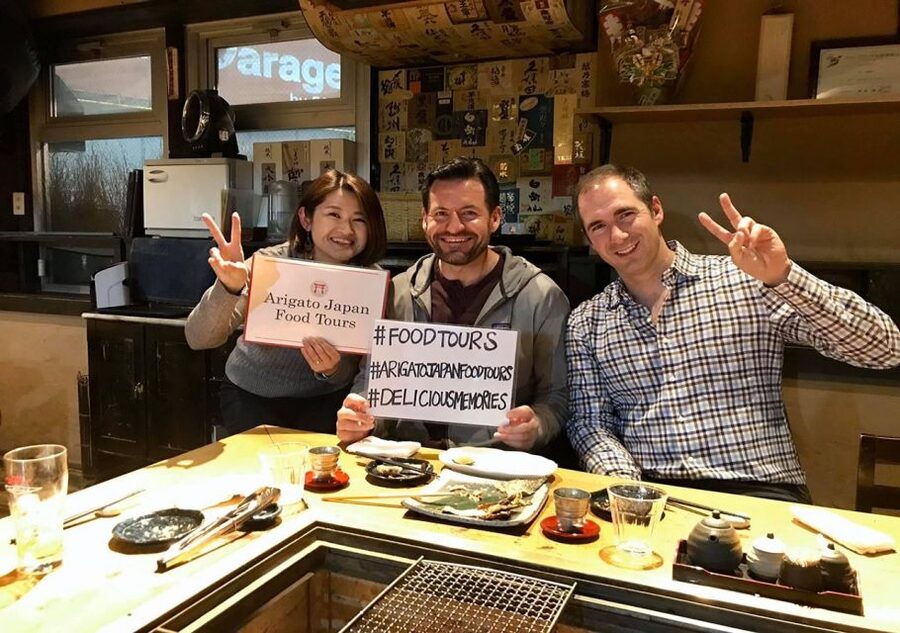
The first major pleasure is the neighborhood walk. Your guide takes you away from the most obvious tourist routes and points out places where office workers unwind after a long day. You get a look at the social side of Japanese dining, where eating and drinking can be as much about conversation and routine as about the food itself.
The tour is limited to 10 participants, which matters here. Small lanes and compact restaurants are easier to manage with a small group than with a large crowd. You can also ask about menus, ingredients, manners, and the neighborhood without having to compete with 30 other people.
The guide’s role is important. Past guides have included Ray, Francois, Tommy, Yappy, Marc, Yoko, Ryan, Anne, and others. Their styles may differ, but the strongest feedback points to guides who explain food and bar customs clearly, keep the evening relaxed, and offer useful suggestions for the rest of a Tokyo stay.
Ray, for example, used visual aids to show how to bless a meal and thank restaurant staff when leaving. That kind of detail is small but useful. It gives you a respectful way to take part instead of worrying that you are missing an unspoken rule.
Smoking is common in many areas of Shinbashi. If cigarette smoke bothers you, this is not a minor point. The neighborhood’s old-style pub atmosphere comes with habits that may feel less comfortable than the smoke-free dining areas found elsewhere in Tokyo.
Ramen, Wagyu, and the value of a multi-stop meal
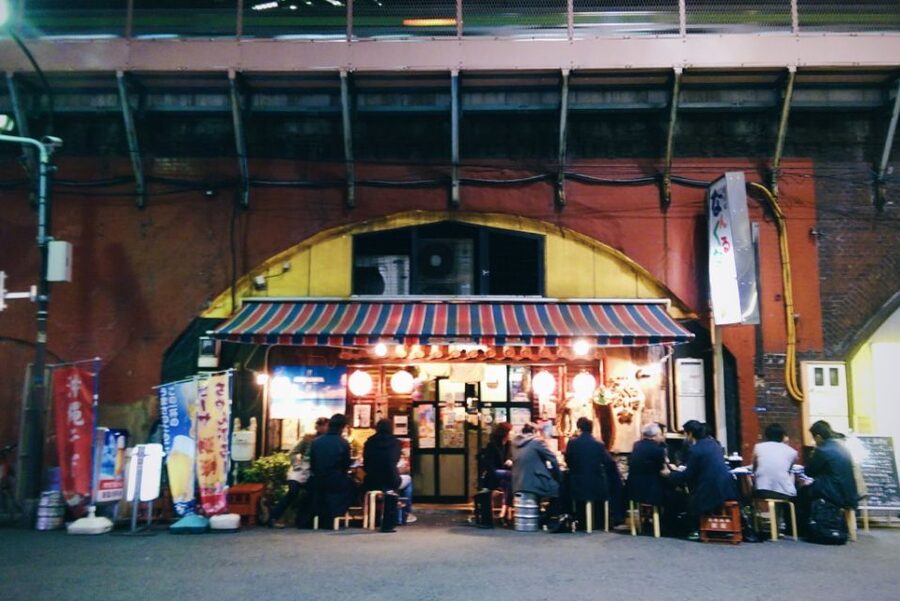
The food portion is built around several stops rather than one large plate. The exact restaurants and order may vary, but the planned range includes local dishes, a steaming bowl of ramen, buttery Wagyu with a smoky sear, and a dessert to finish.
Ramen brings a simple pleasure to the evening. A hot bowl gives you a chance to focus on broth, noodles, and umami while your guide explains what makes the dish part of everyday Japanese food culture. It is also the sort of meal that makes more sense in a local setting than in a glossy restaurant aimed mainly at sightseers.
The Wagyu stop adds contrast. The meat is described as tender and richly flavored, with a delicate char from searing. Because the tour includes several food stops, you should not expect a huge serving of Wagyu. The point is to taste it as one part of a broader evening, not to make this a steak dinner.
That variety is where the $170 price begins to make sense. You are paying for multiple tastings, a three-hour route, a guide who handles the restaurant flow, and the confidence of entering places you might not find or choose alone. It is not the cheapest way to eat in Shinbashi. If your only goal is to fill up for less, you can spend far less by ordering independently.
I see stronger value if you are new to Japan, unsure about local ordering customs, or interested in food as part of daily life. The guide also helps you avoid spending your whole evening guessing at menus and walking past small places because they look difficult to enter.
Additional food and drinks beyond the planned inclusions cost extra. Transportation and gratuity are also not included, so keep some money available if you want another drink or dish.
A completely different kind of day out:
- Tokyo Disney Resort – Tokyo Disneyland & Tokyo DisneySea Park Tickets
★ 4.8 · 99,488 reviews - SHIBUYA SKY Ticket
★ 4.7 · 46,509 reviews - JR Whole Japan Rail Pass
★ 4.8 · 29,150 reviews - Mt Fuji and Hakone 1-Day Bus Tour Return by Bullet Train
★ 5.0 · 26,383 reviews
Learning to like sake, one tasting at a time
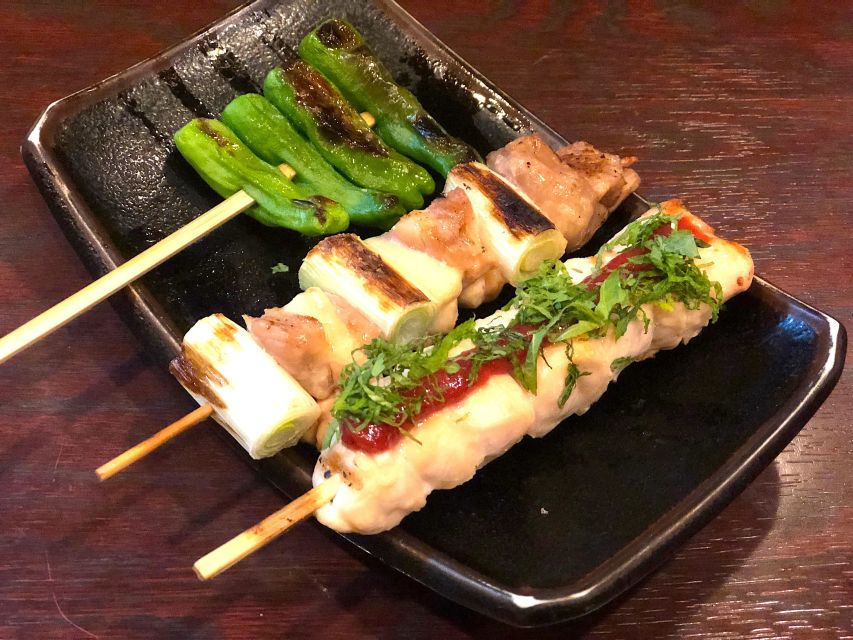
The sake tasting is one of the tour’s most useful features. Instead of treating sake as one generic drink, the guide introduces regional examples and helps you notice how the flavors change from one pour to the next.
The experience is also friendly to beginners. One person who expected not to like sake discovered a preference for nihonshu during the evening. That is a good reason to approach the tasting with curiosity rather than deciding in advance that sake is not for you.
You may notice differences in aroma, smoothness, dryness, and weight as you taste. The provided information does not specify the exact sake labels or number of pours, so do not book this expecting a fixed winery-style flight with a published menu. Think of it as a guided introduction within a larger food walk.
Remember that only adults aged 20 and over may join. Sake is an alcoholic drink, and this is an evening built around Japanese pub culture. If you do not drink, the sake portion may be less useful to you, although the tour also includes food and dessert.
Ending with dessert and the option of karaoke
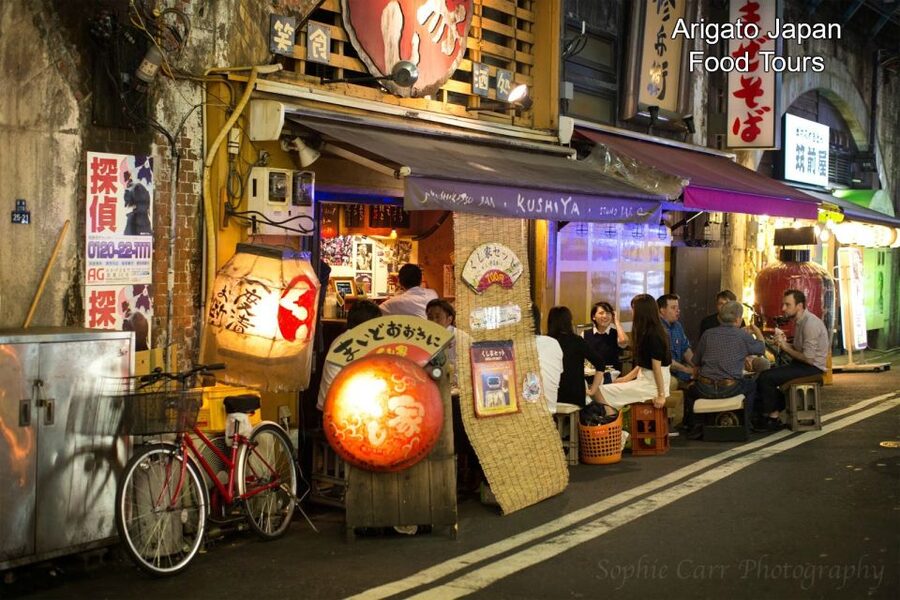
The evening finishes with a traditional dessert, giving you a sweet change after ramen, meat, and sake. The exact dessert is not specified, which keeps the final stop a small surprise but makes it harder to plan around allergies or strong food preferences.
Karaoke is not part of the listed inclusions, but it may be possible to arrange it afterward at an additional cost. One past group continued to a private karaoke room with the guide, and another guide helped create a birthday surprise before joining the group for karaoke.
Treat this as an optional extra, not a guaranteed part of the tour. If you like the idea, ask about availability and cost during the evening. It can extend the local-night-out feeling, but it also means more time, more spending, and possibly more drinks.
What the guides add to the evening
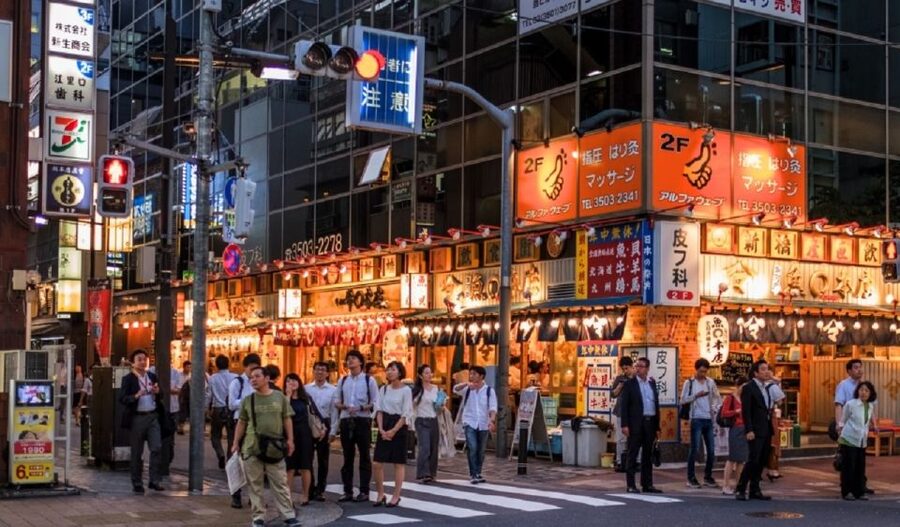
The food matters, but the guide often determines how much you get from the tour. The best guides do more than translate menus. They explain why a place feels the way it does, help you order, answer questions without making you feel foolish, and offer suggestions for later meals.
That personal element comes through in the praise for Ray, Francois, Tommy, Yappy, Marc, Yoko, Ryan, and Anne. Ray was praised for visual explanations of dining etiquette. Francois was described as warm and attentive, even arranging a birthday surprise. Tommy supplied useful ideas for the rest of a Tokyo visit, while Yappy brought humor and helped make the evening memorable.
Guide assignments can change, so you should not assume one specific person will lead your tour. Still, the repeated pattern is encouraging: the experience depends heavily on guides who enjoy Japanese food and local culture, and this operator has received a 4.9 rating from 45 reviews.
A guide can also adjust the mood of the night. The experience is described as relaxed rather than rushed, and the stops are close enough that the walk does not feel like an endurance test. You should still be ready to stand, walk, and keep up with the group.
Who will get the most from this Shinbashi night tour?
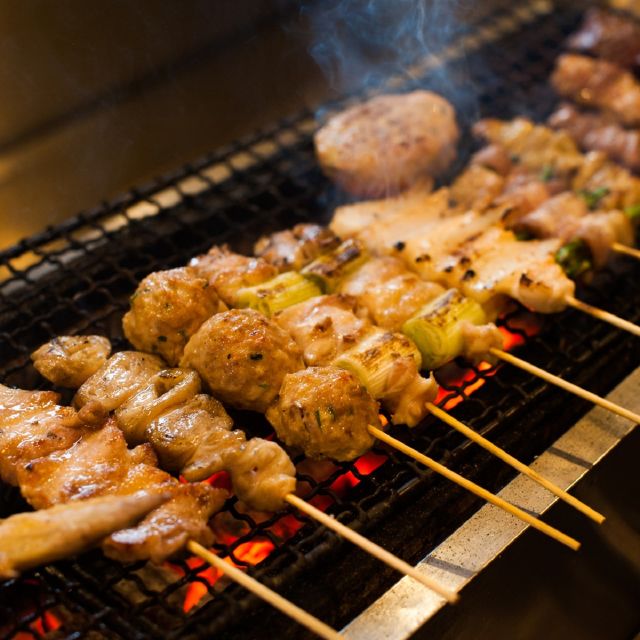
I would recommend this tour most strongly to:
- First-time visitors who want help ordering Japanese food
- Adults curious about local pub customs and after-work culture
- Food-focused visitors who prefer several tastings to one formal meal
- Solo visitors or couples who want an easy social evening
- People who enjoy neighborhood walks and small-group conversation
- Sake beginners who want context rather than a random drink
It may be less suitable if you need a smoke-free setting, dislike alcohol-centered outings, have strict dietary requirements that have not been confirmed in advance, or want a quiet gourmet dinner. It is also not suitable for anyone under 20.
The tour may work well for a birthday or special evening because the guides have shown a willingness to add personal touches. Just remember that karaoke and extra food or drinks are separate from the advertised cost.
Practical details that affect your decision
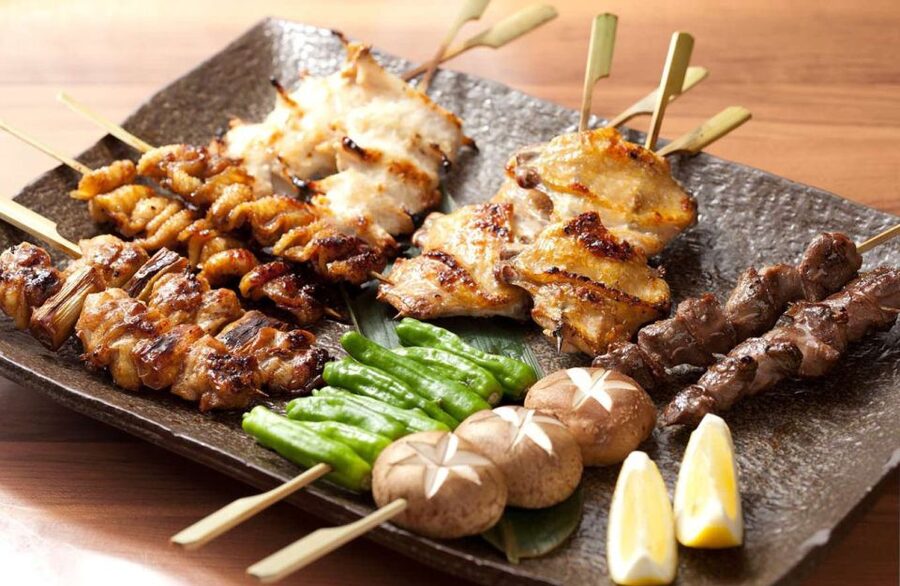
The experience costs $170 per person and lasts three hours. It includes food at several stops, a sake tasting, and an English-speaking local guide. It does not include hotel pickup, transportation, gratuity, or additional purchases.
Hotel pickup may be arranged for an extra charge, but the normal meeting point is the steam engine at the Hibiya exit of Shinbashi Station. You need a passport or ID card, comfortable shoes, and a punctual start.
The booking terms are fairly flexible. You can reserve now and pay later, and cancellation is free up to 24 hours before the tour for a full refund. Check the available starting times when booking, since the schedule is not fixed in the information provided.
Should you book the Shinbashi food tour?
Book it if you want more than a list of dishes. The strongest reason to go is the combination of local after-work culture, several food stops, and a guide who can make unfamiliar restaurants feel approachable.
Skip it if $170 feels too high for a three-hour meal, if smoke is a serious concern, or if you want complete control over every dish and drink. For the right visitor, though, the price buys confidence, context, and a lively introduction to a side of Tokyo that is easy to miss from the main tourist streets.
FAQ
How long does the Shinbashi food tour last?
The tour lasts three hours.
How much does the tour cost?
The listed price is $170 per person.
What food and drink are included?
The tour includes local dishes at several food stops, a sake-tasting experience, and a traditional dessert. The food stops include ramen and Wagyu.
Where does the tour meet?
Meet in front of the decommissioned steam engine at the Hibiya exit of Shinbashi Station.
What happens if I arrive late?
The guide can wait only five additional minutes after the scheduled start time. After that, the tour departs, and the guide cannot provide directions by phone.
Is the tour available in English?
Yes. The tour has a live English-speaking local guide.
Can anyone under 20 join?
No. Only adults aged 20 and over are permitted to join this tour. Bring a passport or ID card and wear comfortable shoes.
Just added in Tokyo
- A One-of-a-Kind Sushi Experience in a Special Place of Japan★ 5.0 · 15 reviews
- Tokyo Cute Bento Cooking Class – Make a Kawaii Character Lunchbox★ 5.0 · 126 reviews
- Japanese Home Cooking Class & Walk in Todoroki Temple Tokyo★ 5.0 · 88 reviews
- Japan Tokyo Tower Observatory Deck E-Ticket★ 4.0 · 34 reviews
- Catch a Baseball Game in Tokyo with a Local – Tickets Included★ 5.0 · 24 reviews
- Tokyo Private Day Tour by Car with English speaking Driver Guide★ 4.0 · 29 reviews
- Japan Classic 10 Day – One Life Adventures★ 5.0 · 129 reviews
- JDM Experience with Fast&Furious RX-7 (English speaking Driver)★ 5.0 · 57 reviews
Food Tours, compared.
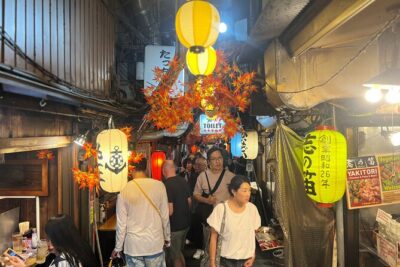
Shinjuku Food Tour (13 Dishes at 4 Local Eateries)
Read our review →
Shinsekai Food Tour with 13-15 Dishes at 5 Eateries
Read our review →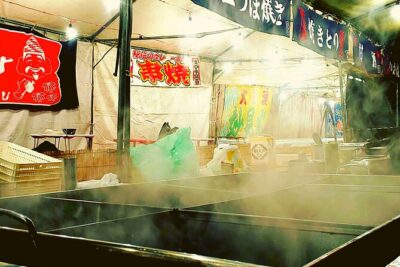
Osaka Food Tour: 13 Dishes at 5 Local Eateries
Read our review →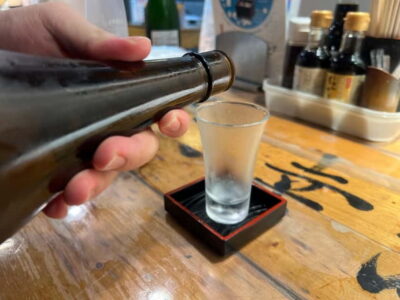
Shinjuku Food Tour (15 Dishes and 4 Eateries)
Read our review →
Best of Shinjuku: Izakaya Food Tour (4 Stops, 14+ Tastings)
Read our review →
Kyoto Night Foodie Tour in Gion (9+ dishes + 6 Sake tastings)
Read our review →
Hungry Osaka Street Food Tour:15 Tastings & 3 Drinks with a Local
Read our review →
Tokyo Night Foodie Tour in Shinjuku – Seasonal Sushi, Wagyu Beef
Read our review →Browse the lists this tour appears in