Reviewed · TOKYO TOURS
Tokyo After 5: Local Eats, Drinks & Culture Walk
Tokyo eats best after work. This 210-minute walk links local food traditions with the city’s evening rhythm, from a Ginza depachika to yakitori alleys and Tsukishima’s monja-yaki restaurants. I like the small group of eight, which makes ordering and conversation easier, and I like that two subway rides are included.
The strongest part is the mix of food, neighborhoods, and cultural explanation rather than one long restaurant meal. The main caution is walking: one past participant counted about 9,000 steps, and the subway stations involve stairs. Dietary choices are also limited, since vegetarian, vegan, and gluten-free meals are not available.
In This Review
- Tokyo After 5 at a Glance
- Starting Under Mitsukoshi Ginza
- The Depachika: Japan’s Basement Food Theater
- Yurakucho’s Yakitori After Work
- Tsukishima and the Monja-Yaki Hotplate
- Wagashi and the Taste of the Seasons
- What the $89 Price Covers
- Small Group Benefits and Possible Friction
- Walking, Timing, and Who Will Enjoy It
- Should You Book Tokyo After 5?
- FAQ
- Where does the Tokyo After 5 food walk start?
- Where does the tour finish?
- How long does the experience last?
- What food is included?
- Which drinks can I choose?
- How many people can join the tour?
- Is public transportation included?
- Can vegetarians, vegans, or people avoiding gluten join?
- What is the minimum age?
Tokyo After 5 at a Glance
- Depachika first: Begin beneath Mitsukoshi Ginza, where a Japanese department-store food hall introduces seasonal sweets, prepared dishes, and everyday food customs.
- Yakitori with office workers: Eat grilled skewers in Yurakucho’s lantern-lit back streets, an area known for after-work dining.
- Monja-yaki in Tsukishima: Cook this soft, savory Tokyo specialty at the table in historic Monja Town.
- Wagashi with meaning: Try a seasonal Japanese sweet and learn how shape, ingredients, and the calendar influence its design.
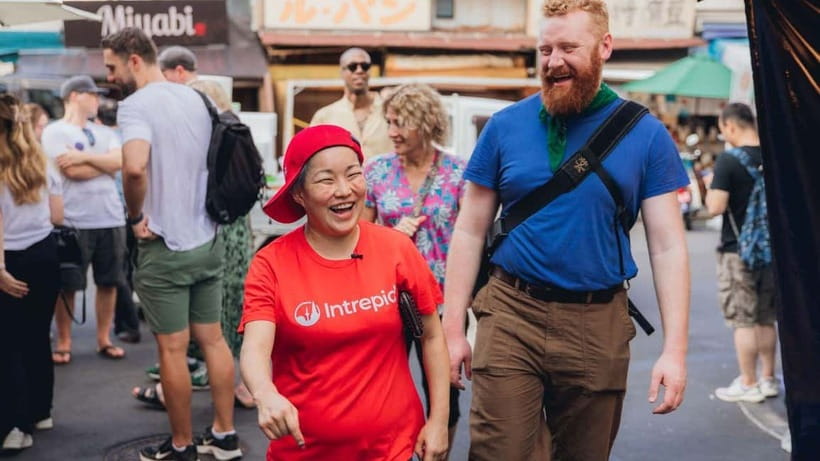
- Small group, local access: With no more than eight people and an English-speaking guide, the tour is easier to follow than a large food crawl.
- A useful first-night plan: The route gives you an introduction to Tokyo food, etiquette, and neighborhoods without asking you to solve every menu on your own.
Starting Under Mitsukoshi Ginza
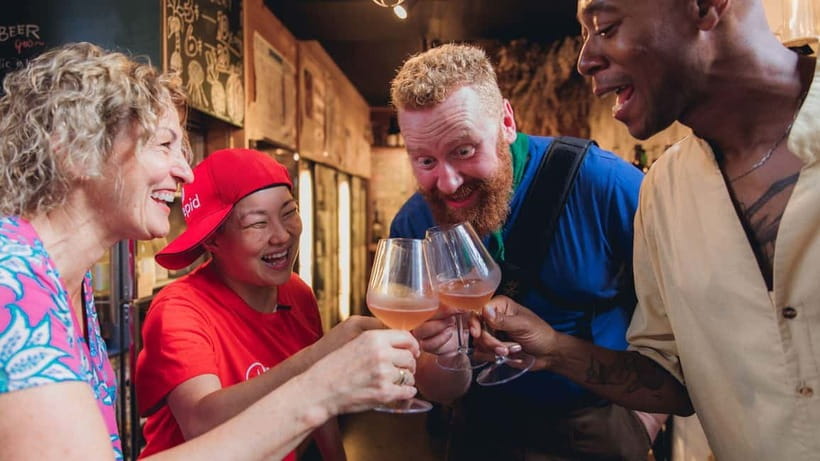
The meeting point is easy to identify once you know what to look for: the life-size sitting Lion statue outside Mitsukoshi Ginza. It is near the A7 exit of Ginza Station, served by the Tokyo Metro Ginza, Hibiya, and Marunouchi lines.
I would arrive a little early. One person had trouble finding the guide because the booking name and the operating company name were not immediately clear. The lion is the key landmark, so use that rather than simply waiting near the station entrance.
Ginza is a useful starting point because it quickly shows you two sides of Tokyo. Above ground, you have polished department stores and wide streets. Below ground, the food halls and station passages reveal a more practical side of the city, where people buy dinner, gifts, and sweets on their way home.
The experience finishes in Ginza, but the middle of the evening takes you away from the best-known shopping streets. That movement is part of the appeal. You are not just sampling food in one tourist district. You are seeing how nearby neighborhoods serve different moods and meals.
A few more options to weigh up in Tokyo
- Tokyo Disney Resort – Tokyo Disneyland & Tokyo DisneySea Park Tickets
★ 4.8 · 99,488 reviews - SHIBUYA SKY Ticket
★ 4.7 · 46,509 reviews - JR Whole Japan Rail Pass
★ 4.8 · 29,150 reviews
The Depachika: Japan’s Basement Food Theater
A depachika is a department-store basement food hall, and it is one of the best places to understand Japanese presentation. The shelves are packed with carefully arranged dishes, sweets, bento boxes, and seasonal items. Even if you do not buy anything, the display tells you a great deal about Japanese ideas of gift-giving and food quality.
Your guide helps explain the flavors, etiquette, and customs behind the food. That matters because a depachika can feel like a museum without labels. You may recognize rice, fish, vegetables, or sweets, but not know how they are eaten, when they are served, or why the packaging looks so formal.
The tour includes a wagashi tasting later in the route, but the food hall also sets up the larger theme of seasonality. Japanese sweets often change with the time of year, and their colors and shapes can refer to flowers, weather, or festivals. The point is not just that the sweet tastes good. It also reflects a particular moment on the calendar.
This stop is especially useful if you are new to Japan. You get a gentle introduction to unfamiliar foods before sitting down at a restaurant. You also avoid the common problem of wandering through a food hall, buying something attractive, and discovering that you have no idea what it is.
Yurakucho’s Yakitori After Work
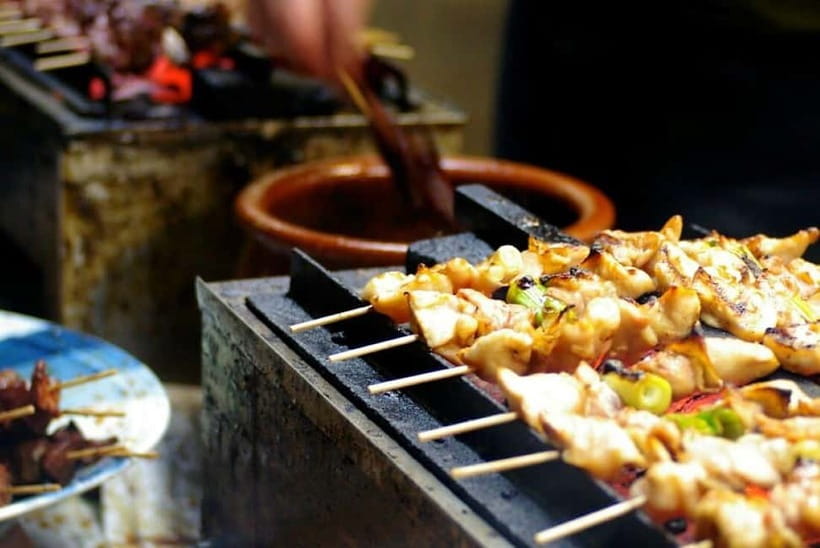
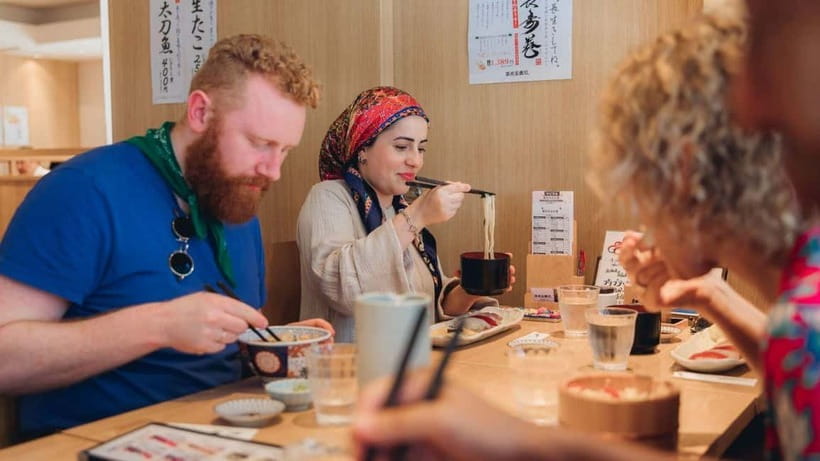
From Ginza, the route heads to Yurakucho, where lantern-lit back streets and small eateries create a more casual mood. Yakitori is the star here: chicken and other ingredients grilled on skewers, usually over heat that gives the food a smoky edge.
The setting is as important as the skewers. Yurakucho is tied to Tokyo’s after-work dining culture, and the narrow restaurant lanes are places where office workers gather for a quick meal, a drink, and conversation. You get a glimpse of Tokyo as a working city, not just a sightseeing destination.
The guide explains how the skewers are prepared and helps with the local eating customs. That support is handy in a small restaurant, where menus may be compact, seating may be close, and the pace can feel unfamiliar. You are not left guessing which piece is which or how to begin.
The included food portion is a tasting, not an unlimited dinner. You receive three main local food experiences across the tour, yakitori, monja-yaki, and wagashi, plus two drinks. Depending on the serving size and your appetite, you may want to budget for extra food or drinks. Additional purchases are not included.
The drink choices are sake, beer, or a soft drink. Japan’s legal drinking age is 20, so anyone under 20 receives a non-alcoholic option. This makes the tour workable for older teenagers, but it is not open to children under 12.
Past guides have included Tsunematsu Hidenori, Yuki, Yoshi, Meg, and Kirir. The strongest guide feedback centers on friendly conversation, patient explanations, and taking people to places they would not have found alone. The guide can make a big difference here, since the food itself is only half the experience.
Tsukishima and the Monja-Yaki Hotplate
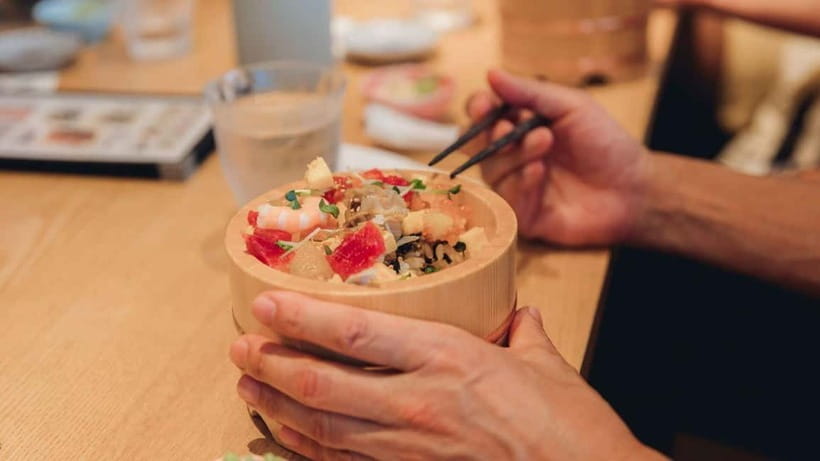
The tour then goes to Tsukishima Monja Street, the home of monja-yaki. This is one of the most distinctly Tokyo foods on the route, and it is also the most hands-on.
Monja-yaki is a savory mixture cooked on a hotplate at the table. It has a softer, looser texture than the better-known okonomiyaki. You watch the meal being prepared, then try the cooking technique yourself with the small spatula used to scrape and eat it from the hotplate.
That practical part gives the meal its value. Instead of receiving a finished plate and moving on, you learn how the dish works. The guide and restaurant staff can show you the basic technique, which takes some patience but is part of the fun.
Some versions of the experience have also included okonomiyaki, though the advertised core tasting is monja-yaki. A past participant described cooking both dishes and enjoying a chocolate-filled crepe at the end. Treat those extras as possible additions rather than guaranteed inclusions, since the fixed inclusions are yakitori, monja-yaki, wagashi, and two local drinks.
Tsukishima is also a useful change of scene from Ginza and Yurakucho. The food route gives you a reason to reach a district many first-time visitors might skip. You are not simply ticking off famous sights. You are following a local dish to the neighborhood most associated with it.
The drawback is comfort and pace. Small restaurants can mean close seating, and hotplate dining is not ideal for someone who needs lots of room or a slower meal. The walk between stops and the subway transfers also add up. If you have mobility concerns, ask before booking, since one older participant had to stop because the walking and station stairs were too much.
A completely different kind of day out:
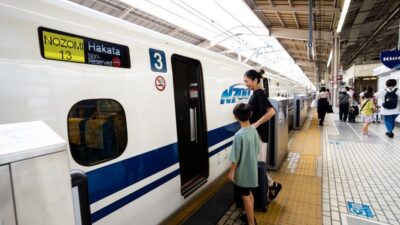
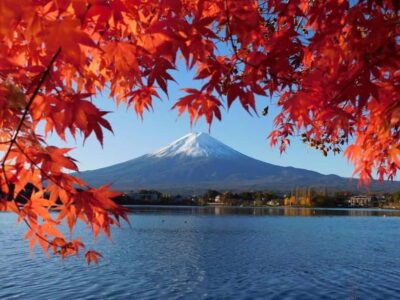
- Mt Fuji and Hakone 1-Day Bus Tour Return by Bullet Train
★ 5.0 · 26,383 reviews - TOKYO SKYTREE® Ticket
★ 4.7 · 25,136 reviews - teamLab Borderless Tickets: MORI Building DIGITAL ART MUSEUM
★ 4.7 · 24,126 reviews - teamLab Planets TOKYO Ticket
★ 4.7 · 21,663 reviews
Wagashi and the Taste of the Seasons
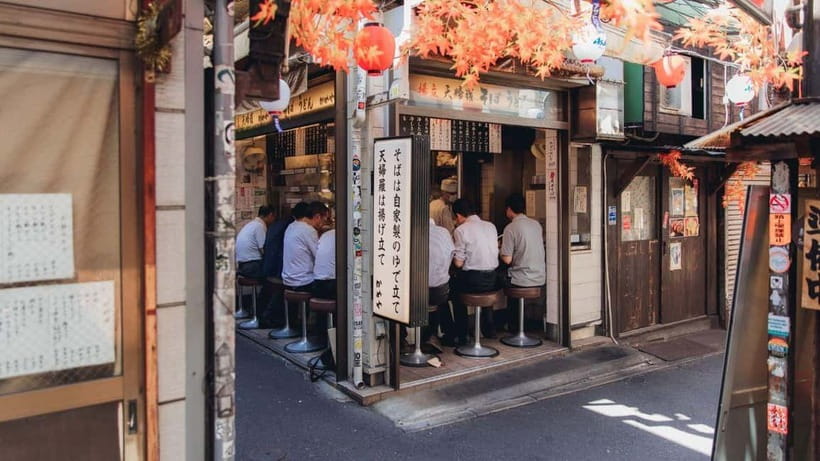
The wagashi stop brings a quieter note to the evening. These traditional Japanese sweets often use ingredients such as red bean paste and mochi, with careful attention to shape and color. Your guide explains how the seasons and Japanese aesthetics influence the treats.
Do not expect every sweet to appeal immediately. One person particularly enjoyed the variety of food but did not care for the wagashi texture or flavor. Red bean paste and sticky rice can be unfamiliar, and wagashi is often valued for its appearance and seasonal meaning as much as its sweetness.
That is exactly why it belongs on the tour. A food walk should not only serve easy favorites. It should give you a chance to try something tied to local customs, even if it does not become your new preferred dessert.
The tour ends back in Ginza, with the city’s evening food culture now easier to read. You will have seen formal food presentation in the depachika, casual grilled food in Yurakucho, a regional specialty in Tsukishima, and a traditional sweet shaped by the calendar.
What the $89 Price Covers
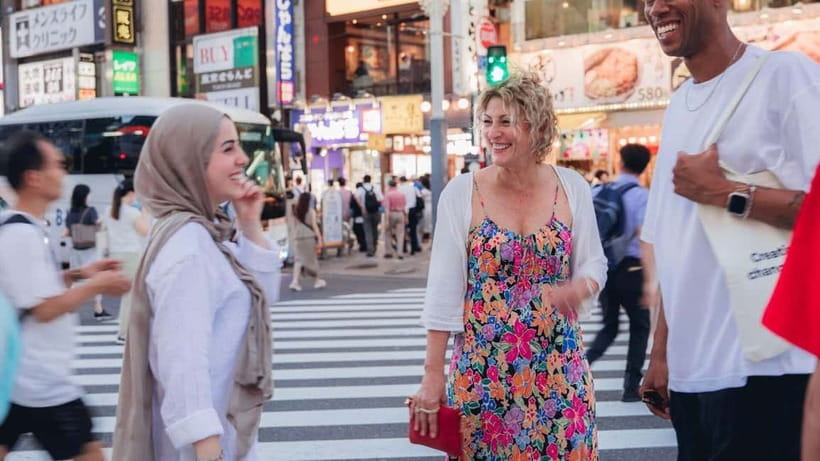
At $89 per person, this is not the cheapest way to grab dinner in Tokyo. The price makes more sense if you value guidance, introductions, and the chance to try several food styles without planning the route yourself.
Included are:
- Three food tastings: yakitori, monja-yaki, and wagashi
- Two drinks, with sake, beer, or a soft drink available
- Two subway tickets
- An English-speaking local guide
- Hands-on yakitori and monja-yaki experiences
- Visits to local restaurants and food shops
- A group limited to eight people
You are paying for more than the amount of food. You are paying to get into small local places with someone who can explain what you are eating and help with etiquette. That is useful on a first Tokyo visit, especially if you are worried about language or ordering.
Still, keep your expectations realistic. This is a tasting walk and evening introduction, not a full multi-course dinner. If you eat a lot, plan to buy extra portions. The tour provider also notes that the establishments cannot meet vegetarian, vegan, or gluten-free requirements, so the $89 price is not good value if you cannot eat the included dishes.
The tour has a rating of 3.8 from 40 reviews, which suggests a generally positive but not flawless experience. The most consistent praise goes to the guides, the variety of neighborhoods, and the chance to find places you might miss alone. The less favorable points concern walking distance, stairs, occasional restaurant atmosphere, and uneven explanation of the food.
Small Group Benefits and Possible Friction
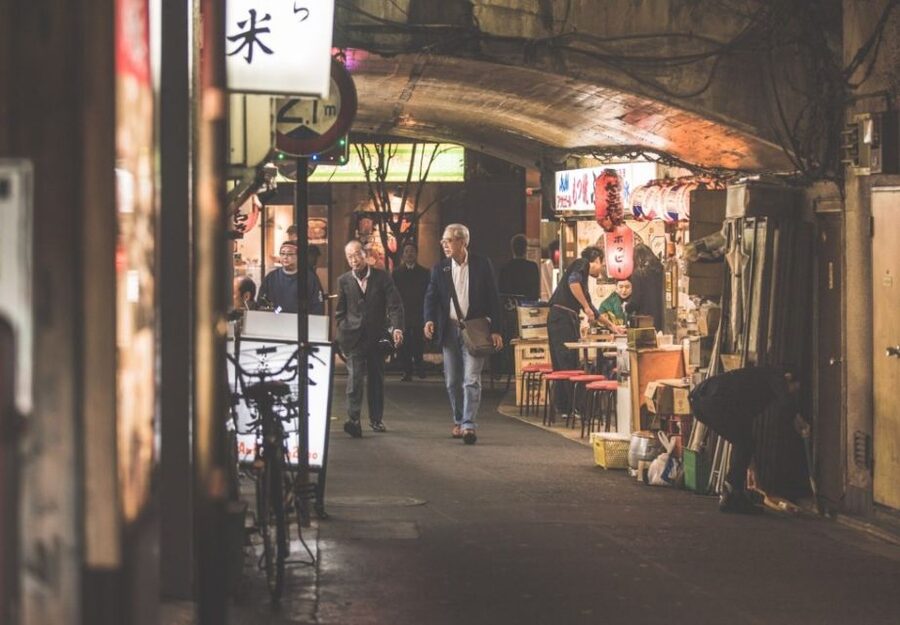
A maximum of eight people is one of the strongest features. You can hear the guide, ask questions, and take part in cooking without being lost in a crowd. A small group also fits better in the compact restaurants used along the route.
The group size does not guarantee a private experience. You are still sharing tables and tastings with other people, and one account described an unpleasant child-related disturbance in a very small restaurant. That was not blamed on the guide, but it shows that the atmosphere can vary from one venue to the next.
Guide quality also shapes the evening. Tsunematsu Hidenori was praised for showing local places and being fun to talk with. Yuki was described as patient and well informed, while Kirir was especially enthusiastic and willing to answer questions. Other named guides, including Yoshi and Meg, also received strong praise for their care and social approach.
One useful point from the feedback is that explanations may not always be equally detailed. If you want to know how a dish is prepared, what each ingredient means, or why a custom matters, ask directly. A curious guest is likely to get more from the experience than someone who simply waits for the next plate.
Walking, Timing, and Who Will Enjoy It
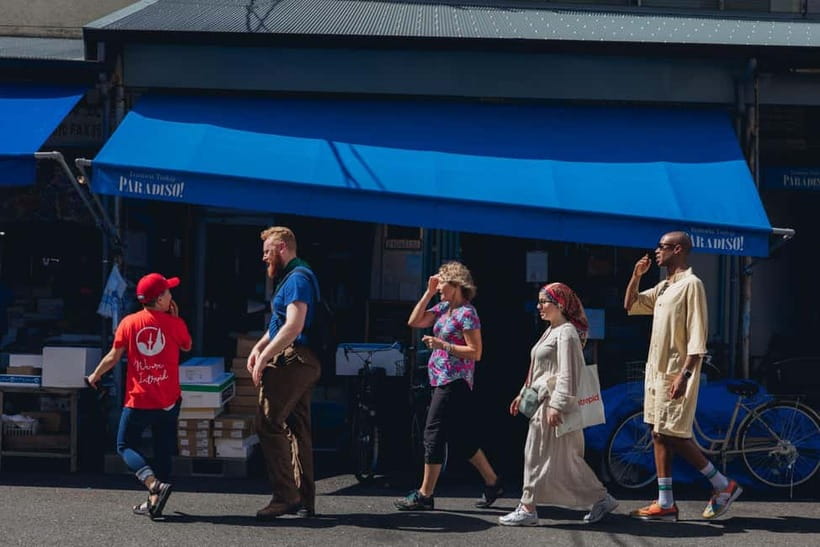
Three and a half hours is a comfortable length for an evening food introduction, but the route is active. You walk through Ginza, Yurakucho, and Tsukishima, use two subway rides, and handle station stairs. One participant estimated about 9,000 steps, so wear comfortable shoes.
The tour is aimed at people aged 12 and above. It suits first-time visitors who want help with menus, restaurant etiquette, and local customs. It also works for repeat visitors who have seen the major sights but want a more social way to explore Tokyo food.
I would be cautious about booking if you have difficulty walking, standing, using stairs, or sitting at compact restaurant tables. The tour data does not promise step-free access or special mobility arrangements.
It is also a poor fit for strict dietary needs. Vegetarian, vegan, and gluten-free options are not available. If you simply dislike one ingredient, ask the operator before booking, but do not assume substitutions will be possible.
The experience is carbon neutral and operated by a B Corp certified company. That may matter to you if you prefer activities designed with environmental and social responsibility in mind, though the practical strengths remain the small group and local food focus.
Should You Book Tokyo After 5?
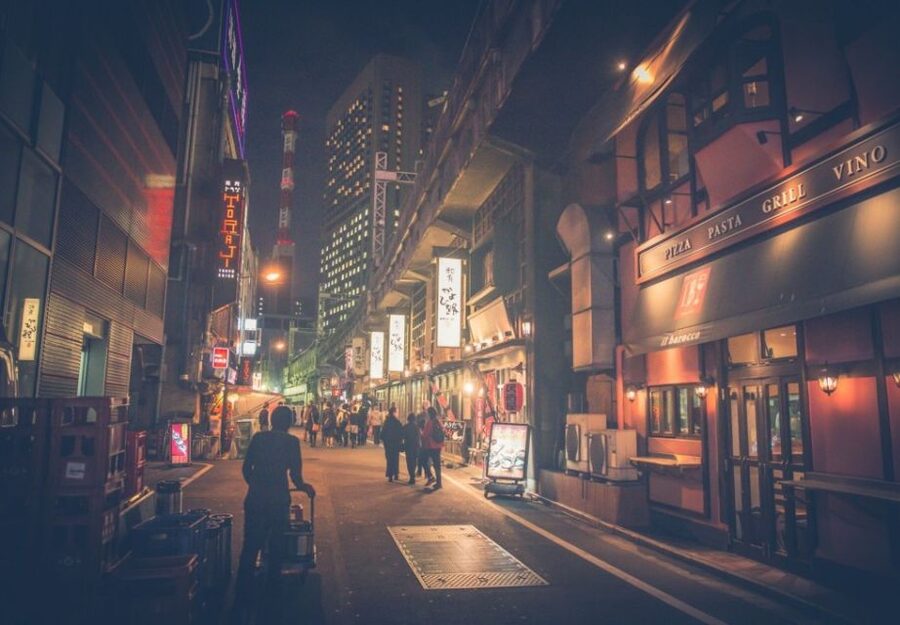
I would book this tour if you want a friendly introduction to Tokyo’s evening food culture and prefer guidance over guesswork. The mix of depachika browsing, yakitori, monja-yaki, wagashi, local drinks, and subway travel gives you a broad first taste in one evening.
I would skip it if you need a full dinner, require vegetarian or gluten-free food, or find 9,000 steps and subway stairs difficult. The $89 cost is fair for the access and explanations, but less attractive if you will not eat most of the included dishes.
For the best experience, arrive early at the Mitsukoshi Ginza Lion, wear walking shoes, keep room for extra purchases, and ask questions throughout the meal. If your idea of a good Tokyo night is sitting in one restaurant for hours, choose dinner on your own. If you want a practical, social start with foods and neighborhoods beyond the standard sightseeing route, this is a solid choice.
FAQ
Where does the Tokyo After 5 food walk start?
It starts outside Mitsukoshi Ginza, at the life-size sitting Lion statue. The statue is near the A7 exit of Ginza Station.
Where does the tour finish?
The tour finishes in Ginza.
How long does the experience last?
The tour lasts 210 minutes, or three and a half hours.
What food is included?
The included tastings are yakitori, monja-yaki, and wagashi. The tour also includes two local drinks.
Which drinks can I choose?
The drink options are sake, beer, or a soft drink. People under 20 are served non-alcoholic drinks because the legal drinking age in Japan is 20.
How many people can join the tour?
The group is limited to a maximum of eight participants.
Is public transportation included?
Yes. Two subway tickets are included in the tour price.
Can vegetarians, vegans, or people avoiding gluten join?
The tour does not offer vegetarian, vegan, or gluten-free options. The restaurants visited cannot cater to those dietary requirements.
What is the minimum age?
Participants must be at least 12 years old. Alcohol is available only to people who are legally allowed to drink in Japan.
Just added in Tokyo
- Manga Lesson with a Professional Japanese Manga Artist in Nakano★ 5.0 · 77 reviews
- Making a bento box with cute character look in Japan★ 5.0 · 15 reviews
- Tokyo/Ikebukuro Manga drawing workshop by pro-Manga artists★ 5.0 · 65 reviews
- Make Your Own Bonsai with a Professional Bonsai Artist in Tokyo★ 4.5 · 18 reviews
- Luxury Tokyo Sake, Cocktail, Whisky and Pairing Tour★ 5.0 · 18 reviews
- Tokyo Ueno Food & Nature & Localtown Tour: 10Dishes+ Drinks★ 5.0 · 34 reviews
- Make Traditional Nerikiri Sweets & Matcha experience in Shibuya★ 5.0 · 130 reviews
- Daikoku Parking Tokyo Drift & APIT Car Meet JDM Culture Tour★ 5.0 · 79 reviews
Tokyo Tours, compared.
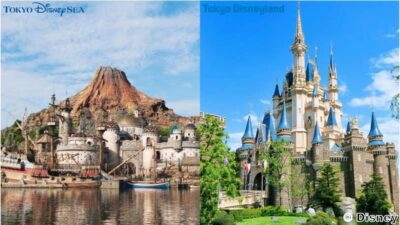
Tokyo Disney Resort – Tokyo Disneyland & Tokyo DisneySea Park Tickets
Read our review →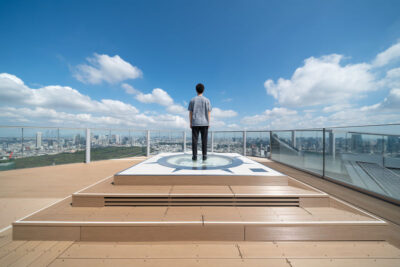
Mt Fuji and Hakone 1-Day Bus Tour Return by Bullet Train
Read our review →

teamLab Borderless Tickets: MORI Building DIGITAL ART MUSEUM
Read our review →