Reviewed · TOKYO TOURS
Tokyo Asakusa Rickshaw Tour
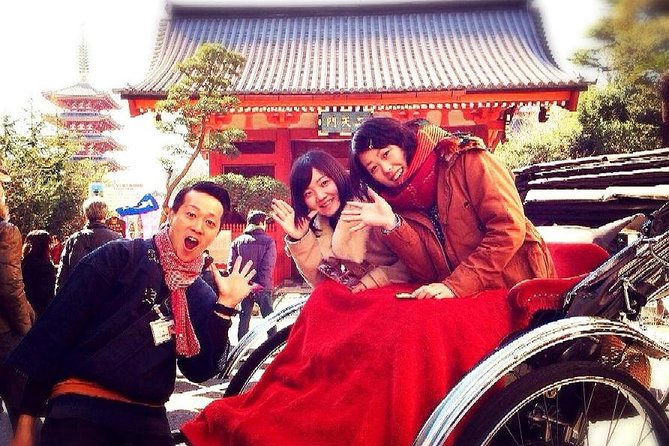
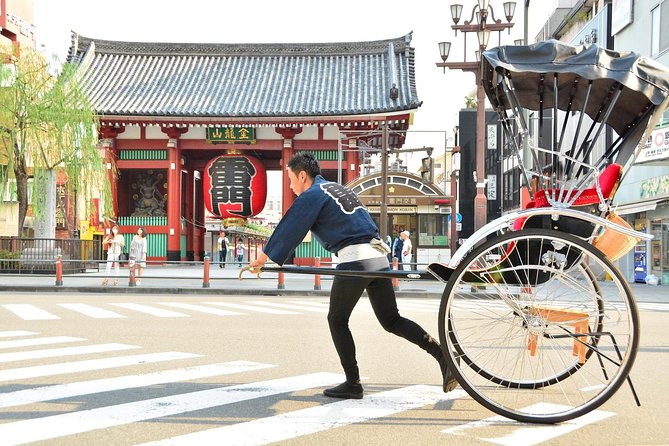
See old Tokyo from a moving seat. The personal route lets you focus on shrines, old streets, gardens, or photo stops instead of following a fixed script. I also like the guide-led pace, with time to ask about customs, landmarks, and the curious details behind places such as the radish-covered Honryuin temple. The main drawback is space: two adults fit, but the 74-centimeter seat can feel snug.
A 30-minute ride gives you a quick look at Asakusa, while longer options of up to three hours allow for smaller shrines, Sumida Park, the entertainment district, and more stops. I would treat this as a strong first-day introduction to the neighborhood, but remember that the rickshaw cannot enter the Sensoji temple grounds or Nakamise shopping street.
In This Review
- Key details before you book
- Why a rickshaw fits Asakusa so well
- Starting near Asakusa Station
- Old streets, raccoons, and Tokyo’s retro side
- Ushijima Shrine and its unusual three-part gate
- The Sumida River view and Asahi’s golden sculpture
- Sensoji, Asakusa Shrine, and the limits of the ride
- Honryuin Matsuchiyama Shoden and the mystery of the radishes
- Imado Shrine and its many beckoning cats
- Choosing between 30 minutes, 45 minutes, and three hours
- What the guide adds to the ride
- Is the Asakusa rickshaw tour worth booking?
- FAQ
- Where does the Tokyo Asakusa rickshaw tour start?
- Where does the tour finish?
- How long does the rickshaw tour last?
- Can I customize the route?
- Can the rickshaw enter Sensoji Temple?
- How many adults fit in one rickshaw?
- Can young children ride for free?
- Is an English-speaking guide available?
- What happens if bad weather cancels the tour?
Key details before you book
- Old Tokyo in a short time: Glide past Edo-period facades, traditional homes, shrines, temples, and retro entertainment streets without covering every block on foot.
- A route shaped around you: Tell your guide what interests you most, though shorter rides cannot include every listed stop.
- Three especially photogenic stops: The Sumida River view of Tokyo Skytree, the Asahi Beer Headquarters, and the colorful Kaminarimon gate offer very different pictures of Tokyo.
- Small shrines with big stories: Ushijima Shrine, Imado Shrine, and Honryuin Matsuchiyama Shoden add local customs and quirky details beyond the major sights.
- A private ride for your group: Only your party participates, with a maximum of two adults per rickshaw.
- A flexible family option: Children aged five and under may ride free on an adult’s lap, subject to the stated seating limits.
Why a rickshaw fits Asakusa so well
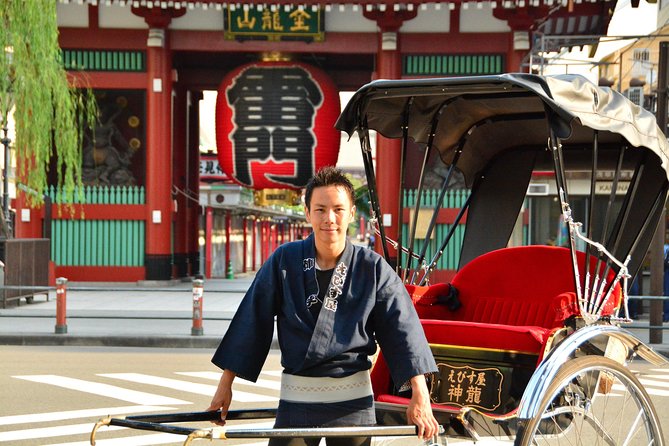
Asakusa is one of Tokyo’s easiest areas to enjoy at human speed. Grand temples sit near modest houses, narrow lanes, small gardens, old theaters, toy shops, restaurants, and modern towers. A rickshaw gives you a front-row view without asking your feet to handle every step.
You sit above street level while your driver pedals through the district and points out details that are easy to miss from a train or coach. You can ask questions as you go, stop for photographs, and hear how Shinto and Buddhism share space in this part of Tokyo.
The experience is also more intimate than a large sightseeing group. The private format means the conversation can follow your interests. Families can ask for cultural explanations in simple terms, photographers can request scenic stops, and returning visitors can focus on side streets rather than only Sensoji.
The ride itself is part of the appeal. You are not simply being transferred between attractions. You feel the air, see shopfronts at close range, and watch the street scene change from temple approaches to residential lanes and old entertainment streets.
A few more options to weigh up in Tokyo
- Tokyo Disney Resort – Tokyo Disneyland & Tokyo DisneySea Park Tickets
★ 4.8 · 99,488 reviews - SHIBUYA SKY Ticket
★ 4.7 · 46,509 reviews - JR Whole Japan Rail Pass
★ 4.8 · 29,150 reviews
Starting near Asakusa Station
The meeting point is outside Asakusa Station at 1-chōme-1-4 Asakusa, in Taito City. Make your own way there and look for the rickshaw team and your guide. One useful touch is that the company has provided taxi directions and photos to help with arrival.
After meeting your driver, you climb aboard and discuss what you most want to see. This conversation matters. The list of possible stops is long, but a short ride cannot cover everything, so say clearly if you care most about temples, gardens, anime-related sights, old streets, or photographs of Skytree.
English and Japanese-speaking guides are available, subject to availability. If you need English, specify it when booking rather than hoping it can be arranged on the day.
The ride finishes at a nearby location of your choice, though destinations beyond the usual rickshaw stand may carry an extra drop-off fee. Confirm the ending point with your guide before setting off.
Old streets, raccoons, and Tokyo’s retro side
One possible section of the route runs through a historic street lined with shop and housing facades from the Edo period. These buildings help you picture Asakusa before Tokyo became a forest of glass towers. The charm is not in one grand monument. It is in the small scale, the wooden details, and the way older streets still sit beside modern city life.
You may also pass a quirky street decorated with raccoon figures. The raccoon theme gives this part of Asakusa a playful character and offers a welcome change from formal temple visits. It is the kind of detail a standard city tour could easily skip.
The ride can include one of Japan’s oldest amusement parks, still operating today. This stop connects Asakusa with its long role as a place for entertainment, not only worship. You might find the contrast striking: a traditional temple district, an old amusement venue, and enormous commercial buildings all within the same outing.
Rokku Street adds another layer. Before the war, it was Tokyo’s leading entertainment area, filled with cinemas and theaters. Today it forms part of the district’s retro character. Your guide can help connect the streets you see now with the shows and movie houses that once drew crowds.
Ushijima Shrine and its unusual three-part gate
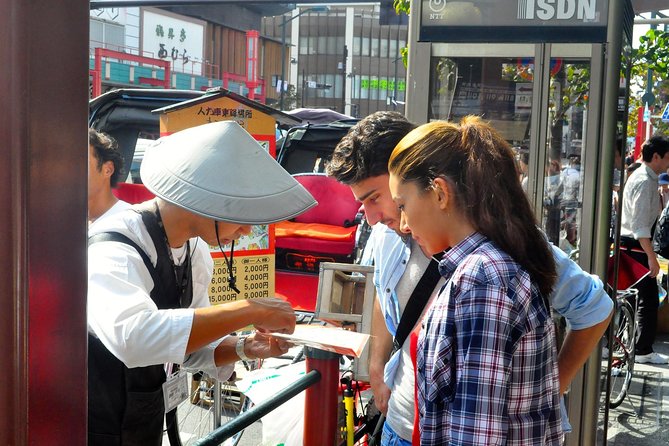
Ushijima Shrine is one of the tour’s most rewarding smaller stops. It is a Shinto shrine, and the guide explains why its entrance gate has three openings instead of the more familiar single opening.
You get about 15 minutes here on routes that include the shrine. That is enough time to look around, hear the explanation, and take photographs without turning the visit into a long formal stop. Admission is not included, though the provided details do not list an entry charge.
The shrine also helps explain an important part of the Asakusa experience. You are not seeing isolated attractions placed randomly around a city. Religious sites, gardens, homes, entertainment venues, and shopping streets have grown together over time.
If you enjoy local customs and small architectural details, tell your guide that these stops interest you. A short ride may need to choose between Ushijima and other shrines, so your preference can shape the route.
A completely different kind of day out:
- Mt Fuji and Hakone 1-Day Bus Tour Return by Bullet Train
★ 5.0 · 26,383 reviews - TOKYO SKYTREE® Ticket
★ 4.7 · 25,136 reviews - teamLab Borderless Tickets: MORI Building DIGITAL ART MUSEUM
★ 4.7 · 24,126 reviews - teamLab Planets TOKYO Ticket
★ 4.7 · 21,663 reviews
The Sumida River view and Asahi’s golden sculpture
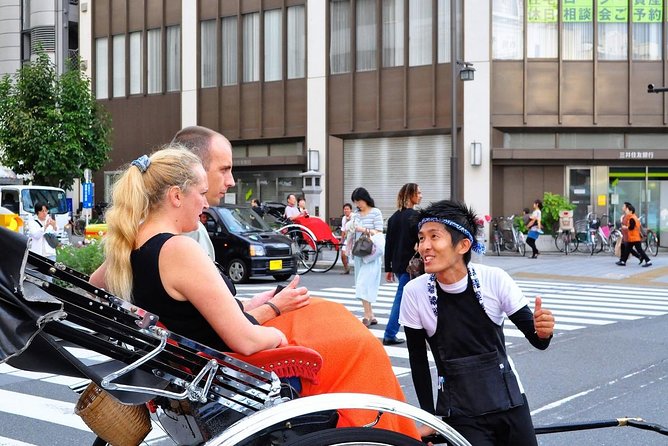
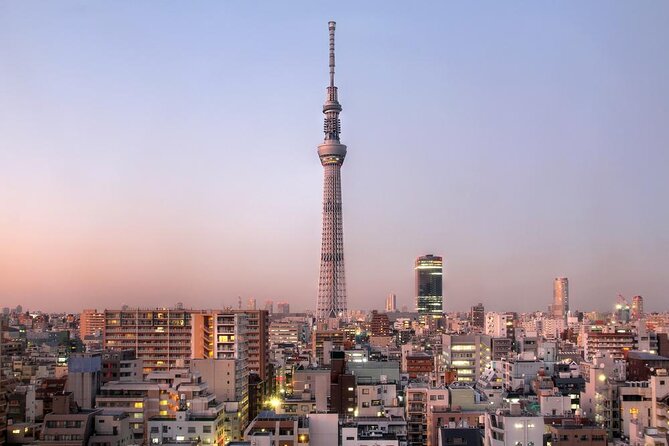
Across the Sumida River, Tokyo Skytree provides one of the clearest photo opportunities in the neighborhood. The riverfront view gives you room to frame the tower, the water, and the city together. Sumida Park runs along the river and is especially appealing during cherry blossom season.
This is also a sensible pause in a busy sightseeing day. You can take a breath, enjoy the garden setting, and look back toward the modern skyline. The view shows how Asakusa pairs old riverside spaces with Tokyo’s soaring newer buildings.
The Asahi Beer Headquarters offers a completely different image. Its famous golden flame sculpture is easy to recognize and gives the ride a quick modern-city marker. From traditional shrines to a bold corporate building, the route keeps changing its visual rhythm.
I would not book the ride solely for the Asahi building, since it is a passing landmark rather than a brewery visit. But paired with the river and Skytree viewpoint, it creates a strong set of photographs in a short amount of time.
Sensoji, Asakusa Shrine, and the limits of the ride
The colorful gate leading toward Sensoji Temple and Asakusa Shrine is one of the area’s signature sights. It is an excellent place to understand the scale and ceremony of Asakusa, with a dramatic entrance that contrasts with the quieter lanes nearby.
The rickshaw cannot ride into the Sensoji and Asakusa temple area. That restriction includes the temple buildings, grounds, and Nakamise shopping street. Your driver can take you to the area and explain what you are seeing, but you will need to explore the central temple precinct on foot.
This is not a serious flaw. In fact, keeping the rickshaw out of the busiest pedestrian zone makes sense. You can continue through the gate on foot afterward, browse Nakamise, and visit Sensoji without trying to combine a vehicle ride with a crowded walkway.
Asakusa Shrine sits on the temple grounds. Here, the guide can explain the difference between Shinto and Buddhism and how the two traditions exist side by side. This context is valuable because the architecture and rituals can look confusing when you first arrive in Japan.
Plan your timing carefully. If you want to spend real time inside Sensoji and along Nakamise, do that before or after the ride rather than expecting the rickshaw route to include it.
Honryuin Matsuchiyama Shoden and the mystery of the radishes
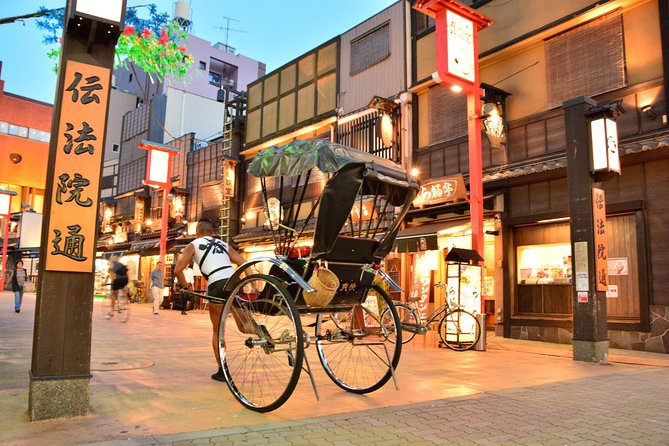
Honryuin Matsuchiyama Shoden is a Buddhist temple and one of the constituent temples associated with Sensoji. Its most memorable feature is the repeated image of radishes, both at the temple and on its lanterns.
The guide explains why the radish matters here. That small symbol gives you a better connection to the site than a quick photograph alone. Instead of seeing another temple roof and moving on, you learn to look for a specific object and understand its religious meaning.
This stop lasts about 15 minutes when included. Admission is not included. As with Ushijima Shrine, the value is mainly in the explanation and the chance to see a less obvious part of Asakusa.
The temple is also a good example of why a longer ride can be worthwhile. A 30-minute option may give you the main streets and one or two photo stops. A longer route gives the driver time to bring you into smaller religious sites with their own customs.
Imado Shrine and its many beckoning cats
Imado Shrine is another 15-minute stop and a favorite for visitors who enjoy Japanese folk symbols. The shrine features cat figurines, especially the manekineko, or beckoning cat.
You will likely recognize the raised-paw cat from shops and restaurants around Japan. Seeing the figures in their shrine setting gives the symbol more context and makes this visit feel different from a standard souvenir stop.
Families may especially enjoy Imado because the cats are easy to spot and visually memorable. It also adds a lighter mood after the more formal temple and shrine explanations.
The same timing rule applies here. The listed landmarks are not all possible on shorter rides. If Imado is important to you, name it when you meet your guide or discuss it in advance.
Choosing between 30 minutes, 45 minutes, and three hours
At about $42.90 per person, the price is reasonable for a private introduction if you value a guide, photographs, and a route built around your group. It is less appealing if you only want transportation, since Asakusa is easy to explore on foot and by train.
A 30-minute ride works best when you want a quick orientation, a fun first look, or a short activity between other plans. You will see only part of the area, so focus on one theme rather than trying to request every sight.
A 45-minute ride gives you a little more breathing room. One family used the time for photo stops and local explanations, while another group extended its ride after enjoying the experience. This length can be a good middle choice for first-time visitors.
The three-hour option suits you if Asakusa is a major part of your day. You can include more of the old streets, smaller shrines, the riverfront, entertainment districts, and temple areas. It also gives the guide more time to answer questions instead of rushing from one stop to the next.
Book extra rickshaws if comfort is a concern. Each rickshaw is 74 centimeters wide and fits up to two adults, but two larger adults may find it close. The company recommends one rickshaw per passenger for a more comfortable ride. A child aged five or under may sit on an adult’s lap, and if a child uses one of the two seats, that child must be booked as an adult.
What the guide adds to the ride
The guide is the biggest variable in any experience like this, but the feedback here is unusually consistent. Drivers named Issy, Micchy, Kei, Taisei, Koko, Yusuke, Nene, Takumi, BUCHI, and Kazumasu-san are praised for warmth, humor, cultural explanations, energy, and safe handling.
That energy matters because the driver is doing physical work while also guiding and taking photographs. Taisei was praised for his humor and camera skills. Koko was repeatedly noted for being friendly, attentive, and well informed about Asakusa. Takumi was especially praised for detailed explanations, patience, and restaurant suggestions.
You may also receive help with family needs. One group with an eight-month-old child found the driver willing to stop when needed. Another group enjoyed a Demon Slayer connection when the guide pointed out a scene familiar to a twelve-year-old.
The ride can operate in rain when conditions allow, with covers and warmth provided. Still, the experience requires good weather, and poor weather may lead to a new date or a full refund.
Is the Asakusa rickshaw tour worth booking?
Book it if you want a friendly, private introduction to Asakusa with history, local customs, easy photo stops, and a little old-fashioned fun. It suits first-time visitors, families, couples, and anyone who wants a quick overview before exploring the district on foot.
Choose at least 45 minutes if you want more than a simple spin. Pick three hours if smaller shrines, old streets, gardens, and entertainment history matter to you.
Skip it if you dislike compact seating, prefer independent wandering, or want a low-cost way to cover only major sights. For most people, though, the ride offers good value because the driver does more than pedal. You get context, local route choices, photographs, and a close look at the many sides of Asakusa.
FAQ
Where does the Tokyo Asakusa rickshaw tour start?
The meeting point is outside Asakusa Station at 1-chōme-1-4 Asakusa, Taito City, Tokyo 111-0032, Japan.
Where does the tour finish?
The usual ending point is near Kan’non-dōri at 1-chōme-2-11 Asakusa. You can discuss a different finish with your guide on the day, though an extra drop-off fee may apply.
How long does the rickshaw tour last?
Available durations range from about 30 minutes to three hours. The landmarks included depend on the option you choose and the route agreed with your guide.
Can I customize the route?
Yes. Tell your guide what interests you most, such as shrines, temples, old streets, gardens, entertainment areas, or photo locations.
Can the rickshaw enter Sensoji Temple?
No. Rickshaws cannot enter the Sensoji and Asakusa temple area, including the temple buildings, temple grounds, and Nakamise shopping street.
How many adults fit in one rickshaw?
A maximum of two adults can ride in one rickshaw. Each vehicle is 74 centimeters wide, so individual rickshaws may be more comfortable for some passengers.
Can young children ride for free?
Children aged five and under may ride free when seated on an adult’s lap. If a child uses one of the two rickshaw seats, the child must be booked as an adult.
Is an English-speaking guide available?
English and Japanese-speaking driver-guides are available subject to availability. You should state your preferred language at checkout.
What happens if bad weather cancels the tour?
If poor weather causes cancellation, you will be offered a different date or a full refund. You can also cancel up to 24 hours before the start time for a full refund.
Just added in Tokyo
- A One-of-a-Kind Sushi Experience in a Special Place of Japan★ 5.0 · 15 reviews
- Tokyo Cute Bento Cooking Class – Make a Kawaii Character Lunchbox★ 5.0 · 126 reviews
- Japanese Home Cooking Class & Walk in Todoroki Temple Tokyo★ 5.0 · 88 reviews
- Japan Tokyo Tower Observatory Deck E-Ticket★ 4.0 · 34 reviews
- Catch a Baseball Game in Tokyo with a Local – Tickets Included★ 5.0 · 24 reviews
- JDM Experience with Fast&Furious RX-7 (English speaking Driver)★ 5.0 · 57 reviews
- Tokyo Private Day Tour by Car with English speaking Driver Guide★ 4.0 · 29 reviews
- Japan Classic 10 Day – One Life Adventures★ 5.0 · 129 reviews
Tokyo Tours, compared.
Tokyo Disney Resort – Tokyo Disneyland & Tokyo DisneySea Park Tickets
Read our review →
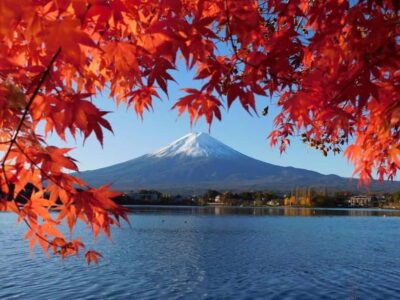
Mt Fuji and Hakone 1-Day Bus Tour Return by Bullet Train
Read our review →

teamLab Borderless Tickets: MORI Building DIGITAL ART MUSEUM
Read our review →