Reviewed · TOKYO TOURS
Tokyo: Daikoku: JDM and Tokyo Car Culture Experience
Tokyo’s car scene runs after dark. This outing pairs tuned JDM cars with a convoy to Daikoku PA, giving you close views of Japanese performance cars and the people who care for them. I like the ride through the C1 Loop, Wangan Expressway, Rainbow Bridge, and Tokyo Tower area. I also like the guides’ personal approach, especially Nikhil and Ranul, who explain the scene rather than simply pointing at cars.
The main catch is that Daikoku can close because of police activity, and your favorite car may be in maintenance on your date. The route also ends back at the starting point, so this is not a late-night taxi home. Still, at $84 per person, the mix of transport, tolls, fuel, bilingual guidance, and access to a hard-to-reach car scene is strong value.
In This Review
- Key points at a glance
- This is a car-culture night, not a normal sightseeing tour
- Meeting in Akihabara and joining the convoy
- Tokyo’s streets, the C1 Loop, and the Wangan Expressway
- Rainbow Bridge, Tokyo Tower, and Minato City after dark
- A-PIT Autobacs and Tokyo’s enthusiast culture
- Arriving at Daikoku PA in Yokohama
- What the JDM ride feels like
- The $84 price and what it covers
- Practical details before you reserve
- Who should book Project Wangan
- Should you book this Tokyo car tour?
- FAQ
- Where does the tour start?
- Where does the tour end?
- Is a tuned JDM car included?
- Which cars might be available?
- What happens if Daikoku Parking Area is closed?
- What is included in the price?
- Who should not join the experience?
Key points at a glance
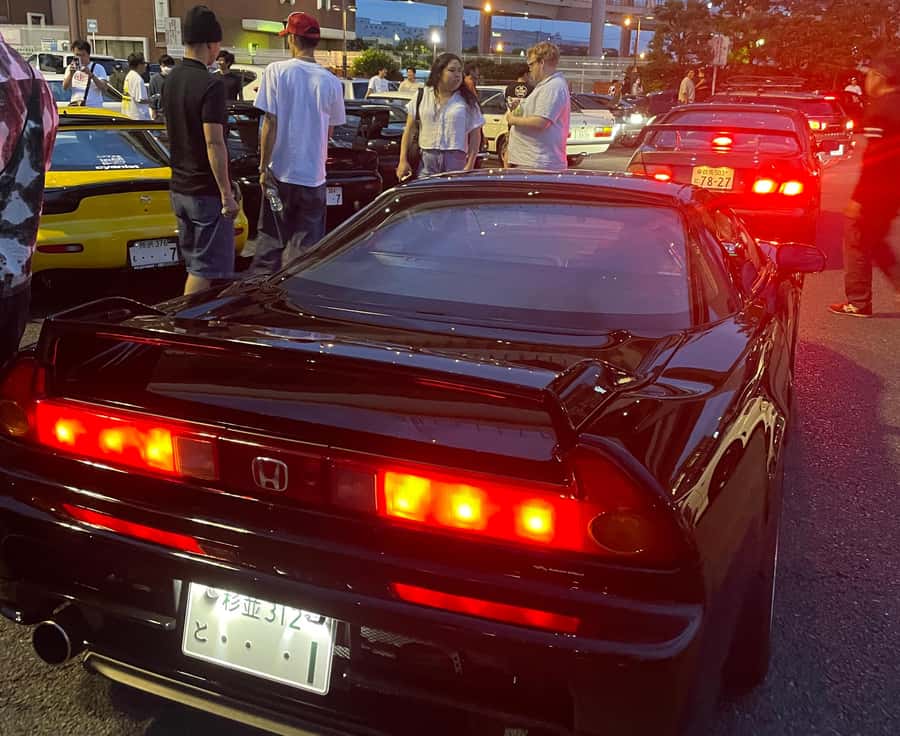
- Daikoku PA is the main event: See one of Japan’s best-known car-meet locations, with an alternative offered if police close the area.
- You ride in the convoy: Choose a tuned JDM car or a standard vehicle, depending on availability and preference.
- The route uses real car-culture roads: The C1 Loop and Wangan Expressway connect Tokyo’s city lights with Yokohama’s waterfront.
- Local guides add the meaning: English and Japanese-speaking enthusiasts explain the cars, meeting spots, and local customs.
- The night can run late: Past outings reached Daikoku after midnight, so plan around the return time rather than fitting in a dinner reservation.
- The price covers the costly bits: Highway tolls, fuel, taxes, and the ride are included, with no extra charge for weekends.
This is a car-culture night, not a normal sightseeing tour
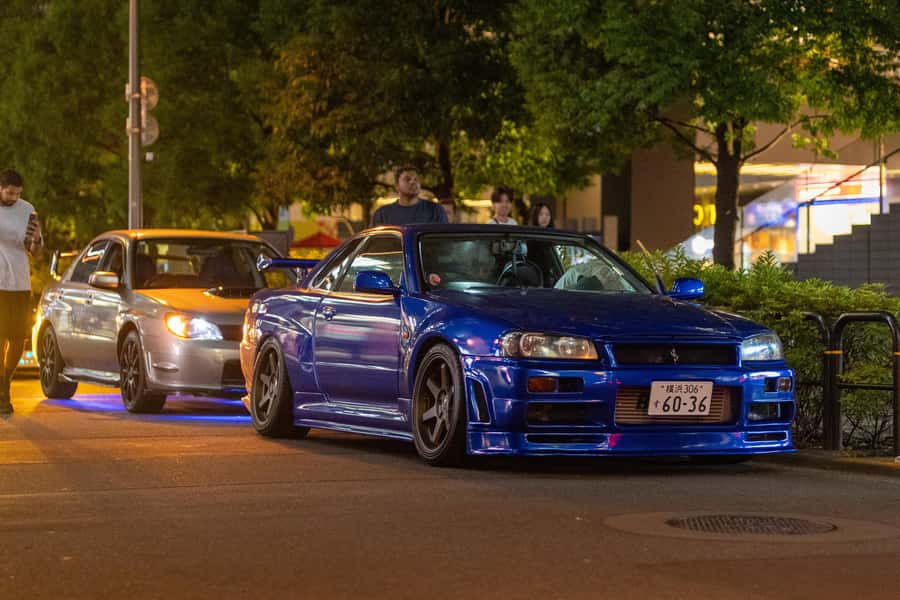
Project Wangan is built around the experience of moving through Tokyo with people who live for cars. You are not simply driven to a parking area, shown a few vehicles, and sent back to the station. The route links several parts of the city’s automotive world, with time to talk, look around, and hear why particular cars matter.
That distinction matters. Tokyo’s rail system is excellent, but trains cannot give you the sound of a turbocharged Subaru, the sweep of Rainbow Bridge at night, or the feeling of arriving at a car meet as part of a convoy. I would choose this for the atmosphere and access, not as a practical way to get from one Tokyo neighborhood to another.
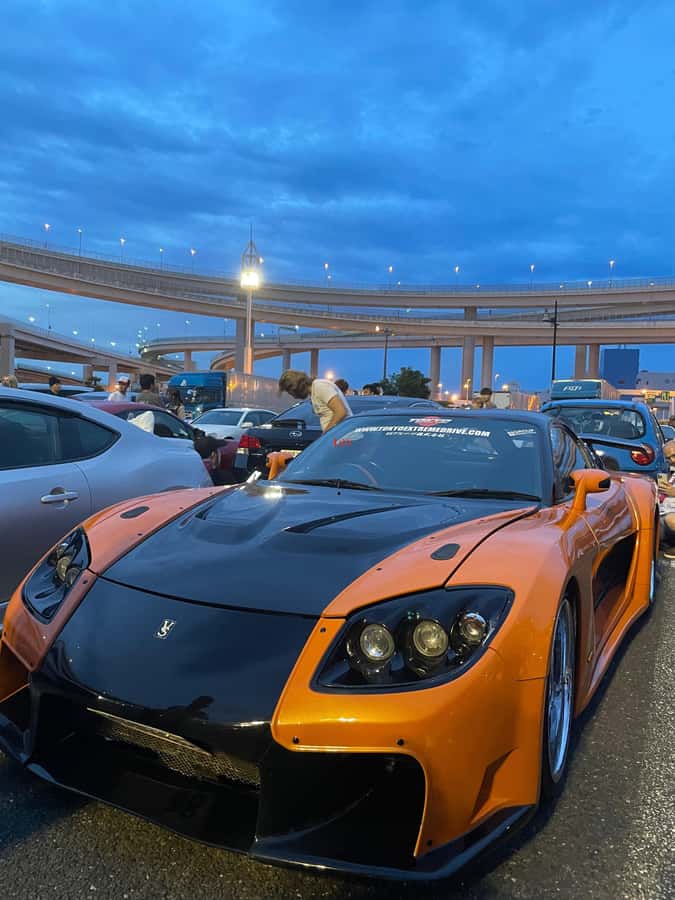
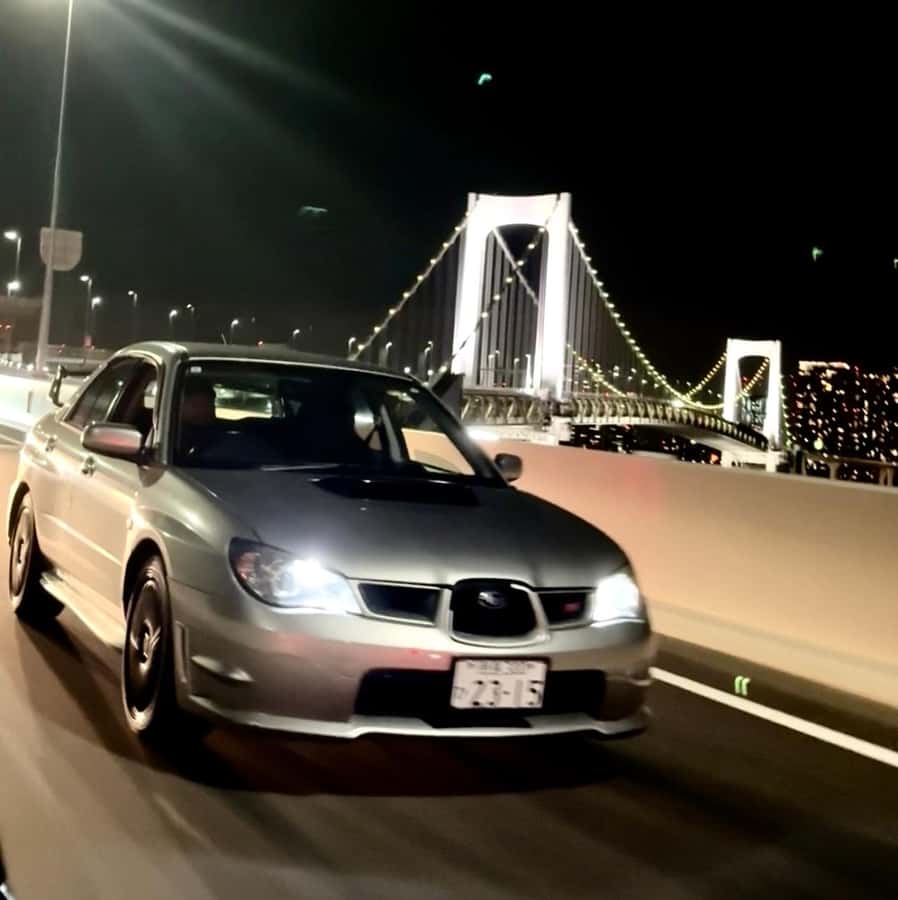
The fleet may include a Toyota MK5 Supra, Mitsubishi Lancer Evolution VIII, Subaru WRXs with different generations of styling, and other tuned JDM cars. No particular model is guaranteed. If you have your heart set on a Supra, Evo, or WRX, contact Project Wangan through Instagram or GetYourGuide before booking.
You can choose the Street Racer Experience, which places you in a tuned JDM car with an enthusiast driver, or the Executive Drive, which uses a comfortable standard vehicle. The first option is clearly the better fit if the sound, acceleration, and machinery are the point of your visit. The second suits you if you want the route and conversation without making the car itself the whole focus.
A few more options to weigh up in Tokyo
- Tokyo Disney Resort – Tokyo Disneyland & Tokyo DisneySea Park Tickets
★ 4.8 · 99,488 reviews - SHIBUYA SKY Ticket
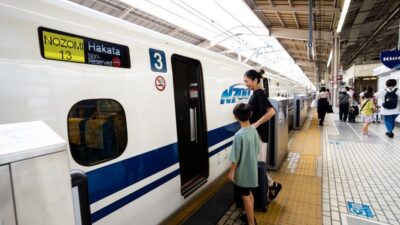
★ 4.7 · 46,509 reviews - JR Whole Japan Rail Pass
★ 4.8 · 29,150 reviews
Meeting in Akihabara and joining the convoy
The meeting point is near Game Panic Akihabara. You are asked to search for the shop in Google Maps and follow the directions, or contact Project Wangan through Instagram for exact instructions. That last step is worth taking before you leave your hotel, since the meeting details rely on direct communication.
Akihabara makes practical sense as a starting point. It is central, well connected, and already associated with Japanese pop culture and technology. You can arrive by train, but allow time to find the exact spot. This is a fixed-route group outing, not a pickup service that comes to your hotel.
Once the group gathers, you are paired with a vehicle and driver. The fleet can change because cars sometimes need maintenance. That is a sensible policy for a small enthusiast operation, but it means you should treat the advertised models as examples rather than promises.
The social side begins early. Guides such as Nikhil and Ranul have been praised for being easy to talk with, friendly, and well informed about local car culture. Their role is not only to drive. They help you understand what you are seeing and, when possible, connect with people at the meets.
Tokyo’s streets, the C1 Loop, and the Wangan Expressway
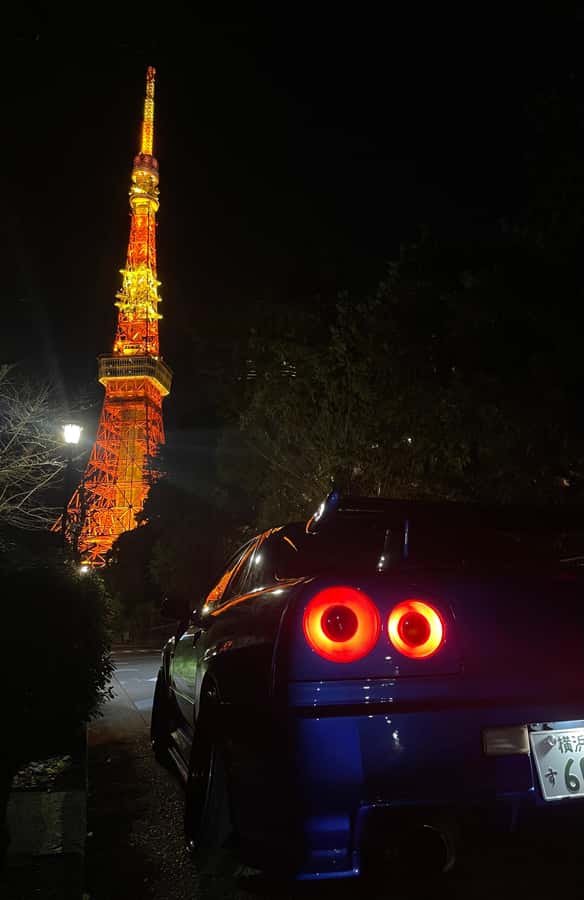
The drive is part of the attraction, not dead time between stops. You pass through Tokyo streets and major expressway sections connected with the city’s famous street-car image. The C1 Loop and Wangan Expressway are especially important to fans who know them from Japanese automotive culture and film.
You should expect city driving, tunnels, elevated roads, and changing views rather than a single scenic lookout. At night, Tokyo becomes a moving backdrop of lights, road signs, bridges, and dense urban streets. You see a side of the capital that is easy to miss from a train window.
The convoy format adds energy, but it also brings practical limits. Traffic can slow the group, and cars may need to regroup. You are joining a shared ride, so the pace and stop times are set for the whole group rather than tailored to one passenger.
Some outings have involved several vehicles and a group of around six participants, with people changing cars during the evening. That can give you a taste of more than one vehicle, but it also means your seating arrangement may not match your first expectation. If riding in the JDM car matters most to you, clarify the arrangement before setting out.
Rainbow Bridge, Tokyo Tower, and Minato City after dark
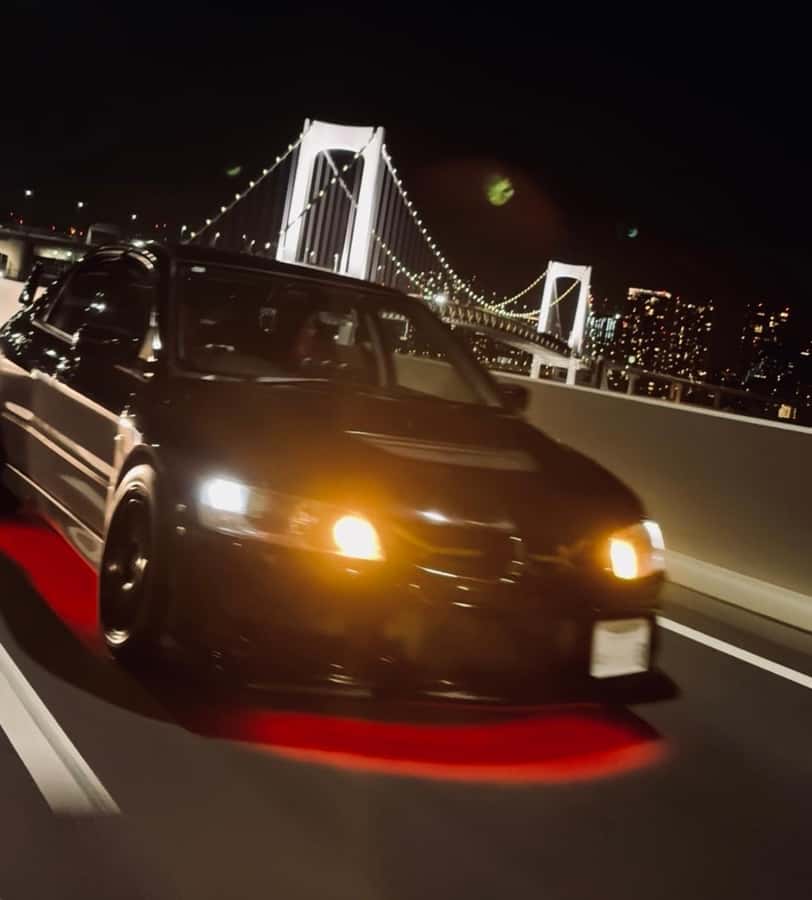
The route includes major Tokyo sights such as Rainbow Bridge and the Tokyo Tower area, along with Minato City. These stops give the outing a wider purpose. You are not only watching cars in a parking lot. You are seeing how the city’s roads, bridges, and waterfront connect to its night-driving culture.
Rainbow Bridge is particularly well suited to this kind of tour. From inside a car, the view unfolds as part of the route rather than as a formal sightseeing stop. You get the city from road level, with the bridge itself forming part of the night’s visual rhythm.
Minato City adds a polished urban setting, while Tokyo Tower offers a recognizable point of reference. The exact amount of time at each location can vary because this is a moving convoy rather than a walk with a fixed timetable. You should expect photo opportunities, not long museum-style visits.
The guides also point out places tied to the local scene. That personal context is one of the strongest parts of the outing. A standard city tour can show you Tokyo’s famous buildings. This one explains where car enthusiasts gather and how the roads fit into that world.
A completely different kind of day out:
- Mt Fuji and Hakone 1-Day Bus Tour Return by Bullet Train
★ 5.0 · 26,383 reviews - TOKYO SKYTREE® Ticket
★ 4.7 · 25,136 reviews - teamLab Borderless Tickets: MORI Building DIGITAL ART MUSEUM
★ 4.7 · 24,126 reviews - teamLab Planets TOKYO Ticket
★ 4.7 · 21,663 reviews
A-PIT Autobacs and Tokyo’s enthusiast culture
A-PIT Autobacs is one of the most useful stops for understanding the practical side of Japanese car culture. It is not just a place to admire finished cars. It represents the shops, parts, accessories, and hands-on interest that support the scene.
If you are serious about cars, you will likely want time to look at the products and atmosphere. If you are accompanying a car fan, the guide’s explanations make the stop easier to appreciate. One of the appealing features here is that the outing works for mixed groups. You do not need to know every engine code before arriving.
Guides can explain differences among Japanese performance models and discuss how car culture in Japan compares with places such as Hawaii, London, or elsewhere. The conversations are a major part of the value. Several people have praised Nikhil or Ranul for making the ride feel like a shared cruise with an enthusiast friend instead of a formal lecture.
That informal tone will suit many people, but it may not suit you if you want a tightly scripted tour with exact timings and a formal presentation. Project Wangan is best understood as a community-led car outing with guiding, not a conventional bus tour.
Arriving at Daikoku PA in Yokohama
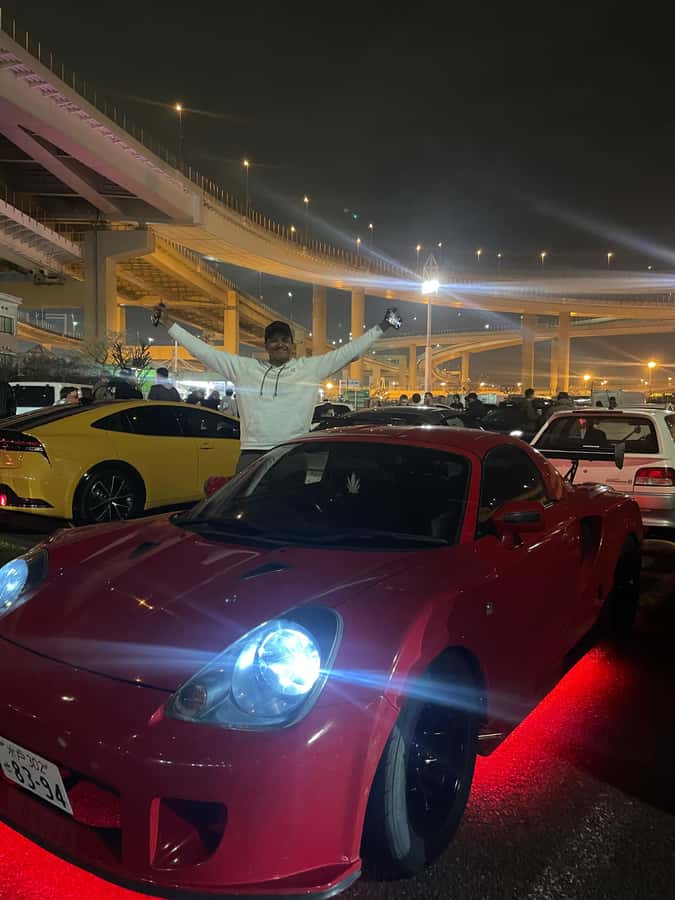
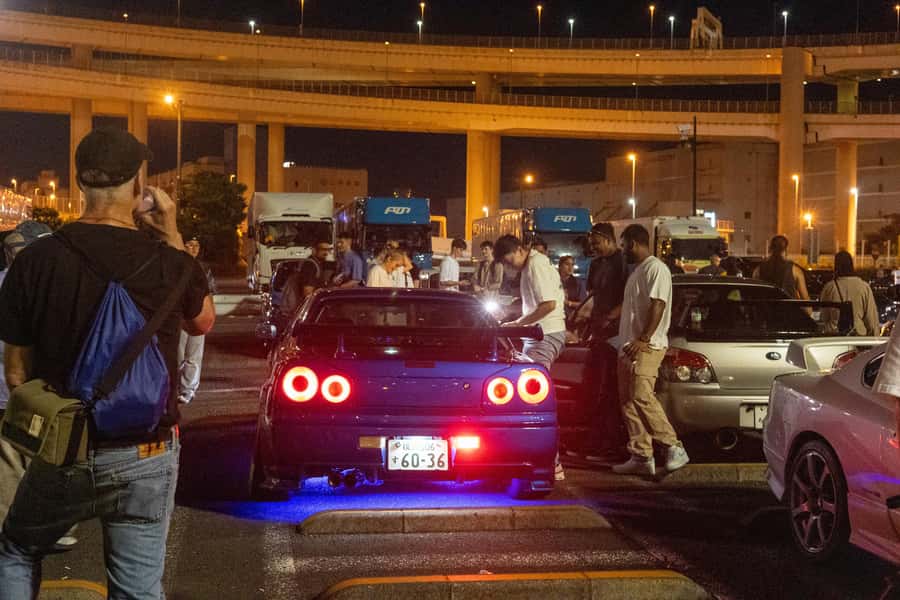
Daikoku Parking Area is the reason most people book. Located in Yokohama, it is famous for gatherings of Japanese performance cars, exotic vehicles, and modified machines. The appeal is not a permanent display. The cars change, the crowd changes, and the atmosphere depends on the night.
That uncertainty is part of the charm. You might see a wide spread of JDM cars and other eye-catching vehicles, but no one can guarantee a particular lineup. Some nights are fuller than others, and weather can affect the number of cars.
The timing also matters. One outing reached Daikoku after midnight and stayed until close to 2 a.m. Another group spent a couple of hours there. This is not a short photo stop, so avoid booking an early morning activity afterward.
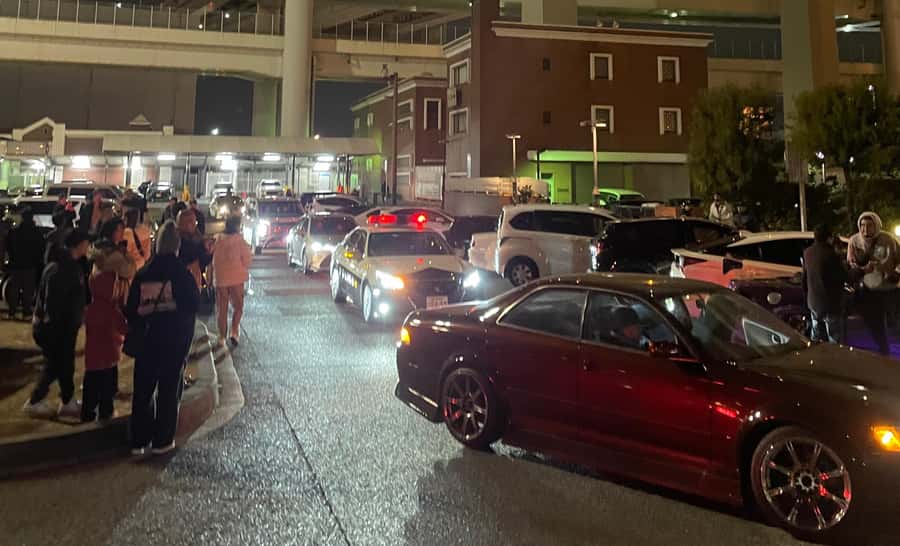
There is one important rule: Daikoku may be temporarily closed because of police activity. This has happened during outings, and the alternative has been another nearby parking area, sometimes with a sea view and its own collection of JDM and exotic cars. That backup cannot fully replace Daikoku, but it means a closure does not automatically ruin the night.
You should also remember that this is a public car-meet setting, not a staged show. The cars you see are part of real enthusiast gatherings. Be respectful, follow the guide’s directions, and avoid treating the meeting as a place for reckless behavior.
What the JDM ride feels like
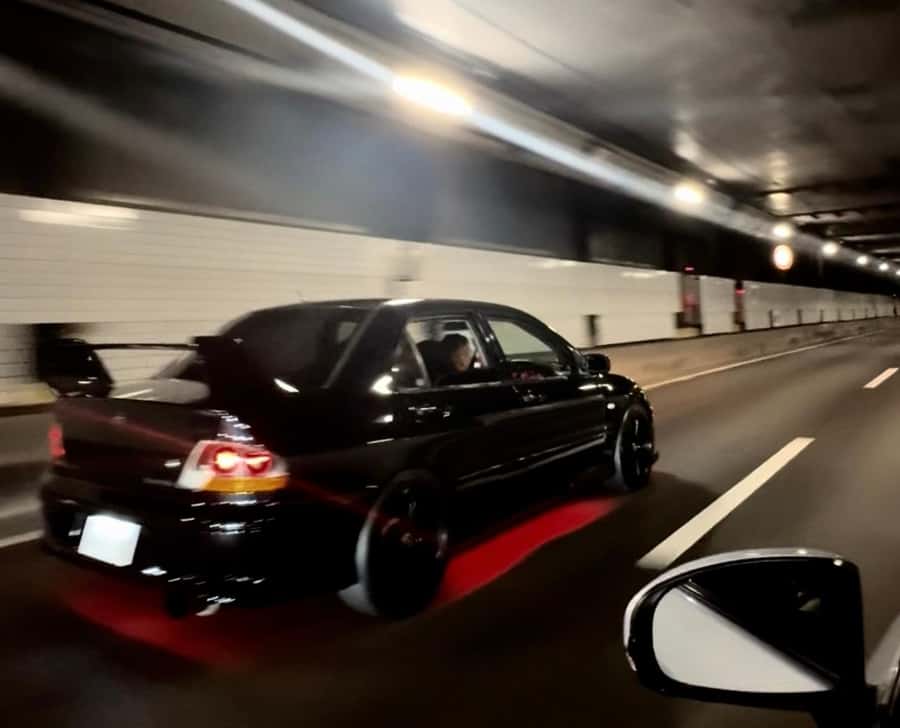
The tuned-car option is the heart of the tour for many people. You ride beside a local enthusiast, hear the car on Tokyo’s roads, and get the chance to ask questions during the drive. The attraction is sensory: the engine note, turbo sound, city lights, and the sight of other performance cars around you.
The experience is not a promise of illegal street racing. The description presents it as a cultural automotive event and convoy, not unlicensed transport or a taxi service. That distinction is important. You are paying to join an enthusiast-run outing, with the route and driving handled as part of the organized group experience.
Some people have compared the mood to Fast and Furious, especially when passing through tunnels and arriving at busy car meets. That comparison describes the movie-like atmosphere, not a guarantee of high-speed driving. Your enjoyment should come from the cars, roads, conversation, and setting.
The standard vehicle option is more comfortable and may be the sensible choice if you get motion sickness or prefer a calmer ride. The tuned JDM car can be more exciting, but the tour is specifically unsuitable for people with motion sickness, heart problems, children under eight, wheelchair users, and people over 70.
The $84 price and what it covers
At $84 per person, this is priced well for a night that includes the ride, local drivers, bilingual guides, fuel, highway tolls, taxes, and photo stops. A trip to Daikoku is awkward to arrange independently because the parking area is not a simple rail destination. The included transport is therefore a major part of the value.
You are also paying for access to local knowledge. A hired car could take you toward Yokohama, but it would not necessarily connect you with car meets, explain A-PIT Autobacs, or help you understand the C1 and Wangan roads. The guide’s enthusiasm is not a bonus decoration. It is what makes the route useful.
The price is especially attractive on Fridays and weekends, when similar outings can cost more. There are no extra fees for fuel or tolls, which helps you budget for a late night in Tokyo.
The value drops if your only goal is to sit in one exact model for the entire evening. Cars can be under maintenance, vehicles may be switched, and group arrangements can vary. Contact the team first if the car matters more to you than the wider route.
Practical details before you reserve
Bring your passport or another ID card. Smoking and alcoholic drinks are not allowed in the vehicle, and the experience does not include a normal hotel drop-off.
The outing ends back at the starting point so the convoy can finish together. For late-night tours, you can message the team about possible drop-off arrangements, but you should not book this assuming a hotel transfer is included.
Weather is not guaranteed. Rain may change the feel of the evening and can affect the car-meet atmosphere, although one outing that began in rain still reached a worthwhile meeting the following day. If weather is central to your plans, keep your expectations flexible.
You can cancel up to 24 hours in advance for a full refund, and the reserve-now, pay-later option helps if your Tokyo schedule is still shifting. English and Japanese support are available.
Who should book Project Wangan
I would recommend this most strongly to car enthusiasts, especially fans of Japanese performance cars, modified Subarus, Supras, Mitsubishi Evos, and the broader JDM scene. You will get the most from it if you enjoy talking about cars as much as looking at them.
It also works well for a non-car enthusiast accompanying a friend or family member. The Tokyo night drive, bridges, city views, and local stories provide enough variety to make the evening worthwhile. One person who came along without being a car fan still found the history and explanations enjoyable.
I would be cautious if you dislike late nights, motion, changing plans, or group rides. The fixed route, return to Akihabara, possible car swaps, and Daikoku closure risk are not small details. They are part of the decision.
Should you book this Tokyo car tour?
Book it if you want to experience Tokyo’s car culture from inside the convoy rather than from a spectator’s distance. The strongest reasons are the access to Daikoku, the tuned JDM ride, the local guides, and the roads that have become part of Japan’s automotive mythology.
Before paying, message the team about your preferred car, expected timing, and any late-night drop-off question. Go in ready for weather, maintenance, or a police closure to change the plan. If you can accept those uncertainties, $84 buys an unusually personal night in Tokyo, with far more character than a simple drive past the city lights.
FAQ
Where does the tour start?
The meeting point is near Game Panic Akihabara. Search for Game Panic Akihabara on Google Maps and follow the directions, or contact Project Wangan on Instagram for further instructions.
Where does the tour end?
The activity ends back at the meeting point in Akihabara. Hotel drop-off is not included, although you can contact the team about possible drop-offs during late-night tours.
Is a tuned JDM car included?
You can choose a ride in a tuned JDM car or a standard vehicle. Specific models are not guaranteed because cars may be undergoing maintenance.
Which cars might be available?
The fleet can include a Toyota MK5 Supra, Mitsubishi Lancer Evolution VIII, Subaru WRXs, and other tuned JDM cars. Contact the team before booking if you want to check a particular model.
What happens if Daikoku Parking Area is closed?
If police activity temporarily closes Daikoku Parking Area, the team offers alternative locations where you may still see JDM and exotic cars.
What is included in the price?
The price includes the ride, expert local drivers, bilingual English and Japanese guides, highway tolls, fuel, taxes, scenic driving, and photo stops.
Who should not join the experience?
The tour is not suitable for children under eight, people with heart problems, wheelchair users, people with motion sickness, or people over 70 years old. Bring a passport or ID card.
Just added in Tokyo
- Manga Lesson with a Professional Japanese Manga Artist in Nakano★ 5.0 · 77 reviews
- Making a bento box with cute character look in Japan★ 5.0 · 15 reviews
- Tokyo/Ikebukuro Manga drawing workshop by pro-Manga artists★ 5.0 · 65 reviews
- Luxury Tokyo Sake, Cocktail, Whisky and Pairing Tour★ 5.0 · 18 reviews
- Tokyo Ueno Food & Nature & Localtown Tour: 10Dishes+ Drinks★ 5.0 · 34 reviews
- Make Your Own Bonsai with a Professional Bonsai Artist in Tokyo★ 4.5 · 18 reviews
- Make Traditional Nerikiri Sweets & Matcha experience in Shibuya★ 5.0 · 130 reviews
- Daikoku Parking Tokyo Drift & APIT Car Meet JDM Culture Tour★ 5.0 · 79 reviews
Tokyo Tours, compared.
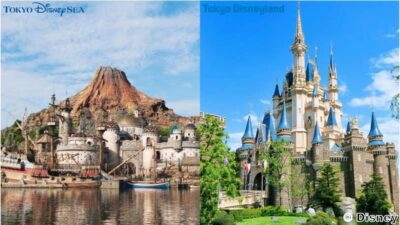
Tokyo Disney Resort – Tokyo Disneyland & Tokyo DisneySea Park Tickets
Read our review →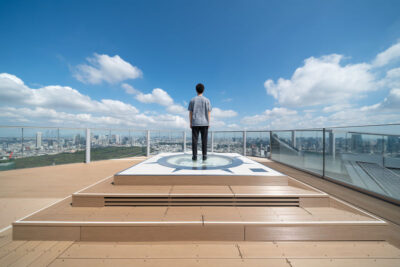
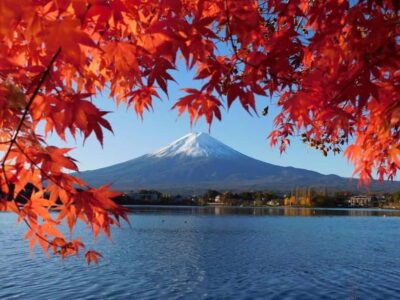
Mt Fuji and Hakone 1-Day Bus Tour Return by Bullet Train
Read our review →
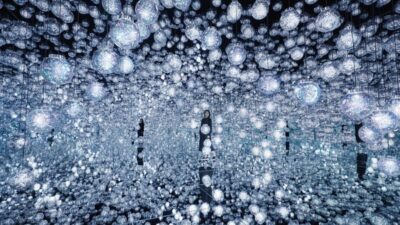
teamLab Borderless Tickets: MORI Building DIGITAL ART MUSEUM
Read our review →