Reviewed · TOKYO TOURS
Tokyo: Daikoku JDM Car Meet & Night Car Culture Tour
Tokyo’s car scene comes alive after dark. This small-group outing links Daikoku Parking Area with A PIT Autobacs, Tatsumi Parking Area, and dramatic highway views that are difficult to reach by train. I like the personal attention from guides such as Michael, Mori, and Kareem, and I like that the experience offers more than one car meet. The main caution is simple: the number and type of cars depend on the day, weather, and police activity.
You meet near Shibuya and ride in your selected vehicle, which may be a JDM Legend car, a performance van, or a premium sports sedan. I also appreciate the relaxed, conversation-based approach. This is not a guarantee of movie-style street racing or a private display of rare supercars. It is a chance to see Japanese car culture as it really appears, sometimes spectacular, sometimes quiet, and always unpredictable.
In This Review
- Key points to know before booking
- Why Daikoku is worth the trip from Tokyo
- Meeting in Shibuya and choosing your ride
- Rainbow Bridge and the night drive through Tokyo
- A PIT Autobacs, Japan’s car store with a cult following
- Tatsumi Parking Area and the expressway car culture
- Haneda tunnels, Yokohama Bay Bridge, and the arrival at Daikoku
- The return through Minatomirai, Tokyo Tower, and Rainbow Bridge
- How much value do you get for $99.49?
- Who will enjoy this experience most?
- Should you book the Daikoku night tour?
- FAQ
- Where does the tour start?
- Where does the tour end?
- How long does the experience last?
- What vehicle options are available?
- Is Daikoku Parking Area always included?
- Can I see a specific car model?
- Can families and children join?
Key points to know before booking
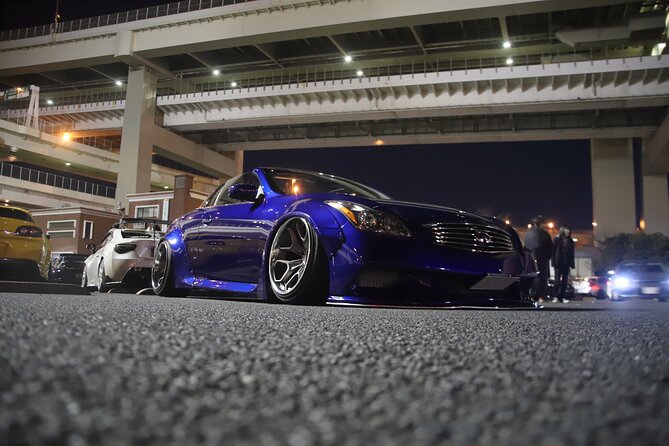
- Daikoku is the main event: You spend about an hour at Yokohama’s famous expressway parking area, where the mix may include JDM, European, American, classic, modern, and highly modified cars.
- The drive is part of the experience: The route includes Rainbow Bridge, Odaiba, Tokyo Tower, Tokyo Skytree, Haneda Airport tunnels, Yokohama Bay Bridge, and the C1 Loop.
- A PIT Autobacs adds context: This large automotive store lets you browse Japanese car parts, accessories, merchandise, and displays before reaching Daikoku.
- The group stays small: The tour has a maximum of 10 people, with private and family-friendly choices available.
- Saturday usually offers the best odds: Weekend evenings can bring a larger gathering, though no specific car or turnout is promised.
- Budget extra arrival time in Shibuya: After-work traffic can make it harder to reach the Dōgenzaka meeting point on schedule.
Why Daikoku is worth the trip from Tokyo
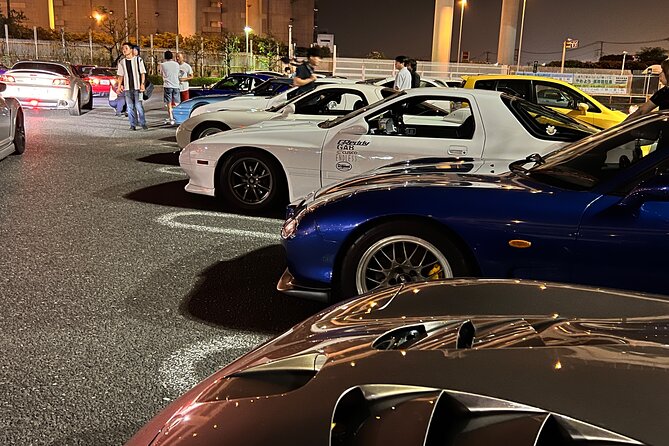
Daikoku Parking Area sits in Yokohama, not central Tokyo, and reaching it independently is not especially straightforward. It is part of the expressway system, so you cannot treat it like an ordinary neighborhood car park reached by subway. That is the first reason this tour makes sense: the vehicle, route, and driver are not just transport to the attraction. They are part of the outing.
Daikoku has become one of the best-known meeting points in Japanese car culture. The appeal is the mix. You might see classic Japanese coupes, tuned sports cars, luxury sedans, German performance models, American cars, and unusual custom builds in one visit. The selection changes from night to night.
That uncertainty matters. If you arrive expecting a carefully arranged exhibition of Nissan Skyline GT-Rs, Mazda RX-7s, or Toyota Supras, you could leave disappointed. If you enjoy looking at whatever owners happen to bring out, the experience has a much better chance of working for you.
The tour’s rating of 4.9 from 232 reviews and its 97 percent recommendation rate reflect its strongest quality: the guides make the drive feel social and informative. Michael is often praised for his easy conversation and broad car knowledge, while Mori has earned strong feedback for his enthusiasm and ability to explain the wider culture. Kareem and Sasha are also named positively. Your guide will vary, but the company clearly places a great deal of weight on personal hosting.
A few more options to weigh up in Tokyo
- Tokyo Disney Resort – Tokyo Disneyland & Tokyo DisneySea Park Tickets
★ 4.8 · 99,488 reviews - SHIBUYA SKY Ticket
★ 4.7 · 46,509 reviews - JR Whole Japan Rail Pass
★ 4.8 · 29,150 reviews
Meeting in Shibuya and choosing your ride
The starting point is at Dōgenzaka Center Building in Shibuya, a few blocks from Shibuya Crossing. The exact address is Japan, 150-0043 Tokyo, Shibuya, Dōgenzaka, 2-chōme 29-8. The activity ends back at this same meeting point.
Shibuya is a useful start because it is easy to reach by public transportation, but do not cut your arrival too close. One family specifically noted that after-work traffic made the journey slower than expected. A taxi may be the simplest option if you are carrying bags or coming from another part of Tokyo.
Your vehicle depends on the option you book. Choices include a JDM Legend car, a performance van, and a premium sports sedan. The sedan and van options allow small foldable strollers, depending on their size, and a booster seat is available for children.
The vehicle choice can shape your enjoyment. A car enthusiast may prefer the atmosphere of a JDM model, while a family may value the extra room of a van. Groups of four or five should book the small-group performance van option. The operator has two luxury vans with a comfortable capacity of five and a maximum capacity of six, so a larger party or pair may occasionally be split during the driving sections.
The tour allows up to 10 people. That is still much more personal than a large coach excursion, but you should understand that small group does not always mean everyone rides in one car. Ask about the vehicle arrangement if sitting together is important.
Rainbow Bridge and the night drive through Tokyo
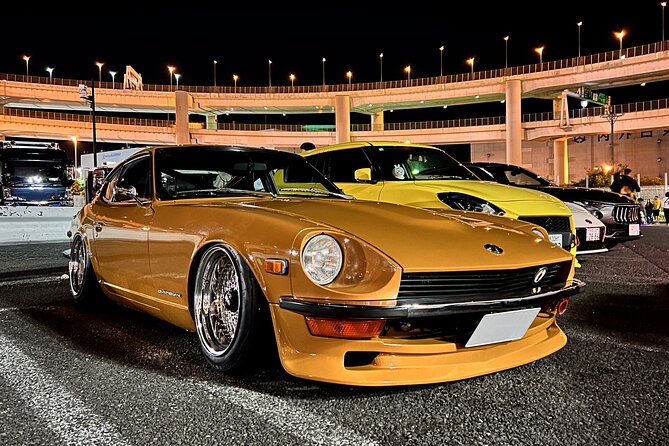
The route begins with city scenery rather than a car park. You pass Roppongi Hills Mori Tower, an instantly recognizable building surrounded by offices, upscale shops, restaurants, and polished urban scenery.
The first major visual moment is the drive across Rainbow Bridge. From a train, you get one kind of view of Tokyo. From a moving car at night, you see the city from a lower, more immediate angle, with the bridge, water, and illuminated buildings shifting around you.
The route also passes Odaiba, the artificial island known for shopping, residences, leisure attractions, and the unusual Fuji TV building. The tour description is right to treat this as part of the experience rather than filler. The drive gives you a quick look at a side of Tokyo that is easy to miss if your schedule is built around temples, department stores, and subway rides.
One benefit of traveling with a car enthusiast guide is the conversation during these stretches. Michael has been praised for explaining both cars and everyday Tokyo, while other guides have been described as friendly, easy to talk to, and good with younger passengers. The ride is not meant to be silent transport.
A PIT Autobacs, Japan’s car store with a cult following
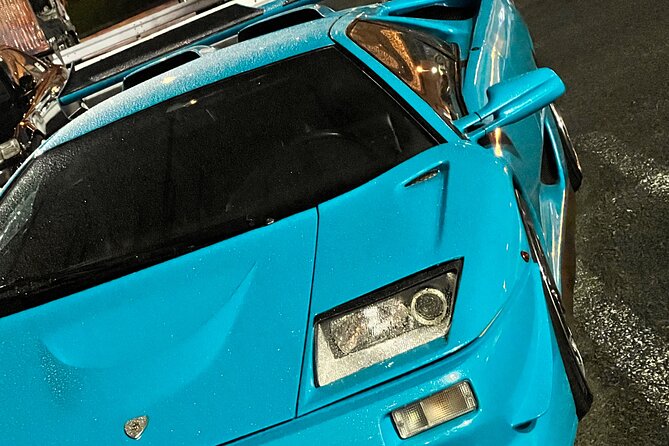
The first substantial stop is A PIT Autobacs in Koto. The timing includes roughly 25 minutes to reach the store and about 25 minutes there, for around 50 minutes total.
A PIT Autobacs is not simply a place to buy motor oil. It is the flagship store of a major Japanese automotive retailer, with parts, accessories, tools, merchandise, and car-related displays. Even if you do not plan to buy anything, the store helps explain how car culture operates beyond the parking-lot meet.
You might find interesting cars outside or near the store, and you can browse at your own pace within the allotted stop. Several people have particularly liked this part because it adds another setting to the evening. Daikoku shows the social side of the scene. A PIT shows the commercial and practical side.
The limitation is time. Twenty-five minutes is enough for a focused look, but not enough for a long shopping session if you want to inspect every shelf. If you are hoping to purchase specialized parts, check your luggage space and keep the schedule in mind.
The operator sometimes substitutes A PIT with Umihotaru or Gaienmae, depending on the day. Daikoku remains part of every version of the experience, but the supporting stops can change.
A completely different kind of day out:
- Mt Fuji and Hakone 1-Day Bus Tour Return by Bullet Train
★ 5.0 · 26,383 reviews - TOKYO SKYTREE® Ticket
★ 4.7 · 25,136 reviews - teamLab Borderless Tickets: MORI Building DIGITAL ART MUSEUM
★ 4.7 · 24,126 reviews - teamLab Planets TOKYO Ticket
★ 4.7 · 21,663 reviews
Tatsumi Parking Area and the expressway car culture
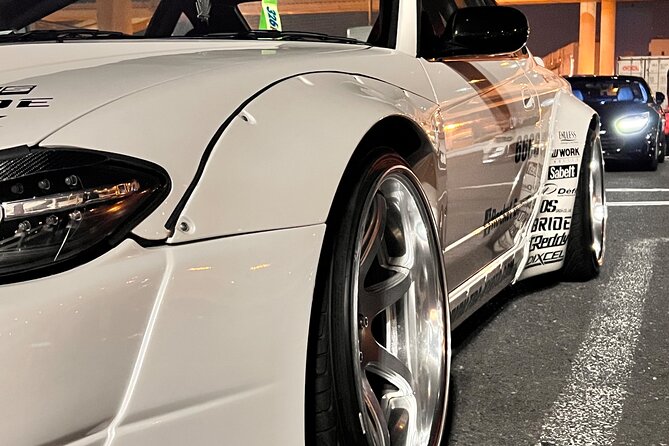
After A PIT, the route makes a quick hop to Tatsumi No. 1 Parking Area for Hakozaki. The planned timing is about 10 minutes of driving and 15 minutes at the stop.
Tatsumi is smaller and less famous than Daikoku, but that is part of its appeal. It is a rest area where car enthusiasts may pause during loops on Tokyo’s expressway network. The stop gives you another angle on the culture, one that feels less like a destination and more like a normal meeting point woven into daily driving.
Do not expect Tatsumi to match Daikoku in scale. In poor weather, the stop may be brief. One outing cut the stay short because of rain, which is a useful reminder that this is an outdoor experience with changing conditions.
On the way toward Daikoku, the route follows the Wangan highway and passes views of Tokyo Skytree. The highway itself has a place in Japanese car culture, and the straight road creates a sense of movement that a standard sightseeing bus cannot provide. The guide may explain the road, the cars, and the culture tied to it, but the tour does not promise illegal racing or a particular driving performance.
Haneda tunnels, Yokohama Bay Bridge, and the arrival at Daikoku
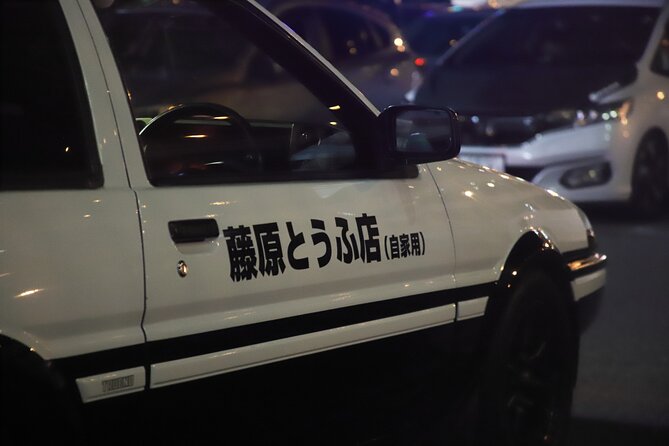
The drive continues through tunnels beneath Haneda Airport runways. If timing and conditions cooperate, you may see airliners taxiing above the tunnel entrances. It is a small detail, but it gives the route a pleasant sense of place.
Just before Daikoku, the view opens toward Yokohama Bay Bridge and the Yokohama skyline. Yokohama is a major cruise port, so ships may be visible as well. The scenery changes from Tokyo’s dense urban core to the industrial waterfront and broad expressway corridors of the bay.
The planned ride from Tatsumi to Daikoku is about 40 minutes, followed by roughly an hour at the parking area. That hour is important. It gives you time to walk around, study the cars, take photographs, and talk with the guide instead of making a quick stop for a few snapshots.
The best nights can be impressive. A Saturday may bring a large gathering, with more than 100 cars present at times. Another evening may feature a smaller but still worthwhile collection. Police can also close the area, particularly when activity becomes too large or disruptive. If that happens, the night can suddenly feel less like a polished attraction and more like a real gathering with real limits.
That is authentic, but it is not always convenient. You cannot guarantee a particular model, a certain number of cars, or an uninterrupted visit. Weather also affects attendance. The operator can cancel for poor conditions and offer another date or a full refund, but ordinary changes in weather may still affect what you see.
The return through Minatomirai, Tokyo Tower, and Rainbow Bridge
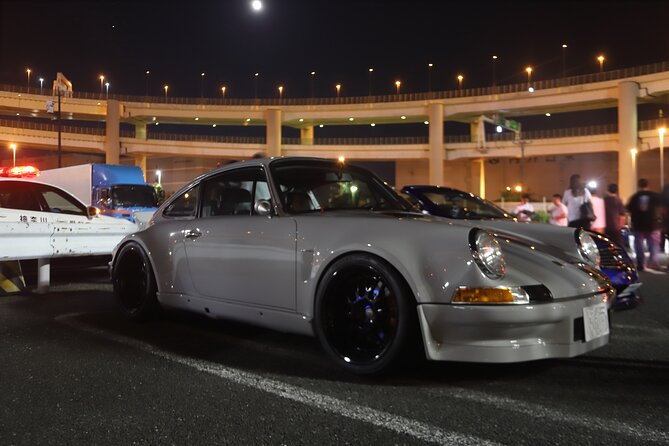
The return journey is not simply a ride back to Shibuya. You get views of Yokohama’s Minatomirai area and port, then continue toward Tokyo.
Crossing Rainbow Bridge from the Odaiba side gives you another fine city view, this time with Tokyo opening ahead of you. The route also includes a look at Tokyo Tower from the C1 Loop highway. These views are a useful counterpoint to the car meet, especially if someone in your group is only mildly interested in automobiles.
The scheduled return portion is about 45 minutes, though traffic can affect the actual duration. The complete experience lasts about three to four hours, depending on the selected schedule and route changes.
Morning and evening departures are available. Evening is the natural choice if your main goal is the car-meet atmosphere and illuminated city views. A morning outing may suit you better if you want a calmer schedule or have evening plans, but the energy at Daikoku can vary greatly by time and day.
How much value do you get for $99.49?
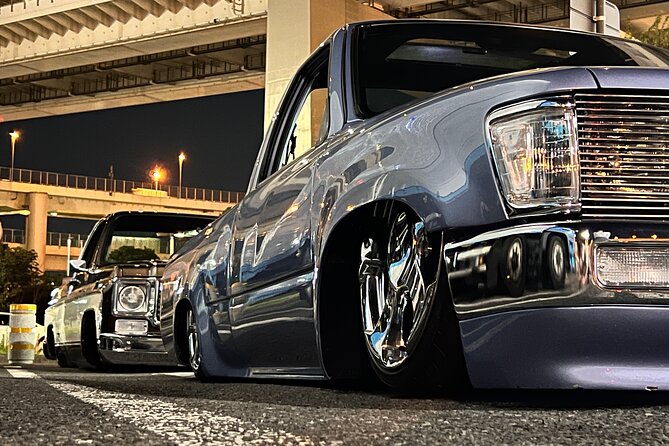
At $99.49 per person, this is not a cheap way to get from Shibuya to Yokohama. It can be good value if you would otherwise struggle to reach Daikoku and want the guide, vehicle, extra stops, and expressway sightseeing included in one outing.
The price covers fees and taxes, the guide, transportation in the selected vehicle, and visits to several car-related places. Food, drinks, and souvenirs cost extra. You are paying less for a guaranteed collection of rare cars and more for access, local context, and a carefully arranged route.
The value rises for families and small groups. A parent can enjoy the city views while a teenager or adult enthusiast talks cars with the guide. One family found that the guide was engaging with children, and another group of four young adults appreciated having someone who could talk about cars for the entire ride.
The value drops if you are only interested in a specific model or in dramatic racing action. The tour cannot promise either. Social media and films can create unrealistic expectations, while the real scene is often relaxed and owner-led.
Who will enjoy this experience most?
You are a strong match if you enjoy JDM cars, modified vehicles, Japanese highways, photography, or seeing Tokyo from a moving car. It also suits a parent traveling with a car-mad teenager, since the guide can add detail and conversation that a self-guided visit would lack.
You do not need to be an expert. The experience includes European and American cars as well as Japanese models, and the guides discuss the wider car culture rather than only one brand.
You may want to skip it if you dislike riding in cars for several hours, have limited patience for changing plans, or need a guaranteed list of sights. The tour includes outdoor stops and depends on road conditions, weather, and what happens at the parking areas.
If you book an RX-7 option, pay attention to the seating guidance. The rear seat is best for riders under 170 centimeters who are slim, and the front seat is best for riders under 185 centimeters. That practical detail matters more than the car’s appearance in the booking photos.
Cancellation is free up to 24 hours before the start time. Inside that window, the payment is not refunded, and last-minute changes are not accepted. Plan your route to Shibuya carefully and allow extra time for traffic.
Should you book the Daikoku night tour?
Book it if you want access to the real car-meet circuit, not a staged car show. The strongest parts are the passionate guides, the comfortable ride, the variety of stops, and the nighttime views from Tokyo’s expressways.
Choose a Saturday if your priority is the largest possible gathering, while accepting that police closures and weather can alter the plan. Choose a smaller group or private option if you want more personal conversation. At $99.49, the outing makes the most sense when you value the whole route, not just the hour at Daikoku.
If you can accept uncertainty about the cars, this is a distinctive way to see Tokyo and Yokohama. If you need a guaranteed R34, RX-7, or packed parking lot, save your money. The best reason to go is that the night feels like a guided ride through Japanese car culture, with the city itself serving as part of the show.
FAQ
Where does the tour start?
It starts at the Dōgenzaka Center Building in Shibuya, at Japan, 150-0043 Tokyo, Shibuya, Dōgenzaka, 2-chōme 29-8.
Where does the tour end?
The activity ends back at the Shibuya meeting point.
How long does the experience last?
The tour lasts approximately three to four hours.
What vehicle options are available?
You can choose a JDM Legend car, a performance van, or a premium sports sedan, based on the option selected at booking.
Is Daikoku Parking Area always included?
Yes. Every version of the experience visits Daikoku. Other stops, such as A PIT Autobacs and Tatsumi, may sometimes be replaced by Umihotaru or Gaienmae.
Can I see a specific car model?
No specific car sightings are guaranteed. The cars present depend on the date, weather, and activity at the meet.
Can families and children join?
Yes. The experience is family-friendly, a booster seat is available, and small foldable strollers may be accepted in the sedan and van options depending on their size.
Just added in Tokyo
- A One-of-a-Kind Sushi Experience in a Special Place of Japan★ 5.0 · 15 reviews
- Tokyo Cute Bento Cooking Class – Make a Kawaii Character Lunchbox★ 5.0 · 126 reviews
- Japanese Home Cooking Class & Walk in Todoroki Temple Tokyo★ 5.0 · 88 reviews
- Japan Tokyo Tower Observatory Deck E-Ticket★ 4.0 · 34 reviews
- Catch a Baseball Game in Tokyo with a Local – Tickets Included★ 5.0 · 24 reviews
- JDM Experience with Fast&Furious RX-7 (English speaking Driver)★ 5.0 · 57 reviews
- Tokyo Private Day Tour by Car with English speaking Driver Guide★ 4.0 · 29 reviews
- Japan Classic 10 Day – One Life Adventures★ 5.0 · 129 reviews
Tokyo Tours, compared.
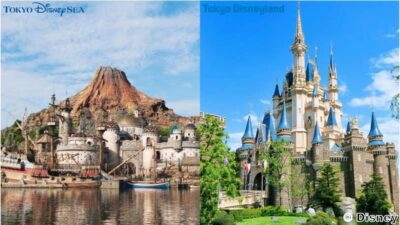
Tokyo Disney Resort – Tokyo Disneyland & Tokyo DisneySea Park Tickets
Read our review →
Mt Fuji and Hakone 1-Day Bus Tour Return by Bullet Train
Read our review →
teamLab Borderless Tickets: MORI Building DIGITAL ART MUSEUM
Read our review →