Reviewed · TOKYO TOURS
Tokyo: Discover the Art of Kintsugi in Ginza
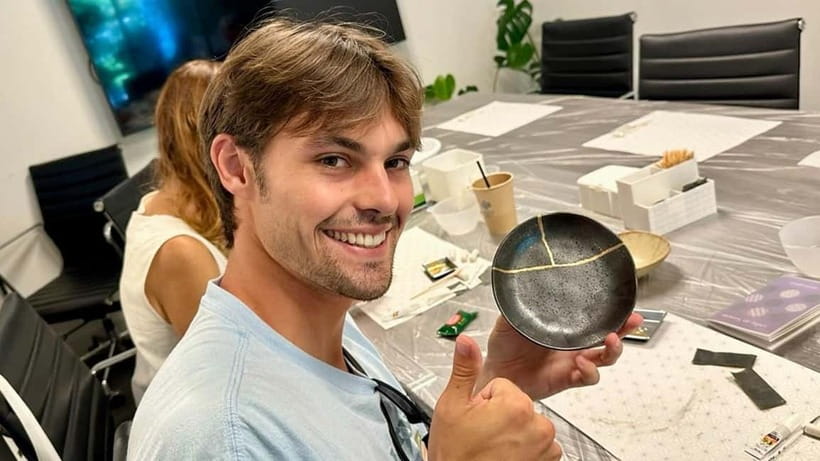
Broken pottery gets a beautiful second chance here. This 90-minute Kintsugi workshop near Ginza Station gives you a calm, hands-on look at a Japanese craft and the idea that damage can become part of an object’s beauty. I especially like the small group of up to eight and the fact that all tools, materials, and a ceramic piece are supplied. The main thing to remember is that this is a modern, quick version of Kintsugi, not the traditional month-long lacquer process.
I also like the careful packaging for taking your finished piece home and the complimentary soft drink served during the class. Instructors such as Tatsu and Teki Sensei have been praised for clear teaching, friendly conversation, and useful stories about Ginza. The pace can slow briefly if another person needs extra help, but that is a fair trade for individual guidance.
In This Review
- Key points at a glance
- A quiet craft room beside Ginza’s bright streets
- What Kintsugi means beyond gold-colored lines
- How the 90-minute class unfolds
- The important catch: this is modern Kintsugi
- Why the $75 price can be fair
- Who will enjoy this most
- Planning your time around the workshop
- What the teaching adds
- Cancellation and booking flexibility
- Is this Ginza Kintsugi workshop worth booking?
- FAQ
- Where is the Kintsugi workshop held?
- How long does the workshop last?
- How much does the activity cost?
- Is the workshop taught in English?
- How many people can join the class?
- Do I need to bring a ceramic item?
- Can I take my repaired ceramic home?
- Is the repaired piece safe to use for food?
- Is this traditional Kintsugi using real lacquer and gold?
Key points at a glance
- Three minutes from Ginza Station: The workshop takes place at Cafe AOU Ginza forest, on the ground floor of the Daiwa Ginza Building.
- A real hands-on craft session: You repair a supplied ceramic plate or bowl rather than simply watching a demonstration.
- Small groups matter: With no more than eight participants, the instructor can help with tricky steps.
- A practical souvenir: Your repaired piece is packaged for the journey home, though it should be used for decoration only.
- A quick modern method: Synthetic lacquer and metallic powder let you finish in 90 minutes instead of waiting about a month.
- English and Japanese instruction: The class is suitable for people with no prior Kintsugi experience.
A quiet craft room beside Ginza’s bright streets
Ginza is known for department stores, polished shopping streets, and high-end brands. This workshop offers a different reason to spend time in the district. You leave the busy streets and enter a private room connected with Cafe AOU Ginza forest, located at street level in the Daiwa Ginza Building.
The location is one of the strongest practical features. The meeting point is only about three minutes from Ginza Station, so you can fit the class into a day of sightseeing without giving up half an afternoon to transport. The exact room may change if availability or booking numbers require it. If that happens, you should receive the new location by email one day before the class.
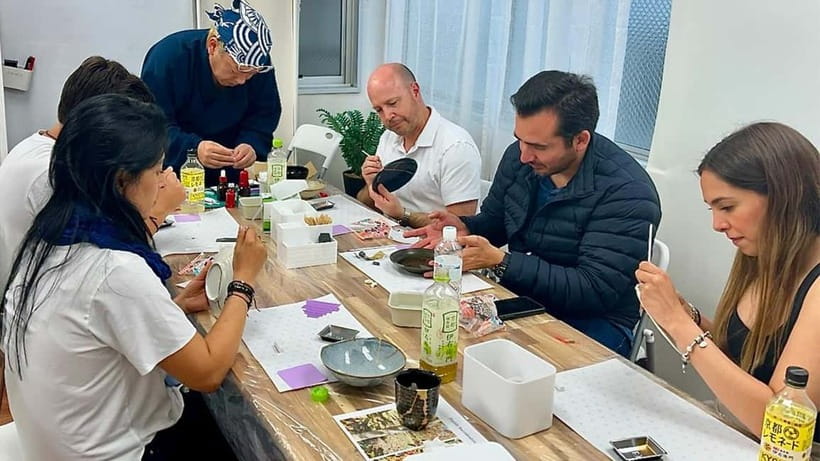
A small group makes this feel more like a craft lesson than a large tourist activity. Eight people is the stated limit, and that gives the instructor room to check your work, explain the next step, and help when a crack refuses to cooperate. You are not left to guess what to do with a brush, adhesive, or metallic powder.
The private-room setting also gives the activity a slower rhythm than Ginza outside. A soft drink is included, and some sessions have included coffee while the instructor explained the plan. This is not a café tour, but the drink is a pleasant touch at the start of a focused class.
A few more options to weigh up in Tokyo
- Tokyo Disney Resort – Tokyo Disneyland & Tokyo DisneySea Park Tickets
★ 4.8 · 99,488 reviews - SHIBUYA SKY Ticket
★ 4.7 · 46,509 reviews - JR Whole Japan Rail Pass
★ 4.8 · 29,150 reviews
What Kintsugi means beyond gold-colored lines
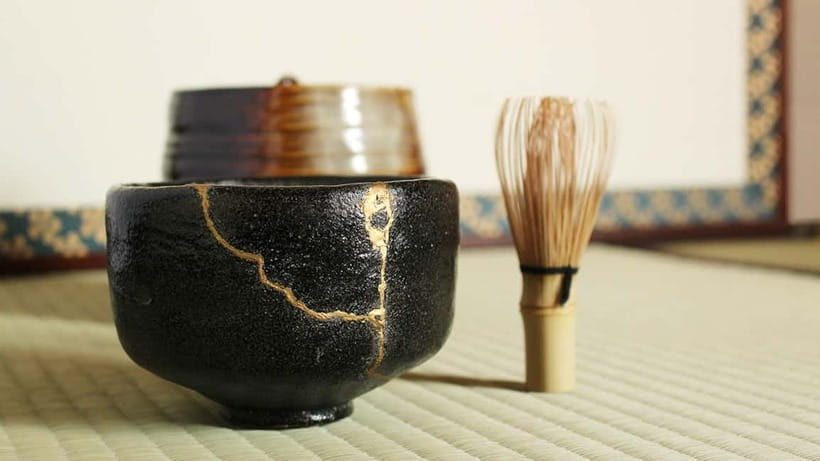
Kintsugi is the Japanese practice of repairing broken ceramics so the cracks become part of the finished design. Instead of hiding the damage, the repair draws attention to it. That idea is often linked with acceptance of age, wear, and change.
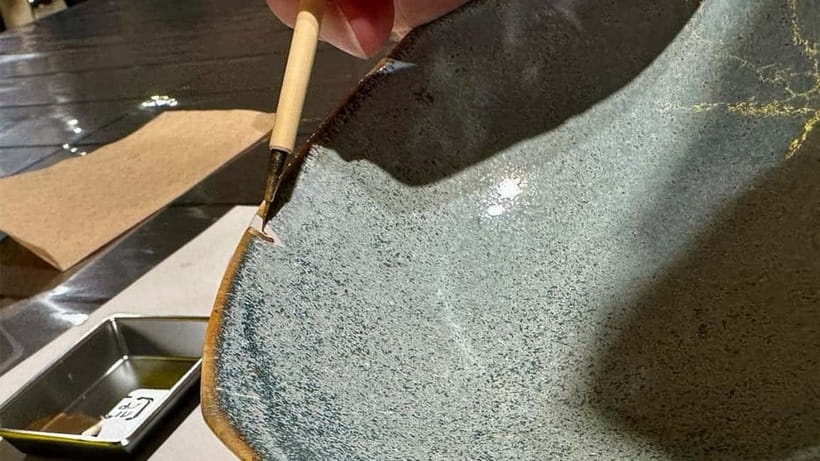
The class gives you a simple way to understand that idea through your hands. You work with a broken ceramic piece and follow the repair process step by step. The finished lines are not identical from one person to the next, which is part of the appeal. Your plate or bowl becomes a personal object rather than a factory-perfect souvenir.
Some sessions offer a choice between two cracked plates. The supplied accounts describe plates and bowls, so the exact shape may depend on the class. You do not need to bring your own broken item, and no previous experience is required.
The cultural value is modest but real. In 90 minutes, you will not become a traditional craftsperson, but you will gain a better sense of why Kintsugi has meaning. The lesson connects a physical repair with a broader Japanese aesthetic idea, and the finished piece gives that lesson a place in your luggage and home.
How the 90-minute class unfolds
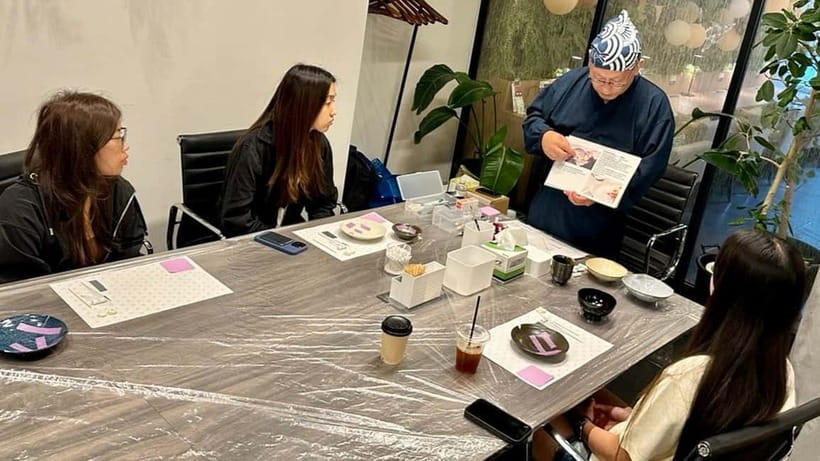
The session begins with an introduction to Kintsugi and the basic idea behind the repair. The instructor explains the process, materials, and order of the work before you start handling the ceramic. This opening is useful because the craft has a few technical steps, and rushing straight to the repair would make the activity less clear.
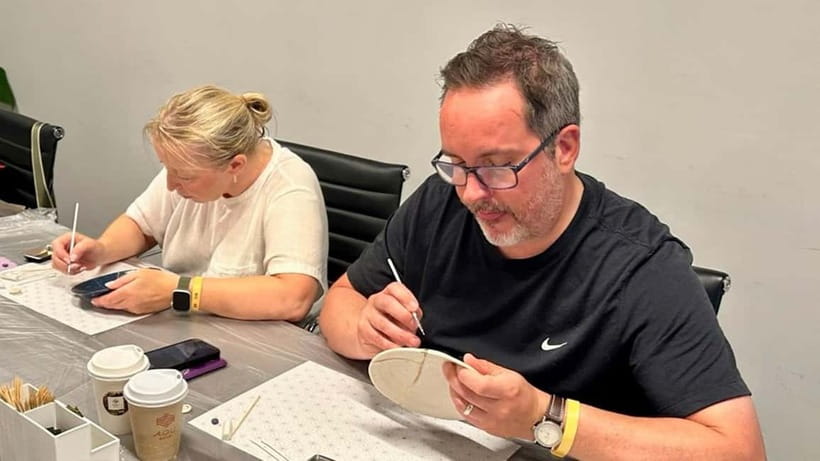
The instructor then gives you your ceramic piece and explains how to work along the broken sections. You can expect a guided process rather than a free-form art session. The instructions are designed for beginners, with the instructor checking progress and stepping in when a seam or join needs attention.
The practical work is the heart of the class. You apply the materials to the damaged areas, then add metallic powder to create the decorative repair line. The careful part is keeping the work neat and following the order of the steps. If you enjoy making things with your hands, this is where the $75 begins to make sense.
The pace is not identical for everyone. One person may need more help, and the whole group can wait while that person catches up. That can reduce your personal working time slightly, though it also means the instructor is doing the right thing by helping instead of leaving a beginner stuck.
Instructors named Tatsu and Teki Sensei have received particular praise for explaining the work clearly and keeping conversation going. Tatsu has also shared stories about Ginza during the class. That extra local context helps the workshop feel connected to Tokyo rather than like a craft lesson that could take place anywhere.
At the end, your repaired piece is prepared for transport. The packaging has been described as especially careful and sophisticated, which matters more than it may sound. A freshly repaired plate is an awkward souvenir to carry through airports and into a suitcase, so protection for the trip home is part of the activity’s practical value.
The important catch: this is modern Kintsugi
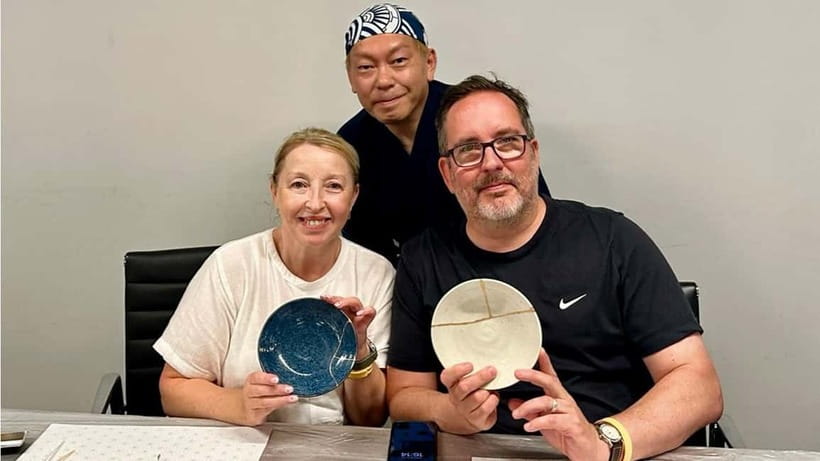
You should know exactly what you are buying. Traditional Kintsugi uses natural lacquer and can take about a month to complete. This workshop uses synthetic lacquer and metallic powder instead of natural lacquer and gold, allowing you to finish your piece within the 90-minute session.
That does not make the class worthless. It makes it an introduction to the look, method, and philosophy of Kintsugi rather than a full traditional restoration. The faster format suits a short Tokyo visit, while anyone seeking museum-quality conservation or a historically exact technique should look for a longer specialist course.
Your repaired ceramic is intended for decoration only. It is not microwave-safe because of the risk of ignition, and you should not treat it as everyday tableware. Think of it as a keepsake, display piece, or thoughtful gift.
This limitation is easy to overlook because the result may look like a usable plate or bowl. Keep the maker’s instructions in mind once you get home. The value is in the creative process and the meaning of the repair, not in having a new dish for the kitchen.
A completely different kind of day out:
- Mt Fuji and Hakone 1-Day Bus Tour Return by Bullet Train
★ 5.0 · 26,383 reviews - TOKYO SKYTREE® Ticket
★ 4.7 · 25,136 reviews - teamLab Borderless Tickets: MORI Building DIGITAL ART MUSEUM
★ 4.7 · 24,126 reviews - teamLab Planets TOKYO Ticket
★ 4.7 · 21,663 reviews
Why the $75 price can be fair
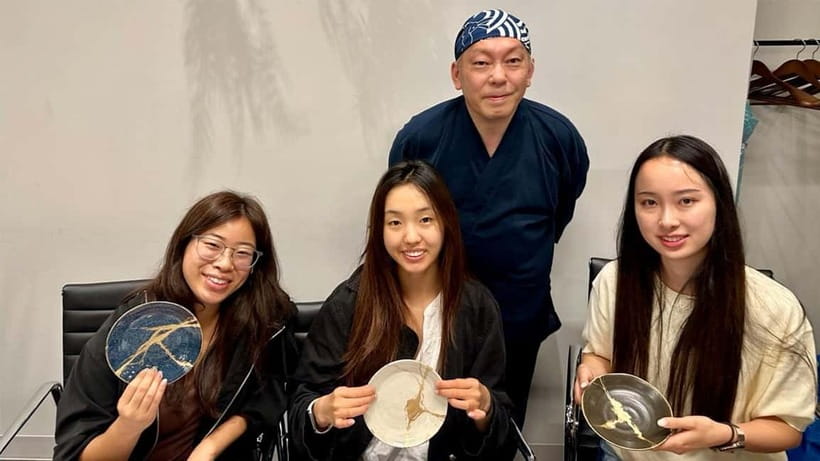
At $75 per person, this is not the cheapest short activity in Tokyo. You are paying for a central Ginza location, a private-room class, an instructor, every tool and material, a ceramic piece, a soft drink, and packaging for the finished item.
The ceramic itself also gives you something more personal than a standard souvenir. You choose how to handle the repair, and the final lines reflect your work. That makes the piece feel connected to your time in Japan, even though the materials are supplied and the process is simplified.
The small group is another part of the value. A cheaper class with a large crowd might offer less help at the exact moment you need it. Here, the limit of eight gives the instructor a reasonable chance to guide each person.
The price makes the most sense if you enjoy creative activities and want a physical reminder of Tokyo. It makes less sense if you prefer a long sightseeing route, a traditional production demonstration, or a food-focused activity. You are buying concentrated participation, not a broad tour of Ginza.
Who will enjoy this most
This class is a good match for adults and children aged 10 or older who enjoy drawing, crafts, or quiet cultural activities. A parent and child can work side by side, and the instructor has been praised for working well with children aged 10 and 14.
It also suits you if you have already spent several days seeing temples, shops, and major sights and want something slower. The workshop offers a break from Tokyo’s speed without requiring a full day away from the city.
Couples and friends may like the shared creative element, especially if you want a souvenir you made rather than bought. Solo participants can also fit in comfortably because the group is small and the instructor provides direction.
The activity is not suitable for children under 10, babies under one year, people with mobility impairments, people with a cold, or people with hearing impairments. The supplied information does not describe the room’s detailed accessibility arrangements, so check before booking if you have specific mobility or communication needs.
Planning your time around the workshop
Allow time to find Cafe AOU Ginza forest on the ground floor of the Daiwa Ginza Building. The short walk from Ginza Station is helpful, but station exits and Ginza’s large blocks can still take a moment to sort out. Arriving with a little margin will let you begin calmly.
The workshop lasts 90 minutes, making it easy to pair with nearby sightseeing. You might schedule it between shopping, a meal, or a visit to another Ginza attraction. Since the activity is indoors and compact, it can also work well when you want a break from outdoor walking.
Do not plan to pack the repaired ceramic in a crowded day bag immediately afterward without care. The piece is packaged for travel, but you should still place it somewhere protected in your luggage. Its decorative finish is the point, and rough handling could damage the repair.
The meeting venue can change based on availability and the number of reservations. Check your email the day before, even if you already know the original meeting point. This is a small but important Tokyo planning habit.
What the teaching adds
The instructor is more than someone who hands out materials. The best part of the class is the combination of technical help and conversation. You learn why the steps are ordered as they are, then get assistance when the ceramic or adhesive does not behave as expected.
Several sessions have been praised for friendly, clear instruction and stories about Ginza. One lesson also included an explanation of the history and origin of Kintsugi, along with discussion of how natural sap can be processed for use with tableware. That kind of context gives the craft more weight than a simple paint-and-glue project.
English and Japanese are available. Still, the activity involves visual demonstration and hands-on work, so you should make sure the language arrangement suits your needs before booking. The stated restrictions include people with hearing impairments.
The instructor may need to adjust the pace for the group. If you want uninterrupted work from start to finish, this may feel slower than expected. If you value help and conversation, the same pause can make the class more comfortable.
Cancellation and booking flexibility
You can cancel up to 24 hours before the activity for a full refund. The reserve-now-and-pay-later option lets you hold a place without paying at the time of booking, which is useful when your Tokyo schedule is still changing.
Starting times vary, so check availability for the date you want. Hotel pickup and drop-off are not included, but the central Ginza meeting point makes independent arrival straightforward.
The activity skips a ticket line because it is a reserved workshop rather than a major attraction with a gate. The key planning task is simply getting to the correct room and checking for any last-minute venue message.
Is this Ginza Kintsugi workshop worth booking?
I would book this if you want a short, personal cultural activity with a souvenir you actually make. The small group, careful packaging, and friendly instruction from teachers such as Tatsu and Teki Sensei give it more substance than a quick craft demonstration.
I would skip it if you want authentic natural-lacquer Kintsugi, a usable piece of tableware, or a fully traditional restoration. The synthetic materials and decorative-only result are important limits.
For most visitors who like Japanese crafts, quiet creative work, and a break from shopping streets, $75 is a reasonable price for 90 minutes in central Ginza. Go in expecting a modern introduction, not a masterclass, and you should leave with both a better understanding of Kintsugi and a distinctive piece for home.
FAQ
Where is the Kintsugi workshop held?
The meeting point is Cafe AOU Ginza forest, located on the ground floor of the Daiwa Ginza Building near Ginza Station.
How long does the workshop last?
The workshop lasts 90 minutes.
How much does the activity cost?
The listed price is $75 per person.
Is the workshop taught in English?
Yes. Instruction is available in English and Japanese.
How many people can join the class?
The workshop is a small-group activity limited to eight participants.
Do I need to bring a ceramic item?
No. A ceramic piece to restore, along with all tools and materials, is provided.
Can I take my repaired ceramic home?
Yes. You can take home the repaired piece, and it is packaged to help protect it during your journey.
Is the repaired piece safe to use for food?
The repaired item is recommended for decorative use only. It is not microwave-safe because there is a risk of ignition.
Is this traditional Kintsugi using real lacquer and gold?
No. The workshop uses synthetic lacquer and metallic powder so you can complete the piece in 90 minutes. Traditional Kintsugi uses natural lacquer and takes about a month.
Just added in Tokyo
- Manga Lesson with a Professional Japanese Manga Artist in Nakano★ 5.0 · 77 reviews
- Making a bento box with cute character look in Japan★ 5.0 · 15 reviews
- Tokyo/Ikebukuro Manga drawing workshop by pro-Manga artists★ 5.0 · 65 reviews
- Tokyo Ueno Food & Nature & Localtown Tour: 10Dishes+ Drinks★ 5.0 · 34 reviews
- Make Your Own Bonsai with a Professional Bonsai Artist in Tokyo★ 4.5 · 18 reviews
- Luxury Tokyo Sake, Cocktail, Whisky and Pairing Tour★ 5.0 · 18 reviews
- Make Traditional Nerikiri Sweets & Matcha experience in Shibuya★ 5.0 · 130 reviews
- Daikoku Parking Tokyo Drift & APIT Car Meet JDM Culture Tour★ 5.0 · 79 reviews
Tokyo Tours, compared.

Tokyo Disney Resort – Tokyo Disneyland & Tokyo DisneySea Park Tickets
Read our review →


Mt Fuji and Hakone 1-Day Bus Tour Return by Bullet Train
Read our review →

teamLab Borderless Tickets: MORI Building DIGITAL ART MUSEUM
Read our review →