Reviewed · TOKYO TOURS
Tokyo: Full Course Tour: Explore 15 Must-Sees & Hidden Gems
Tokyo rewards curiosity. This full-day route links major sights with local details that are easy to miss, taking you from Meiji Shrine and Shibuya to Tsukiji, Akihabara, Ueno, and Asakusa. I especially like the small group of up to seven and the use of born-and-raised Japanese guides, since both make a complicated city easier to understand. I also like that every listed attraction is free to enter.
The tradeoff is simple: this is a 20,000-step day with frequent metro and train rides. You will see a remarkable amount of Tokyo for $90, but you will not linger at every stop. This suits a fit first-time visitor who wants a fast, useful introduction more than a slow, highly focused museum tour.
In This Review
- Key points at a glance
- Why this route works for a first day in Tokyo
- Meiji Shrine and Harajuku: Tokyo’s quiet and playful sides
- Hachiko and Shibuya Crossing: Tokyo at full speed
- Tsukiji Honganji and the 90-minute market stop
- Imperial Palace, Marunouchi, and Tokyo Station
- Akihabara: a quick look at pop culture Tokyo
- Ueno Park and Ameyoko Street
- Sensoji and Asakusa Shrine: finish in old Tokyo
- The walking, trains, and true cost
- Who will get the most from this Tokyo day?
- Should you book it?
- FAQ
- Where does the Tokyo tour start?
- Where does the tour finish?
- How long does the tour last?
- Are transportation fares included?
- Are meals and drinks included?
- What should I bring?
Key points at a glance
- Start among cedar trees at Meiji Shrine: A calm opening before Tokyo’s busiest shopping and entertainment districts.
- Cover the city by metro and on foot: Transportation is practical training for the rest of your Japan trip, but fares cost about ¥1,500 extra.
- Spend the longest stop at Tsukiji Outer Market: The 90-minute visit gives you time for food, browsing, and a proper lunch break.
- See Tokyo’s contrasts in one day: Imperial walls, neon Akihabara, old Asakusa, and youth fashion all appear on the same route.
- Benefit from a very small group: With no more than seven people, it should be easier to hear the guide and ask questions.
- Plan for a hard-working day: Comfortable shoes, rain gear, a charged IC card, and cash are essential.
Why this route works for a first day in Tokyo
Tokyo can feel like several cities stitched together by rail. The polished Marunouchi district feels far removed from the stalls of Ameyoko, while old Asakusa has a different pace again. This tour gives you a useful mental map instead of leaving you with one isolated neighborhood.
I like the way the route moves in broad sections. The morning begins in western Tokyo, shifts to Tsukiji and the Imperial Palace area, then heads east through Akihabara and Ueno before finishing in Asakusa. You get a quick look at modern Tokyo, imperial Tokyo, market Tokyo, and temple-centered Tokyo without spending hours figuring out train connections.
The guide is part navigator, part cultural interpreter. You learn how to use the metro, how to behave on public transportation, and how everyday Japanese customs work. That practical guidance may be the most valuable part of the day, especially if this is your first visit to Japan.
The experience is conducted in English. Guides named Yasuko and Michiko received especially warm praise for clear explanations, a friendly manner, careful pacing, and personal attention. One guide even helped a participant hail a taxi after the tour, a small act that says a great deal about the service standard you can hope for.
A few more options to weigh up in Tokyo
- Tokyo Disney Resort – Tokyo Disneyland & Tokyo DisneySea Park Tickets
★ 4.8 · 99,488 reviews - SHIBUYA SKY Ticket
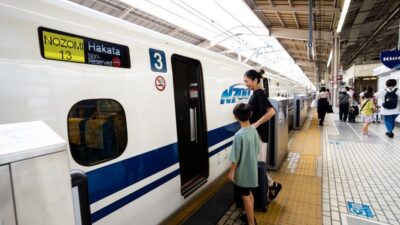
★ 4.7 · 46,509 reviews - JR Whole Japan Rail Pass
★ 4.8 · 29,150 reviews
Meiji Shrine and Harajuku: Tokyo’s quiet and playful sides
Meet outside the west exit of JR Yoyogi Station. This is a precise meeting point, so arrive early. The tour leaves on time, and late arrivals cannot join.
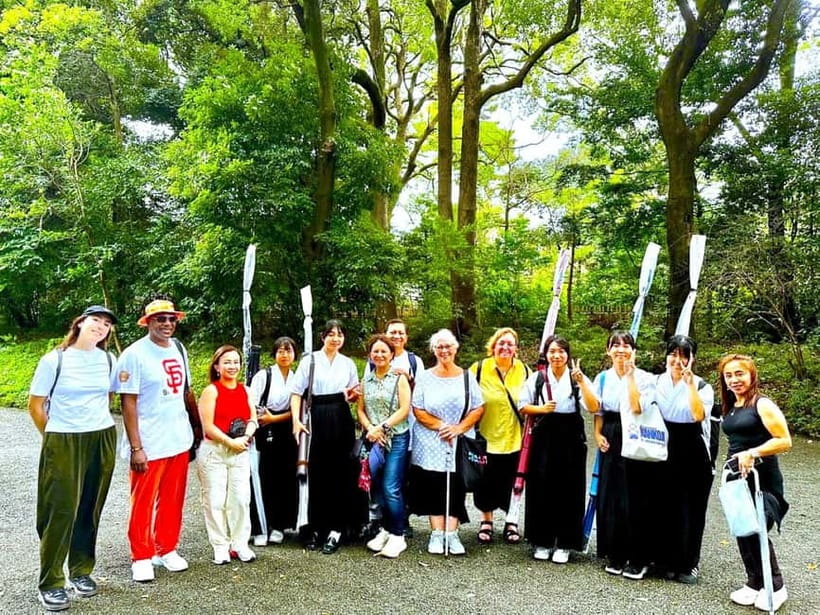
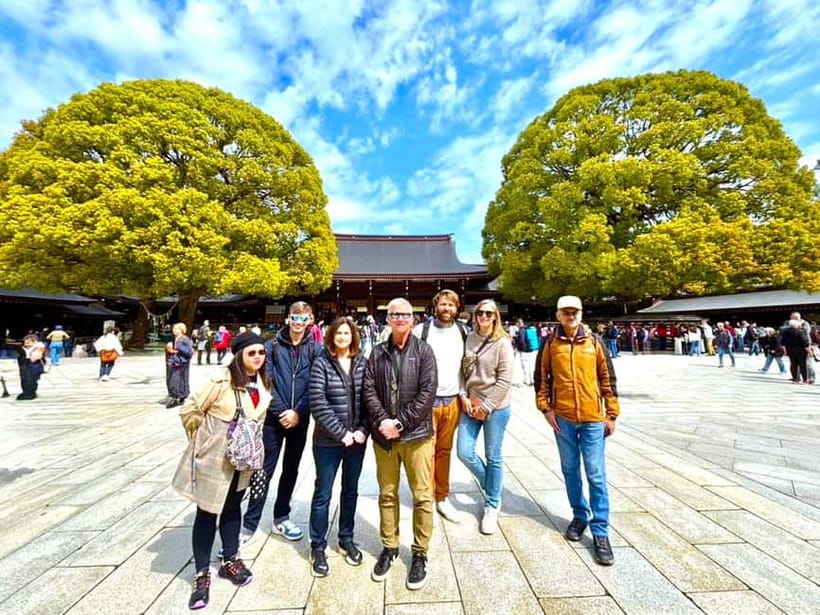
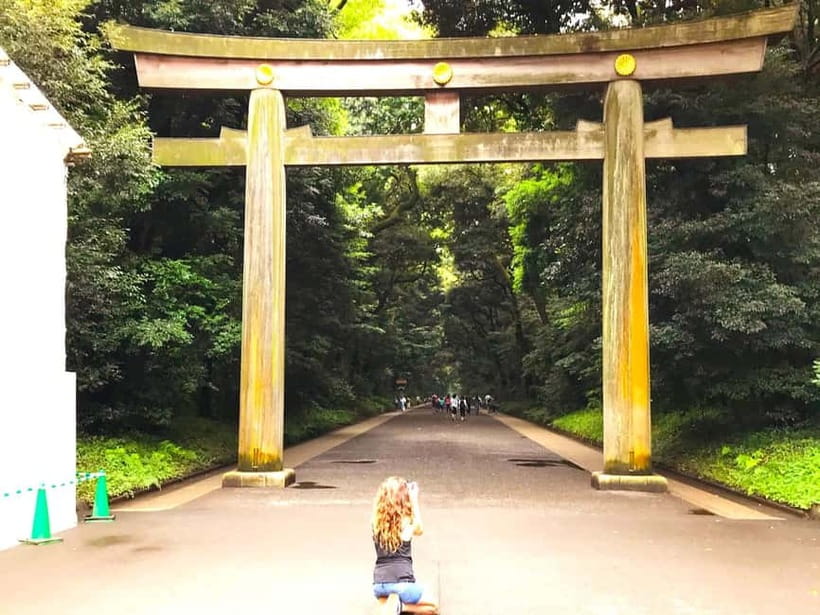
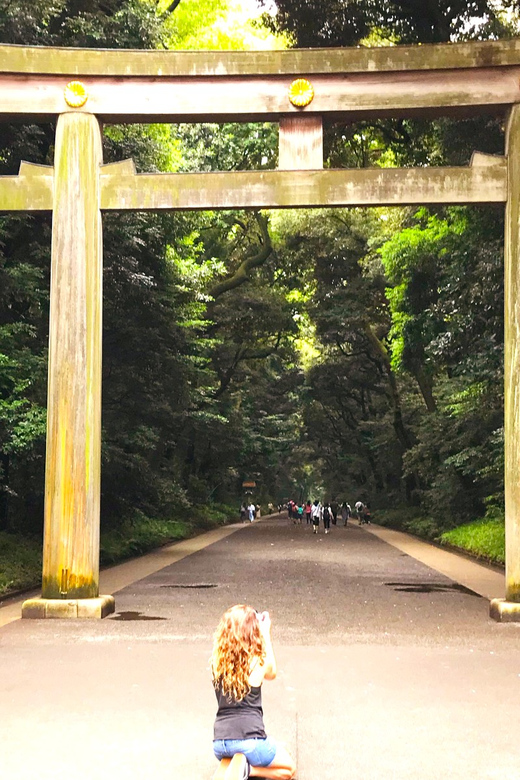
Your first stop is Meiji Jingu Shrine, reached through a forested setting that quickly dulls the noise of the surrounding city. The planned visit is about 30 minutes, enough to see the broad approach, shrine grounds, and key customs without turning the morning into a long religious site visit.
This is a good place to learn basic shrine etiquette. Your guide can explain how Shinto spaces differ from Buddhist temples, how to approach a shrine, and what you are seeing when people bow or make offerings. Since the entrance is free, the visit gives you cultural context without adding to your daily sightseeing budget.
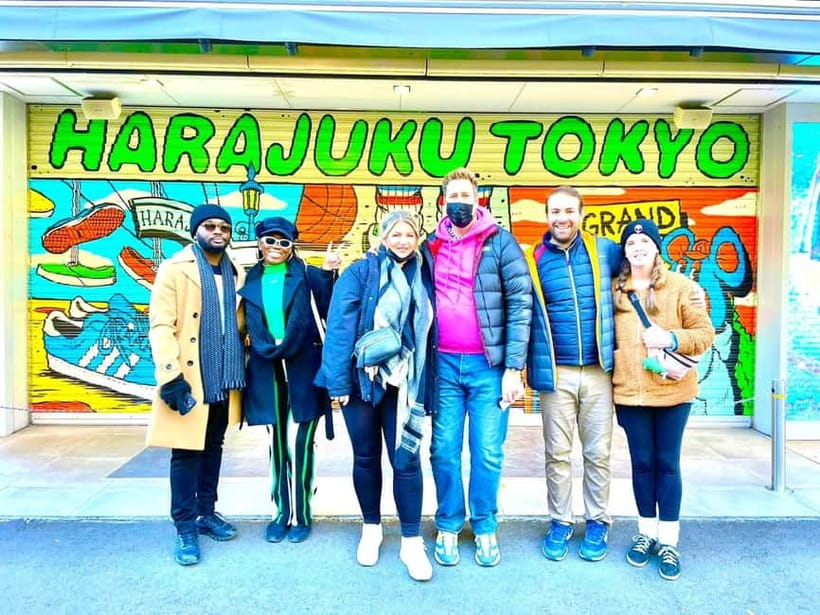
Next comes Harajuku Fashion Street, with about 30 minutes for youth style, cute merchandise, and street food. The contrast is the point. One moment you are among trees and shrine architecture; soon after, you are looking at the energy of Tokyo fashion culture.
The time is short, so do not expect a full shopping session. Treat Harajuku as an introduction, with your guide pointing out the character of the area and suggesting places worth returning to later.
Hachiko and Shibuya Crossing: Tokyo at full speed
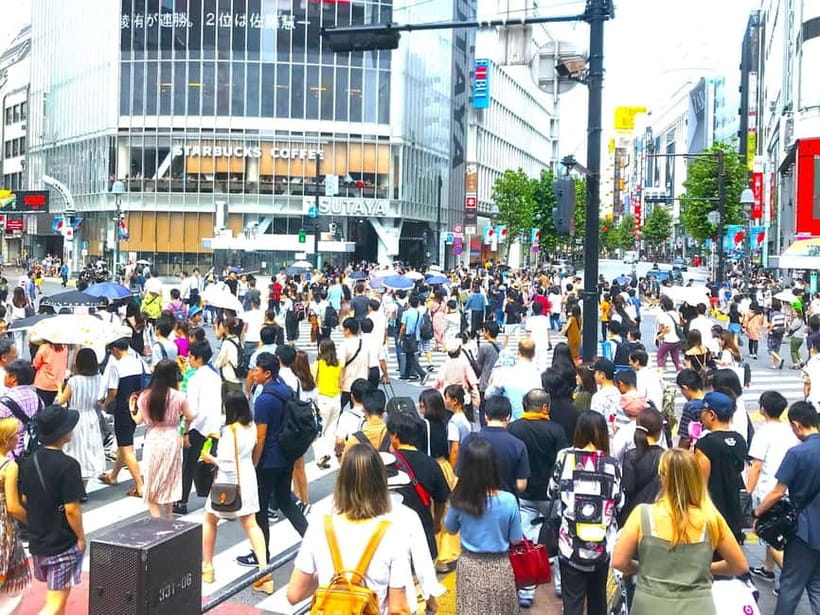
The Hachiko Statue gets only about 10 minutes, followed by another 10 minutes at Shibuya Scramble Crossing. That may sound brief, but both stops work well as quick orientation points.
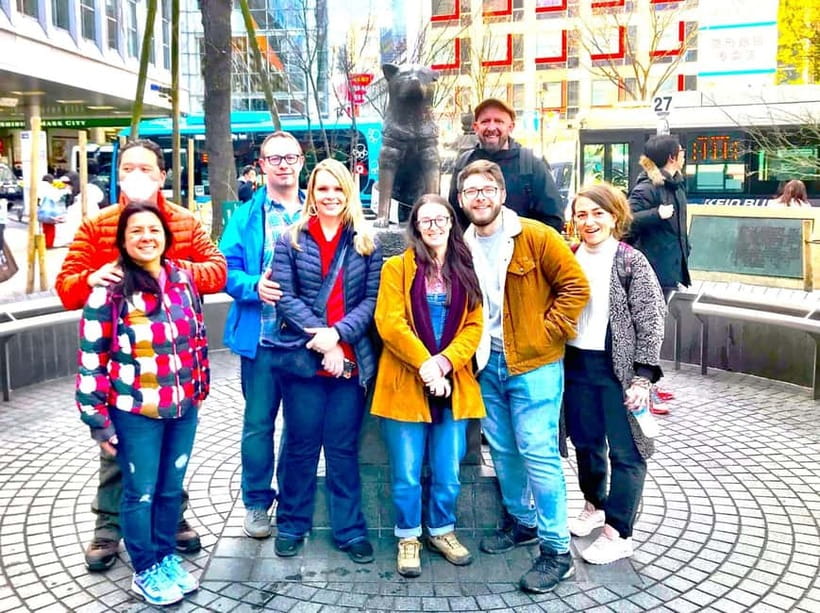
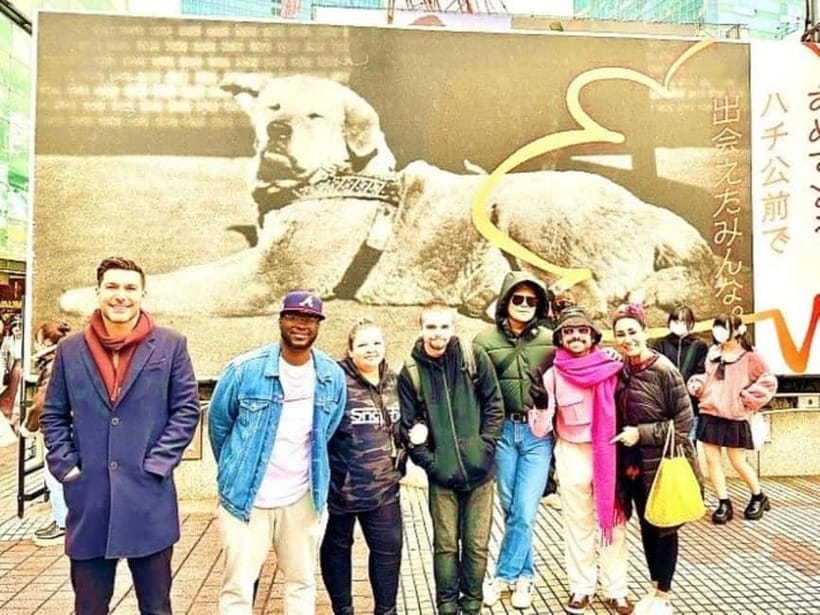
Hachiko’s story is tied to loyalty and has become one of Tokyo’s best-known meeting places. Your guide can give the statue meaning beyond a quick photograph. The nearby crossing then supplies the visual drama: several streams of people move across a huge intersection while bright signs tower above them.
I appreciate that the tour does not pretend Shibuya requires half a day for a first look. You see the famous corner, hear the story, cross the street, and move on. If you want department stores, cafés, nightlife, or more time with the city views, return independently.
The first metro ride follows. This is not wasted time. Your guide helps you become comfortable with the system, including the need for a charged Suica, Pasmo, or Icoca card. The route uses both metro and JR train services, and the total transport cost is about ¥1,500, or roughly $10, paid separately.
Tsukiji Honganji and the 90-minute market stop
Tsukiji Honganji Temple is a surprising change of mood and appearance. Its architecture has Indian-inspired touches and stained glass, making it unlike the classic wooden temple image many people expect from Tokyo. The visit lasts about 30 minutes, enough to admire the building and learn about its place in the district.
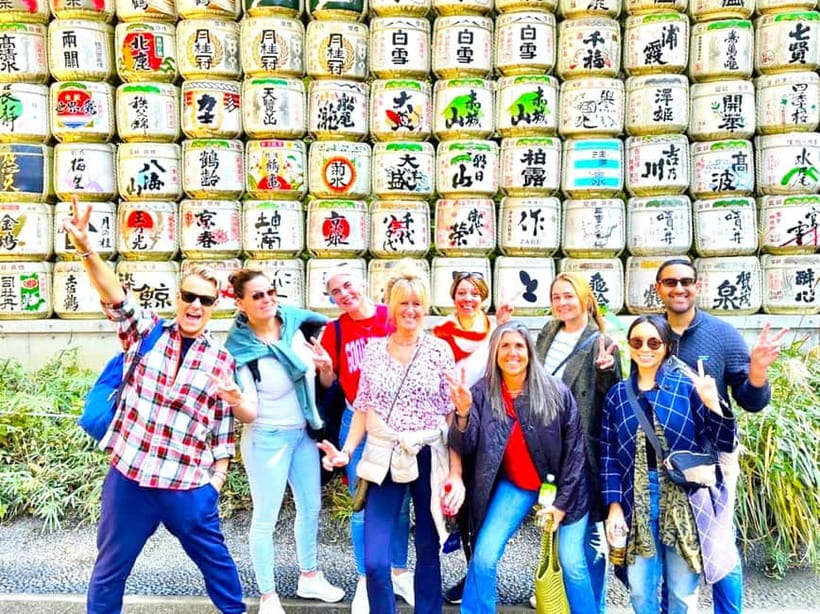
Then comes the food center of the day: Tsukiji Outer Market. You have about 90 minutes here, the longest stop on the route. That matters because this is where the tour leaves room for lunch, snacks, browsing, and a closer look at Japanese food culture.
The market is known as Japan’s kitchen, with seafood and other delicacies on offer. Food is not included, so bring cash in yen. The tour notes that some shops accept cash only, and this is one of the places where a few small bills and coins make life easier.
Vegetarian and vegan choices are available, but you should still tell your guide what you need. Lunch, drinks, and snacks are your responsibility, so the final cost depends on how much you choose to eat.
This stop is one of the best reasons to choose the full route. You are not simply looking at a famous gate or taking a photograph. You have time to sample food and ask your guide how the market fits into daily life. Just remember that market browsing can be tempting, and the rest of the day still involves many miles of walking.
A completely different kind of day out:
- Mt Fuji and Hakone 1-Day Bus Tour Return by Bullet Train
★ 5.0 · 26,383 reviews - TOKYO SKYTREE® Ticket
★ 4.7 · 25,136 reviews - teamLab Borderless Tickets: MORI Building DIGITAL ART MUSEUM
★ 4.7 · 24,126 reviews - teamLab Planets TOKYO Ticket
★ 4.7 · 21,663 reviews
Imperial Palace, Marunouchi, and Tokyo Station
After Tsukiji, the group travels toward the Imperial Palace area. The palace grounds visit is scheduled for about 15 minutes, so expect a view of the former Edo Castle setting, stone walls, and the larger imperial precinct rather than an extensive palace tour.
That short stop makes sense within a city-wide itinerary. The Imperial Palace provides a link to Tokyo’s political and historical center, while the surrounding Marunouchi district shows the modern business capital built around it.
The Marunouchi walk also lasts about 15 minutes. Sleek office towers, wide streets, and polished public spaces create a sharp contrast with Tsukiji’s market lanes. At Tokyo Station Square, you get another 15 minutes to admire the red-brick station building, a historic gateway that remains one of the city’s most recognizable landmarks.
I would treat these three stops as visual chapters. You are not here for detailed architecture study. You are learning how Tokyo places imperial heritage, corporate power, and major transport routes side by side.
Akihabara: a quick look at pop culture Tokyo
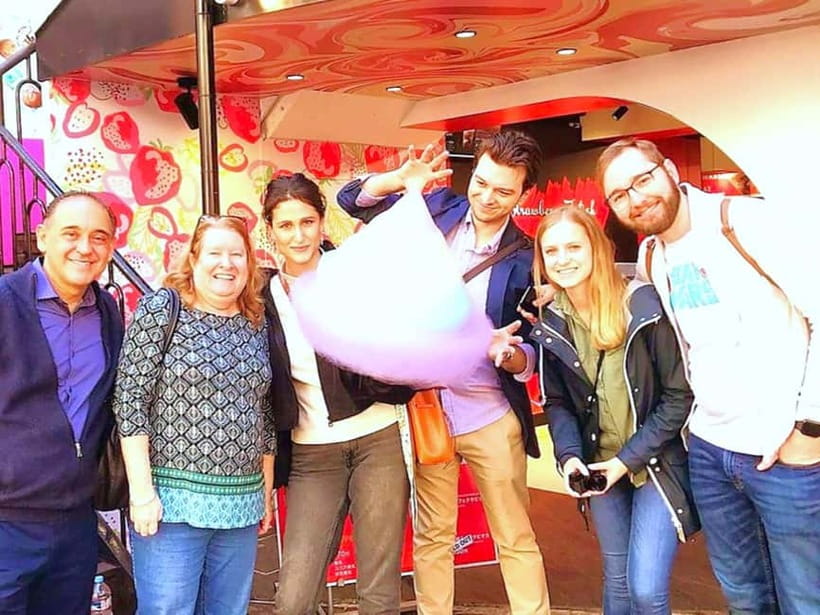
A short train ride brings you to Akihabara, the neon district associated with anime, gaming, electronics, and Japanese pop culture. The planned visit is about 30 minutes.
That is enough for an introduction, not enough to explore specialist shops in detail. If anime, manga, games, or electronics are central to your trip, mark Akihabara for a separate return visit. On this tour, your guide helps you understand what makes the area important and points out its visual character.
The value here is contrast. Within the same day, you move from palace walls to corporate towers and then into a district shaped by entertainment and technology. That range is hard to appreciate if you visit only one neighborhood.
Ueno Park and Ameyoko Street
The next train ride takes you to Ueno Park, where the scheduled visit is about 30 minutes. The park is presented as a forest of art and culture, with museums and connections to samurai history. The route does not include museum entry, and there is not enough time for a full museum visit, but you get a sense of why Ueno is one of Tokyo’s major cultural areas.
Ameyoko Street follows, with around 15 minutes to see its market atmosphere and local food. This is a compact stop, so do not plan on serious shopping. Instead, use the time to compare the street’s rougher, more crowded feel with the formality of Marunouchi earlier in the day.
The sequence works well. Ueno offers open space and culture, then Ameyoko brings you back into dense street life. Your guide can help explain the everyday side of the area, which is often more useful than a string of disconnected facts.
Sensoji and Asakusa Shrine: finish in old Tokyo
The final district is Asakusa, home to Sensoji Temple and Asakusa Shrine. Sensoji receives about 30 minutes, followed by 10 minutes at the shrine.
Sensoji is Tokyo’s oldest temple and the spiritual center of old Asakusa. Its scale and setting make it a strong finish to the day, especially after the modern districts earlier on. Your guide can explain Buddhist customs, the meaning of the temple grounds, and how to behave respectfully.
Asakusa Shrine offers a quieter Shinto stop within the same broad temple area. Seeing both places close together helps clarify the difference between Buddhist and Shinto traditions.
The tour ends at Asakusa Shrine rather than returning you to Yoyogi. Plan your evening from there. The advertised goal celebration at a cozy izakaya is described as a way to enjoy Tokyo nightlife, but dinner and drinks are not included. Confirm with your guide how that portion works on your chosen date before making firm evening plans.
The walking, trains, and true cost
The advertised price is $90 per person. Add about $10 for metro and JR fares, plus whatever you spend at Tsukiji, on snacks, and at the izakaya. Since the listed attractions are free to enter, you are mainly paying for a full day of guiding, route planning, local explanation, and group navigation.
That is fair value if you would otherwise spend time researching connections and deciding how to fit these districts together. A private guide would likely cost more, while exploring alone would cost less but require more planning and leave you without the cultural explanations.
The main cost is physical. The route covers about 20,000 steps, with repeated boarding, exiting, standing, and walking. Wear sporty shoes and easy-moving clothing. High heels, oversized luggage, strollers, and baby carriages are not allowed.
The tour continues in rainy weather, so bring an umbrella or raincoat. A pre-charged IC card is required for public transport, and cash in Japanese yen is important for food stalls and shops. This is not a good choice if you have mobility limits, back problems, a cold, low fitness, or are pregnant.
The small group limit of seven helps keep the day manageable. You can hear the guide more easily, ask questions, and stay connected during station changes. Still, the guide cannot stop to search for someone who falls behind, so you need to remain with the group.
Who will get the most from this Tokyo day?
I would recommend this tour to a first-time Tokyo visitor who wants a broad introduction and plans to explore favorite areas more deeply later. It is also useful if you want help learning the rail system early in your trip.
It suits solo visitors, couples, and small groups who enjoy a brisk pace. The local guide can explain etiquette, history, daily routines, and food choices in a way that a self-guided route cannot easily match.
I would not choose it for anyone hoping for long meals, extended shopping, museum interiors, or a relaxed photography day. Families with children under 13 cannot join, and anyone under 18 must be accompanied by an adult. The route is also not designed for wheelchair users or people who need frequent rest.
Cancellation is free up to seven days before the tour. There are no refunds for late arrival or for the listed health and conduct restrictions, so read those conditions before booking.
Should you book it?
Book this Tokyo full-course tour if you want maximum coverage in one day, a small English-speaking group, and practical help with trains and Japanese etiquette. The strongest parts are the local guides, the 90-minute Tsukiji visit, and the striking range of neighborhoods from Meiji Shrine to Asakusa.
Skip it if 20,000 steps sounds punishing or if you prefer to spend an hour at one temple, museum, or market. At $90 plus transport and food, it offers solid value for a tightly planned introduction, but the value depends on your stamina. Bring good shoes, carry cash, load your IC card, and arrive early at Yoyogi. Do that, and you can finish the day tired, better oriented, and ready to explore Tokyo on your own.
FAQ
Where does the Tokyo tour start?
It starts outside the ticket gate at the west exit of JR Yoyogi Station, at 1-chōme-34 Yoyogi, Shibuya City, Tokyo 151-0053.
Where does the tour finish?
The tour finishes at Asakusa Shrine.
How long does the tour last?
The tour lasts 10 hours.
Are transportation fares included?
No. Metro and JR train fares cost approximately ¥1,500, or about $10, and are paid separately.
Are meals and drinks included?
No. Lunch at Tsukiji, snacks, drinks, and dinner at an izakaya are not included. Vegetarian and vegan options are available.
What should I bring?
Bring comfortable shoes, easy-to-move clothing, cash in Japanese yen, rain gear, and a pre-charged Suica, Pasmo, or Icoca transportation card.
Just added in Tokyo
- A One-of-a-Kind Sushi Experience in a Special Place of Japan★ 5.0 · 15 reviews
- Tokyo Cute Bento Cooking Class – Make a Kawaii Character Lunchbox★ 5.0 · 126 reviews
- Japanese Home Cooking Class & Walk in Todoroki Temple Tokyo★ 5.0 · 88 reviews
- Japan Tokyo Tower Observatory Deck E-Ticket★ 4.0 · 34 reviews
- Catch a Baseball Game in Tokyo with a Local – Tickets Included★ 5.0 · 24 reviews
- Tokyo Private Day Tour by Car with English speaking Driver Guide★ 4.0 · 29 reviews
- Japan Classic 10 Day – One Life Adventures★ 5.0 · 129 reviews
- JDM Experience with Fast&Furious RX-7 (English speaking Driver)★ 5.0 · 57 reviews
Tokyo Tours, compared.
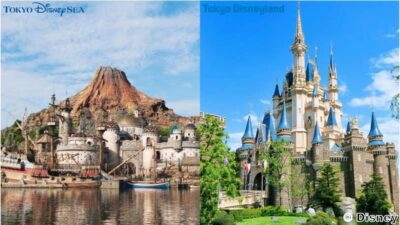
Tokyo Disney Resort – Tokyo Disneyland & Tokyo DisneySea Park Tickets
Read our review →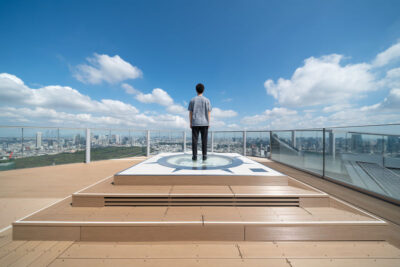
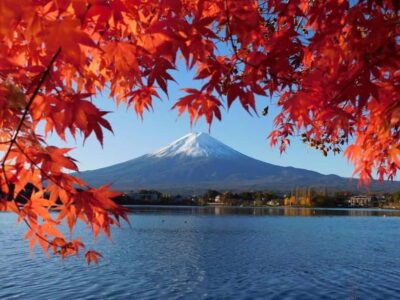
Mt Fuji and Hakone 1-Day Bus Tour Return by Bullet Train
Read our review →

teamLab Borderless Tickets: MORI Building DIGITAL ART MUSEUM
Read our review →