Reviewed · TOKYO TOURS
Tokyo: Hop-On Hop-Off Sightseeing Bus Ticket
Tokyo comes into focus fast. This open-top bus gives you wide city views while linking Asakusa, Tokyo Skytree, Tokyo Tower, Tsukiji, Ginza, Shinjuku, and Shibuya. I especially like the freedom to ride all three routes and the useful audio commentary in 10 languages on your own phone.
I also like this as a first-day activity, when Tokyo’s size and many rail lines can feel like a lot. The main drawback is the timetable: buses may be 30 to 45 minutes apart, and a missed bus can mean a long wait. This is not the nonstop city shuttle you may know from London or Paris.
In This Review
- Key points to know before you board
- Why this bus works well in enormous Tokyo
- Starting at the Mitsubishi Building
- Route 1: Tokyo Skytree, Ryogoku, Asakusa, and Akihabara
- Ryogoku and the Edo-Tokyo Museum stop
- Tokyo Skytree
- Asakusa Hanakawado and Asakusa Tawaramachi
- Ueno and Akihabara
- Route 2: Tokyo Tower, Tsukiji, Ginza, and the waterfront
- Tokyo Tower and Zojo-ji Temple
- Tokyo Teleport Station
- Tsukiji and Ginza
- Route 3: Shinjuku, Shibuya, Harajuku, and Meiji Jingu
- Shinjuku-gyoemmae and Shinjuku Station
- Nishi-Shinjuku
- Shibuya, Harajuku, and Meiji Jingu
- The open-top ride: wonderful in good weather, tough in bad weather
- Audio commentary on your own phone
- One day or two days?
- What the $30 price really buys you
- Who should book this Tokyo bus?
- FAQ
- How long is the Tokyo hop-on hop-off ticket valid?
- How many routes are included?
- Can I board at a stop other than the Mitsubishi Building?
- Is a seat reserved for me?
- What languages are available for the personal audio guide?
- Do I need to bring anything for the audio guide?
- Is the bus air-conditioned?
- What happens if it rains?
- Can the bus stop running because of bad weather?
- Should you book it?
Key points to know before you board
- Three routes cover different sides of central Tokyo: Choose the Skytree and Asakusa route, the Tokyo Tower, Tsukiji, and Ginza route, or the Shinjuku and Shibuya route.
- The upper deck is completely open-air: You get the best views and photographs, but there is no air-conditioning. Summer heat, rain, and strong wind can make the ride demanding.
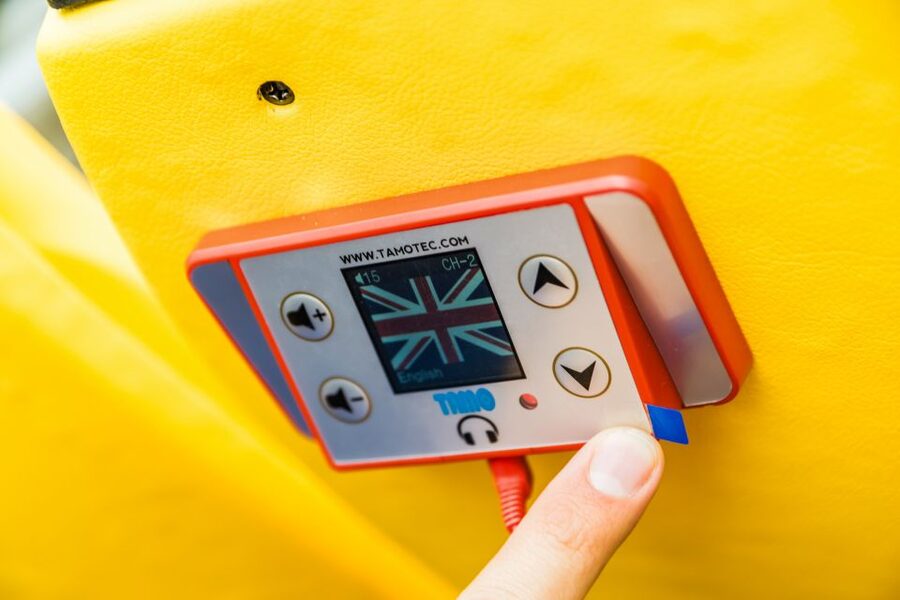
- Your phone is now the main audio guide: Commentary is available in Japanese, English, Korean, Chinese, French, German, Spanish, Thai, Vietnamese, and Indonesian. Bring earphones and expect possible data charges.
- The bus does not reserve a seat for you: If a bus is full, you must wait for the next one. At popular stops, this can affect your plans.
- One day is possible, two days is calmer: You can see all three routes in one long day if you start early and limit stops. A two-day ticket gives you more room to explore.
- The Tokyo expressway ride is part of the fun: Several routes include striking elevated road views, especially around the waterfront and on evening runs.
Why this bus works well in enormous Tokyo
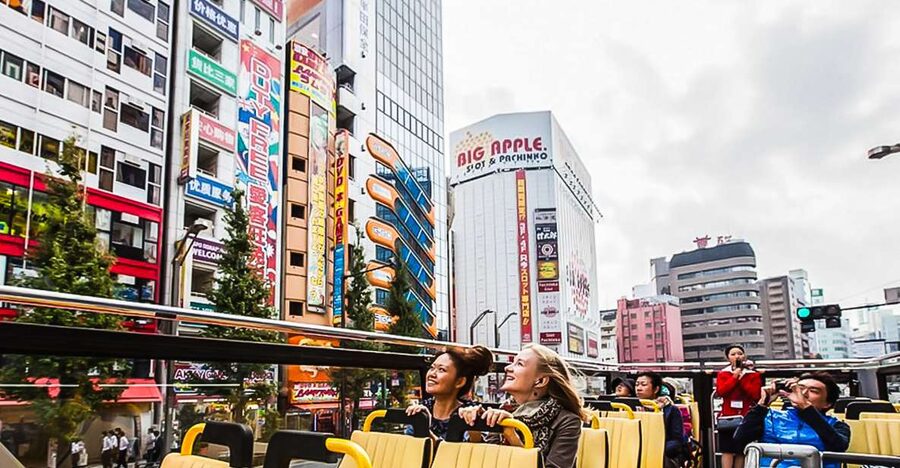
Tokyo is easy to reach by train, but it is not always easy to understand from the train. You travel underground, emerge beside a station, and may have no sense of how one district connects to the next. Sky Hop Bus Tokyo fixes that problem by giving you a moving overview.
The bus links major sights across central Tokyo without asking you to change trains at every turn. You can sit above street level, listen to commentary, and watch the city shift from office towers to temple districts, shopping streets, waterfront roads, and neon-heavy entertainment areas.
I find this most useful at the beginning of a Tokyo visit. Ride a full route first, note the places that catch your eye, then return by train or on foot. That approach makes the bus a planning tool as much as a sightseeing ride.
The ticket costs $30 per person for one or two days, depending on the option you choose. That is not the cheapest way to move around Tokyo. The subway and JR trains will usually make more sense if your only goal is transportation. The value comes from combining transport, a city orientation ride, and commentary in one ticket.
A few more options to weigh up in Tokyo
- Tokyo Disney Resort – Tokyo Disneyland & Tokyo DisneySea Park Tickets
★ 4.8 · 99,488 reviews - SHIBUYA SKY Ticket
★ 4.7 · 46,509 reviews - JR Whole Japan Rail Pass
★ 4.8 · 29,150 reviews
Starting at the Mitsubishi Building
The main meeting point is in front of the Mitsubishi Building near Marunouchi. You can also board directly at any listed stop using the QR code sent with your voucher, so you do not have to return to the starting point after every outing.
That flexibility matters. If you are already exploring Asakusa, Tokyo Tower, or Shibuya, you can find the nearby stop and board there. Still, take a moment to check the timetable before you get off. The service is not frequent enough to treat the next bus as automatic.
The ticket is not a seat reservation. A full bus means you wait for the following one, and this can be especially inconvenient at busy stops. Several people have found the service punctual and well organized, but frequency can vary enough to affect a tightly planned day.
The driver and staff speak English and Japanese. The crew also helps passengers board and leave safely, and staff may hand out raincoats when needed. Umbrellas are not allowed on the moving bus, so use the supplied rain protection instead.
Route 1: Tokyo Skytree, Ryogoku, Asakusa, and Akihabara
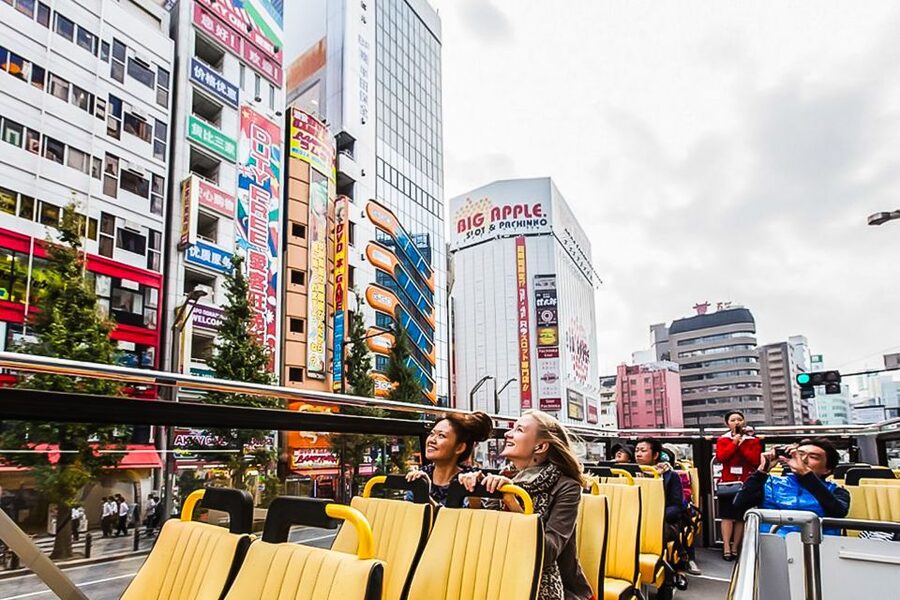
The Tokyo Skytree course begins at the Mitsubishi Building and travels through Kodemmacho, Ryogoku, Tokyo Skytree, Asakusa, Ueno, Akihabara, and Shin-Nihombashi before returning to Marunouchi.
This is the route to choose if you want the strongest mix of old and new Tokyo. The ride passes through areas connected with sumo, temples, traditional shopping, towering modern architecture, museums, and electronic culture.
Ryogoku and the Edo-Tokyo Museum stop
Ryogoku is associated with sumo wrestling and old Tokyo culture. The route stop is near the Edo-Tokyo Museum, making this a useful place to get off if you want more historical context than the bus commentary can provide.
The bus ride itself only gives you a quick look. If you stop here, check the return timetable before setting off. You do not want to finish at the museum and discover that the next bus is more than an hour away.
A completely different kind of day out:
- Mt Fuji and Hakone 1-Day Bus Tour Return by Bullet Train
★ 5.0 · 26,383 reviews - TOKYO SKYTREE® Ticket
★ 4.7 · 25,136 reviews - teamLab Borderless Tickets: MORI Building DIGITAL ART MUSEUM
★ 4.7 · 24,126 reviews - teamLab Planets TOKYO Ticket
★ 4.7 · 21,663 reviews
Tokyo Skytree
Tokyo Skytree is the route’s headline stop. The tower rises far above the surrounding city, and the bus gives you a clear view of its scale before you decide if you want to visit the observation decks or nearby attractions.
The stop is also useful for travelers who want to combine the tower with the aquarium. One passenger specifically enjoyed both Skytree and the aquarium, so allow extra time if that combination appeals to you.
This is one of the better places to hop off because there is enough to do nearby. It is less useful to get off for only a quick photograph unless you have checked the next departure.
Asakusa Hanakawado and Asakusa Tawaramachi
Asakusa offers a very different mood from Marunouchi’s office towers. The route stops at Hanakawado and Tawaramachi, giving you access to the temple district, traditional streets, and the area around Senso-ji.
This is where I would spend real walking time. Tokyo Skytree is best viewed from outside or from a high observation deck, but Asakusa rewards you at street level. Leave the bus here, wander, eat, and return only after checking the schedule.
Ueno and Akihabara
Ueno connects the route with museums, park space, and older commercial streets. Akihabara then shifts the tone toward electronics, anime, gaming, and bright signs.
You can ride this section simply to watch Tokyo change district by district. The bus is particularly helpful if you are trying to understand how close these areas are geographically, even though they feel quite different.
Route 2: Tokyo Tower, Tsukiji, Ginza, and the waterfront
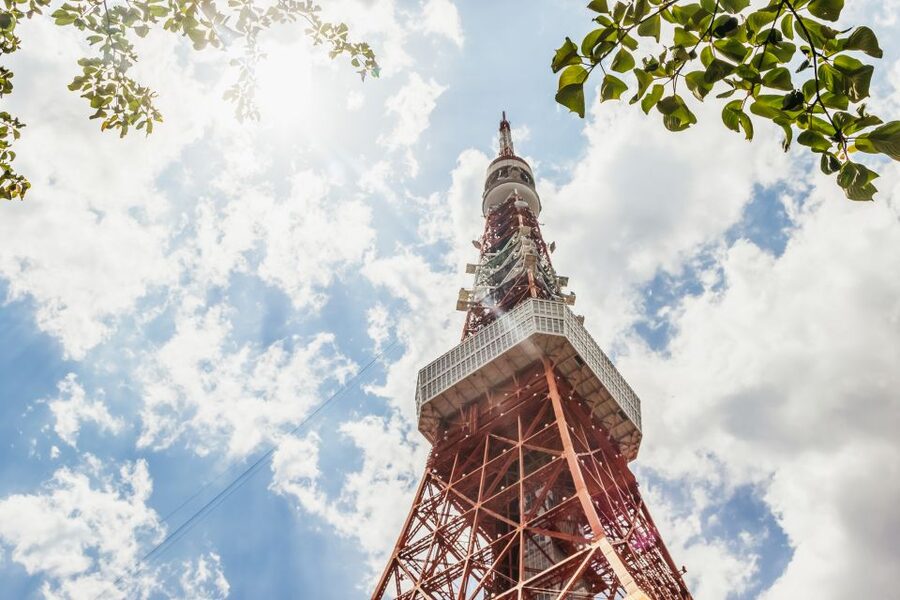
The Tokyo Tower and Tsukiji Ginza course runs from Marunouchi to Tokyo Tower, Tokyo Prince Hotel and Zojo-ji Temple, Tokyo Teleport Station, Tsukiji Ginza, and back to Marunouchi.
This route has some of the best big-city views. Tokyo Tower gives you a classic symbol of the city, while the elevated roads and waterfront sections provide a broad view that you cannot get from a subway platform.
Tokyo Tower and Zojo-ji Temple
Tokyo Tower is one of the easiest places to recognize from the upper deck. The bus brings you near both the tower and Zojo-ji Temple, so you can pair a modern landmark with a major religious site.
The Tokyo Prince Hotel and Zojo-ji stop is a good choice for a longer break. Visit the temple area, look back toward the tower, and then return to the stop with time to spare. Missing the bus here can be costly in time.
Tokyo Teleport Station
Tokyo Teleport connects the route with the waterfront. The ride through this part of Tokyo can be as memorable as the stop itself, especially when you are sitting in the open air and moving along elevated roads.
Strong wind is possible on bridges and exposed sections. Hold onto hats and loose items. The upper deck is excellent for photographs, but it offers little protection from the elements.
Tsukiji and Ginza
Tsukiji is a natural stop for food, market streets, and a look at one of Tokyo’s best-known culinary districts. Ginza brings you back to polished department stores, luxury shopping, and wide central avenues.
Do not expect the bus to replace a food walk. It gets you near the action, but your best experience comes from getting off and exploring on foot. Plan this stop around the bus schedule rather than assuming you can board whenever you finish eating.
Route 3: Shinjuku, Shibuya, Harajuku, and Meiji Jingu
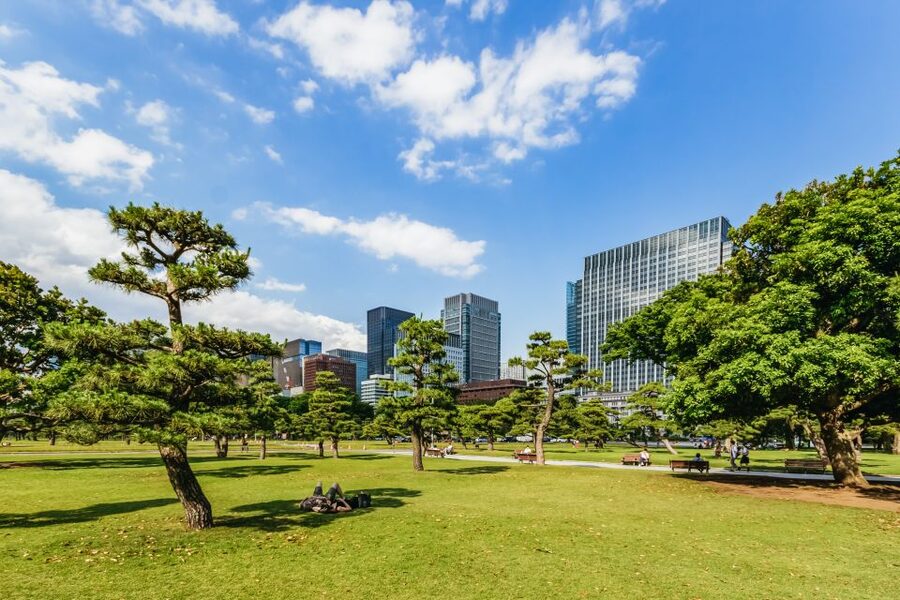
The Shinjuku Shibuya course leaves Marunouchi for Shinjuku-gyoemmae, Shinjuku Station South Exit, the Century Southern Tower area, Nishi-Shinjuku, Shibuya City Hall, Harajuku, and Meiji Jingu Shrine.
This is the route for Tokyo’s western city center. You see the tall office towers of Shinjuku, the commercial energy around Shibuya, and the greener shrine setting near Meiji Jingu.
Shinjuku-gyoemmae and Shinjuku Station
Shinjuku is difficult to grasp from a single station exit. The bus helps you see the district as a whole, from the major station area to Nishi-Shinjuku’s tall buildings.
Get off if you want to explore Shinjuku on foot, but keep your return stop clear. The district has several large station exits and busy roads, so taking a photograph of the stop timetable and marking it on your map is a smart habit.
Nishi-Shinjuku
Nishi-Shinjuku is the more architectural part of the course, with large office towers and broad roads. The bus gives you a relaxed view of the area without the need to navigate station corridors.
It is not the most intimate section of Tokyo, but it helps explain the city’s scale. You will see how quickly the dense commercial center gives way to another distinct district.
Shibuya, Harajuku, and Meiji Jingu
The Shibuya City Hall stop places you near Shibuya and Harajuku. This is a good area for shopping, people-watching, and seeing one of Tokyo’s most recognizable modern districts.
Meiji Jingu offers a calmer contrast. The route lets you connect a major shrine with Harajuku’s youthful shopping streets, though the bus only gets you to the area. You will need to walk to see the shrine properly.
The open-top ride: wonderful in good weather, tough in bad weather
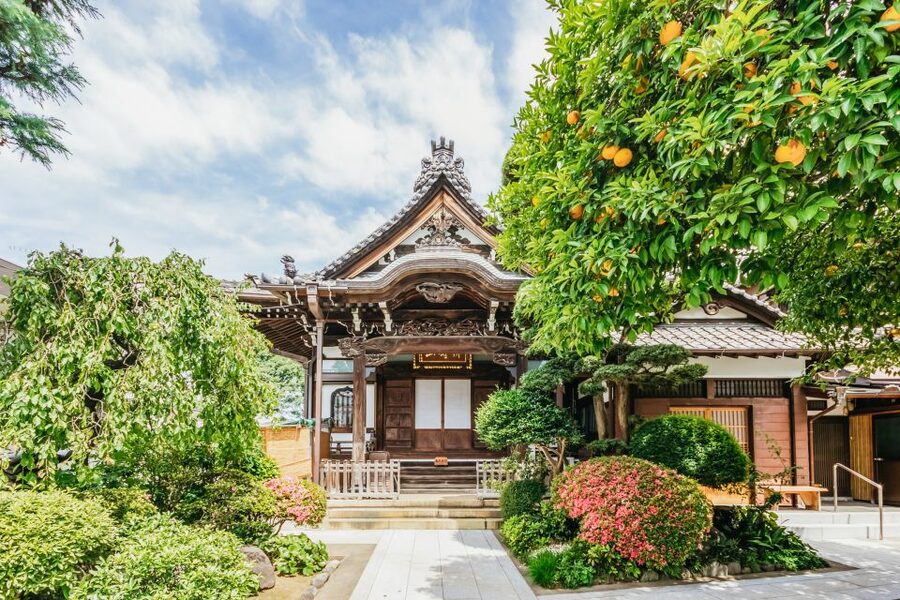
The upper deck is where this experience earns its keep. You get unobstructed views, a higher angle for photos, and a better sense of Tokyo’s size. The ride is more enjoyable than sitting underground when the weather is mild.
There is no air-conditioning because the bus is open-air. During a hot August day, the upper deck can be uncomfortable, and even a scenic ride may feel like too much. Some buses may be closed, but you should not count on an air-conditioned alternative.
Raincoats are distributed when needed, and staff have helped passengers with ponchos during rainy rides. You cannot use an umbrella on board. In severe weather, including typhoons and thunderstorms, the service may not operate.
The bus also has no normal passenger seating on the first floor. The first floor is used for storage, while passenger seats are on the second floor. If you have mobility concerns, check the arrangements before booking because the supplied information does not describe an accessible lower passenger cabin.
Audio commentary on your own phone
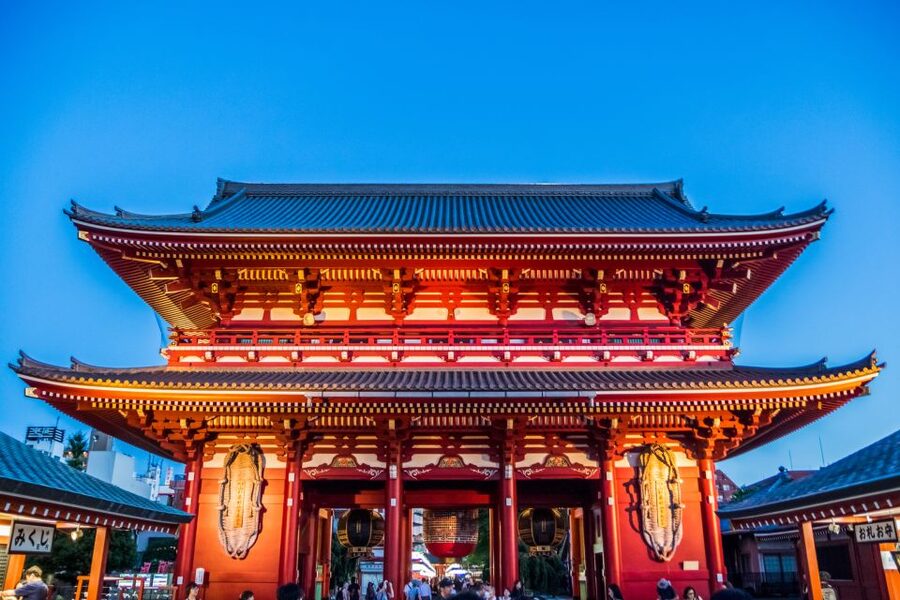
The new personal-device audio system is a major improvement for language choice. It supports 10 languages: Japanese, English, Korean, Chinese, French, German, Spanish, Thai, Vietnamese, and Indonesian.
Bring your own smartphone or tablet and earphones. Data charges may apply, and you are responsible for them. The vehicle-mounted system may still be available in Japanese, English, Korean, Chinese, French, German, and Spanish, but it is not guaranteed on every bus.
The commentary is timed with the route and stops, which makes it useful for orientation rather than background noise. Some audio recordings can cut off mid-sentence, and some seat systems may not work properly. Download or open the personal audio guide before departure so you are not trying to solve technical problems at the curb.
The driver is not necessarily providing a live running commentary. If you want personal recommendations or a back-and-forth conversation, this is not a private guided tour. The strength here is consistent recorded information, available at your own pace.
One day or two days?
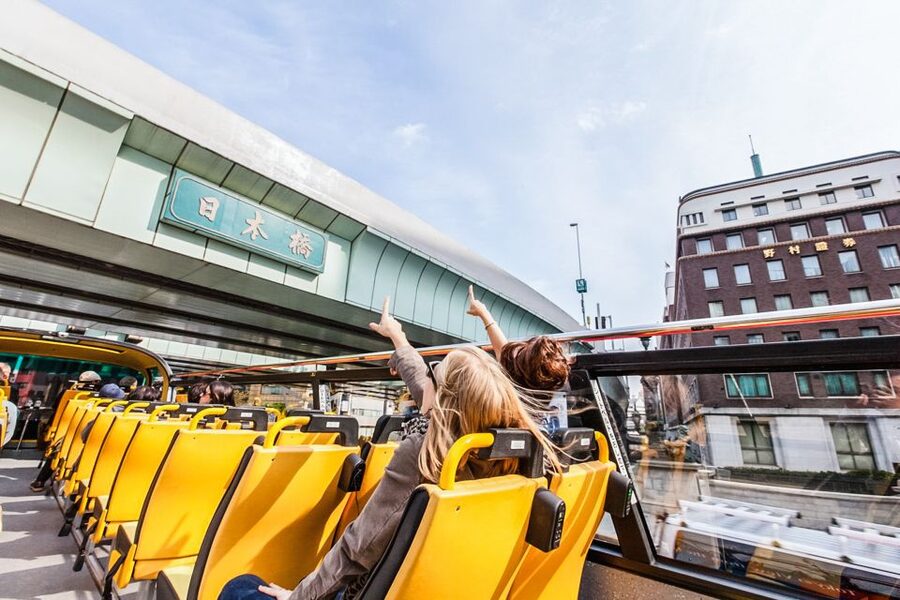
A one-day ticket can work if you begin early, ride complete routes, and choose only one or two stops. One full lap can take about two hours, so three full routes already require much of a day before you add walking time.
A two-day ticket is better for a relaxed visit. Use the first day to ride the routes and mark the places you want to revisit. On the second day, hop off at Tokyo Tower, Asakusa, Skytree, or another favorite district and spend more time there.
The timetable makes two days especially useful. Waiting 30 to 45 minutes for a bus can turn a quick stop into a large part of your afternoon. If you have only one day in Tokyo and want to see everything, the train will be faster between selected sights.
A good plan is to ride one route in the morning, stop for lunch and sightseeing, then take a second route later. If you want the evening city lights, check the operating hours carefully. The route at dusk can be especially striking, with Tokyo’s lights coming on and the elevated roads opening up wide views.
What the $30 price really buys you
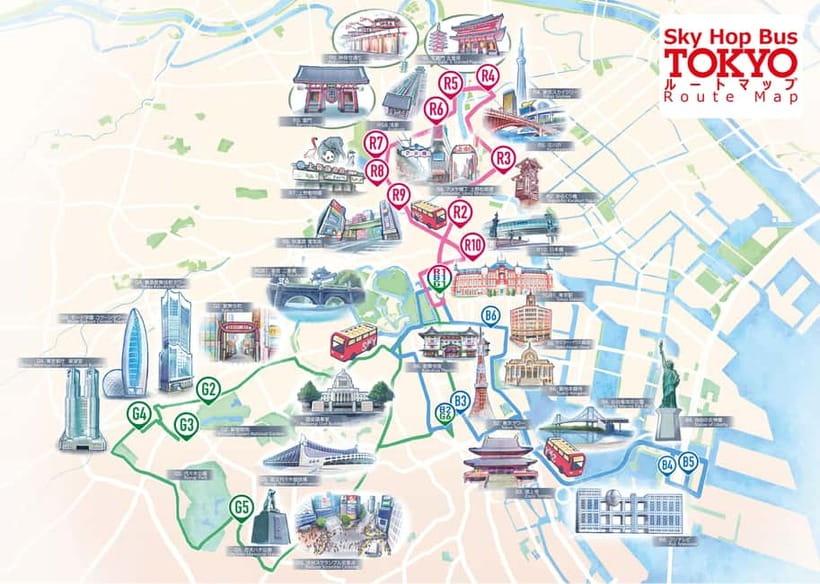
At $30 per person, the ticket is best viewed as a sightseeing pass rather than a transit ticket. You are paying for the elevated views, route coverage, audio guide, and the ease of moving between major districts without planning every train connection.
It is good value if you enjoy city orientation rides, want photographs from above street level, or have limited time. It is weaker value for a budget-conscious visitor who already understands Tokyo’s rail system and wants to reach only a few specific places.
The free shuttle service adds convenience, though the supplied information does not specify its exact route or operating details. Hotel transfers are not included, so you still need to reach the meeting point or a stop on your own.
Who should book this Tokyo bus?
I would recommend it for a first visit, a short stay, families who want a simple overview, and anyone who finds Tokyo’s rail system intimidating at first. It is also a good choice for photographers and anyone who prefers to see a city above street level.
It suits you less if you dislike waiting, need air-conditioning, want a live guide, or plan to move rapidly from one attraction to another. Tokyo’s trains are faster and usually cheaper for that style of sightseeing.
Book the two-day option if your schedule allows it. Choose one day only if you can start early and accept that the timetable will limit how often you hop off.
FAQ
How long is the Tokyo hop-on hop-off ticket valid?
The activity is available as a one-day or two-day experience. Check the selected option and operating times when booking.
How many routes are included?
Your ticket gives you access to all three routes: Tokyo Skytree, Tokyo Tower and Tsukiji Ginza, and Shinjuku Shibuya.
Can I board at a stop other than the Mitsubishi Building?
Yes. You can board directly at any listed Tokyo bus stop using the QR code sent with your voucher.
Is a seat reserved for me?
No. This is not a seat reservation. If a bus is full, you must wait for the next one.
What languages are available for the personal audio guide?
The personal-device system supports Japanese, English, Korean, Chinese, French, German, Spanish, Thai, Vietnamese, and Indonesian.
Do I need to bring anything for the audio guide?
Bring your own smartphone or tablet and earphones. Data charges may apply and are your responsibility.
Is the bus air-conditioned?
No. The bus is open-air and has no air-conditioning. Passenger seats are on the second floor, while the first floor is used for storage.
What happens if it rains?
Raincoats are distributed when needed. Umbrellas are not allowed on board.
Can the bus stop running because of bad weather?
Yes. Severe weather, such as typhoons or thunderstorms, may cause the service not to operate.
Should you book it?
Book this bus if you want a clear first look at Tokyo, open-air views, and an easy way to connect Asakusa, Skytree, Tokyo Tower, Ginza, Shinjuku, and Shibuya. I would choose two days when possible, then use trains for focused sightseeing after you know which districts deserve your time.
Skip it if every minute matters or you are traveling on a tight budget. The service can be slow between buses, but for a first-day orientation and a relaxed ride through a huge city, it offers a useful view that the subway cannot.
Just added in Tokyo
- MT. FUJI/ Private Tour delivered and guided by a top-tier driver★ 5.0 · 27 reviews
- Mt.Fuji Trekking 1 Day Tour up to the summit★ 5.0 · 14 reviews
- Mt fuji & Hakone customizable day tour w/ English speaking driver★ 5.0 · 45 reviews
- Fuji Speedway Self Drive & Mt. Fuji Private Tour pickup & dropoff★ 5.0 · 14 reviews
- Seasonal Mt. Fuji Scenic Views, Fruit Picking and Ropeway Ride!★ 4.5 · 35 reviews
- Customisable Mt.Fuji Private Day Trip, English Speaking Driver★ 5.0 · 22 reviews
- Private Mt Fuji Tour from Tokyo: Scenic BBQ and Hidden Gems★ 5.0 · 146 reviews
- Private Mount Fuji Tour in Luxury Vehicle with English Guide★ 4.5 · 39 reviews
Tokyo Tours, compared.
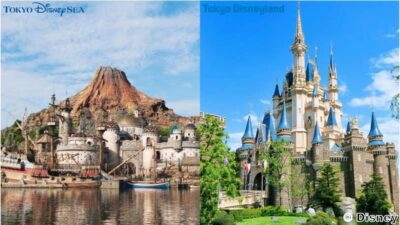
Tokyo Disney Resort – Tokyo Disneyland & Tokyo DisneySea Park Tickets
Read our review →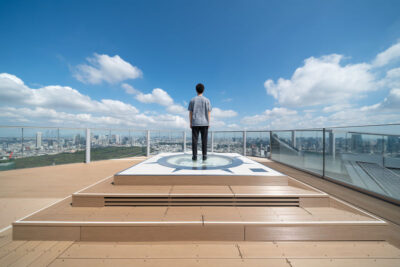
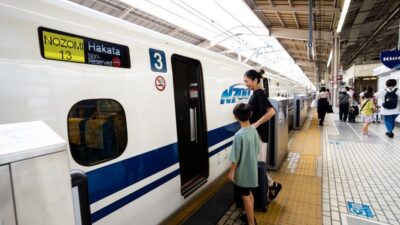
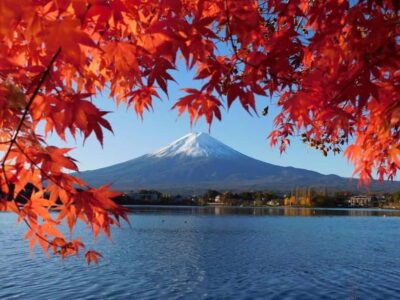
Mt Fuji and Hakone 1-Day Bus Tour Return by Bullet Train
Read our review →
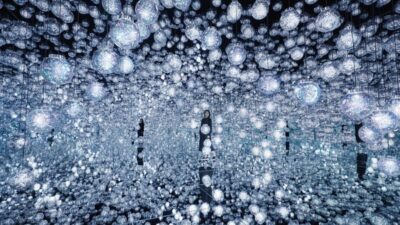
teamLab Borderless Tickets: MORI Building DIGITAL ART MUSEUM
Read our review →