Reviewed · TOKYO TOURS
Tokyo: Horse Racing Tour with Local Fan
Feel Tokyo’s racing pulse beyond the guidebooks. This experience takes you to a real Japanese racecourse with an English-speaking local guide, so you can follow the action, place a bet, and enjoy a side of Tokyo that most visitors never see. I especially like the clear betting help and the chance to spend time among local fans rather than staying in the usual Shinjuku and Shibuya circuit.
I also like the choice of racecourses. Weekend dates usually use Tokyo Racecourse or Nakayama Racecourse, while weekday dates generally go to Oi or Kawasaki Racecourse. The main drawback is that food, drinks, train tickets, and bets cost extra, so the $60 tour price is only the starting point for your afternoon or evening.
In This Review
- Key points to know before booking
- Why Japanese horse racing makes a good Tokyo side trip
- Meeting Eito and getting into the racecourse
- Tokyo Racecourse, Nakayama, Oi, or Kawasaki
- Learning to bet without knowing Japanese
- Between races: food, drinks, and people-watching
- What the races feel like in person
- What the $60 price really covers
- Who will enjoy this experience most
- Practical advice for a smoother day
- Should you book the Tokyo horse racing tour?
- FAQ
- What does the Tokyo horse racing tour cost?
- Which racecourse will I visit?
- Do I need to know anything about horse racing?
- Can the guide help me place a bet?
- Is admission included?
- Do I need to speak Japanese?
- What should I bring?
- Where does the tour end?
Key points to know before booking
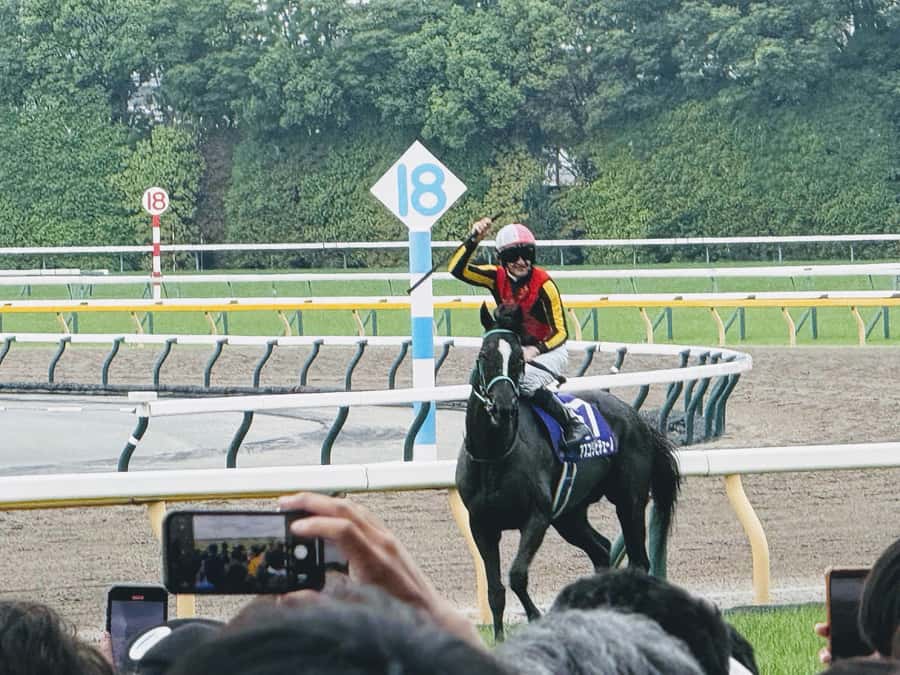
- The racecourse changes by date: Weekend visits usually go to Tokyo Racecourse or Nakayama Racecourse, while weekday visits usually use Oi or Kawasaki Racecourse.
- Eito is the guide to look for: He is praised for clear English, friendly conversation, and patient help with betting, jockeys, horses, and racecourse customs.
- You do not need racing experience: The guide explains the rules and betting choices from the ground up.
- Bring Japanese yen in cash: Admission is included, but food, drinks, train fares, and betting money are not.
- This is a cultural outing as much as a sports event: You will watch live races, cheer with local fans, and see how a popular Japanese pastime works.
- Entry depends on meeting the guide: Your GetYourGuide voucher is not the admission ticket. The guide gives you the racecourse ticket in person and accompanies you inside.
Why Japanese horse racing makes a good Tokyo side trip
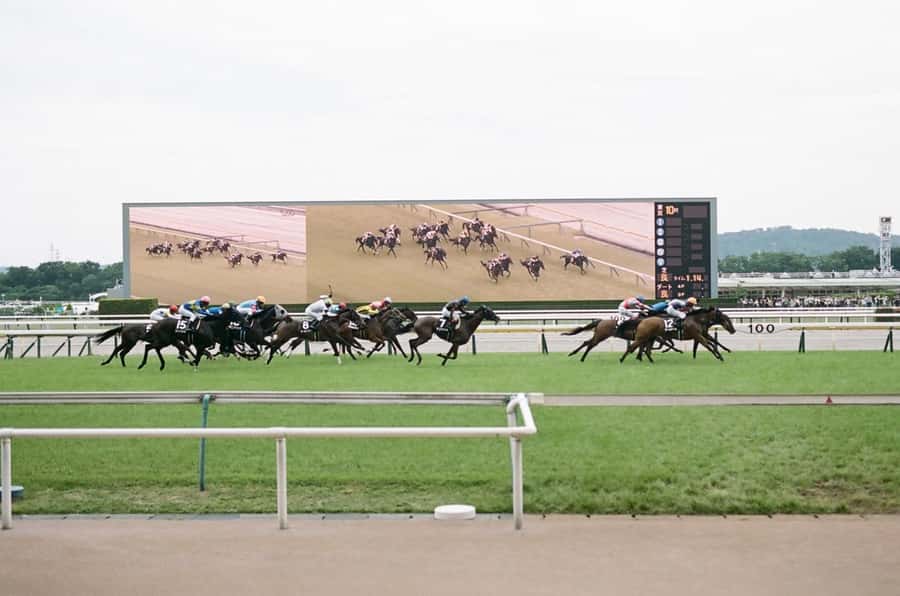
Tokyo has plenty of famous sights, but many of them show you the city as an international visitor sees it. A racecourse offers something different. Horse racing is a major Japanese pastime, yet it is not usually on a first-time Tokyo schedule. That makes this tour a useful choice if you want one afternoon away from temples, shopping streets, and observation decks.
The appeal is not just watching horses run. You are also learning a set of local habits: how fans read the race card, how bets are placed, how jockeys and horses are assessed, and how people react between races. Since much of the information at Japanese racecourses is in Japanese, an English-speaking guide changes the whole experience.
I would not choose this tour simply because you want to gamble. I would choose it because you want a lively public event with a guide who can explain what is happening around you. The betting adds suspense, but you can still enjoy the day without risking much money.
The guide, Eito, receives especially strong praise for making the process easy. He helps explain the betting options, jockey information, horses, and racecourse procedures. His role is important because a first visit can otherwise involve a lot of signs, machines, and instructions you cannot read.
A few more options to weigh up in Tokyo
- Tokyo Disney Resort – Tokyo Disneyland & Tokyo DisneySea Park Tickets
★ 4.8 · 99,488 reviews - SHIBUYA SKY Ticket
★ 4.7 · 46,509 reviews - JR Whole Japan Rail Pass
★ 4.8 · 29,150 reviews
Meeting Eito and getting into the racecourse
The meeting point is provided for your chosen date. At the start, the guide waits with a sign showing your name, and you are asked to send a text when you arrive. This is one reason you should keep your phone charged and have the guide’s contact details ready.
The voucher itself is not your admission ticket. Eito provides the reserved seat ticket in person, and entry is only possible when you are accompanied by the guide. That detail matters. Do not arrive at the racecourse alone assuming you can walk in with your phone voucher.
The meeting process may also help with the train journey. Eito has helped participants navigate the train to Tokyo Racecourse, which is useful if you are unfamiliar with Japanese stations or are trying to reach the venue during a busy race day. The exact transport route is not fixed in the tour details because the venue depends on your date, so check the racecourse shown during booking before planning your day.
Once inside, the guide helps you get oriented. You can expect an explanation of the race format, the betting process, and the basic information used to judge a race. If you already follow racing in Australia, New Zealand, or Hong Kong, you may recognize some of the ideas, but the Japanese presentation and crowd culture can feel very different.
Tokyo Racecourse, Nakayama, Oi, or Kawasaki
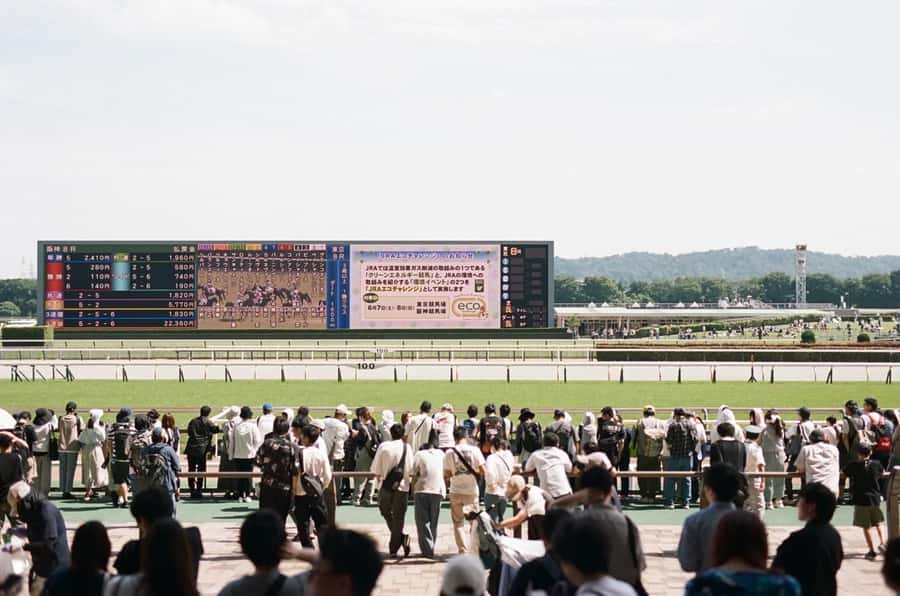
The venue is one of the most important parts of this experience. You do not simply book a tour and assume you will visit one fixed racecourse.
On weekends, the usual choices are Tokyo Racecourse or Nakayama Racecourse. On weekdays, the tour generally goes to Oi Racecourse or Kawasaki Racecourse. The exact venue appears when you select your date.
That variation is worth considering when you plan your Tokyo schedule. A weekday date may offer a different mood from a weekend race day, while a weekend visit may bring a larger crowd and more pronounced race-day energy. The available information does not promise the same seating arrangement at every venue, so reserved seating should be viewed as something arranged for the experience, with availability depending on the day.
The venue also affects transport time and your wider plans. Allow room before the meeting time rather than squeezing this into a tight schedule after another major attraction. Racecourses are not generally next door to the central sightseeing districts, and the tour ends back at the meeting point.
Learning to bet without knowing Japanese
For many people, betting is the intimidating part. The guide removes much of that worry by explaining the choices in English and helping you place bets during the event.
You do not need to arrive knowing racing terms. Eito explains how to read the basic information about horses and jockeys, then shows you how to make a selection. This lets you take part instead of simply watching other people study their tickets.
The best approach is to treat the betting as a small part of the entertainment. Bring enough yen for a few modest bets and decide your spending limit before the first race. Betting money is not included, and each participant pays for their own bets. You may win, but you should plan the outing on the assumption that you will not.
That simple rule keeps the experience comfortable. You are paying for access, guidance, and a cultural activity, not buying a promise of profit. A winning ticket is a pleasant extra, not the reason to book.
The guide can also explain more than the mechanics. You may learn why fans look at the horse, jockey, and race information before making a choice. Even if you have attended races in Melbourne or Hong Kong, you may find the Japanese system different enough to reward a guided introduction.
A completely different kind of day out:
- Mt Fuji and Hakone 1-Day Bus Tour Return by Bullet Train
★ 5.0 · 26,383 reviews - TOKYO SKYTREE® Ticket
★ 4.7 · 25,136 reviews - teamLab Borderless Tickets: MORI Building DIGITAL ART MUSEUM
★ 4.7 · 24,126 reviews - teamLab Planets TOKYO Ticket
★ 4.7 · 21,663 reviews
Between races: food, drinks, and people-watching
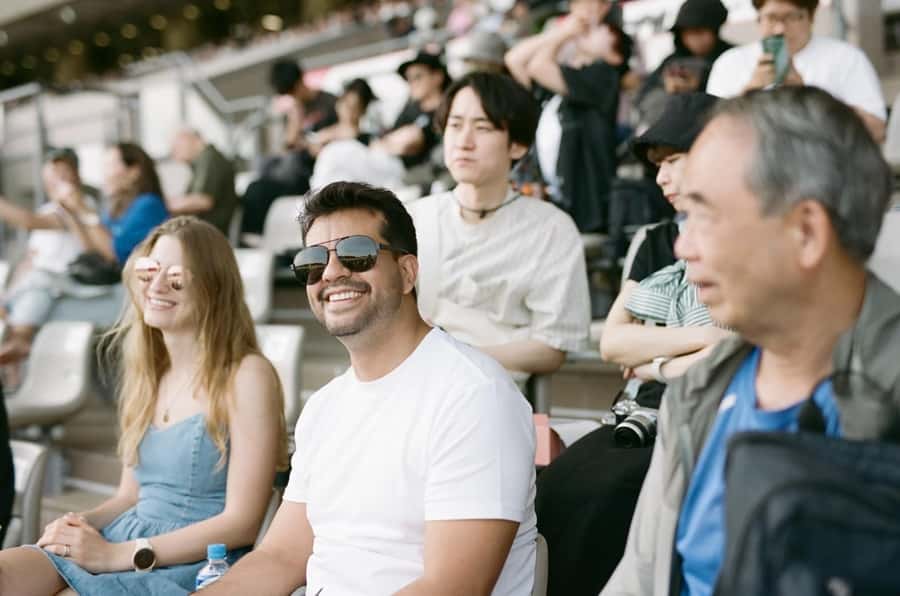
Food and drinks are not included, but that gives you freedom to choose what suits you. The experience highlights Japanese racecourse food such as karaage, yakitori, seasonal snacks, sake, local cocktails, and beer. You buy these items yourself at the venue.
I like this part of the plan because it keeps the meal casual. You can grab a snack between races, carry a drink back to your seat, and focus on the event rather than sitting through a fixed restaurant meal. The exact food selection and prices can vary by racecourse and date, so bring extra yen if sampling local dishes matters to you.
The social side is just as useful as the food. You will see people cheering, checking race information, talking about their choices, and reacting to the results. The guide helps you understand what is happening, but you also have space to watch the crowd.
This is where the experience feels most local. You are not being shown a staged cultural performance. You are attending a regular sporting event that Japanese fans already enjoy. The guide acts as your bridge into that setting, explaining the parts that are easy to miss when you cannot read the signs.
What the races feel like in person
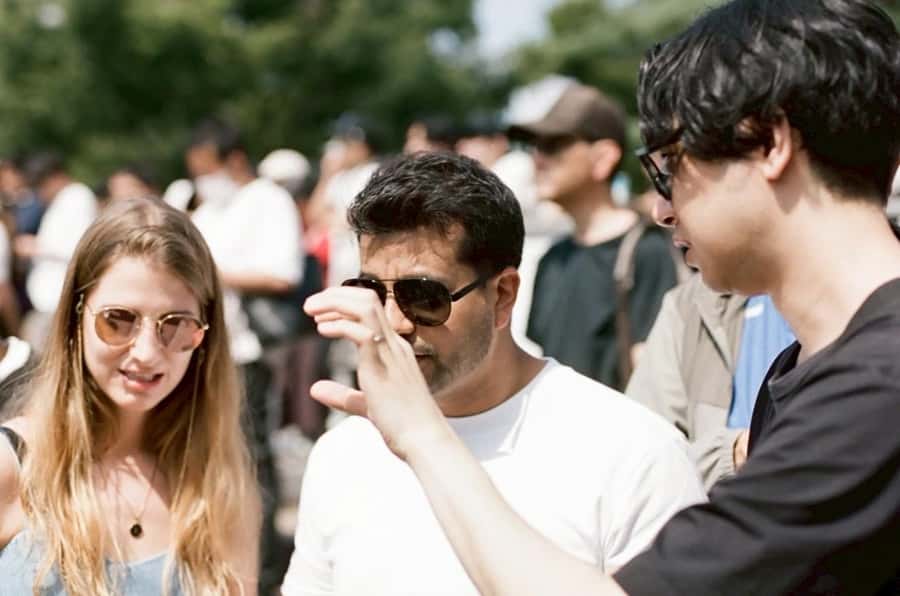
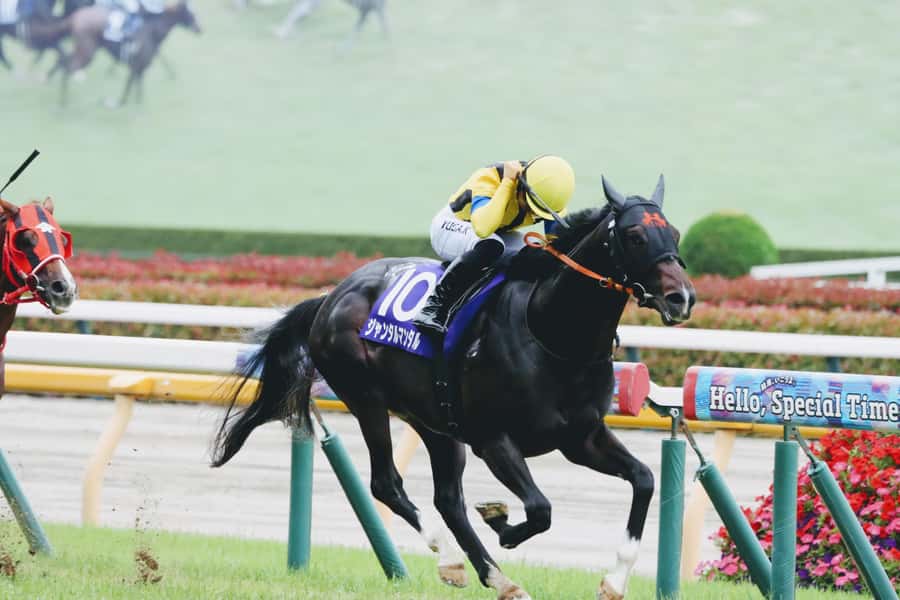
The races themselves are short bursts of noise and movement. You watch the horses come out, follow the build-up, place or confirm your bet, and then cheer as the race begins. The pause between races gives you time to eat, talk, and ask questions.
That rhythm makes this a good half-day-style outing. It is not one long activity with a single climax. It is a sequence of races, explanations, food breaks, and conversations. If you enjoy events that give you repeated chances to get involved, the format should work well.
The excitement can also be unpredictable. You may come close to winning several times without collecting a return, as one participant described. That near miss is part of the fun, but it also shows why you should keep your betting modest.
You can enjoy the horses and the crowd even if your ticket loses. The guide’s help with jockeys, horses, and betting options gives each race a little more meaning than simply watching animals run past at speed.
What the $60 price really covers
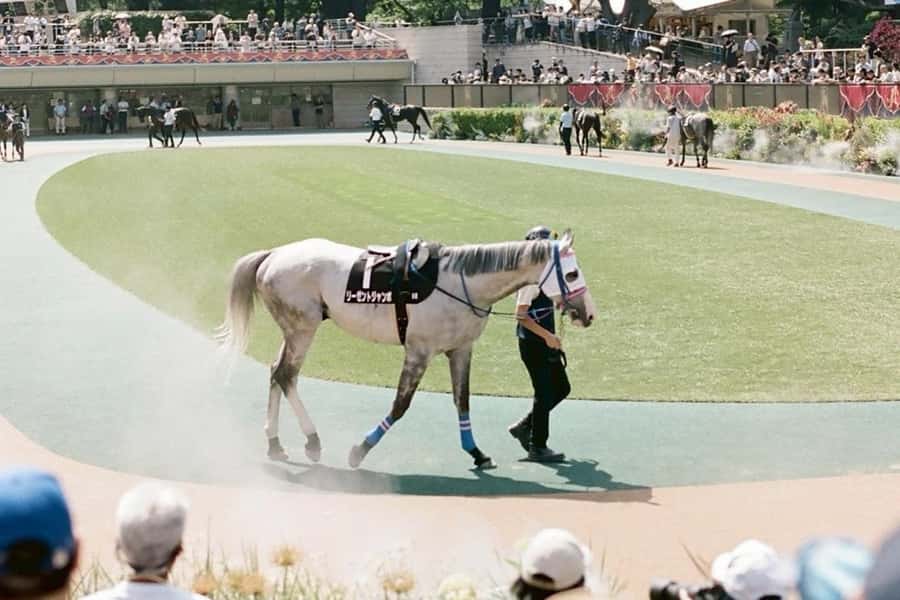
At $60 per person, this is not an all-inclusive food and entertainment package. You pay separately for food, drinks, transport, and betting. The value comes from the parts that would be difficult to arrange on your own.
Your price includes an English-speaking guide throughout the event, admission, an explanation of the rules, help with the betting process, and assistance inside the venue. The guide also handles the crucial admission step by giving you the racecourse ticket and entering with you.
For a first-time visitor, that support can save a lot of confusion. Without Japanese, you might struggle with the ticketing system, race information, and betting machines. You could still attend a racecourse independently, but the process would require more preparation and a willingness to work things out as you go.
The price is less compelling if you already speak Japanese, know Japanese racing well, and are comfortable navigating the venue alone. In that case, you may prefer to spend the $60 on your own food, drinks, and bets. For most visitors who want a guided introduction, the cost is reasonable, especially because the experience offers something not found in the standard Tokyo sightseeing circuit.
Who will enjoy this experience most
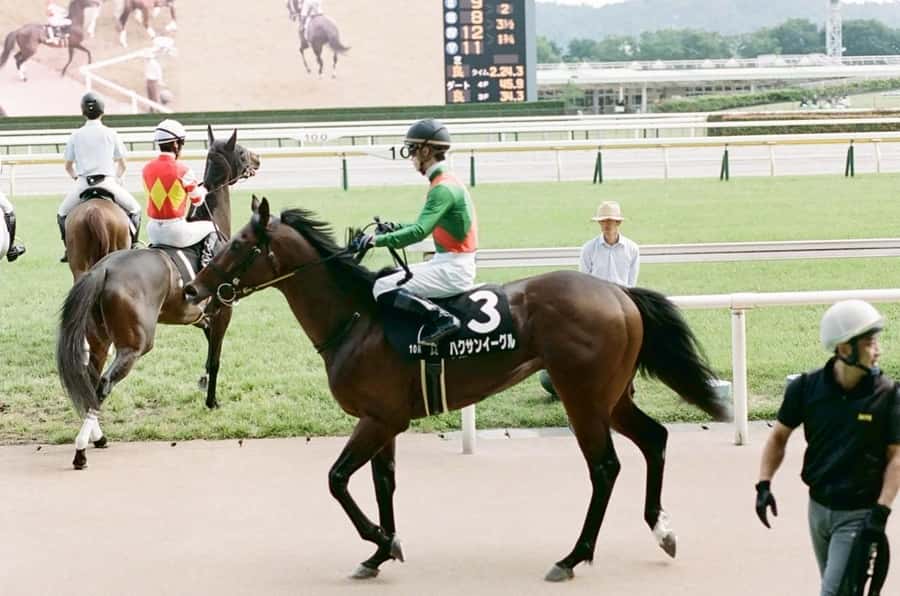
I would recommend this tour to adults who like live sports, local customs, and activities with a little suspense. It suits people who want to talk with a local guide rather than simply follow a scripted sightseeing route.
It is also a good fit for racing fans. One participant who regularly attends races in New Zealand and Australia, including major events in Melbourne and Hong Kong, found the Japanese version strikingly different. That is a useful clue: you do not have to be a beginner to appreciate this tour.
First-time racegoers should feel comfortable too. The guide explains the basic rules and betting choices in English, and the strong praise for Eito centers on his patient, friendly approach. His easy conversation matters because the outing involves several hours of shared time, not just a short explanation at the entrance.
I would think twice if you dislike crowds, gambling, or noisy sporting events. You should also be comfortable paying extra for everything beyond admission and guiding. The tour is not designed as a quiet cultural walk or a polished food tour.
Practical advice for a smoother day
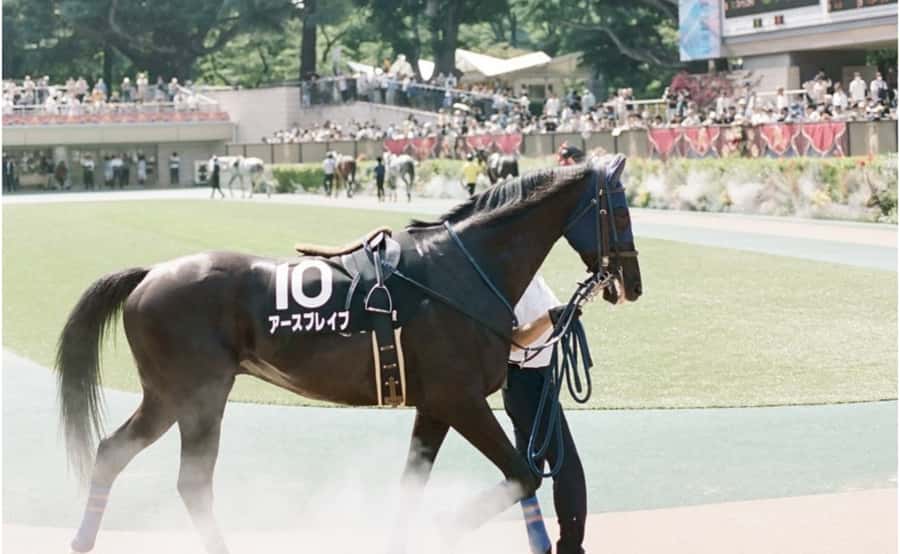
Bring cash in Japanese yen. You need it for betting, and you may also want it for food and drinks. Train tickets are separate, so keep transport money apart from your betting budget.
Send a text when you reach the meeting point, as requested. Look for the sign with your name, and do not try to enter the racecourse before meeting the guide. Your voucher alone will not get you inside.
Check the racecourse shown for your chosen date. Tokyo Racecourse, Nakayama, Oi, and Kawasaki are different venues, and knowing the location helps you plan your train journey and the rest of your day.
Wear something comfortable for moving around the venue and spending time in the seating area. The tour information does not specify a dress code or accessibility details, so contact the provider if you have a particular mobility or seating need.
Food and drinks are optional purchases, not part of the tour fee. If you want to try sake, cocktails, karaage, yakitori, or seasonal snacks, budget for them before you arrive.
The activity ends back at the meeting point. Do not arrange an immediately timed reservation on the other side of Tokyo, since the racecourse and event schedule can affect your return time.
Should you book the Tokyo horse racing tour?
Book it if you want a genuinely local Tokyo outing and need help making sense of a Japanese racecourse. The guide support is the main reason to pay for this experience, and Eito appears especially good at explaining betting, horses, jockeys, and the practical details in clear English.
The tour is also a smart choice for racing fans who want to compare Japanese racing with events in Australia, New Zealand, or Hong Kong. Beginners can enjoy it too, as long as they view betting as entertainment and bring only what they can afford to lose.
Skip it if you want every expense included, prefer major landmarks, or would rather avoid gambling altogether. But if you can spare $60 plus your own transport, food, drinks, and modest betting money, this is one of the more unusual ways to spend a few hours in Tokyo. The full rating is 5 out of 5 from 14 ratings, and the repeated praise for Eito’s friendliness and clear explanations matches the strongest reason to book: you get a local companion for an experience that is otherwise hard to understand alone.
FAQ
What does the Tokyo horse racing tour cost?
The tour costs $60 per person. Food, drinks, train tickets, and betting money are not included.
Which racecourse will I visit?
The venue depends on your selected date. Weekend tours usually visit Tokyo Racecourse or Nakayama Racecourse. Weekday tours generally visit Oi or Kawasaki Racecourse.
Do I need to know anything about horse racing?
No. The English-speaking guide explains the racing rules and betting process, so beginners can take part.
Can the guide help me place a bet?
Yes. Assistance with placing bets is included, and the guide explains the available betting options during the event. You pay for your own bets.
Is admission included?
Yes. Admission is included, but your GetYourGuide voucher is not the admission ticket. The guide provides your racecourse ticket in person.
Do I need to speak Japanese?
No. The tour is conducted in English, and the guide helps explain information that is typically presented in Japanese at the racecourse.
What should I bring?
Bring cash in Japanese yen. You will need it for betting, and you may also use it to buy food and drinks. Train tickets are separate.
Where does the tour end?
The activity ends back at the meeting point. The guide meets you there at the start and accompanies you into the racecourse.
Just added in Tokyo
- A One-of-a-Kind Sushi Experience in a Special Place of Japan★ 5.0 · 15 reviews
- Tokyo Cute Bento Cooking Class – Make a Kawaii Character Lunchbox★ 5.0 · 126 reviews
- Japanese Home Cooking Class & Walk in Todoroki Temple Tokyo★ 5.0 · 88 reviews
- Japan Tokyo Tower Observatory Deck E-Ticket★ 4.0 · 34 reviews
- Catch a Baseball Game in Tokyo with a Local – Tickets Included★ 5.0 · 24 reviews
- JDM Experience with Fast&Furious RX-7 (English speaking Driver)★ 5.0 · 57 reviews
- Tokyo Private Day Tour by Car with English speaking Driver Guide★ 4.0 · 29 reviews
- Japan Classic 10 Day – One Life Adventures★ 5.0 · 129 reviews
Tokyo Tours, compared.
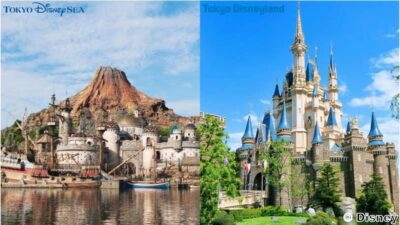
Tokyo Disney Resort – Tokyo Disneyland & Tokyo DisneySea Park Tickets
Read our review →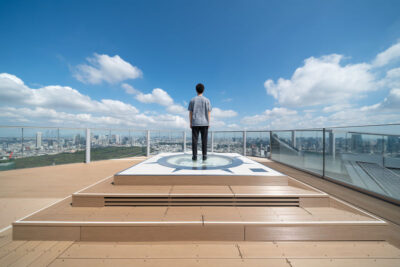
Mt Fuji and Hakone 1-Day Bus Tour Return by Bullet Train
Read our review →

teamLab Borderless Tickets: MORI Building DIGITAL ART MUSEUM
Read our review →