Reviewed · TOKYO TOURS
Tokyo: Japanese Archery (Kyudo) Experience
Kyudo turns archery into moving meditation. This Tokyo session takes you into an official Kyudo hall with a real competition range, not a tourist set, and gives you a rare chance to shoot under a Japanese DAN master. I especially like the beautiful traditional uniform and the generous practice time, with dozens of attempts instead of a quick photo opportunity. The main drawback is practical: the meeting place changes, late arrivals are refused, and beginners may not hit the target.
This is a small-group class limited to five people, which matters when your instructor is correcting the position of your hands, shoulders, and body. I also like that the session feels connected to local Kyudo rather than built only for overseas visitors. Just keep your expectations modest. Kyudo looks graceful, but the movement takes discipline, and one lucky arrow in the target does not make you an expert.
In This Review
- Key points before you book
- Why Kyudo feels different from ordinary archery
- Starting at the official Tokyo Kyudo hall
- Putting on the dōgi and getting fitted
- Learning the shooting motion step by step
- Why the long practice period matters
- The real range changes the feel of the class
- A small group and a hands-on teaching style
- Is the $122 price fair?
- Who will enjoy this most?
- Practical details for a smooth visit
- Should you book this Kyudo class?
- FAQ
- Where does the Kyudo experience meet in Tokyo?
- How long does the Kyudo session last?
- Is the class taught in English?
- How many people can join?
- Are bows, arrows, and clothing included?
- Can children join the session?
Key points before you book
- Real competition range: You practice in an official Kyudo facility, not a short indoor range made for sightseeing.
- Traditional clothing included: You can put on a genuine Kyudo training uniform, with equipment matched to your body.
- Dozens of attempts: The 150-minute session gives you time to repeat the movement and learn from corrections.
- English instruction: A Japanese DAN-level instructor explains the steps and offers personal advice.
- Very small group: No more than five participants means more room for individual help.
- Strict arrival rules: The venue is announced a few days before the session, and late arrivals cannot join.
Why Kyudo feels different from ordinary archery
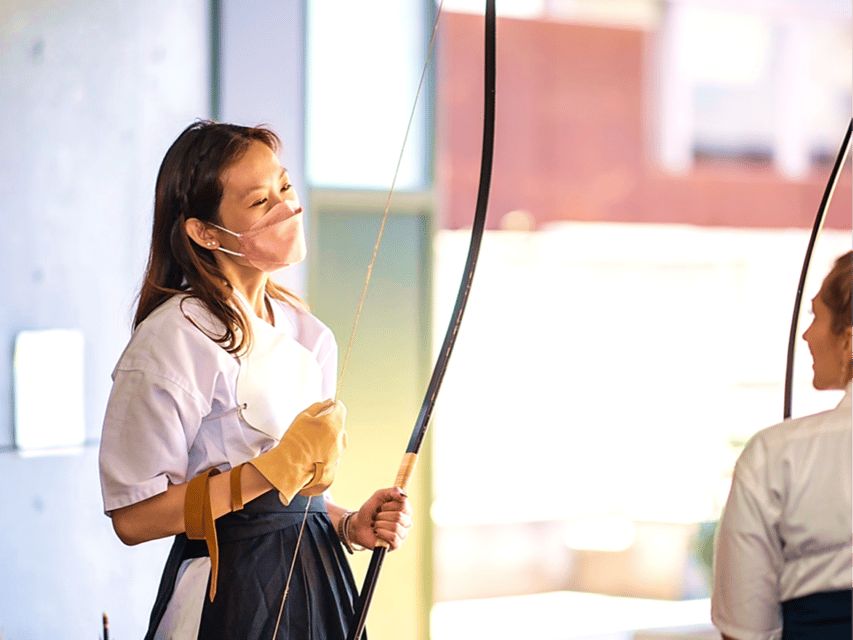
Kyudo is Japanese archery, but calling it simply a sport misses much of the point. The draw, stance, breathing, release, and follow-through are treated as one careful sequence. The goal is not only to send an arrow toward a target. You are learning to keep your mind quiet while your body performs a precise series of actions.
In Japan, Kyudo is often described as a form of dynamic Zen meditation. You can understand the idea quickly, even as a beginner. The bow demands your attention, the instructor watches your form, and the release comes only after the full movement is in place.
That does not mean the session is solemn or stiff. The class is designed for newcomers, and the instructor keeps it friendly. Several people praise the energy, patience, and encouragement of the teaching. One participant returned for a second class because the instructor’s enthusiasm made such a strong impression.
I like this balance. You get a cultural introduction, but also a real activity that requires focus. It is not a staged demonstration where you watch a professional shoot and then take one token turn.
A few more options to weigh up in Tokyo
- Tokyo Disney Resort – Tokyo Disneyland & Tokyo DisneySea Park Tickets
★ 4.8 · 99,488 reviews - SHIBUYA SKY Ticket
★ 4.7 · 46,509 reviews - JR Whole Japan Rail Pass
★ 4.8 · 29,150 reviews
Starting at the official Tokyo Kyudo hall
Your meeting point is not Tokyo Station. The facility changes depending on the day, and the exact meeting place is sent to you a few days before the session. That arrangement requires more attention than a fixed landmark, so check your messages carefully and allow enough time to arrive.
The strict timing rule is important. The class departs right on schedule, and late arrivals cannot participate. There is no refund for arriving late, so this is not the activity to schedule immediately after a distant attraction or a tight train connection.
Once inside, the setting does much of the work. You are in an official hall used for Kyudo, with a proper competition range rather than a compact practice lane. That gives the activity a stronger sense of place and purpose. You are not merely trying Japanese-style equipment in a room arranged for tourists.
The program may also share the venue with regular archers. That detail helps explain why this feels less commercial than many short cultural activities. You are entering a working Kyudo space, and you should follow the guide’s instructions about where to stand, when to move, and what you may photograph.
Putting on the dōgi and getting fitted
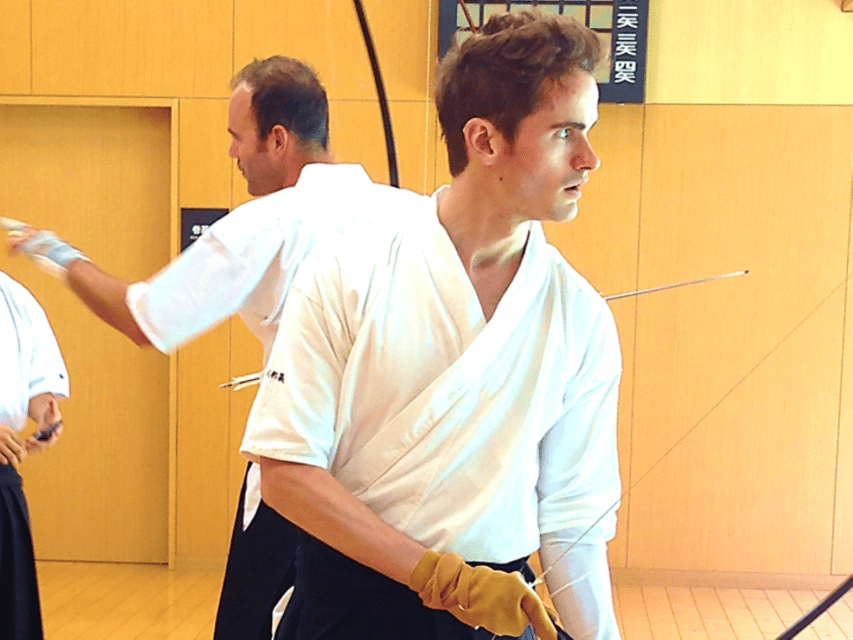
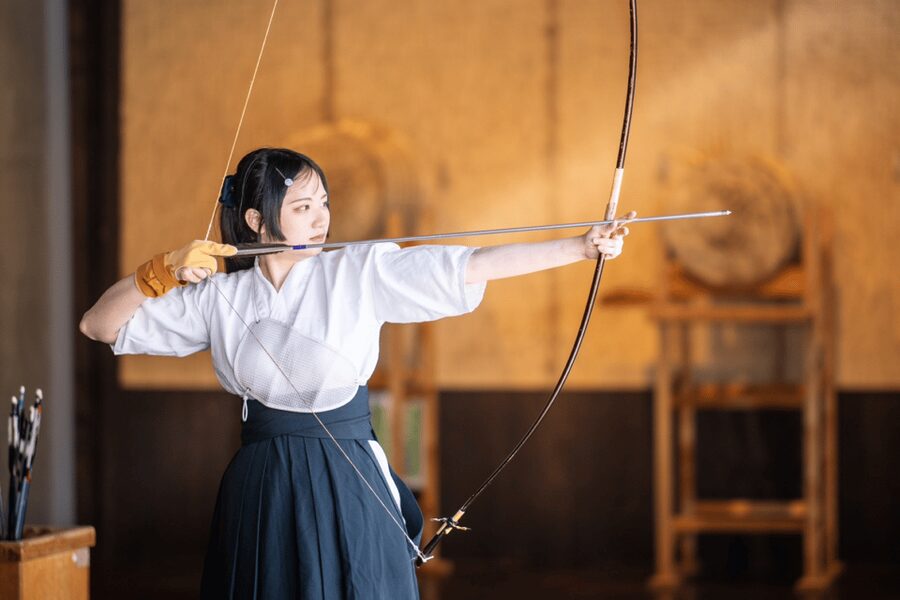
The session includes a complete Kyudo equipment set and facility use, so you do not need to bring a bow, arrows, or uniform. One of the first memorable parts is putting on the traditional dōgi, the training uniform.
The clothing is more than a costume. It helps you adopt the posture and form associated with the discipline, and it makes the session feel rooted in Kyudo rather than ordinary recreational archery. The uniform is designed around a Japanese body type, however. People with larger arms or a body weight above 150 kilograms may find that it does not fit. In that case, you may need to take part in regular clothing.
Your bow and arrows are matched to your body. That is a useful touch for first-timers because Kyudo equipment is not simply one-size-fits-all. You can focus on the instruction rather than wondering if you have been handed the wrong gear.
The class is open to participants aged 13 and above. It is not suitable for wheelchair users, and anyone with a cold or who feels unwell should not attend. Alcohol and intoxication are not allowed, and anyone under the influence will be refused entry without a refund.
Learning the shooting motion step by step
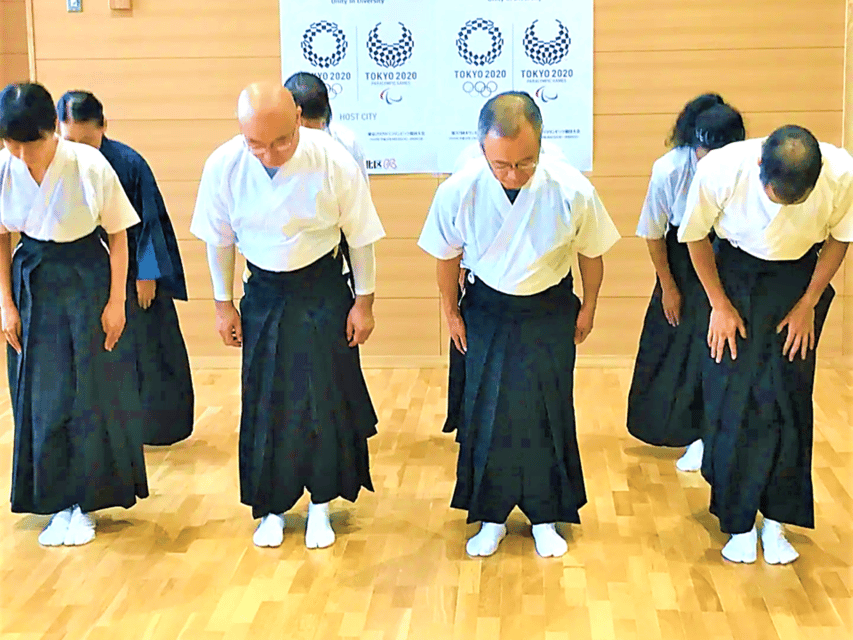
The instructor first explains the clothing, the equipment, and the basic idea behind Kyudo. Then the class moves into the shooting sequence. The motion is broken down carefully, so you can work on one part at a time instead of trying to copy the whole action at once.
Expect repeated corrections. Your stance may need adjusting. Your hands may need to sit differently on the bow. Your shoulders, breathing, and release all affect the arrow. Kyudo has a calm appearance, but the technique is demanding, and a small error can send the arrow away from the center.
The instructor is a Japanese DAN master, and the teaching is provided in English. The strongest praise centers on personal attention. A participant described the instructor as attentive and patient, while another said the explanations were clear from the clothing through to the shooting. The instructor named Jun received particular praise for taking time with individual students and encouraging them throughout the class.
One point is worth keeping in mind: English instruction may not always feel perfectly easy to follow. A returning participant enjoyed the instructor’s enthusiasm even while admitting that not every word was understood. That is a fair warning, not a major flaw. Watch the demonstrations closely, ask for a repeat when needed, and pay attention to the physical corrections.
A completely different kind of day out:
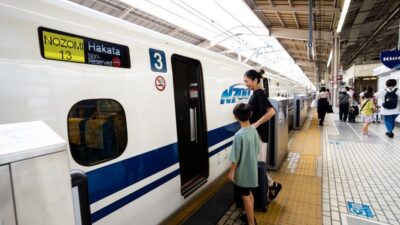
- Mt Fuji and Hakone 1-Day Bus Tour Return by Bullet Train
★ 5.0 · 26,383 reviews - TOKYO SKYTREE® Ticket
★ 4.7 · 25,136 reviews - teamLab Borderless Tickets: MORI Building DIGITAL ART MUSEUM
★ 4.7 · 24,126 reviews - teamLab Planets TOKYO Ticket
★ 4.7 · 21,663 reviews
Why the long practice period matters
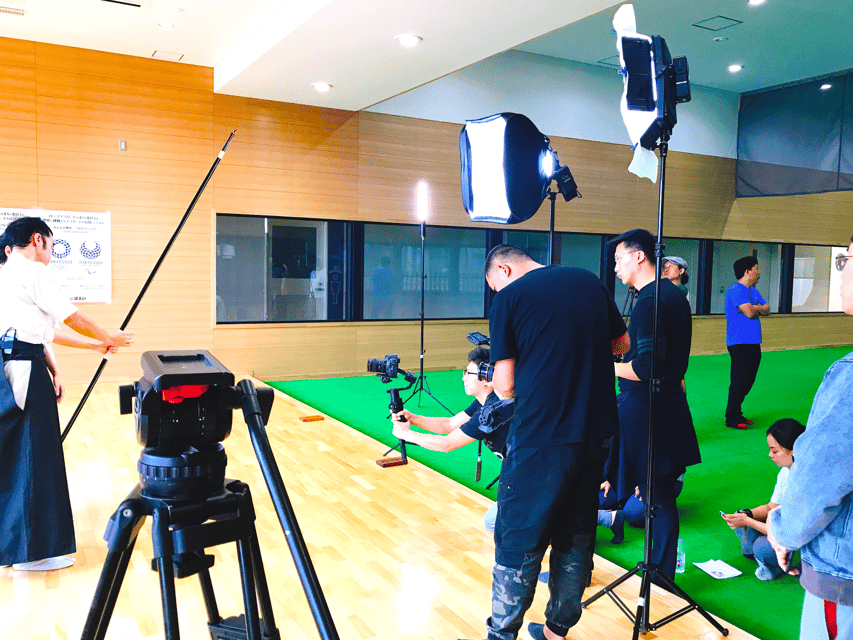
Traditional Kyudo training often requires months of work before a student is allowed to shoot at a target. This program lets you move to the target much sooner. That is exciting, but it also means you should not judge yourself by normal club standards.
You get dozens of attempts during the 150 minutes. This is one of the best reasons to choose this class over a short archery demonstration. The first few shots help you understand the equipment. Later shots give you a chance to apply corrections and feel how small changes affect the release.
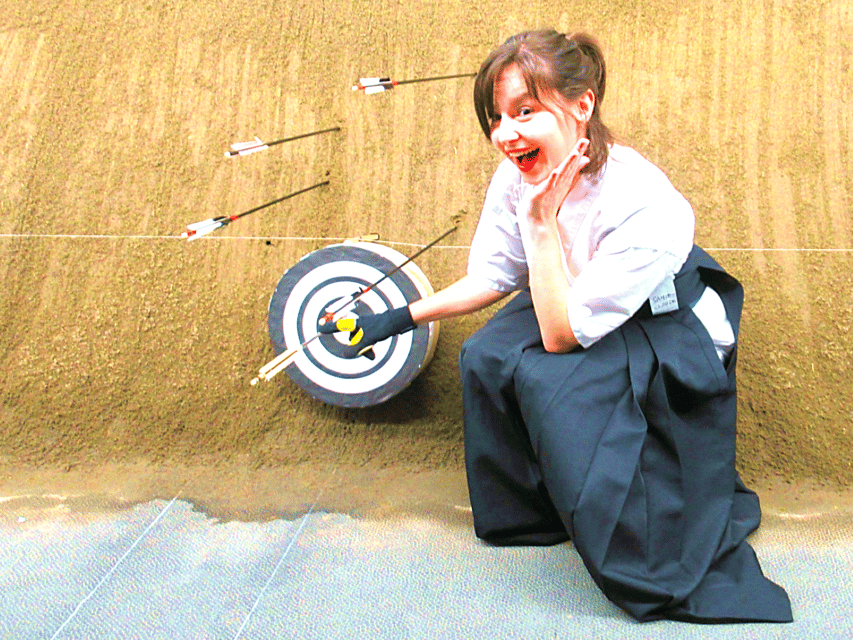
Do not expect a guaranteed bullseye. You may miss completely, or you may get lucky once or twice. The useful part is not the score. It is learning why the arrow moved as it did and trying again with a better position or calmer release.
Several people valued the amount of practice, though one person wished there had been even more shooting time. That tells you something about the pacing. The class includes clothing, instruction, corrections, and shooting, so 150 minutes can pass quickly if you become absorbed in the process.
I would treat hitting the target as a bonus. The real success is leaving with a clearer sense of how Kyudo connects body control, concentration, and repetition.
The real range changes the feel of the class
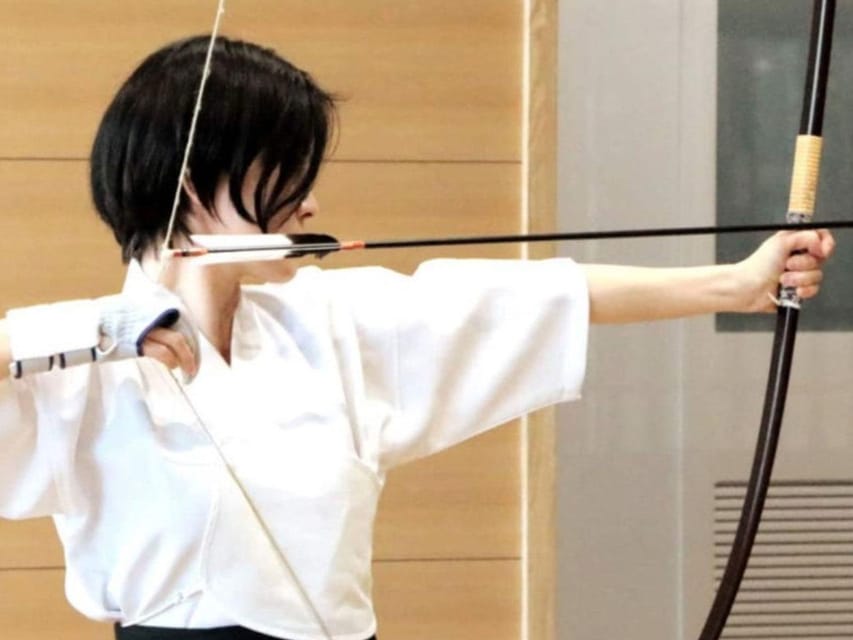
A short range can be fun, but it gives you only a partial idea of the discipline. Here, you shoot at a real competition distance. That makes the target feel meaningfully far away and gives your release more consequence.
The range also changes your attitude. You have to listen closely, wait for your turn, and respect the order of the session. The atmosphere is not just about firing arrows as fast as possible. It is about controlled movement and safe practice in a formal setting.
The venue may include regular archers, which can make the session feel more authentic. You are not promised a private hall or a private performance, and that is part of the appeal. At the same time, photography and video are restricted inside the archery facility. Follow the guide’s instructions instead of assuming you can record every shot.
This is a good activity for you if you value context and technique. If your main goal is a dramatic photo holding a bow, the clothing may satisfy that wish, but the class asks for more attention than a simple photo stop.
A small group and a hands-on teaching style
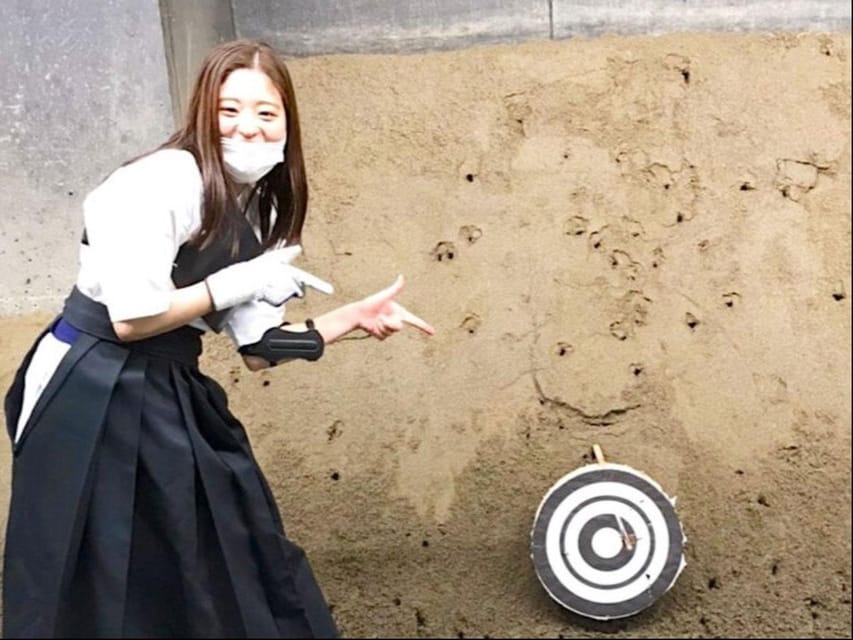
With a maximum of five participants, the class has a more personal feel than a large workshop. That small number gives the instructor a better chance to spot problems in your form and give direct advice.
It also means you may spend part of the session watching another participant shoot. In Kyudo, that is not wasted time. You can see the same instructions applied to different bodies, and you may notice a mistake before making it yourself.
The teaching style sounds encouraging rather than intimidating. The instructor explains, watches, adjusts, and motivates. Several people describe the class as beginner-friendly, fun, and patient. One participant came away interested in finding a Kyudo club at home, which is perhaps the clearest sign that the class can create lasting interest instead of ending with the final arrow.
The tone may vary depending on the instructor and the group. Some sessions could feel more energetic, while others may be quieter and more focused. Either way, the small format gives you a better chance to ask questions and receive useful corrections.
Is the $122 price fair?
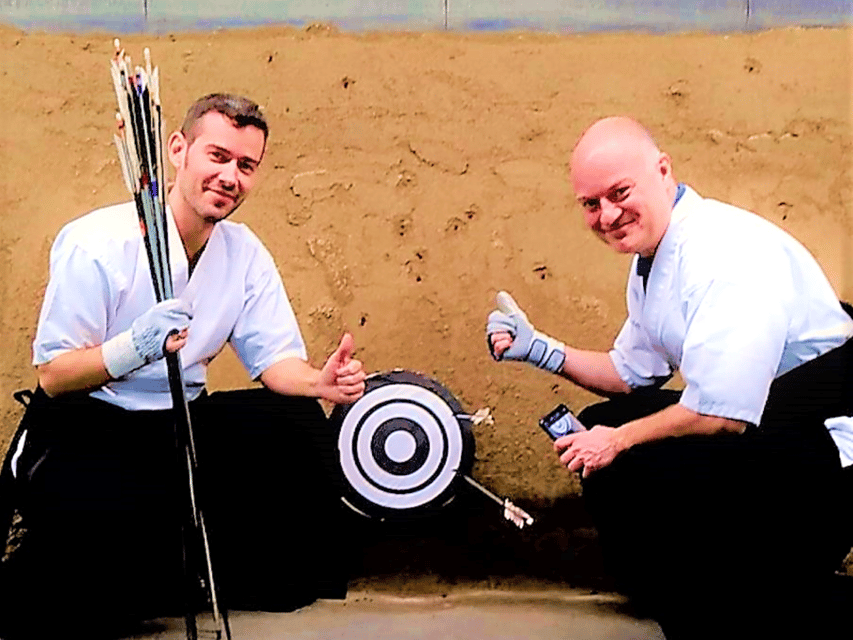
At $122 per person, this is not a bargain activity if you compare it with a casual archery session. The value comes from what is included and where you practice.
Your fee covers the experience, facility use, and a complete set of rental equipment. You also receive English instruction from a DAN-level Japanese instructor, traditional clothing, access to a proper range, and around two and a half hours in a group of no more than five.
That is a reasonable package for you if authenticity matters. You are paying for access to a real Kyudo setting and for enough time to repeat the movement, not just for a bow rental and a few arrows.
The price is harder to justify if you want only a quick taste of Japanese culture or a guaranteed hit. Kyudo rewards patience, and your first day may produce more misses than bullseyes. I would book it for the quality of the instruction and the setting, not for a perfect target photo.
Anyone who joins the venue without participating must also pay an additional fee, arranged when requesting the booking. That is worth clarifying in advance if someone in your party wants to accompany you without taking the class.
Who will enjoy this most?
I would recommend this session to adults and teenagers aged 13 or older who enjoy focused activities, Japanese martial arts, and hands-on cultural learning. It also suits you if you have tried ordinary archery and want to understand a more formal Japanese tradition.
It can be a good choice for someone who prefers a small group. The five-person limit leaves more space for instruction than a crowded workshop, and the generous number of attempts lets you improve during the session.
You should think twice if you dislike strict schedules or physical instruction. You must arrive at the correct changing meeting point on time, and the guide will expect you to follow directions closely. The program is not suitable for wheelchair users, people with a cold, or anyone who is intoxicated.
The class is also not ideal if you need a guaranteed uniform size. The supplied dōgi may not fit everyone, particularly people with larger arms or a weight above 150 kilograms.
Practical details for a smooth visit
Confirm the meeting place a few days before the class because it is not always the same facility. Plan to arrive early, since late entry is not allowed and no refund is offered for missing the start.
Wear something that allows comfortable movement, even though the program provides a traditional uniform. If the dōgi does not fit, you may need to shoot in your own clothing.
Keep your phone ready for directions, but do not assume you can film inside. Photography and video are restricted at the archery facility, and the guide will tell you what is permitted.
The cancellation policy is fairly strict but clear. You can cancel up to seven days in advance for a full refund. After that point, missed participation, illness at the venue, intoxication, or late arrival can mean losing the full payment.
Should you book this Kyudo class?
Book it if you want a genuine Japanese martial arts setting, real competition-range shooting, and enough attempts to learn rather than pose. The uniform, small group, English instruction, and patient coaching make the $122 price easier to accept, especially for anyone who may want to continue Kyudo at home.
Skip it if you need a flexible arrival time, guaranteed clothing fit, or a quick activity with an easy bullseye. Kyudo is elegant, but it is not effortless. Go in ready to listen, repeat the motion, and accept a few crooked arrows. That is where the value lies.
FAQ
Where does the Kyudo experience meet in Tokyo?
The meeting point is not Tokyo Station. Different facilities are used on different days, and the exact meeting place is provided a few days before the activity.
How long does the Kyudo session last?
The session lasts 150 minutes, or two and a half hours. Starting times vary, so check availability when booking.
Is the class taught in English?
Yes. The instructor teaches in English and explains the clothing, equipment, shooting motion, and ways to improve your form.
How many people can join?
The activity is limited to five participants, making it a small-group session with room for individual guidance.
Are bows, arrows, and clothing included?
Yes. The fee includes rental of a complete set of Kyudo tools, facility use, and the experience fee. A traditional Kyudo uniform is provided, though it may not fit everyone.
Can children join the session?
Participants must be at least 13 years old. The activity is not suitable for children under 13, wheelchair users, people with a cold, or anyone under the influence of alcohol.
Just added in Tokyo
- Manga Lesson with a Professional Japanese Manga Artist in Nakano★ 5.0 · 77 reviews
- Making a bento box with cute character look in Japan★ 5.0 · 15 reviews
- Tokyo/Ikebukuro Manga drawing workshop by pro-Manga artists★ 5.0 · 65 reviews
- Luxury Tokyo Sake, Cocktail, Whisky and Pairing Tour★ 5.0 · 18 reviews
- Tokyo Ueno Food & Nature & Localtown Tour: 10Dishes+ Drinks★ 5.0 · 34 reviews
- Make Your Own Bonsai with a Professional Bonsai Artist in Tokyo★ 4.5 · 18 reviews
- Make Traditional Nerikiri Sweets & Matcha experience in Shibuya★ 5.0 · 130 reviews
- Daikoku Parking Tokyo Drift & APIT Car Meet JDM Culture Tour★ 5.0 · 79 reviews
Tokyo Tours, compared.

Tokyo Disney Resort – Tokyo Disneyland & Tokyo DisneySea Park Tickets
Read our review →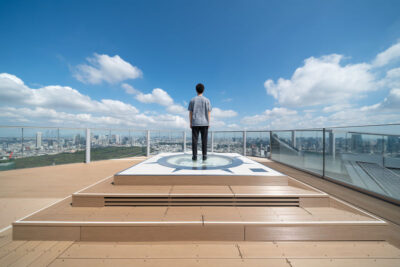

Mt Fuji and Hakone 1-Day Bus Tour Return by Bullet Train
Read our review →

teamLab Borderless Tickets: MORI Building DIGITAL ART MUSEUM
Read our review →