Reviewed · TOKYO TOURS
Tokyo: KABUKI, BUNRAKU, etc. presented by National Theatre
Japan’s old stage arts still have plenty of life. This National Theatre Japan presentation gives you a direct look at Kabuki, Bunraku, or Hogaku, performed by artists who have trained in traditions passed down for centuries. I especially like the access to authentic Japanese performance, rather than a simplified cultural show, and the English audio guide available for Kabuki and Bunraku. The main caution is simple: some programs last up to three hours, and the pace can feel slow if you are used to modern Western theater.
I also like that the performers work without loudspeakers, so you hear the actors, narrators, shamisen, and other instruments as part of the live event. But do not assume you are going to the famous National Theatre in Hanzomon. The venue changes by date, and the Bunraku program described here takes place at KAAT Kanagawa Arts Theatre in Yokohama.
In This Review
- Key Points Before You Book
- What This National Theatre Presentation Really Offers
- Arriving at KAAT Kanagawa Arts Theatre in Yokohama
- Bunraku: Storytelling, Shamisen, and Moving Puppets
- Kabuki: Bold Movement and Theatrical Style
- Hogaku: Traditional Music and the Meaning of Snow
- Using the English Audio Guide Without Missing the Stage
- Theater Etiquette and Comfort During the Show
- How Much Time Should You Set Aside?
- Who Will Get the Most From This Experience?
- Should You Book Kabuki, Bunraku, or Hogaku?
- FAQ
- Is the performance held at the National Theatre in Hanzomon?
- Where is KAAT Kanagawa Arts Theatre?
- How long does the experience last?
- Is an English audio guide included?
- Is English support available for Hogaku?
- Can I choose my seat?
- How do I enter the theater?
- Is the experience wheelchair accessible?
- Can I take photos or record the performance?
Key Points Before You Book
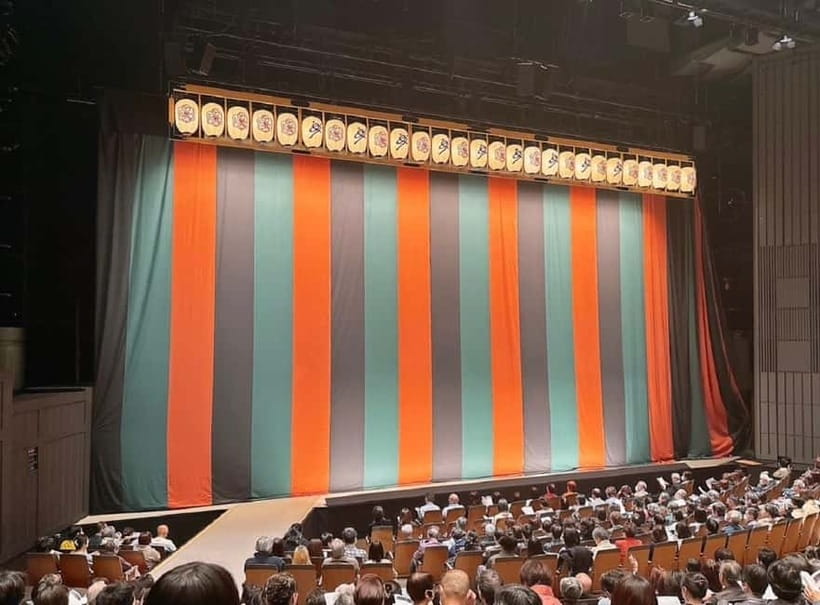
- Bunraku uses three art forms at once: A narrator tells the story, a shamisen player shapes the mood, and puppeteers bring the characters to life.
- The English audio guide gives the plot and main points: It is not a word-for-word translation, so you can still hear the performers.
- The Yokohama venue matters: KAAT Kanagawa Arts Theatre is about five minutes from Nihon-ōdōri Station and is not the National Theatre in Tokyo.
- Kabuki mixes drama, music, and dance: Its bold costumes, stylized movement, and stage pictures reward a little preparation.
- Hogaku is a music program: You receive a free English explanation sheet rather than an audio guide.
- The schedule and art form vary by date: Check the option title carefully before paying, since Kabuki, Bunraku, and Hogaku are different experiences.
What This National Theatre Presentation Really Offers
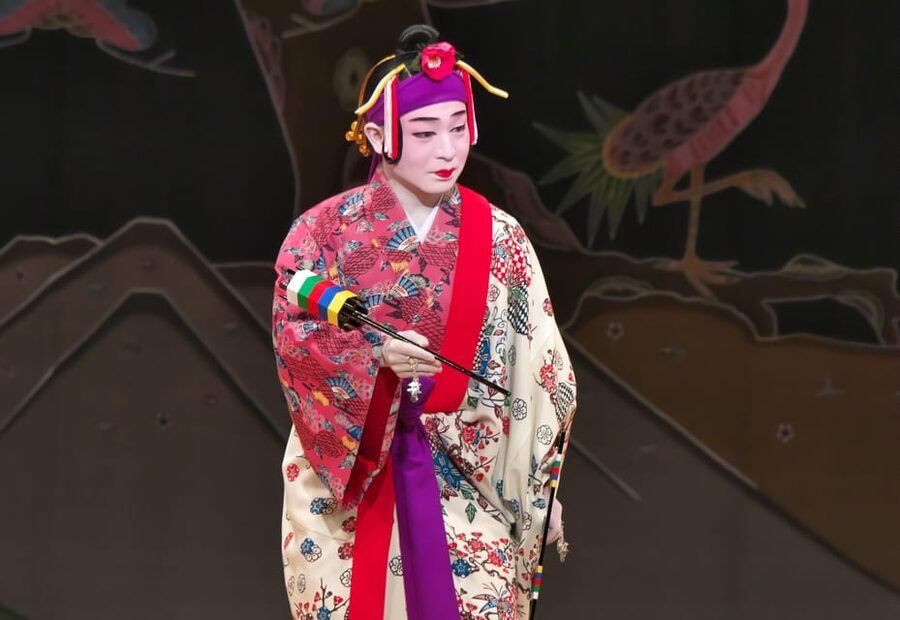
The National Theatre Japan has supported traditional Japanese performing arts since 1965. That gives this experience a useful sense of purpose: you are seeing established forms presented by high-level performers, not a short demonstration designed only for sightseeing photos.
The exact program depends on your selected date. One date might offer Kabuki, another Bunraku, and another a Hogaku concert. The duration can range from 75 minutes to three hours, so I would treat the option title and stated duration as essential booking information, not fine print.
The price begins at about $37 per person. For a three-hour performance with a theater ticket and English support, that is a fair price for anyone genuinely curious about Japanese culture. It is less convincing if you are trying to pack every major Tokyo sight into a short visit. One program took about three and a half hours when breaks were included, and that is a large slice of a five-day itinerary.
You should also know that seating is assigned by the theater. You cannot choose your exact location, although some ticket holders received excellent seats. The only way to know what you are getting is to arrive at the venue and exchange your GetYourGuide voucher for the theater ticket.
A few more options to weigh up in Tokyo
- Tokyo Disney Resort – Tokyo Disneyland & Tokyo DisneySea Park Tickets
★ 4.8 · 99,488 reviews - SHIBUYA SKY Ticket
★ 4.7 · 46,509 reviews - JR Whole Japan Rail Pass
★ 4.8 · 29,150 reviews
Arriving at KAAT Kanagawa Arts Theatre in Yokohama
For the Bunraku performance described here, your destination is KAAT Kanagawa Arts Theatre in Yokohama. This is the detail most likely to cause trouble, especially if you search for the National Theatre in central Tokyo and head toward Hanzomon.
The easiest route is the Minatomirai Line:
- Nihon-ōdōri Station, Exit 3 or 4, about a five-minute walk
- Motomachi-Chukagai Station, Exit 1, about an eight-minute walk
The Minatomirai Line runs directly through to the Tokyu Toyoko Line and Tokyo Metro Fukutoshin Line. From Shibuya, a train bound for Motomachi-Chukagai takes about 45 minutes. Build in extra time for the journey, the walk, and ticket collection.
At the theater entrance, exchange the voucher for the actual theater ticket. Staff will ask for the name used on the reservation. This process is straightforward, but I would not arrive at the last second. You want time to find the correct entrance, collect your seat assignment, and settle in before the performance begins.
The venue may vary for other dates and art forms. Always check the meeting-location information attached to your chosen performance.
Bunraku: Storytelling, Shamisen, and Moving Puppets
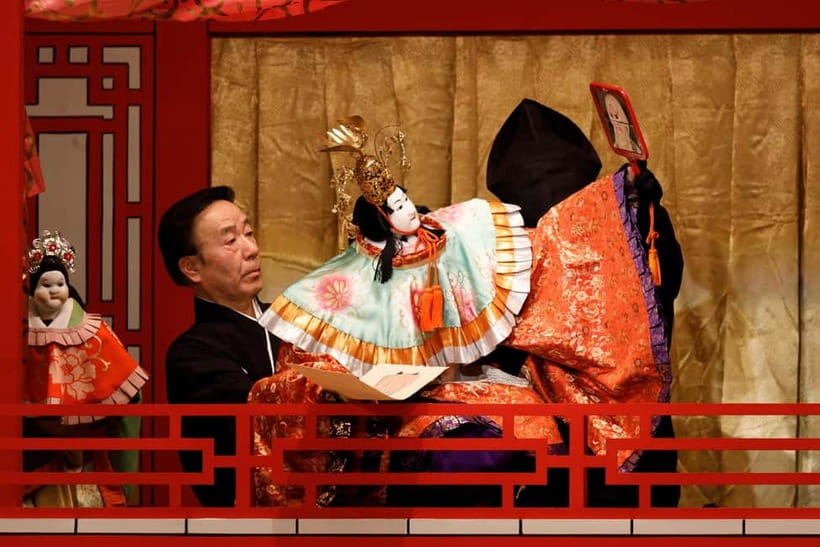
Bunraku is probably the most unfamiliar option for many visitors. It is a serious theater form for adults, and UNESCO has placed it on its Representative List of the Intangible Cultural Heritage of Humanity.
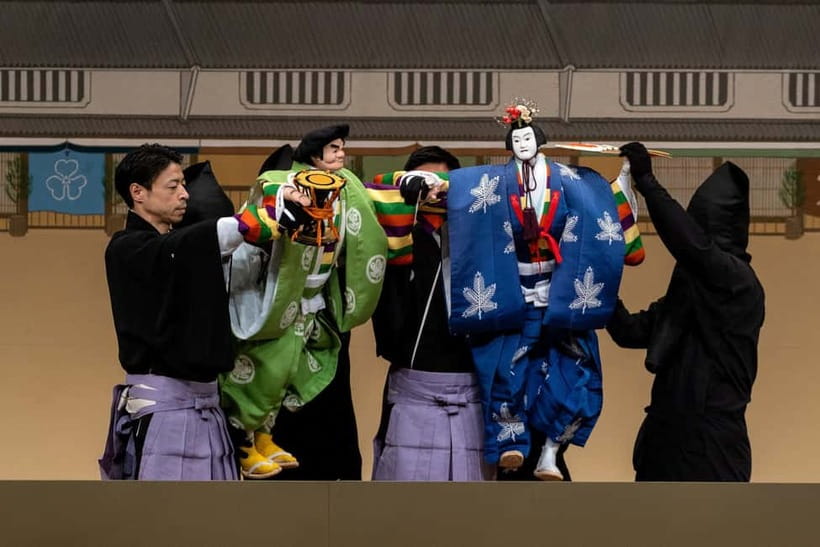
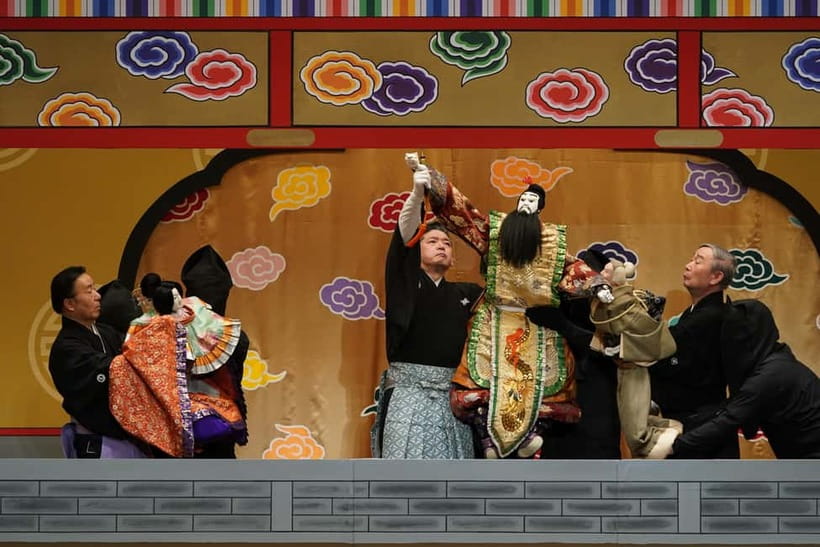
The performance brings together three specialists. A narrator delivers the story with great force and changes vocal character for different roles. A shamisen player provides the musical structure and emotional pressure. Puppeteers control the figures with careful, highly trained movements.
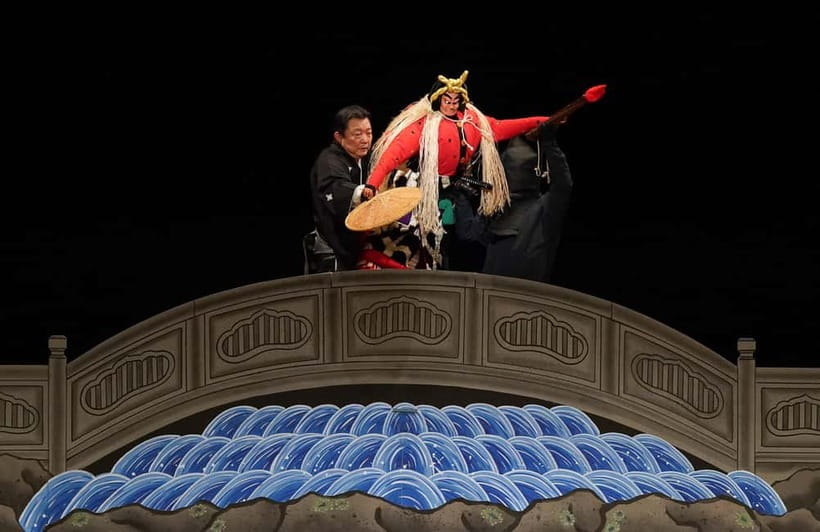
That partnership is the heart of Bunraku. You are not simply watching puppets move. You are watching voice, music, and motion meet at precise moments. The narrator may dominate one passage, while the shamisen sets the feeling for another. The puppets can appear delicate one moment and startlingly expressive the next.
Some Bunraku stories deal with love, duty, family pressure, and suicide. That subject matter can surprise families who expect a light folk tale. If you bring older children, explain that the stories may deal with serious adult choices. Younger children may struggle with the length, quiet atmosphere, and slow build.
The English audio guide is a major help. It gives the broad action and important points while leaving the original sound in the theater. This is a sensible compromise, but it has limits. You will not receive every line of dialogue or every poetic nuance. You may need to listen to the English explanation in one ear while also following the live performance, and that takes a few minutes to get used to.
I suggest reading a short introduction to Bunraku before you go. The audio guide explains what is happening, but a little background helps you notice the work shared among the narrator, musician, and puppeteers.
One unusual detail is that a special performance may not use puppets at all. Check the program description rather than assuming every Bunraku-branded event will feature the full puppet presentation.
Kabuki: Bold Movement and Theatrical Style
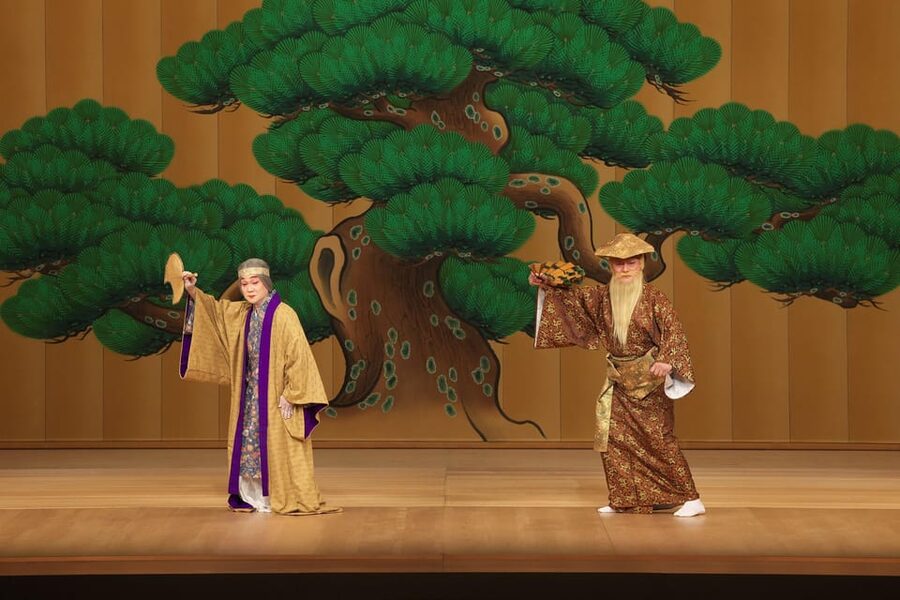
Kabuki combines drama, music, and dance. It has changed with each era, but it remains one of Japan’s best-known classical stage forms.
You will see a style very different from naturalistic Western theater. Costumes, gestures, poses, music, and visual composition all carry meaning. A pause or fixed stance may be as important as spoken text. The acting can appear exaggerated at first, yet the formal movements are part of the language of Kabuki.
The English audio guide provides an overview of the story and explains the main points. It does not translate every line. That choice lets you hear the performers’ voices, music, and stage sounds, but it also means you may miss wordplay or small story details.
I would arrive early enough to hear the preliminary explanation before the show. It can explain the difference between Kabuki and familiar Western theater, which helps your eyes adjust to the costumes and movements. If you know the basic plot beforehand, you can pay attention to the acting instead of trying to solve the story as it unfolds.
Kabuki may include several scenes or acts that do not form a neat, modern narrative. A program can feel more like a selection of traditional theater moments than one tightly packaged play. That is not a flaw, but it affects your expectations.
The length also matters. A 75-minute presentation is an easy cultural addition to a busy day. A program lasting two and a half or three hours needs to be treated as the main event.
A completely different kind of day out:
- Mt Fuji and Hakone 1-Day Bus Tour Return by Bullet Train
★ 5.0 · 26,383 reviews - TOKYO SKYTREE® Ticket
★ 4.7 · 25,136 reviews - teamLab Borderless Tickets: MORI Building DIGITAL ART MUSEUM
★ 4.7 · 24,126 reviews - teamLab Planets TOKYO Ticket
★ 4.7 · 21,663 reviews
Hogaku: Traditional Music and the Meaning of Snow
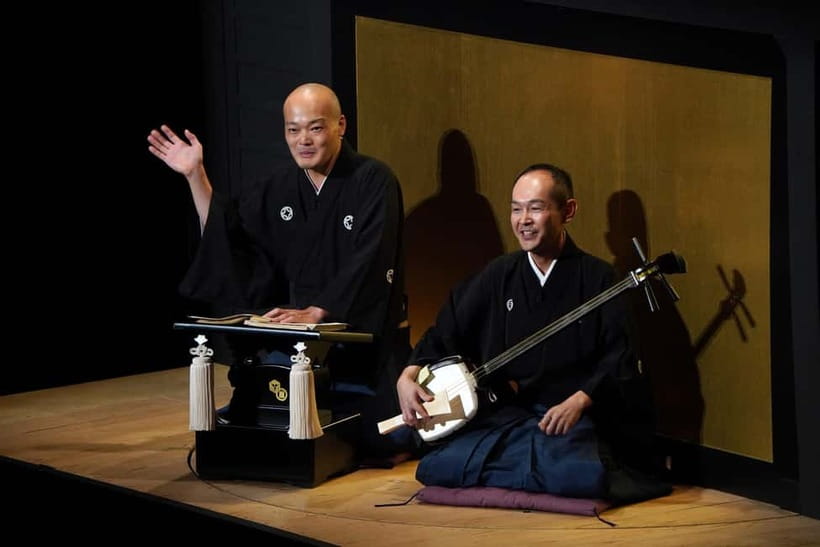
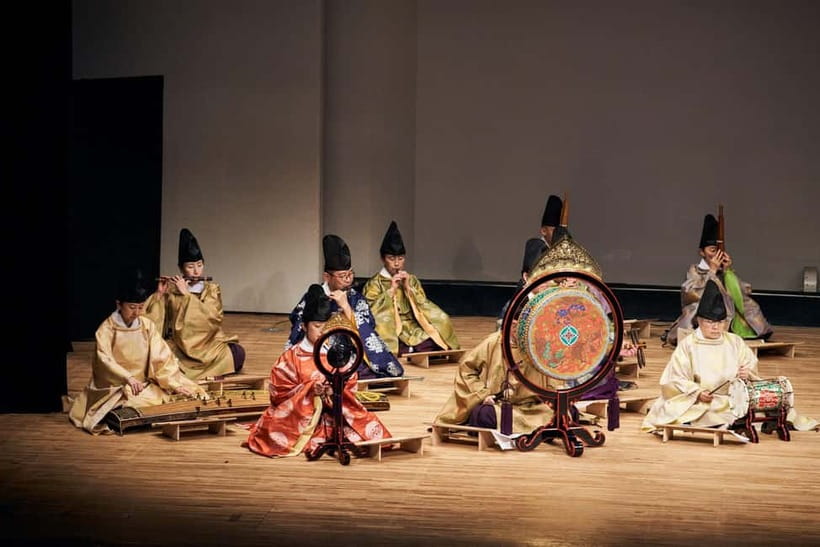
Hogaku is the concert option. Rather than following a stage drama, you listen to traditional Japanese music and learn how certain melodies carry images and moods.
The program described here focuses on Yuki no Aikata, a long shamisen interlude in the jiuta Yuki, or Snow. That melody appears in songs linked to scenes of falling snow, giving the music a familiar representation of winter.
This is a quieter choice than Kabuki or Bunraku. You will not receive the English audio guide, but a free English explanation sheet outlines the program. Read it before the concert begins so you know what to listen for.
Hogaku may suit you best if you already enjoy instrumental music or want a less theatrical cultural experience. It may be harder for you if you need a clear plot or constant visual action. The appeal lies in tone, repetition, instrumental detail, and the way a melody can suggest an image without spelling it out.
Using the English Audio Guide Without Missing the Stage
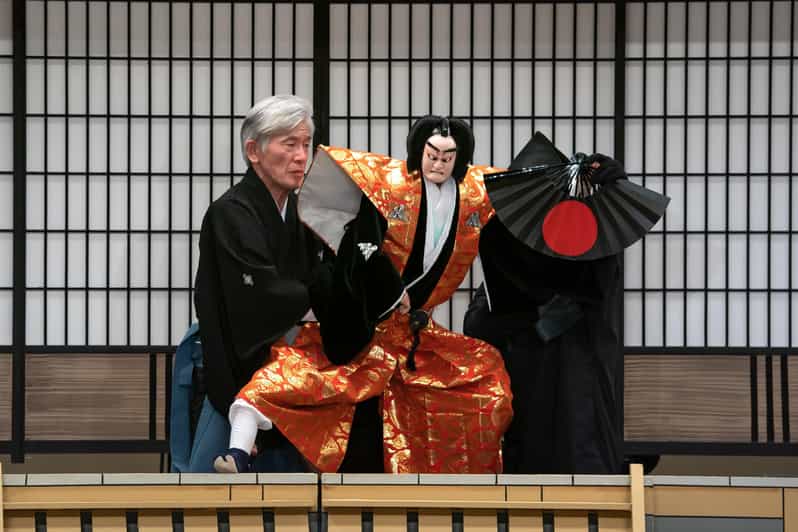
The English support is one of the strongest reasons to choose this experience. Without it, Kabuki and Bunraku can be difficult to follow unless you already know the story.
Still, the guide is not a full translation. It summarizes the main action and provides context. That means you can follow the broad story while hearing the original Japanese performance, but you should not expect to understand every exchange.
There is a small adjustment period. You may find yourself listening to the guide in one ear and the live actors in the other. Some people find this easy; others need time to balance the two sound sources. The guide is concise and useful, but the live voices, music, and stage action remain the main event.
For the best result, learn the basic story before arriving. Then the guide becomes a helpful reminder instead of your only source of meaning. This also lets you watch the stage more closely.
For Hogaku, read the explanation sheet before the music starts. It gives you a thread to follow as the pieces develop.
Theater Etiquette and Comfort During the Show
The theater expects quiet attention. Smoking, alcohol, drugs, pets, photography, video recording, and audio recording are not allowed. Assistance dogs are permitted.
Drinks are not allowed inside the theater. If your program includes an interval, finish your coffee or water before returning to your seat. A useful practical lesson: a hot coffee bought during the break may still be too hot to finish before the next section begins.
Some performances include two breaks, particularly the longer programs. You can use them to stretch, step outside, or get food, but plan your return carefully. The performance will continue on schedule.
Very young children may not enjoy this experience. The atmosphere is quiet, the pace can be deliberate, and some stories deal with adult themes. Older children with an interest in theater, music, or Japan may find it memorable, especially if you explain the basic story first.
Wheelchair access is available. If you need an accessible seat, contact the provider as soon as possible so the theater can arrange suitable seating.
How Much Time Should You Set Aside?
The stated duration ranges from 75 minutes to three hours. The longer programs may include breaks and more than one section, so do not schedule a major sight immediately afterward.
A shorter Kabuki or Bunraku program can fit neatly into a day of sightseeing. A full program is different. It asks you to slow down and give the art your attention. That is rewarding if you want a serious cultural experience, but it can feel like poor use of time if your Tokyo schedule is already crowded.
Yokohama makes the timing more appealing for some visitors. The theater is in an area you can pair with other sightseeing, but the journey from Shibuya takes about 45 minutes by direct train. Check the performance start time, the stated length, and your return plans before booking.
Who Will Get the Most From This Experience?
I would recommend it to you if you:
- Want an authentic Japanese stage performance
- Enjoy theater, music, dance, or puppetry
- Are willing to watch slowly and notice formal movement
- Appreciate cultural context more than instant entertainment
- Can give two to three hours to one event
- Want English help without replacing the original performance
I would be more cautious if you have only a day or two in Tokyo, dislike slow theater, or need a complete English translation. You may also want to skip it for very young children unless they already enjoy formal performances.
The strongest appeal is authenticity. You are seeing respected classical art forms in a real theater setting, performed by top-level artists. The most common frustration is not poor quality, but the gap between Japanese performance traditions and Western expectations.
Should You Book Kabuki, Bunraku, or Hogaku?
Book it if you want to see a side of Japan that does not appear in a standard sightseeing schedule. At about $37, the ticket and English support offer good value, particularly for Bunraku or Kabuki fans. The 4.6 rating from 135 bookings also reflects a consistently strong response to the quality of the performances and the usefulness of the English assistance.
Choose Bunraku if you are curious about puppetry, powerful narration, and shamisen music. Choose Kabuki if you want bold costumes, stylized acting, dance, and theatrical spectacle. Choose Hogaku if traditional music interests you more than a plotted drama.
Before booking, confirm three things: the art form, the venue, and the total duration. If you do that, arrive early, read the story first, and accept that the audio guide gives an outline rather than a literal translation, you are likely to find this one of the more distinctive cultural choices in the Tokyo area.
Free cancellation is available up to 24 hours in advance, and you can reserve now and pay later, which helps if your schedule is still moving.
FAQ
Is the performance held at the National Theatre in Hanzomon?
No. The venue is not the National Theatre in Hanzomon. It changes by date. The Bunraku performance described here is held at KAAT Kanagawa Arts Theatre in Yokohama.
Where is KAAT Kanagawa Arts Theatre?
The theater is about five minutes on foot from Nihon-ōdōri Station, Exit 3 or 4, on the Minatomirai Line. It is about eight minutes from Motomachi-Chukagai Station, Exit 1.
How long does the experience last?
The duration varies by program, from about 75 minutes to three hours. Check the selected date and option for the exact length.
Is an English audio guide included?
Yes, an English audio guide is included for Kabuki and Bunraku performances. It gives an overview of the main points rather than a literal translation of every line.
Is English support available for Hogaku?
Hogaku includes a free English explanation sheet. The English audio guide is listed for Kabuki and Bunraku, not Hogaku.
Can I choose my seat?
No. Seating positions are assigned by the theater.
How do I enter the theater?
You must exchange the GetYourGuide voucher for the theater ticket at the venue entrance on the day of the performance. Staff will ask for the name used for the reservation.
Is the experience wheelchair accessible?
Yes. If you need wheelchair-accessible seating, contact the provider as soon as possible so suitable seating can be arranged.
Can I take photos or record the performance?
No. Photography, video recording, and audio recording are not allowed inside the theater. Smoking, alcohol, drugs, and pets are also prohibited, although assistance dogs are allowed.
Just added in Tokyo
- Manga Lesson with a Professional Japanese Manga Artist in Nakano★ 5.0 · 77 reviews
- Making a bento box with cute character look in Japan★ 5.0 · 15 reviews
- Tokyo/Ikebukuro Manga drawing workshop by pro-Manga artists★ 5.0 · 65 reviews
- Make Your Own Bonsai with a Professional Bonsai Artist in Tokyo★ 4.5 · 18 reviews
- Luxury Tokyo Sake, Cocktail, Whisky and Pairing Tour★ 5.0 · 18 reviews
- Tokyo Ueno Food & Nature & Localtown Tour: 10Dishes+ Drinks★ 5.0 · 34 reviews
- Make Traditional Nerikiri Sweets & Matcha experience in Shibuya★ 5.0 · 130 reviews
- Daikoku Parking Tokyo Drift & APIT Car Meet JDM Culture Tour★ 5.0 · 79 reviews
Tokyo Tours, compared.
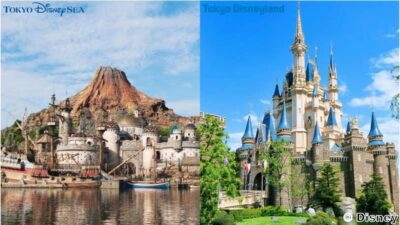
Tokyo Disney Resort – Tokyo Disneyland & Tokyo DisneySea Park Tickets
Read our review →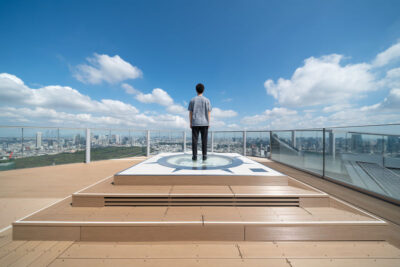
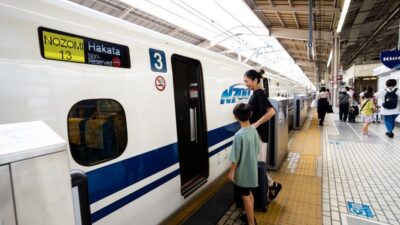
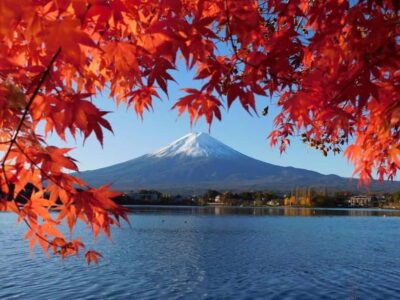
Mt Fuji and Hakone 1-Day Bus Tour Return by Bullet Train
Read our review →

teamLab Borderless Tickets: MORI Building DIGITAL ART MUSEUM
Read our review →