Reviewed · TOKYO TOURS
Tokyo: Karate Experience with Former All-Japan Champion
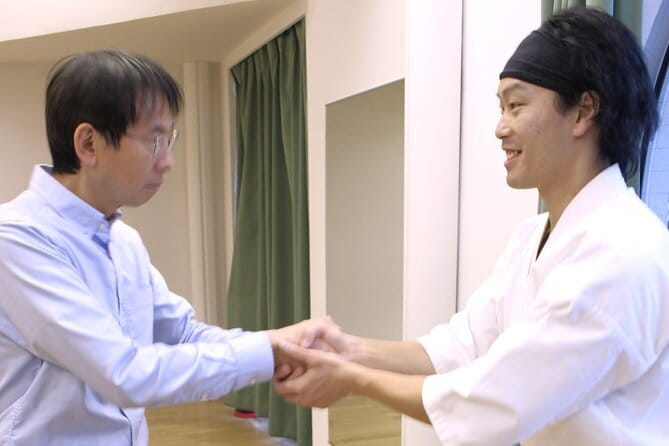
Karate begins with a bow. This Tokyo lesson gives you a respectful, hands-on introduction to Japanese martial arts with Ryo, a qualified Kyokushin black belt and former All-Japan champion. You learn the customs as well as the movements, from calm breathing and proper stance to punches, blocks, kicks, and non-contact sparring. I especially like the patient, clear teaching and the chance to work with pads rather than simply watch a demonstration. The main consideration is that the session can be physically demanding, and the meeting place depends on the option you book.
Ryo has trained in Kyokushin Karate for 20 years and has taught since 2010. His experience shows in the way he adjusts the lesson for children, complete beginners, and experienced martial artists. I also like that you get a genuine workout without being pushed into contact fighting, making this a good choice for families and curious first-timers.
In This Review
- Key Points Before You Book
- Meeting Ryo in Tokyo
- Bowing, Breathing, and the Meaning of Rei
- Stretching for Legs, Hips, Shoulders, and Chest
- Learning Basic Punches, Blocks, and Kicks
- Kata Demonstration and the Shape of Karate
- Non-Contact Kumite and Self-Defense
- Why Ryo’s Teaching Works for Beginners and Experts
- Families, Teenagers, and Mixed Groups
- What the $58 Price Delivers
- Who Should Book This Karate Session?
- Should You Book It?
- FAQ
- How long does the karate experience last?
- How much does the experience cost?
- Is the lesson suitable for complete beginners?
- Is the lesson suitable for children?
- Does the experience include a karate uniform?
- What equipment is provided?
- Is there physical contact during sparring?
- What languages does the instructor speak?
- Can I cancel for a full refund?
Key Points Before You Book
- Train with a champion: Ryo placed third at the 2013 Kyokushin World Union World Karate Championship and became an All-Japan Kyokushinkan International champion.
- Start and finish with respect: Bowing, belly breathing, and focus are part of the lesson, not decoration added for tourists.
- Practice real movement: You work through basic punches, blocks, kicks, stances, and defense against several attacks.
- No-contact sparring: The kumite section teaches timing and defense while keeping the session suitable for beginners.
- Good for mixed abilities: Children, adults, complete beginners, and martial artists from other styles can all take part.
- Check the uniform option: A karate gi is included only with the private 90-minute option, so read the booking choice carefully.
Meeting Ryo in Tokyo
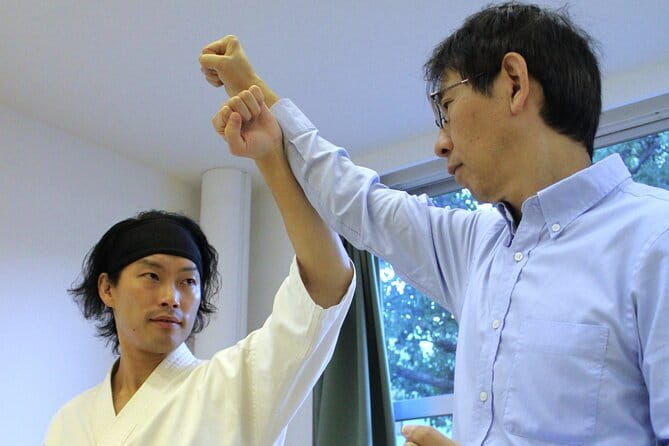
This experience is led by Ryo of Karate Comic Ryo. He holds a second Dan black belt in Kyokushin Karate and has spent two decades training in a style known for full-contact competition. His competitive record includes third place at the 2013 KWU World Karate Championship in Bulgaria in the under-75-kilogram division, followed by an All-Japan title in the under-80-kilogram Kyokushinkan International category.
That background matters, but you do not need to arrive as an athlete. Ryo’s teaching is built around breaking each technique into small movements. He demonstrates, explains, watches your form, and corrects you when needed. This makes the lesson accessible even if your only previous karate experience came from a movie.
The class is taught in English and Japanese. English-speaking participants have found Ryo easy to understand, and his careful demonstrations help when a movement is easier to see than explain. Families with children have also found that he can slow the pace and make instructions clear.
The exact meeting point depends on the option you choose. One session has taken place in central Asakusa, and another participant enjoyed the unusual setting inside a martial arts store. Treat the meeting instructions as important, especially if you have a tight Tokyo sightseeing schedule.
A few more options to weigh up in Tokyo
- Tokyo Disney Resort – Tokyo Disneyland & Tokyo DisneySea Park Tickets
★ 4.8 · 99,488 reviews - SHIBUYA SKY Ticket
★ 4.7 · 46,509 reviews - JR Whole Japan Rail Pass
★ 4.8 · 29,150 reviews
Bowing, Breathing, and the Meaning of Rei
The first lesson is not a punch. It is the bow.
Karate follows the principle of starting with a bow and ending with a bow. Ryo explains how to bow properly and why manners matter in the dojo. This opening gives the class a clear tone: you are not simply trying out a few dramatic moves. You are learning a martial art built around control, attention, and respect.
You also practice breathing from the belly. This is a simple exercise, but it helps you settle your mind before the physical work begins. If you are arriving from a day of Tokyo trains, crowds, and bright signs, this quiet start can be surprisingly useful.
I like this part because it adds cultural value without turning the session into a lecture. You learn something about how karate is practiced in Japan while also preparing your body and mind. Children can understand the bowing lesson quickly, and adults often appreciate the calm before the workout begins.
Do not expect a long ceremonial performance. The manners are practical and connected to the training. You bow, breathe, focus, and then get moving.
Stretching for Legs, Hips, Shoulders, and Chest
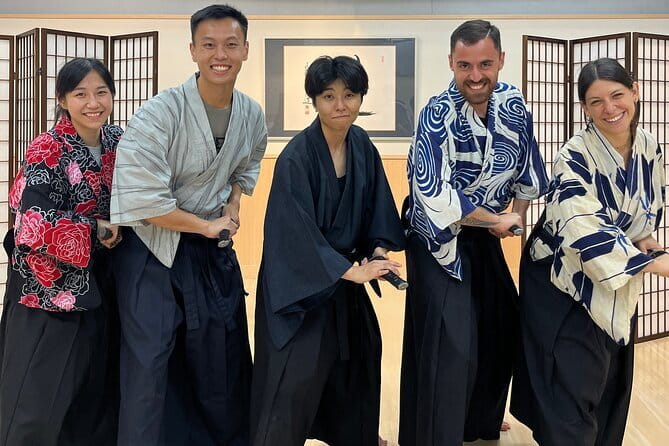
The warm-up targets the major areas you will use during karate. Ryo leads stretches for the leg muscles, hip joints, shoulder blades, and chest. This prepares you for kicks, punches, blocks, and changes in stance.
The stretching section also helps reveal the class’s flexible approach. A young martial artist with several years of Tae Kwon Do experience can work at a different level from a parent who has never trained. Ryo adjusts the lesson to individual ability rather than forcing everyone through the same pace.
You should still wear suitable workout clothes unless your booking specifically includes the gi. One participant with extensive martial arts experience expected a uniform during a 90-minute class and found that it was not included in that option. The safest move is to check the exact package before booking and bring comfortable exercise clothing if the uniform is not listed.
This is a real physical session, not a photo opportunity. You may work your legs, hips, shoulders, and core more than expected in a short period. The included bottle of water is useful, but you should also arrive ready to move.
Learning Basic Punches, Blocks, and Kicks
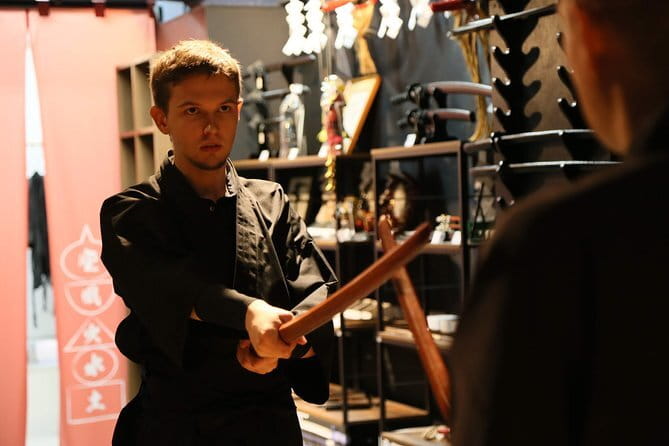
Once you are warm, Ryo introduces the basic techniques. He begins with a proper stance, then breaks each punch, block, and kick into several steps. This approach is especially helpful for beginners, since a complete movement can feel confusing when shown all at once.
You will likely spend time on:
- Basic punches from a stable stance
- Blocks against incoming attacks
- Front kicks and low kicks
- Round kicks and related footwork
- Body positioning and controlled movement
- Tips for better precision and efficiency
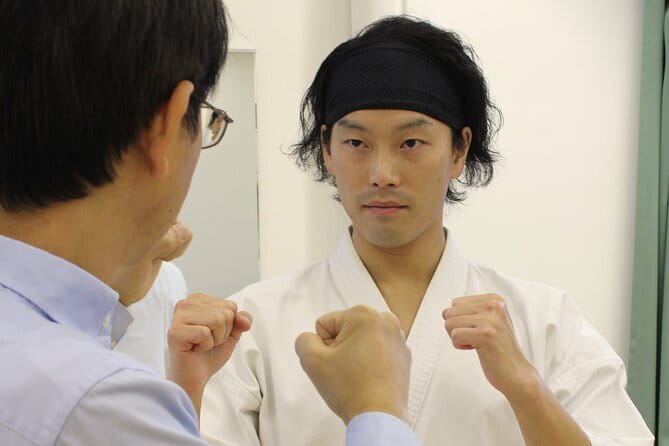
The point is not to hit as hard as possible. Ryo pays attention to how you stand, how you shift your weight, and how you complete each movement. He offers corrections as you practice, which makes the session feel more like instruction at a small dojo than a staged activity.
Experienced martial artists can get more from this section by comparing Kyokushin methods with their own style. Participants familiar with Shotokan, Goju Ryu, Kenpo, Muay Thai, and Tae Kwon Do have found the differences interesting. The lesson does not pretend that all karate styles are the same. Instead, it gives you a useful look at the Kyokushin approach.
For a first-timer, the value is more basic: you learn how a punch or kick begins, how the stance supports it, and why control matters. You also get enough repetition to feel that you have actually practiced, rather than merely copied a move once.
A completely different kind of day out:
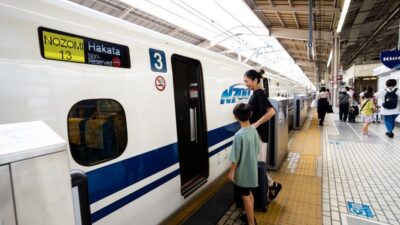
- Mt Fuji and Hakone 1-Day Bus Tour Return by Bullet Train
★ 5.0 · 26,383 reviews - TOKYO SKYTREE® Ticket
★ 4.7 · 25,136 reviews - teamLab Borderless Tickets: MORI Building DIGITAL ART MUSEUM
★ 4.7 · 24,126 reviews - teamLab Planets TOKYO Ticket
★ 4.7 · 21,663 reviews
Kata Demonstration and the Shape of Karate
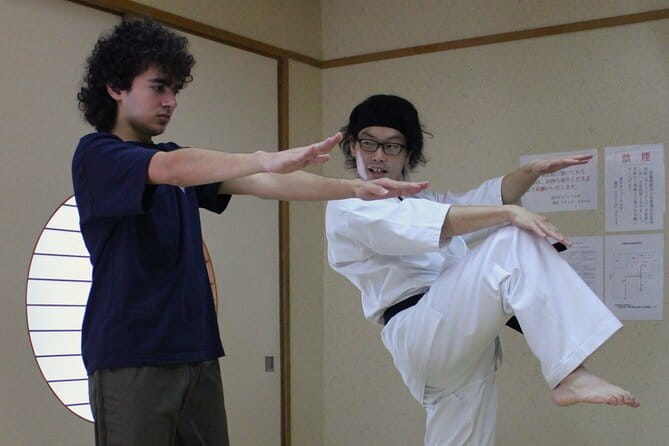
Kata refers to patterns made from a series of karate techniques. Ryo includes a kata demonstration, giving you a chance to see how individual punches, blocks, and stances fit into a larger form.
This is one of the best parts for anyone curious about karate beyond fighting. Kata requires memory, balance, direction, and concentration. It also shows why the earlier lessons on stance and posture matter. A technique that seems simple on its own becomes more demanding when joined to a sequence.
The experience may not teach you a complete advanced kata in one short session. That is not the point. Instead, Ryo shows the structure and purpose of kata, and you see how karate training combines physical movement with focus.
Participants already studying karate may find this section particularly useful. Different schools use different details and emphases, so watching Ryo demonstrate Kyokushin kata can add context to your own training.
Non-Contact Kumite and Self-Defense
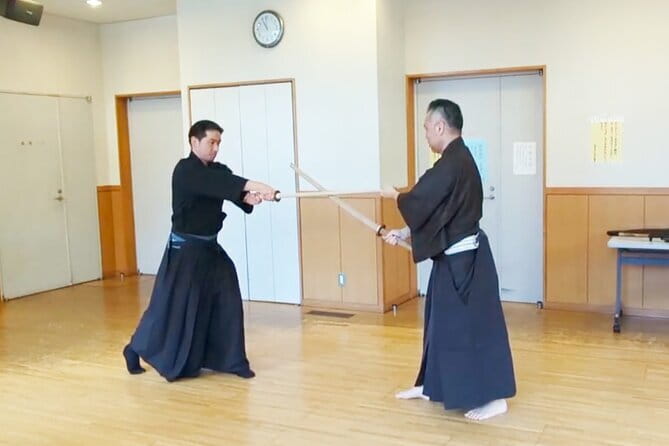
The final section introduces the essence of kumite, or sparring, without physical contact. This keeps the activity safe while still giving you a sense of timing, distance, reaction, and defense.
Ryo demonstrates how to respond to attacks such as punches, front kicks, and low kicks. You practice the movements with guidance rather than being thrown into a free fight. The emphasis is on precision and efficiency, not reckless force.
That distinction is important. If you want full-contact competition, this short activity will not replace regular dojo training. If you want to understand how karate techniques connect in a defensive situation, it offers a controlled introduction.
Pad work adds a more physical finish. You can punch and kick pads under Ryo’s direction, giving you the satisfying impact of a workout without striking another person. Some children arrive nervous and finish confidently working pads and practicing non-contact exchanges. That change in confidence is one of the strongest reasons to consider the activity for a family.
A wooden-board break has also been part of one participant’s experience, but it is not listed among the standard inclusions. Do not book solely expecting board breaking. The confirmed equipment includes punching and kicking pads.
Why Ryo’s Teaching Works for Beginners and Experts
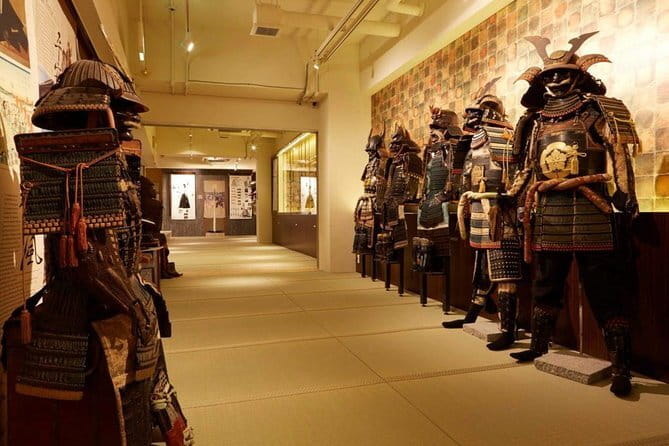
Ryo’s strongest quality is his ability to adapt. A complete beginner may need simple explanations and slow demonstrations. A young student with years of Tae Kwon Do or Kenpo training may need more challenge. Someone with a black belt in Shotokan may want to discuss differences in style rather than repeat the first basic punch.
The lesson can accommodate these differences because the techniques are introduced in stages. You can focus on form, ask questions, and build up to pads and defensive movement without needing to perform at an advanced level.
Ryo also teaches with patience and humor. That matters in a martial arts setting, where a formal atmosphere can make beginners feel self-conscious. The bowing and manners remain important, but the class is not described as intimidating or rigid.
His teaching work extends beyond Tokyo. He has instructed children and adults, taught at international camps in Cape Town, South Africa, and participated in a 2026 kata competition organized by Kyokushin Kenbukai, where he took first place. These details help explain why the lesson combines technical instruction with friendly communication.
Families, Teenagers, and Mixed Groups
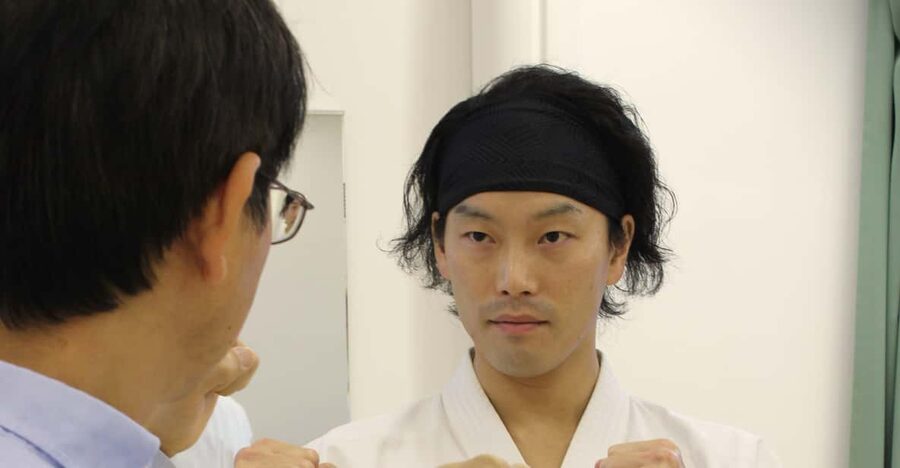
This is one of the better Tokyo activities for a family with different ages and interests. An eight-year-old and a ten-year-old can take part with their parents, while a 14-year-old or 15-year-old with prior martial arts training can receive a serious workout.
The class is also suitable for a pair with mixed experience. One person can be new to martial arts while the other has trained for years. Ryo can change the pace and offer different advice, so the experienced participant is not bored and the beginner is not overwhelmed.
Parents may stay during a child’s lesson. That can be reassuring if your child is nervous or not comfortable following English instructions. The teaching is supported by demonstrations, and children have been able to understand the instruction even when English was a concern.
Still, remember that karate involves movement, stretching, and repeated strikes on pads. If someone in your group has limited flexibility or does not enjoy exercise, this may feel more demanding than a typical cultural demonstration.
What the $58 Price Delivers
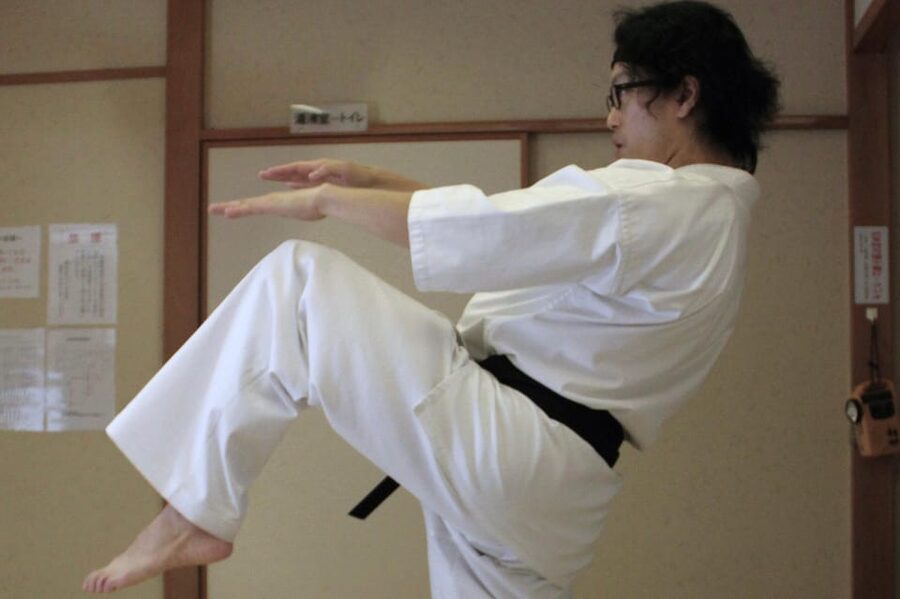
At $58 per person, the experience sits in the reasonable range for a private or small-group activity in Tokyo, especially when you consider the instructor’s competition record and teaching background. You are paying for direct coaching, not a large show where you remain on the sidelines.
The price includes the interactive lesson, kata demonstration, punching and kicking pads, and a bottle of water. A karate uniform is included with the private 90-minute session option, according to the booking details. Other options may not include the gi, so compare the package names before paying.
The one-hour version may suit a busy sightseeing day. It gives you the essential sequence: manners and breathing, stretching, basic techniques, and some defensive practice. The 90-minute private option gives you more time to repeat movements and may be the better value if you want individual correction or a uniformed experience.
The activity offers free cancellation up to 24 hours before the start time, and you can reserve now and pay later. Those terms are helpful when planning around Tokyo weather, jet lag, or changing train schedules. Starting times depend on availability, and the meeting point can change with the selected option.
Who Should Book This Karate Session?
I would recommend it to:
- Complete beginners who want a friendly first karate lesson
- Families with children or teenagers interested in martial arts
- Students of Tae Kwon Do, Muay Thai, Shotokan, Goju Ryu, Kenpo, or other styles
- Adults looking for an active cultural experience in Tokyo
- People who want a small-group or private lesson
- Visitors interested in Japanese manners as well as fighting techniques
I would be more cautious if you expect a full-contact bout, an advanced multi-day training camp, or a guaranteed board-breaking activity. This is a short introduction with real instruction, not a substitute for long-term dojo practice.
The Asakusa setting is another plus if you are already sightseeing in that part of Tokyo. The area is accessible, and the activity gives you a different way to connect with Japanese culture than temples, shopping streets, and observation decks.
Should You Book It?
Book this experience if you want to move, learn, and meet a serious instructor in a relaxed setting. Ryo’s competition history gives the lesson credibility, but his patience is what makes it work for ordinary visitors. You will bow, breathe, stretch, practice techniques, hit pads, and try non-contact defense in a compact session.
For the best fit, choose the 90-minute private option if you want a gi and more personal attention. Check the meeting point and uniform details carefully, and bring workout clothes unless the chosen package clearly includes the karate uniform. At $58, it offers good value for a hands-on introduction that feels more personal than a standard sightseeing stop.
FAQ
How long does the karate experience last?
The experience lasts between one hour and 90 minutes. Starting times depend on availability.
How much does the experience cost?
The listed price is $58 per person.
Is the lesson suitable for complete beginners?
Yes. The instructor teaches techniques step by step, and the session is designed for both beginners and people with previous karate experience.
Is the lesson suitable for children?
Yes. Children have taken part, including students aged eight, ten, and 14. Ryo adjusts the pace and explains movements clearly.
Does the experience include a karate uniform?
A karate uniform is included with the private 90-minute session option when you select the option called Private/90min Session with Karate Gi. Check the exact package before booking, since another 90-minute option may not provide a gi.
What equipment is provided?
The experience includes punching and kicking pads, a kata demonstration, the interactive lesson, and a bottle of water.
Is there physical contact during sparring?
The kumite training is non-contact. Ryo teaches defense against punches, front kicks, and low kicks without having participants physically strike one another.
What languages does the instructor speak?
The lesson is available in English and Japanese.
Can I cancel for a full refund?
You can cancel up to 24 hours in advance for a full refund. The activity also allows you to reserve now and pay later.
Just added in Tokyo
- Manga Lesson with a Professional Japanese Manga Artist in Nakano★ 5.0 · 77 reviews
- Making a bento box with cute character look in Japan★ 5.0 · 15 reviews
- Tokyo/Ikebukuro Manga drawing workshop by pro-Manga artists★ 5.0 · 65 reviews
- Luxury Tokyo Sake, Cocktail, Whisky and Pairing Tour★ 5.0 · 18 reviews
- Tokyo Ueno Food & Nature & Localtown Tour: 10Dishes+ Drinks★ 5.0 · 34 reviews
- Make Your Own Bonsai with a Professional Bonsai Artist in Tokyo★ 4.5 · 18 reviews
- Make Traditional Nerikiri Sweets & Matcha experience in Shibuya★ 5.0 · 130 reviews
- Daikoku Parking Tokyo Drift & APIT Car Meet JDM Culture Tour★ 5.0 · 79 reviews
Tokyo Tours, compared.

Tokyo Disney Resort – Tokyo Disneyland & Tokyo DisneySea Park Tickets
Read our review →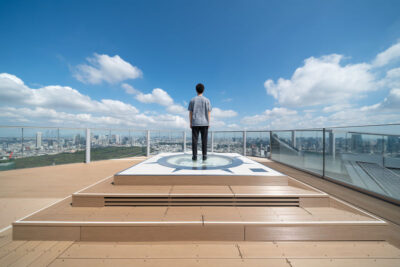

Mt Fuji and Hakone 1-Day Bus Tour Return by Bullet Train
Read our review →

teamLab Borderless Tickets: MORI Building DIGITAL ART MUSEUM
Read our review →