Reviewed · TOKYO TOURS
Tokyo: Learn Traditional Origami with a Local
Paper becomes a small piece of Japan. This 90-minute Tokyo workshop gives you a calm break from the city while teaching you classical origami with Manami Watanabe, an East Tokyo native who has practiced since age three. I especially like the personal, step-by-step teaching and the stories behind shapes such as the crane, frog, lotus, and samurai helmet.
The choice of paper is another strong point. You pick from traditional and modern designs, then take your finished pieces home in small bags. The main consideration is level: this class is built mainly for beginners, so experienced paper folders may find the designs too easy. At $58 per person, it is not a bargain craft session, but the individual help, cultural background, materials, and finished souvenirs give it fair value for the right audience.
In This Review
- Key Points to Know Before You Book
- Meeting Manami in East Tokyo
- Choosing Your First Origami Design
- Manami’s Step-by-Step Teaching
- The Stories Behind the Folds
- Choosing Papers and Packing Your Creations
- How the 90 Minutes Usually Feel
- Price, Group Types, and Overall Value
- Families, Older Participants, and Accessibility
- Practical Booking Advice for Shinjuku
- Should You Book This Origami Class?
- FAQ
- Where does the origami class meet?
- Which station is closest?
- Do I need to meet the instructor at the station?
- How long does the activity last?
- How many origami pieces will I make?
- Which designs can I choose?
- Is the class taught in English?
- Are materials included?
- Can children attend?
- Can I cancel the booking?
Key Points to Know Before You Book
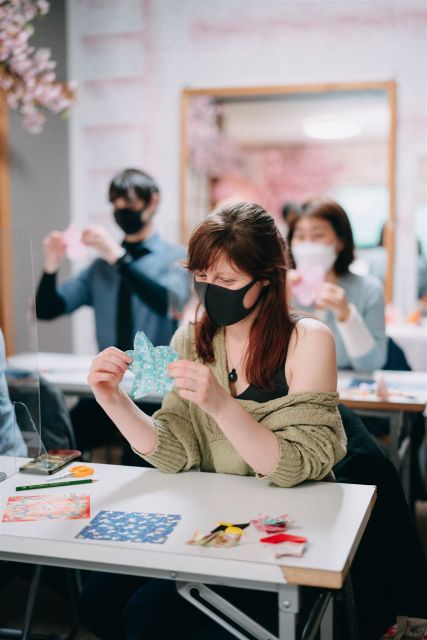
- Manami has folded origami since age three: Her connection to the craft comes from childhood, family, and East Tokyo.
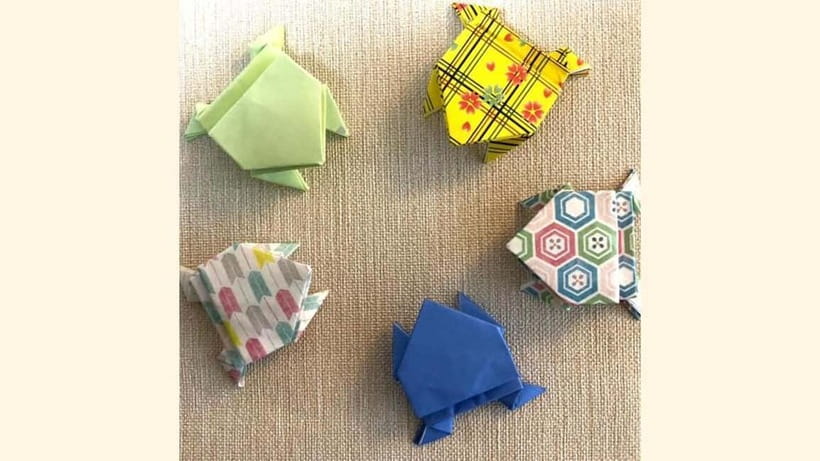
- You make three to five pieces: Choices can include a crane, jumping frog, balloon, open box, lotus flower, or samurai helmet.
- The teaching is patient and hands-on: Manami demonstrates each fold and helps you correct creases without rushing.
- The papers are part of the experience: You can choose among attractive traditional and modern sheets for each design.
- The class suits families and beginners: Children aged seven and older have taken part successfully, including an eight-year-old who received extra encouragement.
- The meeting point is central Shinjuku: FEEEP Shinjuku Higashi-guchi is near Shinjuku-sanchome station and within reach of JR Shinjuku East Exit.
Meeting Manami in East Tokyo

The experience takes place at FEEEP Shinjuku Higashi-guchi, on the fifth floor of the Shinseido Building at Shinjuku 3-29-11, Shinjuku-ku. The closest station is Shinjuku-sanchome, served by metro lines M09, F13, and S02. You can also walk from the East Exit of JR Shinjuku Station.
FEEEP is a shared workspace divided into meeting booths. This matters because the entrance is locked. Once you reach the fifth floor, message Manami so she can let you in. I would save the address and map link before leaving your hotel, since Shinjuku has plenty of signs, exits, and opportunities to choose the wrong staircase.
There is no station pickup. Plan a few extra minutes to find the building and reach the correct floor. If you get turned around, contact Manami rather than wandering around the station complex. Her patient attitude has helped late or lost participants before, but you should still aim to arrive on time.
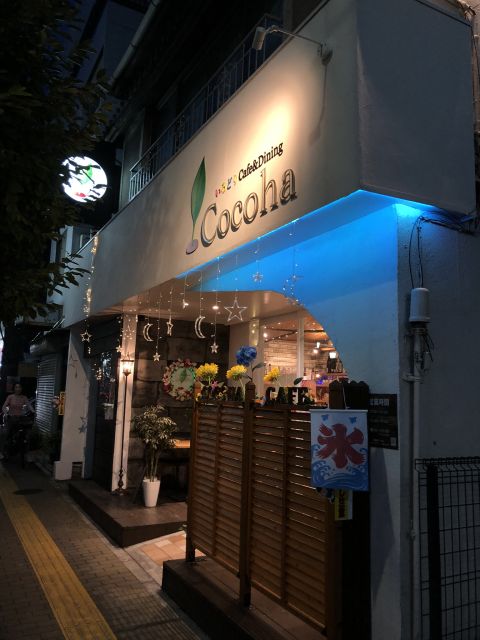
The supplied information names FEEEP as the meeting place. One earlier session was described as taking place in a cozy café, with a drink included, so the venue or refreshments may vary by booking. Confirm the current location and what is served when you reserve.
A few more options to weigh up in Tokyo
- Tokyo Disney Resort – Tokyo Disneyland & Tokyo DisneySea Park Tickets
★ 4.8 · 99,488 reviews - SHIBUYA SKY Ticket
★ 4.7 · 46,509 reviews - JR Whole Japan Rail Pass
★ 4.8 · 29,150 reviews
Choosing Your First Origami Design
Manami begins by showing designs at different skill levels. You then choose the shapes that appeal to you. This is a useful start because you are not forced into a single project, and a family or couple can pick different designs based on patience and hand skills.
The aim is usually three to five shapes during the 90 minutes. That number depends on the design and your pace. A simple balloon or jumping frog may leave time for more projects, while a lotus flower, open box, or samurai helmet can take longer.
Past sessions have included combinations such as:
- A traditional crane
- A jumping frog
- A samurai helmet
- An open box
- A lotus flower
- A balloon
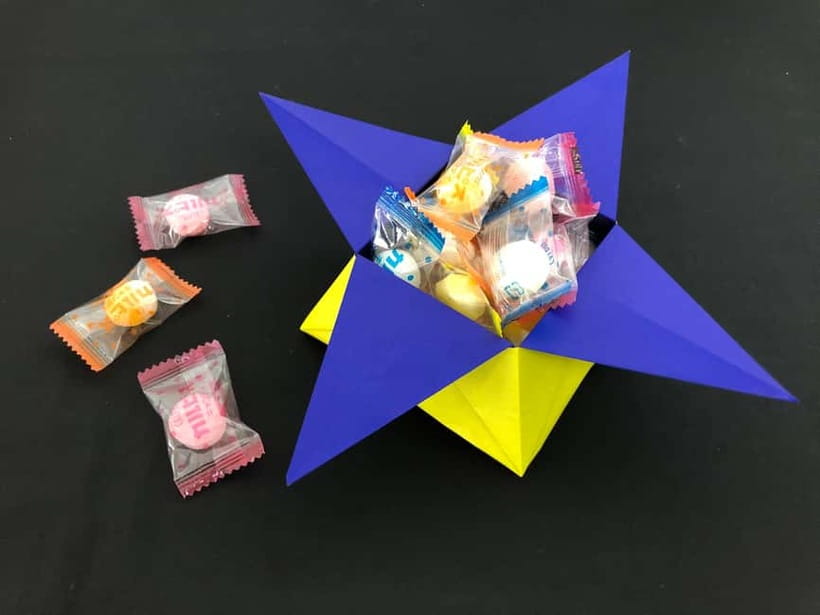
The crane is a natural choice if you want a shape with a clear connection to Japanese culture. The jumping frog is a good pick for children or anyone who likes a finished object that moves. The open box gives you something practical, while the lotus and helmet offer more visual detail.
Do not expect a custom advanced curriculum. The activity is designed mainly for newcomers, and the available designs cannot be changed on site to suit an expert folder. If you already make complex modular figures or can follow difficult diagrams with ease, this may feel introductory. For most people, that simplicity is an advantage: you get finished pieces instead of a pile of half-completed paper.
Manami’s Step-by-Step Teaching
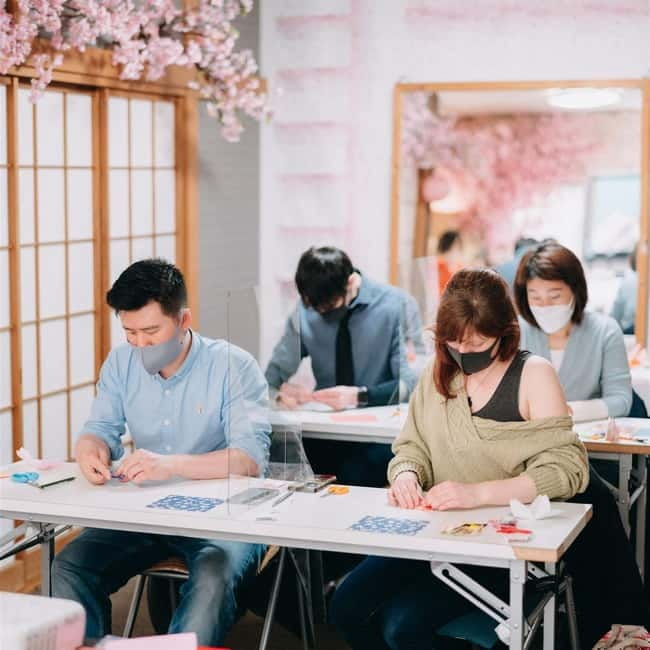
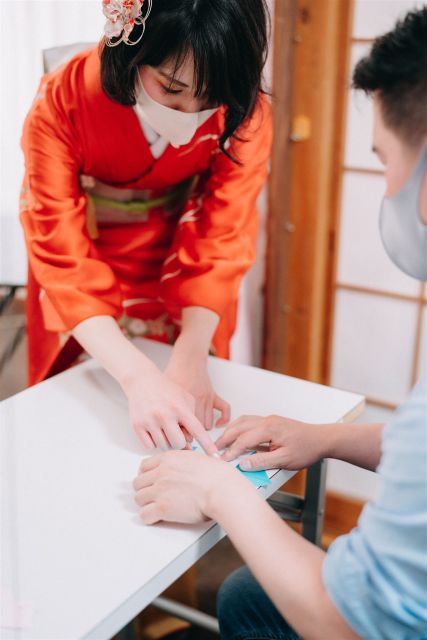
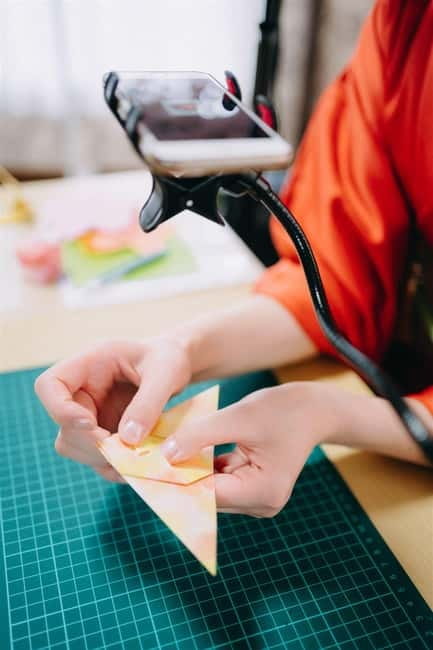
The best feature here is the teaching. Origami instructions can look simple in a book and become baffling by the fourth fold. Manami demonstrates the movement, gives you time to copy it, and checks that everyone is ready before moving ahead.
She is described as especially patient and encouraging. That matters in a group with mixed ages or abilities. An eight-year-old in one family group received extra help when a step became difficult, while adults could continue at their own pace. Manami also helps improve fold lines respectfully, which is important when a tiny crease determines the shape of the finished figure.
You are encouraged to ask questions at any point. That makes the class a better choice than learning alone from a printed diagram or video. You can show Manami the exact point where your paper went wrong, rather than trying to guess which fold caused the problem.
The class is taught in English. The instruction is clear enough for first-time folders, and the small-group setting allows conversation as well as demonstrations. A one-to-one booking can feel especially personal, but the experience also works for couples, families, solo visitors, and larger groups.
The pace is gentle rather than frantic. You are not simply handed paper and told to keep up. I would still avoid scheduling this immediately before a major timed attraction. A peaceful craft session works best when you have room to concentrate.
The Stories Behind the Folds
This is not only a paper craft lesson. Manami explains the background and meaning connected with the shapes. The crane, for example, carries cultural importance in Japan, giving the finished figure more meaning than its familiar silhouette suggests.
She also shares stories from her family and childhood. That personal connection makes the lesson feel grounded in everyday Japanese culture instead of turning into a dry lecture. You learn why a shape matters while your hands are busy making it.
The historical information is brief and woven into the folding. That balance suits a 90-minute activity. You get context without losing most of the session to talk. The experience gives you a small window into a traditional art form that has been part of Manami’s life since she was three.
I like this combination of doing and listening. You leave with objects that remind you of the class, but also with a better sense of why origami holds a place in Japanese culture. One participant planned to continue making figures at home, including during the Christmas season. That is a good sign for anyone looking for an activity that continues after the holiday.
A completely different kind of day out:
- Mt Fuji and Hakone 1-Day Bus Tour Return by Bullet Train
★ 5.0 · 26,383 reviews - TOKYO SKYTREE® Ticket
★ 4.7 · 25,136 reviews - teamLab Borderless Tickets: MORI Building DIGITAL ART MUSEUM
★ 4.7 · 24,126 reviews - teamLab Planets TOKYO Ticket
★ 4.7 · 21,663 reviews
Choosing Papers and Packing Your Creations
The paper selection adds a tactile pleasure to the class. You choose a sheet for each shape from traditional and modern options, including papers with decorative designs. The choice lets you give each piece its own character.
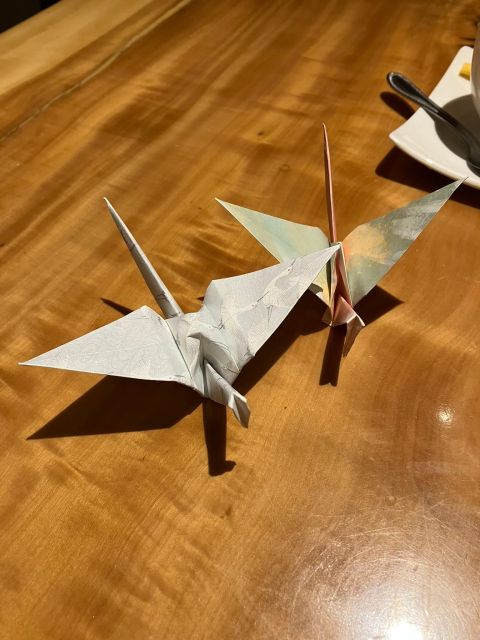
This is also where the class feels more personal than folding ordinary printer paper in your hotel room. The finished crane, frog, lotus, or box becomes a small souvenir. You can photograph the pieces with selfies during or after the class and share them with friends and family.
Small bags are provided so you can carry the work safely. That is a minor detail, but useful. Folded paper can get crushed quickly inside a day bag, especially during a full afternoon in Shinjuku.
Scissors and pens are included, along with origami paper, water, and some snacks. A past session included a drink at a café, but you should not assume that every booking has the same refreshments. The confirmed inclusions are water and snacks.
How the 90 Minutes Usually Feel
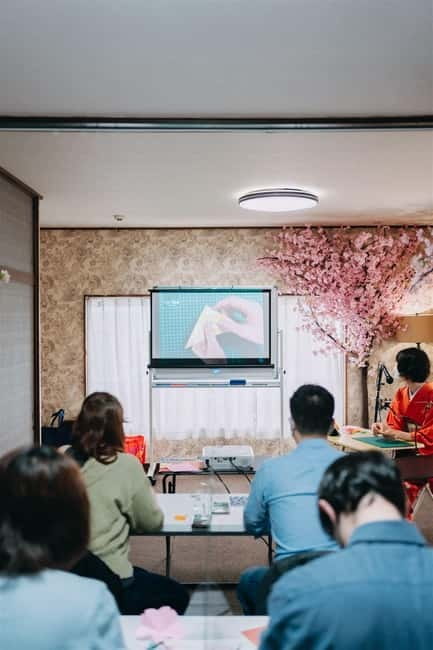
The session has a simple rhythm:
- Manami introduces origami and shows the available designs.
- You choose your first paper and project.
- She demonstrates each fold step by step.
- You repeat the folds while asking for help when needed.
- She explains the story or meaning connected with the shape.
- You move on to another design if time allows.
- You pack your finished pieces and take photographs.
Making three pieces is a realistic expectation based on the more detailed designs. Four or five are possible when you choose simpler shapes or work quickly. Do not judge the experience by the number alone. The value is in learning the method, getting correction when needed, and understanding the shape.
Origami also changes the pace of a Tokyo visit. After crowded streets, train platforms, and bright shopping areas, sitting with a square of paper can be surprisingly restful. You have to slow down and pay attention to small movements. That calm is part of the appeal, especially for families who need a quiet activity between sightseeing stops.
Price, Group Types, and Overall Value
The cost is $58 per person. That is more than you would pay for a packet of origami paper and an online tutorial, so the price only makes sense if you value the live instruction and cultural conversation.
I think the strongest value comes from the combination of three things: a teacher with a lifelong connection to origami, guidance tailored to your progress, and attractive materials you can take home. You are paying for a structured encounter with a local person, not just for paper.
The price is easier to justify for:
- A first-time folder who wants reliable instruction
- Families seeking an activity that works across age groups
- Couples wanting a quieter shared experience
- Solo visitors who enjoy conversation and hands-on learning
- Anyone who wants a small, meaningful souvenir rather than another shop purchase
It may feel expensive if you already fold advanced designs or only want a quick demonstration. One participant found it a little pricey but still recommended it for learning several origami creatures in Tokyo. That is a fair way to view it: good value for personal teaching, less convincing as a simple craft purchase.
The class accepts larger groups, but the exact group size is not specified. If your party is large, ask how the seating and instruction will work. The step-by-step format is strongest when everyone can see Manami’s hands and receive help.
Families, Older Participants, and Accessibility
Children under seven require advance notice because the venue needs to change. The same applies to elderly people or anyone who needs special care. Tell the provider before booking so the session can be arranged in a suitable place.
Children aged seven and older can enjoy the activity, particularly if an adult helps with concentration and fine folds. The experience worked well for a family with an eight-year-old and two teenagers. Manami’s patient approach is a real benefit for children who need a few tries before a fold looks right.
The activity is listed as wheelchair accessible. Still, because the venue is a shared workspace and the location may change for some needs, contact the provider in advance if you require special arrangements.
Alcohol and drugs are not allowed. Otherwise, the class is suitable for solo visitors, couples, families, and groups.
Practical Booking Advice for Shinjuku
The experience lasts 90 minutes, with starting times available according to the date you choose. You can reserve now and pay later, which helps if your Tokyo schedule is still changing. Cancellation is free up to 24 hours in advance for a full refund.
I would book this earlier in your trip if you want to use the skills again during your holiday. You could fold more figures at your accommodation or use the ideas as a small gift for someone at home.
Bring a phone for photos, but the activity supplies the working materials. Keep your finished pieces in the provided bags, and avoid packing them under heavy items. The papers are light, but a carefully folded lotus will not forgive a full backpack placed on top of it.
Should You Book This Origami Class?
Book it if you want a low-key cultural activity with a warm teacher, clear English instruction, and something handmade to carry home. Manami’s patience is the central strength, and her family and childhood stories give the lesson a personal feel.
Families with children seven and older, couples, solo visitors, and craft beginners are the best match. Choose it as a break from sightseeing, not as an advanced origami course.
Skip it if you already fold complex designs or want a highly customized challenge. At $58, the class depends on the value you place on instruction and cultural context. For a beginner who wants to make three to five attractive pieces and understand why some shapes matter in Japan, it is a pleasant and worthwhile addition to a Tokyo itinerary.
FAQ
Where does the origami class meet?
The stated meeting point is FEEEP Shinjuku Higashi-guchi, Shinseido Building, fifth floor, Shinjuku 3-29-11, Shinjuku-ku, Tokyo.
Which station is closest?
The nearest station is Shinjuku-sanchome, served by metro lines M09, F13, and S02. The meeting point can also be reached from the East Exit of JR Shinjuku Station.
Do I need to meet the instructor at the station?
No. Station pickup is not included. Go to the fifth floor and message Manami because the shared workspace entrance is locked.
How long does the activity last?
The origami session lasts 90 minutes.
How many origami pieces will I make?
You can generally make three to five shapes during the session. The exact number depends on the designs you choose and your pace.
Which designs can I choose?
Available options may include a crane, jumping frog, balloon, open box, lotus flower, and samurai helmet. The class mainly uses beginner-friendly designs, and options cannot be customized on site for advanced participants.
Is the class taught in English?
Yes. The listed language for the instructor is English.
Are materials included?
Yes. Origami paper, scissors, pens, small bags for your finished pieces, water, and some snacks are included.
Can children attend?
Children under seven require advance notice because the venue must be changed. Children aged seven and older can attend, and you should inform the provider in advance about younger children, elderly people, or anyone needing special care.
Can I cancel the booking?
Yes. You can cancel up to 24 hours in advance for a full refund. Reserve now and pay later is also available.
Just added in Tokyo
- Manga Lesson with a Professional Japanese Manga Artist in Nakano★ 5.0 · 77 reviews
- Making a bento box with cute character look in Japan★ 5.0 · 15 reviews
- Tokyo/Ikebukuro Manga drawing workshop by pro-Manga artists★ 5.0 · 65 reviews
- Luxury Tokyo Sake, Cocktail, Whisky and Pairing Tour★ 5.0 · 18 reviews
- Tokyo Ueno Food & Nature & Localtown Tour: 10Dishes+ Drinks★ 5.0 · 34 reviews
- Make Your Own Bonsai with a Professional Bonsai Artist in Tokyo★ 4.5 · 18 reviews
- Make Traditional Nerikiri Sweets & Matcha experience in Shibuya★ 5.0 · 130 reviews
- Daikoku Parking Tokyo Drift & APIT Car Meet JDM Culture Tour★ 5.0 · 79 reviews
Tokyo Tours, compared.

Tokyo Disney Resort – Tokyo Disneyland & Tokyo DisneySea Park Tickets
Read our review →


Mt Fuji and Hakone 1-Day Bus Tour Return by Bullet Train
Read our review →

teamLab Borderless Tickets: MORI Building DIGITAL ART MUSEUM
Read our review →