Reviewed · TOKYO TOURS
Tokyo: Mt Fuji Lake Kawaguchiko Tour & Arakuyama Sengen Park
Fuji rewards an early start. This $58 day tour packs in Chureito Pagoda, Oshino Hakkai, Lake Kawaguchi, and several of the mountain’s best-known photo spots without making you arrange trains, buses, and local transfers. I especially like the range of views, from the pagoda panorama to the quiet ponds at Oshino Hakkai, and the fact that seasonal stops change to match the time of year.
I also like the practical setup: transportation, tolls, parking, a guide, and a driver are included. The tradeoff is a busy schedule, with only about 20 to 80 minutes at most stops, so you will see a lot but will not linger everywhere. Traffic and weather can also change the order or reduce your time at a viewpoint.
In This Review
- Five things to know before you book
- Starting at Tokyo Station before the crowds
- Arakurayama Sengen Park and the Chureito Pagoda climb
- Hikawa Clock Shop and the Fuji-framed street
- Oshino Hakkai, ponds and mountain reflections
- The Lawson stop and the famous convenience-store picture
- Lake Kawaguchi and the seasonal final stop
- How the timing feels over ten hours
- Transportation, group size and what $58 buys
- Weather, visibility and the art of realistic expectations
- Who will enjoy this Fuji day trip?
- Should you book the Mt Fuji and Kawaguchiko tour?
- FAQ
- Where does the tour meet in Tokyo?
- What time does the tour start?
- What time does the tour return to Tokyo?
- How long is the tour?
- Which languages are available?
- How much does the tour cost?
- Is transportation included?
- How large is the group?
- Are meals and snacks included?
- Can I bring luggage?
- Is the tour suitable for wheelchair users?
- Can children join for free?
- What happens if the weather or traffic changes the plan?
Five things to know before you book
- The Chureito Pagoda view requires stairs: The famous Fuji and pagoda photograph comes after a walk and climb at Arakurayama Sengen Park.
- Oshino Hakkai is the calmest stop: Clear spring-fed ponds, traditional buildings, and Fuji views give the day a quieter change of pace.
- Seasonal planning matters: Oishi Park is used for flower and lake views, while the Maple Corridor is scheduled from October 30 to November 20.
- The group may be small or quite large: Vehicles carry up to 13 people in a small group or 14 to 45 in a larger bus.
- Meeting details arrive late: Watch your email and spam folder around 7:00 or 8:00 p.m. the night before for the guide’s phone number, vehicle plate, meeting-point photo, and flag information.
Starting at Tokyo Station before the crowds
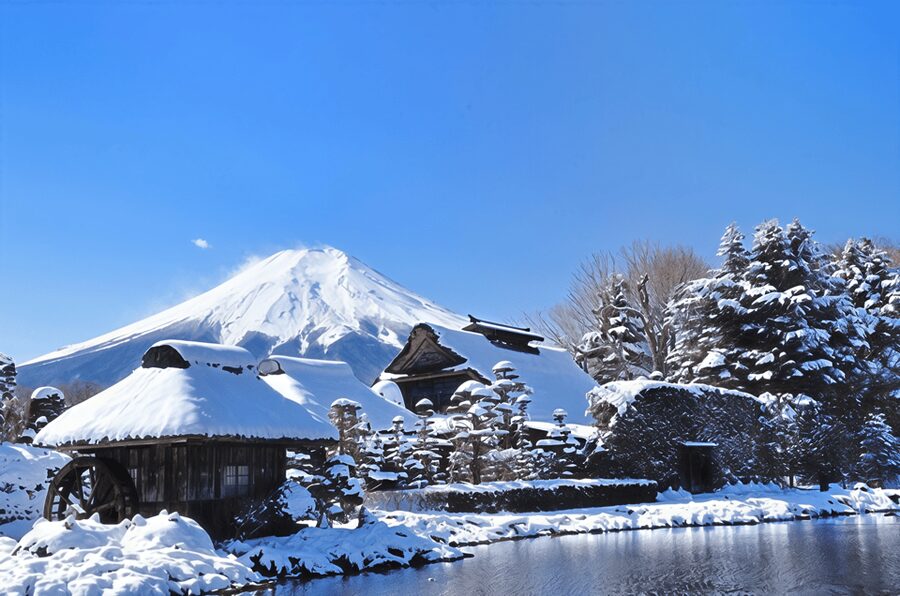
The meeting point is the Marunouchi North Exit at Tokyo Station, at 1-chōme-9-1 Marunouchi. You meet at 7:50 a.m. for an 8:00 departure, so this is not a tour for a slow hotel breakfast.
Tokyo Station is central and easy to reach, but it is also large. Give yourself extra time to find the Marunouchi North Exit rather than assuming any station entrance will do. The guide is meant to carry a blue flag, although one recent booking problem involved the flag changing to yellow. I would rely on the final message, the vehicle plate, and the guide’s contact details rather than the flag color alone.
The operator sends gathering information the evening before. Check both your inbox and spam folder. This small task matters because the day begins early, and confusion at Tokyo Station could mean missing the bus before the mountain portion even starts.
The ride toward Mount Fuji takes about 105 minutes. You get scenic views along the way, but the trip is still a substantial stretch of sitting. Food and drinks are not included, and eating in the vehicle is not allowed, so have breakfast before meeting the group and plan to buy snacks during one of the breaks.
A few more options to weigh up in Tokyo
- Tokyo Disney Resort – Tokyo Disneyland & Tokyo DisneySea Park Tickets
★ 4.8 · 99,488 reviews - SHIBUYA SKY Ticket
★ 4.7 · 46,509 reviews - JR Whole Japan Rail Pass
★ 4.8 · 29,150 reviews
Arakurayama Sengen Park and the Chureito Pagoda climb
The first major stop is Arakurayama Sengen Park, scheduled for about an hour. This is the classic Fuji viewpoint, with the five-story Chureito Pagoda in the foreground and Mount Fuji rising behind it when the weather cooperates.
The park and pagoda are listed as separate parts of the stop, with around 30 minutes specifically set aside for Chureito Pagoda. The important practical point is that you walk and climb stairs. The view is worth the effort for many people, but this is not a flat roadside photo stop.
The scene changes with the season. Cherry blossoms frame the pagoda in spring, autumn leaves add color later in the year, and winter can bring a clean view of Fuji’s snow-covered summit. Clear weather makes a huge difference here. One especially happy February booking had unobstructed Fuji views through the morning, which is about as good as conditions get for this route.
You should also understand what this stop is not. It is not a quiet, private overlook. The pagoda and Fuji composition is one of Japan’s most recognized photographs, so the setting can feel focused on getting the picture. Use your time wisely: take the famous shot, then pause to look beyond the camera screen at the broader view over Fujiyoshida.
Hikawa Clock Shop and the Fuji-framed street
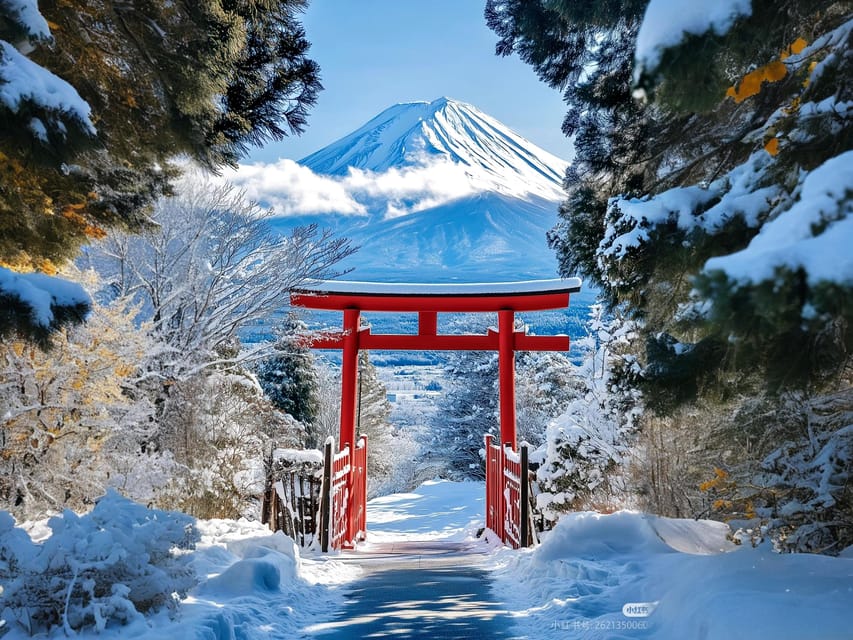
After Arakurayama, the vehicle moves to the Hikawa Clock Shop area, also described as Hidakaya Clock Street. The stop lasts about 20 minutes and includes time for photos and a short walk.
The attraction here is the long, straight view toward Mount Fuji, framed by the buildings and traditional Japanese street feel. It is a different kind of photograph from Chureito Pagoda. Instead of a temple structure and mountain panorama, you get Fuji appearing at the end of an ordinary town street.
This stop is brief, so think of it as a focused photo break rather than a neighborhood visit. Follow the guide’s instructions about where to stand and where to meet again. The road setting also means you should pay attention to traffic and avoid treating the street like a closed photo set.
I like this addition because it gives the day some variety. Fuji is not only a grand nature scene here. It becomes part of everyday town life, which makes the picture feel less formal and more distinctly Japanese.
Oshino Hakkai, ponds and mountain reflections
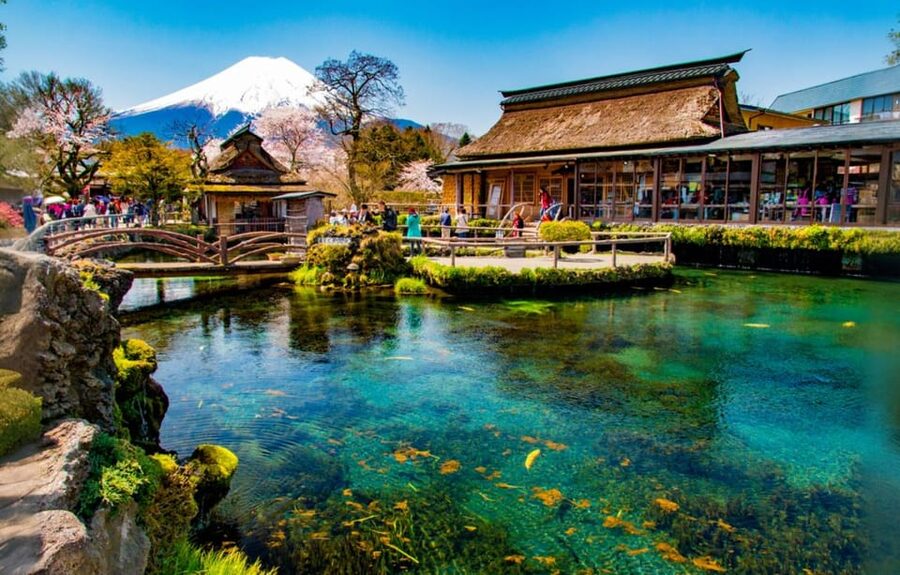
Oshino Hakkai gets about 80 minutes, making it the longest stop of the day. It is also the place where the tour slows down most naturally.
The area is known for clear ponds, traditional buildings, small shops, and views toward Mount Fuji. The ponds reflect the surrounding scenery when conditions are right, and the water gives the visit a peaceful tone after the stair climb and quick street stop.
Oshino Hakkai is recognized as part of the Mount Fuji UNESCO World Heritage cultural site. That designation does not mean the whole visit feels like a formal museum experience. You have free time to walk, take photographs, look at the water, and browse for local snacks or small purchases.
The 80-minute window is useful, but it still goes quickly. I would first walk through the pond area and take in the main views before stopping to shop. Meals, beverages, and snacks are not included in the tour price, so you pay separately for anything you buy.
This is probably the most satisfying stop for anyone who wants more than a single postcard photograph. Fuji is present, but the ponds, water, village setting, and slower pace give you something else to notice. It also offers a welcome break from the more tightly controlled photo stops.
A completely different kind of day out:
- Mt Fuji and Hakone 1-Day Bus Tour Return by Bullet Train
★ 5.0 · 26,383 reviews - TOKYO SKYTREE® Ticket
★ 4.7 · 25,136 reviews - teamLab Borderless Tickets: MORI Building DIGITAL ART MUSEUM
★ 4.7 · 24,126 reviews - teamLab Planets TOKYO Ticket
★ 4.7 · 21,663 reviews
The Lawson stop and the famous convenience-store picture
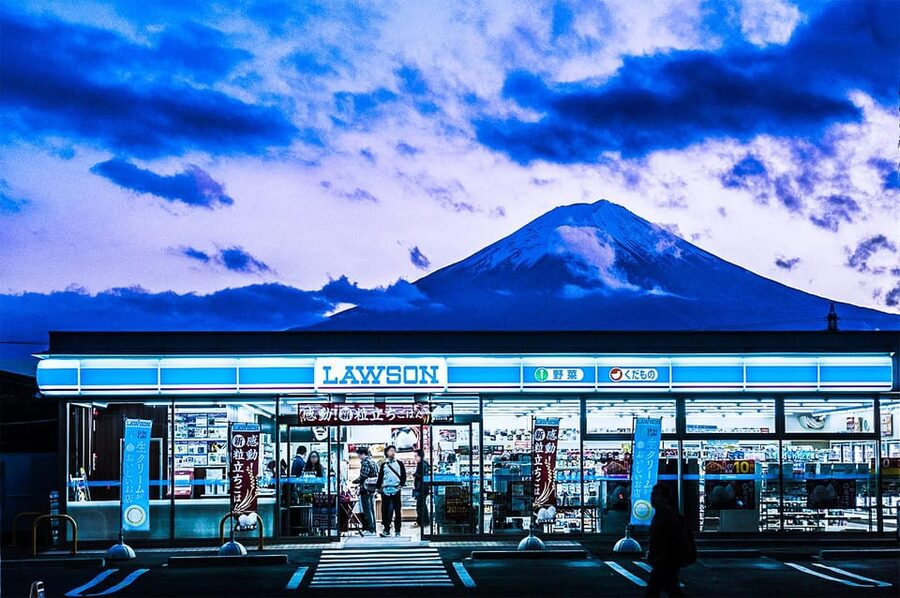
The 20-minute stop at LAWSON Kawaguchiko Station is one of the tour’s more playful moments. From the right angle, the convenience store, street, and Mount Fuji create the sort of picture that has become closely linked with modern Japan sightseeing.
You can take photographs and buy an ice cream or other local snack during the break. The stop is not presented as a historic site, and that is part of its charm. It shows how an ordinary convenience store can become a memorable Fuji viewpoint when the composition is right.
Keep this stop in proportion. You are not visiting a major attraction, and 20 minutes is enough for a photo and a quick purchase. It is a light change of mood after Oshino Hakkai, not a reason by itself to choose the tour.
Lake Kawaguchi and the seasonal final stop
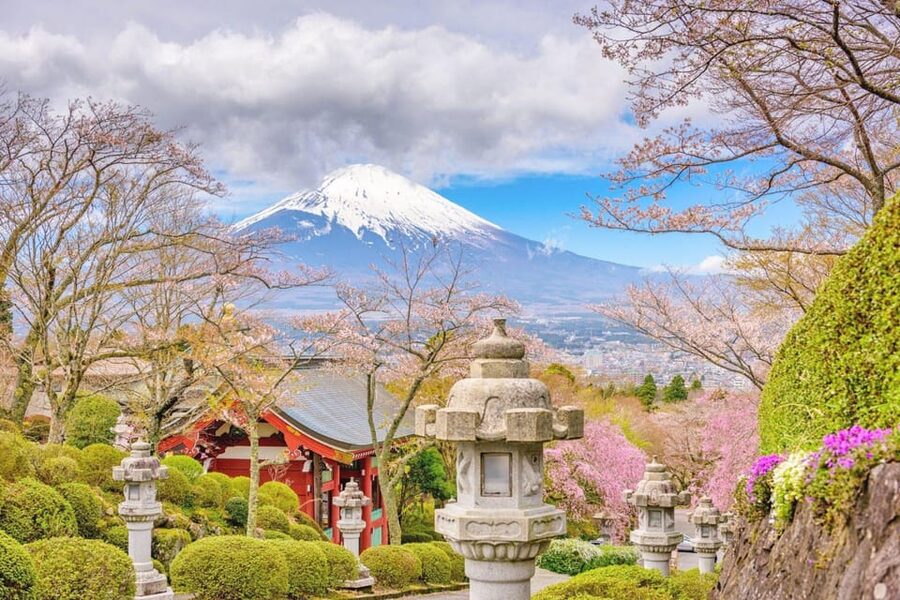
The final sightseeing portion is around Lake Kawaguchi, with about 50 minutes for photographs, walking, and scenic views. The exact setting changes by season, which is one of the stronger features of this outing.
At Oishi Park, you may see flower fields with Fuji behind them. Summer is associated with lavender, while other periods bring different seasonal color. The attraction is the combination of open lake views, planted flowers, and the mountain in the distance.
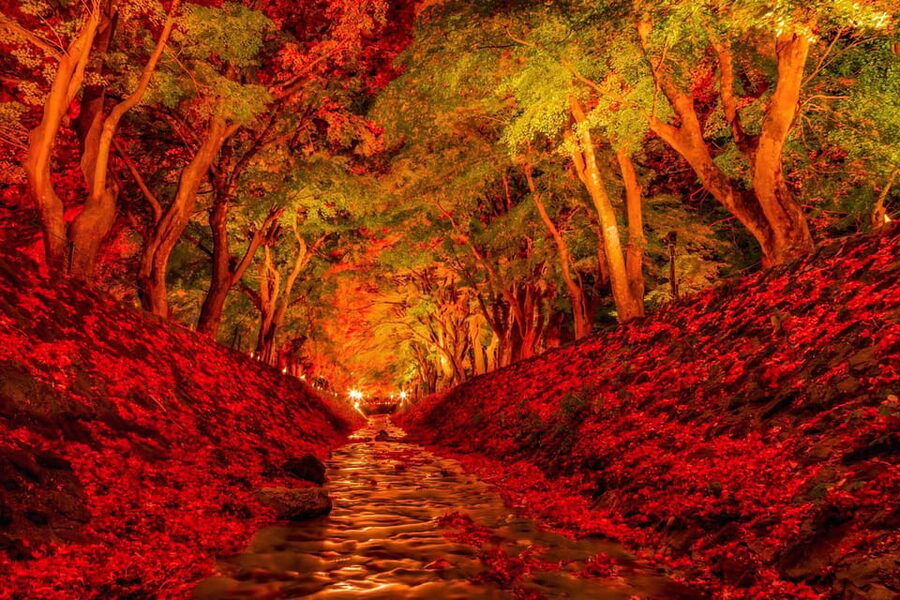
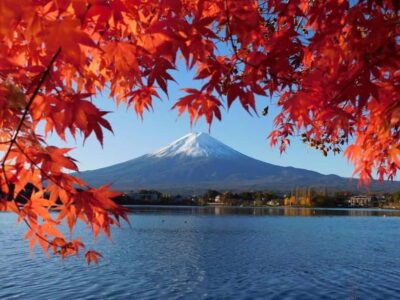
From about October 30 to November 20, the route visits Kawaguchiko’s Maple Corridor instead of Oishi Park. This is the autumn version of the stop, with red leaves framing Fuji. If fall color is your main reason for booking, check that your date falls within the stated seasonal window.
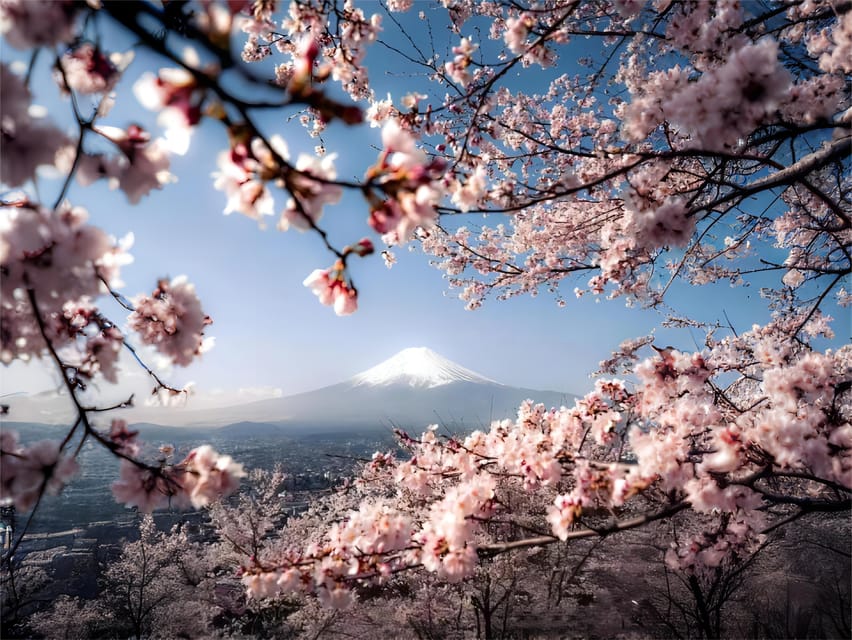
The spring cherry blossom period is listed as approximately March 30 to April 14. These dates are limited and depend on the season, so you should not treat them as a guarantee of peak bloom. Still, the idea of Fuji behind a line of pink blossoms is a strong reason to consider this tour in spring.
The seasonal change makes the trip more useful than a fixed route would be. You are not seeing the same park in every month. At the same time, you need to accept that weather and timing control the result. A cloudy day can hide Fuji, and traffic may affect how long you have at the final stop.
How the timing feels over ten hours
The full day runs from an 8:00 a.m. departure to an expected 6:50 p.m. return at Tokyo Station. That is a long day, but the route covers several separate areas that would be awkward to connect independently.
The schedule is efficient rather than relaxed. You have roughly one hour at Arakurayama, 20 minutes at the clock street, 80 minutes at Oshino Hakkai, 20 minutes at Lawson, and 50 minutes around Lake Kawaguchi. One Italian booking rated the organization well but felt the pace could be calmer. I think that is a fair warning.
You will probably enjoy the tour most if you want a broad first look at the Fuji area. If you prefer sitting for an hour at one café, walking without a watch, or waiting patiently for the perfect photograph, the schedule may feel tight.
The route order can change because of traffic, weather, or operational needs. That is normal for a full-day road trip from Tokyo, but it means you should not build an evening reservation immediately after the stated 6:50 return. Leave a buffer.
Transportation, group size and what $58 buys
At $58 per person, this tour offers good value if you want convenience. Fuel, tolls, parking, transportation, a driver, and a professional guide are included. You avoid working out several regional train and bus connections, and you can carry the day’s route in one vehicle.
The group size affects the feel. A small group can have up to 13 people, while the larger bus option carries 14 to 45. The smaller vehicle may make meeting the guide and regrouping easier, but the booking information does not promise which format you will receive. If a large group is used, expect less flexibility at photo stops.
The guide service is available in English, Chinese, and Japanese. One especially praised guide was Hikari, described as organized, personable, and funny. Another strong experience involved clear explanations of drop-off and pick-up points. Those details matter on a day with multiple short stops.
Meals and drinks are not included. Optional attraction fees, souvenirs, and extra activities also come out of your pocket. One piece of luggage per person is allowed, with extra charges for additional or oversized luggage, so this is better suited to a light day bag than a full suitcase.
Children under 2, or under 3 according to the child policy wording, are free when they do not occupy a seat. Because the supplied information uses both age descriptions, confirm the exact child policy before paying. Pregnant people and wheelchair users are listed as unsuitable for this experience.
Weather, visibility and the art of realistic expectations
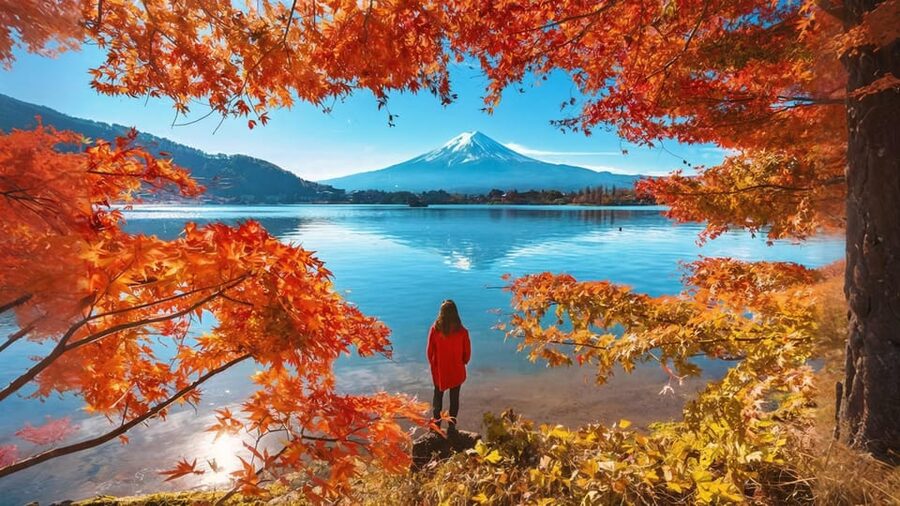
Mount Fuji is the star, but Fuji does not always appear on schedule. Clear skies can produce excellent views, as they did for one February booking and several spring visits. Clouds, rain, or haze can cover the summit or soften the view.
The tour still has value on a less-than-perfect day because Oshino Hakkai, the pagoda, the town street, and Lake Kawaguchi each offer different surroundings. But if your main goal is one perfect Fuji photograph, the weather remains outside anyone’s control.
I would choose a date with some flexibility if possible. Free cancellation is available up to 24 hours before departure, and you can reserve now and pay later. Those terms help if your Tokyo plans are still shifting, though they do not guarantee clear mountain weather.
Who will enjoy this Fuji day trip?
I would recommend it most strongly to first-time visitors who want to see several famous Fuji viewpoints in one day. It also suits photographers who enjoy collecting different compositions: pagoda and peak, town street and peak, pond and peak, convenience store and peak, then flowers or autumn leaves and peak.
Families may appreciate the included transport and short, varied stops, although the stairs at Arakurayama and the long day deserve careful thought. The vehicle rules also prohibit smoking and food inside, so plan around that.
I would hesitate if you need wheelchair access, are pregnant, dislike early starts, or want a slow village day. I would also think twice if you have a fixed evening booking in Tokyo, since the stated return time can shift with road conditions.
Should you book the Mt Fuji and Kawaguchiko tour?
Book it if you want maximum Fuji coverage with minimum planning. For $58, the transport and route make sense, especially when you value seeing Chureito Pagoda, Oshino Hakkai, and Lake Kawaguchi in one outing.
Go in with the right expectations: this is a photo-rich road trip, not a leisurely retreat. Check the seasonal stop, watch for the final meeting message, arrive early at the Marunouchi North Exit, and leave your evening open. If clear weather arrives, the day can deliver a fine collection of classic Fuji views. If not, the varied stops still give you a worthwhile look at the mountain region.
FAQ
Where does the tour meet in Tokyo?
The meeting point is Tokyo Station’s Marunouchi North Exit, at 1-chōme-9-1 Marunouchi, Chiyoda City, Tokyo.
What time does the tour start?
You meet at 7:50 a.m., and the vehicle departs at 8:00 a.m.
What time does the tour return to Tokyo?
The planned arrival back at Tokyo Station is around 6:50 p.m.
How long is the tour?
The full experience lasts about 10 hours.
Which languages are available?
Guiding is available in English, Chinese, and Japanese.
How much does the tour cost?
The listed price is $58 per person.
Is transportation included?
Yes. Transportation, the driver, fuel, tolls, and parking fees are included.
How large is the group?
The small-group vehicle carries up to 13 people. A larger bus may carry between 14 and 45 people.
Are meals and snacks included?
No. Meals, drinks, snacks, souvenirs, and optional activities are not included. You can buy food or drinks during stops, including the Lawson break.
Can I bring luggage?
One piece of luggage per person is allowed. Oversized or additional luggage may cost extra, and you should notify the operator in advance.
Is the tour suitable for wheelchair users?
No. Wheelchair users are listed as not suitable for this activity.
Can children join for free?
Children under 2, or under 3 if they do not occupy a seat, are listed as free. Because the supplied child-age wording differs, confirm the exact policy before booking.
What happens if the weather or traffic changes the plan?
The order of stops may change because of traffic, weather, or operational reasons. The seasonal stop can also vary by date, with Maple Corridor replacing Oishi Park from approximately October 30 to November 20.
Just added in Tokyo
- A One-of-a-Kind Sushi Experience in a Special Place of Japan★ 5.0 · 15 reviews
- Tokyo Cute Bento Cooking Class – Make a Kawaii Character Lunchbox★ 5.0 · 126 reviews
- Japanese Home Cooking Class & Walk in Todoroki Temple Tokyo★ 5.0 · 88 reviews
- Japan Tokyo Tower Observatory Deck E-Ticket★ 4.0 · 34 reviews
- Catch a Baseball Game in Tokyo with a Local – Tickets Included★ 5.0 · 24 reviews
- Japan Classic 10 Day – One Life Adventures★ 5.0 · 129 reviews
- JDM Experience with Fast&Furious RX-7 (English speaking Driver)★ 5.0 · 57 reviews
- Tokyo Private Day Tour by Car with English speaking Driver Guide★ 4.0 · 29 reviews
Tokyo Tours, compared.
Tokyo Disney Resort – Tokyo Disneyland & Tokyo DisneySea Park Tickets
Read our review →
Mt Fuji and Hakone 1-Day Bus Tour Return by Bullet Train
Read our review →

teamLab Borderless Tickets: MORI Building DIGITAL ART MUSEUM
Read our review →