Reviewed · TOKYO TOURS
Tokyo: Name Seal & Pouch or Tote Bag Making Experience
Small souvenirs can carry big meaning. In Roppongi, you can turn your name into a Japanese seal and decorate a pouch or tote bag in about 30 to 40 minutes. I like the personal touch of having your name translated into Kanji or Hiragana, and I like that you leave with useful items rather than a mass-produced trinket. The main consideration is time: Kanji seals are made to order, and busy sessions may take about 40 minutes per person.
This is a warm, hands-on activity at Shodocafe7557, near the National Art Center Tokyo. The English-speaking host explains the meaning of your chosen characters, helps with calligraphy, and may provide drinks, postcards, and small extras while you wait. The small-group format is limited to five people, but the compact studio means this is better for a short cultural stop than a long craft workshop.
In This Review
- Key points at a glance
- Turning your name into Kanji at RoppongiHanko
- Why an inkan makes a better souvenir than another keychain
- Choosing between the pouch and tote bag
- The 30 to 40 minute class, step by step
- What the four seal designs add
- Is $29 a good value?
- Who should book this experience?
- Practical tips for a smoother visit
- Final decision: book it for a personal Tokyo keepsake
- FAQ
- Where does the name seal experience take place?
- How do I reach the studio by train?
- How long does the activity take?
- What type of seal can I choose?
- What designs are available for a Kanji seal?
- What can I choose for the pouch or tote bag?
- Is the activity accessible and guided in English?
Key points at a glance
- Your name gets a Japanese meaning: Staff help choose Kanji based on the sound and meaning of your name, rather than simply copying foreign letters.
- Two useful souvenirs are included: You receive a custom seal plus either a pouch or tote bag.
- The Kanji seal offers four traditional designs: Pick Mt. Fuji, a pine tree, a floral leaf known as Kiri-mon, or a Maiko girl.
- Waiting time becomes part of the activity: You can practice calligraphy and design a personalized postcard while your seal is produced.
- The setup suits families: Children can write their names, learn what the characters mean, and choose decorations for a tote bag.
- Advance choices matter: For a Kanji seal, send your name, selected design, and pouch color before arriving.
Turning your name into Kanji at RoppongiHanko
The experience begins at RoppongiHanko, in the Crest Roppongi Building at 7-9-3 Roppongi, Minato-ku, Tokyo. The studio is on the second floor, near the National Art Center Tokyo. This is not a large tourist attraction with a sign visible from half a block away, so use Google Maps and search for either RoppongiHanko or Shodocafe7557.
From Roppongi Station, take the Toei Oedo Line and use Exit 7. Cross toward FamilyMart, keep to the right, and walk along the museum street toward the National Art Center Tokyo. A large crane sign helps identify the building.
Once you arrive, the first important choice is how you want your name written. You can select a square 24-millimeter seal using Kanji, or a round 12-millimeter seal using Hiragana. The Kanji option is the more distinctive choice because the staff help select characters with suitable meanings and sounds. That gives your souvenir a small story, not just a printed name.
The staff also ask you to choose from four design themes for a Kanji stamp:
- Mt. Fuji
- Pine tree, or Matsu
- Floral leaf, known as Kiri-mon
- Maiko girl
These designs give the seal a clear Japanese character. Mt. Fuji is the easiest choice if you want an instantly recognizable symbol. The pine tree offers a more traditional feel, while the Kiri-mon floral leaf and Maiko girl create a more decorative result.
You should provide your name and preferred design ahead of time. This is especially important if you want Kanji, since the character selection and production require extra preparation. Also provide your pouch color in advance if you choose a pouch. The choices are gold or silver.
A few more options to weigh up in Tokyo
- Tokyo Disney Resort – Tokyo Disneyland & Tokyo DisneySea Park Tickets
★ 4.8 · 99,488 reviews - SHIBUYA SKY Ticket
★ 4.7 · 46,509 reviews - JR Whole Japan Rail Pass
★ 4.8 · 29,150 reviews
Why an inkan makes a better souvenir than another keychain
An inkan is a Japanese seal stamp used in business and everyday life. That cultural connection gives this activity more weight than a simple name-printing session. You are taking home an object linked to a real Japanese custom, even if your personal seal is made as a souvenir rather than for official paperwork.
I like the way the activity explains the meaning behind the characters. A foreign name can be represented in several ways, and the staff help you choose characters that sound close while carrying attractive or auspicious meanings. That turns the name selection into the heart of the experience.
The finished stamp is also small and easy to pack. The square Kanji version measures 24 millimeters, while the round Hiragana version measures 12 millimeters. You do not need to find room in your suitcase for a bulky craft project.
Do keep your expectations sensible. The session is short, and the seal is custom-made while you wait. If several people are attending, the pace can slow down, with production taking about 40 minutes per person. This is not a detailed lesson in seal carving. It is a guided personalization experience with a finished stamp to take home.
Choosing between the pouch and tote bag
Your second souvenir is either a custom pouch or a tote bag. The pouch comes in gold or silver, which gives you a simple but eye-catching keepsake. It is a good pick if you want something compact, decorative, and easy to use for small belongings.
The tote bag is the more interactive option. Your name appears in Kanji or Hiragana, and you can choose up to three decorations. Cherry blossoms and stars are specifically offered. The three-decoration limit is included in the price, while adding more decorations costs extra.
For children, the tote may be the better choice because the design process gives them more decisions to make. They can select the writing style and arrange their decorations, then leave with something they helped create. One family found the children especially enjoyed learning their names and writing them in calligraphy.
For adults, the pouch may feel more refined, especially in gold or silver. It also makes a practical gift for someone who did not join you in Tokyo. Just remember that the pouch color must be selected in advance for Kanji orders.
The 30 to 40 minute class, step by step
The activity takes place at the same studio where you arrive, so there is no travel between stops. That makes it easy to fit around a museum visit, lunch in Roppongi, or an afternoon in the surrounding art district.
The session starts with name translation and design choices. The English-speaking guide explains the Kanji characters and what they mean. This is one of the most valuable parts because you can ask questions instead of accepting a random set of symbols.
Next comes the waiting period while the custom stamp is produced. Rather than sitting idle, you can practice Japanese calligraphy. You may also design a personalized postcard featuring calligraphy art. The postcard activity gives you something else to take home and helps fill the production time.
Past participants have especially appreciated the patient instruction during this stage. The host has been described as kind, encouraging, and willing to explain each character. That matters if you have never held a calligraphy brush before. You are not expected to arrive with artistic skills.
The final part is receiving your stamp and pouch or tote. Depending on your choices, the finished items can include your name, the selected Japanese design, and the tote decorations. Drinks and small extras have also been part of the welcome for some sessions, although you should treat those as pleasant additions rather than the main reason to book.
Because the group is limited to five people, the setting is more personal than a large class. Still, a small group does not guarantee a fast visit. Custom production takes time, particularly if several participants choose Kanji seals.
A completely different kind of day out:
- Mt Fuji and Hakone 1-Day Bus Tour Return by Bullet Train
★ 5.0 · 26,383 reviews - TOKYO SKYTREE® Ticket
★ 4.7 · 25,136 reviews - teamLab Borderless Tickets: MORI Building DIGITAL ART MUSEUM
★ 4.7 · 24,126 reviews - teamLab Planets TOKYO Ticket
★ 4.7 · 21,663 reviews
What the four seal designs add
The four Kanji seal designs are not just decoration. They shape the look and mood of your souvenir.
Mt. Fuji gives the stamp an unmistakable Japanese identity. If this is your first visit to Japan or you want a clear reminder of the country, it is the most obvious choice.
The pine tree, or Matsu, has a classic appearance. It suits someone who prefers a restrained, traditional image rather than a scenic one.
The Kiri-mon floral leaf is more formal and emblematic. It can appeal to you if you like patterns with a historical Japanese feel, though the activity details do not assign a specific meaning to your name or design beyond the available theme.
The Maiko girl is the most characterful option. It gives the item a distinctly Kyoto-inspired visual reference, even though the workshop itself is in Tokyo. Choose it if you want a souvenir with a human figure and a more decorative style.
You must choose one of these designs in advance for a Kanji stamp. There is no indication that you can create a completely different custom illustration, so select from the four listed options rather than arriving with an unrelated design request.
Is $29 a good value?
At $29 per person, the value depends on what you want from a Tokyo activity. You receive a custom name seal, a pouch or tote, the Japanese translation of your name, and access to calligraphy practice. That is a fair price for a personalized souvenir and a short guided cultural lesson.
The strongest value comes from the two-part take-home package. A seal alone would be a compact keepsake, but the matching pouch or tote makes the experience feel more complete. You also avoid paying separately for a name translation or a basic calligraphy introduction.
The price is less attractive if you want a long, technical craft class. You are not spending hours carving the stamp yourself, and the custom production is handled for you. The activity is best understood as a guided cultural craft with personalization, not a professional training course.
For families, the price can make sense because the experience gives children several points of involvement: learning the characters, practicing calligraphy, choosing a design, and decorating a bag. For solo visitors, it is a practical choice if you want a souvenir with a personal connection rather than another printed shirt.
Who should book this experience?
I would suggest it to you if you want a short activity that feels distinctly Japanese and produces something easy to carry. It also suits visitors who enjoy names, writing systems, and small creative projects.
Families appear to be a particularly good match. Children can learn what their names mean, try calligraphy, and help design the tote. The friendly teaching style is useful for young artists who need encouragement more than strict instruction.
It also works well for couples and friends who want matching or contrasting souvenirs. One person can choose Kanji and a pouch, while another chooses Hiragana and a tote with cherry blossoms or stars.
You may want to skip it if your schedule is extremely tight. The advertised duration is 30 to 40 minutes, but custom production can take longer when the studio is busy. You should also avoid booking if you want a fully open-ended art project, since the available designs and decoration limits are set in advance.
The studio is wheelchair accessible, and smoking is not allowed. The activity is conducted in English, which makes the explanations useful for visitors who cannot read Japanese.
Practical tips for a smoother visit
Send all names before the appointment. For Kanji seals, also send your chosen design and pouch color. This prevents the creative decisions from taking up your production time.
If you are choosing a tote, decide whether you want cherry blossoms, stars, or a mix of the two. Three decorations are included. More than three cost extra.
Allow the full 40 minutes rather than planning to rush out in half an hour. This is particularly important for a family group or any booking with several people.
Use Google Maps before leaving the station. Look for the Crest Roppongi Building, the crane sign, and the National Art Center Tokyo as nearby reference points. If taking a taxi, show the driver the studio name, Shodocafe7557 in Crest Roppongi Building, near the National Art Center Tokyo.
The experience allows free cancellation up to 24 hours before the scheduled time, and you can reserve now and pay later. Those options help if your Tokyo plans are still shifting.
Final decision: book it for a personal Tokyo keepsake
Book this experience if you want a souvenir that carries your name, a Japanese meaning, and a little handmade character. The stamp and pouch or tote are more personal than standard shopping finds, and the calligraphy practice gives you something to do while the custom work is completed.
I especially like it for families, first-time visitors to Japan, and anyone who enjoys thoughtful gifts. The main warning is simple: prepare your choices in advance and leave enough time for production. If you can accept that pace, $29 buys a friendly, useful, and genuinely personal memory in central Tokyo.
FAQ
Where does the name seal experience take place?
It takes place at RoppongiHanko, also associated with Shodocafe7557, in the Crest Roppongi Building, 2F, at 7-9-3 Roppongi, Minato-ku, Tokyo.
How do I reach the studio by train?
Take the Toei Oedo Line to Roppongi Station and use Exit 7. Cross toward FamilyMart, keep to the right, and walk toward the National Art Center Tokyo along the museum street.
How long does the activity take?
The scheduled duration is 30 to 40 minutes. Custom production can take about 40 minutes per person when there are many people.
What type of seal can I choose?
You can choose a square 24-millimeter Kanji seal or a round 12-millimeter Hiragana seal. The activity also asks you to choose from four seal designs.
What designs are available for a Kanji seal?
The choices are Mt. Fuji, a pine tree, a floral leaf known as Kiri-mon, and a Maiko girl.
What can I choose for the pouch or tote bag?
A pouch is available in gold or silver. For a tote bag, your name and up to three decorations, such as cherry blossoms or stars, are included.
Is the activity accessible and guided in English?
Yes. The experience is wheelchair accessible and includes a live English-speaking guide.
Just added in Tokyo
- Manga Lesson with a Professional Japanese Manga Artist in Nakano★ 5.0 · 77 reviews
- Making a bento box with cute character look in Japan★ 5.0 · 15 reviews
- Tokyo/Ikebukuro Manga drawing workshop by pro-Manga artists★ 5.0 · 65 reviews
- Luxury Tokyo Sake, Cocktail, Whisky and Pairing Tour★ 5.0 · 18 reviews
- Tokyo Ueno Food & Nature & Localtown Tour: 10Dishes+ Drinks★ 5.0 · 34 reviews
- Make Your Own Bonsai with a Professional Bonsai Artist in Tokyo★ 4.5 · 18 reviews
- Make Traditional Nerikiri Sweets & Matcha experience in Shibuya★ 5.0 · 130 reviews
- Daikoku Parking Tokyo Drift & APIT Car Meet JDM Culture Tour★ 5.0 · 79 reviews
Tokyo Tours, compared.

Tokyo Disney Resort – Tokyo Disneyland & Tokyo DisneySea Park Tickets
Read our review →
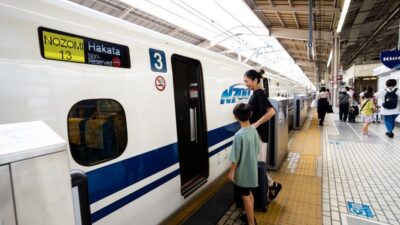
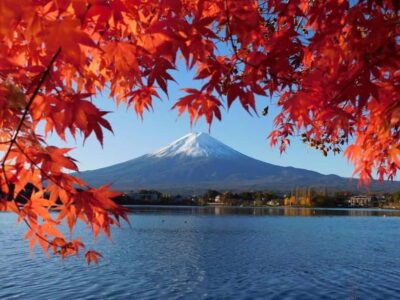
Mt Fuji and Hakone 1-Day Bus Tour Return by Bullet Train
Read our review →

teamLab Borderless Tickets: MORI Building DIGITAL ART MUSEUM
Read our review →